
Last updated: Apr 19, 2026
Winter ice and wind strike the bluff-top neighborhoods with a sharp edge. A small leak today can become a collapsed ceiling tomorrow if snowmelt refreezes in attic rafters or wind-driven rain blows under loose flashing. In this tight, storm-prone area, emergency leaks are almost a seasonal rhythm-ice damming in winter, hail and heavy rain in spring and early summer-so quick stabilization is not optional, it's essential. The best path is to act fast, seal the intrusion, and set up documentation before damage spreads into insulation and electrical components.
If you notice water staining, dripping, or frost on the underside of sheathing, call a reputable emergency repair crew that specializes in storm damage. Seek out a contractor with a track record of rapid response and tarp capability, because delay increases interior damage and the risk of mold. While waiting, place a clean bucket or bin under the drip, protect valuables with tarps or plastic, and keep pathways clear for responders. Do not attempt to climb onto a steep, icy roof yourself; the risk of a fall is high on Fort Lee's exposed slopes.
Northern New Jersey insurers commonly see weather-related roof claims after severe storms, so adjusters will ask for roof age, photos, and a written scope of work. Gather these now: clear exterior photos showing the leak source, attic and ceiling photos to reveal visible water intrusion, and a concise written scope describing what needs to be stabilized and what remains to be inspected after access is gained. If a ladder or rooftop access is required, ensure that the contractor provides safe, insured access and records the date and time of those actions. Having this documentation ready speeds up the claim review and reduces the back-and-forth that slows repairs during storm season.
The Fort Lee market leans heavily toward emergency repair and storm-damage specialization, so the fastest responders are often the most capable. Prioritize contractors who can provide prompt tarping, temporary shingle or flashing stabilization, and a clear plan for protected eaves and vent areas. Ask for a written sequence of stabilization steps, including tarping coverage area, securing loose materials, and coordinating with the insurer on access for a permanent fix. Verify insurance coverage for the contractor, and confirm that their team will coordinate with the adjuster to document the initial stabilization work and any subsequent repairs.
On arrival, the team should perform a quick safety assessment, identify obvious entry points for water, and place a durable tarp over the affected roof area with secure fasteners. They should seal around any penetrations-chimneys, vents, and skylights-as winter winds can drive moisture under compromised seals. Expect a brief written scope of work for the stabilization phase, plus an outline of next steps for temporary repair and permanent corrective work. After stabilization, you'll be guided through the claim process, including how to photograph the repaired areas and what to document in your written scope for the insurer.
Once the roof is stabilized, set a plan for a permanent repair that accounts for Fort Lee's winter melt and spring hail exposure. Confirm with the contractor that temporary measures won't trap moisture or create new ice dams. Schedule follow-up inspections to ensure flashing, drip edge, and underlayment remain secure as seasonal weather shifts. Maintain a running record of all communications with the insurer, including adjuster visits, scope changes, and dates of completed work, so that storm damage claims move forward without unnecessary delays.
On the bluff-top housing mix where the George Washington Bridge approach defines the skyline, flat and low-slope roofs are more common than in purely suburban towns. This is a market where many multifamily and mixed-use buildings rely on flat-roof designs, so leak prevention and storm response must be practical and targeted. The demand here shows in active contractor signals: flat-roof specialists are prevalent because the issues are different from steep-slope homes, and the consequences of neglect are more visible across shared corridors and tenant spaces.
Low-slope roofs in this market endure a demanding cycle: winter freeze-thaw stresses and heavy rain events in warmer months. Drainage details matter, especially where scuppers, downspouts, and internal drains tie into aging plumbing or exterior stair enclosures. Seams and flashing around parapets, vents, and HVAC penetrations are frequent leak paths, and poor adherence of membrane seams can lead to hidden water intrusion that progresses along joists and into interior ceilings or party walls. On multifamily roofs, edge detailing becomes twice as critical because a single compromised area can affect multiple units below.
Begin with a walk of the perimeter after a storm or heavy rainfall. Look for standing water on low-slope sections that remains overnight or begins to bead into seams. Inspect flashings at wall terminations and around vents; misaligned or torn sealant joints are common culprits on older builds. In cold months, check for ice damming along parapets and at roof-to-wall junctions. Ice buildup can lift or crack membrane laps and push water into unseen channels. If access is safe, test drainage paths by dumping a measured amount of water at suspected low points and watching for slow or pooled drainage.
For maintenance, prioritize sealing suspect seams and reapplying compatible sealants before the spring thaw. Inspect penetrations such as HVAC curbs and skylights for gasket integrity and flashing corrosion. On a tight schedule, prioritize flat roofs above high-occupancy units or common corridors where a leak would disrupt multiple tenants. Document any observed failures with clear measurements, photos, and dates so a contractor can reproduce the problem area during a repair estimate.
Winter conditions demand robust edge flashing and drip edge details to prevent water from creeping under the membrane at parapet peaks. In warmer seasons, anticipate heavy rains by ensuring internal drains remain free of debris and that scuppers are not obstructed by trash, leaves, or accumulated sediment. For multifamily properties, establish a simple leak protocol: designate a point of contact for tenants, a pre-storm checklist for maintaining drainage outlets, and a rapid-response plan for interior mitigation if a leak is detected in a shared area. Good documentation and prompt response are the best defenses against storm-driven damage that can escalate quickly on flat roofs.
Find specialists in TPO, EPDM, and built-up flat roofing systems for residential and commercial properties.
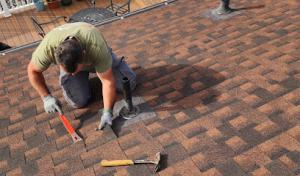
Right Service Roof Repair & Roof Installation NJ
(201) 456-6461 rightserviceroofing.com
426 Plateau Ave, Fort Lee, New Jersey
5.0 from 259 reviews
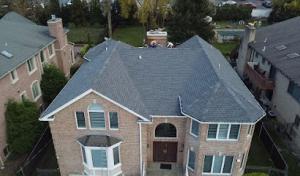
Skyline Construction Group
(201) 989-6560 www.skylineconstructiongrp.com
69 Main St, Fort Lee, New Jersey
4.9 from 89 reviews

OTR Home Improvement
(201) 600-6036 otr-roofing-new-jersey.com
69 Main St, Fort Lee, New Jersey
4.8 from 47 reviews
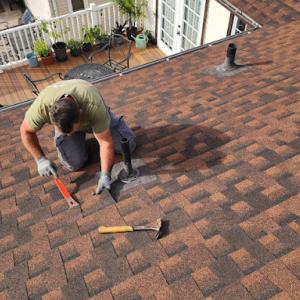
Right Service Roof Repair & Roof Installation NJ
(201) 456-6461 rightserviceroofing.com
426 Plateau Ave, Fort Lee, New Jersey
5.0 from 259 reviews
Right Service Roofing and Chimney is a Family Owned and Operated Roofing Company proudly servicing your area for over 15 years with professional and affordable residential and commercial Roofing, Chimney, Skylights, Gutters, Siding, Masonry services , commercial roofing installation and flat roof leak repair and residential roofing, installation and leak repair To slate roof leak repair, flat Roof leak repair, skylight replacement, Gutter Repair, Chimney leak repair, Siding repair, animal roof damaged repair. FREE Estimate. Local roofers near me We are licensed and insured.
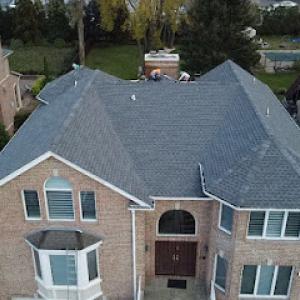
Skyline Construction Group
(201) 989-6560 www.skylineconstructiongrp.com
69 Main St, Fort Lee, New Jersey
4.9 from 89 reviews
Welcome to Skyline Construction Group, your trusted renovation contractor in Fort Lee, NJ. With over 15 years of experience in residential and commercial construction, we specialize in roofing, siding, chimneys, masonry, gutters, skylights, and more. Our licensed team delivers high-quality installation, repair, and maintenance services with precision, integrity, and efficiency. We proudly serve Bergen, Morris, Passaic, and Middlesex counties in New Jersey. Your property is your greatest investment—let us help protect and enhance it. Contact us today for a free estimate!
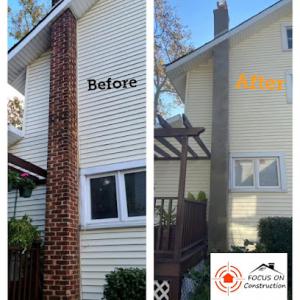
Focus On Construction
(201) 667-5663 www.focusonconstructionllc.com
1526 9th St, Fort Lee, New Jersey
4.9 from 57 reviews
We are a home improvement company that holds itself to a higher standard and never waivers from its commitment to excellence. Here at Focus On Construction we are 100% committed to providing you with the best experience for a wide variety of services from start to finish. We, as a company, believe in delivering services that are: Professional in nature Made with excellent craftsmanship Backed up by a warranty Seamless and hassle free In line with the New Jersey building codes When taken all together, these, undeniably, make us a trustworthy choice for your home improvement needs.

OTR Home Improvement
(201) 600-6036 otr-roofing-new-jersey.com
69 Main St, Fort Lee, New Jersey
4.8 from 47 reviews
You know that intimidating moment when you realize you are going to need a roof repair or possibly a whole new roof? There is no need to be filled with fear, sadness, and hesitation. You clearly have an honest roofer available at your service with many years of asphalt shingle and flat roof experience, here locally, in Cliffside Park, NJ. This group has been in the area for many decades. The owner personally trains each roofer himself to share his knowledge with everyone. This family owned business is doing things the most honest, upfront, thoughtful, and helpful way! When a company is this confident in their abilities, it makes you feel more at ease. Thankfully, they wholeheartedly stand behind their efforts. Call Today free estimates.
Vision Roofing & Chimney
(551) 234-5809 visionroofingnj.com
Serving
5.0 from 62 reviews
Roofing and chimney contractor North Jersey

AMERICAN Roof Repair & Replacement
(201) 254-9894 americanroofingprosnj.com
Serving
5.0 from 452 reviews
American Roofing NJ is a trusted roofing company dedicated to providing top-quality roofing solutions for homeowners and businesses across New Jersey. With years of experience and a commitment to excellence, we specialize in roof replacement, repair, and maintenance, ensuring your home or commercial property remains safe and secure in all weather conditions.
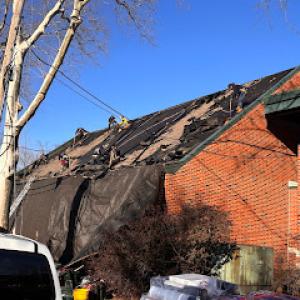
AG Pro Construction
Serving
5.0 from 40 reviews
At AG Pro Construction, we proudly serve homes and businesses across North and Central New Jersey — including Bergen, Essex, Union, Hudson, Passaic, and surrounding counties. Our experienced team specializes in roof repair, replacement, inspections, and emergency storm damage services. We work with all roof types including shingle, flat, and metal systems. Whether you’re in Hoboken, Teaneck, Union City, or Somerset County, we provide fast, reliable, and affordable roofing solutions. Fully licensed and insured. Call today for a free estimate and expert service you can trust .
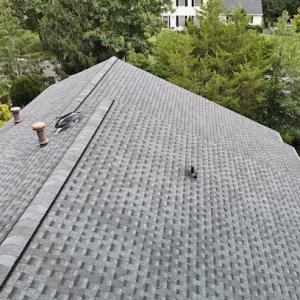
The GOAT Construction
(201) 973-0019 thegoatconstructionnj.com
Serving
5.0 from 72 reviews
Your expert partner in exterior excellence. Specializing in siding, chimney restoration, and roof services, we deliver top-tier craftsmanship and unmatched reliability. From seamless siding installations to precise chimney repairs and comprehensive roof solutions, trust us to safeguard your property with meticulous care and enduring quality. Experience the difference with PrimeGuard Construction – where expertise meets excellence.
Independent Roof Repair & Chimney Home IMP
(201) 699-7258 independenthomesimprovement.com
Serving
5.0 from 54 reviews
We providing services roofing, chimney, gutters, siding, masonry
Profine Construction
(201) 328-7456 www.profineconstructionllc.com
Serving
5.0 from 51 reviews
Profine Construction is all-purpose contracting company, providing home repairs and home improvements for residents in Cliffside Park, and across New Jersey. 1. Roofing: Repairs, coatings & maintenance, installation & replacement. Shingle, metal, tile, and flat roofs 2. Masonry & Hardscapes: Chimneys, chimney repair, brick/stone work, retaining/block walls, walkways & pavers 3. Siding: Installation & repair, soffits, facsia, exterior trim, stucco, weather barriers 4. Custom Home Remodeling: Kitchen, Bathroom, Painting 5. Gutters: Installation, repair, protection systems 6. Outdoor Living: Decks, Porches, Patios, Pergolas, Gazebos 15 years in business. 200 reviews, 4.9 stars HomeAdvisor Top Rated ELITE Service Angi "Super Service" 2024
Pro Line Construction
Serving
5.0 from 140 reviews
Proline Construction has been providing reliable Roofing, Siding, chimney, Masonry & Gutter repair, and construction services across New Jersey for many years. From project inception to completion, our team makes sure each project is completed on time and meets the client’s specific requirements. The Proline Construction team has an outstanding knowledge of relevant roofing, siding, chimney, masonry & gutter construction codes, and regulations. This means you don’t need to worry about compliance requirements. Our licensed contractors will take care of all the technical requirements of your project. We aim to deliver quality construction services to all our clients and build open and honest customer relationships.
Doda Brothers Roofing & Siding
(551) 866-7756 dodabrothers.com
Serving
5.0 from 127 reviews
Doda Brothers Construction is the best roofer in Bergen County, providing expert roofing services, including roof repair, roof replacement, and flat roof repair and replacement. We also specialize in skylight installation and gutter services to keep your home or business protected and looking its best. As a GAF-certified and BBB-accredited roofing company, we are dedicated to delivering top-quality craftsmanship and excellent customer service. Whether you need a roof replacement, a flat roof repair, or new gutters, we’re the best roofer near you to handle it all. Call Doda Brothers Construction today for a free roof inspection and experience why we’re the top choice for roofing in Bergen County and beyond!
Fort Lee experiences winter freeze-thaw cycles alongside hot, humid summers, so every roof system must resist ice-related stress while also limiting moss and algae growth during the warm, damp months. The bluff-top housing near the George Washington Bridge endures winter wind and storm exposure, which elevates the risk of edge leaks and wind-driven debris. In this setting, a roof that can hold its integrity through repeated ice dams, seasonal freeze cycles, and summer algae growth is essential. A material that dries quickly after storms, resists surface moss, and shows reliable performance under wind loads becomes a practical choice for long-term leak prevention and storm resilience.
The local mix includes asphalt shingles, metal, clay tile, concrete tile, wood shingles or shakes, and synthetic or composite shingles. Asphalt shingles offer straightforward weather resistance and ease of inspection after winter events, but look for strong nailing zones and compatible flashing to address ice slide along eaves and roof-to-wall transitions. Metal roofing presents excellent wind resistance and rapid shedding of snow, yet requires careful sealing at penetrations and through-flashings to manage freeze-thaw movement at joints. Clay and concrete tiles stand out for their durability in heat and their architectural appeal, but their weight and brittle edges demand solid structural support and meticulous flashing, especially where winter movement and storm-driven debris can stress the roof line. Wood shingles or shakes deliver a classic look and strong wind performance, but require protective treatment and regular maintenance to prevent moss growth and moisture-related splitting. Synthetic or composite shingles can blend the benefits of durability with lower maintenance, though look for weather coatings that resist algae while maintaining flexibility in cold snaps.
Tile and heavier systems can fit Fort Lee's housing stock, but structural suitability must be confirmed. The added mass amplifies wind uplift considerations and magnifies the impact of winter movement on rakes, hips, and valley flashings. Proper substrate preparation, snow guards, and high-quality valley and ridge detail become essential when choosing heavier materials in older homes or those with limited attic rafter depth. The flashing details around chimneys, dormers, and roof-to-wall transitions are often the deciding factor in whether a heavier system will perform over the long term rather than just endure initial installation.
Given the winter ice and seasonal storms, proactive maintenance matters more than ever. Regular inspections after major storms, prompt attention to missing shingles or damaged flashing, and a plan for rapid snow and ice management along eaves can prevent small issues from turning into leaks. For all materials, ensure proper ventilation and insulation to minimize ice dams, and keep gutters clear so meltwater flows away from the roof edge. In any choice, prioritize flashing quality and a robust edge detail to withstand Fort Lee's unique blend of wind exposure and moisture challenges.
In this area, the per-square price guidance should be applied from the provided ranges, but final pricing is often driven by access constraints in dense Bergen County neighborhoods and by building complexity. Asphalt shingles commonly range from 350 to 700 USD per square, metal roofing runs 800 to 1500 USD per square, clay tile 1000 to 1800 USD per square, concrete tile 900 to 1400 USD per square, wood shingles/shakes 600 to 1100 USD per square, and synthetic/composite shingles 450 to 900 USD per square. When planning, map the roof by sections: steep slopes, multiple rooflines, and any existing damage that might reveal underlayment or decking issues. If your building is multifamily or mixed-use, expect higher totals because access for crews, equipment, and staging space becomes more intricate and time consuming. Use these ranges as a starting point, then add a buffer for decking replacement, underlayment, and flashing where penetrations or skylights exist.
Demand spikes after regional storm events in northern New Jersey tighten scheduling and labor availability, which can push replacement timing and pricing in Fort Lee. If a storm hits, anticipate longer lead times for material ordering and for crew availability, especially on multifamily properties with shared access points or limited on-street parking. Plan a storm season schedule a few weeks out if possible, and have a contingency window for weather delays. For a dense bluff-top neighborhood, access ramps, elevator staging, and crane or lift use may be restricted by neighboring properties and street geometry, further influencing project pacing and cost.
Homes and buildings in this area often involve chimneys, skylights, dormers, and varied rooflines, and these penetrations increase flashing labor compared with a simple open gable roof. Each penetration needs precise detailing to prevent ice damming and wind-driven leaks, especially on windward facades exposed to winter storms. Expect higher workmanship time and cost for windiest elevations or complex ridge lines. In practice, you'll see crews itemize flashing runs around chimneys and skylights separately, with careful sealant selection and step flashing at transitions. If you have multiple penetrations, budget for additional flashing material and labor, as well as potential restoration of surrounding decking where rot or fastener corrosion is found during removal.
Storm damage cycles make documentation critical. Prepare a current roof plan, photos of pre-existing conditions, and a clear inventory of damaged components (decking, flashings, underlayment). Have contractor estimates broken down by material type, scope, and labor, plus a record of any temporary protection work performed to mitigate further damage. If insurance coverage is involved, align the damage description with policy language and keep timestamps from the storm window to support claim timing and scope. In dense neighborhoods, a well-documented claim can streamline approvals and help secure prompt scheduling, which is especially important when winter weather has already been setting in.
Get a clear picture of your project costs upfront - no commitment required.
Right Service Roof Repair & Roof Installation NJ
(201) 456-6461 rightserviceroofing.com
426 Plateau Ave, Fort Lee, New Jersey
5.0 from 259 reviews
Skyline Construction Group
(201) 989-6560 www.skylineconstructiongrp.com
69 Main St, Fort Lee, New Jersey
4.9 from 89 reviews
OTR Home Improvement
(201) 600-6036 otr-roofing-new-jersey.com
69 Main St, Fort Lee, New Jersey
4.8 from 47 reviews
In this neighborhood, a full roof replacement typically needs a building permit through the Fort Lee Borough Department of Building and Safety. Treat the permit as a core part of the project, not an afterthought. If a contractor glosses over permit steps, the work can stall, and you may face rework or fines long after the project begins. Understand who is responsible for pulling the permit up front, since the borough's rules tie into how inspections are scheduled and documented.
Crews in this area usually coordinate inspections during the project and again at final completion rather than treating replacement as a no-contact job. That means you will see on-site checks at critical milestones-tear-off, dry-in, and final finish. Expect progress checks to align with weather windows and material deliveries, but don't assume the inspector will come by only once. Timely access to the attic, crawlspace, and roof lines may be required, so plan for that in advance.
Because permit handling is local to the borough, homeowners should confirm whether the contractor or owner is filing and how inspection timing may affect tear-off and dry-in scheduling. If the contractor handles filings, confirm the inspection sequence and keep copies of all permit notices. If you are filing, coordinate with the contractor so permit expirations don't pressure an accelerated schedule that compromises safety or quality. Weather, ice, and wind can push a project into tighter inspection windows, so clarity on who schedules what helps prevent delays.
Keep a dedicated contact for the building department and share that information with the contractor. Maintain a visible project diary-dates of permit submissions, inspections, and any required corrective work. If a required inspection is missed, do not assume it can be bypassed; a failed inspection triggers remediation steps and can extend the tear-off period. Remember, permits are not merely a box to check-they're the framework that protects you, your neighbors, and your roof's performance through Fort Lee's demanding winters.
Storm season can turn a straightforward leak into a claim gauntlet if the first notes aren't precise. After a storm, you should seize dated photos and clear notes the moment damage is visible. In northern New Jersey, carriers commonly distinguish storm damage from wear and tear, so Fort Lee homeowners need those dated photos and notes taken as soon as damage is visible. Photograph all affected elevations, attic signs of moisture, and any shingles or flashing that look displaced, bent, or cracked. Keep these records organized by date and location.
Documentation that matters locally includes roof age, pre-loss condition photos if available, and a contractor scope that separates emergency stabilization from full replacement work. If you have prior inspections or maintenance records, attach them to show baseline conditions. When you get a contractor to assess, request a written scope that clearly marks what is emergency-only stabilization (tarps, temporary sealing) versus what would be considered a full roof replacement. This separation helps the claim reviewer understand what happened versus what's been dwelling as ordinary wear.
Because claims volume rises after severe regional storms, Fort Lee homeowners benefit from documenting interior leaks, exterior damage, and temporary tarping before repairs obscure evidence. Take interior photos of leaks on ceilings or walls, and note locations with dates. Photograph exterior storm impact even if tarps are already in place. Keep a log of every contractor visit, including who performed work, what was done, and when, so the record reflects a clear sequence from damage discovery to stabilization. This foundation reduces ambiguity when the insurer reviews the file.
Connect with contractors who help homeowners navigate the claims process from damage assessment to final approval.
Prestige Works Roofing & Siding
(201) 801-3616 prestigeworksroofing.com
Serving
4.9 from 337 reviews
Chimneys in this bluff-top, icy climate often require integrated roof-and-chimney leak work rather than roofing alone. When winter ice forms near brickwork, freeze-thaw cycles stress flashing, joint cement, and step flashing where the chimney meets the roof plane. Start with a careful visual from the ground and a quick attic check for condensation or damp spots along the chimney line. If you notice peeling shingle granules or staining on the interior ceiling near the chimney, plan for a combined repair that treats both the crown and the flashing at once. In practice, homeowners benefit from scheduling both the roof inspection and the chimney cap or chase sealing in one visit, so crews verify that the chimney weatherproofing and the surrounding roof surface are compatible and properly layered. Look for workmanship that uses a counter-flash over the chimney step flashing to reduce ice-trap risk, and confirm any mortar repairs are done before new flashing is installed.
Skylight work is highly prevalent locally, and curb flashing along skylight bases is a frequent source of leaks after freeze-thaw cycles. When a skylight is present, insist on a full curb flashing assessment that includes sealant transitions, shingle-to-skylight drip edges, and back-venting if condensation forms inside the curb. Replacement coordination is common, so plan repairs so that the skylight flashing and the surrounding roof covering are addressed in a single project window. If you notice moisture around the skylight during thaw periods or see dark rings along the curb, treat it as a sign that the sealant or flashing has aged beyond simple resealing.
Vents and vent flashing are susceptible to edge lift and crusted ice at transitions with the roof deck. In deep frosts, weak flashing at chimneys, skylights, and vents can surface before the field shows wear. Prioritize a comprehensive inspection that tests for air leaks around the vent stacks, checks for loose or cracked sealant, and verifies that the base flashing is properly integrated with the roof covering. When planning repairs, ensure the chosen materials complement existing shingles and that any re-flashing follows a continuous water-shedding path away from the interior. This integrated approach helps prevent repeat leaks during the next cold snap.
Find contractors experienced in skylight installation, flashing, and leak repairs to bring natural light into your home.
Right Service Roof Repair & Roof Installation NJ
(201) 456-6461 rightserviceroofing.com
426 Plateau Ave, Fort Lee, New Jersey
5.0 from 259 reviews
Skyline Construction Group
(201) 989-6560 www.skylineconstructiongrp.com
69 Main St, Fort Lee, New Jersey
4.9 from 89 reviews
OTR Home Improvement
(201) 600-6036 otr-roofing-new-jersey.com
69 Main St, Fort Lee, New Jersey
4.8 from 47 reviews