Last updated: Apr 19, 2026
Ponding water on flat or ultra-low-slope roofs is not just a nuisance-it's a fast path to rot, mold, and interior drips. In dense rowhouse blocks and mixed-use buildings, water stands longer because lot lines and adjacent structures limit drainage paths. As wind-driven rain from coastal storms hits, that standing water sits on coping joints and around penetrations, expanding the chance of slow leaks that only reveal themselves after a storm passes. A practical checklist: confirm that roof drains and scuppers are unobstructed, verify that the deck surface is uniformly pitched toward drainage points, and inspect any added roof mats or patches that can create micro-ponds. When you notice discoloration or soft spots along low sections, treat it as a red flag for imminent leak risk, even if the surface looks dry today.
Parapet-wall flashing is a frequent failure point on older, attached buildings where masonry transitions mingle with metal flashing and sealants. The coastal environment emphasizes metal fatigue, bitumen drying, and cracked caulk at coping joints. In a tight Hoboken block, storms drive rain through even small gaps around vent pipes, skylites, and HVAC curb penetrations. Water can wick up along the coping seam and then spill into the interior above ceiling lines or behind parapet-top flashing. If you notice efflorescence, bubbling paint, or dark streaks at the top of a parapet, treat it as urgent evidence of a compromised flashing system. An immediate action: re-seal or replace failed joints with weather-resistant sealant, and replace missing or corroded metal flashing with materials rated for coastal exposure.
Dense lot lines and shared walls complicate leak tracing. Water can migrate along party walls, rear additions, and parapets before showing up as interior staining far from the original intrusion point. In Hoboken's older buildings, you might see a drip in a living room that originated on a flat roof section that seems unrelated at first glance. The practical consequence is that DIY diagnose-and-repair efforts that focus on a single affected area often miss the true source. When chasing a leak, map any visible interior stains to exterior features: where water enters on the roof should align with the corresponding location on the opposite wall, but migration across the building fabric can mislead. Step-by-step: follow the leak path during a rain event, check every joint around the roof perimeter, and inspect along the shared walls for wetness or darkened masonry that runs laterally.
Coastal storms off the Hudson waterfront are not gentle. Wind can drive rain into coping joints, masonry transitions, and penetrations that are common on older buildings. If you've seen sudden wet spots after a heavy gust or a squall, don't chalk it up to a single failed seal-this is a system-wide risk pattern: failed sealants, compromised mortar joints, and loose flashings along the roof-to-wall interface. In response, reinforce where the wall meets the roof with wind-resistant flashing, ensure sealant compatibility with masonry and metal, and verify the condition of mortar joints that can loosen under salt-laden winds. If a storm just passed and you notice fresh damp spots, treat them as urgent evidence to re-seal and reflash the most exposed areas before the next front arrives.
Tracing leaks on flat roofs in this neighborhood isn't about chasing the visible drip alone. It requires a systematic, storm-informed approach to identify the true source. Begin with a careful inspection of all perimeter joints, penetrations, and transitions, especially at coping, parapet, and wall interfaces. Test during active rain when possible, or simulate with a controlled spray to observe water entry patterns. If leaks persist after basic resealing and flashing checks, escalate to a targeted investigation of the area where water seems most persistent, keeping in mind that water can travel along concealed channels inside party walls and behind attic or ceiling spaces before manifesting indoors.
Royal Roofing & Siding NYC
Serving
4.9 from 96 reviews
Royal Roofing & Siding NYC is Manhattan’s trusted roofing contractor, serving homeowners and businesses throughout Manhattan and the greater New York City area. Since 1988, our family-owned and operated, BBB Accredited, licensed and insured roofing professionals provide expert residential and commercial roofing services. We specialize in flat roof repairs tailored to dense urban properties, brownstone roof replacements, and EPDM, TPO, & SBS flat roofing systems. We also provide professional masonry, siding, and gutter services, as well as repairs to skylights, parapet walls, coping, and cornices. From condo skyscraper buildings to Manhattan townhomes, we do it all. We offer emergency services for urgent leaks and storm damage. Contact us.
Superior Roofing Pros
(201) 875-7282 www.superiorroofingpros.com
Serving
5.0 from 91 reviews
Superior Roofing Pros is your top choice for all roofing needs, specializing in flat roof solutions and expert roofing services. As a trusted roofing contractor, we serve residential and commercial clients looking for reliable roof repair, replacement, and maintenance. Whether you need a roofer near you for emergency repairs, a flat roof specialist, or comprehensive roofing solutions, our team is dedicated to quality and durability. We use only the highest quality materials and ensure every project is completed with exceptional craftsmanship. Choose Superior Roofing Pros for dependable, professional roofing services that safeguard your property and enhance curb appeal.
UBL Roofing
(201) 515-1617 www.ublroofing.com
Serving
4.7 from 167 reviews
Experienced roofing contractor located in Jersey City providing roof inspections, roof replacements, roof repairs, gutters, siding, and windows.
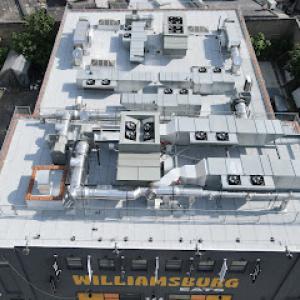
Roman Commercial Roofing
(917) 440-1800 www.romancommercialroofing.com
Serving
5.0 from 134 reviews
With a legacy spanning decades, Roman Commercial Roofing has been a trusted roofing contractor in the heart of New York City since 1987. This locally owned and operated business is committed to excellence, offering comprehensive services for both commercial and residential properties. Specializing in new installations, replacements, and repairs, their skilled team delivers superior craftsmanship with an unwavering focus on quality. Serving the greater New York City area, Roman Commercial Roofing prides itself on building lasting relationships and ensuring complete satisfaction for every project.

Elite Roofing Contractor
(201) 436-1011 eliteroofingincnj.com
Serving
4.9 from 346 reviews
Elite Roofing Contractor is your local Jersey City roofing company specializing in roof inspections, roof maintenance, roof repairs, roof replacements, roof deck installations, and all exterior services! With over 20,000 roofs serviced in Hudson County, NJ and over 5,000 roof inspections completed, we are your local, trustworthy, and reliable roofing contractor. Contact us today to see how Elite Roofing can make your roofing dreams come true!
Mega Pro Roofing
(973) 791-9008 megaproroofing.com
Serving
4.9 from 63 reviews
Mega Pro Roofing and Masonry deliver the finest commercial and residential roofing solutions. We are a reliable and trusted independent contracting firm located in northern New Jersey.
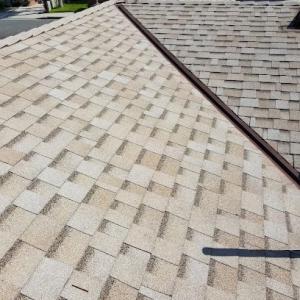
Delta Roofing
(917) 900-9440 deltaroofingnyc.com
Serving
5.0 from 60 reviews
Delta Roofing - The Most Reliable Roofing Contractor in New York! With decades of experience, our roofing company commits to excellence in building and repairing residential and commercial roofs, meeting international benchmarks with precision and care. Is your roof showing signs of wear and tear? Contact Delta Roofing for a free consultation.
Mighty Roofing & Siding
(718) 873-1236 mightyroofingny.com
Serving
5.0 from 87 reviews
Brooklyn’s Top-Rated Roofer Contractor At Mighty Roofing, we provide expert roof repairs, replacements, and installations to keep your home safe and secure. As experienced roofers in Brooklyn, we deliver top-quality craftsmanship and long-lasting results for every project, whether it’s fixing a small leak or a complete roof replacement. ✅ Fast & Reliable Roofer Services ✅ Free Estimates – No Obligation! ✅ Brooklyn’s Trusted Roofing Professionals Don’t wait for roofing issues to get worse! Contact us today for a FREE estimate and let our expert team ensure your roof is in top condition.
Paragon Chimney & Roofing
(646) 844-2022 www.paragonchimneyandroofing.com
Serving
5.0 from 806 reviews
Since 1994, Paragon Chimney and Roofing has been Brooklyn’s premier choice for expert home exterior and heating solutions. With a skilled team of professionals, they specialize in a full range of services, including meticulous chimney sweeping, masonry work, and comprehensive roofing installations. Paragon is committed to delivering unparalleled craftsmanship and reliable service on every project, whether it involves a shingle, metal, or flat roof. Trust their proven expertise to enhance the safety and integrity of your home's most vital systems.
Skyward Roofing
(646) 568-4399 www.skywardroofing.com
Serving
5.0 from 80 reviews
Skyward Roofing is a leading roofing company specializing in high-quality residential and commercial roofing services. With years of experience in the industry, we are committed to delivering top-notch roofing solutions that exceed customer expectations. Our highly skilled and knowledgeable professionals prioritize safety, efficiency, and customer satisfaction in every project. We offer various services, including roofing installation, repair, and maintenance for all types of roofing systems. Whether it's a small repair or a complete roof replacement, we guarantee timely and efficient completion with the best materials and techniques. We take pride in our work and strive to provide exceptional craftsmanship, reliability, and affordability.
Downtown Brooklyn Roofing
(718) 690-9442 downtownbrooklynroofing.com
Serving
4.9 from 65 reviews
Downtown Brooklyn Roofing, esteemed as New York City's premier flat and shingle roofing contractor, takes pride in boasting the highest third-party verified reviews across the web. With decades of experience, our proficient team specializes in addressing roof leaks, and conducting flawless full replacements and installations. We extend our exceptional roofing services to the entire Downtown Brooklyn, Williamsburg, Dumbo, Brooklyn Heights neighborhoods and all areas within Kings County, ensuring your property receives unparalleled protection and aesthetic appeal. Completing roof replacements as well as roof repairs, skylights, dormers, flashing, and other roof renovations, Downtown Brooklyn roofing is ready to help. Call for a free estimate!
S. Elite Roofing & Construction
(718) 255-5254 www.seliteconstructionllc.com
Serving
5.0 from 69 reviews
Company providing roofing and waterproofing services.
Some parts of the city sit within local historic districts, where visible roofing changes can trigger additional review to ensure they respect the streetscape. When planning a replacement or retrofit, consider how the new material will read from the curb and across neighboring façades. Flat or low-slope roofs may be especially scrutinized for their edge treatment, color, and how flashings and coping details respond to the original roofline. Choosing materials that harmonize with the surrounding brownstones and brickwork can prevent later revisions and complaints from neighbors who watch for consistency in the block's historic character.
In Hoboken, the roofline is a defining feature of many blocks. Material selection matters not just for performance but for how prominently the roof is seen from street-level vantage points and from the riverfront. Slate and clay or concrete tiles, for example, carry strong character-defining signals on older buildings, but they also demand careful coordination with the building's vertical lines and cornice details. If the roof edge or parapet is visible from public space, the chosen profile should respect the existing silhouette and avoid abrupt changes that draw attention away from the building's historical proportion. Matte or subdued finishes can help maintain a cohesive streetscape while still delivering modern reliability.
Details at cornices and parapets often carry the most visual weight on Hoboken blocks. When a roof is replaced, attention should be paid to how the roofing system integrates with cornice lines and gutter facings. Improperly matched fascia or a noticeable height difference at the eave can disrupt the historic rhythm that passersby already expect. On front elevations, the appearance of any dormers, skylights, or venting outlets should be minimized or carefully integrated to avoid looking out of place against the building's original façade. An approach that prioritizes low-profile vents, discreet flashings, and a respectful color palette helps preserve the neighborhood's authentic texture.
Older Hoboken blocks often require added coordination when replacing character-defining roof elements such as slate, tile, or distinctive ridge caps. Some buildings may need to preserve or reproduce specific cresting or trim details, even if the underlying structure can support a modern system. This is not just about appearance; it affects how rain and snow shed and how flashing interfaces with historic structure joints. If a project involves matching historic materials, expect timelines to extend for approvals and the careful handling of matching textures and profiles. The goal is a seamless transition that retains the building's authentic voice without compromising weather performance.
Flat and low-slope roofs in this city confront honest weather challenges, especially during coastal storms. The trade-off between maintaining historic aesthetics and achieving reliable drainage is real. Solutions should pursue robust moisture control and leak resistance while avoiding interventions that erode the building's character. Think through bead-sealed flashing transitions, edge metal detailing that echoes traditional profiles, and drainage runs that respect the roof's historic relationship to the parapet and cornice. When in doubt, prioritize details that blend with the building's existing language while delivering the resilience needed against Hoboken's aggressive weather cycles.
Find contractors who specialize in clay and concrete tile roofs, known for their durability and curb appeal.


Hoboken's riverfront exposure means late-summer and fall coastal storms can combine wind-driven rain, debris, and prolonged wetting that stress flashings and membrane seams. On flat and low-slope rooflines common to attached rowhouses, that sequence is not a one-time event but a recurring strain from storm to storm. When heavy rain arrives with gusts, you can see water tracking along seam intersections, around vents, and where two planes meet. The first response is to anticipate where those weak points sit on your roof: the perimeter flashing, chimney or vent penetrations, and any field seams that show signs of aging or previous repair.
Because Hoboken is densely built, storm damage often includes impacts from neighboring structures, unsecured rooftop items, and debris moving across attached-building rooflines. A loose grate, a misplaced air conditioning unit, or a chimney cap can become a wind-borne projectile that compromises membrane edges or creates new leak routes. After a storm, inspect not just your own roof but the shared parapets and flashing lines that run along the boundary with adjacent buildings. Look for displaced coping, punctured membranes, or debris lodged along the eaves where water can back up and force dampness into the interior through vents, roof-to-wall transitions, and skylight interfaces.
Quick post-storm documentation matters in Hoboken because high regional claim activity after wind and heavy rain can create contractor backlogs and insurer scrutiny. Take clear photos of any visible issues from multiple angles, especially around flashing laps, seam repairs, and edge details. Note the date and time, street location, and any nearby project activity that could influence the roof's condition (neighboring rooflines, toppled debris, or scaffolding). If an area shows bubbling, pooled water, or edge curling, capture that promptly before weather obscures the problem. This record helps you communicate precisely with your insurer and with qualified local contractors who understand the riverfront climate and the way seawater-humidity cycles can accelerate corrosion on metal components and degrade asphalt membranes.
Focus first on perimeter protection during the next window of clear weather: secure loose items, verify that drains and scuppers are free of obstructions, and confirm that all flashings surrounding penetrations are still tightly seated. Pay particular attention to the transitions where the roof meets the parapet wall and where edge metal or counterflashing terminates. If water intrusion persists after a storm, prioritize edge and seam checks, then escalate to a professional assessment of potential membrane seam resealing, flashing replacement, or localized decking concerns that can propagate leaks inward.
Find local contractors experienced in assessing and restoring roofs after hail, wind, and severe weather events.

Parapet caps, chimney flashing, and masonry interfaces take a severe beating from Hoboken's cold winters and repeated freeze-thaw cycles. Water that migrates into joints, cracks, or fabric between brick or stone and the roofing surface can expand as it freezes, widening gaps and compromising the seal. When the stone and mortar are older, those tiny openings become highways for moisture, setting up gradual leaks that show up long after the first freeze-thaw cycle. On older city roofs, the trouble often isn't in the middle of the field but at the seams where roof meets wall.
You may notice leaks tied to transitions rather than the flat field of the roof. In rowhouses and attached homes, the brick or stone wall interface acts like a dam for moisture, forcing water to work its way under edge details or behind flashing. Ice has a way of backing up along parapets and chimneys, then freezing into place where it can't drain away. The risk is highest where brickwork is porous, mortar is cracked, or flashing has started to fail before a hard winter arrives. When that occurs, even a seemingly sound roof can suffer intermittent leaks after a thaw or a heavy wind-driven rain.
Planned maintenance should focus on the critical transition points: parapet caps, chimney bases, and the masonry-to-roof junctures. Inspect parapet cap seams and mortar joints for cracks, chips, or looseness. Check chimney flashing where the metal skirts and the masonry meet; pay attention to places where lead or sheet-metal flashing has stretched, split, or corroded. If ice damming forms on less-sloped edges, it's a sign that water is finding a path to travel under the edge and into the wall seam. Clearing blocked drainage paths and ensuring proper slope toward drains helps, but the real protection comes from sound flashing at transitions and sturdy cap maintenance.
In practice, a proactive homeowner keeps an eye on brickwork and flashing year-round, not just after a storm. When you see salt efflorescence, spalling masonry, or stubborn damp spots near parapets or chimneys, treat those symptoms as warnings. Timely attention to the edges-where roof meets wall-often prevents larger, costlier damage once next winter cycles back.
Find contractors experienced in skylight installation, flashing, and leak repairs to bring natural light into your home.
Flat-roof rowhouses and mixed-age buildings dominate the skyline, so material selection hinges on how the roof sits and drains. Asphalt shingles are common on modern or updated structures, offering straightforward replacement and decent life with proper drainage. Metal roofs fit well on flat or low-slope roofs because their panels shed moisture quickly and resist wind-driven leaks along the Hudson shoreline. For historic properties or rowhouses with pitched sections, slate and clay or concrete tiles bring authentic texture, but require careful assessment of existing framing and support. Synthetic or composite products can mimic the look of stone or tile while staying lighter and easier to source in tight urban lots.
Heavier materials like slate and tile demand scrutiny on older homes where framing age and prior alterations may limit load capacity. Before choosing, have a qualified roofer or structural engineer review attic joists, rafter spans, and squaring of the roof deck. If the structure isn't rated for the extra weight, you'll either need reinforcement or a lighter alternative that preserves the historic appearance. In a dense rowhouse cluster, careful attachment details matter to resist movement from coastal winds and freeze-thaw cycles.
Flat and low-slope roofs demand reliable drainage and robust flashing, especially with storm-driven rain. Metal panels with integrated drip edges and well-sealed transitions perform well where parapets are present. Synthetic shingles or membranes can offer seamless, watertight outfalls with fewer cold-air breaks, which reduces the risk of ice dams and interior leaks during midwinter storms. If you tilt toward tile or slate for a historic look, ensure a flat deck or proper substructure to handle the slope and improve drainage paths.
Start with the architectural fit and structural capability. If weight or historic integrity is a priority, consider synthetic alternatives that resemble traditional textures while staying lighter and easier to replace in tight urban sites. Choose materials that align with your roof's drainage plan, flashing details, and the way storm water flows across the parapet edges. This combination minimizes leaks and keeps long-term maintenance manageable for dense neighborhood homes.
Provided local ranges run from about 420 to 900 USD per square for asphalt shingles, 700 to 1500 for metal, 1100 to 2100 for clay tile, 1000 to 1800 for concrete tile, 450 to 900 for synthetic/composite shingles, and 1500 to 3000 for slate. In practice, Hoboken projects on flat and low-slope attached rowhouses bend toward the upper end when the roof is historic, the parapets are tall, or the work necessitates careful staging and tarp protection for adjacent walls. Expect a tighter window for pricing on tight blocks with limited street access, where labor must coordinate with neighboring structures and where debris handling becomes a daily constraint.
Costs climb when street access is restricted and staging space is scarce. In dense blocks, crews often need to shield and stabilize plaster and brickwork on party walls, which adds time and materials. Debris netting, hoisted waste nets, and temporary containment around parapets are common, especially on older builds with multiple parapets or delicate cornices. On a typical Hoboken replacement, allowances for extra drop-off points and daily cleanup should be built in, since crews carry more material through restricted routes and share walls with adjacent residences.
Historic-district expectations, older tear-offs, and necessary flashing repairs can make reroofing more complex than a suburban replacement. Parapet coping, corner flashing, and step-flashing around masonry require precise detailing to prevent storm-driven leaks. Scheduling can be irregular after storms due to access windows and property protection needs, which can push project timelines and costs higher than a straightforward teardown-and-replace.
Hoboken's coastal storms influence timing and staging, often pushing crews into shorter, heavier workdays. Scheduling surges occur after high-wind events when temporary covers must be re-secured and parapets re-mapped for leaks. Build in a contingency for weather-driven delays, protected-wall monitoring, and shared-wall care, so the replacement does not stall mid-process and expose the interior to seasonal moisture swings.
Get a clear picture of your project costs upfront - no commitment required.
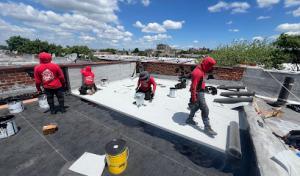
A full reroof in Hoboken generally requires a building permit through the Hoboken Building Department rather than being treated as a no-paperwork job. Before any roof work begins, you or your contractor should file a comprehensive project description that includes the roof type, added drainage provisions for flat or low-slope surfaces, and any changes to venting or flashing details. The aim is to establish a clear plan that stands up to both local code requirements and the riverfront climate realities, where storm-driven leaks and adequate drainage are priorities for attached rowhouses and mixed-age buildings.
The local process typically involves submitting project details, monitoring status through the city's online portal, coordinating with plan review, and scheduling required inspections. Expect a timeline that includes plan review feedback, potential revision rounds, and a defined permit issuance window. Plan reviewers will check drainage design, flashing continuity, parapet protection, and compatibility with existing historic elements if the building sits in a designated area. If the roof is flat or low-slope, the review will pay particular attention to interface details between roofing membranes, drains, scuppers, and any neighboring property lines.
Final approval depends on a final inspection for code compliance, and projects in historic areas may need added coordination so roofing work aligns with local historic guidelines. Inspections typically occur at multiple milestones: after roof teardown (if applicable), during membrane or shingle installation, and upon completion with a final walkthrough addressing drainage performance and leak-prevention features. In historic districts, expect additional coordination with the local historic commission or preservation office to verify that the work respects architectural character while meeting modern drainage and weatherproofing standards. Prepare documentation such as product specifications, flashing details, and drainage routing for the inspector to review on-site. A smooth inspection day hinges on having all components accessible and clearly tied to the approved plan.
In Hoboken, coastal storm exposure creates a relatively active roof-claim environment after wind, hail, and heavy rain events. Documentation clarity helps insurers assess damage quickly and minimize back-and-forth. Having a consistent, season-to-season record reduces surprises when storms hit and premiums respond to coastal exposure over time.
Before the next storm season, take comprehensive photos of every flat or low-slope roof section, plus flashing, parapets, and drainage zones. Note any prior patches, penetrations, or vent details that could affect claim photos later. Keep a labeled binder with the address, date, and a simple sketch of roof sections. When contractors inspect, collect a concise scope of work, materials used, and product specs to attach to the file.
After a wind or heavy rain event, document as soon as conditions permit. Capture wide shots of the entire roof, then close-ups of suspected leaks, flashing seams, and drainage outlets. Include surrounding gutters and downspouts to show water flow paths. If interior damage occurs, photograph ceilings and walls near exterior walls, focusing on any signs of water intrusion that align with roof areas. Store images with clear filenames and timestamps.
Insurers serving this region often want detailed photos, contractor information, and material specifications before approving roof-related claims or replacement scope. Include the contractor's company name, license or registration details, contact information, and the exact materials installed (brand, type, color, gauge or layer count). Attach any warranty documents and evidence of contractor supervision or certifications.
Document condition before storms when possible, and again within a few days after significant events. A consistent timeline supports claims for wind-driven or hail-related damage and helps establish a baseline if multiple events occur within a season.
Connect with contractors who help homeowners navigate the claims process from damage assessment to final approval.

Chavez & Sons Roofing & Construction
(551) 292-7000 chavezsonsroofingconstruction.com
Serving
4.8 from 78 reviews
In dense rowhouse blocks with flat or low-slope roofs, coatings can extend the life of a roof that's not a total failure but shows signs of aging. Coatings are most relevant when drainage is functioning for the most part, seams aren't severely open, and there's no chronic ponding or parapet leaks. On older assemblies, coating is not a catch-all solution and cannot hide trapped moisture or badly failed flashing. In Hoboken, where coastal storms stress drainage and cause rapid temperature swings, a coating can buy time but must be paired with honest inspections of the underlying structure.
Before committing, evaluate the current drainage performance: is there standing water after a typical storm, and does water shed toward interior parapets or scuppers without trouble? Inspect seam conditions: joints and lap seams should be dry and intact, with no active leaks around edge details. If chronic ponding or recurring leaks at parapets exist, coating alone will not resolve the problem and professional repair or partial deck replacement may be necessary first. For a coating to be a good fit on a dense Hoboken block, the roof should not have widespread moisture damage in the substrate, and flashing should be reasonably intact where accessible.
If the decision is to proceed, prepare the surface thoroughly: remove loose gravel or debris, repair visible cracks, and clean to ensure proper adhesion. Choose a coating compatible with the existing roof type and climate exposure. Apply in dry conditions with temperatures that allow for cure without rapid moisture uptake. Pay close attention to edge detailing around parapets and penetrations, since these areas often drive the long-term performance of the coating.
Coatings can be appealing on dense blocks where tear-off disruption is a concern and a retrofit approach is preferred over full replacement. They are most effective as a restoration measure on roofs with good drainage and solid flashing. If the goal is to minimize disruption while extending service life, a coating can be part of a broader plan that includes targeted flashing repairs and drainage optimization.
After application, schedule regular inspections after major storms and seasonal shifts. Look for new signs of ponding, seam separation, or edge leaks, and address issues promptly. Keep drainage paths clear, especially around scuppers and parapet edges, to preserve coating performance over multiple coastal seasons.
Extend the life of your existing roof with reflective or waterproof coatings that protect against UV and moisture.