
Last updated: Apr 19, 2026
In a housing landscape filled with attached rowhouses and multifamily buildings, flat and low-slope roofs dominate the skyline. The frequent corners, parapet transitions, and shared-wall lines create predictable leak hotspots. Ponding water on these roofs is not just an occasional nuisance; it's a recurring issue that sits right over living spaces when a drainage plan isn't consistently effective. Parapet transitions-the step from roof edge to wall-often collect moisture in low spots, and misaligned flashing at these edges becomes a routine point of failure after storms or strong winds. The close proximity of units magnifies the impact of any small failure: a single compromised joint can threaten multiple homes below.
Ponding water is a common culprit on Union City's flat and low-slope roofs, especially where roof drains or scuppers are blocked by debris or where insulation and deck layers sag over time. On many buildings, flat roofs were installed in an era when the drainage strategy wasn't designed for the current loads or for the long-term wear from coastal humidity and wind-driven spray. Parapet transitions are a frequent leakage path because leaks can travel a short distance within vertical flashing or through coping joints before dripping into a ceiling below. Shared-wall flashing details-where two homes meet along a party wall-are another frequent failure point, as movement, settling, or improper termination around vent stacks and mechanical penetrations can allow water to move laterally between units before showing up indoors.
Because buildings sit close together on small urban lots, water often migrates along party walls, chimney chases, or rear additions before becoming visible inside. A leak you notice in a front hall ceiling might have started several feet away, on a parapet or roof-to-wall transition at a neighboring unit. Start your investigation by following the path of any visible staining or warped drywall back to its highest possible source. Look at the top edge of the parapet, the edge detailing where the roof meets the vertical wall, and any flashing terminations around vent pipes or chimney chases. Inspect rear or interior-facing roof lines where additions have been tucked into the building-these areas commonly introduce new penetration points or modify drainage patterns. Wind-driven rain can push moisture laterally along a seam or flashing, so don't assume the first damp spot is the actual origin.
Flashing around penetrations (pipes, vents, chimneys) is repeatedly overwhelmed by suboptimal sealants or aging metal, especially where two roof planes meet at a parapet or where a low-slope roof transitions to a balcony or deck. Parapets with insufficient counterflashing or missing closure wedges invite water to run down into the wall cavities. Shared-wall flashings require careful termination at the corner where two units meet; any movement, shrinkage, or improper sealant can create a channel for water to bypass protection and travel into the structure. Watch for rusting or pitting in metal flashings, cracked sealants around joints, and membrane wrinkling or blistering that exposes the underlayment to moisture. In tight urban lots, even small gaps in deck seams can act like highway on-ramps for water traveling from one unit to the next.
After a heavy rain, head to the roof with a flashlight and a partner to check for standing water in the typical trouble spots: blocked drains, flat areas near parapets, and transitions where the deck meets walls. Photograph and map any ponding zones, and note which units are most affected by a given leak pattern-this helps determine if the issue is localized or systemic across multiple units. Inspect around penetrations and along the base of parapets for signs of sealant degradation or rust. If a leak is traceable to a shared-wall area, inspect the interior side for damp patches near electrical or plumbing renovations, which can hint at hidden seepage paths. In Union City, where flat-roof specialization is common among local roofers, commissioning a contractor who understands these specific patterns can save time and reduce disruption during repairs.
This neighborhood faces Union City's exposure to New Jersey coastal wind and precipitation patterns, so spring and fall storms can lift shingles, stress flashing, and open seams on low-slope roofs. A single gust can grab loose edges and push water under the membrane where it travels between apartments and into attics or ceilings. The tight, attached housing stock means water can travel fast from one unit to the next, creating interior damage before a neighbor even notices a drip. When a storm hits, fast dry-in becomes the top priority to limit interior spread between adjoining structures and protect shared walls, insulation, and living spaces.
When weather warnings arrive, prepare a simple dry-in plan you can deploy before a contractor arrives. If there's any visible wind lift or peeling flashing near parapets and vent penetrations, remove loose debris from the roof edge and seal obvious gaps with clean, repair-grade tarps or heavy-duty plastic separated by a weatherproof seam. Position tarps to channel water away from interior transitions and toward roof outlets or edge drip lines. If a nearby neighbor has a similar issue, coordinate a shared dry-in approach to reduce water tracking between units. Keep walkways clear for access and maintain communication with anyone who shares the roofline so you don't duplicate efforts or miss vulnerable corners.
Tarping must cover the weakest points: stacks, vents, and seam joints along low-slope sections. Secure tarps with roofing nails or ballast bags at the corners and along the edges so gusts don't lift them. Create a slight overhang beyond the edge to shed water away from walls and windows. Use multiple layers only where necessary, but avoid creating trapped water between layers. Check tarps after the storm for fluttering edges or loosening fasteners and re-secure promptly. If there is a visible seam opening, an immediate, temporary seal with contractor-grade tape can reduce active leaks until proper flashing replacement can be scheduled.
Emergency repair and storm-damage service are highly active specialties in this market, matching homeowner demand after wind, hail, and heavy rain events. If pooling water appears on ceilings or if slipping shingles expose substrate, contact a contractor who can perform an urgent dry-in and provide temporary protection. In a densely built block, prompt attention helps prevent interior spread to multiple units and minimizes secondary damage to shared structures.
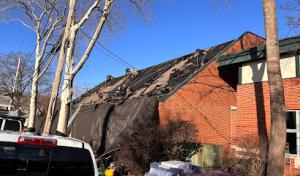
After the storm, inspect the most exposed roof edges and flashing locations across the row or duplex line. Document damage with photos and notes and arrange for temporary repairs as needed to maintain a dry interior while permanent fixes are scheduled. Consider reinforcing vulnerable low-slope sections with corrosion-resistant flashing or edge details to reduce recurrence in future seasonal storms, especially where wind-driven rain routinely tests the roof envelope.
When you can't wait, these contractors offer fast response times to stop leaks and prevent further damage.
Superior Roofing Pros
(201) 875-7282 www.superiorroofingpros.com
407 Golden Ln, Union City, New Jersey
5.0 from 91 reviews
Superior Roofing Pros
(201) 875-7282 www.superiorroofingpros.com
407 Golden Ln, Union City, New Jersey
5.0 from 91 reviews
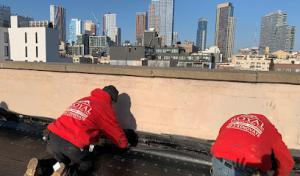
Superior Roofing Pros is your top choice for all roofing needs, specializing in flat roof solutions and expert roofing services. As a trusted roofing contractor, we serve residential and commercial clients looking for reliable roof repair, replacement, and maintenance. Whether you need a roofer near you for emergency repairs, a flat roof specialist, or comprehensive roofing solutions, our team is dedicated to quality and durability. We use only the highest quality materials and ensure every project is completed with exceptional craftsmanship. Choose Superior Roofing Pros for dependable, professional roofing services that safeguard your property and enhance curb appeal.
Mega Pro Roofing
(973) 791-9008 megaproroofing.com
Serving
4.9 from 63 reviews
Mega Pro Roofing and Masonry deliver the finest commercial and residential roofing solutions. We are a reliable and trusted independent contracting firm located in northern New Jersey.
Royal Roofing & Siding NYC
Serving
4.9 from 96 reviews
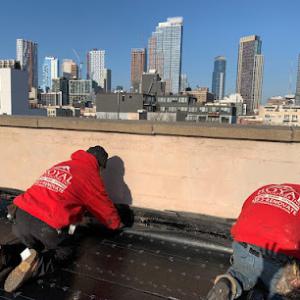
Royal Roofing & Siding NYC is Manhattan’s trusted roofing contractor, serving homeowners and businesses throughout Manhattan and the greater New York City area. Since 1988, our family-owned and operated, BBB Accredited, licensed and insured roofing professionals provide expert residential and commercial roofing services. We specialize in flat roof repairs tailored to dense urban properties, brownstone roof replacements, and EPDM, TPO, & SBS flat roofing systems. We also provide professional masonry, siding, and gutter services, as well as repairs to skylights, parapet walls, coping, and cornices. From condo skyscraper buildings to Manhattan townhomes, we do it all. We offer emergency services for urgent leaks and storm damage. Contact us.
UBL Roofing
(201) 515-1617 www.ublroofing.com
Serving
4.7 from 167 reviews
Experienced roofing contractor located in Jersey City providing roof inspections, roof replacements, roof repairs, gutters, siding, and windows.
All Point Roofing & Chimney
(201) 496-1086 allpointroofingchimney.com
Serving
4.9 from 198 reviews
All Point Roofing & Chimney is your go-to expert for roofing, chimney, skylight and every home service need. Our skilled team is dedicated to providing top-quality repairs, replacements, and installations at competitive prices. Whether you need routine maintenance or a complete renovation, we have the experience and expertise to get the job done right. As a licensed, bonded, and insured company, we guarantee that every project meets the highest standards of safety and quality. We also provide 24/7 emergency home repair services, ensuring fast and reliable assistance when you need it most. Call today for a free estimate or immediate assistance!
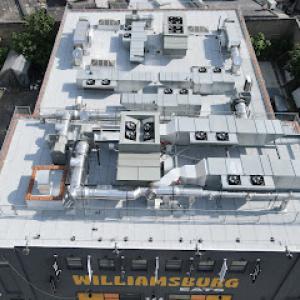
Roman Commercial Roofing
(917) 440-1800 www.romancommercialroofing.com
Serving
5.0 from 134 reviews
With a legacy spanning decades, Roman Commercial Roofing has been a trusted roofing contractor in the heart of New York City since 1987. This locally owned and operated business is committed to excellence, offering comprehensive services for both commercial and residential properties. Specializing in new installations, replacements, and repairs, their skilled team delivers superior craftsmanship with an unwavering focus on quality. Serving the greater New York City area, Roman Commercial Roofing prides itself on building lasting relationships and ensuring complete satisfaction for every project.

Elite Roofing Contractor
(201) 436-1011 eliteroofingincnj.com
Serving
4.9 from 346 reviews
Elite Roofing Contractor is your local Jersey City roofing company specializing in roof inspections, roof maintenance, roof repairs, roof replacements, roof deck installations, and all exterior services! With over 20,000 roofs serviced in Hudson County, NJ and over 5,000 roof inspections completed, we are your local, trustworthy, and reliable roofing contractor. Contact us today to see how Elite Roofing can make your roofing dreams come true!
Doda Brothers Roofing & Siding
(551) 866-7756 dodabrothers.com
Serving
5.0 from 127 reviews
Doda Brothers Construction is the best roofer in Bergen County, providing expert roofing services, including roof repair, roof replacement, and flat roof repair and replacement. We also specialize in skylight installation and gutter services to keep your home or business protected and looking its best. As a GAF-certified and BBB-accredited roofing company, we are dedicated to delivering top-quality craftsmanship and excellent customer service. Whether you need a roof replacement, a flat roof repair, or new gutters, we’re the best roofer near you to handle it all. Call Doda Brothers Construction today for a free roof inspection and experience why we’re the top choice for roofing in Bergen County and beyond!
Skyward Roofing
(646) 568-4399 www.skywardroofing.com
Serving
5.0 from 80 reviews
Skyward Roofing is a leading roofing company specializing in high-quality residential and commercial roofing services. With years of experience in the industry, we are committed to delivering top-notch roofing solutions that exceed customer expectations. Our highly skilled and knowledgeable professionals prioritize safety, efficiency, and customer satisfaction in every project. We offer various services, including roofing installation, repair, and maintenance for all types of roofing systems. Whether it's a small repair or a complete roof replacement, we guarantee timely and efficient completion with the best materials and techniques. We take pride in our work and strive to provide exceptional craftsmanship, reliability, and affordability.
Pro Line Construction
Serving
5.0 from 140 reviews
Proline Construction has been providing reliable Roofing, Siding, chimney, Masonry & Gutter repair, and construction services across New Jersey for many years. From project inception to completion, our team makes sure each project is completed on time and meets the client’s specific requirements. The Proline Construction team has an outstanding knowledge of relevant roofing, siding, chimney, masonry & gutter construction codes, and regulations. This means you don’t need to worry about compliance requirements. Our licensed contractors will take care of all the technical requirements of your project. We aim to deliver quality construction services to all our clients and build open and honest customer relationships.

AMERICAN Roof Repair & Replacement
(201) 254-9894 americanroofingprosnj.com
Serving
5.0 from 452 reviews
American Roofing NJ is a trusted roofing company dedicated to providing top-quality roofing solutions for homeowners and businesses across New Jersey. With years of experience and a commitment to excellence, we specialize in roof replacement, repair, and maintenance, ensuring your home or commercial property remains safe and secure in all weather conditions.
Independent Roof Repair & Chimney Home IMP
(201) 699-7258 independenthomesimprovement.com
Serving
5.0 from 54 reviews
We providing services roofing, chimney, gutters, siding, masonry
Asphalt shingles remain the most common pitched-roof option locally, but the older housing stock supports slate, clay tile, concrete tile, wood shingles/shakes, and synthetic alternatives on select buildings. The choice here isn't only about weather; it's about what the roof can actually support on crowded rows and tight lots. In dense blocks, roof assemblies face wind gusts off the water and the challenge of limited access for maintenance or replacement. That means each material needs to be evaluated for weight, fastener requirements, and the ease of flashing around shared walls, parapets, and rooftop intersections.
Heavier materials such as slate, clay, and concrete tile can be relevant on older North Jersey structures, but they raise structural, access, and replacement-detail questions that are more complex in dense urban blocks. If a structure is carrying a heavier roof, the attic or interior framing must be assessed for load, and support elements may need reinforcement. In multi-tenant buildings or attached rowhouses, the shared walls can complicate removal or replacement of a failed roof segment. Access to the roof for crews, scaffold placement, and material staging becomes tighter, so planning around neighboring units is essential. For many Union City homes, lighter options paired with robust underlayment and precise flashing around dormers, chimneys, and skylights deliver reliable performance without the extra structural retrofit.
Material choice in Union City is influenced not just by weather but by roof shape, attached-building conditions, and whether the home has low-slope sections, skylights, chimneys, or mixed rooflines. Flat or low-slope areas on attached homes demand careful drainage and leak-prevention details, regardless of the surface material. Asphalt shingles can offer quick-to-install performance on the steeper portions, while select buildings with heritage or specific aesthetic goals might call for slate or clay tile on parapets or principal elevations. When a roof mixes slopes or transitions into flat sections, ensure the flashing around the transition points is designed for movement and thermal cycling, and that edge details along party walls are continuous and well-sealed.
In practical terms, the best choice balances durability with ease of maintenance in a high-damage environment from wind-driven moisture. Synthetic or composite shingles provide a modern, lower-maintenance option that can emulate slate or shake without the same weight or fragility, making them an attractive compromise for many attached blocks. Wood shingles or shakes bring a classic look but require diligent maintenance and more frequent inspection where moisture intrusion or fungal growth is a risk. Tile options-clay or concrete-offer longevity but demand careful attention to underlayment, roof deck condition, and periodic reinforcements around edges and penetrations. For homes with skylights or chimneys, prioritize a roof type that allows reliable flashing integration and straightforward replacement components over time, so leaks don't propagate across shared walls or into attic spaces.
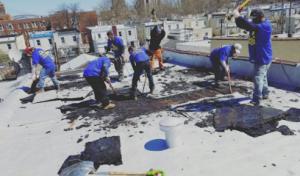
In Union City, re-roofing projects sit among tight lots, narrow streets, and crowded parapets. The geometry of attached rowhouses means crews must stage materials carefully, often working around shared walls and limited staging space. Debris handling on these streets adds time, and access restrictions can slow the sequence of lifts and waste removal. When homes share walls, a roof swap becomes a precise, neighbor-conscious operation: trimming waste, coordinating hoists, and protecting adjacent balconies or fire escapes matter as much as the upward swing of a new roof. Expect costs to reflect this extra orchestration even before material choice.
Asphalt shingles: generally the most common choice for dense urban lots. The typical range is 360 to 650 USD per square, depending on accessibility and the amount of edge-to-edge work required to seal parged parapets or adjacent flat sections. Clay tile, while less common on traditional rowhouses, can surface in areas with newer rear additions or blended flat-and-pitched sections. Expect 900 to 1500 USD per square, with higher figures when parapets or chimneys complicate layout. Concrete tile runs 750 to 1200 USD per square, and synthetic/composite shingles sit around 600 to 950 USD per square, both sensitive to how many small, irregular roof panels must be trimmed to fit tight hips or low-slope transitions. Slate, the premium option, ranges from 1200 to 2500 USD per square and is particularly sensitive to access constraints that slow heavy material handling.
Costs can rise when crews must work around parapets, chimneys, skylights, rear additions, or mixed flat-and-pitched roof sections common in older Hudson County housing. Each obstacle adds cutting, sealing, and special flashing strategies, which translates to extra labor hours. On narrow streets, the need for careful debris containment and incremental lifts increases trailer and crane coordination time, pushing material costs and labor claims upward. If a project includes replacing or upgrading parapet caps, or restoring interface points between flat decks and pitched sections, those line items should be anticipated in the bid.
Storm-driven demand spikes can tighten scheduling in neighborhoods with multiple owners seeking repairs after a weather event. When many adjacent homes start work simultaneously, crews may queue for access, extend staging times, and face longer permit-review-like windows for coordination. That timing can propagate into higher overall costs or delayed completions, especially if crews must return for multiple passes to address adjacent property concerns or to reseal high-traffic edge lines. Planning with a local contractor who understands this rhythm helps stabilize both price and timing.
If accessibility is good and the roof is mostly uniform, asphalt shingles remain the most economical path. For a visual or durability preference in a densely built area, synthetic shingles offer mid-range pricing with simpler handling than heavier tile options. When the project includes blended flat and pitched sections or tall parapets, be prepared for higher labor and flashing costs, regardless of the chosen material.
Get a clear picture of your project costs upfront - no commitment required.
Union City typically requires a building permit for a full re-roof, with the process handled through the municipal Department of Buildings. This isn't just formality-the permit ties your project to the exact standards that keep flat and low-slope roofs from leaking in the wind-driven coastal climate. If your building is a rowhouse or a tight multi-family unit, expect some attention to how the roof interfaces with shared walls, parapets, and fire-rated assemblies. Start the permit conversation early, and use the official checklist to avoid back-and-forth that can stall a weather window.
Inspections are scheduled during and after installation to verify compliance with the Uniform Construction Code rather than relying only on contractor self-certification. You may see inspections for the deck or underlayment, the roof membrane or cover system, penetrations, and flashing around edges and chimneys. In dense neighborhoods, a keen inspector will also check drainage paths and any potential backflow into neighboring suites where wind-driven rain can push under shallow laps. Plan around possible inspection windows and have access ready for the inspector, since delays often come from missed or incomplete items flagged during review.
Fees and review times vary with project size, so homeowners planning a full replacement should account for municipal processing as part of the project timeline. A common pitfall is underestimating the time needed to secure approvals, coordinate with any required structural or fire-stop updates, and align the roof work with permitting hours and utility or sidewalk restrictions. Build in extra days for weather delays and for any corrective work the inspector may require on the first pass. In a city with compact housing stock, the sequence-permits, material delivery windows, staged access to the roof, and orderly waste removal-often dictates the pace of a project more than you'd expect.
Have your chosen contractor submit the permit package with clear drawings and product specifications that reflect your roof's flat or low-slope profile and any added protection against wind-driven rain. Keep a dedicated contact with the Department of Buildings for status updates, and request a preliminary plan review if available so you can address potential concerns before work begins. For attached rowhouses, confirm that all sidewall and parapet details are synchronized with neighbors' expectations and any shared elements. By aligning permits, inspections, and a realistic schedule, you reduce the risk of repatching or rework that can arise from late discoveries during the review process.
In New Jersey, wind and hail losses drive roof claim activity, and Union City owners should expect insurers to ask for detailed photos, date-stamped documentation, and evidence of storm-related damage rather than wear alone. Photos should capture the entire roof from multiple angles, close-ups of shingles or flashing, and any interior signs of water intrusion that align with a specific storm. Keep a simple log noting when you first noticed issues, with dates and weather conditions that match the claim window. This is not a check-the-box exercise; it anchors the claim if the building's dense footprint makes distinguishing the source of leaks challenging.
Carrier underwriting in coastal and flood-prone parts of the state has tightened in some cases, which can influence both roof material choices and how replacement condition affects insurability. Expect more questions about roof age, previous repairs, and the presence of secondary barriers. Insurers may request professional assessments to verify storm-related damage and to separate it from preexisting wear. Clear, organized documentation reduces the risk of disputes about causation and helps determine coverage, especially when conditions align with severe wind gusts or hail events.
For attached or multifamily properties in Union City, documenting where damage begins and how water traveled is especially important because interior staining may appear far from the actual roof breach. Leaks can travel along common eaves, shared gutters, or interior wall cavities before showing up in an individual unit. Map the path of water as precisely as possible, noting which units are affected first and how roof features (valleys, parapets, flat sections) correlate to the observed staining. This helps distinguish unit-to-unit claims from a shared roof failure and protects the integrity of the entire building's coverage.
When a storm hits, gather the documentation promptly and keep it organized by unit or section of the building. If multiple trades are involved, request written evaluations that tie back to specific roof components and to observable interior impacts. Communicate timelines clearly to the insurer and avoid delaying disclosures. In this tight urban landscape, timely, transparent reporting reduces the likelihood of coverage gaps and support disputes that often arise when damage is misattributed or poorly documented.
The ridge above the river corridor in this dense rowhouse landscape faces brisk winter winds that whip across flat and low-slope roofs. That persistent wind stress can drive blowing precipitation under edge flashings and over micro-drains, especially where joints and details are aged. In tight, attached buildings, wind-driven moisture finds tiny gaps between flashing and masonry, then travels along the deck to stain ceilings below. Regular inspection of fascia joints, edge metal, and the condition of ridge caps helps catch trouble before it spreads.
Heavy snow and ice damming are a routine winter risk when roofs lose heat unevenly due to older insulation and ventilation layouts common in Union City's townhouse and multifamily stock. When warm zones meet cold rafters, meltwater refreezes at eaves and near parapets, creating ice dams that back up onto gutters and under shingles or membrane. This scenario is more pronounced on flat or near-flat roofs with poor attic ventilation. The outcome is a series of slow leaks that begin at flashing and masonry-adjacent corners, then migrate inward after a thaw.
Shoulder-season freeze-thaw cycling widens small flashing gaps around chimneys and parapets long before a visible leak appears. Seams along parapet corners, step flashing at walls, and the transition from roof deck to vertical surfaces are particularly sensitive. Deterioration often starts as hairline cracks or loose sealant, which expand with each freeze-thaw cycle. Early signs include dampness at interior corners, paint cracking near roof edges, or spalling masonry-signals that a careful exterior inspection is warranted after a warm spell followed by a cold one.
When winter conditions press, focus on the most exposed seams first: chimney penetrations, parapet terminations, and edge flashings. Replace deteriorated sealant with a flexible, UV-stable product appropriate for low-slope assemblies. Ensure ridge and field flashing are mechanically fastened and sealed, not exclusively taped. For moisture tracking, keep scuppers and downspouts clear, and verify insulation and ventilation paths in attic spaces to reduce heat loss paths that fuel uneven roof temperatures.