
Last updated: Apr 19, 2026
Kearny sits between the Passaic River and the Hackensack Meadowlands, so wind-driven rain and prolonged damp conditions are a practical roofing concern in this low-lying part of Hudson County. The exposure from passing storms and frequent nor'easter wraps means flat and low-slope sections take the brunt long before you see obvious shingle wear. That damp, salty air can corrode fasteners and flex joints, turning a small drip into a months-long moisture problem if overlooked. In these parts, you're fighting gravity: water finds the path of least resistance, and a seemingly minor gap at a transition or parapet can channel rain right into the attic or ceiling below.
The town's older housing mix includes many attached, semi-attached, and porch-heavy rooflines where transitions, parapets, and low-slope rear sections are common leak points. In practical terms, that means the places you'll want to check first are where two roof planes meet, where a porch roof ties into the main structure, and where flat sections abut a higher slope. Parapets are notorious in Kearny for letting wind-driven rain creep in at the joints, especially after a storm when old sealants have degraded. Low-slope rear sections often channel runoff toward poor drainage spots, and that water can back up along the edge if scuppers or gutters aren't functioning properly. Autumn Nor'easters and tropical storm remnants are especially relevant here because heavy rain can expose drainage weaknesses on flatter roof sections before obvious shingle failure appears.
You should inspect your roof after any sizable storm, paying close attention to transitions and edge details. Look for loosened flashing around chimneys, vent pipes, and parapet tops, as well as any ridges where sealant has pulled away. Tighten and reseal these joints promptly with materials rated for flat or low-slope work, focusing on the critical corners and transitions near porch cantilevers. Check the gutters and downspouts for clogs and ensure they're securely fastened; stagnant water on a low-slope roof is a primary trigger for leaks into the attic space or ceiling near the inner wall lines. If a section of membrane or flashing shows signs of micro-tears or bubbling, treat it as a hotspot and arrange for a careful reseal or patch rather than hoping it holds. In areas where rainwater tends to pool at the rear or along parapets, consider adding a secondary drip edge or improved termination detailing to guide runoff toward a functioning drain. If you notice damp spots spreading along interior walls after a storm, that's your cue to bring in a reliable local roofer to assess potential hidden damage behind parapets or under low-slope seams.
Develop a habit of seasonal checks, especially after autumn Nor'easters, and after any tropical storm remnants. You're looking for softened sealants, lifted flashing, rust at metal joints, or any visible daylight at the roof-ward seams from attic access points. A proactive approach-addressing minor sealant failures and debri buildup before they multiply-keeps water where it should be: outside. In this neighborhood, efficient drainage and solid edge details are as crucial as shingle integrity, because the first visible leak often travels along hidden channels before you notice it on the ceiling. Stay vigilant, and treat every drip as a warning sign, not a nuisance.
In Kearny's older built-up neighborhoods, low-slope roof areas often sit behind front façades or parapet walls, making ponding water and hidden membrane failure more likely than on simple open gable roofs. When you're evaluating a flat or near-flat section, check where the parapet terminates and how the coping sits. A common issue is a coping shelf that directs water toward internal drainage rather than over the edge; if water sits behind a parapet for more than a day after a rainstorm, that's a red flag. Inspect the interior edge of the parapet for hairline cracks or gaps where mortar or roof sealant has pulled away. Small, persistent leaks often trace back to these subtle failures, so take a close look at the head joints where the parapet meets the roof deck and at any penetrations through the coping.
Dense lot lines and attached-home conditions can make edge flashing, party-wall transitions, and drainage paths more complicated than in detached suburban neighborhoods. Start by confirming that roof drains or scuppers are aligned with the lowest point on the deck and that the interior drain lines remain clear of debris. On many local homes, cluttered gutters or blocked scuppers can push water toward the wall assemblies instead of away from the structure. For edge flashing, ensure asphalt or membrane transitions run cleanly up the parapet and behind any coping, with a continuous seal that can resist wind-driven rain. Where two units share a party wall or a shared parapet, inspect the joint line for movement, gaps, or deteriorated sealant, and verify that the roof waterproofing crosses the boundary with a proper termination bar and insulation saddle. In tight lots, you'll often find that water seeks the path of least resistance along these edges, so robust flashing at every change of plane is non-negotiable.
Because many local contractors advertise both flat-roof and chimney work, homeowners here should expect roof leak investigations to include masonry intersections and parapet coping details. Start with the joints where the roof deck meets brick or block wall, and examine for spalling, efflorescence, or cracked mortar. Water that moves behind a cracked mortar joint can travel along the interior of the wall and emerge at the roofline or inside the attic. Check the chimney flashing and the intersection where the chimney, parapet, and deck converge; look for rusted or loose counter-flashing, crown cracks, or a missing sealant bead. If a contractor identifies a flashing failure at a masonry intersection, plan for a repair that re-flashes the entire intersection with a continuous membrane and a new coping seal. In practice, this often saves more water intrusion trouble than patching the surface area alone.
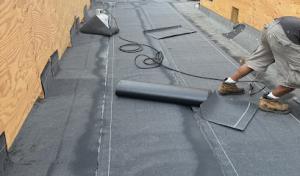
Find specialists in TPO, EPDM, and built-up flat roofing systems for residential and commercial properties.
Garden State Roofing Flat Roof Specialist
(551) 253-3004 www.gardenstateroofs.com
541 Elm St, Kearny, New Jersey
5.0 from 128 reviews


Garden State Roofing Flat Roof Specialist
(551) 253-3004 www.gardenstateroofs.com
541 Elm St, Kearny, New Jersey
5.0 from 128 reviews
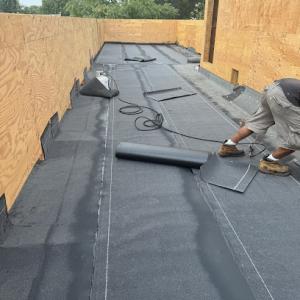
Garden State Roofing is New Jersey’s trusted Flat Roof Specialist, delivering top-quality new roofs, re-roofs, and full repairs for Industrial commercial and residential properties. We combine expert craftsmanship with durable materials to ensure long-lasting protection and flawless performance on every project. Reliable service, premium work, and flat-roof solutions built to last — that’s Garden State Roofing.
Quality Roofing
(201) 283-2875 www.qualityroofer.net
504-508 Kearny Ave, Kearny, New Jersey
4.7 from 78 reviews
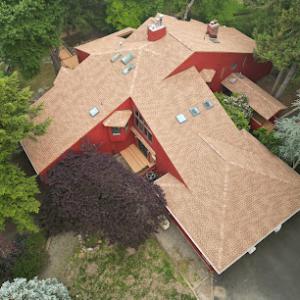
Quality Roofing is committed to delivering unparalleled craftsmanship and customer service as one of New Jersey's leading roofing contractors. With over a decade of experience in the industry, our skilled team specializes in providing high-quality roof repair, metal roofing, and roof replacement services to the North Jersey region. Known for our unwavering dedication to excellence and unwavering commitment to ensuring complete customer satisfaction, we stand proudly as the top roofing contractor in NJ. Experience unparalleled roofing services with Quality Roofing and allow your property to shine with the protection it deserves.
Penn Roofing
(973) 481-9319 www.pennroofingnj.com
Serving
4.8 from 63 reviews
At Penn Roofing, we are proud to be the preferred New Jersey roofing contractor locals depend on.We have been around since 1984 and have over 40 years worth of industry-related experience, all of which we intend to put to work to make the most of your roofing project. Give us a call today and let us show you what makes one roofer different from another!

Lema's Roofing & Siding
(862) 910-4588 lemasroofingandsidingcorp.com
Serving
4.9 from 63 reviews
At Lema’s Roofing & Siding, we provide expert services in roofing installation and repair, damage assessments, skylight and gutter installation and maintenance, as well as professional siding work. We serve both residential and commercial clients throughout key areas of New Jersey, including Newark, Elizabeth, Jersey City, Edison, and surrounding communities. With over 15 years of experience and a highly certified team, we ensure durable, efficient solutions using top-quality materials. Contact us today for your free estimate and discover why we're the trusted choice for roofing and siding services near you.
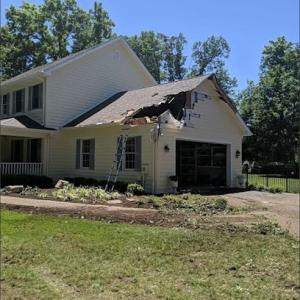
Hayes Family Roofing
(862) 660-7900 hayesfamilyroofing.com
Serving
4.8 from 60 reviews
Experience the difference with our skilled team and durable roofing services Trust us to enhance the appearance and durability of your roof
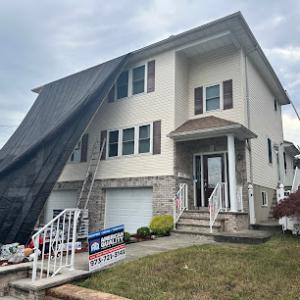
American Quality Roofing & Siding
(973) 721-3141 aqroofingnj.com
Serving
4.9 from 87 reviews
At American Quality Roofing and Siding, we are proud of being a leading roofing and siding company for our neighbors and their families in New Jersey. We have built a robust reputation for delivering exceptional results thanks to our skilled crew and their commitment to relentless and honest hard work. This has allowed us to build solid and long-lasting relations with our clients, if we haven’t done so already, we’ll be glad to start working with you today. Contact your trusted New Jersey roofing contractor for a free estimate!

UBL Roofing
(201) 515-1617 www.ublroofing.com
Serving
4.7 from 167 reviews
Experienced roofing contractor located in Jersey City providing roof inspections, roof replacements, roof repairs, gutters, siding, and windows.

Six Brothers Commercial Roofing Contractors
(201) 582-8350 sixbrotherscontractors.com
Serving
5.0 from 96 reviews
"Six Brothers Contractors has been in business since 1988, providing New Jersey residential and commercial property owners with all types of Exterior services to address roofing, siding, window, needs. We are true experts in Commercial Roofing and offer quality workmanship at affordable prices. As a roofing company, Six Brothers Contractors began as an effort to bring quality workmanship to homeowners and commercial property owners at reasonable prices. We have seen it all with more than 35 years in the roofing space. So trust us to help with your project be it a residential shingle or flat Roof Replacement or a full scale commercial project. We can handle it all.
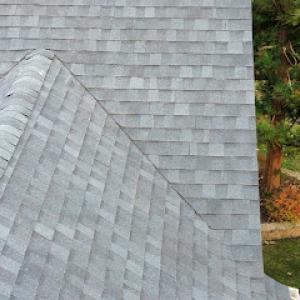
Everlast Roofing & Gutters
(551) 388-5785 www.everlast-home.com
Serving
5.0 from 147 reviews
Discover excellence in roofing with Everlast Roofing, your trusted partner in New Jersey and New York. As a family-run business with over 20 years of expertise, we provide premier commercial and residential services. From thorough roof inspections and proactive maintenance to efficient repairs, storm damage restoration, and complete roof replacements, we offer a comprehensive suite of solutions. Our commitment to quality is reflected in our use of the finest industry materials, all backed by a solid warranty. At Everlast Roofing, we prioritize reliability, cost-effectiveness, and customer satisfaction. Our skilled team is ready to address your roofing needs, ensuring the protection of your property and investment.
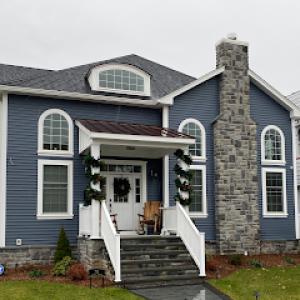
American Roofing & Siding
(973) 542-0710 americanroofingandsiding.com
Serving
4.9 from 126 reviews
About American Roofing and Siding American Roofing is a "full service" New Jersey roofing company. After this awful winter call us at 973-542-0710. Our Business address is 1-3 St Marys Pl, Belleville, NJ 07109.

Elite Roofing Contractor
(201) 436-1011 eliteroofingincnj.com
Serving
4.9 from 346 reviews
Elite Roofing Contractor is your local Jersey City roofing company specializing in roof inspections, roof maintenance, roof repairs, roof replacements, roof deck installations, and all exterior services! With over 20,000 roofs serviced in Hudson County, NJ and over 5,000 roof inspections completed, we are your local, trustworthy, and reliable roofing contractor. Contact us today to see how Elite Roofing can make your roofing dreams come true!
Superior Roofing Pros
(201) 875-7282 www.superiorroofingpros.com
Serving
5.0 from 91 reviews
Superior Roofing Pros is your top choice for all roofing needs, specializing in flat roof solutions and expert roofing services. As a trusted roofing contractor, we serve residential and commercial clients looking for reliable roof repair, replacement, and maintenance. Whether you need a roofer near you for emergency repairs, a flat roof specialist, or comprehensive roofing solutions, our team is dedicated to quality and durability. We use only the highest quality materials and ensure every project is completed with exceptional craftsmanship. Choose Superior Roofing Pros for dependable, professional roofing services that safeguard your property and enhance curb appeal.
Asphalt shingles fit much of Kearny's older detached and semi-detached housing, providing a straightforward, familiar option that meshes with decades of detailing on the main pitched roofs. However, storms emphasize edge protection and leak-prevention strategies, so focus on quality hip-and-ridge details, thorough drip edge installation, and proper attic ventilation to curb wind-driven moisture. For the main pitched roofs, choose a heavy-grade, impact-resistant shingle and ensure the fasteners are rated for storm exposure. Pay attention to the transition points where an addition meets the original structure, since those seams are common leak points after a heavy rain. A sound underlayment and reinforced flashing at valleys, chimneys, and vent locations keep water from migrating toward interior spaces during brisk gusts.
Low-slope sections common on additions and porches may need a different roofing system than the main pitched roof. In tight urban lots where wind exposure can carry runoff toward neighboring structures, a low-slope roof benefits from materials with robust waterproof membranes and reliable seam integrity. Consider single-ply or modified bitumen membranes installed with careful detailing at penetrations and transitions. Pay particular attention to edge detailing along parapets, drain connections, and patchwork intersections with the main roof, as storm-driven runoff finds any small flaw and amplifies it. Remember that converging rooflines reveal more flashing challenges, so ensure continuous, properly-lapped seams and test for wind uplift resistance during a reputable inspection before committing to a long-term solution.
Metal roofing can be attractive for durability in New Jersey storm cycles, but complex fastening and venting details matter more on tightly spaced urban lots where wind exposure and water shedding affect neighboring structures. When metal is selected, emphasize a panel layout that minimizes exposed fasteners and uses a heavy sealant compound at joints. In narrow, crowded neighborhoods, venting strategies should prevent давления from backward flow over the roof edge and into soffits or gable ends. Local observers often favor standing-seam panels for their tighter water shedding and easier inspection, provided the roof geometry accommodates the installation without creating awkward seam lines near setbacks. Have reviewers assess how the roof ties into the parapet walls and how snow or rain runoff will travel toward the street or neighboring properties, especially along overhangs and porches.
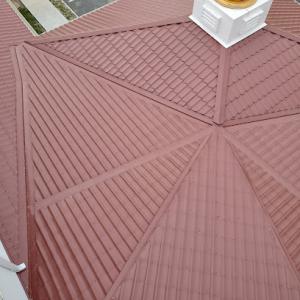
Tile and heavier systems are less common fits for older housing stock unless the structure can handle the load and the roof geometry is appropriate, which is why these installations often trigger closer review. Heavy tiles demand structural verification and compatible framing to avoid fatigue over time. In Kearny, the combination of older rooflines and sometimes limited attic space can complicate installation and ventilation. If considering tiles, obtain a detailed assessment of the original framing, brace points, and the potential need for reinforcement, especially where low-slope transitions meet the main roof. A careful plan for drainage and wind uplift resistance is essential, as misalignment between tile courses and flashings can become a primary source of leaks after a storm.
Spring and fall are the most practical replacement windows in Kearny because cold winter conditions and hot, humid summers can both disrupt installation quality and scheduling. If a roof shows advancing wear, aim for a window between late March and early June or late August through October. In these seasons, crews have enough daylight and milder temperatures to set underlayment and flashings properly, minimizing the chance of accelerated aging from heat or ice. Scheduling during these shoulder seasons also helps avoid the peak storm period when wind-driven rain can complicate work and lead to missed leaks.
Winter freeze-thaw cycles in North Jersey can widen small flashing and masonry-related leaks, especially around chimneys and older roof penetrations common in Kearny homes. If you notice hairline cracks at step flashing, poor sealant around chimney bases, or moss and efflorescence near brickwork, those are signs a full roof replacement might be the most cost-effective fix compared with constant patching. Freezing conditions also interfere with adhesive-backed underlayments and sealants, so delaying a replacement until temperatures are consistently above freezing reduces the risk of installation issues.
Summer humidity accelerates shingle and underlayment aging, so roofs that already show storm wear often deteriorate faster through July and August. If a roof has curled or cupped shingles, exposed underlayment, or widespread granule loss, hot weather can shorten the remaining lifespan of a repair-heavy roof. Plan replacement for late spring or early fall to avoid mid-summer exposure of vulnerable underlayments and to give crews time to dry-in flashing components before winter moisture returns.
Begin with an inspection in late winter or early spring to identify flashing gaps, exhaust vent leakage, and masonry cracks that could worsen with freezing temperatures. If the inspection reveals widespread deck rot, sagging edges, or multiple penetrations needing resealing, align replacement with the spring window to minimize dry-out time and ensure proper installation sequence. In neighborhoods with closely spaced homes, coordinate dates to reduce scheduling conflicts and to take advantage of favorable wind and rain patterns typical of those shoulder seasons. Finally, keep leaky areas temporarily protected with tarps or patching until the crew arrives, but avoid relying on temporary measures for long stretches.
Get a clear picture of your project costs upfront - no commitment required.
Quality Roofing
(201) 283-2875 www.qualityroofer.net
504-508 Kearny Ave, Kearny, New Jersey
4.7 from 78 reviews

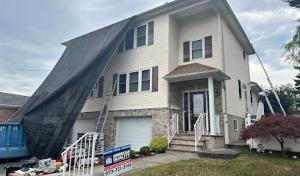
In this part of Hudson County, tight street access, narrow driveways, and older home layouts slow every step of a roof replacement. Tear-off debris has to be staged carefully to avoid blocking the alley or blocking a neighbor's parking space, which adds time and labor. Mixed roof geometry is common: main pitched sections paired with low-slope porches, rear additions, or dormers. That setup increases labor and flashing complexity beyond a simple per-square estimate, especially when leak zones cascade across different roof pitches or when hidden valleys and dormerheads require extra detailing.
Asphalt shingles sit at the lower end of the spectrum, typically aligning with the scenario described above, but still feel the pinch if roof lines are complex or if there is extensive flashing. The list of typical per-square costs helps you compare value: Asphalt Shingles 250-600 USD per square; Metal Roofing 700-1100 USD; Clay Tile 900-1800 USD; Concrete Tile 850-1500 USD; Wood Shingles/Shakes 450-900 USD; Synthetic/Composite Shingles 450-800 USD. In practice, the more elaborate the roof geometry and the more surface area that needs precise flashing to stop wind-driven rain, the closer you land to the higher end of those ranges.
Storms in North Jersey heighten demand after spring and autumn weather events. Emergency leak work and reroofing can see tighter scheduling and less flexibility for start dates. If a leak shows up after a storm, anticipate a short wait for crews to mobilize, especially when multiple roofs in the same area need attention. Consider planning for a staged replacement if access issues or neighbor parking restrictions slow material staging, which can spread a job from a few days into a week or more.
Begin with a site assessment that maps all low-slope portions and dormers, so the contractor can forecast flashing complexity before tearing off. Request a single, staged plan that minimizes open roof hours and protects interior spaces from wind-driven rain. Ask for a written sequence that clearly outlines debris containment, material staging, and timing windows for delivery and work, given the street and alley constraints.
Don't let upfront costs delay a critical repair - these contractors offer payment plans to fit your budget.

Kearny homeowners should expect a building permit for a full roof replacement, with the contractor typically handling submission through the local construction office rather than the owner managing the process alone. That arrangement can keep the project moving, but it also means you're relying on the contractor to present accurate scope, materials, and timelines. If questions arise during submission, the plan reviewer will look for clear alignment between your project notes and the actual work being performed, so ensure that the contract reflects the precise roof assembly.
Inspection sequencing in this part of New Jersey commonly includes pre-work or deck review, underlayment and venting review, and a final inspection before closeout. The pre-work review often checks deck integrity and installation access to ensure the structure can support the new roof. The underlayment and venting phase focuses on moisture barriers and the adequacy of attic ventilation, which are critical for storm-driven conditions. The final inspection confirms all components are installed to code and that penetrations, flashings, and fasteners align with approved details.
More complex systems such as metal or tile roofs may draw closer attention to fastening, venting, and installation details than a straightforward asphalt reroof. Expect specific verification of how ridge and step flashings are sealed, how openings for vents and exhausts are treated, and how the roof transitions meet wall planes and chimneys. If a contractor proposes a nonstandard fastening pattern or a unique venting strategy, prepare for the reviewer to request additional documentation or adjust the installation plan before the closeout can proceed.
Storm-driven leaks and roof damage are a regular part of life for this New Jersey insurance environment, especially after spring and summer storms that batter shingles, flashing, and skylight areas. The combination of wind, rain, and tight urban lot lines means wind-driven water can find its way through even well-maintained low-slope and mixed-pitch roofs. When a claim comes in, the insurer will scrutinize the sequence of events and the condition of the roof prior to the storm, so a smooth review depends on clear, up-to-date information that tells the full story of what failed and why.
Because many local contractors market storm-damage and insurance-claim help, homeowners here should expect insurers to ask for detailed photos, date-stamped documentation, and contractor estimates rather than broad verbal descriptions. Photos should show the entire roof line, flashing around valleys and penetrations, and any skylight or vent details that might have allowed leakage. Include weather reports or hail reports from the storm date if available, and keep a dated record of any temporary roof coverings or emergency fixes. A precise narrative of when the damage was first noticed and how it progressed will help the claim proceed without delays.
Tighter underwriting in parts of New Jersey makes documentation especially important for older roofs in dense municipalities like this area, where prior patching and layered repairs can complicate claim review. Insurers may question the cumulative effects of past repairs, so a transparent history-when each fix occurred and what was replaced-supports a clearer assessment. Being organized now can prevent disputes that stall or shrink a settlement after a big storm.
Find local contractors experienced in assessing and restoring roofs after hail, wind, and severe weather events.
Quality Roofing
(201) 283-2875 www.qualityroofer.net
504-508 Kearny Ave, Kearny, New Jersey
4.7 from 78 reviews
Older homes in this area often combine masonry chimneys with aging flashing details, and those intersections are a recurring source of leaks during freeze-thaw cycles and wind-driven rain. Start by inspecting the base where the chimney meets the roof deck: look for cracked or slipped mortar, loose flashing, and gaps where moss or dirt hides vulnerabilities. If the chimney flashing has multiple laps or resides behind deteriorated mortar, plan to reseal and re-flash with apron and step-flashing integrated into the chimney sides. Replace any damaged counter-flashing and seal with a compatible sealant that remains flexible in cold months. When possible, verify that the chimney cricket or saddle is present to shed water away from the stack, especially on low-slope portions.
Where skylights have been added to older roof systems, leak risk often comes from curb flashing and surrounding reroof transitions rather than the glazing unit alone. Inspect curb flashings for tears, lifted edges, or compromised sealant beads. Reflash with continuous, properly bedded sealant and ensure the curb sits level against the roof deck with a clean, debris-free mating surface. Pay attention to the transitions where the skylight curb meets the main roof plane; faulty miter joints or poorly seated shingles here can trap water. If replacing the skylight, consider a curb that integrates with a shingle-style drip edge and a watertight membrane beneath the curb to reduce transition failures.
In tightly built neighborhoods, small flashing failures can go unnoticed longer because rear roof sections and sidewall details are harder to inspect from ground level. Schedule a thorough walk-around after heavy rain or a strong wind event, focusing on the rear and flank walls, eaves, and any exposed sidewall flashings. Use a ladder-safe approach to check fascia, gutter joints, and vent penetrations. For tight or low-slope sections, consider adding continuous flashing or a secondary sealant layer at edge intersections to compensate for hard-to-detect micro leaks that creep along the roof-to-wall interface.
Find contractors experienced in skylight installation, flashing, and leak repairs to bring natural light into your home.
Quality Roofing
(201) 283-2875 www.qualityroofer.net
504-508 Kearny Ave, Kearny, New Jersey
4.7 from 78 reviews