
Last updated: Apr 19, 2026
River-side exposure matters for every flat or low-slope roof in this urban corridor. Buildings sit shoulder-to-shoulder, with wide river winds funneling through streets and across rooftops. That air turbulence motivates faster wear on edge materials, rapid thermal cycling, and more aggressive ponding risks after heavy rain events. In practice, that means you'll want a roofing assembly that prioritizes robust edge detailing, secure seam closures, and durable waterproofing at hips, parapets, and any penetrations. When choosing materials, think about how each option performs under constant wind loading, and confirm that fasteners and flashings are rated for corrosive marine air if that shows up in your neighborhood microclimate. Even small gaps in low-slope seams can become channels for wind-driven leaks, so proper integration of drain sumps, scuppers, and parapet terminations becomes a priority rather than an afterthought.
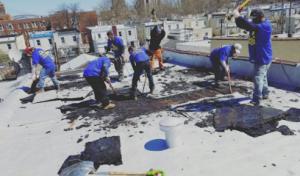
The density of attached and closely spaced homes creates unique challenges for tear-offs and replacements. Access can be tight, material transport requires careful coordination, and neighboring structures limit crane or dumpster placement. In a multi-unit row or cluster of townhomes, misaligned tiles or shingles on one unit can impact the entire row when debris slides from a shared parapet or courtyard. Practical planning should emphasize staging that minimizes debris travel to adjacent properties, protective sidewalk and driveway covers, and a well-timed removal schedule that respects neighbors' use of shared walls and gutters. For older units, the roof deck may differ in elevation or condition between bays, so expect staggered work sequences and additional temporary protection at party walls. Communications with residents about anticipated noise, tarps, and daily progress helps prevent surprises and misunderstandings during a full replacement.
Older residential structures are common in this part of Hudson County, and decks beneath the roofing layer can harbor surprises. Hidden rot, compromised waterproofing, or prior hack repairs are not unusual when the old roofing is peeled back. These conditions drive careful inspection of the deck sheathing, insulation, and any previous flashing upgrades hidden from view. Documenting deck conditions before work begins is essential, because deck repairs often emerge as part of a full replacement. Expect to encounter fastener corrosion where metal interfaces with aged wood or plywood, and be prepared to upgrade to more corrosion-resistant hangers and edge metals if structural members show wear. A well-planned project includes an assessment of ventilation and drainage beneath the roof assembly to prevent future moisture buildup that can compromise both deck integrity and insulation performance.
Where walls meet the roof, flashing becomes your frontline defense. In dense urban settings, corner where parapets rise and rooflines change direction are common failure points. Expect thicker debris loads near penetrations and along parapet joints after storms, and plan for enhanced sealing around vents, curbs, HVAC equipment, and roof hatches. West-city conditions favor careful integration of transition membranes that bridge deck and wall assemblies, plus continuous, mechanically fastened edge metal that resists wind uplift. For skylights or access hatches common on older buildings, verify that curb details are squared, flashed, and integrated with the main waterproofing to prevent seam leaks that can travel laterally along the deck.
Flat and low-slope roofs in this area demand proactive maintenance. The proximity to Manhattan's busy corridor means that single-season debris accumulation, salt-laden air, and frequent freeze-thaw cycles create a persistent demand for periodic inspections. Schedule semiannual checks-ideally after winter and after the peak of hurricane season-to inspect seams, flashings, and drainage. Note any subtle changes in edge sealant color, the presence of standing water, or the formation of micro-cracks at membrane seams. Keep a log of patch repairs, as accumulated small fixes now pay off by reducing the risk of larger, more invasive replacements later. In neighborhoods with attached layouts, a neighborly approach to maintenance can extend the life of all nearby roofs by decreasing the chances of windborne debris damaging shared parapets or edging.
Flat and low-slope roofs dominate the attached housing stock in this market, where tight lots and shared walls push crews to work around limited access. In practice, that means drainage details at parapets, scuppers, and transitions are not afterthoughts but the backbone of a durable roof. When water sits on a surface for longer periods, any seam or edge becomes a potential failure point. The result is a roof system that must be designed and inspected with the neighborhood's tight footprints and adjacent structures in mind.
On tightly packed buildings, the path water takes matters every year. Start with parapet terminations and scuppers: ensure that scuppers are not blocked by debris, and that their discharge points align with a safe, low-profile route away from shared walls. Parapet flashings should be continuous and tied into the wall with proper insulation and seam treatments so that meltwater and storms don't seep into coping joints. Transitions between roof surfaces and downspouts deserve extra attention where gutters can't mimic the quick, clean water exit of a steeper roof. At each transition, confirm that a positive slope exists toward the drainage outlets and that membrane laps are fully reinforced and sealed. Regular checks after heavy rains or windstorms help catch edge deterioration before it travels to a neighbor's unit or a common wall.
West New York experiences winter freeze-thaw cycles and humid summers that stress low-slope assemblies already prone to standing water. Frozen water can push joints apart, and repeated freeze cycles magnify the risk of punctures or seam lifting. In summer, high humidity can accelerate membrane aging and promote blistering if moisture is trapped under the membrane. For practical maintenance, plan two key check-ins each year: after the last leaf drop in autumn and after the first warm spell in spring. Look for pooled water, surface staining indicating leaks, and any delamination near edges. If vegetation starts to colonize parapets or drainage paths, remove it promptly to preserve the designed water path. When a membrane shows blisters or microcracks near edges or transitions, address them promptly with compatible patching and reinforcements to prevent a slow bleed into shared spaces.
Replacement work on narrow row-home lots demands meticulous planning. If crews have limited access to the roof, arrange staged material delivery and use lightweight, roll-out membranes where feasible to minimize disruption to neighbors. Schedule work to minimize wind-driven exposure, since gusts can lift unsecured edge details or dislodge temporary protective coverings. For shared walls and adjoining units, confirm that temporary waterproofing measures are in place during work windows to prevent overnight leaks from impacting neighbors. In short, flat roofs here perform best when edge-to-edge attention, careful staging, and neighbor-aware scheduling align with the city's dense, wind- and freeze-prone conditions.
Find specialists in TPO, EPDM, and built-up flat roofing systems for residential and commercial properties.
Mega Pro Roofing
(973) 791-9008 megaproroofing.com
Serving
4.9 from 63 reviews
Mega Pro Roofing and Masonry deliver the finest commercial and residential roofing solutions. We are a reliable and trusted independent contracting firm located in northern New Jersey.
Superior Roofing Pros
(201) 875-7282 www.superiorroofingpros.com
Serving
5.0 from 91 reviews
Superior Roofing Pros is your top choice for all roofing needs, specializing in flat roof solutions and expert roofing services. As a trusted roofing contractor, we serve residential and commercial clients looking for reliable roof repair, replacement, and maintenance. Whether you need a roofer near you for emergency repairs, a flat roof specialist, or comprehensive roofing solutions, our team is dedicated to quality and durability. We use only the highest quality materials and ensure every project is completed with exceptional craftsmanship. Choose Superior Roofing Pros for dependable, professional roofing services that safeguard your property and enhance curb appeal.
All Point Roofing & Chimney
(201) 496-1086 allpointroofingchimney.com
Serving
4.9 from 198 reviews
All Point Roofing & Chimney is your go-to expert for roofing, chimney, skylight and every home service need. Our skilled team is dedicated to providing top-quality repairs, replacements, and installations at competitive prices. Whether you need routine maintenance or a complete renovation, we have the experience and expertise to get the job done right. As a licensed, bonded, and insured company, we guarantee that every project meets the highest standards of safety and quality. We also provide 24/7 emergency home repair services, ensuring fast and reliable assistance when you need it most. Call today for a free estimate or immediate assistance!
Doda Brothers Roofing & Siding
(551) 866-7756 dodabrothers.com
Serving
5.0 from 127 reviews
Doda Brothers Construction is the best roofer in Bergen County, providing expert roofing services, including roof repair, roof replacement, and flat roof repair and replacement. We also specialize in skylight installation and gutter services to keep your home or business protected and looking its best. As a GAF-certified and BBB-accredited roofing company, we are dedicated to delivering top-quality craftsmanship and excellent customer service. Whether you need a roof replacement, a flat roof repair, or new gutters, we’re the best roofer near you to handle it all. Call Doda Brothers Construction today for a free roof inspection and experience why we’re the top choice for roofing in Bergen County and beyond!
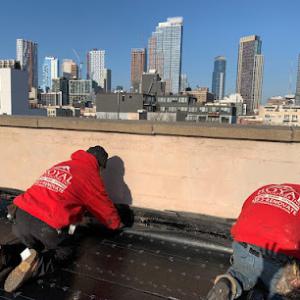
Royal Roofing & Siding NYC
Serving
4.9 from 96 reviews
Royal Roofing & Siding NYC is Manhattan’s trusted roofing contractor, serving homeowners and businesses throughout Manhattan and the greater New York City area. Since 1988, our family-owned and operated, BBB Accredited, licensed and insured roofing professionals provide expert residential and commercial roofing services. We specialize in flat roof repairs tailored to dense urban properties, brownstone roof replacements, and EPDM, TPO, & SBS flat roofing systems. We also provide professional masonry, siding, and gutter services, as well as repairs to skylights, parapet walls, coping, and cornices. From condo skyscraper buildings to Manhattan townhomes, we do it all. We offer emergency services for urgent leaks and storm damage. Contact us.
Pro Line Construction
Serving
5.0 from 140 reviews
Proline Construction has been providing reliable Roofing, Siding, chimney, Masonry & Gutter repair, and construction services across New Jersey for many years. From project inception to completion, our team makes sure each project is completed on time and meets the client’s specific requirements. The Proline Construction team has an outstanding knowledge of relevant roofing, siding, chimney, masonry & gutter construction codes, and regulations. This means you don’t need to worry about compliance requirements. Our licensed contractors will take care of all the technical requirements of your project. We aim to deliver quality construction services to all our clients and build open and honest customer relationships.

AMERICAN Roof Repair & Replacement
(201) 254-9894 americanroofingprosnj.com
Serving
5.0 from 452 reviews
American Roofing NJ is a trusted roofing company dedicated to providing top-quality roofing solutions for homeowners and businesses across New Jersey. With years of experience and a commitment to excellence, we specialize in roof replacement, repair, and maintenance, ensuring your home or commercial property remains safe and secure in all weather conditions.
Independent Roof Repair & Chimney Home IMP
(201) 699-7258 independenthomesimprovement.com
Serving
5.0 from 54 reviews
We providing services roofing, chimney, gutters, siding, masonry
Profine Construction
(201) 328-7456 www.profineconstructionllc.com
Serving
5.0 from 51 reviews
Profine Construction is all-purpose contracting company, providing home repairs and home improvements for residents in Cliffside Park, and across New Jersey. 1. Roofing: Repairs, coatings & maintenance, installation & replacement. Shingle, metal, tile, and flat roofs 2. Masonry & Hardscapes: Chimneys, chimney repair, brick/stone work, retaining/block walls, walkways & pavers 3. Siding: Installation & repair, soffits, facsia, exterior trim, stucco, weather barriers 4. Custom Home Remodeling: Kitchen, Bathroom, Painting 5. Gutters: Installation, repair, protection systems 6. Outdoor Living: Decks, Porches, Patios, Pergolas, Gazebos 15 years in business. 200 reviews, 4.9 stars HomeAdvisor Top Rated ELITE Service Angi "Super Service" 2024
The GOAT Construction
(201) 973-0019 thegoatconstructionnj.com
Serving
5.0 from 72 reviews
Your expert partner in exterior excellence. Specializing in siding, chimney restoration, and roof services, we deliver top-tier craftsmanship and unmatched reliability. From seamless siding installations to precise chimney repairs and comprehensive roof solutions, trust us to safeguard your property with meticulous care and enduring quality. Experience the difference with PrimeGuard Construction – where expertise meets excellence.
Skyward Roofing
(646) 568-4399 www.skywardroofing.com
Serving
5.0 from 80 reviews
Skyward Roofing is a leading roofing company specializing in high-quality residential and commercial roofing services. With years of experience in the industry, we are committed to delivering top-notch roofing solutions that exceed customer expectations. Our highly skilled and knowledgeable professionals prioritize safety, efficiency, and customer satisfaction in every project. We offer various services, including roofing installation, repair, and maintenance for all types of roofing systems. Whether it's a small repair or a complete roof replacement, we guarantee timely and efficient completion with the best materials and techniques. We take pride in our work and strive to provide exceptional craftsmanship, reliability, and affordability.
Vision Roofing & Chimney
(551) 234-5809 visionroofingnj.com
Serving
5.0 from 62 reviews
Roofing and chimney contractor North Jersey
The local risk pattern combines spring and early summer thunderstorms, hail, high winds, winter ice-dam conditions, and fall wind events, creating repeated leak triggers through the year. In a dense waterfront urban corridor, those cycles hammer exposed roof edges, flashing lines, and parapet details again and again. The combination of frequent weather hits and tight-access attic spaces means small vulnerabilities can become urgent leaks fast.
Wind-driven rain is a bigger concern in a waterfront urban corridor like West New York because exposed roof edges, flashing lines, and parapet details take repeated weather hits. A roof that looks sound from the street can be compromised at its most vulnerable seams, fasteners, and transitions. Parapets and metal flashing, often tucked behind tightly spaced buildings, face relentless exposure to gusts and driving spray that can push water beneath layers you can't easily inspect from ground level.
You'll want to treat any sudden dripping, staining on ceilings, or damp walls as a red flag, especially after storms that bring hail or high winds. Pay attention to areas around skylights, roof penetrations, and along parapets. Brick- and asphalt-topped parapets can trap moisture and fail first in these conditions. If you notice repeating patches on interior ceilings along exterior wall lines, investigate those edge and seam zones promptly. In short, repeat triggers mean the problem pattern is not a one-off event.
If a leak begins, protect valuables and create a temporary barrier by placing a bucket under the drip and moving electronics away from water paths. If accessible, place a tarp over the affected area from the exterior using rope or weight to secure it, prioritizing wind-facing sides to prevent pull-off. Do not delay in calling for rapid assessment-emergency repair capability is a core service signal in this market, and timely triage can prevent interior damage from escalating.
Focus on critical weak points: edge flashing, vent/penetration boots, and roof-to-wall transitions. In tight spaces, temporary sealants and quick-fastened patch materials can slow water ingress while a professional arrives. For flat or low-slope roofs, verify that drainage planes and scuppers are clear to reduce standing water, which quickly becomes ice dam risk in colder months. Regular checks after storms help catch recurrent hits before they turn into a full-blown leak event.
If water is actively pouring in, or if multiple rooms show staining after a single storm, use an emergency repair service that specializes in rapid leak response. The fastest path to damage control lies in swift assessment, stop-gap sealing, and non-disruptive temporary coverings until a longer-term fix can be scheduled. In this market, responsiveness is the difference between a minor setback and widespread interior damage.
When you can't wait, these contractors offer fast response times to stop leaks and prevent further damage.
Asphalt shingles are the dominant mainstream option locally, but you'll notice they show up more on pitched sections and smaller residential roof areas rather than on classic low-slope row-house roof planes. If your project involves an attached, low-slope roof, expect specialists to pair an underlayment and flashing plan that addresses wind-driven exposure and freeze-thaw cycles. When reviewing bids, ask about shingle compatibility with metal edging and hip-and-ridge details that resist wind uplift on these tight, urban roofs. Practical focus should be on discrete areas where a pitched overlay might be feasible, rather than attempting a full low-slope conversion without a careful drainage strategy.
Tile, slate, and copper appear in the local material mix, which matters in older Hudson County neighborhoods where architectural character and heavier roof systems can affect replacement scope. If you live in a building with a historic facade or a roof plane carrying substantial weight, verify structural compatibility before committing to a full replacement. In these contexts, you'll often need to coordinate with masonry and parapet work to preserve alignment with adjoining facades. Expect longer lead times for specialty materials and a wider window for inspection if underlayment and roof deck remediation are involved. The reward is a roof that respects the building's profile and the neighborhood's character, rather than a quick, generic upgrade.
Metal roofing is present but less prevalent than asphalt and flat-roof work, making contractor selection more important when homeowners want a specialty system rather than a standard re-roof. For low-slope planes, a metal solution can offer durability and wind resistance, but it demands precise seam work and flashing details around penetrations, skylights, and parapet walls. In areas with tight access or shared roof spaces, you'll benefit from a contractor who has hands-on experience with the specific building layout and can coordinate with neighboring units. If you pursue metal, insist on a detailed installation plan that covers edge conditions, channeling for drainage, and compatibility with existing insulation and ventilation layouts.
For planning purposes, local cost ranges per square are: Asphalt Shingles 350 to 650; Metal Roofing 700 to 1800; Clay Tile 1000 to 2100; Concrete Tile 900 to 1700; Slate 1200 to 2600; and Copper Roofing 1800 to 4000. These figures reflect the dense, urban setting with tight lots and limited staging space. Material choice drives a big part of the budget, but remember that installation challenges in attached, low-slope scenarios can amplify those numbers.
In a village-like stretch of attached houses, staging areas are scarce. Expect tighter setup time, more maneuvering of equipment, and careful debris control to avoid disturbing neighboring properties. Debris removal logistics add incremental costs, especially when crews must haul waste through narrow walk-ups or shared alleyways. Labor complexity rises with working on low-slope roofs and ensuring proper water shedding on limited headroom. All of these factors push quotes higher than more open-site projects.
Older homes common to this market can elevate pricing because a roof tear-off may uncover deck repairs, ventilation corrections, flashing upgrades, or additional documentation needed before approval. Even if the plan seemed straightforward, the first day often reveals hidden needs that add to material and labor. Factor a contingency into the budget for possible deck repairs, improved attic ventilation, or upgraded flashing details around parapets and dormers.
Choosing material isn't just about upfront cost. Asphalt Shingles deliver a lower initial price, but metals and tiles offer longer life and better wind resistance on high-wind days common to the waterfront corridor. Clay or concrete tiles add weight considerations and may require structural checks. Slate and copper bring premium durability but significantly higher per-square costs. Weigh the long-term maintenance and replacement likelihood against the immediate budget when evaluating options.
Get three quotes from local contractors who understand tight-urban logistics and attached-structure work. Ask for a staged plan detailing debris control, material delivery windows, and daily work limits to minimize neighbor disruption. Request a clear line-item breakdown showing tear-off, disposal, underlayment, flashing, vent work, and any deck or ventilation upgrades. Confirm material warranties and crew experience with low-slope, multi-unit roofs to ensure performance under wind-driven storm conditions.
Get a clear picture of your project costs upfront - no commitment required.
A full roof replacement in West New York commonly requires a permit submitted with contractor information and project scope before work proceeds. That means your contractor should provide a detailed plan, material list, and a clear timeline to the municipal building department. Without a proper permit, you risk work stoppages, fines, or having to undo improvements later. In neighborhoods with dense attached housing and flat or low-slope roofs, the permit packet often hinges on accurate scope and precise flashing details to address wind-driven storms and freeze-thaw cycles that are common here.
The local process typically includes milestone inspections and a final inspection after completion rather than only paperwork closeout. Expect at least a mid-project check-in to verify flashing, venting, and leak-prevention details are meeting code requirements, especially on low-slope designs where water management is critical. A final inspection confirms that the roof installation aligns with the approved plan and that penetrations, edge details, and drainage are properly executed. Cooperate fully with the inspector, because delays can stem from seemingly minor discrepancies in attic access, ventilation, or underlayment placement on a roof line pressed tight by surrounding structures.
For older homes, the department may ask for additional documentation and may pay particular attention to attic ventilation and flashing details during review or inspection. Attics in historic or long-standing attached rows can present unusual ventilation challenges, so be prepared to demonstrate how soffit, ridge, or soffit-vent configurations maintain proper airflow. Flashing transitions around walls, chimneys, and parapets deserve careful scrutiny in these reviews, given how wind exposure and tight construction can amplify water intrusion risks. A proactive approach with your contractor to address these concerns often smooths the permit and inspection path.
In this market, carriers commonly focus on documented roof condition, prior claims history, and photo evidence when underwriting or reviewing storm-related roof work. A clear, organized record helps the process move smoothly even when wind-driven storms pin you down to short timelines and tight access.
After major storms, some insurers adjust premiums or apply claim-specific scrutiny, so you will benefit from dated photos, written scopes, and ventilation or underlayment notes before filing. A contractor's note that explains leakage paths, airflow changes, and patch locations adds credibility when the claim is reviewed. Keep these documents updated as the roof dries and any temporary repairs are evaluated.
Because storm and insurance-claims specialties are active in this market, homeowners here often need contractors who can document damage clearly rather than only provide a repair price. Ask for a written evaluation that cites debris impacts, shingle or membrane wear, flashing conditions, and fastener exposure. Ensure the contractor can translate findings into claims-friendly language with diagrams or labeled photos.
Create a simple file for every roof event: dated photos from multiple angles, a measurements sketch, and notes on ventilation or underlayment where relevant. Include a short narrative describing how conditions changed between the storm, the inspection, and any recommended repairs. Keep correspondence with the insurer, the contractor, and the building management organized and accessible.
Ask the contractor to provide digital reports, high-resolution photos, and a repair diagram that links to observed damage. When possible, obtain a written scope that aligns with the insurer's terminology and includes moisture checks or weep singling where applicable. This clarity reduces back-and-forth and helps the claim move through more predictably.