
Last updated: Apr 19, 2026
In a town built from mid-century planned communities, storms can arrive fast and leave a wake of curled shingles, dented gutters, and soggy attics. When a roof takes a hit from spring storms or hail, the clock starts ticking on your claim. The local contractor signal mix shows unusually strong demand for emergency repair and insurance-claims help, so expect builders to respond with urgency. Your first move is to secure a temporary leak-stabilization plan that buys you time without masking the full scope of damage. A tarping crew or quick-seal patch can hold water back while you gather documentation and contact your insurer. Do not delay this step; insurers want to see the problem as it was, not after a makeshift fix has covered up symptoms.
First, document exactly what the storm did. Take clear photos from ground level and up-close shots of shingles, flashing, vents, and the edge of the roof where damage is evident. Include surrounding yard debris and any interior water intrusion near ceilings or walls. If a roof line is bowed or a vent collar is loose, photograph those details as well. Time-stamped images are valuable, so use a phone camera to capture these moments within 24 hours of the event if possible. Save all receipts for temporary repairs and any professional reports you obtain. Insurance companies in the region increasingly want photo evidence, prior-condition documentation, and detailed estimates, so your collection should tell a complete story of the roof's state before and after the storm.
To prevent a claims dispute, establish a baseline of pre-storm condition. If you have recent service records, photos, or contractor notes from the previous year, pull them together and compare with current findings. A simple side-by-side of shingles alignment, nail lines, and flashing can help show what changed due to the event. When you contact the insurer, present a concise summary with dates, weather incidents, and a concrete list of damaged components-shingles, gutters, underlayment, chimney flashing, or skylights. If the house has any known vulnerabilities from the age of the roof or previous repairs, document those specifics as well. The goal is to avoid ambiguity: insurers respond faster when there's a factual trail from storm impact to visible damage.
Willingboro homeowners often lean on local specialists who can stabilize leaks quickly and guide the claim process. Expect strong demand for emergency repair work, so secure a trusted contractor who can begin temporary repairs within hours rather than days. A credible contractor will perform a rapid rooftop assessment, isolate active leaks, and propose a plan that prioritizes life-safety concerns and interior damage prevention. When you receive repair estimates, ensure they reflect the immediate stabilization needs and the projected scope of full replacement or major repair. Ask for a written, itemized assessment that distinguishes temporary measures from permanent work, so your insurer can see the sequence and rationale behind each step.
Insurance adjusters in this area appreciate concise, well-organized submissions. Prepare a single, coherent package that includes your storm date, damage photos, prior-condition references, a summary of temporary repairs, and a detailed scope of recommended permanent work. If the adjuster requests additional evidence, respond promptly with the requested items. Don't be surprised if multiple rounds of discussion occur; coordination with a reputable local contractor who understands Willingboro's housing stock and typical storm exposure can help streamline conversations. If you notice a discrepancy between your contractor's assessment and the insurer's estimate, request a walkthrough and a supplemental review. Quick, clear communication can prevent delays that extend exposure to water intrusion and further internal damage.
Find local contractors experienced in assessing and restoring roofs after hail, wind, and severe weather events.
Roof Repair & Replacement
(856) 372-4291 www.roofreplacementandrepair.com
Serving
4.8 from 20 reviews
Given the wide array of choices that you have for roofing repairs in NJ, why should you choose us? For starters, because we're a licensed and bonded company with GAF certification — which means you can trust that our work will be up to code and provided with a satisfaction guarantee. Second, you can also take stock in our competitive prices and exceptional numbers of choices regarding general contractor services in New Jersey .However, the most important aspect is the fact that we're backed by customer reviews and testimonials — all of them satisfied clients who trusted their business with us.
American Construction Roofing, Siding & Windows
(856) 531-1304 amconstruct.com
Serving
5.0 from 29 reviews
American Construction Roofing, Siding and Windows is a family owned and operated business offering the finest quality Moorestown roofing and construction services. We have built a solid reputation based on our commitment to providing the best when it comes to roofing, siding, and windows in the area. At American Construction Roofing, Siding and Windows, you’ll find skilled carpenters and project managers that are trained in the best techniques on the market today. They use materials of the highest quality, and employ respectful and dedicated staff that truly listens to your needs.
Champion Exteriors
(800) 276-0032 champion-exteriors.com
Serving
4.6 from 195 reviews
Champion Exteriors has been serving homeowners and businesses in New Jersey and Pennsylvania since 1936. We specialize in residential and commercial roofing, including flat, metal, TPO, EPDM, and RhinoBond systems. As a James Hardie Preferred Contractor, we also install siding, windows, gutters, doors and decks. Our team is known for fast response, free inspections, and delivering long-lasting exterior solutions. Whether you need emergency roof repair or a full siding replacement, Champion Exteriors provides trusted service backed by over 85 years of experience.
Thunders Solutions
(609) 864-7591 thunderssolutions.com
Serving
4.9 from 73 reviews
At Thunders Solutions in Mount Holly, NJ, we are dedicated to providing exceptional roofing services for both residential and commercial properties. We specialize in roof repairs, installations, and maintenance, as well as expert siding and gutter services. Our focus on quality and customer satisfaction includes offering free inspections and personalized consultations. We use the finest materials to ensure each project meets the highest standards, making us a trustworthy choice for your roofing needs.
J. Patterson Construction
(609) 743-5074 thejpattersonconstruction.com
Serving
5.0 from 13 reviews
J. Patterson Construction offers roofing and gutter services in Hainesport, NJ and the surrounding areas. They have over 25 years of experience providing residential and commercial clients with inspections, certifications, repairs, and installations for their roofs and gutters. J. Patterson Construction is committed to providing top-notch service and can also handle emergency situations.
Revolution Roofing & Remodeling
(609) 228-9527 myrevolutionhome.com
Serving
4.8 from 75 reviews
Welcome to Revolution Roofing & Remodeling – the premier contractor for all your home improvement needs. Our experienced crews provide top-quality, cutting-edge roofing, interior, and exterior home remodeling services. Our team has the vision and expertise to take on your next home improvement project, no matter how simple or complex!
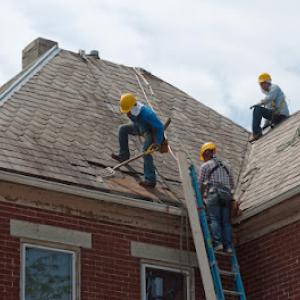
Cooper Roofing
(800) 945-2833 www.cooperroofing.com
Serving
4.6 from 60 reviews
Cooper Roofing is a family-owned and operated commercial and industrial roofing contractor with over 30 years of experience. We work with property owners and managers along the entire East Coast, and support our clients by growing with them, and servicing their portfolios nationwide. Our customers trust us as part of their team because we deliver reliable service, fair and reasonable pricing, and quality workmanship. Cooper Roofing operates over 30 fully-licensed and insured crews a day, so we’re always there when our customers need us (24/7). Cooper Roofing is certified for Versico, GAF, and other roofing systems for commercial, industrial and residential clients.
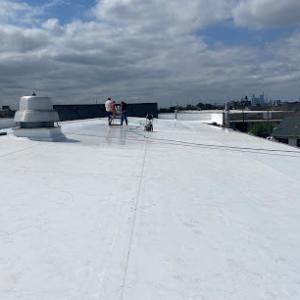
Farrell’s Roofing
farrellsroofingphiladelphia.com
Serving
5.0 from 74 reviews
We are a family owned and operated business that’s licensed and insured for residential and commercial properties and have been in the roofing business for over 20 years. We specialize in all types of roofing and we stay familiar with roofing material brands so we can provide you with top quality material for your home or business project. We also do siding, capping, skylights, gutters and spouts. We do Re -flashes and Coatings also if you’re just looking to maintain your roof.
Phoenix Roofing & Siding
(267) 367-7610 thephoenixroofers.com
Serving
4.9 from 83 reviews
Welcome! We are Phoenix Roofing & Siding of Bensalem, PA! We are more than just roofing contractors – we are dedicated professionals committed to delivering excellence in every project. Based in Bucks County, we proudly serve Eastern PA and South NJ (and surrounding areas) providing top-notch residential and commercial roofing services, siding installations, and comprehensive storm damage repairs.
MLM Home Improvement
Serving
4.9 from 856 reviews
MLM Home Improvement is a premier storm restoration company specializing in full replacements for roofing, siding, and gutter systems. We offer free, no-obligation inspections and estimates to assess storm damage and provide transparent recommendations for replacement solutions. Our expert team is dedicated to delivering exceptional quality and service in every project we undertake.
Erie Home
Serving
4.7 from 172 reviews
Since 1976, Erie Home has manufactured, supplied, and installed the best-performing roofing on the market. By providing ironclad warranties and convenient financing, we ensure that every homeowner we work with receives top quality service and value for their homes and properties. Erie Home professionals are the roofing company of choice in the greater Philadelphia, NJ area. Whether you need roof inspections or roof damage repair services, Erie Home has been the go-to roofing contractor for nearly 50 years because of our attention to detail and dedication to making sure our customers are satisfied with their results. Contact us today for a quote and see why we're the trusted roofing company Philadelphia counts on.

Cover All Exteriors
(215) 839-9335 coverallexteriors.com
Serving
5.0 from 66 reviews
Cover All Exteriors is your one-stop shop for any exterior contracting work needed on your home. Cover All has both roofing and siding specialists who are standing by to assist with storm damage, or to help replace old weathered exteriors. You can rely on the decades of experience the team has at Cover All to provide you peace of mind that the work will be done properly. This is why Cover All also offers extensive warranties so that you know your siding or roofing was built to last. Contact Cover All Exteriors for a free roof or siding inspection today!
Delaware Valley climate brings humid summers, winter freeze-thaw cycles, and year-round precipitation. Roofs must withstand rain on most days, snow or ice in the colder months, and occasional wind-driven storms. In this area, roofing systems should prioritize moisture management, robust flashing, and materials that tolerate repeated cycles of dampness and drying without early degranulation. The typical local humidity can aggravate mold and algae growth on shaded slopes, so selection of ventilation-friendly designs and quality underlayment becomes a practical step for longevity.
The township's housing stock is heavily residential and largely composed of older suburban homes. That means many roofs have seen decades of service and may present common issues such as aging underlayment, leaky penetrations around chimneys and vents, and deteriorated flashing at valleys. Replacement roofing here is more about restoring reliable barrier protection and stopping leaks efficiently, rather than planning for brand-new, large-scale construction. Simpler, straightforward re-roofing approaches often yield the fastest return to a weather-tight condition for aging homes.
Local market signals show re-roofing and residential work far outweighing new construction. Homeowners typically pursue roofing projects to maintain protection against moisture, limit interior damage, and restore curb appeal. When damage is detected after heavy storms, rapid, well-documented inspections and a focused scope of work are common. Storm responses often emphasize effective leak sealing, matching existing exterior aesthetics, and choosing material types that align with the age and structure of the house without overburdening the roof line.
In Willingboro, documenting storm damage promptly helps support timely repairs and insurance discussions. Start with clear photos of all affected areas-shingle blistering, lifted granules, damaged flashing, and interior signs of moisture. Create a simple timeline of events and note weather conditions at the storm time. Use a logical, room-by-room approach when assessing interior impact, focusing on ceilings, walls, and attic spaces where hidden water can accumulate. When scheduling a contractor, share the documentation to help establish a repair chronology and confirm that the scope addresses both exterior protection and interior risk.
Mid-century and older homes often benefit from material choices that balance longevity with ease of replacement. Asphalt shingles remain practical for straightforward re-roofing, but metal roofing and synthetic options can offer longer service life in this climate if installed with proper ventilation and underlayment. For homes with shallow roof pitches, or where attic ventilation is limited, prioritize products and installation practices that optimize moisture shedding and reduce the risk of ice damming in winter. In all cases, emphasize durable flashing around penetrations and transitions to improve long-term performance against Willingboro's frequent precipitation.
In Willingboro, asphalt shingles are the dominant practical choice because they fit the area's mainstream residential housing stock and align with the strongest local specialist presence among material-specific contractors. This means you can expect a straightforward re-roofing process, solid availability of local crews, and proven performance under seasonal storms. If quick turnaround and dependable service are priorities, asphalt shingles keep the job moving without hunting for rare specialists. They pair well with most existing roof shapes found on mid-century planned-community homes and maintain familiar aesthetics for neighborhood consistency.
Metal roofing is present but more specialized in this market, making it a secondary option for homeowners prioritizing longevity and seasonal shedding over lowest upfront cost. In practice, metal becomes a sensible choice if you expect harsher weather events or want a roof that sheds snow and wind-driven debris more efficiently. Availability of experienced metal installers is good in this area, but the pool is narrower than for asphalt. If you lean toward impact resistance, extended service life, or higher wind performance, metal deserves a closer look, with a careful plan for potential upgrades to insulation and ventilation to maximize comfort and efficiency.
Tile and wood options exist in the market but are far less prevalent locally, so homeowners considering them should expect a smaller pool of contractors familiar with those systems in Willingboro. Clay and concrete tiles bring a distinctive look and excellent longevity when properly installed, but they demand roof structures with adequate support and a staged, precise installation process. Wood shingles or shakes offer classic curb appeal, yet they require diligent maintenance and often more frequent inspections in this climate. If you pursue these options, budget extra time for finding a contractor with demonstrated experience and a clear plan for maintenance to avoid longevity issues.
A practical approach in this area focuses on balancing resilience with installability. Consider the mid-century roof profiles common in this market and how flashing, venting, and insulation integrate with existing attic space. Asphalt remains the most forgiving choice for rapid storm response and reliable warranty coverage, while metal provides standout performance for long life if the right installer is engaged. Tile and wood can deliver unique aesthetics, but the limited local contractor base means thorough qualification and phased scheduling are essential. In all cases, align material choice with the home's structural capacity, expected seasonal loads, and existing neighborhood patterns to maintain curb appeal and performance.
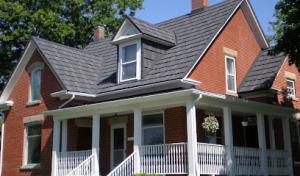
The most popular roofing material in the US. Find pros who install, repair, and replace asphalt shingles.
Spring and fall are the go-to windows for replacements in this area. In mid-Burlington County terms, you want to avoid the heat of July and August where material handling slows crews. Those shoulder seasons keep shingles and underlayment more manageable, reduce crew fatigue, and help you stay on a predictable schedule. If a storm hits late spring or early fall, you can often tighten the timeline by coordinating with the crew to push ahead on dry days, but avoid a full stretch of back-to-back rainy weeks. Planning your project during these windows helps keep the tear-off and dry-in phases moving together, so you're not waiting for a lull in weather that never arrives.
Summer roofing in this area can slow down because high heat affects crew pace and shingle handling. Heat can stiffen materials, extend handling time, and increase the risk of heat-related delays for workers who are balancing long days on steep slopes. If school breaks or home sale timelines push you into summer, factor in the possibility of shorter daily progress, and build in a small cushion for pace changes. Early morning starts and shade-aware scheduling can help, but expect a slower rhythm than spring or fall.
Autumn wind and rain can interrupt tear-off and dry-in schedules in South Jersey. If planning a late-year replacement, expect weather-related rescheduling risk and coordinate with the contractor for potential back-to-back reschedules. Have a contingency plan for tarp setup and secure staging to weather residual winds. In practice, a late fall project may require flexible timing and a readiness to pause during storms, with a clear re-start plan so the finish line stays in reach before winter freezes set in.
Coordinate with your chosen crew to lock in a preferred start date within a favorable window, but keep a built-in fall-through contingency for rain days. Confirm tear-off duration and dry-in expectations, and align a backup plan with dry periods in mind. If a weather window narrows, you'll want a clear, communicated revised schedule to minimize confusion and keep the project moving when conditions permit.
In this city, most roofing projects require a building permit through the local building department rather than being treated as informal maintenance work. That means you're not just choosing shingles and calling it a day; you're entering a process that ties your project to official records, inspections, and code compliance. If a storm has just blown through, the sense of urgency is real, but skipping the permit step invites delays, fines, and potential headaches when it comes time to sell or refinance.
The permit application typically requires the job address and contractor license information, which makes contractor credential readiness part of the scheduling process in Willingboro. Before any materials show up, you should have a licensed contractor ready to provide license numbers, a valid business address, and proof of insurance. If the contractor cannot supply these details promptly, don't proceed with a purchase order or a staging visit. You want a smooth trail of paperwork, not a last-minute scramble when the permit clerk asks for it.
A final inspection is generally scheduled after completion, and some projects may trigger requests for added documentation or venting details depending on the roof type being installed. The inspector will verify that the framing, flashing, ventilation, and drainage meet current standards, and they may check attic venting and accessibility for certain system configurations. If you're replacing an aging roof with a more complex material-such as tiles or metal-be prepared for a walkthrough that covers ridge vents, soffits, and exhaust fan clearance. Simple re-cover projects can still require verification that the existing structure can safely bear the new load and that there are no hidden issues behind the fascia.
Planning ahead for inspections helps prevent last-minute scrambles. Have your permit number, contractor contact, and a clear project timeline on hand when you call for the final inspection appointment. If the job deviates from the plan-extra venting, a different underlayment, or a change in roof slope-the building department may request additional documentation or revised drawings. That's not uncommon in this jurisdiction, and handling it promptly reduces the risk of delays taller than the completed scaffold. In short, treat the permit process as part of the project scope, not an afterthought.
Willingboro's cost picture is driven less by luxury custom architecture and more by straightforward residential re-roofing volume. Asphalt shingles sit as the baseline comparison material for most homes in the area, reflecting a practical, steady demand cycle and predictable installation timelines. When a mid-century stock home in a quiet neighborhood gets slated for re-roofing, the asphalt option tends to keep repairs affordable relative to newer or more decorative systems, which helps households plan around the typical budget window for Willingboro projects.
Storm-driven demand spikes in South Jersey can temporarily push Willingboro pricing upward when many homeowners seek inspections, tarping, and replacements at the same time. In the weeks after a major wind or hail event, crews and materials can tighten up, and the similar weather woes across nearby towns translate into a shorter supply window. The result is a practical premium on urgent work, with same-week or next-week scheduling becoming more common. For homeowners, understanding this seasonal pressure helps set expectations for the timing of both estimates and replacements.
Beyond asphalt, metal roofing commands a higher upfront investment, typically in the 700-1200 USD per square range, reflecting improved longevity and performance in variable New Jersey weather. Clay tile and concrete tile sit higher still, with clay tiles often falling between 1200-2500 and concrete tiles around 1000-2000 USD per square, making these choices more common on homes with extended planning timelines or specific aesthetic goals. Wood shingles or shakes land in a mid-to-high range (about 650-1500 USD per square), while synthetic or composite shingles offer a modern, durable alternative in the 700-1800 USD per square band. In Willingboro, the decision often balances climate resilience and budget against the prevalence of straightforward re-roofing volume.
Even when the roof design is uncomplicated, final inspection scheduling and any venting documentation can add administrative time to roofing jobs. The practical effect is a modest, repeatable impact on the project timeline and coordination between the homeowner, crew, and any third-party inspectors. Planning for this cadence helps keep a roof replacement on track during typical Willingboro project windows.
Get a clear picture of your project costs upfront - no commitment required.
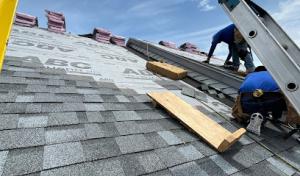
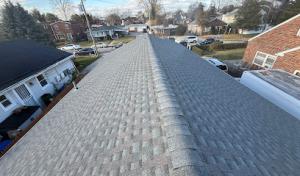
Storm-related roof claims are common here, yet carriers increasingly expect detailed documentation before approving full-scope work. That means every visible issue, from wind-damaged shingles to hail pitting, should be photographed, dated, and filed alongside any contractor notes. A claim file that shows patchwork or gaps in records can slow decisions or invite questions about the roof's overall condition. When a major event hits, expect the adjuster to request a thorough narrative of what happened, how the roof has been maintained, and what was observed during the initial inspection. Clarity and consistency in your documentation will help the process move more smoothly.
Homeowners should anticipate an on-site adjuster visit after significant storm events, especially when damage is visible and tied to wind or hail rather than an age-related leak. Being present during the inspection helps you describe what you saw and confirm what the contractor reports. Having recent maintenance records and any previous repair receipts handy can prevent misinterpretations about prior fixes or current needs. In this market, a clear, honest account paired with objective photos often carries more weight than vague concerns, so assemble a simple, organized file before the adjuster arrives.
Because some carriers have tightened underwriting in parts of the state, a roof's age, prior repairs, and documented maintenance can affect future coverage terms. If the roof has undergone multiple repairs, or if aging components show through during a storm, expect questions about the durability of the current installation. You're not being marked down for owning an older roof, but the insurer may look for evidence that ongoing maintenance was performed and that repairs didn't simply postpone a larger failure. Have a straightforward history ready: dates, what was fixed, who performed the work, and why the fix was necessary.
Keep a dated storm diary that ties weather events to observed damage, and store it with contractor or insurer correspondence. When you hire a contractor, insist on detailed, itemized notes about how the roof was assessed and what work is proposed, plus photos of pre- and post-work conditions. Open communication with your adjuster helps establish a shared understanding of the roof's current state and the rationale for any recommended replacement or repair. In the end, a well-documented, transparent approach reduces surprises and supports a smoother recovery process.
In this community, the aging mid-century housing stock shows a steady demand for flat-roof and skylight work. That means many homes encounter leak-prone transitions that aren't solved by a straightforward shingle replacement. The weather patterns here press on roofs differently than in newer suburbs, so problem spots persist after a casual repair. Treat each high-risk area as its own focus, not a blanket fix for the entire roof.
Low-slope areas, porch tie-ins, and roof penetrations are especially important to assess in this market. Additions and retrofits can leave misaligned seams, aging membrane edges, and compromised flashing that invite recurring leaks. When planning any re-cover or patch, expect to address these zones with targeted detail work, not just a field shingle replacement. If a section looks damp or stained after a rain, don't delay a closer look at that transition-water can travel laterally before showing up in the attic.
Because skylight and specialty repair signals are active locally, homeowners should treat flashing and curb details as a separate inspection item rather than assuming a full reroof automatically resolves them. Skylight decks, curb flashings, and vent penetrations can fail independently of the main roof deck. Leaks around these points may require custom flashing, revised curb detailing, or replacement of surrounding trim and shim work. In practice, flag these areas early in any assessment so they don't sneak into a larger, more disruptive repair later.
When you notice staining, damp attic insulation, or sudden drips near a skylight, pin down the exact source rather than tracing it from a distant corner. Inspectments should include the perimeter of low-slope zones, the interfaces where additions meet the original structure, and each penetration through the roof plane. A thorough inspection set up with a patient, planful mindset can prevent cascading damage and keep future repairs from compounding in this neighborhood.
Find specialists in TPO, EPDM, and built-up flat roofing systems for residential and commercial properties.
Roof Repair & Replacement
(856) 372-4291 www.roofreplacementandrepair.com
Serving
4.8 from 20 reviews

In this township, the re-roofing scene moves quickly: homeowners hire heavily for roof replacement, cleanup, and rapid response after a storm. Post-job site protection and debris removal are core expectations, not premium add-ons. Your contractor should treat cleanup as part of the job, with sturdy containment and a final sweep to leave the yard and driveway clear.
The market includes many long-established, family-owned operators. That matters because locals often prefer contractors with a visible, local track record over transient storm-chasers. When you evaluate bids, look for a company that can point to multiple recent projects in nearby neighborhoods, with a straightforward description of what was done and how it held up through the next season.
Manufacturer-certified, licensed, and insured positioning appears across Willingboro's landscape, but it isn't universal. Don't assume credentials are in place. Call the contractor's supplier or certification body to confirm, and ask for copies of insurance certificates that list both general liability and workers' compensation. If any part of the team would be at your home, verify that those workers are properly insured and that the company maintains a current state license where required.
Clear communication is essential when weather windows compress and crews need to move fast. Expect a point of contact who can provide scheduling details, explain chain-of-custody for materials, and keep you informed about any delays due to weather or access issues. In a neighborhood with many aging homes, a straightforward plan for protecting landscaping, driveways, and outdoor furniture goes a long way toward avoiding avoidable damage and disputes.
Ask for a written outline of the project scope, the sequence of work, and the warranty terms. A reputable local outfit will provide a simple summary sheet after the job that notes what was replaced, what was cleaned, and what to watch for in the months ahead. If something seems off, address it promptly with the contractor before the crew departs.