Last updated: Apr 19, 2026
A big storm can turn a modest roof issue into a flood inside the house in a hurry. The long wind-driven rains, especially around low-slope additions and porch tie-ins, stress transitions and flashing far more than a simple pitched roof. Small openings from a gust or debris can become interior leaks within hours once a storm hits. Winter weather compounds this risk: ice dams and cold snaps press eaves, flashing, and roof edges into stress, so a minor storm opening can become a genuine interior leak before a full reroof can be scheduled. Time is your enemy, and delays multiply damage.
Regional insurance claim activity around Levittown tends to focus on wind and hail losses, so homeowners often need date-stamped photos, shingle samples, and adjuster documentation before a full replacement is approved. Gather evidence promptly after the event: date-stamped photos showing the damaged transitions, samples of missing or displaced shingles, and a log of when water intrusion appears inside the home. A clear trail of documentation helps the claim move faster through the adjuster's queue and reduces the back-and-forth that stalls temporary repairs.
If a storm just hit, prioritize rapid leak control to limit interior damage and buy time for a full reroof plan. Use waterproof tarps to cover obvious openings and secure them to withstand the next gust. Focus on sealing around eaves and roof edges where ice damming can form, and keep drainage paths clear so meltwater doesn't pool near vulnerable flashing. If water is actively entering along a transition, place clean containers to catch drips and note the exact location for your contractor. Temporary measures aren't a replacement for a proper repair, but they are essential to prevent hidden damage from spreading before a professional can assess.
Fall gusts and debris events are a practical local concern because scheduling bottlenecks can follow storms, making temporary tarping and rapid leak control especially important. Keep tarps, heavy-duty contractor grade nails, and sturdy plywood on hand for quick mobilization. If branches strike a low-slope add-on or a porch roof, inspect surrounding flashing and sealant joints for lift or micro-fractures. The goal is to prevent rain from sneaking into those vulnerable seams while you arrange a more permanent fix.
Winter ice dams and cold snaps commonly stress eaves, flashing, and roof edges, so small storm openings can become interior leaks before a full reroof can be scheduled. Pay particular attention to eaves and transitional flashing along low-slope sections where ice buildup can form. A proactive approach-addressing edge closures, ensuring proper drip edge installation, and resealing compromised flashing-reduces the chance that a late winter storm turns a minor leak into a bigger interior problem.
After a storm, contact your trusted local roofer for an on-site inspection as soon as conditions permit. Prioritize preventive repairs that stop water intrusion at the most vulnerable transitions. If you anticipate a quick replacement isn't possible, lock in a plan for a temporary but robust leak-control solution and a clear schedule for a full reroof that addresses the low-slope areas and porch tie-ins where leaks are most likely. Timely action saves interior damage and limits disruption during the next stretch of severe weather.
Levittown's housing stock includes many additions, enclosed patios, and porch conversions that create low-slope sections and tie-ins where drainage and flashing details are more failure-prone than on simple gable roofs. Those transitions, especially where old and new roof planes meet, are common trouble spots. In spring thaw and heavier rainfall, moisture intrusion can spike during installation or repair if these areas aren't carefully detailed. Because many local contractors actively market flat-roof work, membrane condition, ponding, and transition flashing deserve early attention in any plan.
Begin with a walk-around after a wet spell or a good thaw. Look for standing water on low-slope surfaces, especially near transitions to steeper sections or to enclosed porches. Check membrane edges that butt up against step-downs, skylights, or metal drip edge; any peeling, wrinkling, or exposed fasteners is a warning. Pay attention to the perimeter flashing along parapets and along the eave line where new additions meet the original roof plane. If you see mineral granules collecting in one corner or damp visible along the edge, that's a sign ponding is stressing the system. The goal is to identify moisture pathways at the first opportunity, not after a heavy rain reveals a leak.
Seasonal temperature swings around thaw periods drive contraction and expansion in low-slope assemblies. When new membrane work is performed in these windows, improper curing, insufficient substrate preparation, or rushed detailing at valleys and terminations can trap moisture beneath the surface. Elevations where the roof plane transitions to a porch or sunroom are especially susceptible because flashing details there frequently rely on a single layer of membrane or tape. If a contractor emphasizes speed over proper integration of new materials with the old, that creates a higher risk of leaks once freeze-thaw cycles resume.
Insist on a comprehensive plan for any low-slope addition or transition. The plan should include a detailed flashing strategy at all terminations: step-flashing where a new plane meets an old one, proper counterflashing around penetrations, and continuous membrane coverage across transitions without exposed seams. Request confirmation of substrate readiness, including cleaning, priming, and membrane compatibility with existing materials. Confirm that drainage is designed to minimize ponding, with a slight slope and adequate scuppers or rain leaders where appropriate. When choosing materials, prioritize weather-resistant membranes with a proven track record for Levittown's climate and ensure the contractor coordinates new work with any existing roof surfaces rather than treating them as separate projects. Finally, establish a clear testing plan after installation, such as a controlled water test or a monitored rain event, to verify that transition areas remain watertight under typical spring storms.
Find specialists in TPO, EPDM, and built-up flat roofing systems for residential and commercial properties.
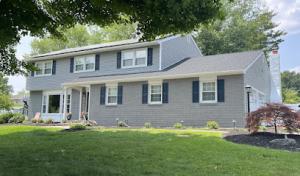

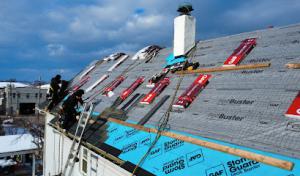
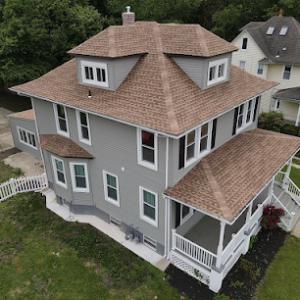
Master Star
(215) 934-9009 www.masterstar.net
23 Harbor Rd, Levittown, Pennsylvania
5.0 from 135 reviews
Roofing / Siding / Gutters / Windows Full services exterior home improvement. Roofing replacement and repair. Siding replacement and repair. Soffits, capping and flashing replacement and repair. Seamless gutters and screen installation. Windows replacement and new windows installation.
Moore & Sons Roofing & Contracting
(215) 954-8273 www.lmooreandsons.com
15 Grapevine Rd, Levittown, Pennsylvania
4.9 from 29 reviews
Family owned licensed and insured Roofing and Contracting business. Both commercial and residential roofs, as well as repairs or new roofs. window installation and capping, among other contracting needs.

KPI Jr. Exteriors
(609) 658-9925 www.kpijrexteriors.com
Serving
5.0 from 118 reviews
KPI Jr Exteriors, LLC is a trusted roofing contractor in Bucks County, serving NJ, Chester, and Montgomery Counties since 2017. We specialize in roofing, siding, gutters, windows, doors, and custom decks. As certified GAF and CertainTeed installers, we use only premium materials. Fully licensed and insured in PA and NJ, we’re committed to job-site safety, clear communication, and total satisfaction. Contact us today for reliable home services in Bucks County and a free, no-obligation estimate.
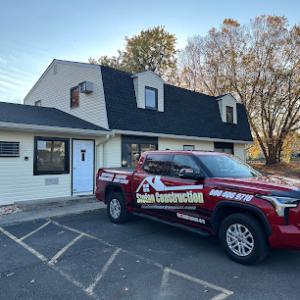
Stofan Construction
(800) 406-9716 stofanconstruction.com
Serving
5.0 from 84 reviews
Stofan Construction is a premier roofing, siding, gutters, and windows replacement contractor serving Fairless Hills PA and the surrounding areas. Our dedicated team of experts is committed to delivering high-quality construction services to enhance the functionality and aesthetics of your property. We take pride in our attention to detail, competitive pricing, and unwavering commitment to customer satisfaction. For all your roofing and siding needs, trust Stofan Construction to exceed your expectations. Contact us today to schedule a consultation.

Rylee Ann Roofing
(833) 691-7663 www.ryleeannroofing.com
Serving
5.0 from 50 reviews
We are family owned & operated. Owner onsite EVERY job! We are solely dedicated to the roofing Industry. Proudly serving the PA & NJ markets.
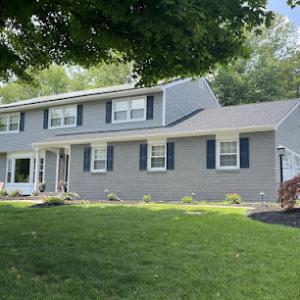
Storm Expert Roofing, Siding & Gutters
(267) 767-6507 storm-expert.com
Serving
4.9 from 63 reviews
Are you searching for a roofing contractor that goes above and beyond to deliver exceptional results? Look no further than Storm Expert, your trusted partner for all your roofing needs in PA, NJ & DE. We specialize in both residential and commercial roofing projects, and our team of licensed and insured professionals is here to ensure your complete satisfaction. With a mission focused on customer happiness, we strive to be the company of choice by providing quality, professional, and honest services. We believe in quality over quantity on every type of project -- roof installation, repair, or replacement. We excel in asphalt shingle roofing, siding, gutter, window and flat roof installation, and even skylight installation and repair.
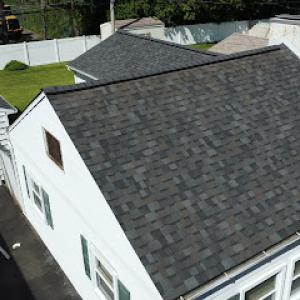
Davinci Roofing-Gutters
(609) 331-6466 davinciroofingcorp.com
Serving
5.0 from 278 reviews
Family owned and operated, focused in customer satisfaction, delivering the best Workmanship with the best products in the market for long lasting results, Free Estimates !!!
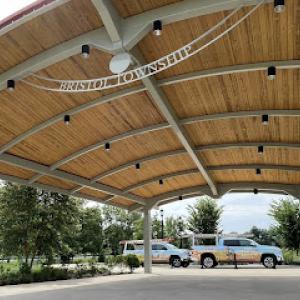
A. Brooks Construction Inc. Presents Kanga Roof
(215) 752-6145 abrooksconstruction.com
Serving
5.0 from 792 reviews
Kanga Roof has been providing residential and commercial roofing services in the Bucks County area since 1987. We are certified in PA and NJ, bonded and insured. Our employees are drug tested, background checked and professionally trained. We're dedicated to providing the best roofing services in a safe and professional environment.
Remodeling Concepts
(215) 343-5557 www.remodelingconcepts.net
Serving
4.8 from 161 reviews
Remodeling Concepts is your local choice for home exterior upgrades. As roofers and one of the leading roofing companies, we deliver durable solutions that protect your home for years to come. Our siding installers and full-service siding contractor team transform curb appeal with top-quality materials and craftsmanship. We’re also one of the most reliable window companies, specializing in energy-efficient double and triple pane window replacements to improve comfort and cut utility costs. We also excel in energy-efficient door installation and replacements. If you’re searching for a dependable window company, roofing services, or siding installation, Remodeling Concepts provides exceptional service, lasting results, and peace of mind.
MAE Contracting
(267) 908-2119 maecontracting.net
Serving
4.8 from 45 reviews
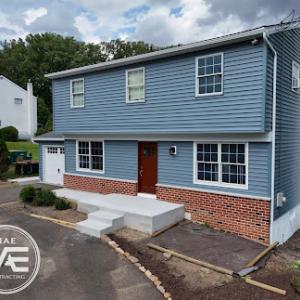
MAE Contracting, a premier roofing and siding contractor, combines family values with exceptional craftsmanship to ensure every renovation project is a success. Committed to using only the finest materials, they uphold their status as an Owens Corning Preferred roofing contractor, a 5 Star Siding Contractor with Certainteed, and other leading manufacturer certifications. MAE Contracting delivers unparalleled quality and long-lasting beauty to every home they touch while providing homeowners options like financing to do so.
Revolution Roofing & Remodeling
(609) 228-9527 myrevolutionhome.com
Serving
4.8 from 75 reviews
Welcome to Revolution Roofing & Remodeling – the premier contractor for all your home improvement needs. Our experienced crews provide top-quality, cutting-edge roofing, interior, and exterior home remodeling services. Our team has the vision and expertise to take on your next home improvement project, no matter how simple or complex!
Vision Roofing & Exteriors Services
(215) 900-4767 www.visionroofingexteriors.com
Serving
5.0 from 45 reviews
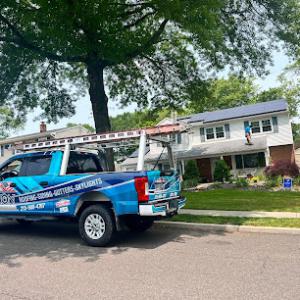
We’re a proud family-owned and operated company dedicated to protecting what matters most—your home. With over 20 years of experience in roofing, siding, gutters, and skylights, we approach every project with trust, pride, and genuine care. Your home is where life’s best moments unfold, and we’re here to make sure it stays strong, beautiful, and protected for years to come. Together, we bring your vision to life—built to last, crafted with heart.
Edge details on mid-century low-slope additions are where leaks often start, especially during freeze-thaw cycles. Shingle aging accelerates when temperatures swing from frigid mornings to warmer afternoons, so edge flashing, drip edges, and transitions need extra attention. A reroof that focuses on durable, properly sealed transitions reduces the chance of winter ice dams and wind-driven water penetration along eaves and rake lines. In Levittown, the emphasis should be on ensuring the first line of defense around roof-to-wall joints is redundantly sealed and protected.
Spring and fall conditions are generally preferred for reroofs because they minimize weather delays. Cold snaps can stall tear-offs and sealant cures, while sustained heat and humidity in peak summer can complicate material handling and warranty expectations. If a replacement must happen in winter, plan for a longer timeline with contingencies for frozen penetrations and limited daylight. For mid-century homes with porch tie-ins and low-slope sections, aim to complete transitions and any vent or flashing upgrades before winter sets in, so the roof can shed water reliably as temperatures drop.
The local climate stresses edge details and low-slope areas more than plain surfaces. In this market, choosing a system with a reliable underlayment and robust flashing is as important as the shingles themselves. Asphalt shingles remain common, but the performance at joints and transitions is what determines long-term leak resistance. Metal flashing, vent boots, and properly integrated peninsula-style transitions should be specified to endure repeated freeze-thaw cycles. Consider engineered underlayments that resist water intrusion under wind-driven rain and that can accommodate the expansion and contraction typical of layered assemblies found in older homes.
Summer heat and humidity affect material handling and installation pace. Crews may move quickly to tear off and re-cover, but rapid work can compromise sealant cures and flashing integrity if not managed carefully. Ask for a staged plan that protects vulnerable edge details during the hottest days and ensures that membrane overlaps, fastener patterns, and sealant courses are completed in the proper order. If a tear-off occurs during peak season, request temporary weather protection for exposed edges to prevent rain intrusion between stages.
On-site, verify that each transition is flashed with compatible materials and that the drip edge and fascia are synchronized to shed water away from walls. Ensure that any low-slope sections have a continuous water barrier and properly integrated roof-to-wall terminations. Confirm that attic ventilation remains balanced so that condensation does not push water into the new layers. Finally, insist on a clear warranty path that covers edge details and transitions, since these are the most common leak-prone areas after a reroof.
Get a clear picture of your project costs upfront - no commitment required.
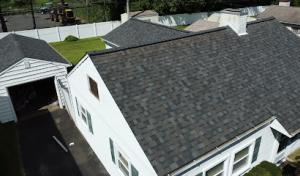
Asphalt shingles remain the most budget-aligned fit for much of the housing stock, with local ranges of 350 to 600 USD per square. That contrast against metal and tile options is sharp, as metal commonly lands higher and tile climbs even more, reflecting material durability needs on mid-century low-slope additions and porch tie-ins that weather wind-driven rain and freeze-thaw cycles. For reroofs where aesthetics matter, synthetic or composite shingles sit in between, but still lean toward the lower end when the job focuses on storm resistance at transitions rather than a high-end curb appeal.
Costs in Levittown can climb when a reroof includes low-slope additions, multiple tie-ins, skylights, or repair of storm-damaged decking and underlayment discovered during tear-off. Those conditions show up most in homes with long, shallow sections that hug the porch or carport, where water can pool and seek out weak seams at the transition points. In those cases, expect extra labor for careful deck inspection, precise flashing, and reinforced underlayment. Each added feature or repair area can push the price toward the upper end of the material-range, regardless of the chosen roofing surface.
Storm-driven demand in the region can affect project timing and labor pricing beyond the base material range. Peak seasons bring longer lead times for materials and scheduling, and crews may allocate more time to ensure leak prevention at troublesome transitions. This is especially true if a storm has recently stressed a roof's low-slope additions or revealed hidden damage during tear-off. When budgeting, anticipate possible delays and price variances tied to weather-driven demand, rather than the base material costs alone. The practical takeaway is to plan for a margin that covers the extra flashing, transition work, and any needed decking repair that accompanies a mid-century layout with multiple tie-ins.
A full reroof in this area is treated as a formal project rather than informal maintenance. That means you will submit to the township building department for a permit before any tear-off starts. The permit process helps ensure that the work aligns with local codes, rather than leaving critical transitions and penetrations to chance. Expect that a reroof involving low-slope additions or porch tie-ins will trigger a permit review because those areas are precisely where leaks have historically shown up during winter storms and wind-driven events. Having the permit in hand before work begins sets a clear path for how the project will be inspected and closed out.
In Levittown, the township often uses the permit review to verify several practical details. The scope of work is clarified to prevent scope creep that could leave vulnerable transitions unaddressed. Contractor licensing details are checked, ensuring the crew working on the roof holds current credentials and any specialty licenses needed for low-slope sections or storm-damage repairs are in order. Material specifications may be evaluated as part of the permit issuance, particularly for transitions, underlayments, flashing, and edge details. This is not a mere formality; it governs the standards for leak-prone zones around chimneys, skylights, and tie-ins to low-slope additions where rainwater can pool and freeze.
Roof work is not hidden behind a tarp and forgotten until the job is done. Inspections occur during installation and again after all components are in place. The inspector will check flashing details around valleys, transitions, penetrations, and tie-ins to ensure that ammonia-free, weather-rated sealants and compatible flashing are used where required. In a low-slope context, special attention is paid to seam and fastener integrity, underlayment installation, and the way transitions are integrated into the existing roof contours. If any discrepancy is found, corrections must be completed promptly to keep the project on track.
A final inspection is necessary to close the permit. This closeout is not cosmetic; it confirms that the entire reroof system has been installed to code and that all transitions meet the standard for leak resistance under Levittown's freeze-thaw cycles and wind-driven rain. The inspector will verify that documentation, including product specifications and flashing details, matches what was approved at permit issuance. Once the final sign-off is posted, the permit is closed, and the project can be considered fully complete from a regulatory standpoint.
Before tear-off begins, obtain copies of the permit plan set and any approval notes issued by the township. Share these with your roofer to ensure field work adheres to approved details, especially around low-slope additions and porch connections. Keep a centralized file of all permit-related documents, inspections, and any change orders. This preparation helps prevent delays during the inspection cycle and makes closeout smoother if winter weather or storm events require rapid reroofing responses.
In this neighborhood, insurers commonly focus on whether damage came from a documented wind or hail event rather than from age-related wear alone. That means your claim can hinge on showing a weather-driven cause rather than a slow deterioration that might be harder to attribute to a single incident. The result is that roof transitions and low-slope additions-areas you already know are prone to leaks when a storm hits-get scrutinized for their link to a specific event.
Pennsylvania carriers may scrutinize prior damage history and the condition of underlayment during roof claims, which can affect whether partial repair or full replacement is approved. If a previous repair left underlying layers exposed or inadequately addressed, the adjuster may view the current damage as part of a larger problem that warrants a full reroof rather than a patchwork fix. That makes documentation of the roof's history critical, especially on transition points where leaks tend to recur after storms.
Homeowners in Levittown should preserve photos, interior leak evidence, and any emergency repair records because adjuster review is often part of the approval process. Take dated images of all affected roof areas, including the transitions where low-slope sections meet more vertical portions, and capture interior staining or ceiling bulges. Emergency tarps or temporary fixes should be documented with notes on when they were applied and by whom. This tangible record helps connect a wind or hail event to the damage and supports timely decisions.
If you are faced with an adjustment, organize a concise timeline of events-from the storm date to the first noticeable leak to the initial repair-paired with your best photos and receipts. Communicate clearly about the exact locations of damage, especially at transitions, where leak-prone geometry is common after a wind-driven rain. Clear, organized evidence reduces back-and-forth and increases the chance that a warranted repair or replacement is approved without unnecessary delay.
Connect with contractors who help homeowners navigate the claims process from damage assessment to final approval.
Master Star
(215) 934-9009 www.masterstar.net
23 Harbor Rd, Levittown, Pennsylvania
5.0 from 135 reviews
Asphalt shingles remain the most practical mainstream choice in Levittown because they align with local contractor availability and the area's common reroofing budgets. For homes with mid-century layouts that include low-slope additions and porch tie-ins, asphalt can be installed with careful attention to transitions, flashings, and drip edges to minimize leak points during freeze-thaw cycles and wind-driven rain. A key practical advantage is a wide local trade base, which translates into faster procurement of underlayment and accessory pieces and easier service if storm damage or leaks occur at the edges of a low-slope roof. When choosing asphalt, prioritize shingles rated for wind resistance and ensure that the roof plan includes high-quality sealant and flashing around transitions, chimneys, and skylights to reduce vulnerable seams.
Metal roofing is present in the market but usually makes more sense where homeowners want longer service life and are prepared for the higher local cost range of 700 to 1200 USD per square. In Levittown's climate, metal can offer strong resistance to wind and rapid runoff, which helps when storm-driven rain hits transitions and low-slope areas. The trade-off happens at the installation stage: the roof must be precisely flashed and sealed at all transitions, step-downs, and skylight-to-roof junctions to prevent leaks and condensation in cold snaps. If choosing metal, work with a contractor who has documented experience with low-slope additions and porch coverings, ensuring that the roof edges and parapets are properly integrated with the existing structure. A high-quality underlayment beneath metal becomes especially important in areas where freeze-thaw cycles are common.
Clay, concrete, wood, and synthetic products are available in the Levittown market, but homeowners need to weigh added cost and installation complexity against the realities of the local housing stock and storm-claim environment. Clay and concrete tiles bring durability on paper, but their weight and precise subroof requirements can complicate retrofit work on mid-century frames with low-slope zones or porch connections. Wood shingles and shakes offer a classic look but can demand more maintenance and are prone to moisture-related issues if transitions aren't properly sealed. Synthetic shingles aim to blend the advantages of durability with easier installation, yet they still require thoughtful detailing at transitions and overhangs to prevent moisture intrusion in stormy seasons. For Levittown homes with roof-to-porch ties, ensure the chosen material is compatible with existing deck and trim details, and verify that the installation plan addresses the common leak-prone transitions with robust flashing and flashing-adhesion strategies.
Explore specialists in steel, aluminum, and standing seam metal roofs built to last 50 years or more.
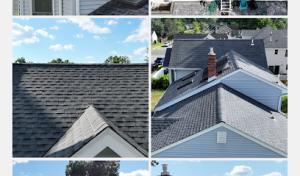
Skylight work in this area shows meaningful demand, and the recurring issue is leak-prone curb and flashing details. When inspecting a skylight install on a low-slope addition or porch tie-in, start with the curb condition: check for step flashing continuity where the curb meets the roofing plane, and verify that counter-flashing overlaps the shingles or panels properly. In aging sections, look for rusted or bent flashing, gaps at fasteners, and any degradation of sealant along the curb. If the skylight is original to a mid-century rebuild, plan for a fresh curb flashing and a compatible flashing boot that seals against wind-driven rain. Avoid relying on a single bead of sealant; use a metal flashing ladder and kick-out details that direct runoff away from the interior.
Chimney-related service is common, and masonry intersections along with step flashing often become weak points during freeze-thaw cycles. Inspect the base and sides where brick or veneer meets the roof deck for cracked mortar, spalling brick, or loose flashings. At the transition around a chimney, ensure the apron flashing extends fully and laps properly behind the dzj-strap or counter-flashing. In Levittown homes with additions, these penetrations sit near low-slope joints, so pay particular attention to the intersection of chimney flashing with any added roof planes. If there is any moisture staining on ceilings near the chimney, address it promptly with a full flashing rebuild rather than a surface seal.
On homes with additions or mixed roof planes, penetrations and transitions often fail before the main field of roofing does. Inspect all valley and hip transitions where roof planes meet. Look for gaps in sealant, cracked joint caulk, or missing shingle or panel coverage at the edge of a step flashing stack. At low-slope sections, test water flow during a rain-off or via a controlled roof soak to observe how water negotiates transitions. When a stack, vent, or skylight is involved, consider a dedicated transition kit that pairs with the existing roofing material to maintain a continuous, secondary-water barrier. Prioritize replacing any worn or undersized flashing with properly sized, corrosion-resistant components that tolerate Levittown's freeze-thaw cycles.
Find contractors experienced in skylight installation, flashing, and leak repairs to bring natural light into your home.
Master Star
(215) 934-9009 www.masterstar.net
23 Harbor Rd, Levittown, Pennsylvania
5.0 from 135 reviews
Moore & Sons Roofing & Contracting
(215) 954-8273 www.lmooreandsons.com
15 Grapevine Rd, Levittown, Pennsylvania
4.9 from 29 reviews