
Last updated: Apr 19, 2026
South Jersey fronts roll through Burlington County's inland storm track with a speed and unpredictability that keep Mount Laurel households on edge. Spring rain and wind events are a recurring trigger for shingle loss, flashing leaks, and water intrusion that can show up as sudden interior dampness, attic odor, or streaks down ceilings within days. When shingles lift or blow off, rain follows the exposed roof deck, pressing you toward urgent action to minimize interior damage and secondary issues like mold. In these conditions, a single fast-moving front can cause a cascade of leaks that overwhelm unprepared homes. The moment you hear or see wind-driven hail, missing shingles, or blow-off debris on your property, treat it as a roofing emergency that requires immediate containment and a documented assessment.
In this market, the local signal mix shows unusually strong demand for emergency repair and storm-damage work. The first priority is securing the site to prevent further water entry. Place a sturdy tarp, weighted with bricks or sandbags, over exposed roof areas and any visibly damaged flashing. If attic or ceiling leaks are present, create a dry path to an exterior vent or window to help vent moisture and slow interior damage. Keep a log of the time, wind speed estimates if available, and the areas affected by water intrusion. Photograph the damage promptly and from multiple angles, including roof edges, flashing details, and any obvious gaps in shingles or underlayment. These images become critical documentation when rapid insurance review follows the storm.
New Jersey insurers commonly review roof age, prior repairs, and contractor documentation when processing a claim. Mount Laurel homeowners need date-stamped photos and licensed-contractor inspection notes immediately after a storm event. Your photo record should show the state of the shingles, flashing around chimneys and vents, skylight integrity if present, and any hail impact patterns you can observe. A licensed contractor should perform a quick inspection to identify uplift areas, loose or curling shingles, and compromised underlayment. Afterward, collect a concise summary that links observed damage to the storm event, noting whether any flashing or vent booting appears displaced or breached. Those notes should reference the date of the visit, the contractor's license number, and a professional assessment of whether emergency tarping is warranted beyond temporary mitigation.
Contractors in this area understand that storms from this inland South Jersey track can create multiple hotspots on a single roof, especially on steep-slope asphalt roofs that dominate Mount Laurel's housing stock. Expect rapid triage: temporary tarping, leak containment, roof edge stabilization, and a focused plan for either staged repairs or a full replacement based on the extent of damage. The most reliable crews will document conditions with precise measurements, note the condition of flashing around skylights, dormers, and vents, and provide a clear sequence for emergency repairs followed by a permanent fix. Keep daylight hours in mind: once the tarp is in place and the leaks are controlled, you will still need a detailed repair or replacement plan that aligns with the home's roof type and age.
After the front passes, the temptation is to wait. But in this market, a prompt, documented response minimizes exposure to further weather events and speeds insurance resolution. Schedule a licensed inspection, deliver the date-stamped photos to your insurer, and secure a written assessment that clearly ties the observed damage to the storm. If a full replacement becomes necessary, ensure the contractor's report aligns with the roof's square footage, slope, and material type so the claim has a coherent path from assessment to repair or upgrade. Acting decisively now reduces the risk of hidden damage and helps restore protection against the next front.
Most folks in these neighborhoods live in suburban detached homes and townhouse communities, which means asphalt shingle main roofs with frequent low-slope rear sections, porch roofs, garage tie-ins, and flashing-heavy transitions. The local market shows meaningful flat-roof, skylight, and chimney activity, so leak-prone details in this township often involve penetrations and low-slope sections rather than only field shingles. The dominant material mix includes asphalt shingles, metal, tile, wood, and synthetic products, but contractor prevalence strongly favors asphalt work, with specialty demand concentrated in flat-roof transitions and skylight repairs. When planning a repair or replacement, recognize that the most frequent failures appear where these transitions meet the verticals: near skylights, along chimney flashing, and around porch and garage connections.
Across a typical Mount Laurel roof, the field shingles wear is expected, but the weak points are the details. Low-slope rear sections are a frequent source of water entry after heavy spring rain and surprise wind-driven leaks from passing storms. Flashing around vents, skylights, and dormers tends to deteriorate first, especially where metal collars meet asphalt or where sealants have aged. Chimneys are a chronic hotspot because of the convergence of multiple flashing planes and brick-to-roof transitions. Porches and garage tie-ins introduce more vertical faces and parapet-like edges where water can trap and seep if flashing isn't continuous. In essence, leaks in this market most often stem from penetrations and transitions rather than a detached field-shingle failure.
Start with the low-slope sections in the rear and along any porch or garage roof. Look for membrane blisters, standing water, or dark staining that travels along the drip edge. Inspect skylight flashings from multiple angles, paying attention to sealant lines and corner beading. Examine chimney flashing where copper or painted metal meets brick and under the counter flashing. Track any rusty or deformed flashing and any gaps in sealant joints. On asphalt shingle roofs, check the roof-to-wall transitions and the top edge of low-slope runners for adhesive failure or lifted shingles. If a leak trace leads you to a penetrated area, you're likely dealing with a combination of flashing laps and fastener failure.
Keep all flashing seams clean and free of dirt that blocks water shedding. Re-seal skylight and vent flashing with a compatible sealant after cleaning; replace any cracked or missing boot seals promptly. For flat-roof transitions, ensure membrane laps are fully bonded and that any ballast or edge termination is intact. When you notice moisture staining, dry-out the area and re-check after a storm to confirm the source. Regular inspections after winter thaws and spring storms help catch hairline failures before they become active leaks.
After a wind and rain event, photograph the roof from multiple angles, focusing on penetrations, transitions, and skylights. Capture close-ups of flashing laps, boot seals, and any displaced shingles or flashing pieces. Photograph interior staining and mold growth near ceilings or walls connected to suspected roof leaks. Maintain a dated photo log and keep a simple list of affected rooms, dates, and observed conditions. This documentation supports insurance-ready claims and helps contractors quickly identify the leak path during repairs.
Spring in this area brings a mix of warming days and stubborn lingering moisture. If you're planning a roof replacement, schedule tear-offs after the rainy season but before peak humid heat arrives. Early spring offers a narrow, reliable window when storms are less frequent and crews can work without the monthly monsoon-style downpours common late spring. The goal is to complete major work before the humidity climbs and reduces the risk of quick-onset moisture affecting exposed decking. Align the start with dry forecast stretches and avoid the first big spring storms that can wash out progress and leave underlayment vulnerable.
Hot, humid summers accelerate aging in asphalt-based systems, and South Jersey sun can cause decking to dry too fast or nail heads to back out if the slate is rushed. When a replacement is necessary, plan for early morning or late-afternoon work heat windows, with midday pauses to protect workers and materials. Spring storms can interrupt tear-offs and expose decking to moisture if scheduling is poor. If a summer install is unavoidable, choose a crew with proven heat-management practices, and insist on continuous weather monitoring so that each lift is completed quickly and properly before the next wave of heat or storm front arrives.
Fall offers a practical balance in this region. The demand of school schedules settles, and there is typically a longer stretch of predictable weather that suits full tear-offs and re-shingling without the pressure of extreme heat. In this season, aim to finalize roofing work well before the first hard frost. A well-timed fall replacement reduces the risk of late-season storms forcing delays or forcing work into already shortened daylight hours. Allow a buffer for any stray Nor'easter that can sweep through, leaving crews to finish with minimal rushed steps that could compromise flashing or ventilation details.
Winter ice damming and freeze-thaw cycles are a known local seasonal risk, making late-winter leak calls and flashing failures especially relevant for older roofs. If winter work is chosen, it should be limited to rooms or sections where interior damage is already evident, and outdoor work should proceed only when temperatures stay above freezing for extended periods. Continuous monitoring for membrane integrity and flashing performance is essential, since a small service cut late in winter can become a bigger problem when the first thaw hits.
South Jersey wind and rain events require a practical, documented response. After a storm, gather dates, wind speeds if available, and a list of affected areas. Take clear photos of damaged flashing, missing shingles, and deck exposure. Keep notes on when leaks were first noticed, and how they progressed after the event. When calling a roofer, provide the storm date and any on-site observations to help triage rapid leaks. If the roof has known vulnerabilities-like low-slope sections or skylights-document these in a concise report to share with insurers. For larger claims, maintain a dated log of communications with the contractor, including assessment findings and promised timelines. This collection of evidence helps streamline the claim process and reduces back-and-forth during the critical post-storm period. The goal is to translate weather events into actionable, organized information that can support timely repairs and prevent further interior damage.
Get a clear picture of your project costs upfront - no commitment required.


In Mount Laurel, pricing follows the per-square ranges you see across South Jersey. Asphalt shingles sit at the entry point, with a typical cost around 350 to 700 USD per square (a "square" = 100 square feet). Metal roofing lands in the 600 to 1,100 USD per square range, while clay and concrete tiles push higher, roughly 900 to 1,800 USD and 900 to 1,600 USD per square, respectively. Wood shingles/shakes run about 500 to 1,000 USD per square, and synthetic or composite shingles cluster around 550 to 900 USD per square. Use these as anchors when you're talking with contractors, and budget toward the mid-to-upper end if your roof is steep, complex, or in a high-wear area.
Costs in Mount Laurel rise when suburban rooflines include multiple valleys, garage offsets, rear additions, skylights, and low-slope tie-ins that increase flashing and labor complexity. A roof that combines steep slopes with several valleys and a rear addition can push the project toward the higher end of the per-square ranges, even before material upgrades. If skylights or a low-slope section share a roof plane, plan for extra flashing, ventilation, and seam work, all of which add to both material and labor time.
Storm-driven demand spikes in Burlington County can affect scheduling and pricing, especially when emergency repair volume pulls crews away from planned replacements. If a major wind or rain event occurs, you may see delays or brief price upticks as crews divert to urgent repairs. To buffer this, identify a preferred contractor early, discuss contingencies for weather-caused delays, and build a realistic replacement window with weather buffers.
When estimating, start with the lowest-cost material to establish a baseline, then layer in desired upgrades (tile, synthetic, or metal) with the understanding they move toward the top end of the local market. If your roof includes multiple contentions-skylights, vents, or a low-slope tie-in-request a separate line item for flashing and waterproofing to avoid surprises. For replacements, request a phased plan that accounts for potential weather delays and storm-response priorities.
ABC Group Contractors
(856) 405-7379 www.abcgrouproofing.com
Serving
4.7 from 14 reviews
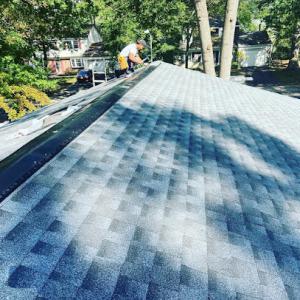
ABC Group Contractors is a leading provider of South Jersey roof replacement, roof repair, and roof inspection services that you can rely on. We've been providing roofing services in the South Jersey area for years with hundreds of satisfied commercial and residential roofing clients.
American Construction Roofing, Siding & Windows
(856) 531-1304 amconstruct.com
Serving
5.0 from 29 reviews
American Construction Roofing, Siding and Windows is a family owned and operated business offering the finest quality Moorestown roofing and construction services. We have built a solid reputation based on our commitment to providing the best when it comes to roofing, siding, and windows in the area. At American Construction Roofing, Siding and Windows, you’ll find skilled carpenters and project managers that are trained in the best techniques on the market today. They use materials of the highest quality, and employ respectful and dedicated staff that truly listens to your needs.
Family Remodeling Group
(609) 605-1126 familyremodelinggroup.com
Serving
5.0 from 38 reviews
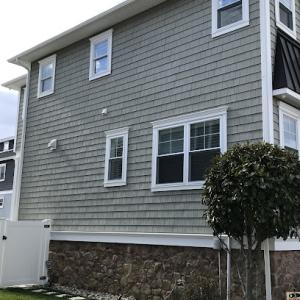
Family Remodeling Group is a fully licensed and insured local contractor providing Comprehensive Exterior Services across Southern New Jersey and Eastern Pennsylvania. We also specialize in storm damage insurance claims along with interior remodeling services.
Under The Sun Roofing & Solar
(609) 534-0339 underthesunrs.com
Serving
5.0 from 55 reviews
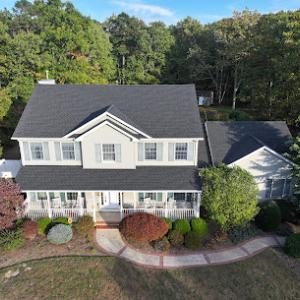
Enhance Your Home's Exterior: From roofing to solar, siding, gutters, and beyond, we're your one-stop solution for all exterior needs. With a commitment to quality and sustainability, our expert team delivers tailored services to elevate your home's aesthetic and energy efficiency. Contact us today for a consultation!
Affordable Restorations
(856) 206-9848 www.arestorations.com
Serving
5.0 from 18 reviews
Residential Home Improvements. Exterior: Roofing / Gutters / Leaf Protection Solar: Installation / Resets Interior: Paint / Drywall Mold and Water Extraction Appraisals / Expert Opinions Insurance Claim Assistance (Fire, Wind, Hail & Water Damage)

Panda Exteriors
(856) 343-4146 pandaexteriors.com
Serving
4.9 from 397 reviews
When you need any kind of exterior renovation services handled, call the roofers at Panda Exteriors. We promise to provide the best quality of work you'll find in the area thanks to the many great qualities we bring to every job we undertake: 100% satisfaction guarantee Free job quotes online or over the phone Plenty of experience in the industry You shouldn't settle for anything less than the best when it comes to your roofing and exterior restoration needs. That's why you should always opt to leave that work in the hands of our experienced roofers. We offer great work at a price you simply can't beat. Give us a call today if you have any questions about our services and prices. We look forward to doing business with you.
Sierra Construction Group
(856) 596-3003 www.sierraroofs.com
Serving
4.6 from 17 reviews
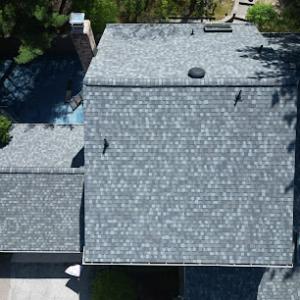
Since 1995, we at Sierra Construction Group, Inc. have been a trusted name with homeowners in Marlton and the surrounding area. With over 25 years of experience, we specialize in providing high-quality roofing, siding, exterior solutions, and insurance restoration work that will enhance the durability and curb appeal of your property. We are dedicated to delivering exceptional craftsmanship, using only the best materials from trusted manufactures. Whether you're in need of a new roof installation, siding replacement or repair from storm related damage, we will ensure every job is completed on time, within budget, and done to the highest industry standards.
Cambridge Exteriors
(856) 988-3880 www.cambridgeexteriors.com
Serving
4.9 from 242 reviews
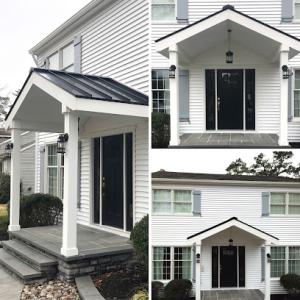
Cambridge Exteriors is a South Jersey roofing contractor that specializes in a variety of home improvement services, including energy-efficient windows, custom decks, home siding, and more! Our team aims to provide the best services in all of South Jersey using our expertise, knowledge, and skills we’ve acquired over the years. For us, it’s about more than just a transaction. We work hard to build lasting, trusting relationships with each of our clients and provide them with high-quality roofing and home improvement services for years to come. Contact Cambridge Exteriors today for your free estimate in South Jersey!
Nu Look Roofing, Siding, & Windows
(856) 335-7654 nulookhomedesign.com
Serving
4.6 from 280 reviews
At Nu Look Home Design, we believe finding a trustworthy contractor should be the easiest part of your home project. For over 20 years, we have been the trusted partner for over 50,000 homeowners, making the remodeling process stress-free. We offer free estimates with 3D renderings, personalized product selection, flexible finance options, comprehensive warranties, and a proven 13-step production process. With transparent, line-by-line pricing, you’ll know exactly what you're paying for. Our responsive and accountable team ensures your satisfaction with a lifetime transferable warranty and our Peace of Mind Guarantee, where you don't pay until the job is completed to your satisfaction. Choose Nu Look and experience the difference.

Home Genius Exteriors
(267) 214-5490 homegeniusexteriors.com
Serving
4.8 from 1089 reviews
Elevate your home with Home Genius Exteriors, setting the standard in Cherry Hill by offering full-service solutions for roofing, siding, windows, doors, gutters and insulation. We support our veterans and communities by supporting local and national charitable organizations through our Home Genius Cares initiative. With an Owens Corning® Platinum Preferred designation, we also offer flexible payment options, industry leading warranties and a wide range of premium products tailored for your home. It’s time for a different experience, entrust your next home project to a genius and schedule your free inspection today!
MLM Home Improvement
Serving
4.9 from 856 reviews
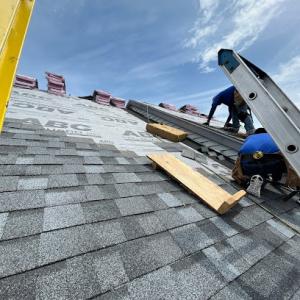
MLM Home Improvement is a premier storm restoration company specializing in full replacements for roofing, siding, and gutter systems. We offer free, no-obligation inspections and estimates to assess storm damage and provide transparent recommendations for replacement solutions. Our expert team is dedicated to delivering exceptional quality and service in every project we undertake.
Uncle Al's Roofing
(267) 222-1861 unclealroofing.com
Serving
4.9 from 68 reviews
Uncle Al's Roofing provides residential and commercial roofing services to customers in Pennsylvania, New Jersey, and Delaware.
For a full roof replacement, the project generally requires a building permit through the Mount Laurel Township Building Department. The permit ensures the work meets local code, weather considerations, and structural standards appropriate for South Jersey winters and humid springs. Starting with a proper permit helps protect you from violations that could complicate insurance claims or future resale.
The process starts with an application package that documents the scope of the roof replacement, including materials, fasteners, underlayment, and any updates to venting or attic insulation. In our area, plan reviews look for compliance with current energy and wind provisions, as well as drainage and flashing details that address storm-driven rain and wind events common to the region. Have your contractor prepare clear drawings or product specifications that demonstrate how the chosen system will perform under freeze-thaw cycles and seasonal humidity.
After submission, the department reviews the plans and issues any conditions or required clarifications. Fees are paid as part of securing the permit, and the timeline can hinge on the completeness of the submission. It's wise to schedule permit-related questions early, so adjustments don't delay weather-tight work during spring storms or fall wind events.
Work progresses under organized inspections to verify code compliance at key milestones. A mid-project inspection typically occurs once major materials are installed and nailing patterns, underlayment, and flashing installation are visible and meet code expectations. The inspector checks for secure attachment over vulnerable eaves and hips, proper ventilation, and moisture barriers that are critical for seasonal transitions. A final inspection confirms the roof is complete, compliant, and ready to withstand the local climate before the job can be officially closed out. Prepare documentation for the inspector that demonstrates warranty information, product data, and any mitigation steps taken to address wind or storm exposure.
Keep a copy of the permit and inspection approvals on site, and share any questions with the Building Department early to avoid delays. If storm-driven leaks were a trigger for the replacement, gather existing roof reports, prior repair receipts, and wind-related incident details to show the inspector and your insurer that the project addresses the actual conditions you faced. A smooth permit experience eases the post-replacement validation and supports a solid, code-compliant roof resting on solid mounting and flashing in a storm-prone community.
In a neighborhood with a mix of steep-slope asphalt and low-slope sections, wind and hail damage is typically covered when deductible conditions are met, but roof age and prior patch history can materially affect claim handling. When a South Jersey wind event barrels through, the adjuster will weigh whether aging shingles or prior quick fixes contributed to the current leak. That means a single storm can become a multi-step evaluation rather than a straightforward repair authorization.
During active storm periods, you may see slower claim timelines because regional adjuster workloads increase after widespread weather events. The clock you hoped would run quickly can stall as adjusters juggle numerous storms across the region. This is a real pattern that can affect Mount Laurel homeowners as the system handles a surge of claims in a short window.
Documentation from licensed contractors is commonly requested, so homeowners here should keep inspection reports, repair invoices, and before-and-after photos organized from the first leak onward. Having a tight, date-stamped record helps if the claim gets scrutinized for age-related wear or previous patch history. Organized files also streamline conversations with adjusters who rely on clear, professional evidence to separate storm-caused damage from long-standing wear.
If a leak appears after a wind-driven event, photograph the affected areas, note the date, and preserve damaged materials. Share contractor reports promptly and maintain a steady line of communication with your insurer. The goal is to anchor the claim to storm-driven damage while transparently showing how age and prior repairs may influence outcomes.
Connect with contractors who help homeowners navigate the claims process from damage assessment to final approval.
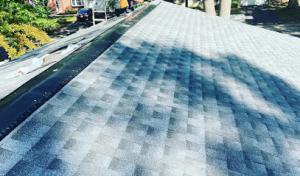
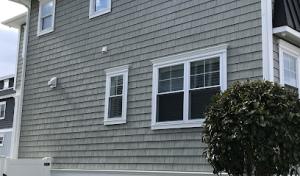
In this suburban mix, crews that have worked here for years understand the typical rooflines, the common storm-driven leaks, and where landscaping often ends up when a tear-off kicks up dust and debris. Long-established, family-owned firms are well represented, so tenure and local service history matter when you pick a contractor. Look for crews that can point to at least a decade of local jobs, with a track record of cleanups and prompt storm response.
Because manufacturer-certified, licensed, and insured signals appear but are not universal, you should verify those credentials directly rather than assume every bidder carries them. Ask for current copies of licenses and insurance certificates, and contact the insurer to confirm coverage limits. Check recent Mount Laurel projects and ask neighbors about their experience with the bidder's cleanup, driveways, and shared townhouse access areas during tear-offs. If a bidder hesitates to share proof, move on.
The local contractor market heavily emphasizes cleanup, quick response, and re-roofing, which means homeowners should compare how crews protect landscaping, driveways, and shared townhouse access areas during tear-off. Request a written plan that outlines tarping, windscreen measures, debris containment, and the sequence of work to minimize damage to grounds and neighboring properties. Confirm where material will be staged and how access points will be kept clear for residents and emergency use during a weather event.
Ask for a detailed scope that matches Mount Laurel's typical housing stock: steep-slope asphalt, plus low-slope sections and skylights that require careful flashing. Favor bidders who can cite local subcontractors, on-site supervisors, and a clear communication plan for post-storm follow-up. A familiar, neighborly contractor who can demonstrate reliable post-work cleanup and timely warranty service tends to be the best fit for these conditions.