Last updated: Apr 19, 2026
Cold winters with snow and ice in Bucks County place real demands on a roof. In this region, freeze-thaw cycles can stress shingles, flashing, and underlayment, making quick repairs more practical than full tear-offs when possible. Snow load adds strain on rafters and roof edges, which means any replacement that requires full removal should be planned for a stretch with consistently low moisture and reliable access. If a leak appears during winter, prioritize temporary leak control and a tight, fast repair that protects the interior before a window opens for more extensive work. If a full replacement must occur, expect a narrower installation window and a need to coordinate with crews to avoid delays caused by sudden snow or ice buildup on the access routes and staging areas.
Spring rains in this part of southeastern Pennsylvania bring higher moisture exposure, which can stretch project timelines. When a tear-off or roof replacement begins in the shoulder season, plan for weather days and an extended dry-in period. Proper ventilation and deck dry-out become critical right after winter, so look for a crew that checks underlayment and insulation thoroughly before laying new material. If you can, target a stretch after multiple dry days in a row, but still early enough to finish before the peak of spring thunderstorms. For repairs, spring is a favorable time to address flashing and vent seals first, since persistent moisture can reveal hidden leaks and guide the sequence of repairs to prevent recurring damage.
Humid summers can complicate roof work, especially when it comes to deck drying and adhesive curing for certain materials. In breezy, sunlit stretches, asphalt shingles and metal can be installed with minimal idle time, but heavy humidity can slow sealants and underlayment performance. Schedule critical stages in morning hours when temperatures are cooler and asphalt-based products set more reliably. One practical approach is to stage interior protection and leak containment early, then proceed with roof installation when days offer stable weather and consistent drying conditions. If attic spaces lack sufficient ventilation, consider upgrading or improving ventilation during this season to reduce heat buildup and help shingles seat properly. Fall-quality ventilation work can prevent premature wear from heat-driven expansion.
Fall brings wind-driven wear, which can stress ridge lines, hips, and flashing joints. It is common to see accelerated wear on exposed edges after summer heat and fall gusts. Schedule major work in early to mid-fall when temperatures remain moderate and daily weather patterns become steadier. This timing helps ensure full tear-offs or replacements can be completed before winter sets in, reducing the risk of moisture intrusion during the first freeze. For repairs, targeting high-wriction areas such as valleys and chimney flashing in the fall allows a solid inspection of seal integrity before winter storms. In all cases, confirm that the replacement or repair plan aligns with the seasonal wind profiles and ensures secure, watertight results before the cold season arrives.
Fall wind events in this area can fling branches, shingles, and grit onto roofs with little warning. Aging shingle systems are especially vulnerable, as granules shed more quickly and underlying decks become exposed. You should inspect after every strong wind spell and after storms that kick up debris. Look for lifted edges, missing granules, and small punctures that can become channels for water. If you notice displaced material, treat it as a priority repair to prevent a slow seepage buildup before winter sets in.
Local contractor demand signals show emergency repair and storm damage work are unusually common in this market, indicating homeowners often need fast leak response after weather events. When a leak appears after a storm, don't wait for a full diagnosis. Call a roofing pro who can identify wind-driven flashing failures, loosened vent connections, or damaged valleys and take immediate temporary measures to seal the intrusion. Prompt action preserves attic insulation, reduces interior damage, and buys time until a permanent fix is scheduled.
Because this housing stock is largely suburban, storm-related roof issues here are more often tied to wind, debris, flashing failure, and moisture intrusion than to coastal salt exposure or alpine snow. Pay particular attention to flashing around the chimney, skylights, and vent stacks, which can leak even if the shingles appear mostly intact. High-wind seasons stress valleys and step flashing, so check for adhesion gaps and corrosion at fasteners. If flashing looks loose or water marks appear along interior ceilings below a suspect seam, prioritize resealing and reseating these interfaces rather than chasing widespread shingle replacement.
Freeze-thaw cycles intensify small roof leaks learned from wind-driven wear. In early spring, after the last frost, re-check any shallow leaks that appeared during winter storms, especially in valleys and along eaves where ice damming risk was highest. Schedule a targeted repair window before another round of storms. Keeping moisture intrusion under control now reduces the chance of structural damage as humidity rises and warm days return. If you notice persistent damp spots, call for a rapid assessment to determine whether flashing, underlayment, or a shingle replacement is needed to restore the roof's first line of defense.
Find local contractors experienced in assessing and restoring roofs after hail, wind, and severe weather events.
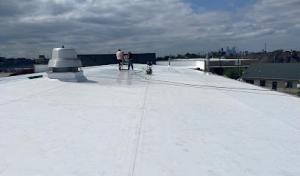
Farrell’s Roofing
farrellsroofingphiladelphia.com
901 Tennis Ave, Bensalem, Pennsylvania
5.0 from 74 reviews

Cover All Exteriors
(215) 839-9335 coverallexteriors.com
2157 Green Ave, Bensalem, Pennsylvania
5.0 from 66 reviews
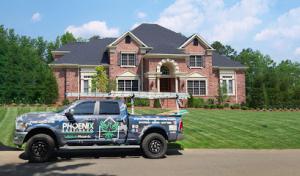
Phoenix Roofing & Siding
(267) 367-7610 thephoenixroofers.com
1525 Bristol Pike Ste B, Bensalem, Pennsylvania
4.9 from 83 reviews
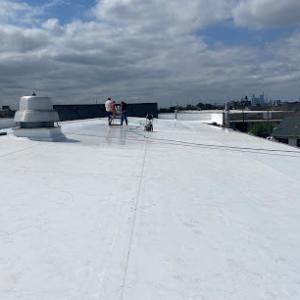
Farrell’s Roofing
farrellsroofingphiladelphia.com
901 Tennis Ave, Bensalem, Pennsylvania
5.0 from 74 reviews
We are a family owned and operated business that’s licensed and insured for residential and commercial properties and have been in the roofing business for over 20 years. We specialize in all types of roofing and we stay familiar with roofing material brands so we can provide you with top quality material for your home or business project. We also do siding, capping, skylights, gutters and spouts. We do Re -flashes and Coatings also if you’re just looking to maintain your roof.

Cover All Exteriors
(215) 839-9335 coverallexteriors.com
2157 Green Ave, Bensalem, Pennsylvania
5.0 from 66 reviews
Cover All Exteriors is your one-stop shop for any exterior contracting work needed on your home. Cover All has both roofing and siding specialists who are standing by to assist with storm damage, or to help replace old weathered exteriors. You can rely on the decades of experience the team has at Cover All to provide you peace of mind that the work will be done properly. This is why Cover All also offers extensive warranties so that you know your siding or roofing was built to last. Contact Cover All Exteriors for a free roof or siding inspection today!
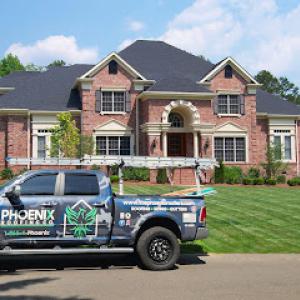
Phoenix Roofing & Siding
(267) 367-7610 thephoenixroofers.com
1525 Bristol Pike Ste B, Bensalem, Pennsylvania
4.9 from 83 reviews
Welcome! We are Phoenix Roofing & Siding of Bensalem, PA! We are more than just roofing contractors – we are dedicated professionals committed to delivering excellence in every project. Based in Bucks County, we proudly serve Eastern PA and South NJ (and surrounding areas) providing top-notch residential and commercial roofing services, siding installations, and comprehensive storm damage repairs.
A. Brooks Construction Inc. Presents Kanga Roof
(215) 752-6145 abrooksconstruction.com
Serving
5.0 from 792 reviews
Kanga Roof has been providing residential and commercial roofing services in the Bucks County area since 1987. We are certified in PA and NJ, bonded and insured. Our employees are drug tested, background checked and professionally trained. We're dedicated to providing the best roofing services in a safe and professional environment.
Xpert Xterior
(267) 251-4900 www.xpertxterior.com
Serving
5.0 from 41 reviews
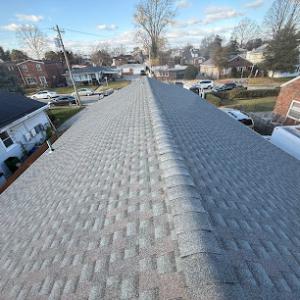
Serving the greater Philadelphia, PA area, Xpert Xterior offers residential and commercial roofing solutions, including asphalt shingle and rubber roofing expertise. With siding and gutter installation services, they elevate the exteriors of properties, ensuring resilience against the elements and enhancing aesthetics. Their commitment to delivering a superior customer experience shines through in their quality materials, skilled craftsmanship, and attention to detail at every stage of their clients' projects.
Cooper Roofing
(800) 945-2833 www.cooperroofing.com
Serving
4.6 from 60 reviews
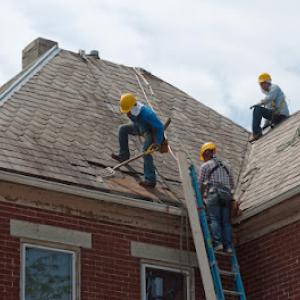
Cooper Roofing is a family-owned and operated commercial and industrial roofing contractor with over 30 years of experience. We work with property owners and managers along the entire East Coast, and support our clients by growing with them, and servicing their portfolios nationwide. Our customers trust us as part of their team because we deliver reliable service, fair and reasonable pricing, and quality workmanship. Cooper Roofing operates over 30 fully-licensed and insured crews a day, so we’re always there when our customers need us (24/7). Cooper Roofing is certified for Versico, GAF, and other roofing systems for commercial, industrial and residential clients.

Modern Roofing & Exteriors
(833) 456-6337 www.modernroofingandexteriors.com
Serving
5.0 from 514 reviews
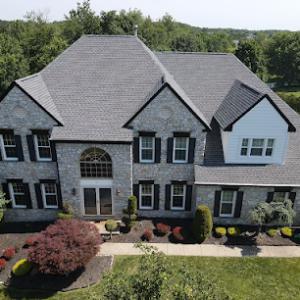
Roofing, Siding, Windows, Gutters, Wind damage, Hail Damage, Insurance work! Owens Corning, Tamko, Certainteed, GAF, Anderson, Provia,
Paragon Exterior
(215) 799-7663 www.paragonexterior.com
Serving
4.9 from 100 reviews
Paragon Exterior is a trusted, locally owned roofing contractor serving Bucks County, Northeast Philly, and nearby communities. Our local roofing team is licensed and insured with over 50 years combined experience. We specialize in roof repair, full roof replacement, storm damage restoration, leak detection, and services for siding, gutters, and windows. As a GAF Certified Contractor, we offer high-quality workmanship, fair pricing, and fast professional crews, including free roof inspections, military discounts and more. We take pride in every roof we install or repair. When you choose Paragon Exterior, you're getting more than excellent craftsmanship; you're getting a trusted partner. Call today, you'll be glad you did!
Union Roofing
(215) 464-6425 unionroofing.net
Serving
4.6 from 807 reviews
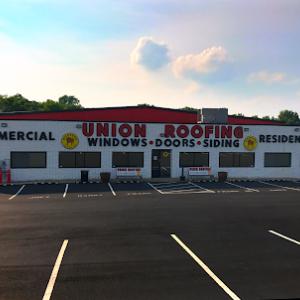
Union Roofing is a company in Philadelphia offering services for roof repair and replacement of any type of residential or commercial roof. We provide outstanding customer service and the best repair and maintenance service tailored to your needs. As a pre-eminent roofing contractor, we go above and beyond the competition to ensure that our work is exceptional and to guarantee your satisfaction. From window installs to siding that makes your house look brand new, we have the all the tools to get any job done, big or small. For more information, visit our website.
Umbrella Roofing
(215) 774-2950 www.umbrellaroof.com
Serving
5.0 from 186 reviews
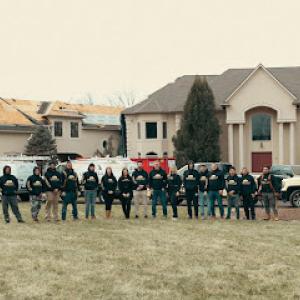
Umbrella Roof - Philadelphia Roofing specialists! We Service Philadelphia Roofing needs and all surrounding counties! We offer residential roofing services including: Free Estimate New Roofing Installations Insurance Claims & Restoration New Shingle Roofing New Flat Roof Roof Repair Roof Coatings Skylight Install & Repair Emergency Roofing Repairs Siding Install & Repair Gutters Install & Repair Roof and Gutter Cleanings Roofing Certifications and Diagnosis 24 point Roof Checkup 10 Year Warranty We have been in the roofing business for over 15 years. We take customer oriented approach by recommending only the services you need that will fix your issues and give the customer the most value to improve your most valuable asset - your home!
Master Star
(215) 934-9009 www.masterstar.net
Serving
5.0 from 135 reviews
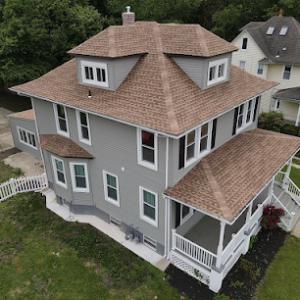
Roofing / Siding / Gutters / Windows Full services exterior home improvement. Roofing replacement and repair. Siding replacement and repair. Soffits, capping and flashing replacement and repair. Seamless gutters and screen installation. Windows replacement and new windows installation.
KPI Jr. Exteriors
(609) 658-9925 www.kpijrexteriors.com
Serving
5.0 from 118 reviews
KPI Jr Exteriors, LLC is a trusted roofing contractor in Bucks County, serving NJ, Chester, and Montgomery Counties since 2017. We specialize in roofing, siding, gutters, windows, doors, and custom decks. As certified GAF and CertainTeed installers, we use only premium materials. Fully licensed and insured in PA and NJ, we’re committed to job-site safety, clear communication, and total satisfaction. Contact us today for reliable home services in Bucks County and a free, no-obligation estimate.
Asphalt shingles stand as the dominant practical choice in this community, fitting well with the dense suburban layouts and the typical budget-minded homeowner. They pair easily with the existing roof pitches found on many Bucks County homes, and the local market supports a broad range of profiles and colors. While asphalt remains the workhorse option, the market also accommodates metal, slate, wood shake, clay tile, and concrete tile installations for homeowners seeking a different aesthetic or extended longevity. The key is to match a material's look with the house's character, while remaining mindful of the town's paired concerns of energy efficiency, flashing detail, and proper disposal during replacement.
Bensalem homeowners choosing heavier materials like slate, clay tile, or concrete tile need planning that fits older suburban structures common in Bucks County and the township review process for material disclosure. Heavier systems require careful assessment of roof framing, attic ventilation, and the supporting structure to avoid overstressing existing members. If your home was built mid-century or earlier, a professional should verify that the rafters and joists can bear the weight or that reinforcement is feasible without compromising living space or ceiling heights. In these cases, a detailed plan for underlayment, fasteners, and edge flashing becomes crucial, since improper integration with the existing fascia or gutter lines can create moisture pathways that compound winter freeze-thaw cycles.
Humid summers and winter freeze-thaw cycles in Bucks County make correct underlayment, flashing, and ventilation more important than material alone for long-term performance. The underlayment should be compatible with the chosen roofing system to resist moisture migration and to reduce the risk of ice damming during sudden warm spells followed by chilly nights. Flashing around chimneys, skylights, and vent stacks must be continuous and well-sealed, with particular attention paid to the transition zones between roof planes. Adequate attic ventilation helps control condensation and helps shingles or tiles perform as intended in extreme temperature swings. For any non-asphalt option, ensure the product warranty and installation instructions specifically address the climate and ventilation needs of homes with limited or variable insulation.
Slate and concrete tile offer lasting durability and a distinct, upscale appearance that can suit traditional Bucks County homes. Clay tile provides a Mediterranean or Spanish character that some neighborhoods embrace, while wood shake delivers texture and warmth for certain colonial-inspired facades. Metal roofing brings resilience against wind-driven fall storms and a lighter footprint on older structures when properly vented and sealed. In every case, the installed system should consider solar exposure, reflected heat, and potential overhangs that influence long-term wear in Bensalem's climate. Choose a roof profile that aligns with the house's massing and surrounding trees, but never overlook the essential roles of underlayment, flashing, and ventilation as the real determinants of performance across seasons.
Re-roofs in Bensalem generally require a building permit from Bensalem Township rather than being handled informally by the contractor alone. Before any nail is driven, this means you must coordinate with the township and have plans submitted that show the proposed roof system, ventilation, flashing details, and debris disposal methods. Expect a brief hold-up if the submission doesn't clearly describe those elements. If you've recently had work halted for missing information, learn from that mistake and gather the exact materials, fastening methods, and disposal plan the township expects. The permit acts as a formal record of what will be done and helps prevent issues that can arise when the weather shifts or permit requirements suddenly change mid-project.
The township permit process may require homeowners or contractors to disclose roofing materials and disposal methods before work proceeds. This means you should have a clear, written agreement with your contractor about the exact shingle or metal product, underlayment, ventilation strategy, and how waste will be handled during and after installation. If the disposal plan isn't explicit, you risk delays or noncompliance findings that could require you to stop work and refile paperwork. Keep records of communications, product specifications, and dumpster or removal service contracts so you can present a coherent package to the inspector when asked.
Inspections are scheduled during and after installation in Bensalem to verify flashing, ventilation, and code compliance, and the permit is expected to be posted on site. On the day of inspection, be prepared for a quick walk-through with the inspector to verify venting adequacy, flashing transitions around chimneys and valleys, and proper disposal of old roofing materials. If something doesn't meet code, you'll receive a deficiency notice and a window to correct it. Because inspections can impact weather timing, plan around typical spring moisture and fall wind-driven wear so that critical steps aren't rushed or skipped.
Delays in permit approval or inspection findings can push replacement into less favorable weather windows, increasing the risk of weather-related damage to your home or a compressed schedule that invites shortcuts. If the permit is not posted or inspections are missed, the township can require uncovering work or rework to bring the project into compliance. Staying proactive with documentation and clear communication minimizes surprises when inspectors arrive.
Coordinate with your contractor to submit complete plans, including flashing, ventilation, and disposal methods, before the project starts. Schedule alignments with the inspector early, and have your site clearly visible with the permit posted. Keep a dedicated folder of all permits, correspondences, and product specs so you can respond quickly if the township requests clarification. A well-documented process helps avoid costly hold-ups during a season when rain and wind can complicate timing.
When you price a replacement or major repair, stick to the neighborhood ranges you'll actually see in Bucks County. Asphalt shingles run roughly 350 to 650 USD per square, metal roofs 600 to 1100 USD per square, clay tile 1000 to 1800 USD per square, concrete tile 900 to 1600 USD per square, wood shingles or shakes 650 to 1200 USD per square, and slate from about 1400 to 2600 USD per square. These aren't national averages; they reflect Bensalem's mix of dense suburban homes and older stock that often needs careful detailing around vents, chimneys, and dormers. Expect those numbers to tighten if a project requires extra flashing, insulation changes, or extensive disposal work.
Bensalem's winters bring freeze-thaw cycles that stress shingles and underlayment, which can push a typical replacement timeline closer to late winter or early spring. Spring rains raise the risk of delays if crews need to tarp or reseal areas during moisture-heavy periods. In fall, wind-driven wear from nor'easter-adjacent patterns can accelerate shingle exposure and require more fasteners or higher-seated underlayment. Because there's a strong local prevalence of emergency and storm-related work, prices can spike when demand surges after a weather event. If you can plan for the quieter windows between storms, you're more likely to land steady labor and material pricing.
Begin with the material you prefer, then add a cushion for typical local contingencies: extra disposal due to older decks or attic venting, and potential inspection or scheduling steps that affect timing. For asphalt, you'll likely land near the lower end of the range if no special detailing is needed; premium coatings or thicker shingles push toward the mid-to-upper end. If you're choosing metal, clay, or slate, anticipate longer lead times and higher labor effort for proper flashing and ventilation-costs that are meaningful in this climate. In any case, building a multi-material comparison using these Bensalem-specific per-square ranges will yield the clearest, most actionable budget.
Get a clear picture of your project costs upfront - no commitment required.
Phoenix Roofing & Siding
(267) 367-7610 thephoenixroofers.com
1525 Bristol Pike Ste B, Bensalem, Pennsylvania
4.9 from 83 reviews
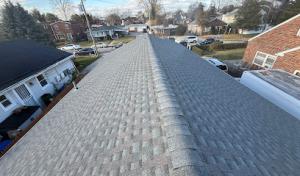
In Pennsylvania, insurers generally expect documented evidence of roof damage, including photos and a detailed scope of work, before approving storm-related claims. For a neighborhood of brick and vinyl-sided homes in Bucks County, that means you should be ready to show areas where shingles have curled, flashing shows signs of wind lift, or there is visible granule loss in gutter debris. The adjuster will look for vulnerability indicators-areas with freeze-thaw stress, attic moisture signs, and any staining or leaks that correlate with a specific storm event. The claim review moves faster when the evidence tells a clear story.
Bensalem homeowners should expect adjuster inspections after storm events and should document damage quickly because carriers may scrutinize pre-existing wear versus new damage. A rapid, precise photo log is your best ally: wide shots of the entire roof, close-ups of brittle shingles, blown-off flashing, and any interior moisture that traces back to a rooftop failure. Maintain a dated gallery that links each photo to a visible defect and, if possible, a short note noting approximate storm timing and any nearby trees or structures that could have contributed to damage. A written scope of work, tying repairs to observed issues, helps the adjuster see a direct path from damage to remedy.
There has not been a statewide insurance pullback affecting all roofing coverage in Pennsylvania, so the key issue in Bensalem is documentation quality rather than a blanket lack of coverage. If a claim is challenged, you may be asked for more context about pre-existing wear, attic ventilation patterns, and the timing of the damage relative to storms. Stay patient, stay organized, and present a clear, dated record to support every claim item.
Connect with contractors who help homeowners navigate the claims process from damage assessment to final approval.
Cover All Exteriors
(215) 839-9335 coverallexteriors.com
2157 Green Ave, Bensalem, Pennsylvania
5.0 from 66 reviews
Phoenix Roofing & Siding
(267) 367-7610 thephoenixroofers.com
1525 Bristol Pike Ste B, Bensalem, Pennsylvania
4.9 from 83 reviews

Modern Roofing & Exteriors
(833) 456-6337 www.modernroofingandexteriors.com
Serving
5.0 from 514 reviews
Flat-roof specialization is meaningfully present in the area's contractor market, meaning many homeowners face low-slope sections on additions, porches, or mixed-roof homes. That specialization shows up in typical crew rosters, who can handle transitions from steeper main roofs to flat or low-slope additions without leaving moisture management to chance.
Spring rain and summer humidity in this town make drainage and moisture management especially important on low-slope roof areas. A small sag or misaligned edge can become a pool after a late afternoon downpour, and lingering moisture invites early wear. Focus on proper slope, positive drainage paths, and accessible cleanouts for debris before the peak of summer humidity arrives.
Township inspections in Bensalem check flashing and ventilation, which matters on transitions where low-slope sections meet steeper roof planes. Pay attention to counterflashing where a flat roof abuts a higher roof, and ensure any vent penetrations are properly sealed and vented. A smooth transition is not just a detail; it's a functional requirement that reduces the chance of leaks at the seam.
Look for damaged edge metal, clogged or undersized scuppers, and deteriorated flashing around parapets. Seams between the flat section and the main roof are frequent leakage paths, especially where expansion and contraction from seasonal temperature swings occur. Around porches and additions, upgraded edge detail can prevent capillary wicking from damp exterior walls.
In early spring, walk the roof with a flashlight after a rain to spot standing water or soft spots. Inspect caulk lines at penetrations and around vents, and verify that no nearby tree debris is blocking drainage paths. If the roof surface seems flexible or has many hairline cracks, plan a professional assessment before the heat of summer expands the issue.
Choose a local flat-roof specialist who can demonstrate successful transitions to steeper roofs, solid flashing practice, and a clear plan for ventilation on low-slope sections. Ask for references from Bensalem clients with additions or porches, and request a written assessment that maps drainage routes across both roof planes. A well-coordinated crew makes the most of a flat roof's design without inviting moisture trouble down the line.
Find specialists in TPO, EPDM, and built-up flat roofing systems for residential and commercial properties.
Cover All Exteriors
(215) 839-9335 coverallexteriors.com
2157 Green Ave, Bensalem, Pennsylvania
5.0 from 66 reviews