
Last updated: Apr 19, 2026
College Point sits on the northern edge of Queens between Flushing Bay and the East River, so roofs face wind-driven rain and open waterfront exposure more than inland blocks. That means low-slope and flat roofs aren't a convenience; they're a weather condition. Leakage tends to show up where water is forced to move quickly across membranes, around drains, and along transitions rather than only at visible shingle gaps. When a storm rolls in from the bay, you're looking for telltale signs at the edges and joints long before you notice a drip inside the attic or ceiling.
On these properties, the drain system is the pressure point. Check roof drains and scuppers first after every major rain event. Look for standing water pooling against parapets, which signals insufficient slope or clogged outlets. If you see water spilling over the sides rather than draining away, that's a red flag. In mixed-use buildings with porches or extensions, transitions between flat sections and any other roof plane are frequent trouble spots. Water can wick into deck joints or membrane laps at these seams, so inspect the perimeter edges as part of a routine check rather than waiting for a visible leak.
Parapet walls are a common source of slow leaks here because wind exposure can lift flashing and cause micro-tears in the membrane along the top edge. If you notice rust staining, blistering, or a seam that runs the length of the parapet, treat it as a leak pathway. Do not overlook cap flashing where it sits on top of the parapet or where it meets the roof plane. Wind-driven rain can push water into even the smallest gap, so a robust seal and properly terminated flashing are essential. Remember, the fix isn't just a patch; it's a sound edge detail that resists wind pressure and ponding.
Transitions between flat roof surfaces and any slope, as well as around vents, pipes, and louvers, are repeated failure points in this climate. Improper flashing at these joints acts like a gutter for leaks: water finds a way behind the membrane and travels to the interior. When you inspect, look for loose fasteners, bubbled or lifted membrane at corner seams, and any silicone or tar that has degraded. Replace compromised flashing with materials rated for cold-weather cycles and high wind. Ensure the base sheet wraps adequately under the transition and that the cap flashing seats fully against the base.
Ponding is not just an aesthetic issue; it accelerates membrane aging and invites seepage around weak points. If you're seeing water sit in a pooled area for more than a few days, that's a sign to reevaluate slope or drainage components. Regularly clear debris that blocks water flow toward drains. For low-slope roofs, ponding can silently undermine the most seemingly solid sections, so treat any persistent pool as a leak-risk area that requires attention.
Go up after a heavy rain with a flashlight and a mirror; look for streaks, damp spots, or glossy patches on the underside of the deck and above-ceiling areas. Check the area around roof penetrations-vents, skylights, and exhaust fans-for signs of wear or misalignment. If you notice water marks near the parapet edge, pay extra attention to the flashing lap and membrane integrity there. Keep an emergency plan: place a bucket under active drips, document time and location, and schedule a targeted visit from a seasoned flat-roof pro to triage the most vulnerable spots first.
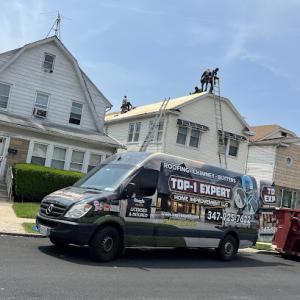
TOP 1 Expert Home Improvement
(347) 925-7622 www.top1expert.com
14-21 110th St, College Point, New York
5.0 from 348 reviews
With decades of experience in delivering top-quality roofing services, TOP 1 Expert Home Improvement is a family-owned and operated business proudly serving the greater New York and metropolitan area. Our skilled team is committed to offering the highest level of service and craftsmanship in the region.
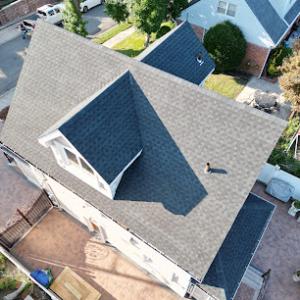
Lucky Stars Roofing
(646) 767-6531 www.callluckystars.com
Serving
4.9 from 56 reviews
"Excellence is written in the stars! For over 30 years, Bonardi Construction has been servicing Queens, NY, and the surrounding areas with reliable masonry, asphalt and more. Now, we have this incredible new division to dedicate completely to roofing! Lucky Stars Roofing offers the same longstanding quality, craftsmanship and top-level service. From replacement and repair to installation, you can count on us to leave you starstruck. Our services include: ● Roof replacement & repair ● Waterproofing & leak repair ● Shingle replacement ● Storm-damage repair ● Gutter cleaning, repair & installation ● Skylight repair & sealing ● And more!"

Horse GC
Serving
4.7 from 60 reviews
Horse GC General Construction is fully licensed, insured, and bonded contractor. We’re passionate about delivering exceptional construction work. When you hire us, you’re hiring a team of professionals who are trained and skilled to deliver lasting value to your home.
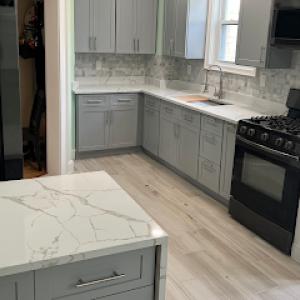
TOOR CONSTRUCTION - Roofing Services in New York
Serving
4.9 from 87 reviews
We do all kind of construction work some of them include brick steps,Gutter installation,gutter repair,roof installation , roof repair,skylight installation/repair,water proofing,exterior painting,interior painting,stucco contractor, reconstruction, repairing of all kind,brick&block work,custom masonry,backyard,front yard,sidewalk,remove sidewalk violation,paving,parking lots,foundations, flooring,driveway,stone masonry,remodeling,kitchen & Bathroom.
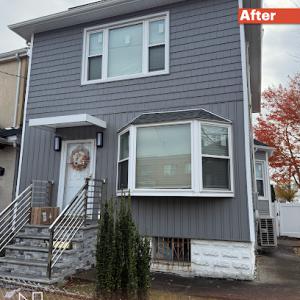
Neat Services
(718) 880-4080 www.neatservicescorp.com
Serving
5.0 from 143 reviews
Neat Services is a licensed roofing and siding contractor in Queens, NY, serving Maspeth, Jackson Heights, Astoria, Forest Hills, and Brooklyn. We specialize in roof replacement, roof repair, siding installation, and window replacement with premium materials (GAF, CertainTeed) and a 25-year workmanship warranty. Bilingual team (English/Español), Directorii-backed, BBB A+, and 143+ five-star Google reviews. Need a roofing contractor near me or siding contractor near me? Call Neat for fast estimates, clear communication, and clean, professional work done right.
Skyward
(718) 878-6748 www.skywardroofing.com
Serving
5.0 from 82 reviews
Skyward Roofing - Queens is a professional and trusted roofing company catering to the roofing needs of commercial and residential clients. With vast experience, our team of skilled experts offers quality roofing services customized to meet the special needs of every client. From new installations and repairs to inspections and maintenance, we deliver excellent artistry using quality materials and modern techniques. Dedicated to client satisfaction, we ensure timely project completion, moderate pricing, and a commitment to surpassing client expectations. Reliable, trustworthy, and efficient, we are the most sought-after company for roofing needs. Call us or visit our site for more information.
C&D Brooklyn Roofers
(718) 557-9199 expertconstructionguys.com
Serving
4.9 from 166 reviews
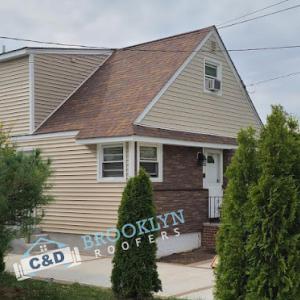
If you're in Brooklyn and looking for a solid solution to your roofing problem, we are the roofers to call. We specialize in new roof installations, siding installation, and window installation and can help you now . Lets get full control of that roofing/siding/windows issue - call us now - we are the top roofers of Brooklyn!
Power Roofing Queens NY
(929) 599-2001 powerroofingnyc.com
Serving
5.0 from 110 reviews
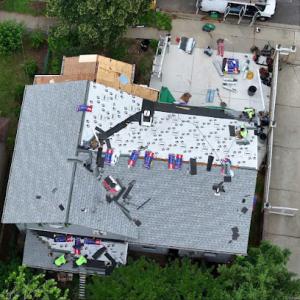
Power Roofing Queens NY is your licensed & insured, family-owned team for roof repair Queens, flat roof, TPO roof, shingle roof upgrades, and same-day emergency roof leak repair. From smart wood-siding installs to seamless rain gutters replacement, we combine top-grade GAF/CertainTeed materials with rapid turn-around and crystal-clear communication. Homeowners and property managers count on our free on-site roof estimates, clean work, and financing guidance to keep projects on budget. Every job is photo-documented, so you get workmanship that lasts through Nor’easters and NYC heat waves. Call today and protect your roof and property with Power that performs.
Royal Roofing & Siding Bronx
(718) 395-5061 www.nycrenovators.com
Serving
4.9 from 76 reviews
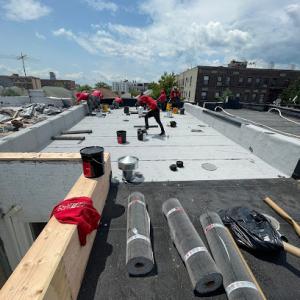
Royal Roofing Bronx, a division of Royal Renovators, is a trusted roofing company proudly serving homeowners, landlords, and businesses throughout the Bronx. We specialize in roof replacement, leak repair, flat roofing, shingles, siding, gutters, and emergency roof service—always with licensed, insured, and experienced crews. As part of one of NYC’s most respected roofing contractors, we combine local Bronx expertise with the resources of a citywide leader. Our mission is simple: provide honest estimates, top-quality workmanship, and lasting protection for every property we service. With an unparalleled commitment to excellence and customer satisfaction, the reputation speaks for itself. Call today for a free estimate quote!
Crystal Real Construction
(718) 427-6067 www.cr-constructions.com
Serving
5.0 from 43 reviews
Understand why our trusted general contractor in Bronx, NY, is highly rated. At Crystal Real Construction, we can meet all your needs. Our expertise also covers concrete brick installation and gutter installation near you. We excel in home remodeling, providing top services for any project. Our waterproofing services, roof siding, and tile roofing services ensure your home is protected and looks great. As a leading roofing contractor in Bronx, NY, we offer trusted services including roof maintenance services, new roof installation near you, and roof leak repair services. For reliable roofing and remodeling services in your area, trust Crystal Real Construction Contact us today to experience top service.
Ak Gatsios
(646) 302-5175 akgatsiosinc.com
Serving
5.0 from 316 reviews
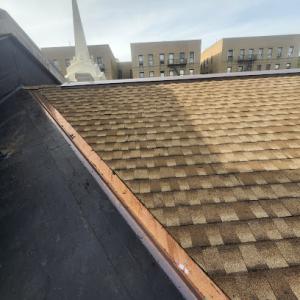
At A K GATSIOS INC, we bring dreams to life by shaping the built environment one project at a time. We are a construction company dedicated to transforming ideas into structures, with a strong commitment to excellence, creativity, and the highest standards. With a focus on quality craftsmanship and attention to detail, we deliver exceptional results that leave a lasting impact.
Snow and ice in this neck of Queens don't just sit pretty on a roof. Repeated freeze-thaw cycles can widen small flashing gaps and transform minor drainage quirks into interior leaks. The problem isn't a dramatic rupture; it's the slow creep of tiny gaps that let water migrate under shingles, under flashing, and into soffits or ceilings after a rapid warm spell followed by a cold snap. In older homes and mixed-use buildings, those small openings are common, and a seasoned eye will spot them by little signs-staining near flashing seams, dark halos along eaves, or a soft spot where a board meets a metal edge. The consequences may stack up year after year, so recognizing them early matters.
Snow and ice can back up at eaves and along gutter lines on pitched roofs, while low-slope roofs are more vulnerable when drains freeze or remain blocked after storms. In College Point, where roofs often contend with the East River breeze and neighborhood tree debris, blocked leaders and clogged scuppers aren't just inconvenient-they're a pathway for water to pool against seams and edge details. When drainage is compromised, standing water sits longer, and in a freeze-thaw cycle that water expands and pushes at fasteners, sealants, and joints. The result is a slow, creeping leak that appears after a few days of warmer sun followed by a hard freeze, rather than a sudden storm-driven surge.
Autumn leaf drop in this older Queens neighborhood increases gutter and roof-drain clogging before winter, raising the chance of standing water and ice formation. When leaves sit in gutters or along the drip edge, water can back up and freeze at critical points-under lapped flashing, in gutter corners, and at transitions where metal meets roof. The buildup isn't flashy, but it's persistent. You'll notice damp spots along interior ceilings or corners that line up with a clogged drainage path. If you see leaves piling on the roof edge even after a light wind, you're looking at a precursor to ice dams that can bite into shingle edges and fascia.
Begin with a visual scan after a heavy rain or wind event, paying close attention to flashing seams, vent collars, and the boundary where roof meets walls. Next, prune nearby trees so branches don't shed debris onto the roof during windy days, and schedule a fall gutter cleaning to reduce the risk of springtime surprises. Ensure that scuppers and downspouts drain freely when tested with a gentle spray of water. For homes with low-slope roofs, consider temporary measures such as improving roof edge ventilation and inspecting membrane seams. When in doubt, have a local roofer re-seal vulnerable flashing and inspect the edge details for tight, water-tight fits before winter settles in.
If damp patches appear on ceilings after a thaw, or if seasonal freeze events leave a recurring line of dampness along the interior wall or corner, that's a signal to call a professional. A careful inspection will check flashing integrity, edge flashing, drip edge alignment, and the path water takes from gutter to interior. In College Point, where the mix of older housing and low-slope roofs meets river-driven weather, catching and correcting these failures before winter truly sets in saves more than just a nuisance-it avoids costly interior damage and longer outages after a storm.
When you can't wait, these contractors offer fast response times to stop leaks and prevent further damage.

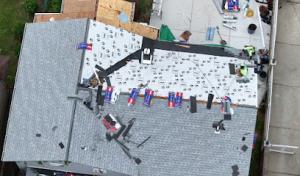
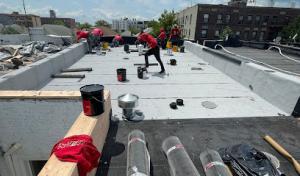
College Point's waterfront exposure can make gusty storms more punishing on roof edges, flashings, and older membrane seams than in more sheltered inland blocks. The wind flows off the East River with little shelter, driving rain up under eaves and onto low-slope sections where membranes and edge details age fastest. When a storm hits, flashing corners, ridge caps, and field seams often take the first hit. If your edge detailing is visible from the street and shows lifted flashing, cracked sealant, or dry-rot in the underlayment, treat it as a priority problem rather than a cosmetic fix. In these conditions, a small leak indoors can become a larger water pathway after a few minutes of driving rain.
Spring and summer storms in Queens can combine wind and hail, creating both visible shingle damage and harder-to-spot punctures or seam failures on flat roofs. Look for lifted shingles along perimeters, granule loss in storm tracks, punctures in membrane surfaces, and separated seams at terminations or around penetrations. On flat and low-slope roofs, moisture can hunt along the deck ably, so check for damp spots on ceilings that don't quite align with a single penetration. If you see distorted flashing, loose mastic, or scuffed edge metal, take quick notes and photos before the next rain. The goal is to map the failure path and stop more water from following it.
Because many local jobs are leak-driven, homeowners here often need rapid tarping and photo documentation before the next rain rather than waiting for a full replacement decision. If you suspect a roof leak after a storm, implement temporary tarping to cover exposed edge seams and obvious punctures. Use a sturdy tarp anchored with weighted boards or non-penetrating fasteners to avoid creating new puncture points. Photograph the entire affected area from multiple angles, focusing on flashing joints, boundary lines, and any staining that travels inward from the roof edge. Document the date and storm details in clear notes or a simple log you can share with a contractor to accelerate triage and repair prioritization.
On exposed blocks, prompt repairs can prevent escalating damage to insulation and interior finishes. Prioritize stopping the water path at the roof edge first, then at any low-slope field seams or around penetrations. If a temporary fix buys you time, schedule a more durable repair or membrane reseal as soon as weather allows. When you speak with a roofer, emphasize the edge conditions, flashing health, and any hail-related punctures seen during post-storm inspection. A focused approach in these coastal conditions keeps leaks from chasing through the building envelope and minimizes interior damage in the next round of unsettled weather.
Find local contractors experienced in assessing and restoring roofs after hail, wind, and severe weather events.
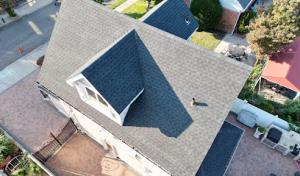
Asphalt shingles remain a practical fit for detached and semi-detached houses in this area, offering a straightforward, proven option for roofs with multiple transitions. When a roof has a front main slope plus a rear extension or dormer, shingles provide a familiar detailing path and easier repair access. For low-slope portions, especially those near the East River and Flushing Bay, consider a shingle setup that includes a proper secondary drainage plan and adequate underlayment to handle wind-driven rain and freeze-thaw cycles.
EPDM rubber roofing becomes especially relevant for low-slope sections common on Queens additions and mixed rooflines. Its seamless feel on flat or near-flat planes helps curb leaks where multiple roofs meet a single parapet, chimney, or skylight. In College Point, where drainage challenges can hinge on roof transitions, EPDM is a sensible choice for the flat portions while keeping the primary roof visually cohesive with the rest of the house.
Heavier materials like slate, clay tile, and concrete tile appear in the regional material mix but can trigger structural and detailing considerations on older NYC housing stock. If a home has aging framing, ensure structural assessment supports heavier loads, including improved roof deck support and updated fastening details for higher wind exposure along the river. In many cases, these materials demand reinforced parapets and careful edge detailing to prevent edge leaks where parapets meet the roofline.
Material choice in College Point is often driven by how many transitions a roof has-main roof, rear extension, porch, dormer, skylight, chimney, and parapet details all affect long-term leak risk. A roof with multiple junctions benefits from a unified approach: extend waterproofing across all transitions, maintain flashings at each penetration, and use compatible sealants that resist seasonal movement. When you have a combination of shingles on the main slope and EPDM on the flat sections, align flashings and edge details so seams don't line up awkwardly across materials. This coordinated detail work reduces failure points and keeps leak risk lower amid wind and freeze-thaw cycles.
Pricing in College Point isn't your generic market numbers. NYC labor rates, staging logistics, disposal, and the extra setup needed on tighter urban lots and attached-building conditions all push bids above rural equivalents. If your home has a narrow lot, a shared alley, or a row of adjacent structures, crews may need longer days with careful maneuvering, and those factors appear as incremental costs on the estimate. You'll also see higher numbers when there are multiple low-slope sections, parapets, chimneys, skylights, or especially tight access that slows tear-off and material loading.
The city's cost environment adds a few dollars per square on most materials. Asphalt shingles commonly sit in the range of $450 to $850 per square (a square = 100 sq ft). Metal roofing runs higher, typically $700 to $1,200 per square. For more decorative or durable options, clay tile and concrete tile land around $900 to $1,800 per square. Slate is a premium choice at roughly $1,500 to $3,500 per square. If choosing EPDM rubber for flat or low-slope sections, expect about $4 to $8 per sq ft, which translates to $400 to $800 per square. In College Point, those base numbers will be nudged upward by city-specific labor and staging costs.
Costs rise when the roof has multiple low-slope sections or when there are parapets, chimneys, skylights, or difficult access that slows tear-off and material loading. A roof with several transitions will require more fasteners, more flashing details, and longer setup times, all of which add to the total. If a project includes replacing damaged deck boards or upgrading underlayment to better handle freeze-thaw cycles near the East River, you'll see additional line items.
After major storm periods in Queens, demand spikes can affect scheduling and pricing for emergency repairs, tarping, and full re-roofing. If you're faced with urgency, you'll likely see higher mobilization fees and accelerated timelines. Planning ahead during calmer weeks can help you secure steadier pricing and a longer window for material selection and inspection.
Get a clear picture of your project costs upfront - no commitment required.
The filing for a full roof replacement typically runs through the NYC Department of Buildings rather than a separate village or town building office. In this neighborhood, where older ranches and mixed-use structures share blocks with low-slope sections near the East River, the DOB review focuses on drainage, fire rating, and weatherproofing details that affect longevity. Before any work begins, you'll want to confirm that the proposed membrane, flashing, and slope meet the city's standards, especially for flat or near-flat sections that are prone to standing water after rainstorms.
Queens roof jobs commonly involve in-progress and final signoff steps, and permit closure matters because unresolved DOB paperwork can complicate future property transactions. Expect inspections at milestones such as after the roof removal, after flashing installation, and upon a complete finish. A clear path for signoffs helps avoid delays when a mortgage lender requests documentation or when you pursue a certificate of occupancy or resale.
Depending on the building and street conditions, a College Point project may also need scaffold, sidewalk, or worksite safety postings that affect how the job is staged. Narrow frontages and street parking constraints common on Queens blocks can influence material deliveries and crane access for higher structures. Coordinate scaffold placement with neighbors and ensure sidewalk protection is in place for pedestrians and utility lines.
Keep a dedicated file for all DOB-related paperwork, including permit issuance, amendments, inspection notices, and the final approval letter. Missing or mismatched documents can stall permit closure and complicate future renovations or sales. Early and organized submission helps keep the project on track and reduces the likelihood of re-inspection requirements that disrupt work sequences.
In the New York City insurance environment, carriers often want roof age records, photos, and repair or replacement documentation before approving weather-related roof claims. This is especially true for College Point homes and mixed-use buildings where aging low-slope systems intersect with the East River's wind and rain. Have a ready set of dated materials that demonstrates pre-loss condition and any maintenance already performed.
Because local adjusters are used to urban roofing systems, documentation should clearly show whether damage is on shingles, membranes, flashings, parapets, skylights, or chimney intersections. Take high-resolution photos from multiple angles, including close-ups of fasteners, edge details, and any ponding areas on low-slope sections. A concise notes file helps when you describe wind-driven rain intrusion at joints, corner details, and drain intersections along parapets and scuppers.
Permit history and post-loss estimates can carry extra weight in Queens because insurers and buyers may both look for proof that work was properly filed and closed out. Collect older permit prints if available, plus recent contractor estimates that itemize membrane repairs, flashing replacements, and deck or parapet work. When presenting the claim, organize materials by area (shingle area, membrane area, flashings, skylights, chimneys) so the adjuster can quickly map damage to the affected components and verify the scope of the remediation.
Connect with contractors who help homeowners navigate the claims process from damage assessment to final approval.
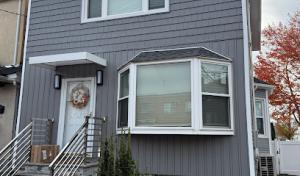
The local market signals show homeowners in College Point heavily value quick response and cleanup, which matches a leak-first service environment where interior damage can escalate fast. When a roof starts to leak, water doesn't respect room boundaries, and a delay of even a few hours can lead to saturated insulation, stained ceilings, warped drywall, and mold risk. Look for a contractor who can offer rapid triage over the phone, a same-day on-site assessment, and a plan for temporary containment if needed. A contractor's ability to clear debris, protect belongings, and coordinate with indoor trades should matter as much as the repair itself.
Chimney-related experience matters locally because many Queens homes have masonry penetrations and flashing transitions that are frequent leak points. Pay attention to how a contractor handles chimney joint sealing, step flashing around flue collars, and the transition from vertical masonry to the roof plane. In this area, wind-driven rain and freeze-thaw cycles stress those joints seasonally, so you want a team that routinely inspects, replaces, and seal-reinforces these areas. Ask for recent local examples where chimney flashing was upgraded, and request an onsite check of chimney crown, flue linings, and mortar deterioration as part of the assessment.
Long-established and family-run firms are present in this market, but homeowners still need to verify NYC licensing, insurance, and who is actually handling permit filings and final cleanup. In practice, confirm who from the company will be on-site, who handles the warranty, and who takes responsibility for debris removal and final surface cleanup. You should expect a written plan detailing the leak source identification, staged repair approach, and a concrete handoff for ongoing maintenance. The right partner will communicate in plain terms, not leave you guessing about progress or next steps.