
Last updated: Apr 19, 2026
Ozone Park's housing stock often features street-facing pitched roofs that meet low-slope or flat rear sections. Those transitions become the first line of defense against freeze-thaw cycles and wind-driven rain. In practice, the sharp contrast between steep front pitches and lower rear areas creates a vertical and horizontal seam that is easy to miss during quick inspections. The most persistent leaks tend to appear right where the two planes meet, especially at the transition from main roof to the low-slope rear, or along the edge where the parapet walls rise and meet the coping. Pay particular attention to edge detail and cumulative wear along the transition line after winter and during heavy seasonal rains.
With homes often attached or tightly spaced, flashing at party-wall lines, parapets, and side setbacks matters more than on detached homes. The most troublesome spots are where the roof plane changes angle or where a vent or pipe penetrates through the common wall. In these areas, flashing needs to be continuous and integrated with the wall waterproofing to prevent moisture wicking into the interior. When evaluating flashing, look for lifted metal, degraded sealant, and any gaps behind counter-flash elements. On close-packed blocks, a small leak at a shared wall can travel along the interior framing, causing damage far from the visible exterior source. Plan flashing details that carry through from the main roof to the side setback and along any parapet, not just the visible front roof edge.
Because the climate and density of the built environment influence work logistics, roof access can be constrained. Debris staging may require narrow work areas or stairway access, and tear-off planning needs to consider limited laydown space. When a mixed-pitch roof requires replacement or extensive repair, avoid short-term improvisation that leaves a partial teardown exposed. Ensure the plan accounts for safe scaffold or ladder routes, material storage in secure zones, and sequence of operations that minimizes wind exposure on exposed edges. Communication with neighbors becomes part of routine, since disruptions-dust, noise, and temporary drainage changes-are more noticeable in tightly built blocks. A clear, neighbor-friendly work plan helps prevent delays and keeps the project moving through the critical spring and fall storm seasons.
Freeze-thaw cycles in this climate are particularly punishing at transition points. Start your diagnosis at the highest risk transitions: the intersection of the steep front pitch with the low-slope rear, along the party-wall line, and where flashing wraps around a parapet. Use a flashlight after rainfall to look for active drips, and inspect the attic or ceiling for signs of moisture staining that trace back to specific roof segments. If a leak is intermittent, trace it to a likely source by simulating rainfall with a hose, focusing first on the transition zones and flashing seams. Document the exact location of each suspect seam with photos and notes; this makes communication with contractors precise and the repair work targeted.
When replacement becomes necessary, prioritize a cohesive system that addresses the mixed-pitch geometry. A roof assembly that harmonizes the front steep sections with the rear low-slope areas reduces the number of vulnerable joints. Consider flashing materials and installation details that can tolerate the local freeze-thaw regimen and wind-driven weather, without relying on short-term sealants that degrade after a season or two. In dense neighborhoods, opting for roofing materials with robust curb appeal and proven performance on irregular planes helps maintain street-value aesthetics while delivering durable performance. Plan for a phased approach if access is limited, ensuring that critical transition lines are completed early in the project to minimize downstream leaks during the repair.
Establish a twice-yearly inspection habit that targets the transition zones and flashing joints. After storms and before the winter freeze, inspect the parapets, side setbacks, and any shared wall interfaces. Keep a routine of clearing debris from valleys, edge channels, and gutter joints to prevent clogging that can back up water toward vulnerable seams. In tight neighborhoods, a proactive, locally informed maintenance schedule reduces the risk of hidden damage growing into costly interior repairs and keeps mixed-pitch systems resilient through the worst weather.
Ozone Park homeowners are exposed to the same nor'easters, summer thunderstorm bands, and coastal wind-driven rain patterns that affect southern Queens. When a major weather hit rolls through, a small roof opening can turn into a cascade inside the attic and walls in a hurry. The density of your block means a single compromised seam or missing shingle can push water toward shared walls, basements, and neighboring structures. That quick spread is why rapid containment isn't just smart-it's essential to prevent water from traveling along fascia boards, soffits, and vent flashings that sit between closely spaced homes.
After the last gust dies down, you should inspect for obvious breaches: missing shingles, lifted edges, broken vents, and any staining or spraying along exterior walls. If you notice active dripping inside, locate the highest point of entry and place a temporary tarping plan before professional help can arrive. In dense blocks, even minor leaks can trail along interior ridges or ceilings and threaten multiple rooms, so prioritize rooms closest to the roofline and any shared walls. If a gusty band lingers, plan to clear debris from the eaves and downspouts so water doesn't pool near the fascia and backflow into attic spaces.
Tarping should be treated as a bridge to permanent repair, not a finish line. Secure a heavy-duty tarp over the affected area, overlapping the roof edge by at least a few feet to shed water away from the wall plane. Use weighted boards or bricks along the bottom edge, and fasten with roof tarps or ballast to resist wind uplift. If you have a low-slope rear section, pay extra attention to seams and penetrations where water can pool and seep. In tight alley access and crowded lots, a helper inside the attic can guide the tarp placement to avoid catching on vent pipes or gutters. Check the tarp every few hours during a storm window and after rain to ensure no lift or seepage occurs.
A mixed-p pitch can hide vulnerable zones where water travels before a visible leak appears in the living space. Prioritize exterior checks on the transition from steep pitches to low-slope sections, especially around dormers, skylights, and chimneys. In the hours after a storm, focus on quickly sealing those transition areas with temporary patches or tarps while you arrange a professional assessment. For multi-unit blocks or attached homes, coordinate with neighbors to prevent wind-driven water from crossing shared walls-one quick containment plan for the row protects everyone's interiors and reduces further damage.
When you can't wait, these contractors offer fast response times to stop leaks and prevent further damage.
Five Star Roofing
(718) 795-6640 fivestarroofingny.net
97-06 101st Ave, Ozone Park, New York
4.8 from 443 reviews
Daniel's Roofing:Best roofing contractor Queens/Brooklyn Ny
(917) 204-2906 danielsroofingnyc.com
Serving
5.0 from 78 reviews
Five Star Roofing
(718) 795-6640 fivestarroofingny.net
97-06 101st Ave, Ozone Park, New York
4.8 from 443 reviews
Five Star Roofing is a fully licensed and insured commercial and residential roofing company located in Queens, NY. Since 2008, we have provided top-quality roofing services to Queens, Brooklyn, and Long Island homeowners. Our team of experienced and certified roofing professionals specializes in flat, shingle, tile, and metal roofs, as well as urgent repairs. Whether you need roof repairs, replacements, or installations, we have you covered! With a strong emphasis on excellent customer service and premium craftsmanship, we have built a reputation as one of the most trusted roofing companies in the area.

Metro roofing
(347) 748-2500 themetroroofingcompany.com
97-16 95th Ave, Ozone Park, New York
4.8 from 52 reviews
Our company strives for quality and reasonable pricing . We pride our selves on our reputation and continue to work up to it
J C Master Inc Roofing & siding
(347) 400-2611 jcmasterinc.net
Serving
4.0 from 92 reviews
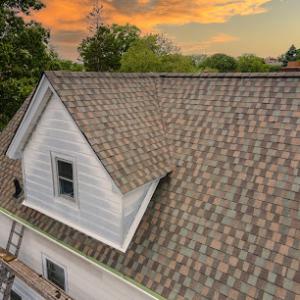
JC Master is a licensed, insured roofing & siding contractor serving New York City—Brooklyn, Queens & Long Island—since 1997. We specialize in roof repairs & full replacements (shingle, flat/TPO/EPDM), gutters, leak detection, storm-damage assessments and insurance-claim support. Most of our work comes from referrals because we show up fast, document the damage, and handle the paperwork with your carrier. Free same-day inspections, clear pricing, and crews you can trust for family homes and multi-family buildings. Call for a visit today.
A&E Queens Roofers
(646) 681-3979 aequeensroofing.com
Serving
4.9 from 119 reviews
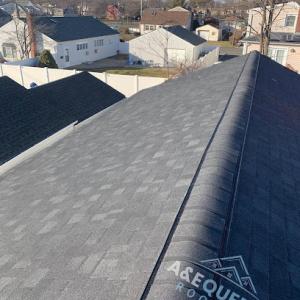
If you're in Queens and looking for a solid solution to your roofing problem, we are the roofers to call. We specialize in new roof installations and can help you now . Lets get full control of that roofing issue - call us now - we are the top roofers of Queens! We also handle siding, window installation and skylight installation as well!
Daniel's Roofing:Best roofing contractor Queens/Brooklyn Ny
(917) 204-2906 danielsroofingnyc.com
Serving
5.0 from 78 reviews
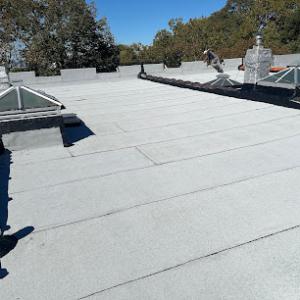
Fourth-generation roofing contractor that does the job right! Serving New York and surrounding areas since 1987. I have developed a fantastic reputation in customer service and fast but neat quality work at a price that won’t break the bank. When you call for a free estimate or just to ask some questions, you get to talk right to me, the owner. I’ll repair your home like it’s MINE!
William & Hugh Roofing
(347) 699-2260 www.queensnyroofingcontractor.com
Serving
4.9 from 53 reviews
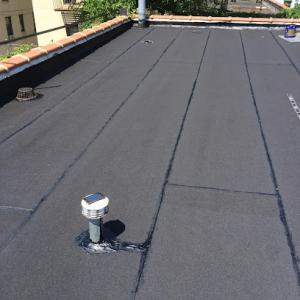
If you're looking for a roofer in Queens, NY, the professionals from William & Hugh Roofing is just a phone call away. We're a locally owned and operated business that will work hard to complete your next job according to your timeline and budget.
Royal Renovators
(718) 414-6067 www.nycrenovators.com
Serving
4.8 from 262 reviews
Royal Renovators is a trusted roofing contractor in Queens, serving homeowners and businesses throughout Queens, Brooklyn, Manhattan, the Bronx, and Long Island. We specialize in flat roof repairs and roof replacements for both residential and commercial properties. Since 1988, our licensed and insured team is BBB A+ Accredited and GAF Master Elite certified, working with flat and shingle roofing systems built to last. We also provide professional siding, masonry, and gutter services. From Brooklyn’s historic brownstones to Queens residential properties, clients choose us for honest, reliable roofing that withstands New York’s toughest weather. We offer emergency services for urgent leaks and storm damage. Call for Free Estimate today.
Power Roofing & Stucco Queens
(516) 995-8006 powerroofingnyc.com
Serving
5.0 from 30 reviews
Discover Power Roofing & Stucco Queens, the ultimate destination for your roofing and stucco needs. Based at 111-32 147th St, Jamaica, NY, our team of expert craftsmen are committed to delivering exceptional craftsmanship and customized solutions. With a focus on both roofing and stucco services, we empower homeowners and businesses alike to achieve their desired aesthetic and structural integrity. Trust Power Roofing & Stucco Queens for unparalleled quality and service, promising a safe and stunning exterior for your property.
SRT roofing services
(917) 459-8918 www.srtroofingny.com
Serving
4.7 from 92 reviews
srt roofing is a full service roofing company specializing in the installation and repairs of flat roof and shingle roof systems

Santamaria Roofing
(516) 808-7872 santamariaroofingservices.com
Serving
5.0 from 34 reviews
We haves the best materials
EA Chimney & Roofing
(718) 480-8350 eachimneyroofing.com
Serving
5.0 from 106 reviews
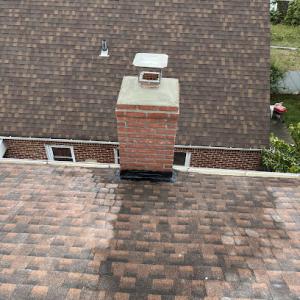
EA Chimney And Roofing has been safeguarding homes since 2009. Specializing in roofing services, we bring expertise and dedication to every project. Located in Jamaica, NY, we're committed to providing reliable solutions, ensuring the safety and beauty of your home's essential structures. Trust EA Chimney And Roofing to protect what matters most.
Paragon Chimney & Roofing of Queens
(347) 544-9554 paragonchimneyandroofing.com
Serving
5.0 from 482 reviews
Paragon Chimney & Roofing is dedicated to providing top-quality chimney and roofing services. Our team ensures safety, reliability, and customer satisfaction. Serving New York, we pride ourselves on expert craftsmanship and prompt service. Trust Paragon for all your chimney and roofing needs.
Winter in this corner of Queens delivers more than just cold mornings and gray skies. Roofs endure repeated freeze-thaw cycles that can open shingle seals, widen flashing gaps, and aggravate ponding on low-slope sections toward the rear. When water sneaks into tiny gaps and refreezes, it exerts steady pressure on seals and laps, slowly widening the weaknesses that the next thaw will exploit. On homes with mixed-pitch roofs, those tight transitions between steep main roofs and the flatter rear areas are especially vulnerable to this wear pattern. The result is not always dramatic leaks, but persistent slow drips and damp spots that seem to migrate after a heavy rain or a warm-up that brings out a sudden thaw.
Snow and refreezing along eaves are a recurring problem in Queens winters, especially where older ventilation or insulation leaves roof edges colder than interior roof planes. When the attic or soffit space loses heat, the eaves become a natural cold trap. Ice dams form at the edge, forcing meltwater to back up under shingles and flashing. In a dense housing landscape, where neighboring structures cast long shadows and limit sun exposure, those cold edges persist longer into the day, extending the window for damage. If gutters are clogged or misaligned, the risk compounds, and water can find new routes around flashing penetrations or joints. The steady march of moisture at the boundary between warm interior space and freezing exterior surface is a common source of hidden trouble that only shows up after the thaw.
Spring moisture in New York City can expose hidden winter damage, so many leak investigations begin after thaw periods and early-season rains. The thaw acts like a diagnostic test: it reveals where seals have weakened, where flashing has shifted, and where ponding has synchronized with higher temperatures to push water into vulnerable seams. In Ozone Park, where a mix of attached and closely spaced homes creates tight angles and shared roof lines, that thaw-driven reveal can travel from a single flashing corner to multiple planes if the underlying supports and underlayment have suffered prior cycles. Expect to see a pattern of damp ceilings or attic spots that flare up after a warm rain, then subside briefly only to return with the next freeze-thaw cycle.
Pay attention to the junctions where steep and low-slope sections meet. Inspect around all flashing, step and counter-flashing, and any valleys or transitions that channel water from the main roof toward the rear. If you notice new staining, any softening of roofing felt, or damp spots near eaves after winter, treat them as early warning signs rather than isolated incidents. Keep a close eye on snow buildup along hips and along the eaves during the season, and plan a careful post-thaw inspection to map out any progressive damage. In this climate, prevention means treating the affected transition points with the same care you give the more visible steep slopes.
In this neighborhood, many homes present a mixed-pitch profile: a tall, main front roof with steep shingles and a lower, rear section that slopes more gently. This pairing demands a plan that treats the two sections differently. Asphalt shingles fit most of the pitched front roofs well, offering reliable hail resistance and straightforward maintenance. The rear, low-slope area, however, benefits from a watertight approach tailored to its drip lines and wind-driven rain exposure. When planning a replacement, you should map each section's behavior through freeze-thaw cycles and seasonal winds, ensuring the rear system has enhanced edge detailing and proper flashing around transitions to the main roof. This approach reduces the risk of leaks where snowmelt and rainwater converge near the back of the house.
Tile and heavier roofing options do appear on select homes, but structural loading, access, and detailing are more consequential in older New York City housing stock. If choosing clay or concrete tile, verify that the underlying structure can carry the weight and that the roof deck, parapets, and chimneys are reinforced accordingly. On smaller lots or with limited access for loading and staging, a lighter option such as synthetic or composite shingles can deliver a long service life without overburdening the framing. Metal roofing, though a niche option locally, is actively considered where a longer service life against wet winters and hot summers is valued. In Ozone Park, metal's resilience to wind and rapid drainage can pay off in storm-rich months, but flashing detail, panel alignment, and roof-to-wall transitions require careful execution to avoid edge leaks along close-quartered gutters and parapets.
Detailing is the deciding factor on mixed-pitch roofs. The intersection where the front pitched roof meets the rear low-slope must be sealed with a well-planned drip edge and continuous underlayment. In dense housing, repetitive roof lines mean many corners and chimney bases; those joints demand robust flashing with proper sealants that tolerate New York's freeze-thaw cycles. For the rear low-slope, ensure that the chosen system maintains a consistent sun and wind exposure profile, with edge drainage that doesn't create ponding near walls or foundations. Regular inspection around attic ventilation, soffits, and transitions helps catch early signs of moisture migration, especially after heavy rainstorms or a winter thaw. A local contractor who has experience with the area's common framing configurations, common setback rules, and the typical spacing of adjoining homes can tailor a plan that minimizes leaky risk while keeping the roof visually cohesive with the primary line.
In this dense Queens neighborhood, roofs frequently blend steep shingle sections with low-slope rear runs. That mix pushes a project toward pricing that covers both a shingle replacement and a low-slope area, rather than a single, clean scope. Labor costs here reflect New York City rates, and the work often requires extra setup time on tight lots and attached-home blocks. Storm-driven demand can spike pricing and extend scheduling after strong winds or heavy rains.
Asphalt shingles remain the most common entry point, with typical costs around 350 to 700 USD per square, depending on shingle quality and exact roof configuration. If metal roofing is chosen, expect 900 to 1,500 USD per square, driven by panel profiles and fastening details on constrained lots. For clay or concrete tiles, price bands run higher-clay from roughly 1,100 to 1,800 USD per square and concrete from 900 to 1,700 USD per square. Wood shingles or shakes sit around 800 to 1,200 USD per square, while synthetic or composite shingles hover near 800 to 1,300 USD per square. In mixed-pitch scenarios, you'll often see a blended estimate that mirrors both the shingle and low-slope components rather than a uniform figure.
Expect volatility tied to regional weather. After a major wind event or heavy rain, crews may be in higher demand, with shorter lead times and potentially higher mobilization costs. Given tight lots, some crews may need to stage equipment carefully or work around neighboring properties, adding incremental days and labor charges. For budgeting, build a contingency of 5-15% to absorb speed-driven or weather-related delays.
Start with a two-part estimate: one line for the steep, shingle portion and a second line for the low-slope rear section. Ask for a single integrated proposal that still itemizes materials and labor by roof zone, so you can compare options clearly. When reviewing bids, prioritize crews with documented experience in mixed-pitch installations and in-site logistics on narrow Queens blocks. This approach helps stabilize costs and keeps replacements on schedule even when storm demand spikes.
Get a clear picture of your project costs upfront - no commitment required.
Daniel's Roofing:Best roofing contractor Queens/Brooklyn Ny
(917) 204-2906 danielsroofingnyc.com
Serving
5.0 from 78 reviews
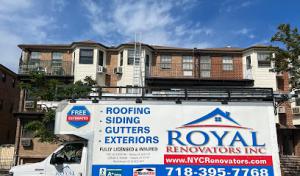
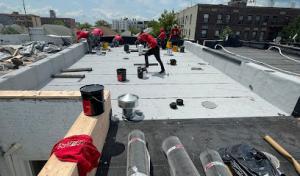
A full reroof in this area typically requires filing through the New York City Department of Buildings rather than a village or town building office. The process is designed to keep dense block layouts and attached homes protected during a roof replacement, so timing and coordination with inspections matter. You should expect the project to be reviewed under NYC rules rather than local town guidelines.
In practice, the roofing contractor commonly handles permit filing. This streamlines the workflow because the contractor tracks documentation, job scope, and required drawings. If you prefer to oversee the filings yourself, you can coordinate with the contractor and submit through the NYC Buildings website or the borough office, but be prepared for a bit more back-and-forth during review.
Inspections typically occur around tear-off or underlayment stages and again at final completion. Knowing when to expect the visits helps you schedule crews and materials without standing idle. Plan for a window where roof decking is exposed, or underlayment is being installed, so the inspector can verify material quality and adherence to code.
Inspection timing can vary by district workload, which matters in Queens when weather windows are short and homeowners are trying to avoid prolonged exposure after tear-off. If a storm or cold snap hits during the project, you may see delays in scheduling, so coordinate with the contractor to align tear-off, underlayment, and final inspection as tightly as practical.
Keep a dedicated contact for permits and inspections, and maintain clear access for inspectors and tradespeople. Have your project scope, including mixed-pitch details and any rear, low-slope areas, documented so the inspector can verify conformity quickly. Knowing the NYC process helps minimize surprises and keeps the reroof moving toward a timely completion.
In Ozone Park, insurers tighten scrutiny after major regional storms, especially when wind-driven rain or repeated interior leaks appear on roof lines that mix steep shingles with low-slope rear sections. Carriers expect the path from storm to settlement to be plausible, traceable, and timely. When a claim crosses the fault lines between sudden damage and ongoing maintenance, adjusters may pause to question whether the failure happened quickly or was a slow-built issue. This is not unique to one block; it's common across the dense Queens housing stock that characterizes the area.
Detailed photo documentation, dated interior leak evidence, and contractor scope notes become essential tools in this market. Carriers may scrutinize whether moisture appears abruptly after a storm or hints at long-standing maintenance needs. You should photograph roof surfaces, flashing transitions, and interior signs of water intrusion before and after every repair step. Keep a clear log of weather events and contractor observations. When you present a claim, a well-supported narrative-backed by visuals and a written scope-helps distinguish a covered loss from ongoing neglect.
Tighter wind or hail terms in parts of the New York market can influence whether you repair selectively or replace proactively. The pressure from rate-sensitive policies means a well-planned approach matters: you may find that replacing compromised mixed-pitch sections yields fewer future headaches than piecemeal fixes, especially when rear low-slope areas are prone to freeze-thaw damage. In this climate, a proactive, well-documented plan can reduce time under unresolved leaks and limit back-and-forth with adjusters.
For homeowners facing a storm-detched roof, align your contractor scope with the strongest evidence you can assemble. Build a narrative that clearly differentiates a sudden loss from a history of minor issues. In a neighborhood where every home shares similar constraints, your preparedness and transparency set the tone for how quickly and fairly a claim moves through the system. In Ozone Park, a cautious, well-documented approach often yields steadier outcomes when storms and leaks converge.
Connect with contractors who help homeowners navigate the claims process from damage assessment to final approval.
Daniel's Roofing:Best roofing contractor Queens/Brooklyn Ny
(917) 204-2906 danielsroofingnyc.com
Serving
5.0 from 78 reviews
On these long-standing row and duplex homes, leaks often trace back to flashing at chimneys and skylights rather than the roof field. Start by inspecting the chimney cricket or saddle and the step flashing where the chimney meets the roof plane. Look for loose or missing metal, deteriorated tar or sealant, and rust stains down the brick. When resealing, use a corrosion-resistant metal flashing kit and install a continuous counter-flash to shed water away from the joint. Recheck after heavy rains or a freeze-thaw cycle, as failure often shows up as a small wet spot on the ceiling near the chimney line.
Parapets are common in closely spaced Ozone Park homes and are prime trouble spots because wind-driven rain can push water right to the edge flashing. Inspect the top cap flashing and the return corners where parapet walls meet roof planes. If you see bubbling sealant or gaps behind the coping, address them before a storm. Install or replace continuous edge flashing above the parapet, and seal joints with a compliant, elastomeric sealant that remains flexible in cold weather. In crowding conditions, ensure flashing extends well behind any coping and overlaps the drip edge to direct water away from wall seams.
Transitions where the roof meets vertical walls require precise flashing and tight sealing. Poor or shifting transition flashing invites water behind the wall sheathing, especially on attached homes with limited eave overhangs. Use an integrated pan-and-flashing approach at these junctions, and nail or fasten through the flashing with corrosion-resistant hardware. Check for mortar gaps around masonry corners and seal with flexible sealant that bonds to both brick and shingle underlayment. In dense blocks, small misalignments at these edges rapidly become larger leaks during storms.
Queens-style homes with older masonry chimneys demand careful integration between roofing and chimney work because water entry can mimic a roof failure. When replacing shingles near a chimney, extend the underlayment up the chimney side for a tight seal, and pair it with proper counter-flashing that overlaps the base flashing. If the chimney has signs of brick spalling, address the masonry issue concurrently to prevent water tracks from following imperfect brick joints into the attic. Regularly monitor the flashing junctions after winter thaw cycles, when leaks tend to reappear in the chimney area.
Find contractors experienced in skylight installation, flashing, and leak repairs to bring natural light into your home.
Daniel's Roofing:Best roofing contractor Queens/Brooklyn Ny
(917) 204-2906 danielsroofingnyc.com
Serving
5.0 from 78 reviews
The local market is heavily oriented toward reroofing and repair rather than only new construction, which matches the needs of Ozone Park's established housing stock. Many homes on the block have mixed-pitch roofs, with steep front sections and low-slope rear areas that demand careful planning and durable materials. When a leak hits on a dense residential block, homeowners expect crews that can mobilize quickly, tidy up, and leave the yard and curb free of debris.
Long-established, family-run outfits and residential-focused crews are a visible part of the Queens market. Look for a company that treats ongoing maintenance as seriously as a full replacement. Start by asking for recent local work and references from homeowners on nearby streets with similar roof types. Confirm they carry a physical office and a local phone contact, not just a cell line. A quick site visit should occur within a day or two of initial contact, since response time is a common priority here.
Verify that the contractor has current NYC licensing and sufficient insurance coverage, including liability and workers' compensation. Ask who will be the point person on the project and whether the team will handle debris removal and site cleanup daily. Confirm the plan for the mixed-pitch sections: owners frequently need a clear strategy for sealing low-slope areas prone to freeze-thaw leaks and wind-driven rain. Request a written scope that outlines material types, number of crews, and expected turnaround for a typical dense-block roof.
On dense blocks, storms drive urgency. Seek a contractor who can set realistic timelines, provide interim temporary measures if needed, and maintain steady cleanup even when weather forces tight rushes. Clear communication about progress, access, and parking helps minimize disruption to neighboring homes and keeps the project moving smoothly.