Last updated: Apr 19, 2026
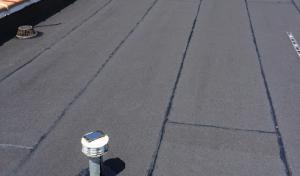
In Jamaica, many houses are tight-knit, with low-slope rear sections, porch roofs, and parapet edges hugging neighboring structures. Those familiar leak points are not just a single issue; they tend to converge where roof meets wall, around coping caps, around skylights, and at the perimeter flashing. Ice and wind-driven rain chase through these narrow joints, and a small lapse in flashing or a cracked seal can foul an entire perimeter. The pattern is often a mix of lateral intrusion along the parapet and vertical migration at the roof-to-wall transition, so tracing a leak means watching both edge details and the field shingles for signs of movement or moisture staining.
New York City's winter climate means repeated freeze-thaw cycles are a daily concern for Jamaica's roofs. The weakness usually shows up at roof-to-wall transitions, where water can creep under coping caps or along the top edge of parapets. Scuppers, when present, are typical weak links if their joints aren't properly sealed or if debris blocks drainage. Perimeter flashing-where the roof deck meets the wall, and where flashing laps onto the parapet-often bears the brunt of wind-driven rain. In practice, this means that you should prioritize inspection of metal step flashing, counter-flashing at the wall, and any laps along the parapet cap during a winter after heavy precipitation.
Because homes are tightly spaced, water intrusion can look like a wall or party-wall issue on the adjacent side. A leak that appears to originate on the neighbor's side may actually be your own roof flashing or coping cap seeping water inward. The crowded layout makes leaks travel along hidden channels between structures, so a trace may change direction once it crosses the party wall. When diagnosing, start at the suspected roof edge closest to the intrusion and work inward, testing each seam and transition. A dry day is helpful, but a light mist from a hose can reveal how water travels along the parapet and down the wall.
Begin with a careful walk along the parapet edges and rear low-slope sections, where infiltration is most likely. Look for peeled sealant, cracked or missing mortar, and loose coping caps. Check where the roof deck meets the wall, paying close attention to any changes in color or texture that imply moisture intrusion. Next, inspect perimeter flashing-both the metal flashing that sits on the deck edge and the counter-flashing that seals it from above. If there are skylights or vents along the rear roof line, remove any debris around the flashing and reseal joints. Finally, examine roof-to-wall transitions in the porch and any balcony-like areas; these spots see a lot of wind-driven rain and can develop micro-cracks that widen with temperature swings.
Over time, sealants dry and crack, and flashing can warp from wind uplift. On low-slope surfaces, the field shingles may show more wear where wind protection is weakest, but the real leaks often start at the edges. In dense housing, the wind can funnel rain into narrow channels along the edge of the parapet or around a chimney, if present. Look for staining that travels along the deck edge or along siding beneath roof lines, which is a telltale sign the problem rests at the edge rather than in the middle of a field shingle. If a visible crack or gap forms at the transition, water can travel many feet before dripping indoors.
Address parapet cap integrity first; if the cap is loose or cracked, resealing or replacing the cap often yields the biggest improvement. Improve edge flashing where it laps onto the parapet and ensure proper counter-flashing up against the wall. Sealants must be compatible with the existing materials and should be checked for cold-weather performance. Clear debris from scuppers and ensure that gutters and downspouts are directing water away from the base of the wall. For porch roofs, concentrate on the flashing around any rail posts and the transition where the porch roof meets the main structure. If the leak traces to a skylight or vent, inspect the flashing kit and replace any compromised gaskets or flashing pieces. In tight, attached layouts, small fixes can stop a cascade-prioritize edges and transitions before chasing hidden leaks in the field.
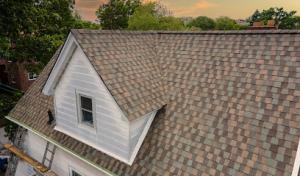
Jamaica roofs are exposed to spring wind events and fall nor'easters that can lift shingles, loosen flashing, and drive rain under vulnerable edges. When a gust cuts through the dense street canyons, shingles on low-slope and attached homes can peel at the rake and eave line, and flashing aroundParapets, chimneys, and skylights can separate just enough to let water intrude. The result is not just a few drips-it's sudden interior staining, soaked insulation, and accelerated deck corrosion if the system isn't checked promptly after a storm. Check for loose or missing shingles within 24 to 48 hours after a heavy wind event, especially along the west and southwest exposures where gusts are strongest. If you find lifted tabs, torn underlayment, or popped nails, address these issues quickly before a new storm compounds the damage.
Snow and ice accumulation after winter storms can create ice-dam-related backup at eaves and gutter lines on older Queens homes with uneven insulation and ventilation. Ice dams force meltwater to back up behind roof edges, sneak under shingles, and push into joints around penetrations. The effect is most acute on low-slope roofs where water has nowhere to run but under the roofing and into soffit passes. Inspect the eaves for icicles, moisture staining, or softened wood, and pay particular attention to gutters and downspouts that clog with winter debris. If ice dams form, remove standing icicles safely and, if practical, clear clogged gutters from a secure ladder position. Address ventilation and insulation gaps to curb repeat dam formation, and consider upgrading edge detailing where flashing seals into parapets and chimney bases.
Debris from dense street-tree corridors and neighboring structures can add puncture and gutter-clogging risk during wind events. Branches, leaves, and other shed material can accumulate on roofs and trap moisture, inviting leak paths at lap joints, ridge lines, and around skylight curbs. After a storm, inspect for punctures in the field of the roof and around penetrations. Clear debris from gutters and downspouts to prevent backflow that forces water into eave joints and underlayment. If a gutter hits a vulnerable edge or shows signs of warping, secure or replace improperly seated sections to maintain a continuous seal. In high-wind periods, ensure all vent flanges and flashing pitches align with the roof plane to avoid gust-driven movement that can loosen connections and invite water infiltration.
Find local contractors experienced in assessing and restoring roofs after hail, wind, and severe weather events.
J C Master Inc Roofing & siding
(347) 400-2611 jcmasterinc.net
111-23 Jamaica Ave, Jamaica, New York
4.0 from 92 reviews

Paragon Chimney & Roofing of Queens
(347) 544-9554 paragonchimneyandroofing.com
Serving
5.0 from 482 reviews
EA Chimney & Roofing
(718) 480-8350 eachimneyroofing.com
164-06 Foch Blvd, Jamaica, New York
5.0 from 106 reviews
EA Chimney And Roofing has been safeguarding homes since 2009. Specializing in roofing services, we bring expertise and dedication to every project. Located in Jamaica, NY, we're committed to providing reliable solutions, ensuring the safety and beauty of your home's essential structures. Trust EA Chimney And Roofing to protect what matters most.
Santamaria Roofing
(516) 808-7872 santamariaroofingservices.com
155-56 116th Dr, Jamaica, New York
5.0 from 34 reviews
We haves the best materials
Power Roofing & Stucco Queens
(516) 995-8006 powerroofingnyc.com
111-32 147th St, Jamaica, New York
5.0 from 30 reviews
Discover Power Roofing & Stucco Queens, the ultimate destination for your roofing and stucco needs. Based at 111-32 147th St, Jamaica, NY, our team of expert craftsmen are committed to delivering exceptional craftsmanship and customized solutions. With a focus on both roofing and stucco services, we empower homeowners and businesses alike to achieve their desired aesthetic and structural integrity. Trust Power Roofing & Stucco Queens for unparalleled quality and service, promising a safe and stunning exterior for your property.
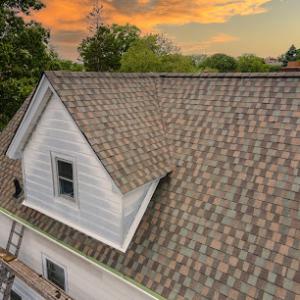
J C Master Inc Roofing & siding
(347) 400-2611 jcmasterinc.net
111-23 Jamaica Ave, Jamaica, New York
4.0 from 92 reviews
JC Master is a licensed, insured roofing & siding contractor serving New York City—Brooklyn, Queens & Long Island—since 1997. We specialize in roof repairs & full replacements (shingle, flat/TPO/EPDM), gutters, leak detection, storm-damage assessments and insurance-claim support. Most of our work comes from referrals because we show up fast, document the damage, and handle the paperwork with your carrier. Free same-day inspections, clear pricing, and crews you can trust for family homes and multi-family buildings. Call for a visit today.
Paragon Chimney & Roofing of Queens
(347) 544-9554 paragonchimneyandroofing.com
Serving
5.0 from 482 reviews
Paragon Chimney & Roofing is dedicated to providing top-quality chimney and roofing services. Our team ensures safety, reliability, and customer satisfaction. Serving New York, we pride ourselves on expert craftsmanship and prompt service. Trust Paragon for all your chimney and roofing needs.
Five Star Roofing
(718) 795-6640 fivestarroofingny.net
Serving
4.8 from 443 reviews
Five Star Roofing is a fully licensed and insured commercial and residential roofing company located in Queens, NY. Since 2008, we have provided top-quality roofing services to Queens, Brooklyn, and Long Island homeowners. Our team of experienced and certified roofing professionals specializes in flat, shingle, tile, and metal roofs, as well as urgent repairs. Whether you need roof repairs, replacements, or installations, we have you covered! With a strong emphasis on excellent customer service and premium craftsmanship, we have built a reputation as one of the most trusted roofing companies in the area.
Royal Renovators
(718) 414-6067 www.nycrenovators.com
Serving
4.8 from 262 reviews
Royal Renovators is a trusted roofing contractor in Queens, serving homeowners and businesses throughout Queens, Brooklyn, Manhattan, the Bronx, and Long Island. We specialize in flat roof repairs and roof replacements for both residential and commercial properties. Since 1988, our licensed and insured team is BBB A+ Accredited and GAF Master Elite certified, working with flat and shingle roofing systems built to last. We also provide professional siding, masonry, and gutter services. From Brooklyn’s historic brownstones to Queens residential properties, clients choose us for honest, reliable roofing that withstands New York’s toughest weather. We offer emergency services for urgent leaks and storm damage. Call for Free Estimate today.

Reliable Seamless Gutters
(347) 416-0771 reliableguttersroofers.com
Serving
4.9 from 94 reviews
Reliable Seamless Gutters is your trusted partner for professional roofing and gutter services that not only enhance the overall aesthetics of your home but also provide essential protection against the most challenging weather elements. Our team consists of highly trained contractors who take pride in their workmanship and go the extra mile to ensure your satisfaction. We specialize in installing quality gutters and roofing systems tailored to your needs. When you choose us, you can expect a thorough consultation to assess your home and discuss the best options. Our meticulous installation ensures every component fits perfectly for optimal effectiveness and durability. Trust us to provide a reliable roofing and gutter system for years.
NY's ELITE ROOFING & SIDING
Serving
3.7 from 63 reviews
NY's ELITE ROOFING & SIDING INC. is a family owned and operated Company in NY, USA. We Service ALL Areas off NY, Long Island, Brooklyn, Queens, Bronx, Staten Island, Westchester, Suffolk and Nassau Country and Other Location's within the vicinity. Our Team has been expertly providing Roofing and Siding Installations for Over 25 Years- Making US the TOP CHOICE among ALL the other contractors providing Similar Services in the Area. We are FULLY EQUIPPED and LICENSED & INSURED Roofing and Siding Contractors. Our Team Specializes in ROOF INSTALLS, ROOF REPAIRS, ROOF REPLACEMENTS in Areas of NYC, LONG ISLAND, BROOKLYN, Westchester, Suffolk and Nassau County Plus Many Other AREAS of NY, USA 🇺🇸🇺🇸 2022 The Year of making it HAPPEN
Metro roofing
(347) 748-2500 themetroroofingcompany.com
Serving
4.8 from 52 reviews
Our company strives for quality and reasonable pricing . We pride our selves on our reputation and continue to work up to it
Master Roofing
(718) 957-0313 www.master-roofers.com
Serving
4.5 from 55 reviews
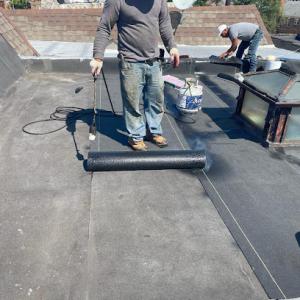
Looking for a reliable roofing company in NYC? Look no further than Master Roofing With years of experience, we offer high-quality roofing services for residential, commercial, and industrial properties. Our team of skilled roofers uses top-quality materials and the latest techniques to ensure your roof is strong and durable. We provide personalized service and attention to every client, ensuring that your unique needs and budget are met. Contact us today for competitive pricing and efficient service. Our Services: Roof installation, Roof repair, Roof maintenance, Gutter installation, Gutter repair, Roof insulation installation, Roof cleaning, Emergency roof repair services, Roofing inspections, Roof replacement & more
Skyward
(718) 878-6748 www.skywardroofing.com
Serving
5.0 from 82 reviews
Skyward Roofing - Queens is a professional and trusted roofing company catering to the roofing needs of commercial and residential clients. With vast experience, our team of skilled experts offers quality roofing services customized to meet the special needs of every client. From new installations and repairs to inspections and maintenance, we deliver excellent artistry using quality materials and modern techniques. Dedicated to client satisfaction, we ensure timely project completion, moderate pricing, and a commitment to surpassing client expectations. Reliable, trustworthy, and efficient, we are the most sought-after company for roofing needs. Call us or visit our site for more information.
In Jamaica, full roof replacements generally fall under New York City Department of Buildings permitting rather than a small standalone village or town office process. That means the project isn't just about pulling a form and moving forward; it's about aligning with DOB requirements that govern weatherproofing, flashing, ventilation, and the integrity of parapets and skylights. The weather in this area drives decisions year-round, and a permit ensures the work meets the city's standards for drainage, insulation, and wind resistance. Going without the proper permit can throw a project off balance later, especially when winter returns and the need for a dependable, water-tight roof is at its most urgent.
Projects typically require filing a scope of work, possible plan review depending on the job, and inspections tied to weatherproofing, flashing, and ventilation before final sign-off. The scope of work should clearly describe the roof type, underlying structure, and the chosen materials, with attention to how low-slope sections will handle ice damming and wind-driven rain. Plan review, when required, serves to catch flashing details around dormers, parapets, and chimneys that are common trouble spots on Jamaica homes. Inspections are not just a formality; they are placed at practical milestones, ensuring each stage properly addresses water intrusion, venting, and the continuity of drainage. The sequence of inspections can feel slow if weather windows don't cooperate, so it helps to align the work calendar with anticipated inspections to avoid delays.
Queens homeowners should expect DOB correction cycles if inspectors find deficiencies, which can affect project timing more than in jurisdictions with lighter oversight. A frequent issue is inadequate flashing transitions where a low-slope roof meets a vertical wall or a chimney chase. Another recurring concern is improper ventilation details that can trap moisture and compromise roof longevity. If the plan review flags a need for revised drawings, even small changes to curb appeal or parapet details can trigger another round of review. It is prudent to prepare for these steps before demolition begins so that the project does not stall once work is underway, particularly during late fall when the window for reliable weatherproofing becomes tighter.
Engage a contractor who has experience navigating NYC DOB expectations and who can articulate the inspection milestones you'll encounter. Document existing conditions with photos and measurements, especially around parapets, skylights, and head-of-wall transitions, so the scope of work can reflect real-world quirks of Jamaica homes. Keep a clear line of communication with the permit office and your contractor about weatherproofing priorities, such as ensuring continuous air barriers and robust flashing details. If an inspector points out deficiencies, address them promptly with a plan and timeline, because the pace of correction cycles tends to shape the overall project timeline more than in areas with lighter oversight. The goal is a durable, code-compliant roof that stands up to freeze-thaw cycles and wind-driven rain, with a permit process that keeps that outcome firmly in focus.
In Jamaica, labor rates align with New York City standards, so even routine low-slope repairs can run higher than suburban areas. Expect longer crews and tighter timelines as crews coordinate with multiple attached homes on narrow streets. Access is a real constraint: limited driveways mean staging ladders, dumpsters, and materials often need to share curb space with neighboring homes. That logistical choreography adds time and labor charges that show up in the day-rate and overall project timeline.
Tear-off work is notably more expensive here when compared to lighter-density neighborhoods. Narrow lots and tight driveways complicate debris containment and disposal logistics. Parking constraints force crews to shuttle materials in small batches, increasing the number of trips and the risk of small-scale damage to surrounding properties. Expect higher dumpster or haul-away costs, plus additional labor for careful debris sorting and cleanup to keep adjacent homes protected from dust and shingle fragments.
Material choice matters sharply in Jamaica. Asphalt shingles remain the most common value option, delivering solid protection without excessive weight. Metal, clay tile, and concrete tile rise in cost quickly when older homes require reinforced framing, upgraded fasteners, or custom flashing to handle wind-driven rain and freeze-thaw cycles. If a home has multiple penetrations-chimneys, skylights, or parapets-custom flashing details become essential, driving both material and labor costs upward. On attached homes with limited space, installers may need additional underlayment or secondary drainage solutions to prevent leaks during freeze-thaw cycles.
Low-slope roofs and attached-row designs demand careful attention to edge detailing and parapet transitions. Expect higher costs for quality underlayment, leak barriers, and precise flashing around borders where wind-driven rain concentrates. Asphalt shingles offer a predictable cost-to-performance balance, while metal or tile systems, if feasible, push prices higher due to structural and detailing requirements on older masonry facades. Plan for staging challenges, and discuss with the contractor how short workdays and tight access may extend the project timeline and labor charges.
Get a clear picture of your project costs upfront - no commitment required.
HK Builders: Best Roofing Company in Flushing
(718) 479-8888 hkbuilderscorp.com
Serving
4.8 from 119 reviews
Asphalt shingles fit much of Jamaica's detached and semi-detached housing because they balance cost with acceptable performance in New York freeze-thaw conditions. For low-slope and attached roofs common in this area, asphalt shingles provide a straightforward, repair-friendly option. When choosing, prioritize durability under wind-driven rain and consider a architectural or thicker fiberglass layer to resist blistering and lifting along parapets and dormers. Proper underlayment and flashing around dormers, skylights, and chimney flashings are essential to prevent ice dam formation and leak paths during harsh winters.
Metal roofing can be attractive for longevity and snow shedding, but detailing is especially important on Queens homes with dormers, chimneys, and mixed-slope rooflines. A metal system with a well-sealed valley, carefully integrated penetrations, and continuous edge detailing helps manage wind uplift and flashing around parapets. For Jamaica's typical attached layouts, expect enhanced wind resistance where roof sections meet walls and where gutters must be protected against ice backups. Note that color and profile selections should consider neighboring homes to preserve curb appeal while delivering dependable performance through freeze-thaw cycles.
Clay and concrete tiles offer durability, but their weight and installation complexity demand a careful structural check for older housing stock. On low-slope sections, tile systems must be paired with robust underlayment and precise flashing details at chimneys and proximity to parapets to avoid leaks during wind-driven rain events. Wood shingles or shakes provide a traditional look but require consistent maintenance and moisture management to prevent cupping and rot on aging framing. Synthetic products can mimic tile or shake aesthetics while improving installation flexibility on uneven or mixed-slope roofs; however, evaluate neighborhood aesthetics and flashing complexity to maintain a cohesive exterior. In Jamaica, these materials often appear in markets alongside more common options, demanding careful assessment of structure, nearby dwellings, and the intricacies of chimney and skylight flashing.
In practice, the best choice aligns with the home's roof geometry, neighborhood style, and the complexity of flashing details at parapets, chimneys, and dormers. For older stock, a material that tolerates irregular rooflines and allows precise integration with flashing details offers more reliable leak prevention under NYC freeze-thaw conditions. Across all options, the continuity of the underlayment, the quality of edge and valley flashings, and the method of fastening against wind exposure are decisive in maintaining a watertight roof through the winter and during heavy rain events.
Explore specialists in steel, aluminum, and standing seam metal roofs built to last 50 years or more.
Power Roofing & Exteriors Far Rockaway
(516) 995-4007 powerroofingnyc.com
Serving
5.0 from 33 reviews
Paragon Chimney & Roofing
(646) 844-2022 www.paragonchimneyandroofing.com
Serving
5.0 from 806 reviews
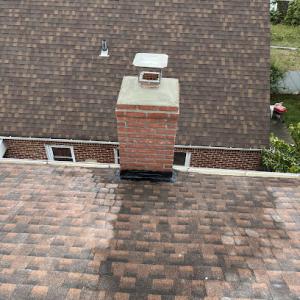
Chimneys and skylights present unique leak risks on Jamaica's dense residential blocks. Many older Queens homes still have masonry chimneys, and that combination creates recurring flashing and counterflashing issues that show up after winter thaws and windy spring rains.
Chimney flashing should be inspected with the same care given to parapets. Begin at the base and work upward, checking for cracking sealant, deteriorated metal boots, and rusted counterflashing. When a cap or crown shows wear, water can wick down the masonry and into the detail, so keep an eye on mortar joints near the flashing and any efflorescence that signals moisture movement.
Skylights are a meaningful local specialty. In this climate they often fail first at seals and surrounding flashing during wind-driven rain and winter expansion-contraction cycles. Inspect the skylight curb for any movement or gaps, and test seals by gently pressing on glazing beads and the glass edge. Look for condensation between panes if a double-glazed unit is installed, and check the outer flashing where it meets the roofing material.
On dense residential blocks, multiple penetrations such as vents, satellite mounts, and patched additions can create layered repair histories that complicate leak diagnosis. Start by mapping all penetrations on a single roof plane, then trace a suspected leak to its most recent penetration. Watch for overlapping flashing from previous repairs that may trap water rather than shed it.
Step-by-step maintenance plan: clean gutters and valley debris, reseal cracked joints with compatible sealant, and re-flash any suspect chase or chimney area with correct metal flashing. Schedule targeted inspections after storms that feature high wind and freezing rain, and keep a close eye on soffit and header areas where wind-driven rain can intrude.
In practice, a quick annual check tied to seasonal transitions can prevent costly repairs and keep roofs over Jamaica's homes dry through the worst months.
Find contractors experienced in skylight installation, flashing, and leak repairs to bring natural light into your home.
Paragon Chimney & Roofing of Queens
(347) 544-9554 paragonchimneyandroofing.com
Serving
5.0 from 482 reviews
Daniel's Roofing:Best roofing contractor Queens/Brooklyn Ny
(917) 204-2906 danielsroofingnyc.com
Serving
5.0 from 78 reviews
In Jamaica, NY, claims are won or lost on paperwork as much as on shingles. New York roof claims generally require strong documentation, so Jamaica homeowners should keep dated photos, contractor assessments, and storm-timing notes when damage appears. A clear sequence of events helps insurers see whether a problem emerged with a single weather incident or gradually over time. When you photograph a roof, capture the parapet and flashing details around chimneys and skylights, since those spots often become the first signs of trouble after wind-driven rain. A simple, organized file that you can present at the adjuster's first visit can keep the process from dragging on.
Older roofs in Queens may face depreciation or higher deductibles in claims, making age and maintenance records especially important before filing. If your roof has lived through multiple winters, a knowledgeable adjuster will look at how well it was maintained before the latest damage appeared. Keep track of past repairs, re-sealing around penetrations, and any recent inspections. In dense rowhouse neighborhoods, a small leak can be tied to a long-standing condition rather than a single event, and insurers will weigh that history carefully. Having a recent maintenance report from a trusted contractor can help you demonstrate diligent care rather than last-minute improvisation.
Because wind, leaks, and gradual deterioration can overlap on older city homes, insurers often scrutinize whether damage was sudden storm loss or long-term wear. On a typical Jamaica roof, a tiny flashing flaw may sit unnoticed until a strong gust or freeze-thaw cycle exposes it. Prepare notes that tie specific damages to particular storms or to years of exposure to the elements. Clear, objective evidence reduces ambiguity and supports a fair assessment when the claim is reviewed.
Connect with contractors who help homeowners navigate the claims process from damage assessment to final approval.
J C Master Inc Roofing & siding
(347) 400-2611 jcmasterinc.net
111-23 Jamaica Ave, Jamaica, New York
4.0 from 92 reviews
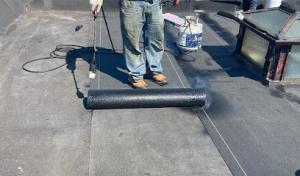
In Queens, tight lots and little room for debris make a quick-response crew and a cleanup-focused contractor essential. Look for a team that can mobilize fast after a leak and haul away debris in one pass. Neighborhood familiarity matters here; long-standing, family-owned firms are common and often preferred for steady service and a regular presence on your block. A crew that already works nearby will know the quirks of rowhouse construction and the typical flashing details around parapets, chimneys, and skylights that trigger leaks after a heavy rain or a freeze-thaw cycle.
When you call, describe your roof as low-slope and attached, with potential chimney corrugation or skylight flashing that needs inspection. Ask if they routinely perform on-site inspections, corrections to flashing, and adjustments for older homes. A reputable Jamaica contractor will walk the roof edge, parapet, and any dormers or chimney collars, then point out likely problem spots and a clear plan to address them. If the firm avoids these details or promises a one-size-fits-all fix, keep shopping.
Ask for local references and request a brief walkthrough of a nearby job with similar construction. The best teams show up with proper equipment for low-slope work, including temporary containment to protect siding and driveways and a method for safe debris removal on narrow lots. Confirm they document the condition of eaves, gutters, and downspouts, and that they include flashing corrections as part of the repair plan. For older homes, verify they anticipate chimney flashing and counterflashing needs, plus any brick or mortar concerns that could complicate a leak.
Choose a contractor who communicates clearly, follows a step-by-step plan, and can adapt to winter wind-driven rain and freeze-thaw cycles. Prioritize firms with a track record of thorough inspections, precise flashing work, and reliable post-repair follow-up. A steady, neighborhood-based presence is a strong signal you'll get the attention you need if future issues arise.
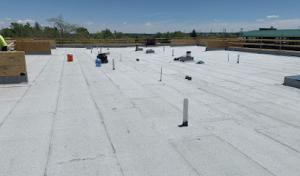
Coatings are a niche but active option in this market, most relevant on select low-slope roof sections where restoration may be considered instead of full replacement. In these parts of the roof, a coating can seal minor surface imperfections and extend life between major repairs. The winter freeze-thaw cycle and wind-driven rain common to Queens mean coatings must be compatible with the existing roof substrate and flashing details around parapets and skylights.
Coatings are not a universal fix; they perform best as a targeted repair on clean, sound surfaces. Do not treat the roof as an open field. Before applying, confirm drainage paths remain clear and that all penetrations-vents, pipes, chimneys, and HVAC curbs-are properly flashed and sealed. A coating should bridge small leaks and reduce surface absorption, but it won't compensate for structural or major flashing failures. In Jamaica, where many low-slope sections face seasonal moisture shifts, the preparation step matters more than the coating itself.
Solar-integrated roofing appears in the contractor base but is still a smaller specialty compared with emergency repair, storm work, and conventional re-roofing. In practice, solar options must be evaluated alongside drainage and shading considerations on each plane of the roof. For Jamaica homes, ensure the system accommodates parapet edges and vertical penetrations without compromising existing flashing, and plan for potential service access around skylights and vent stacks.
On Queens homes, any coating or solar decision has to account for existing drainage, penetrations, and DOB review requirements rather than treating the roof as a simple open field. Inspect the condition of edge details, drainage outlets, and parapet flashing before deciding. Coordinated sequencing with contingencies for wind-driven rain events will help protect the roof while you pursue a coating or system upgrade.
Extend the life of your existing roof with reflective or waterproof coatings that protect against UV and moisture.
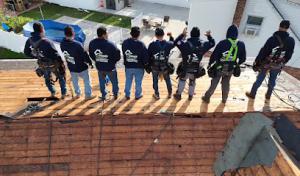
Power Roofing & Stucco Queens
(516) 995-8006 powerroofingnyc.com
111-32 147th St, Jamaica, New York
5.0 from 30 reviews