
Last updated: Apr 19, 2026
Fresh Meadows sits in northeastern Queens, where cold snaps, snowpack, and freeze-thaw cycles commonly expose weak flashing, roof edges, and drainage points during winter. When the temperature swings above and below freezing, small gaps in metal flashing, compromised sealants, and cracked edge trim can suddenly become major leaks once larger icicles form or warm sun creates rapid melt. Pay particular attention to valleys, transitions between siding and roofing, and any penetrations around vents, chimneys, and skylights. These spots are most likely to fail first when the weather turns harsh and mornings are crusted with frost.
The neighborhood includes both detached houses with pitched roofs and attached or extension roofs with low-slope sections, so homeowners often face leak patterns that differ on the same property. A pitched main roof can shed snow effectively, but a trailing low-slope addition or dormer may trap moisture, leading to standing ice and water at the eaves or along edge details. Where a low-slope roof meets a vertical wall or a flashing seam, winter weather can push water into seams that would otherwise drain cleanly in a steeper section. This combination means a single home can suffer both edge leaks and interior drips from different parts of the roof line after a storm.
Because New York City roofing work can be delayed by winter weather and site safety logistics, temporary tarping and rapid leak control are especially important after snow or storm events. If a small leak appears, tarp the affected area promptly to minimize interior damage while arranging a faster repair window. Keep roof access clear of snow to reduce the risk of further ice dam formation and to allow technicians to reach critical flashing and edge details quickly. For low-slope sections, ensure any drain headers or scuppers are free of ice and debris before a storm, and check that sealant joints along the perimeter are intact and pliable.
After a storm, inspect the perimeter of both pitched and low-slope portions for lifted shingles, loose metal flashings, or missing sealant beads. On pitched roofs, look for localized frost buildup at eaves and around valleys where roof meets walls. On low-slope areas, check for pooled water near drainage outlets and along seam lines. If a leak appears near a penetration or chimney, treat it as urgent: winter rains and wind-driven precipitation can force water inward through the smallest gaps. Note any interior signs of moisture near ceilings or upper walls, and map possible ingress points to guide a rapid temporary fix while planning a full repair.
Establish a simple seasonal checklist focused on flashing integrity, edge protection, and drainage efficiency for both roof types on the property. Pre-winter resealing of flashing joints and re-fastening loose edge metal can prevent many winter leaks. Maintain a clear snow clearance plan for the roof and ensure ladders and safety equipment are ready before the first major snowstorm. In Fresh Meadows, acting quickly to limit water intrusion during storms preserves the attic structure, helps protect insulation, and reduces interior damage when every hour counts.
Fresh Meadows homes commonly combine main sloped roof planes with porch, dormer, garage, or rear-extension sections, making material transitions and flashing details a major local failure point. When two or more roof planes meet, especially if one is low-slope or a dormer with its own flashing and step joints, water can find small gaps and migrate along the intersection. In this neighborhood, snow and ice can back up at these transitions, then thaw cycles push leaks into the underlying sheathing and ceiling, often without obvious exterior signs until damage is substantial. Understanding where those junctions sit on your home is the first line of defense.
Asphalt shingles are the most practical fit for much of the neighborhood's residential stock, while heavier materials like slate, clay tile, and concrete tile require attention to structural load and detailing on older Queens homes. If the roof framing wasn't upgraded during previous renovations, installing heavy tile or slate can stress rafters and joists, leading to sagging edges and faster wear around crowded roof intersections. In contrast, asphalt shingles tolerate mixed roof geometries better and can be paired with effective flashing kits to manage transitions from pitched planes to dormers or porches. For roofs with substantial second-peak areas or dormers, consider a shingle profile with higher wind resistance and a more robust underlayment to maintain integrity through storms.
Warm, humid summers and periodic thunderstorms in Fresh Meadows affect how shingles, metal panels, wood products, and tile systems age, especially where ventilation and drainage are weak. Shingle granules can loosen faster in heat, and metal edges near valleys or dormer junctions may corrode if not properly flashed. Ventilation plays a key role: poorly vented attic spaces trap heat and moisture that can accelerate deck rot and glue-lift in shingles. Where vents or ridge caps are blocked by surrounding geometry or attic insulation, check for frost damming and ice buildup in winter, which signals inadequate drainage or blocked overflows.
A practical year-round habit is to inspect the most vulnerable junctions first: the step flashings along dormer-to-slope connections, the transition from main roof to porch overhangs, and any low-slope sections that tie into a steeper plane. In winter, look for ice dams forming along gutters and at eaves where downspouts terminate near a low-slope segment. After a major storm, focus on areas where wind-driven rain could push water under single or double flashing planes. If you notice damp spots on ceilings near interior corners or along interior walls beneath a dormer, re-check the flashing at the intersection and reseal with compatible sealant or replace compromised flashing components.
Adopt a maintenance cadence that prioritizes the transitions and flanges-especially where dormers meet the main roof and where porch or garage connections occur. Clean gutters and downspouts so drainage paths remain unobstructed, and ensure the attic has adequate ventilation with properly balanced soffit and ridge airflow. When replacing shingles or upgrading flashing, align the new work to seamlessly cover the old joints and extend water barriers to the full width of each plane. For aged materials or stressed joints, consider staged repair or upgrade that respects the weight and detailing needs of the existing structure, avoiding a retrofit that creates new weak points at adjacent transitions.
In Fresh Meadows, pricing is shaped by NYC labor rates, the logistics of working on occupied homes along Queens streets, and the town's dense residential layout. The cost picture rises when a roof has multiple sections or features like dormers, skylights, or chimneys, or when there are mixed slope areas that require different crews or materials. Winter ice and summer thunderstorms can tighten scheduling, which often translates into higher bids or rushed timelines. Expect crews to bundle safety and access charges into the project when streets are tight or parking is limited, especially for bigger jobs.
Roofing material choices drive the biggest swings in price per square (100 square feet). For asphalt shingles you'll commonly see a range in the mid-$400s to low-$700s per square, depending on underlayment and basic warranties. Metal roofing runs higher, roughly from the upper end of the $700s to about $1,200 per square, reflecting faster installation and longer service life. Tile options vary widely: clay from about $1,000 to $1,800 per square, concrete from roughly $900 to $1,500, and wood shingles/shakes from $600 to $1,100. Slate tops the scale at about $1,200 to $2,000 per square. In practice, the mix of steep-slope and low-slope sections, plus dormers or skylights, can nudge these numbers up due to specialized crew time or material handling.
Demand spikes after brutal winter storms or the summer thunderstorm season can tighten contractor schedules in Queens. When a fast-turnaround replacement is needed, you'll see premiums for expedited project management, material staging, and second-trade coordination (like rain protection and debris containment). For a home that needs a seamless transition between multiple roof areas, expect an across-the-board uplift: more crew shifts, longer staging times, and potentially higher mobilization fees if crews must return on short notice after a weather window.
Fresh Meadows homes often blend pitched main roofs with low-slope additions, dormers, or clipped gables. Each distinct section can require different crews, equipment, or mats (underlayment types, ventilation needs, and flashing details). When a project crosses into multiple roof planes, bids get more complex and can trend higher than a single-slope replacement. If your house includes chimneys or large skylights, plan for additional flashing and sealant work, which can add to both materials and labor costs. If a contractor bills per square, confirm how they account for non-traditional surfaces or transitions, so there are no surprise add-ons once the roof is opened up.

Paragon Chimney & Roofing of Queens
(347) 544-9554 paragonchimneyandroofing.com
77-15 164th St, Fresh Meadows, New York
5.0 from 482 reviews
Paragon Chimney & Roofing is dedicated to providing top-quality chimney and roofing services. Our team ensures safety, reliability, and customer satisfaction. Serving New York, we pride ourselves on expert craftsmanship and prompt service. Trust Paragon for all your chimney and roofing needs.
HK Builders: Best Roofing Company in Flushing
(718) 479-8888 hkbuilderscorp.com
61-43 186th St #209, Fresh Meadows, New York
4.8 from 119 reviews
HK Builders corporation is well known name in queens for their guaranteed work. We are a top rated in roofing & siding work. From the first nail to the final creative touches our crew will turn your home into a modern, unique, and comfortable place to live. We proudly offer roofing services and siding installation. Give us a call to Schedule appointment. we provide free estimate.
Master Roofing
(718) 957-0313 www.master-roofers.com
78-26 Parsons Blvd, Fresh Meadows, New York
4.5 from 55 reviews
Looking for a reliable roofing company in NYC? Look no further than Master Roofing With years of experience, we offer high-quality roofing services for residential, commercial, and industrial properties. Our team of skilled roofers uses top-quality materials and the latest techniques to ensure your roof is strong and durable. We provide personalized service and attention to every client, ensuring that your unique needs and budget are met. Contact us today for competitive pricing and efficient service. Our Services: Roof installation, Roof repair, Roof maintenance, Gutter installation, Gutter repair, Roof insulation installation, Roof cleaning, Emergency roof repair services, Roofing inspections, Roof replacement & more
Skyward
(718) 878-6748 www.skywardroofing.com
Serving
5.0 from 82 reviews
Skyward Roofing - Queens is a professional and trusted roofing company catering to the roofing needs of commercial and residential clients. With vast experience, our team of skilled experts offers quality roofing services customized to meet the special needs of every client. From new installations and repairs to inspections and maintenance, we deliver excellent artistry using quality materials and modern techniques. Dedicated to client satisfaction, we ensure timely project completion, moderate pricing, and a commitment to surpassing client expectations. Reliable, trustworthy, and efficient, we are the most sought-after company for roofing needs. Call us or visit our site for more information.
Power Roofing Queens NY
(929) 599-2001 powerroofingnyc.com
Serving
5.0 from 110 reviews
Power Roofing Queens NY is your licensed & insured, family-owned team for roof repair Queens, flat roof, TPO roof, shingle roof upgrades, and same-day emergency roof leak repair. From smart wood-siding installs to seamless rain gutters replacement, we combine top-grade GAF/CertainTeed materials with rapid turn-around and crystal-clear communication. Homeowners and property managers count on our free on-site roof estimates, clean work, and financing guidance to keep projects on budget. Every job is photo-documented, so you get workmanship that lasts through Nor’easters and NYC heat waves. Call today and protect your roof and property with Power that performs.

Royal Renovators
(718) 414-6067 www.nycrenovators.com
Serving
4.8 from 262 reviews
Royal Renovators is a trusted roofing contractor in Queens, serving homeowners and businesses throughout Queens, Brooklyn, Manhattan, the Bronx, and Long Island. We specialize in flat roof repairs and roof replacements for both residential and commercial properties. Since 1988, our licensed and insured team is BBB A+ Accredited and GAF Master Elite certified, working with flat and shingle roofing systems built to last. We also provide professional siding, masonry, and gutter services. From Brooklyn’s historic brownstones to Queens residential properties, clients choose us for honest, reliable roofing that withstands New York’s toughest weather. We offer emergency services for urgent leaks and storm damage. Call for Free Estimate today.

Reliable Seamless Gutters
(347) 416-0771 reliableguttersroofers.com
Serving
4.9 from 94 reviews
Reliable Seamless Gutters is your trusted partner for professional roofing and gutter services that not only enhance the overall aesthetics of your home but also provide essential protection against the most challenging weather elements. Our team consists of highly trained contractors who take pride in their workmanship and go the extra mile to ensure your satisfaction. We specialize in installing quality gutters and roofing systems tailored to your needs. When you choose us, you can expect a thorough consultation to assess your home and discuss the best options. Our meticulous installation ensures every component fits perfectly for optimal effectiveness and durability. Trust us to provide a reliable roofing and gutter system for years.
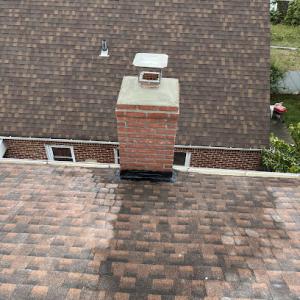
EA Chimney & Roofing
(718) 480-8350 eachimneyroofing.com
Serving
5.0 from 106 reviews
EA Chimney And Roofing has been safeguarding homes since 2009. Specializing in roofing services, we bring expertise and dedication to every project. Located in Jamaica, NY, we're committed to providing reliable solutions, ensuring the safety and beauty of your home's essential structures. Trust EA Chimney And Roofing to protect what matters most.
Alb Best Way Construction
(516) 244-0547 roofingalbbestway.com
Serving
5.0 from 75 reviews
ALB BEST WAY HOME IMPROVEMENT is fully licensed, insured, and bonded home improvement and roofing contractor. Specializing in roofing, chimneys, gutters repair, gutters install, gutter cleaning, siding, steps, masonry, skylight, sheetrock and more.
Santamaria Roofing
(516) 808-7872 santamariaroofingservices.com
Serving
5.0 from 34 reviews
We haves the best materials
SRT roofing services
(917) 459-8918 www.srtroofingny.com
Serving
4.7 from 92 reviews
srt roofing is a full service roofing company specializing in the installation and repairs of flat roof and shingle roof systems
A full roof replacement in Fresh Meadows typically requires a New York City Department of Buildings permit filed by the contractor with the roofing scope. The DOB process is not a formality here, and a missing or vague scope can stall the project at critical moments, especially if a winter timeline is in play. The permit marks the project as compliant with local energy, safety, and architectural rules, which matter when tight lot lines and neighboring structures are nearby. If the scope isn't clearly defined-especially for mixed pitched and low-slope roofs-expect extra back-and-forth and potential delays.
Inspections are typically tied to tear-off and final completion, so scheduling in Queens depends on both contractor readiness and DOB inspection timing. In the winter or during storm-season, the city's inspection queue can shift, pushing timelines out. A realistic plan accounts for a possible inspection hold after the tear-off, plus a final check once the new roof is in place. If weather windows close, the job can stall mid-tear-off, risking exposure of sheathing and interior spaces to cold or melting snow. Build a contingency in the schedule for at least one interim inspection if the plan calls for phased work.
In Queens, scaffolding permits and disposal compliance can affect how a Fresh Meadows roofing job is staged, especially on tighter residential lots and busy neighborhood streets. Scaffolds may require street closure notices or neighbor coordination, and disposal routes must avoid blocking driveways or curb cuts. Planning must consider the time of day for crane or hoist work, if used, and safe access for dumpsters. The permit department will expect documented disposal compliance, so ensure the crew has a clear plan for weekly removal of waste and protection of nearby sidewalks.
Winter and storm-driven risks elevate the need for pre-approved sequencing. If a late-season storm hits, a partially completed roof can suffer additional leaks and decking damage, complicating the rework. Coordinate with the contractor to align tear-off windows with impending acceptable weather and to reserve inspection slots ahead of critical milestones. On busy streets, expect potential delays from traffic control or permit-driven restrictions, and plan for shorter work days when cold snaps and wind make scaffold work hazardous.
Fresh Meadows homeowners encounter claim activity tied to wind, hail, and severe winter storms. Insurers often ask for evidence of the roof's condition before the loss, so having a clear record helps. Because carriers in New York can vary coverage based on roof age and material, the best practice is to keep dated photos, repair invoices, and inspection notes before storm season. A well-organized archive reduces back-and-forth and speeds up the adjuster review.
Before the season hits, take a few targeted steps that pay off when a claim is filed. Photograph the roof from ground level and, if safe, from a ladder or balcony to show overall condition and any preexisting issues. Capture close-ups of shingles edges, flashing around chimneys and skylights, and any low-slope membrane transitions. Save invoices for any recent repairs or ongoing maintenance, plus inspection notes from a licensed roofer. Store these in a dated, digital folder labeled for your property. Keeping a simple log of dates and observed conditions creates a reliable baseline the insurer can reference if a loss occurs.
Following a storm event, the first priority is safety, then damage assessment. If shingles show curling, missing pieces, or raised granules, photograph those areas with a ruler or standard object for scale. Take close-ups of flashing, skylights, and any low-slope sections where membrane damage may conceal leaks. A broader photo set should include the entire roof line and surrounding yard or street view to establish storm timing and wind paths. Collect measurements and note any downed gutters, damaged vents, or signs of interior water intrusion on upper floors or ceilings near exterior walls.
After a Queens storm, adjusters may request a roof condition report and close-up photos of damaged shingles, flashing, skylights, or low-slope membrane areas. Have your pre-storm photos and the post-storm images ready, labeled by date and location. Provide repair invoices and any contractor notes that document existing vulnerabilities and subsequent fixes. If a professional inspection was performed, include the inspector's report with clear emphasis on moisture presence, shingle integrity, and flashing or membrane condition. Clear, organized documentation helps the adjuster determine cause and scope more accurately.
Establish a simple file system that pairs dated photos with a timestamped narrative of observed conditions and any seasonal maintenance. In the event of a claim, that continuity gives the insurer confidence in the loss assessment. For homes with mixed pitched and low-slope roofs, emphasize transitions and membrane wear in documentation, since those areas often drive claim decisions after big storms. Consistent records reduce guesswork and support a more straightforward claim process.
Connect with contractors who help homeowners navigate the claims process from damage assessment to final approval.
HK Builders: Best Roofing Company in Flushing
(718) 479-8888 hkbuilderscorp.com
61-43 186th St #209, Fresh Meadows, New York
4.8 from 119 reviews
Master Roofing
(718) 957-0313 www.master-roofers.com
78-26 Parsons Blvd, Fresh Meadows, New York
4.5 from 55 reviews
Cold winter conditions slow tear-off, expose decking to moisture, and complicate adhesive performance on some roofing systems. In Queens' winter, freeze-thaw cycles can linger, making careful execution essential to avoid post-install leaks. This season also tightens schedules when snow or ice interrupts access to the roof, and crews may need to pause work to protect delicate materials. If a replacement starts in late fall or stretches into the coldest weeks, plan for shorter daily progress and additional moisture-control measures to keep decking and underlayment dry.
Spring and fall bring frequent storms that disrupt scheduling and can create backlogs after each deluge. In these shoulder seasons, a project may experience pauses for wind-driven rain, fallen branches, or safety checks after thunderstorm events. For pitched and low-slope mixes common in this area, these interruptions can push a project from a two- to three-week window into a longer timeline. Coordination with a contractor who tracks regional storm forecasts helps minimize downtime and reduces the risk of weather-induced leaks during the transition between old and new coverings.
Summer heat and humidity affect crew pace and material handling, especially on low-slope sections and underlayment choices. Heat can slow membrane installation and adhesive setting, while humidity can influence sealant performance and roof-penetration work. In dense neighborhoods with limited staging space, heat-driven slowdowns may also arise from material handling constraints and access challenges. Scheduling in mid-summer should prioritize cooler parts of the day and allow for extra dry-in time after any rain to ensure that fasteners and adhesives cure properly.
For homeowners, the best replacement window avoids both winter freeze periods and the post-storm backlog that follows regional weather events. Aligning the project to a period with a reliable window of dry days, moderate temperatures, and manageable neighborhood traffic can help keep the crew on track. Clear communication about anticipated weather hazards, access constraints, and on-site staging can reduce delays and protect the roof and interior from moisture exposure during the transition.
Extend the life of your existing roof with reflective or waterproof coatings that protect against UV and moisture.
Master Roofing
(718) 957-0313 www.master-roofers.com
78-26 Parsons Blvd, Fresh Meadows, New York
4.5 from 55 reviews
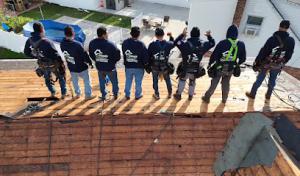
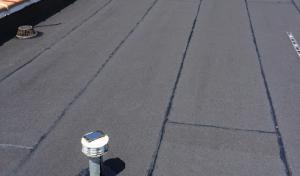
In this Queens market, homeowners consistently prioritize fast response, re-roofing experience, and cleanup because many projects happen on occupied residential properties. When a storm hits or ice dams form, you want a crew that can be on site quickly, seal the leak, and protect interiors without extended disruption. Look for a contractor with a clear plan for access, minimal setup clutter, and a proven record of keeping families living in the home during work.
Fresh Meadows homes commonly feature a mix of pitched and low-slope sections. The right contractor should demonstrate hands-on experience with both, including how to transition from one plane to another without creating new vulnerabilities. Ask for references that show successful multi-plane re-roofing or repairs in dense urban settings where street access and debris control matter.
Because chimney work appears frequently alongside roofing in the local market, homeowners here should pay close attention to flashing coordination where roof planes meet masonry. Request specific examples of chimney flashing repairs or replacements, and confirm how counter-flashing, kick-out flashing, and step-flashing are integrated with surrounding brickwork. A tight flashing detail around chimneys and brick parapets can prevent repeated leaks after winter thaws and thaw cycles.
Dense-street access constraints mean cleanup quality matters as much as the install. The right contractor uses ground protection, dust barriers, and daily debris containment. Expect clear communication about access zones, overnight storage of materials, and how tarps or rope-off areas protect landscaping, sidewalks, and neighbor properties.
Winter leak risk spikes with freeze-thaw cycles and heavy snows. A dependable crew provides a realistic schedule that accommodates weather windows, with contingencies for late-season storms. Prioritize contractors who outline a phased approach-temporary fixes to stem leaks now, followed by a full re-roof when conditions allow.