
Last updated: Apr 19, 2026
In this foothills setting, spring storms pack gusty wind and heavy bursts of rain that can force moisture into the roof system quicker than you expect. The combination of humid conditions and a rapid shift from hot summer days to cooler, wetter seasons means small gaps around flashing, worn shingles, or compromised attic ventilation can turn into ongoing leaks in a matter of days. If you notice wind-driven rain inside the attic, damp insulation, or dark streaks that extend from roof edges toward the center, treat it as an active leak and act fast. Delay invites persistent damage, warped decking, and mold growth that's expensive to remediate once the humid weather locks in.
When a storm rolls through, your first priority is to protect interior spaces. If you can safely do so, place a temporary tarp over the affected area and redirect water away from the home using buckets or plastic sheeting. After a storm, walk the perimeter carefully to spot loose shingles, lifted flashing, missing hips or ridges, or obvious staining on ceilings and walls. Document every issue with clear photos from multiple angles, noting the date and storm conditions. Contact your insurance-focused contractor or an established storm-damage repair specialist quickly. The market in this area leans toward emergency repair and insurance-claims work, so prompt professional triage minimizes further moisture intrusion and reduces the risk of secondary damage during the next round of humid weather.
Wind can peel back edge shingles and lift flashing where roof planes meet walls, vent penetrations, or where old sealants have degraded. In Lenoir's climate, even small cracking around chimney flashing, skylights, and vent stack boots becomes a channel for water once warm summer humidity returns. Check attic ventilation and soffit intake; poor circulation plus rapid cooling can create condensation and spore-prone moisture pockets. If you notice granule loss in gutters and downspouts, find elevated wear spots along the eave line, or see stained ceiling corners near exterior walls, these are urgent signals to call for a professional assessment.
Because post-storm response is a major homeowner need in this market, you should prepare for a formal claim with clear, organized evidence. Gather repair timelines, storm dates, and a concise narrative of how the damage progressed. Keep all contractor estimates, scope of work, and receipts in one file. A reputable local contractor who understands the foothills climate will frame the claim with notes on moisture intrusion risk tied to flashing deficiencies, shingle wear, and potential decking concerns. Secure temporary repairs to buy time but ensure any tarping or shingle stabilization remains compliant and non-invasive to avoid future warranty questions. With spring storms and humid cycles driving the risk, a rapid, documented response is your best defense against lingering leaks and escalating damage.
After a heavy shower or a spring storm, insurers in this foothill community tend to want solid documentation: roof-condition notes, clear photos, and independent contractor estimates. The pattern here is to verify whether damage is storm-related or the result of aging wear. Since roofs in this market see freeze-thaw cycles and humid rainfall, a quick snapshot of the roof's state before the storm helps distinguish new damage from preexisting wear. Keep a dated record of the roof's condition and any observed issues, especially on roofs that have already seen several years of service. When the weather turns unsettled, you'll benefit from having recent photos that show surface granule loss, cracked shingles, flashing gaps, and moss or algae growth that can complicate moisture intrusion.
Because underwriting can tighten after major weather events, documenting conditions before and immediately after storms is wise. If you have access to prior photos or an older roof evaluation, keep them accessible for the claim. In foothill climates, wind-driven debris, hail on exposed ridges, and flashing displacement around chimneys or vents are common damage vectors. A before-and-after comparison helps demonstrate the extent and location of new damage, which can influence claim outcomes. If a storm hits and you notice interior leaks or staining, photograph those symptoms promptly, but also note where they align with roof lines, penetrations, or joints on the exterior.
Insurers typically expect a contractor estimate to accompany a claim. In Lenoir, material choices and roof construction variations across neighborhoods mean a contractor who understands local roofing styles and common substrates can provide a more accurate, stand-alone assessment. Have the contractor's report itemize visible damage, potential hidden issues (like deck surface deterioration under failed underlayment), and suggested repairs. If inspectors request access to the attic, prepare a clear pathway to the space and ensure any signs of moisture intrusion-such as staining on sheathing or frost condensation-are visible. Timely, cooperative responses speed the process and reduce back-and-forth.
When the adjuster arrives, you should be ready with the same kinds of evidence you prepared earlier: high-resolution photos of exterior surfaces, close-ups of flashing and ridge caps, and a schematic map showing where damage is located on each roof plane. Note the roof age and anything that suggests storm impact rather than routine wear. If you've had previous repairs, document where those changes occurred and how the current damage relates to prior work. Having a coherent, photographer-friendly sequence-before, during, and after the event-helps turn a complex case into a straightforward claim.
Do not wait for interior leaks to appear before starting documentation, especially after a major weather event. Do not rely on memory for the exact scope of prior maintenance or repair work. Do not hesitate to involve a local contractor early if the roof shows obvious storm-related damage, because timely, professional assessments align with insurer expectations and reduce ambiguity in coverage outcomes.
Connect with contractors who help homeowners navigate the claims process from damage assessment to final approval.
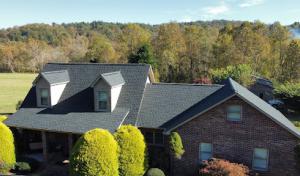
A Plus Roofing - Lenoir
(828) 851-6440 aplusroofingnc.com
1391 Zacks Fork Rd, Lenoir, North Carolina
4.9 from 57 reviews
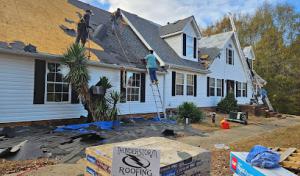
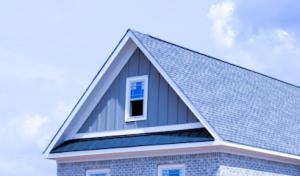
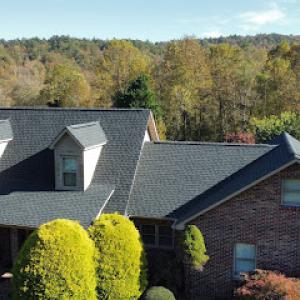
A Plus Roofing - Lenoir
(828) 851-6440 aplusroofingnc.com
1391 Zacks Fork Rd, Lenoir, North Carolina
4.9 from 57 reviews
A Plus Roofing is your trusted provider of roofing and gutter solutions in Lenoir, NC and the surrounding areas. Since 2021, we've specialized in residential roof installations and seamless gutter services—including repairs, replacements, and gutter guard installations. As your dedicated partner, we offer free roof inspections and work directly with insurance companies to ensure a smooth experience when dealing with storm damage. Our efficient team promises next-day service on your roof. Contact us today to handle all your roofing and guttering needs with exceptional care.

Roof Maxx of Hickory, NC
(828) 212-4838 makemyrooflast.com
2180 Connelly Springs Rd, Lenoir, North Carolina
5.0 from 22 reviews
Roof Maxx offers a revolutionary roof restoration service, providing an eco-friendly, cost-effective solution for extending your roof's life. Specializing in roof rejuvenation, our innovative treatment revitalizes aging shingles, ensuring they remain flexible and waterproof. Ideal for roofs over 7 years old, Roof Maxx's unique formula penetrates deep into shingles, restoring their original functionality. This process not only enhances roof durability but also postpones the need for expensive replacements. Our professional maintenance services further protect your investment, keeping your roof in top condition. Trust Roof Maxx for sustainable, efficient roofing solutions.

Barger-Ashe Roofing
1211 Underdown Ave SW, Lenoir, North Carolina
4.7 from 10 reviews
Barger-Ashe offers a wide and diverse knowledge of building and roofing materials so that we can provide our customers with the right roofing solution for their needs. Let us assist you in solving your roofing problems while staying within your budget.
York Roofing Company
Lenoir, North Carolina
4.2 from 5 reviews
Our professional roofers work to make sure that you and your family are covered with a great roofing system. With over 30 years of experience, our experts believe in treating you like family and putting you and your family first.
J & k Roofing
(828) 493-2558 jandkroofing19.com
416 Nuway Cir, Lenoir, North Carolina
5.0 from 2 reviews
Basic roofing repairs to complete reroof. Metal flashing, gutters and gutter repair, facial boarding and all types of shingles
Top Notch Roofing & Remodeling
Lenoir, NC
5.0 from 1 review
Roofing and remodeling. We do whatever it takes to make our customers happy.

Element Control Roofing
Serving
4.1 from 38 reviews
A premier contracting company specializing in residential and commercial roofing services, helping you process your insurance claims, plus we are dedicated to providing customer service that is second to none.

Blue Sky Roofing
(828) 202-1021 blueskyroofingnc.com
Serving
5.0 from 43 reviews
Blue Sky Roofing is a certified roofing contractor in Western North Carolina. We provide shingle roofs, metal roofs, composite roofs, roof repairs, and roof replacement. Contact us now for a free estimate!

All Of Us Roofing & Restore
(855) 766-3268 allofusroofing.com
Serving
4.9 from 114 reviews
All Of Us Roofing and Restore is your local go-to roofing company in Taylorsville, NC that is built and focused on making our customers a part of our team! Focused on integrity and building a strong foundation for all your roofing needs! We offer a variety of services such as roof repair, fascia installation, siding replacement, and more for both residential and commercial properties. We even offer interior painting and drywall services! Contact us today to learn more or for your free estimate!

Home Remedy USA Roofing, Gutters & Windows
(828) 544-5231 www.homeremedyusa.com
Serving
4.9 from 150 reviews
Home Remedy USA Roofing, Gutters, Windows is a fully insured Master Elite Certified Contractor. We are not your high-pressure sales company, with the “hit’em high and see where they land pricing”, which is so common in our industry today. When you call and request an estimate, we work around your schedule, a courteous and professional estimator will come to your project site, properly measure your project, and provide you with a free “No Hassle” estimate. You will find this to be a pleasant experience from start to finish. So whether you need a small repair or a complete overhaul, call Home Remedy USA for all your Roofing / Gutter or Window Needs!
Roof Worx
(828) 490-9581 roofworxpros.com
Serving
4.9 from 59 reviews
Roof Worx: Your Top-Rated Roofing Contractor in Hickory, NC 🏠 Looking for a reliable & professional roofing contractor in Hickory, NC? Look no further than Roof Worx! We are proud to offer exceptional residential roofing services and commercial roofing services to the Hickory, NC Community. Our commitment is to prioritize our customers and deliver the highest quality of service. Whether you require roof repair, roof replacement, or new roof installation, we have you covered. Book your FREE Roof Inspection directly with us today to get started. Our team of experts is ready to assess your roofing needs and provide the best solution tailored to your requirements.
Premiere Roofing & Gutters
(828) 640-7320 premiereroofingnc.com
Serving
4.9 from 237 reviews
Many homeowners experience issues with their roofing system that leave them overwhelmed. Instead of neglecting potentially serious damages, hire a professional roofer to handle repair and replacement services. Premiere Roofing & Gutters is a commercial and residential roofing company in Hickory & Blowing Rock, NC. We also offer seamless gutter installation, and repair services. You can trust our eight years of industry experience for your roof repair, replacement, metal roofing installation and more. We appreciate our troops and veterans. That’s why we’re proud to work with Operation Homefront in keeping our veterans employed.
Spring brings comfortable daytime temperatures, but humidity climbs quickly and the foothills can surprise with late-season storms. If planning a reroof in this window, you should target days that are dry, with lows not dipping below freezing at night. Schedule around forecasts that show moderate humidity and a window of several dry days in a row. After a cold snap, check underlayment and starter course connections to ensure moisture didn't creep into the attic through small gaps during the install. In Lenoir, spring storm exposure means extra attention to sealing fasteners and flashing, especially around chimneys and vent pipes. Have shingles staged in the shade or a sheltered area to avoid heat soaking during break times, which can affect sealant behavior. If a rain event rolls in mid-project, plan a rapid tarp strategy to protect exposed decking and prevent moisture intrusion.
Fall is often productive for reroofing, as temperatures cool from the high-summer peak without becoming bone-chilling. A steady schedule can keep crews moving, but windy days are common in the foothills and can slow work and impact shingle sealing on exposed days. When planning, pick a stretch with several dry days in a row and watch for fronts that bring gusts. On windy days, ensure shingles are securely fastened early in the day and consider temporary coverings for exposed ridge lines. Fall also tends to bring more overcast days; use this to your advantage to manage heat-sensitive materials, keeping them out of direct sun when possible. Ensure proper ventilation during tear-off to maintain a safe working environment and avoid heat buildup in attic spaces, which can affect new roof performance.
Use a window-to-window approach: align the start with a forecast of mild daytime temperatures and cooler nights, preserving shingle sealant performance and worker comfort. Avoid planned installs during peak summer heat when decking expands and contraction can stress fasteners. Keep a short contingency list ready for unseasonal storms, which can introduce moisture risk even in favorable weeks. A reliable tarp plan, moisture barrier checks, and pre-staged materials near the job site help maintain progress through the variable spring and fall conditions unique to this foothills setting. Prioritize crews that understand how wind, humidity, and freeze-thaw cycles interact with the local roof stock to minimize future moisture intrusion and help solid, lasting performance.
Get a clear picture of your project costs upfront - no commitment required.

Roof Maxx of Hickory, NC
(828) 212-4838 makemyrooflast.com
2180 Connelly Springs Rd, Lenoir, North Carolina
5.0 from 22 reviews


Asphalt shingles and metal roofing are the practical mainstream choices for reroofing projects in this foothill pocket. Asphalt offers straightforward installation, decent wind resistance, and broad availability, making it a reliable baseline for moisture shedding and flashing details. Metal, especially in standing-seam or exposed-fastener profiles, brings robust performance in humid rain and rapid temperature swings, with the added benefit of longer service life when installed with proper underlayment and ventilation. In many homes, a well-sealed metal roof paired with a solid vapor barrier and continuous eave-to-ridge ventilation delivers the most consistent results across the annual cycle.
Tile and slate exist in the local market, but they are less typical because of higher structural and installation demands. Clay or concrete tile adds a distinct look and excellent long-term moisture shedding when the roof structure can support the extra weight and the fasteners are protected from freeze-thaw movement. Slate delivers durability and a refined aesthetic, yet its weight and the intricacy of edging, flashing, and patterning require experienced crews and careful detailing. If choosing these coverings, plan for reinforced deck support, precise substrate preparation, and a thoughtful layout that keeps drainage paths clear and flashing robust.
Lenoir's combination of significant rainfall, summer heat, and winter freeze-thaw cycles shapes material selection around moisture shedding and thermal cycling resistance. The flashing must be designed to hold up under seasonal swelling and contraction, with secure step and counter flashing around chimneys, hips, and valleys. A roofing system should pair a durable underlayment with vented attic spaces to control condensation during humid spells and to reduce heat buildup that accelerates moisture movement toward the interior. Consider ridge or soffit vents and a well-sealed attic hatch to minimize air leakage paths that invite moisture intrusion in storms.
Homes in the foothills often face leaf debris and shade-related moisture retention, which can shorten the service life of some roof coverings if ventilation and drainage details are weak. Debris buildup not only blocks drainage but also fosters moss and algae growth in damp microclimates. A gaited maintenance plan-regular gutter cleaning, airflow checks, and prompt repair of damaged flashing-protects the roof's performance. Ensure valleys and transitions stay clear, and verify that drainage outlets remain free of obstructions so moisture doesn't linger in shaded pockets after storms.
In Lenoir, you'll see price ranges that line up with local material choices and the foothills climate. Typical local pricing ranges from 350 to 700 USD per square for asphalt shingles, 700 to 1100 for metal, 900 to 1500 for clay tile, 800 to 1400 for concrete tile, 450 to 900 for synthetic/composite shingles, and 1000 to 1800 for slate. Those figures reflect not just the material, but the labor mix you'll encounter during a typical reroof, including tear-off, disposal, and basic underlayment.
Storm periods change the math quickly. After a heavy rainfall or a surprise hail event, contractors in this market notice a surge in demand for reroofing and emergency work. Pricing can jump as crews are diverted from normal projects to urgent repairs, and supply chains tighten for heavier shingles or specialty underlayments. When a storm hits, it's common to see higher mobilization costs, quicker material turnarounds, and tighter scheduling windows. If a storm has just passed, expect some premium on both material and labor to reflect the time-sensitive nature of the work.
Roof design and the job's complexity matter a lot here. A simple low-slope shed roof is far different from a multi-gable home with dormers, where crew access becomes a tight, careful operation. The foothills climate also makes moisture management a bigger factor. If the tear-off reveals moisture-damaged decking, costs can rise because replacement plywood or cdx boards must be sourced and installed, and ventilation or ridge vent adjustments may be needed to prevent future moisture buildup. Heavier materials like clay tile, concrete tile, or slate add substantial weight considerations, which can necessitate additional structural assessment or reinforcement, shifting the price up from a basic installation.
Planning around the numbers means anticipating contingencies. If the design can support heavier materials, a homeowner might consider them for longer life in this humid, freeze-thaw environment, but that choice should be weighed against attic ventilation, roof pitch, and the existing framing. A practical approach is to obtain three estimates that clearly itemize tear-off, disposal, underlayment, flashing, ventilation, and any decking replacement. Keep in mind that the most affordable option today can become a costlier choice if storm-related delays or decking issues emerge after removal.
Don't let upfront costs delay a critical repair - these contractors offer payment plans to fit your budget.
A Plus Roofing - Lenoir
(828) 851-6440 aplusroofingnc.com
1391 Zacks Fork Rd, Lenoir, North Carolina
4.9 from 57 reviews

Home Remedy USA Roofing, Gutters & Windows
(828) 544-5231 www.homeremedyusa.com
Serving
4.9 from 150 reviews

A full reroof in Lenoir generally requires a permit filed through the local building department serving the City of Lenoir and Caldwell County jurisdiction. That means the project is reviewed for safety, moisture control, and drainage compatibility with the surrounding homes and hillside terrain. Skipping this step can lead to enforcement actions, possible fines, and problems when you try to sell or insure the house. In a foothills climate with heavy spring storms and freeze-thaw cycles, a permit helps ensure the roof system is installed to withstand moisture intrusion and wind loads common to the area.
Permit applications typically include project scope and contractor licensing information before work proceeds. In practical terms, have your chosen contractor outline exactly what will be removed, what materials will replace it, and any venting or flashing updates. Be prepared to show current licensing and proof of liability insurance. This isn't just paperwork; it's a check that the crew understands the moisture challenges particular to the local humidity, rainfall patterns, and seasonal temperature swings.
Inspections are performed at roofing milestones, and a final inspection is required to close out the permit for the project. Expect inspections after decking, underlayment, and flashing are in place, and again after the new roof is completed. Concrete steps like attic ventilation, ice dam protection, and proper pitch drainage will be part of the review. If a milestone isn't up to code, the inspector will require adjustments before moving forward, which can delay the project and complicate storm-season timing.
Given the area's storm activity and moisture risks, scheduling inspections early and coordinating with the contractor minimizes weather-related hold times. Keep records of all permits, inspections, and revisions; these documents prove you followed the steps necessary to protect your home's structure and your insurance coverage. A well-documented permit trail is as much protection as the roof you're putting on.
In this foothills climate, repeated wetting from humid rainfall makes flashing details, penetrations, and roof-to-wall transitions more critical than purely dry-climate wear issues. A minor wrinkle around a chimney or vent can become a chronic leak if the flashing isn't properly integrated with the surrounding shingles, siding, and soffit. The consequence shows up as damp ceilings, sagging attic insulation, and hidden mold that can surprise you after a heavy shower.
The steely mix of rain, shade, and occasional hail means flashing around skylights, dormers, and skylight-to-roof junctions needs extra attention. Leaks here often start as a slow seep that travels along roof planes before dripping into living spaces. The local presence of skylight specialists suggests these transitions matter more than in drier markets, so prioritize regular checks after winter thaws and spring storms. If a skylight shows condensation or mineral crust near the seal, treat it as a warning sign rather than a cosmetic issue.
Where penetrations crisscross the roof-pipes, vents, and antenna mounts-tiny gaps can widen with freeze-thaw cycles. Small cracks around fasteners become active leaks when temperatures swing from freezing nights to warm afternoons. Seasonal inspection should focus on sealant integrity and the condition of surrounding shingles. If you notice lifting edge tabs or peel-back near any penetration, address it promptly; a small repair now prevents a much larger repair later.
Summer heat accelerates aging in asphalt-based systems, while winter freeze-thaw can widen cracks or loosen fasteners into leak pathways. In practice, that means driving rain, sun-induced brittleness, and shifting underlayment can combine to undermine a roof you thought was sound. Pay attention to curling edges, granule loss, and dark spots that hint at moisture beneath the surface. A proactive approach-timely resealing, targeted replacement, and careful inspection around high-risk areas-keeps moisture away from living spaces.
Find contractors experienced in skylight installation, flashing, and leak repairs to bring natural light into your home.
Home Remedy USA Roofing, Gutters & Windows
(828) 544-5231 www.homeremedyusa.com
Serving
4.9 from 150 reviews

The reroofing market here is tuned to quick response and reliable tear-off work, with many crews juggling multiple calls after spring storms. Look for a team that treats moisture intrusion as a priority and understands how the foothills climate can push shingles and underlayment to fail sooner after a freeze-thaw cycle. Ask for storm-resilience notes, such as drip-edge upgrades and attic ventilation checks, to ensure the plan addresses foothill moisture patterns, and a clear path for cleanup during rain events, too.
When you vet crews, prioritize those who clearly explain their tear-off pace, how they inspect and repair decking, and how they manage debris and driveway cleanup. Ask for before-and-after photos of recent jobs in similar soffit and decking conditions, and note whether they address sagging edges or beam ends that moisture can reach.
In this market, affordable pricing and quick response are common hiring signals. Balance speed with evidence of project planning: sight lines for ladder setup, a defined sequence for removing old material, and a plan for protecting landscaping and gutters while work proceeds. Expect a written schedule and a clear answer about follow-up inspections after heavy rain events.
Because certification language is less common locally, you should verify credentials and warranty terms directly with the contractor. Confirm who provides the manufacturer warranties, whether the crew has ongoing training, and how long the workmanship warranty lasts. Keep a written record of any promises about tarp protection, flashing replacement, or leak repairs.
To decide, conduct a two-step interview: confirm experience with storm-related damage in foothill settings and review a short, staged checklist of items to cover during the scope of work. End with a precise written agreement that lists tear-off, decking repair, cleanup expectations, and a warranty outline.