
Last updated: Apr 19, 2026
Hail and wind events in Stark County drive the rhythm of roof claims like clockwork. After a big storm, a quick check of the roof's surface isn't enough; insurers want a professional assessment, documented photos, and a sense of whether damage is widespread or isolated. In this area, post-storm inspections are a normal homeowner task, and the window to initiate a claim can close quickly if valuable documentation isn't captured while the memory of damage is fresh. When storms rattle shingles, flashing, and vent areas, the clock starts ticking on your claim, and the right timing can determine whether a replacement, rather than a repair, is approved.
In Stark County, hail and wind events regularly trigger claim activity. If you notice hail hits, missing shingle granules, bruised edges, or curling on your asphalt shingles, that's your first alert. But in North Canton, snow cover in winter can hide damage until thaw reveals it in full view. The safest approach is to photograph the roof from multiple angles after every notable storm and again during thaw when issues become visible. These images serve as your strongest evidence for an insurer review, especially when aging overlays or seasonal freeze-thaw cycles complicate the picture. If you see dented gutters, bent vent collars, or lifted tabs, don't wait for a formal report-document and file promptly to preserve your claim potential.
Take wide shots of the entire roof, then close-ups of damaged shingles, flashing, and any signs of wind uplift at transitions between roof planes. Note the date, storm intensity, wind direction, and hail size if known from local weather alerts. Keep a simple log of all visible changes-dents, granule loss, moisture staining in attic spaces, and any interior signs of leaks. A thaw season follow-up is often the moment when insurers want your most up-to-date evidence, because winter conditions can worsen or obscure the initial damage. If you have snow on the roof for extended periods, capture the sequence of thaw and re-freeze cycles to show progressive wear, which can influence whether a replacement is recommended over a repair.
Storm-driven wear in this city's housing stock frequently nudges the decision toward replacement, especially after a harsh winter and multiple spring hail events. Insurers will weigh the extent of damage across shingles, edging, vents, and flashing against the anticipated life of the roof. The timing of a decision can hinge on how clearly the insurer can see the impact, supported by your consistent documentation. If the claim is approved, expect a process that aligns with the completion of weather windows and the insurer's review cycle, which may be tightened by post-storm demand. Preparation now reduces the risk of delays later and helps ensure the project proceeds once the weather cooperates.
After a storm, secure any vulnerable areas to prevent further damage-cover exposed sections if you can do so safely. Schedule a reputable local storm-damage evaluation promptly, focusing on a thorough assessment of shingles, flashing, and roof penetrations. Prepare your photo log and interior leakage notes for the adjuster meeting. Communicate timelines clearly with the contractor you choose, emphasizing the need to synchronize roof replacement with favorable shop-and-weather windows. In North Canton, the best outcome comes from timely documentation, decisive action aligned with insurer review, and a coordinated plan that respects the local climate's impact on roof condition.
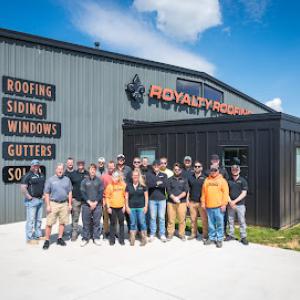
Royalty Roofing
(330) 964-8149 www.royaltyroofs.com
5270 Mayfair Rd, North Canton, Ohio
4.9 from 1777 reviews
Since 2011, Royalty Roofing has been a trusted leader in residential and commercial exterior services across Northeast Ohio. Specializing in roofing, siding, and window installations, we offer an extensive range of high-quality solutions to protect and beautify your home. Our commitment to superior craftsmanship and professional service ensures every project is completed to the highest standards. In addition to exterior contracting, Royalty Roofing also provides expert solar energy system services, helping you enhance your home's efficiency and value.
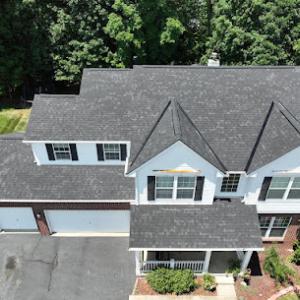
Division 1 Roofing
1303 W Maple St # 104, North Canton, Ohio
4.9 from 78 reviews
Division 1 Roofing stands out as an industry leader, offering exceptional roofing, siding, window, and gutter replacement services. Our Division 1 dedication extends beyond our expertise, prioritizing human connections and professional integrity. We are committed to providing the highest quality materials and workmanship while making a lasting, positive impact on the neighborhoods we serve.
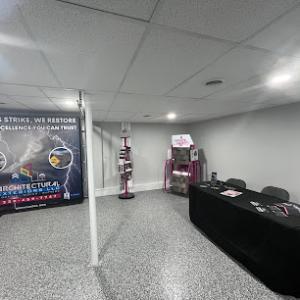
Architectural Exteriors
(330) 459-7747 archexterior.com
7470 Wales Ave NW, North Canton, Ohio
5.0 from 41 reviews
Architectural Exteriors is your premier choice among roofing contractors, specializing in comprehensive roofing services. Our expert team is dedicated to delivering top-notch roof replacement, roof inspection, and roof repair services for both residential and commercial properties in Canton, Ohio and surrounding areas. As a leading roofing company, we pride ourselves on offering unparalleled craftsmanship and superior customer service, ensuring your roof meets the highest standards. Whether you need commercial roofing solutions or a new roof installation, trust our experienced professionals to protect and enhance your property. Choose Architectural Exteriors for all your roofing needs!
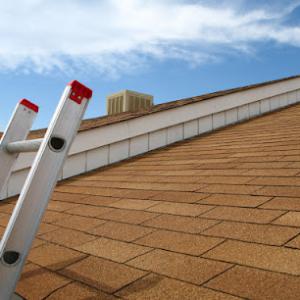
White Glove Exteriors
(330) 305-9400 whitegloveexteriors.net
2287 Mcginty Rd NW, North Canton, Ohio
4.7 from 75 reviews
For 30 years, White Glove Exteriors has prided itself on providing the highest quality roofing, siding, and window installations in NE Ohio. We don't know of a home improvement company that is as transparent in terms of pricing in the way that we are. We provide not only the UPFRONT cost of the material regarding your specific project, but the cost of the labor required for each project as well. Ask most any contractor what their breakdown ( Material/Labor/Profit) for your Specific project is, and more often times than not, you'll hear " Sharing that information is not our Policy", and that's because if you actually knew what the job REALLY cost.....You'd be Disgusted. See the difference Transparency in Pricing actually makes.
J&K Exteriors
(234) 521-2409 www.jk-exteriors.com
4841 Mayfair Rd, North Canton, Ohio
5.0 from 11 reviews
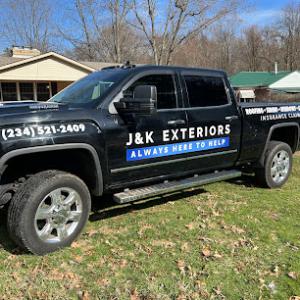
At J&K Exteriors, we provide roofing, siding, gutters, and doors for families in Canton, Garfield Heights, Maple Heights, Bedford Heights, Northfield, and throughout Stark, Summit, Mahoning, and Tuscarawas Counties. Known as insurance and storm claim specialists, our team guides homeowners from inspection to completion. From storm damage restoration to new installations, J&K Exteriors delivers dependable service and lasting results.
Lenkey Priest Roofing & Construction
(234) 294-5006 www.lenkeypriestconstruction.net
2229 Greensburg Rd, North Canton, Ohio
4.7 from 13 reviews
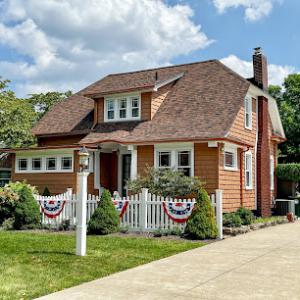
Lenkey Priest Roofing & Construction is a small, locally owned general contracting business that serves Stark & Summit County home and business owners. Exterior services include roofing repairs and replacement, siding, stone and gutters/gutter guards, fascia, soffit and skylight replacement. Interior services include kitchen, bathroom & basement renovations, layout & design services and kitchen cabinet sales.

Canton Roofing Company
(330) 639-9454 cantonroofing.com
Serving
5.0 from 563 reviews
Canton Roofing is the #1 rated roofing contractor in Northeast Ohio, trusted for roof repair, storm restoration, and full roof replacements. As a leading roof replacement company and roofing company near you, we specialize in insurance claims, shingle and metal roofs, flat roofs, siding, gutters, and windows. Based in Canton, we serve North Canton, Massillon, Green, Akron, Alliance, and nearby areas. Whether you searched for roofers near me or roofing Canton Ohio, you’ve found the right team. We’re locally owned, Google Guaranteed, licensed, bonded, and insured. Backed by 500+ 5-star reviews and our Zero Excuses Promise, we deliver premium results with emergency inspections, financing, storm damage evaluations, and fast local service.

Hometown Roofing & Construction
(330) 578-7331 www.hometownroofing.us
Serving
5.0 from 179 reviews
Hometown Roofing & Construction in Uniontown, OH provides professional roof replacement services tailored to local homeowners. With Ohio’s mix of heavy snow, rain, and summer heat, roofs in Summit County often face premature wear, leaks, and storm damage. Our team specializes in full roof replacements designed to improve durability, efficiency, and curb appeal. We work with precision to ensure your home stays protected from the area’s unpredictable weather. As experienced roofers in Uniontown, we are known for dependable service, skilled craftsmanship, and trusted expertise in handling roofing projects of all sizes.
Bronco Roofing
(330) 703-5199 broncoroofingohio.com
Serving
4.8 from 19 reviews
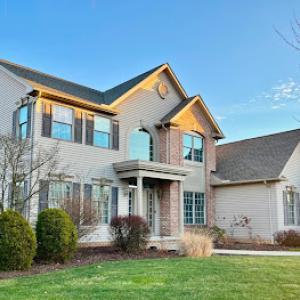
Our high-quality products are durable and customizable for your home or business, from classic asphalt shingles to modern metal roofing, stylish specialty siding to a range of accessories. Need repairs? Dealing with storm damage? We will give you an honest assessment and work with your insurance company to get you the coverage you deserve. Our team is trained, experienced, certified, and insured. Call today for a free quote for your residential or commercial roofing or siding project.
ACR Contracting
(330) 408-7663 acrcontracting.us
Serving
5.0 from 39 reviews
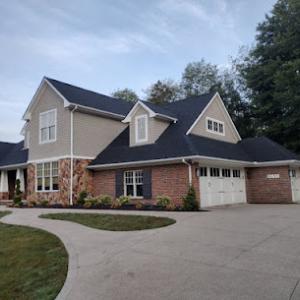
ACR Contracting in Akron/Canton, OH, brings over 25 years of expertise to every roofing, window, gutter, and siding project. As a family-owned business, we pride ourselves on providing the community with exceptional craftsmanship and customer service. Our services are tailored to meet the unique needs of each home, utilizing high-quality materials sourced from local Ohio distributors. Trusted by local homeowners for reliable, same-day installations by skilled Amish contractors, we're committed to enhancing your home with lasting solutions. Contact us today for a free estimate and experience the ACR difference in roofing and home improvements.

Joey Seamless Gutters
(330) 802-6366 www.joeyseamlessgutters.com
Serving
4.7 from 70 reviews
The experts of HGTV say you should always have gutter guards. Gutter guards are incredibly cost effective and useful. They eliminate the need for what can be a dangerous chore, while increasing property value. For these reasons it doesn't make any sense to not have them. Gutter guards fall into 2 categories: gutter covers and gutter screens. Screens are usually made of wire mesh, nylon or foam. Gutter screens are simpler and cheaper to install, but usually don’t last as long. Gutter covers sit on top of your gutters, so their appearance is often more pleasing. Also, gutter covers limit the water flow into your gutters because… well… they cover the gutters. They can be made out of a variety of materials, including copper, aluminum, plasti...
Tony Newman Roofing
(330) 745-5076 tonynewmanroofing.com
Serving
4.9 from 41 reviews
Tony Newman Roofing is a full service roofing contractor that has been serving the Akron, Canton, and Barberton, Ohio area since 1989. We offer Free, No Hassle Estimates. We are experts in tear-offs, re-roofing, leak repair, chimney repair, complete roof evaluations, and maintenance programs. In addition, we offer 24-hour Emergency Service. Tony Newman Roofing can install your new roof or repair your current roof! So why should you choose us over the other guys? We have an A+ rating with the Better Business Bureau. This is the highest rating they offer. Tony Newman Roofing is also an Owens Corning Preferred Contractor. We got this because of our customer service .
Cold Northeast Ohio winters put North Canton roofs through repeated freeze-thaw cycling that can open shingle seals, stress flashing, and accelerate wear around penetrations. When nighttime temperatures dip below freezing and daytime warmth returns, trapped moisture expands as it freezes, prying apart shingle edges and loosening tabs. This is especially pronounced on roofs with aging seals or minor hail damage from earlier seasons. Homes with asphalt or composite shingles often show curled edges or granular loss first, but the underlying decking can start to show movement only after several cycles. The practical guard is to anticipate small failures before they become leaks, and to check around vents, pipes, and chimneys after harsher stretches of cold snap.
Snow load and ice buildup can delay repairs and expose weak decking or ventilation problems that may not be obvious during dry weather. In our freeze-thaw environment, ice dams form as meltwater refreezes at the eaves, forcing water to back up under shingles. This process can worsen existing damage and push moisture into attic spaces, sometimes without immediate interior signs. When warm spells occur, snow softens and shifts, potentially uncovering flashing gaps or degraded underlayment. The window for safe access during inspections is narrow: high winds, icy aprons, and snow banks around the ladder foot can create hazards. Prioritize a careful exterior inspection after a clearing storm and before spring irrigation or heavy rain.
Replacement timing in this area is usually best from late spring through early fall, when drier moderate conditions reduce moisture risk during tear-off and installation. Scheduling a reroof after the harshest winter cycles but before the earliest fall freezes helps ensure materials settle and adhesives cure without repeated freeze-thaw shocks. If hail or wind damage existed from the prior year, a timely assessment can prevent stacking weather-induced delays. The decision points hinge on visible damage, attic moisture, and the condition of existing ventilation; otherwise, a plan that aligns with milder months tends to minimize surprises.
Start with a ground-level exterior check for loose, cracked, or missing shingles and for staining or dark spots along the eaves and gutters. Climb only with safety in mind, and focus on flashing, valleys, and around penetrations where water tends to seep first. Inside the attic, look for light shining through roof boards, dark stains, mildew, or an unusual amount of condensation, especially after snow melts. If winter damage is suspected, document with photos and notes about dates, temperatures, and prior storm events. This record helps weather the scheduling gaps caused by winter weather and facilitate a clearer path to a timely replacement when conditions cooperate.
Asphalt shingles are the dominant practical choice for North Canton homes because they fit the area's mainstream residential housing stock and broad reroofing market. In this climate, a well-installed asphalt roof handles freeze-thaw cycles, spring storms, and hail with a proven track record. You'll find a healthy pool of local contractors who can match color, warranty, and installation standards, which helps when you need reliable service after a rough winter or a storm event. For homeowners facing a mid-life roof replacement, asphalt shingles offer straightforward inspection, repair, and quicker reroof timelines compared to more specialized materials. If you live in a neighborhood with standard ranches, colonials, or two-stories with typical attic ventilation, asphalt often blends seamlessly with the surrounding homes while delivering solid value and predictable performance.
Metal roofing has a meaningful local specialty presence, making it one of the few premium materials with enough contractor depth for competitive bidding and service. In Stark County's freeze-thaw environment, metal can resist impact and shed snow more efficiently, which is a practical draw for North Cantonians who want long-term durability and fewer maintenance quirks. The broader pool of metal installers here means you're more likely to find options that tailor their approach to local eaves, ridge details, and chimney flashings. If your roof line includes hip-and-valley configurations or you want a modern curb appeal without sacrificing longevity, metal can be a strong choice. Expect a careful discussion about underlayment, fastener selection, and color choices that weather-scale well in our winters.
Tile and cedar options exist in the market but are far less common locally, so homeowners considering clay, concrete, or wood should expect a smaller pool of specialized installers than for asphalt or metal. Clay and concrete tiles offer excellent longevity and distinct aesthetics, but they bring weight considerations and require solid structural assessment. In homes with older framing or limited attic height, extra structural work may be necessary to support a tile roof. Cedar and other wood shakes deliver a rustic look but require vigilant maintenance against moisture and insects, which is an especially pertinent point in storm-prone springs. If choosing these materials, plan ahead for potential lead times, precise flashing details, and a contractor network that can coordinate with existing gutters and skylights in a way that preserves the roof's performance through our seasonal shifts.
Across all options, the local market supports strong performance through proper installation, ventilation, and timely maintenance. When evaluating materials, you'll want to match the roof's slope, attic insulation, and expected weather exposure to the chosen system. In neighborhoods with similar mass-market homes, asphalt remains the most straightforward path for reliable warranties and consistent service. For those who appreciate a standout look and are prepared for more specialized upkeep, metal offers an attractive, durable alternative with robust local contractor support. If the project goals include a distinctive aesthetic or specific architectural features, clay, concrete, or wood can be pursued with careful planning to ensure compatibility with existing structures and long-term performance.
Typical North Canton material pricing runs about $250-$550 per square for asphalt shingles, $600-$1000 for metal, $900-$1800 for clay tile, $700-$1200 for concrete tile, $650-$1100 for wood shingles or shakes, and $350-$700 for synthetic or composite shingles. Those ranges reflect the kinds of houses you see around Stark County, including homes that sit on windy streets, close to storm-swollen drainage, or with older decks that need careful handling during a replacement. When you're comparing bids, this is your baseline to separate material differences from labor or project timing. If you have a mid-century or newer home with a lighter roof deck, you may see bids skew toward the lower end of the range for shingles, while premium tile or specialty shakes push you toward the higher end. In North Canton, the cost delta between asphalt and higher-end options is typically the most predictable part of the equation, but local supplier availability matters when storms bite into shop inventories.
Storm-driven demand spikes in Stark County can tighten scheduling and labor availability after hail or wind events, pushing reroof pricing upward even when material choice stays the same. After a damaging hail or a severe wind year, you might encounter shorter lead times and busier crews, which can inflate both material and labor percentages in the short term. If your project lands in a post-storm window, you may prefer to secure a firm start date and a written schedule early, even if it means paying a small premium for priority access. Weather-sensitive storms can also affect dumpster, disposal, and waste handling costs, which should be reflected in the overall estimate. Planning around the typical Stark County spring storm pattern can minimize delays and keep the budget closer to the initial quote.
Costs in North Canton can also move based on whether winter damage exposed decking issues that must be corrected before the city's final inspection of underlayment, flashing, and ventilation can be passed. If ice dams or freeze-thaw cycles have compromised deck integrity or failed underlayment, those repairs add to the project scope and price. Expect more comprehensive ventilation and sealing work to be included if the inspector flags potential moisture problems. Accurate upfront assessment of decking and insulation conditions helps prevent surprises during the final inspection and keeps the project on track after the coldest months.
Get a clear picture of your project costs upfront - no commitment required.
White Glove Exteriors
(330) 305-9400 whitegloveexteriors.net
2287 Mcginty Rd NW, North Canton, Ohio
4.7 from 75 reviews
A full reroof in North Canton typically requires a permit issued by the City of North Canton Building Department. That permit ensures the work follows local codes and safety standards, and it helps protect your investment when storms or hail hit again. The process is designed to be straightforward, but it does require coordinating with the city and your contractor. The permit is issued before any tearing off or material delivery, and the authority having jurisdiction will want to see plans, material choices, and a project timeline. In practice, the permit acts as a formal green light to proceed, and it flags potential issues early so you're not surprised halfway through.
After the roof is installed, the city requires inspection to verify that decking, underlayment, flashing, and ventilation meet code expectations before the project is considered compliant. This inspection isn't a bureaucratic hurdle so much as a quality check to prevent leaks and wind-related failures down the road. If something isn't right-perhaps a misaligned vent, insufficient attic ventilation, or flashing in improper details-the contractor may need to correct it before final approval. In North Canton, failing to pass inspection typically means rescheduling a follow-up visit, which can add days to your project timeline and complicate weather-dependent work windows.
The local climate-with freeze-thaw winters and spring storms-makes timing critical. A weather-sensitive city process means that work windows and inspections can shift with late-season snow or heavy spring rain. Plan around potential delays by coordinating with a contractor who understands how the permit and inspection steps fit with storm calendars. If hail documentation or storm-related damage is driving a replacement, be prepared to provide evidence and communication with your insurer so the timing aligns with when permits can be secured and inspections completed. In practical terms, think ahead about how a short inspection delay could intersect with heating seasons or seasonal debris, and build a realistic buffer into your schedule.
Ohio's hail and wind claim environment affects roofing decisions in this area because insurers commonly review roof age, storm evidence, and material warranty status before settling claims. When a storm hits, the sequence insurers expect is: clear evidence of impact, a documented timeline, and repair-ready information. This matters in North Canton where spring storms and harsh winters can blur the line between wear and storm damage. A well-documented claim can keep the focus on the event that caused the damage rather than on preexisting conditions.
North Canton homeowners should keep date-stamped photos of slopes, flashing, gutters, and interior leak evidence because adjusters often want documentation that ties damage to a specific weather event. Take exterior photos from multiple angles, including attic views if you have visible moisture or staining. Capture close-ups of hail pocks, lifted shingles, curling edges, and any granule loss in gutters or downspouts. Maintain a simple log noting the date, time, and weather notes for each shot. This file becomes a baseline for the adjuster to verify what changed after the storm.
When filing, describe the sequence of events: the storm duration, wind direction, and the first signs of trouble inside the house. Include photos of burst or displaced flashing and any wet insulation or ceiling stains. If multiple storms occur, keep a separate event file for each incident and link the photos to the corresponding date. Insurers will look for consistency between what occurred outside and what appears inside, so precise labeling is essential. In practice, a clear, event-by-event record speeds review and helps avoid disputes over cause and timing.
When storm demand is high locally, prompt temporary protection and organized paperwork can matter as much as the repair itself in keeping a claim moving. A lightweight tarping of vulnerable areas, quick temporary repairs, and a tidy binder of receipts and photos signal proactive handling. Provide the insurer with a concise summary of observed damage, the event dates, and the supporting visuals. Clear, orderly documentation reduces back-and-forth and supports timely decisions on subsequent repairs or replacements.
In North Canton's freeze-thaw climate, leak complaints often concentrate at flashing transitions such as chimneys, skylights, and roof penetrations rather than only in open field shingles. When jacketing ice and thaw cycles push against sealant and metal, those junctions become the first to show moisture signs. The result is a slow weep that travels along rafter bays and shows up as staining on ceilings far from any obvious shingle damage. This makes it crucial to inspect the anchor points around skylights and chimneys after a winter thaw or a heavy spring rain, not just after a storm.
The local contractor market shows meaningful specialization in skylight work and chimney-related roofing details, suggesting these are recurring service needs for area homeowners. Skylight skylins and framing contacts are common culprits because their units create multiple seams where water can find a path. If you notice damp spots around a skylight interior flange or hear a faint drip during rain, investigate the surrounding flashing first. Replacing a skylight without addressing the perimeter flashing can invite repeat leaks, especially if the curb, flashing boots, or sealant has aged through repeated freeze-thaw cycles.
Heavy spring rain in North Canton can quickly expose weak flashing details that stayed hidden during colder months. Areas around attic penetrations, vent stacks, and chimney bases often look fine on a dry day but reveal aging or misalignment once water pressure increases. A practical check after a heavy rain is to trace indoors whether any condensation or dampness appears along ceilings adjacent to skylights or chimneys. If moisture appears, schedule a targeted flashing assessment rather than a full roof replacement, since the problem may be localized to joints and seals rather than the roofing surface itself.
Find contractors experienced in skylight installation, flashing, and leak repairs to bring natural light into your home.
Lenkey Priest Roofing & Construction
(234) 294-5006 www.lenkeypriestconstruction.net
2229 Greensburg Rd, North Canton, Ohio
4.7 from 13 reviews
After a hail or wind event, you will notice contractors advertising fast response. In this market the urgency is real, but speed should not trump accuracy. Photograph and date any visible damage from ground level, and document interior leaks or ceiling stains promptly. Keep a simple paper trail: who called, when they visited, and what they advised. With storm-related reroofs, the ride-along crews often sweep in, but you want a detailed, written assessment that names damaged components, the scope of work, and a clear cleanup plan.
Long-established, family-owned and locally rooted firms are common in the area, and that presence matters for callbacks and warranty work. When choosing, verify that the contractor will be available for post-install questions, warranty service, and any required repairs long after the initial job. Look for a local contact who answers calls consistently and who maintains a local shop or office you can visit. In this market, you may be juggling multiple bids, but the right shop will stand behind the work through subsequent seasons.
Because many projects are insurance-driven, it is critical to confirm who handles final cleanup, documentation, and post-install inspection corrections before signing. Get a written outline that assigns site cleanup duties, debris removal, nail-plug disposal, and roof-yard tidying to the contractor. Also confirm who coordinates the final inspection and who addresses any notes from the inspector or adjuster after the job is complete. Keep a copy of every warranty document, inspection report, and communication so you can reference them if questions arise later.