
Last updated: Apr 19, 2026
The Cincinnati metro insurance environment surrounding Milford sees hail and wind claims often enough that adjusters expect detailed photo sets, date-stamped damage records, and contractor estimates. When a storm hits, the window to document what happened and protect the roof is narrow. Waiting for a single shower to pass can turn a manageable leak into structural or attic moisture that invites mold. If you hear hail rattle the gutters or see shingles lifted by gusts, line up a rapid, documented assessment rather than hoping it will "go away." In this market, prompt action translates to clearer claim handling and fewer post-storm disputes.
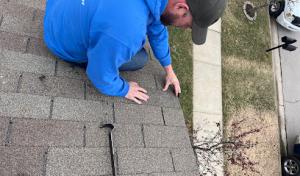
Spring storms are a key local roofing risk window, bringing hail and high winds that can damage shingles between municipal inspection stages on replacement jobs. Because insurance adjusters expect a robust record, plan for a quick exterior walkthrough within 24 to 48 hours after a storm, then schedule an on-site contractor estimate within the next 48 hours. If shingles are loose, curled, or missing granules, that damage can be invisible from ground level but show up clearly in close photos of edges, valleys, and flashing. The goal is to capture all impact zones before any weather creep-dew, rain, or lingering wind-complicates the view.
Winter ice-dam and freeze-thaw stress mean storms aren't the only time leaks reveal themselves. Homeowners often discover water intrusion after the weather shifts back to cold-to-warm cycles, when ice dams melt and refreeze beneath shingles. In Milford's climate, a quiet attic drip after a cold snap can point to underlying damage caused by wind-driven trauma or hail that wasn't fully obvious in spring sunshine. Do not assume a leak is purely a seasonal nuisance; investigate promptly, since the culprit may be hidden under flashing or within the roof deck.
To align with local adjuster expectations, assemble a concise damage package: dated photos showing all impacted roof areas, close-ups of hail marks, granule loss, lifted shingles, and damaged flashing; a simple written timeline of when you noticed leaks or roof staining; and contractor estimates that reflect the scope of work needed for a proper repair or replacement. If a tree or limb strikes the roof, include any ancillary damage to gutters, vents, or soffits, as these can influence the claim and repair plan. A rapid, well-documented submission helps an insurer move from inspection to decision with fewer delays, which means you can secure temporary protection sooner and prevent further interior damage during the high-claim season.
Once the claim is filed, you'll likely face a field adjuster visit and a pacing of estimates to meet the market's demand. Expect a tight turnaround on inspections and an accelerated schedule for temporary protections and deck-to-shingle repairs. If you're coordinating with a contractor, ensure they can deliver a same-day or next-day exterior assessment and provide date-stamped report materials to accompany the claim packet. In the end, the objective is a repair path that minimizes exposure to further weather events and returns your roof to weather-tight condition as quickly as possible, especially during the volatile spring months and the tricky winter-melt period.
Find local contractors experienced in assessing and restoring roofs after hail, wind, and severe weather events.

At Your Service Roofing
6064 Branch Hill-Guinea Pike, Milford, Ohio
4.9 from 324 reviews

American Roofing Technologies
(513) 490-1597 americanroofingtechnologies.com
Milford, Ohio
4.9 from 159 reviews
Coldstream Exteriors
(513) 258-0450 coldstreamexteriors.com
1308 US-50 Suite 100, Milford, Ohio
4.9 from 199 reviews
At Your Service Roofing
6064 Branch Hill-Guinea Pike, Milford, Ohio
4.9 from 324 reviews
At Your Service Roofing is a trusted roofing contractor in Milford, serving Loveland, Madeira, Mason, and Springboro. We provide residential roofing, roof repair, asphalt shingle roofing, siding, and gutter installation. Our customers value our affordable roof financing options and dependable roof warranties, ensuring peace of mind for every project. With certifications like Owens Corning Platinum, we deliver reliable results you can count on. For roof replacement in Milford, our team is ready to assist with quality and care. Contact us today to learn how we can meet your roofing and exterior needs with a focus on customer satisfaction.

American Roofing Technologies
(513) 490-1597 americanroofingtechnologies.com
Milford, Ohio
4.9 from 159 reviews
American Roofing Tech. uses state of the art tools and materials on all of our roofing projects. From start to finish we are always here to protect what matters most to you!
Coldstream Exteriors
(513) 258-0450 coldstreamexteriors.com
1308 US-50 Suite 100, Milford, Ohio
4.9 from 199 reviews
At Coldstream Exteriors, we bring over 20 years of experience to cater to all your home's exterior needs. Serving the Cincinnati area, our dedicated team specializes in roofing, siding, window installation, and gutter services, tailored to fit your unique requirements and budget. Whether you're looking to enhance your home's functionality or give it a fresh, stunning look, we're here to turn your vision into reality. Trust Coldstream Exteriors for reliable guidance, premium materials, and a meticulous approach to every project, ensuring results you'll be proud of.
Harper Siding & Roofing
(513) 444-6098 harperexteriors.net
1080 Sophia Dr, Milford, Ohio
4.8 from 222 reviews
Harper Siding and Roofing is a residential and commercial roofing company based in Cincinnati Ohio, providing roofing repair and replacement, home siding, window replacement, home insulation, gutter repair and installation and other exterior services throughout the greater Cincinnati Ohio area. Honest and Reliable. Free estimates.

Roofing For Troops
(844) 513-8387 roofingfortroops.com
27 Water St #1, Milford, Ohio
4.8 from 246 reviews
Veteran-owned Milford & Cincinnati Roofing Contractors, Roofing for Troops delivers military-grade precision with over 15 years of experience in roof repair, roof replacement, and storm damage restoration for both residential and commercial properties. Serving Milford, Loveland, Blue Ash, and the greater Cincinnati area, our certified, insured team also specializes in gutter installation, siding, soffits, and chimney work. We honor the sacrifice of our service members by upholding integrity, respect, and transparent communication in every project. Contact us today for a free estimate and quality craftsmanship you can trust. We invite you to book your free inspection today! (844) 513-8387
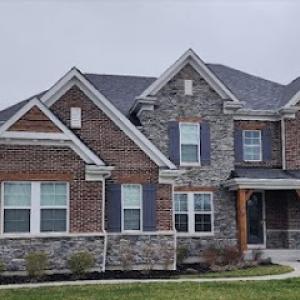
HTC Roofing
(513) 248-0382 www.htcroofing.com
5659 Mellie Ln, Milford, Ohio
4.9 from 85 reviews
HTC Roofing offer roofing contractor serves residential and commercial clients in the Tri State area. With 25 years of experience, we have the knowledge and skills needed to install roofs, siding, gutters, and windows properly. We have the skills needed to help you keep your home looking beautiful. When it comes to property maintenance, it's important to pay attention to the exterior of your home or commercial facility. Damaged roofing and siding can cause major interior damage. If you need to get your roof or siding replaced, hire HTC Roofing, Siding, Windows & Gutters. Residents of the Tri State area have been using our roofing contractors for repair and installation services since 2013. Contact us today for more information.
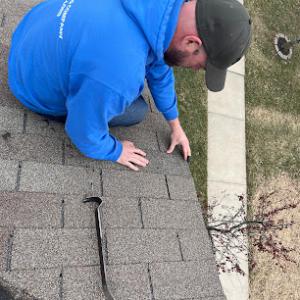
Lord's Roofing Company
(513) 248-5673 lordsroofingcompany.com
100 Castleberry Ct #591, Milford, Ohio
4.9 from 63 reviews
Lord's Roofing Company is the first mission-based roofing company in the Greater Cincinnati area that donates 10% of the gross profit from your job to a church or charity of your choice. We provide roofing services including new roof installations, nail overs, metal roofs with standing metal seam, pole barn system panels, flat roofs which include new rubber roofs, repairs, and TPO membranes. We are storm damage and insurance specialists that also provide roof inspections for real estate purchases. Owner or project manager is on site with every install. We are proud to be Milford's Top Rated roofing company! Have a problem ? Call us today for a FREE no pressure solution!

Frisby Roofing & Construction
(513) 575-5555 www.frisbyconstruction.com
1375 OH-131 D1, Milford, Ohio
4.5 from 611 reviews
Welcome to Frisby Construction, your premier roofing contractor in Milford, OH. We are a family-owned business that has served the Cincinnati area since 1994. Our team of experienced professionals specializes in residential and commercial roofing, gutters, and siding. At Frisby Construction, we pride ourselves on our fast turnaround and high capacity. We understand that when it comes to your property, you want the work done quickly and efficiently. That's why we work diligently to complete each job in a timely manner without sacrificing quality. If you need roofing, gutters, or siding services, don't hesitate to contact us. We would be happy to provide you with a free quote and answer your questions. Reach out today!
TruCraft Roofing
807 Round Bottom Rd Suite B, Milford, Ohio
4.8 from 24 reviews
At TruCraft Roofing, we are dedicated roofing contractors specializing in commercial and residential roofing, exteriors, and construction services. With over 40 years of experience, our local, family and veteran-owned business takes pride in providing high-quality roof replacement and repair, metal building services, solar roofing installations, metal fabrication, and roof maintenance. Our team’s attention to detail and top-tier material selection, ensure long-term value for our customers. Driven by honesty and integrity, we strive to deliver exceptional results. Looking for “roofing near me”? Trust TruCraft Roofing for all your needs..

TeamCraft Roofing
2002 Ford Cir, Milford, Ohio
5.0 from 9 reviews
TeamCraft Roofing is a leading full-service commercial roofing contractor with locations throughout the eastern half of the US. Since 1996, TeamCraft Roofing has been dedicated to honesty, safety, teamwork and quality in order to achieve ultimate customer satisfaction. We are proud to provide roofing services for any 24-hour emergency, leak and roof repairs, preventative maintenance programs, re-roofing projects, retrofit and new construction projects. Our roofing expertise ensures the right solution is selected for your facility. With 18 offices spread across 9 states, we shelter you.
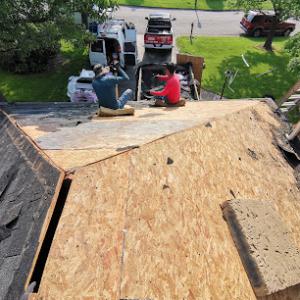
AirTight Roofing & Masonry
(513) 888-4895 airtightroofing.com
947 Business 28, Milford, Ohio
5.0 from 3 reviews
All of your roofing and masonry needs under one roof. We offer, roof replacements & repairs, new gutters, gutter cleaning, gutter protection, new siding, siding repair, pressure washing and many other exterior services. Free inspections. Professional staff with years of experience. We keep the customer up to date with there project with photos before during and after. We do every job like it was our own home with protection for your home windows and landscaping. Every roof is done to ohio/Kentucky code. Insurance welcome. Can text or call for your convenience.
All Seasons Roofing & Home Improvement
Milford, Ohio
4.3 from 6 reviews
We are a roofing and home improvement company based out of Cincinnati ohio we pride ourselves on providing high-end craftsmanship at affordable prices.
Spring and fall dominate replacement planning in this area because cold winters with freeze-thaw cycles can crack seals and loosen shingles, while warm, humid summers strain exposed components and crews. Summer heat speeds aging of underlayment and drip edge, so a tear-off staged over multiple days can leave a roof vulnerable if overexposed. The window between winter remnants and peak summer demand is narrow, so plan concrete steps for each season and keep a realistic pace with weather buffers.
When a storm hits, start with safety first and then a focused inspection. Look for curling shingles, missing granules, dented flashing, or compromised sealant around vents and skylights. If you notice obvious damage or leaks, mark the area and file an insurance claim promptly. In Milford, fall and spring storms can collide with busy contractor schedules, so document damage with photos, the date of the storm, and specific locations on the roof. Keep gutters clear so water can shed away from the fascia and prevent interior cascades while you arrange a temporary cover if needed.
Document everything before, during, and after repair-photos from ground level and from the roof if safe to access. Create a simple, chronological file: storm date, hail or wind indicators, observed damage, communications with the insurer, and contractor quotes. When speaking with adjusters, point to visible stress patterns on ridge vents, chimney caps, and vent flashing as anchors. In a high-claim market, having a clear timeline and coordinated access for the estimator can accelerate approvals and reduce second-visit delays. If a tarp is used, photograph it in place and note the start and end dates to help with claim reconciliation.
Spring weather in this region can swing from sun to squall in a matter of hours, so align the project calendar with your forecast three to seven days out. Fall brings additional risk of late-season storms, so buffer for rain delays and the possibility of extending the replacement into colder days. If a tear-off is required, prioritize staging over a single weekend to minimize exposure to wind-driven moisture. For homes with multiple roof faces, stagger crews to manage heat load and keep underlayment integrity intact during longer install timelines.
A complete roof refresh often involves more than shingles. Inspect and, if needed, reseal step flashing along transitions to chimneys, skylights, and vents. In humid summers, sealants can degrade faster; reapply or upgrade to quality flashing and sealants with proven performance in warm, moisture-heavy conditions. Ensure attic ventilation remains adequate during upgrades to prevent condensation buildup behind the newly installed roof. If you're delaying a full replacement, consider temporary vent caps and drip edge protection to guard against sudden storms, especially in late fall when systems can shift quickly.
Set expectations with your crew about staging during heat and rain. Request daily progress updates, particularly when multiple days are required for tear-off and replacement. Ensure the contractor has verified insurance and a clear plan for debris containment. In a tight market, confirm arrival windows and access routes to minimize disruption to the neighborhood and protect landscaping. Finally, keep a simple contact sheet handy-escape routes, emergency numbers, and the best way to reach the lead supervisor during variable weather.
Asphalt shingles remain the dominant practical choice in Milford because they fit the area's common re-roofing budgets while still addressing the local mix of hail, wind, humidity, and winter temperature swings. The profile of this climate means your roof will likely face rapid temperature changes between warm, humid days and freezing nights, which can stress sealants and shingle tabs. A 3-tab or architectural 30-year shingle with good impact resistance and wind uplift ratings gives a balanced blend of performance and ease of repair after a storm. When choosing asphalt, look for a product with a generous warranty and a warranty-backed impact rating that correlates with the way hail tends to fall in nearby valleys. Gut-to-roof detail matters: ensure proper attic ventilation to reduce condensation and curb premature granule loss after a heavy storm. In this market, a contractor's ability to complete a timely post-storm evaluation and document damage clearly can make a real difference in claims handling.
Metal roofing is a meaningful upgrade option for homeowners seeking resilience through freeze-thaw cycles and faster shedding of snow and rain. In this area, metal roofs respond well to the seasonal freeze-thaw swings that can linger in late fall and early spring, reducing the chances of ice damming when properly installed with an integrated drainage plan. The faster shedding of moisture also helps with wind-driven debris and hail impacts, though texture and color choices can influence heat gain in humid summers. For older homes with steeper pitches or complex rooflines, a metal system can simplify maintenance since panels are typically less susceptible to granule loss and surface cracking after hail compared with some asphalt profiles. Installation quality matters here: proper underlayment, panel seam alignment, and fastener selection are essential to prevent leaks around dormers, valleys, and skylights. If a homeowner prioritizes long-term durability and a modern curb appeal, metal becomes a compelling option worth evaluating against traditional shingles.
Tile, wood shake, and slate exist in the market but are more specialized in Milford, where added weight, maintenance expectations, and repair complexity matter more on older homes common in established Cincinnati suburbs. Clay or concrete tiles bring excellent longevity and wind resistance, but their weight often requires structural reinforcement and a higher upfront installation cost. Wood shakes offer distinctive character and good performance in dry conditions but can suffer from humidity-driven expansion, rot risk, and more frequent maintenance in wet summers unless properly treated and sealed. Slate stands out for durability and timeless appeal, yet its substantial weight and the need for skilled labor in repairs can limit applicability on older or uneven structures. For homes with historical features or limited attic space, weigh the compatibility of roof geometry and existing framing before committing to these materials. If choosing a more premium option, coordinate with a contractor who has experience matching shingles or tiles to the prevailing storm patterns and who can implement a robust maintenance plan to sustain aesthetics and function through decades of Cincinnati-area weather.
A full roof replacement in this area typically requires a building permit rather than being treated as a no-permit maintenance item. The local building department takes the process seriously, especially when weather-related damage leads to a surge in claims after a fast-moving storm. Before any shingle or tile work starts, ensure the project is defined as a full replacement in the permit application, and plan to align with the department's expectations for evidence of damage and scope. This isn't something to skip or treat as optional, even if a contractor suggests otherwise.
Submit a clear project plan set that details the roof type, underlayment, ventilation, and attachment method. The department generally reviews submitted plans before work begins, and this review can influence scheduling, especially in the spring or fall when storm activity spikes. In Milford, the review acts as a checkpoint to confirm code compliance and to prevent cost overruns or rework later in the project. Be prepared to address questions about attic ventilation, attic access, and drainage details, since these items often drive inspection outcomes. If your home has unique features-such as a dormer, multiple ridges, or a roof deck-include scaled drawings or photos to expedite review.
Inspections occur during tear-off or installation and again at final completion. The first inspection typically happens once the roof deck is exposed and safe work conditions are in place; this confirms structural integrity, eave protection, and underlayment. A mid-project check may verify nailing patterns, flashing at valleys and chimneys, and proper ventilation. The final inspection verifies that all work matches the approved plans and code requirements, including proper waste disposal and cleanup. Scheduling inspections promptly after notifying the department helps prevent delays creeping into the storm-season timeline.
Routine permit processing normally takes about 1 to 2 weeks after plans are submitted. That window matters, especially when storms have just rolled through and crews are swamped with high-claim work in the Cincinnati metro area. Plan for that lead time in the overall project calendar, and coordinate with the contractor to set inspection dates that avoid bottlenecks. If a storm event is forecast, discuss contingency scheduling with the permit office and the contractor to keep the project moving without compromising compliance. Have the project address and contact information ready to streamline any update requests from the building department.
In this market, the raw price tags for a full roof replacement line up with the national material expectations, but Milford homeowners should anchor expectations to the local per-square ranges: asphalt shingles 350 to 700 USD per square, metal 700 to 1200, clay tile 1000 to 2400, concrete tile 900 to 1800, wood shingles or shakes 600 to 1100, and slate 1500 to 3200. These figures reflect not just material quality, but the fit for the typical Cincinnati metro climate-think freeze-thaw cycles and spring hail-affecting long-term performance and warranty considerations. When planning, assume a full re-roof rather than a partial patch if the roof deck shows uneven wear or hail-induced damage across multiple sections.
Milford's location in the Little Miami River valley means storm activity from the Cincinnati metro can tighten contractor availability after hail and wind events. That increased demand tends to push timelines and, occasionally, pricing for large projects. If a hail storm hits nearby, you'll notice faster turnover in scheduling and a premium on quick material procurement. Having an established contractor on your radar before the next storm can reduce scheduling stress and help secure favorable lead times, especially for higher-end materials like concrete or clay.
Beyond the sticker price of shingles or tiles, total cost in this market is shaped by how work is organized and how many components are required to restore a resilient roof. Expect labor to include tear-off of old materials, disposal, underlayment upgrades, flashing and vent work, and alignment with the home's existing attic ventilation. Freeze-thaw cycles and humid summers in this valley can mandate upgraded underlayment and more extensive deck inspection, which adds to the bill. If the job involves multiple roof faces or complex geometry, anticipate higher costs and longer timelines, even when material prices are stable. In practice, planning for a broader replacement window and a contingency fund will smooth out the process when weather and storm demand collide.
Don't let upfront costs delay a critical repair - these contractors offer payment plans to fit your budget.
At Your Service Roofing
6064 Branch Hill-Guinea Pike, Milford, Ohio
4.9 from 324 reviews
Coldstream Exteriors
(513) 258-0450 coldstreamexteriors.com
1308 US-50 Suite 100, Milford, Ohio
4.9 from 199 reviews
In Milford's regional insurance environment, carriers often want before-and-after photos, close-up damage images, and written contractor scopes before approving roof claim work. If those items are missing or delayed, claim status can stall or jeopardize agreed repairs. A careful, organized bundle sent promptly after a storm sets expectations and reduces the chance of second-guessing the scope later in the process. The goal is to establish a clear, defensible record that stands up to adjuster review.
Adjuster verification is common for hail and wind losses in the Cincinnati area, so document elevations, soft-metal impacts, and interior leak evidence early. Take wide-area roof shots from ground level and drone-friendly angles when permitted, then zoom in on hail impact marks, lifted granules, and any sagging or curling edges. Interior evidence matters, too: stains on ceilings, staining around attic penetrations, and any condensation signs that point to compromised underlayment. Keep a dated, organized folder; hot-stamped notes from your own assessment can help the contractor's scope align with the insurer's expectations.
Coverage differences by carrier can influence whether the claim leads to a repair with like-kind materials or a considered upgrade to metal or another premium system. Your contractor's written scope should mirror what the adjuster will review, including material types, thickness, and color choices, to avoid later disputes. If you anticipate an upgrade discussion, flag this early with the insurer and document any approvals or rejections in writing. A clear, consistent record reduces the risk of post-claim surprises and keeps repairs moving along when spring storm activity peaks.
Milford's established housing stock in the Cincinnati suburbs means roof penetrations like chimneys are a recurring concern during re-roofing and leak diagnosis. When a contractor climbs onto a familiar, weathered roof, that chimney or skylight isn't just a feature-it's a potential pathway for moisture if seals, flashing, or mortar joints have aged unevenly. The risk isn't theoretical: repeated seasonal stresses can translate into slow, stubborn leaks that show up first at the ceiling near a chimney or around a skylight frame after a heavy rain or a fast warm-up followed by frost.
Freeze-thaw cycling in Milford can worsen flashing movement and seal breakdown around skylights and masonry intersections. Water that sneaks past a marginal seal can freeze in the gap and expand, lifting metal flashing or loosening sealant beads. Over time, that cycle creates hairline cracks that grow into noticeable leaks. Skylight rests and chimney collars are especially vulnerable because they sit at natural stress points where two different materials meet-metal, shingles, brick, and mortar-each with a slightly different expansion rate.
Because many local contractors advertise chimney and skylight work, these details are a real part of the Milford repair market rather than an edge case. Expect that effective fixes often combine improved flashing with reinforcedCounterflashing, targeted sealant upgrades, and careful integration with surrounding shingles. If a leak trace points to a chimney or skylight, insist on examining the entire surrounding area for masonry cracks, mortar deterioration, and any step flash or counterflash that could be compromised by seasonal movement.
When a storm passes, check for staining or moisture around brick joints and along the skylight frame after the attic has cooled. Look for loose or corroded metal flashing at the chimney base and note any peeling sealant on skylight surrounds. Document photos from multiple angles and seasons; a careful paper trail helps a contractor locate intermittent leaks that don't always present themselves during a single visit.
Find contractors experienced in skylight installation, flashing, and leak repairs to bring natural light into your home.
Coldstream Exteriors
(513) 258-0450 coldstreamexteriors.com
1308 US-50 Suite 100, Milford, Ohio
4.9 from 199 reviews
Flat and low-slope roofing is present in the Milford contractor market even though steep-slope residential re-roofing dominates, making it relevant for additions, porches, and some mixed-use properties. In practice, this means you may have a low-slope section attached to a pitched home, a standalone flat roof over a porch, or a small addition with membrane on top. Knowing where these pockets sit on your structure helps you prioritize inspection after storms.
Milford's humid summers and fall rain put extra stress on drainage performance and membrane condition. After every heavy rain event, check for visible ponding in low areas and along seams. Look for blisters, cracking, or edge-cure separation on the membrane. If you see standing water near flashing transitions or along the perimeter, plan an inspection that targets the membrane sheet quality and the condition of any edging or termination bars.
Low-slope sections tend to collect leaves, branches, and gravel that can accelerate wear on the surface. Debris near drains or scuppers blocks flow and increases ponding risk. Regularly clear debris from gutters, scuppers, and parapet edges, especially after wind events. Pay attention to joints where adjacent roofing and flashing meet; these are common leak points when storm debris shifts or flashing pulls back.
Low-slope areas often become the first leak point after a storm because debris, ponding tendencies, and flashing transitions concentrate water exposure. If a leak appears, trace it toward the corresponding low-slope section and inspect the membrane edge, drain boot, and any transitions to steeper roof planes. Quick, targeted repairs can prevent broader moisture intrusion into attic and ceiling spaces.
Create a simple post-storm inspection routine: check drainage outlets, inspect edge flashing, and note any new stains or soft spots on the low-slope surface. If you identify persistent ponding or recurring leaks, schedule a professional evaluation focusing on membrane integrity and flashing at transitions. Quick action minimizes interior damage and preserves the performance of additions or porches connected to the main roof.
Find specialists in TPO, EPDM, and built-up flat roofing systems for residential and commercial properties.
Lord's Roofing Company
(513) 248-5673 lordsroofingcompany.com
100 Castleberry Ct #591, Milford, Ohio
4.9 from 63 reviews
Expert Contractorz
(513) 318-7256 www.expertcontractorz.com
1288 Monticello Ct, Milford, Ohio
5.0 from 1 review

The Milford market is heavily oriented toward re-roofing rather than only new construction, so homeowners are usually comparing crews on replacement experience, cleanup standards, and response speed. In neighborhoods ringed by Little Miami's springs and storm chatter, a contractor's track record handling full roof replacements matters as much as the shingle choice itself. You'll notice a mix of large crews and smaller, longtime locals, each bringing a different cadence to project management and site care. Look for firms that publish verifiable project histories and are comfortable documenting milestones from tear-off to final inspection.
When you're choosing, prioritize contractors who can demonstrate complete re-roofing cycles in similar housing stock-often older, multi-story, or densely packed Milford homes. Ask for recent job photos and a list of references you can contact who faced comparable weather swings and seasonal delays. A strong replacement-focused track record plus standardized cleanup protocols translates into less linger on your curb and fewer stray nails in the yard. If the crew can discuss ventilation, underlayment choices, and flashing strategies with concrete examples, that speaks to practiced expertise rather than general speculation.
Quick response and cleanup are unusually prominent local hiring priorities, reflecting the area's storm-driven repair volume and dense residential neighborhoods. Seek a contractor who can offer a clear response window after severe weather, a written plan for tarp and roof protection if you're waiting on materials, and a daily cleanup expectation. On-site discipline-drip edge installation, nail removal, dumpster management, and final debris removal-directly affects neighbor relations and insurance claim timing. A well-communicated schedule with daily progress notes helps neighbors feel confident in a smooth, respectful project flow.
Long-established, family-owned, and locally owned firms all have a visible presence in Milford's contractor pool, giving homeowners a real choice between scale, tenure, and service style. Consider what matters most: a personal touch and accountability from a smaller crew, or the predictability and inventory scale of a larger firm. Either way, insist on written guarantees, clear warranties, and a single point of contact who coordinates between shingle selection, waste management, and aftercare.