
Last updated: Apr 19, 2026
In Batavia, hail and wind events regularly generate roof-related insurance claims, and the timing of those claims can determine when a repair or replacement actually happens. You feel the pressure when a spring storm rattles loose shingles and dents gutters, and you need to move quickly before more damage compounds the risk to your attic and insulation. The local pattern is clear: storms lead to claims, then a careful but decisive plan to address the roof before more weather hits.
Spring storms in this area can disrupt both roofing schedules and municipal inspection timing. If you notice curled edges, granule loss, or leaks after a hail event, treat it as a potential claim trigger. Document with photos, videos, and a dated running log of what you saw and when. Insurance processes move fastest when you present a clear timeline of damage and its progression. Do not wait for dark skies to press you into reactive fixes; you want a documented sequence that your insurer can follow confidently.
In this climate, cold snaps and late-season snow can slow both contractor work and inspections. The first priority is to get a licensed roof expert to assess the damage for your claim package, so you know what the roof truly needs-repair, partial replacement, or full replacement. The timing of inspections often hinges on weather windows and the municipality's own review pace, which can stretch into late spring or early fall after storm season damage has been identified. Having a prepared, professional assessment helps stabilize the timeline and reduces back-and-forth with the insurer.
Your claim packet should include a recent on-site assessment, clear photos of damaged areas, a mapped layout of affected roof sections, and notes on any interior signs of moisture. Keep all correspondence with the insurer in one thread, including any adjuster visits and agreed-upon scope. In Batavia, where winters are tough and freezes can reveal latent damage, it's imperative to show both the visible surface wear and any evidence of freeze-thaw stress that might affect warranty decisions.
Delay can invite further damage from wind-driven rain and thaw cycles. Temporary measures-like tarping exposed areas and securing loose shingles-minimize interior risk and stabilize the claim's credibility. Your action here earns you respect with the insurer and prevents secondary issues such as mold or structural concerns from blossoming while the paperwork catches up.
Because Ohio winters bring cold temperatures and snow, many replacements are pushed into late spring through early fall after storm season damage is identified. You should plan with your contractor for a schedule that respects the potential inspection delays while preserving the structure from further exposure. Maintain open lines of communication with your insurer and contractor, and confirm whether the scope might evolve as additional findings surface during spring thaw. This proactive stance helps you avoid a prolonged delay that could leave your home exposed during volatile Batavia spring weather.
A full roof replacement typically requires a building permit through the Batavia Village Building Department. That permit is not a formality you can file and forget about; it anchors the project to village standards and inspections. Before any tear-off begins, confirm with the building department that your contractor has submitted the permit application and that the scope of work aligns with village codes. Expect steps that include plan review, permit issuance, and clear communication on when work can start. If your home sits near a municipal boundary or a historic feature, the department may require additional notes or small documentation tweaks. Your job is to stay in touch with the permit office and your contractor so the paperwork moves in sync with the on-site work.
Inspections in this village aren't a formality; they're part of the process that keeps storm-damaged roofs, old ashlar siding, and freeze-thaw vulnerabilities from becoming recurring problems. Inspections occur during installation and culminate in a final inspection at project completion. The installation inspection ensures materials are properly staged, fastened, and vented, and that roof penetrations (vent pipes, chimneys, skylights) meet village and manufacturer requirements. The final inspection confirms everything has been installed to code, looks right, and that the roof system integrates with the home's structure and drainage. Prepare for possible hold points where the inspector may request minor adjustments-these can delay clearance, so coordinate with your contractor to address issues promptly. If the project includes an underlayment or ventilation rework, anticipate additional checks focused on moisture control and attic air flow.
Timing matters in this village climate, where a quick turn-around between rain events and freeze-thaw cycles can affect overall project duration. Start by aligning your contractor's schedule with the permit timeline: submission, review, potential questions from the building department, and permit issuance. Once the permit is active, plan for a window that accommodates the start date and anticipated duration, factoring in local weather constraints. Communicate clearly with the contractor about who is responsible for coordinating the inspection appointments and who will be present on inspection days. If dumpster placement is required, coordinate with the utility and village staff to designate a safe staging area that doesn't block driveways or hamper neighboring properties. The permit process in this village often requires placing debris containers and materials in specific locations, so pre-visit planning with neighbors and the contractor helps minimize disruption.
At project finish, the final inspection is the gatekeeper to occupancy and use. Ensure you have completed all touch-ups, returned any notes from the inspector, and gathered all manufacturer warranties and permit closeout documents. The village may require certificate-of-compliance paperwork or an inspection sticker once everything passes, so keep those records accessible. After the final sign-off, your contractor should provide you with a set of as-built notes and any maintenance recommendations specific to the replacement system installed. This closing phase ties together weather-ready protection, village compliance, and the long-term performance of your roof.
Asphalt shingles remain the dominant lower-cost option for homes in this area, matching the typical Batavia housing stock and climate. You'll commonly see a per-square cost in the mid-to-upper end of the $350 to $650 range, depending on shingle quality, underlayment, and the complexity of the roof. In a neighborhood with frequent freeze-thaw cycles and occasional hail, you should expect a solid, wind-resistant three-tab or architectural shingle to perform well when installed by a seasoned local contractor. Budget a little extra if the roof has many angles, penetrations, or surrounding trees that can complicate installation and cleaning after a storm.
Metal is a common upgrade in this market, offering standout durability and a longer potential lifespan. The typical metal roof falls in the $800 to $1,200 per square range, reflecting steel or aluminum panels, fasteners, and a protective coating suited to Ohio winters. Metal's rigidity helps resist high winds and hail, which are not uncommon during the storm-driven spikes seen in southwest Ohio. Weight is higher than asphalt, so ensure the existing deck and rafters are evaluated for the load. Aesthetics vary, but metal can still blend well with traditional Batavia homes when matched to the roofline and trim.
Clay tile is an option, but it's far less typical in the local contractor mix. If chosen, expect a wide price band around $1,200 to $2,300 per square, reflecting material hardness, weight, and specialized installation. Clay tiles demand a reinforced structure and careful flashing to accommodate seasonal shifts, which can be an extra consideration in a climate with freeze-thaw cycles. Availability of local crews comfortable with tile is an additional practical factor to verify before planning.
Concrete tile sits between clay and asphalt in both weight and cost, roughly $1,000 to $1,900 per square. It offers a broader color and texture range than clay, with solid performance against weather, but still requires careful structural assessment in older Batavia homes. Like clay, it's less common among local contractors, so scheduling a crew experienced with tile installation is important for a long-lasting result.
Wood options run about $500 to $900 per square, presenting a traditional look with good insulation properties but higher maintenance needs in a climate with trapping moisture and temperature swings. Treating and sealing are ongoing considerations here, and rot risk means annual inspections are sensible. Availability of skilled local masons and carpenters who handle wood shingles can influence timing and cost stability.
Synthetic or composite shingles generally land in the $400 to $900 range, offering lower maintenance than wood and more flexibility than some traditional options. They can be a practical middle ground for homes needing a durable surface that still mimics other appearances. In Batavia, local crews familiar with storm patterns can install these reliably, and the pricing tends to stay within a predictable band, provided roof geometry isn't extreme.
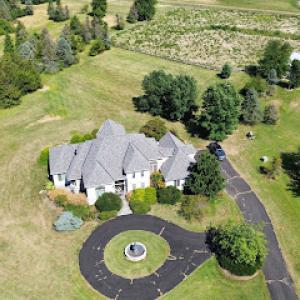
Ready Now Roofing
(513) 783-7000 www.readynowroof.com
350 E Main St #200, Batavia, Ohio
5.0 from 64 reviews
Ready Now Roofing is a full-service residential roofing company located in Cincinnati, Ohio. Our mission is to provide our clients peace of mind while delivering a positive experience they will remember
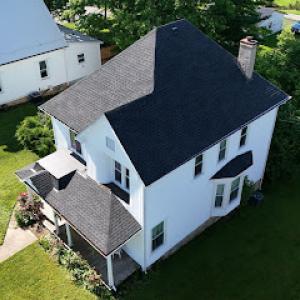
Elite Home Solutions & Services
(513) 801-9543 ehselitehome.com
Batavia, Ohio
5.0 from 14 reviews
Elite Home Solutions is a locally owned and operated home services company proudly serving Cincinnati and surrounding areas. We specialize in roofing, roof repairs and replacements, gutters, and attic insulation, helping homeowners protect, improve, and increase the efficiency of their homes. Our team focuses on high-quality workmanship, honest pricing, and dependable service from start to finish. Whether you need storm damage repairs, a full roof replacement, or energy-saving attic insulation, we provide clear communication and professional results you can trust. We serve residential customers throughout Southwest Ohio and nearby areas, offering free inspections and straight forward pricing with easy low payment finance options.
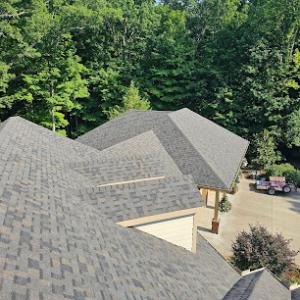
Day Contracting
Batavia, Ohio
5.0 from 4 reviews
We are a full service roofing contractor, servicing and replacing Slate, Tile, Shingle and all types of metal roofs in and around the Greater Cincinnati area. When servicing slate and tile roofs, we have highly skilled craftsman specializing in rebuilding and relining of old box gutters. Craftsman that replace old metal flat lock and standing seam roofs, completely hand fabricating all the materials out of sheet copper and hand solder just like in the early 1900's, to take your home back to its original state. If your in need of a small repair or a full replacement we can work with you to get the job done, using quality materials, on time and within budget. Call today to schedule an appointment for a FREE Estimate!
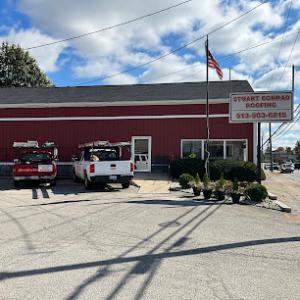
Stuart Conrad Roofing Services
(513) 380-0592 www.stuartconradroofing.com
Serving
4.9 from 105 reviews
Stuart Conrad Roofing Services provides roofing, gutter, siding, and exterior painting services to customers in the Greater Cincinnati, OH area.

Brandstetter's KangaRoof
(513) 713-0418 brandstetterroofing.com
Serving
4.8 from 510 reviews
Brandstetter’s KangaRoof has been serving the roofing and home exterior needs of our community for over 25 years. Our commitment is to offer you the absolute best value by using only the best products and materials while providing workmanship that is unsurpassed. It also means doing the job right the first time. A new roof or roof repair is a serious investment – we believe you deserve peace of mind when you make that investment. That’s why we guarantee our roofing systems including labor, parts, and material. Visit our website to see how we're more than just a roofer, we offer windows and doors, siding, gutter repair, skylights, chimney repair and much more!
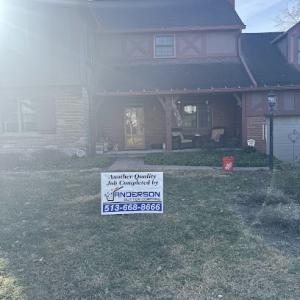
Anderson Gutter Company
(513) 668-8666 www.andersonguttercompany.com
Serving
4.9 from 261 reviews
Established in 2014, Anderson Gutter Company offers a complete solution for protecting your property from water damage. Their services include gutter installation, gutter guards, cleaning, drainage solutions, replacement, and repairs for both shingle and metal roofs.
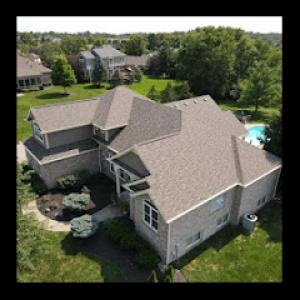
Coldstream Exteriors
(513) 258-0450 coldstreamexteriors.com
Serving
4.9 from 199 reviews
At Coldstream Exteriors, we bring over 20 years of experience to cater to all your home's exterior needs. Serving the Cincinnati area, our dedicated team specializes in roofing, siding, window installation, and gutter services, tailored to fit your unique requirements and budget. Whether you're looking to enhance your home's functionality or give it a fresh, stunning look, we're here to turn your vision into reality. Trust Coldstream Exteriors for reliable guidance, premium materials, and a meticulous approach to every project, ensuring results you'll be proud of.
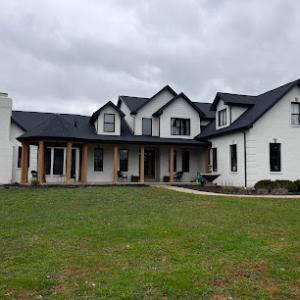
Harts Construction
(513) 561-8100 hartsconstruction.com
Serving
5.0 from 25 reviews
Harts Construction is a locally-owned and family operated business, specializing in roof replacements/repairs along with other home improvements. Our Company has proudly contributed our services to the Cincinnati area for the past 25 years! Along the way we have aimed to provide highly skilled craftmanship in a timely manner, while having a strong code of ethics in our operations. Customer satisfaction is our goal, while having a high level of personal integrity.
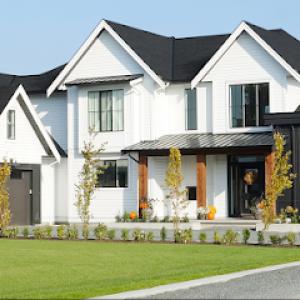
Riegler Contracting
(859) 287-5694 www.rieglercontracting.com
Serving
5.0 from 219 reviews
Riegler Contracting is an Owens Corning Platinum Preferred Roofing Contractor serving Northern KY and Cincinnati, OH. With 15+ years of experience and 400+ five-star reviews, we’ve built our reputation on honesty, meticulous craftsmanship, and clear communication. We provide free inspections and estimates and focus on answering your questions, recommending only what you truly need, and never using pushy sales tactics. We offer roof repair, roof replacement, emergency roofing, roof installation, flat roofing, commercial roofing, roof maintenance plans industry leading roof warranties, and more. For flat roof systems, we are also a Duro-Last Certified Roofing Contractor, trusted for durable, high-performance flat roofing.
SWORD Roofing - Cincinnati Roofing & Siding Company
Serving
4.9 from 344 reviews
Looking for top-quality roofing services in Cincinnati? Look no further than SWORD Roofing, a family-owned and operated company with years of experience. We specialize in roof repairs, tune-ups, and replacements, as well as gutter installation, repair and skylight repair and installation, and siding installation and repair. Contact us today for a free inspection or estimate and experience the difference with SWORD Roofing- Cincinnati Roofing & Siding Company! Call today for your free inspection/estimate or use our free roof quoting tool online

Do It All Construction
(513) 318-5924 doitallconstructionservice.com
Serving
4.9 from 13 reviews
Do It All Construction provides residential roofing, asphalt shingles & rubber roofs, flat roofing, metal roofing, commercial roofing, fire damage restoration, gutters, siding, and more to the Cincinnati, OH area.
American Roofing Technologies
(513) 490-1597 americanroofingtechnologies.com
Serving
4.9 from 159 reviews
American Roofing Tech. uses state of the art tools and materials on all of our roofing projects. From start to finish we are always here to protect what matters most to you!
Batavia roofs have to handle Ohio freeze-thaw cycling, which is especially relevant for shingle sealing, flashing durability, and tile susceptibility to cold-weather stress. When the temperature swings from freezing nights to warmer days, sealants on asphalt shingle roofs must expand and contract without cracking, and metal flashing must stay watertight at all joints. Clay and concrete tiles can take the cold, but their weight and brittle behavior under extreme cold mean installation quality matters more than ever-missing underlayment or improper anchoring can lead to hairline cracks that widen with repeated freezes. The edge conditions around chimneys, vent stacks, and skylines see the most stress, so material choices should prioritize systems with robust edge detailing and proven performance in mixed Ohio climates. If your home sports older or rough-sawn dormers, pay extra attention to sealant compatibility and flashing transitions where freeze-thaw cycles concentrate stress.
Asphalt shingles and metal roofing are the most locally prevalent steep-slope choices in Batavia's contractor market, making them the most practical comparison for homeowners here. Asphalt shingles offer straightforward installation with a wide service ecosystem, quick repairs, and compatible flashing details for typical Batavia rooflines. Metal roofing provides excellent wind resistance, lighter weight, and superior longevity when installed with proper underlayment and corrosion-resistant fasteners. In a climate known for freeze-thaw cycling, metal flashing corners and roof-to-wall transitions tend to outlive some shingle edge seals, reducing chronic maintenance if installed with attention to drainage and thermal movement. For homeowners who expect rapid scheduling after a storm, the ready availability of shingle and metal crews in the area often translates to quicker follow-up work and easier insurance coordination, should that path be pursued.
Clay tile, concrete tile, wood shakes, and synthetic shingles are available in Batavia, but the local contractor signal shows far fewer tile specialists than shingle or metal-focused crews. Tile alternatives can offer distinctive curb appeal and longevity in ideal conditions, but they demand careful installation, heavier structural supports, and meticulous attic ventilation to prevent thermal cracking or warping during freeze-thaw cycles. Wood shakes and synthetics present stylistic options, yet wood is particularly vulnerable to moisture and rapid temperature shifts, while some synthetic products vary in their expansion behavior. If choosing tile or wood, anticipate longer lead times for qualified crews, more precise site preparation, and reinforced underlayment to withstand Ohio winters. For the typical Batavia home, prioritize materials that align with the local contractor ecosystem, maintainable flashing details, and proven performance under cold-season cycling to keep seams and edges resilient year after year.
Explore specialists in steel, aluminum, and standing seam metal roofs built to last 50 years or more.
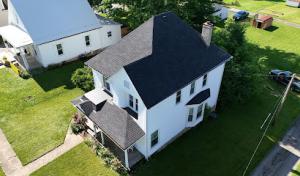
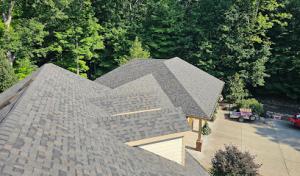
In Batavia, insurers serving local homes typically want solid photo documentation, contractor estimates, and both pre- and post-damage records when a roof claim is filed. That means you should photograph the roof from multiple angles, close-ups of any bruising or granule loss, and the drip edge and underlayment where visible. Keep copies of all contractor estimates and any repair notes, and store them where they won't be damaged by weather. The more you can show what existed before the event and what changed after, the more the claim stands on firm footing. If you've got a nearby neighbor with a similar roof, a quick side-by-side shot can help illustrate whether the damage matches a hailstorm or wind gust pattern rather than ordinary wear.
Batavia homeowners should expect adjusters to scrutinize whether damage came from a recent hail or wind event versus older wear on an aging roof. A stingy interpretation can happen when the roof already shows signs of curling, granule loss, or brittle flashing, which may lead to questions about cause. The best defense is a clean narrative: gather a timeline of storms, dates of any DIY fixes, and a clear map of where damage started and how it progressed. If the roof is a few decades old, be prepared for questions about remaining life and repair versus replacement. Having recent professional assessments that describe hail impact or wind uplift can help support a claim, but expect the adjuster to weigh the evidence against the roof's overall condition.
Coverage remains available in Ohio, but some carriers have tightened underwriting standards in response to weather risk, which affects replacement decisions after repeated claims. That tightening can translate into higher deductibles for certain damage types, more stringent criteria for what counts as hail versus wind damage, and closer scrutiny of the roof's age and maintenance history. For Batavia homeowners facing back-to-back storm events, it's not unusual for insurers to request additional inspections or supplemental engineering reports before agreeing to a full roof replacement. The practical consequence is that a claim may not automatically equate to a complete teardown and new installation; the insurer may favor repairs or a phased approach if the roof still has remaining service life.
Start by organizing a storm timeline: the dates of hail or wind, the observed damage, and when the roof was last serviced. Contact a local, reputable contractor who understands Batavia's typical shingle and substrate configurations, and obtain an detailed estimate that clearly ties the damage to the storm event. When presenting to the adjuster, include the pre-damage condition notes, the storm-specific photos, and the contractor's repair logic. If an initial settlement seems insufficient, don't hesitate to request a reinspecting adjuster or seek a second opinion from a contractor who has experience with Ohio's freeze-thaw cycle, which can complicate assessments. The goal is to secure a fair resolution that reflects both the storm's impact and the roof's actual condition at the time of the claim.
Connect with contractors who help homeowners navigate the claims process from damage assessment to final approval.
Ready Now Roofing
(513) 783-7000 www.readynowroof.com
350 E Main St #200, Batavia, Ohio
5.0 from 64 reviews
Late spring through early fall is the preferred replacement window. In Batavia, that span gives tear-offs, installation, and inspections the best odds of a smooth process with fewer weather-related delays. The longer stretch of dry days helps crews move quickly, reduces the chance of shingles warping, and makes attic and interior work clearer for crew members checking for moisture intrusion after hail or strong storms.
Winter roofing can be delayed by snow and cold temperatures, which affects shingle handling and overall crew productivity. In cold snaps, asphalt shingles become brittle, granules can shed unevenly, and sealant may not set properly. If a winter project is unavoidable, plan for shorter workdays, extra tarps and de-icing measures, and a flexible schedule that accounts for occasional cold snaps and snowfall.
Summer heat and humidity in the southwest Ohio corridor can slow installation pace and affect how materials are stored and handled on site. Shingles heated on rooftops may bend or twist, and plastic underlayments can soften if left in direct sun too long. Schedule the hottest days for lighter, safer interior tasks and reserve more strenuous steps for mornings or cloudier afternoons. Adequate ventilation in the attic and shade for material storage help keep crews productive and reduce the risk of heat-related issues.
When storms hit, begin with a rapid, organized documentation process. Take clear photos of the affected roof from multiple angles, noting any new leaks inside the attic or ceilings. Gather a preliminary list of damaged areas and any fallen debris. Communicate with the insurer promptly, sharing the documentation and the expected scope of work. A timely claim can help align inspection timelines and expedite the replacement window, while keeping your contractor coordinated with the insurer helps prevent gaps in coverage during tear-off and installation.
After damage assessment and claim approval, align the replacement window with inspection readiness. Ensure crews have clear access, tarps in place, and indoor areas protected. If weather produces a day of heavy rain or extreme heat, reschedule to preserve roof and interior integrity, minimizing exposure to the attic and living spaces while the roof is open.
In Batavia, repeated seasonal precipitation combined with freeze-thaw cycles makes flashing details and transitions especially vulnerable over time. Shingle overlaps that seem fine after installation can deteriorate where roof planes meet walls, valleys, and vents. If flashing around chimneys or dormers is even slightly flawed, a small ice dam can turn into a slow drip that seals itself only after a costly patch. Pay close attention to any dark stains along these transitions after storms, and don't ignore a persistent damp edge where the roof meets masonry.
The local contractor market shows meaningful demand for chimney-related exterior work, which aligns with common leak concerns where roofing meets masonry penetrations. Mortar joints and chimney flashing often fail first in this climate, especially after a hard winter or heavy spring rains. In practice, that means you may notice moisture near the chimney cap, along the side of the flashing, or a damp collar around masonry-to-roof seams. If left unaddressed, heat transfer and moisture intrusion can accelerate rot in deck boards and underlayment beneath shingles.
Quick-response and emergency-repair prevalence in Batavia suggests homeowners often need temporary leak control after storms before full replacement can be scheduled. A sudden wind-driven shingle loss or a tree impact can expose underlying layers quickly. Temporary solutions are essential to keep interior spaces dry, but they are not substitutes for a proper repair plan. If a storm hits, expect a surge of urgent callouts, and prepare to prioritize areas around gutters, flashings, and any exposed decking until a full replacement can be coordinated.
Freeze-thaw stress compounds aging materials and magnifies preexisting vulnerabilities. Asphalt and synthetic shingles may shed granules or curl at edges, while metal and tile roofs reveal fastener loosening and seam wear. Regular inspection after thaw cycles is prudent, focusing on edge laps, ridge caps, and any sections where the underlayment shows through. A proactive approach can prevent small issues from escalating into widespread leaks that disrupt living spaces through multiple seasons.
Find contractors experienced in skylight installation, flashing, and leak repairs to bring natural light into your home.
SWORD Roofing - Cincinnati Roofing & Siding Company
Serving
4.9 from 344 reviews
In Batavia, steep-slope residential roofing dominates, but the contractor market still shows an active subset handling flat or low-slope roof sections. When you encounter a low-slope patch on a ranch or a two-story with a dormer, expect installers to bring different membrane choices and detailing stakes compared to the main roof. In the local climate, low-slope areas benefit from reflective or white membranes to shed heat and from careful edge detailing to resist wind uplift. Work on these sections often becomes a targeted project, separate in planning from the primary roof surface.
Batavia homeowners with porches, additions, garages, or mixed-roofline homes may need different materials and detailing on low-slope sections than on the main roof. For example, a porch roof or a garage extension might use a lighter membrane system or a contrasting flashing strategy to match drainage and curb appeal. When you're coordinating an addition, ensure the low-slope interface transitions smoothly to the existing roof, with continuous drip edges and backer materials that resist freeze-thaw cycles. The goal is a watertight seam that ages evenly with the rest of the structure, avoiding a patchwork look and creeping leaks.
Skylight-related service is active in Batavia's contractor pool, indicating accessory roof penetrations are a recurring local repair category. For low-slope areas, skylights add complexity: flashing must be tight, and transitional flashing between the skylight curb and surrounding low-slope membrane must be robust. If you're planning a skylight upgrade or an after-the-fact seal, verify that the contractor carries the right low-slope details for field adaptation. Regular inspection of penetrations in these sections helps prevent slow leaks that can hide behind soffits and fascia before you notice a stain.
Find specialists in TPO, EPDM, and built-up flat roofing systems for residential and commercial properties.
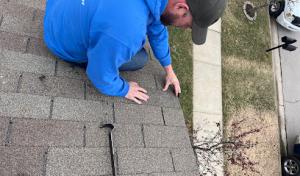
When a storm hits, quick response and thorough cleanup matter more in this market than anywhere else. Homeowners expect a contractor to assess wind and hail damage promptly, lock in a timeline for inspection, and mobilize crews before leaks worsen. A clear plan for tarp placement, debris containment, and responsible disposal keeps neighbors on your block confident in the work.
Re-roofing is more common than new construction, so homeowners hire for replacement or repair rather than first-time installation. A practical contractor in Batavia will walk through shingle or tile options that stand up to Ohio freeze-thaw cycles and seasonal storms. The right crew knows how to stage removal, protect landscaping, and coordinate material delivery around weather windows.
The market is full of family-owned, long-established firms. Reputation and responsiveness weigh heavily in hiring decisions. Local crews who answer calls after hours, show up on time, and keep licensed crews on-site earn trust. Sourcing from a familiar company often translates into smoother insurance documentation handling and fewer surprises once work begins.
Ask for a written project plan with a start date, daily milestones, and a cleanup checklist. Request recent Batavia references and note how the contractor handles storm debris and temporary repairs. Confirm their responsive communication style-how quickly messages are returned, who to contact for weather delays, and how they document progress for insurance claims.
A practical bidder will address the timing of inspections and align work to expected permit review windows. Expect clear explanations about scheduling around inspections, with contingency plans for weather days and temporary protections to minimize exposure between demolition and full installation.