Last updated: Apr 19, 2026
Houselots in this borough endure a burst of spring hail and wind that can lay waste to shingles, flashing, and underlayment just as winter's freeze-thaw cycle starts to bite. The back-to-back seasons mean products installed in spring are pressed into service by late fall storms and then tested again by temperatures that swing from bitter to mild. The result is accelerated aging on steep-slope roofs, especially where older underlayment or underslung venting transitions meet new coverings. This isn't theoretical-shingles crack or lift, flashing joints fail, and underlayment can soak up moisture when a quick freeze snaps the exposed edge. The urgency is real: a single severe hail hit followed by a cold snap can push a roof from serviceable to questionable in a single season if the system isn't prepared for the cycle.
The borough sits in the lower Susquehanna Valley climate zone, where warm humid summers meet cold, wind-driven winters. That contrast magnifies the vulnerability of steep-slope residential roofs, especially those with older venting and underlayment configurations near the historic core. In practice, that means the timing of repairs and replacements becomes sensitive: a small spring wind event can expose a flaw that won't fully reveal itself until the second winter. Pay close attention to the ridge line, valleys, and drip edges where water intrusion is most likely to begin. If recent storms left you with granular loss on shingles, a lifted edge, or visible flashing gaps, the next freeze can turn those symptoms into actual leaks once the ice expands and perches water behind weakened seals.
If a hailstorm or wind event hits, treat the roof as if its integrity is temporarily compromised even before you see water indoors. Conduct a careful top-to-bottom walk around during daylight: look for dented shingles, exposed underlayment, torn tabs, and gapping around vent boots. In steep sections you'll want a secure ladder setup and a second observer to ensure safety. Document any damage with date-stamped photos from multiple angles, especially around the chimney, skylines, and where roof-to-wall flashing meets the siding. Do not delay a professional roof inspection if you notice granule loss in gutters, dark streaks along the eaves, or unusual damp spots in the attic after a warm day followed by a cold night. The early notes create a solid baseline for tracking deterioration through the spring and into the next cycle.
As temperatures swing, the most cost-effective resilience step is reinforcing vulnerable joints and ensuring venting paths are clear. Inspect attic ventilation: dead-end or blocked soffit baffles, under-insulated eaves, or rafters with condensation marks can signal that winter moisture will become trapped behind a failing underlayment. If flashing over openings-chimneys, vent stacks, or skylights-shows micro-cracking or sealant separation, address it now before the freeze-thaw exponentiation. In back-to-back seasons, a temporary protective repair rather than a full replacement can buy time, but only if the underlying deck and underlayment are still sound. A proactive approach in the shoulder seasons reduces the risk of a small leak spiraling into widespread interior damage when ice forms in the valley and at the roof-to-wall joints.
Storm damage can occur shortly after installation in spring, so documenting roof condition before and after work is essential for later insurance questions in this market. Keep a digital archive of inspections and repairs, with clear notes on what was observed pre- and post-intervention, including the agents involved and the dates of service. If a claim is pursued, the photos should illustrate the sequence: initial hail impact indicators, then any interim repairs, followed by the seasonal freeze-thaw effects. Consistency in documentation helps establish the timeline and supports a stronger case for coverage when seasonal stress compounds existing vulnerabilities on steep-slope roofs.
In this part of Dauphin County, the yearly cycle can push a roof through a wide range of stresses. Freeze-thaw cycles in winter strain underlayment and flashing, spring hail can stress exposed edges, and summer heat affects sealants and attic airflow. Choosing the right window for replacement reduces weather-related delays and helps the roof perform as intended once finished. The goal is to align work with days that keep crews efficient and the material handling predictable.
Late spring and early fall are the most practical replacement windows for steep-slope homes in this area. Those months typically offer milder temperatures, less humidity, and a lower likelihood of heavy storms. This timing helps avoid the worst material-handling issues from winter cold and summer humidity, while still giving a long enough stretch for proper venting inspection and shingle set. When planning, look for stretches of several days in a row with dry weather and moderate highs and lows that won't push sealants or underlayment beyond their comfort zone.
Summer heat and humidity can complicate installation in this region. Shingle storage needs to stay dry and off the roof to prevent warping, and adhesive and sealant performance can shift with high attic temperatures. If a summer project is unavoidable, schedule longer, cooler workdays and ensure attic ventilation is not compromised during tear-off. Hot mornings followed by cooling evenings can also affect shingle bend and alignment, so plan for periodic inspections of the latest courses to maintain a straight, uniform look on the steep slope.
Winter exposure compounds problems when repairs are incomplete. Freeze-thaw cycles test sequences around flashing and underlayment, so any lingering gaps or weak spots can open up in a hurry once cold sets in. If a roof must begin late in the season, ensure a solid plan to weatherproof exposed edges and to complete critical underlayment taps before the first deep freeze. A thorough dry-in before the coldest months helps prevent fragile repairs from failing during a hard winter sequence.
Coordinate with a reputable local crew to target a window with several dry days in a row and moderate temperatures. Prioritize projects that allow complete tear-off and reinstallation within a contiguous schedule to avoid partial exposure. Have a short-term contingency plan for sudden weather changes, including rapid tarp readiness and coordinated access to staging space for material storage on the property. Finally, verify that attic ventilation remains adequate throughout the project to minimize heat buildup and moisture risk during any season.
Get a clear picture of your project costs upfront - no commitment required.

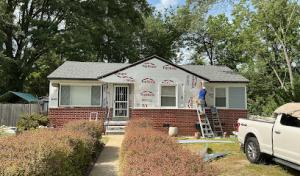
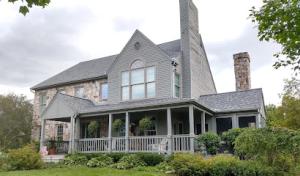
Asphalt shingles and metal roofing are the most prevalent practical choices in Hummelstown, but slate and tile remain locally relevant because of older regional architecture and higher-end replacement work. If a home dates to an era when decorative ridge caps and dormer detailing are visible from the street, slate or carefully matched synthetic slate can preserve the character while delivering modern performance. In newer suburbs, asphalt shingles and metal often meet daily needs with straightforward maintenance and reliable performance through winter weather.
Freeze-thaw cycling in this valley town raises the stakes for proper fastening, flashing transitions, and underlayment selection across asphalt, metal, slate, and tile systems. For asphalt shingles, ensure a wind-resistant, code-compliant nailing pattern and a high-grade underlayment in the attic or over the decking to limit capillary moisture. Metal roofs benefit from properly sealed seams and carefully designed flashing where the panels meet walls, chimneys, and vent stacks, because expanding and contracting metal can reveal gaps after a hard freeze. Slate and tile demand careful attention to fasteners and substrate rigidity; underslab movement or soft decking becomes more noticeable after severe cold snaps and freeze-thaw cycles. In all cases, a continuous, high-quality underlayment layer that resists moisture ingress reduces the risk of interior leaks after winter storms.
Older homes near the historic core often feature roof structures or detailing that make slate, synthetic slate, or carefully matched replacement materials more relevant than in newer suburbs. If the roof spans dormer assemblies, steep pitches, or intricate eave work, slate or synthetic slate can maintain curb appeal while offering durability in freeze-thaw conditions. Tile roofs, when structurally supported, bring excellent longevity but require precise spacing, battens, and flashings around penetrations to accommodate movement and thermal expansion. For retrofit scenarios, matching the existing plane and silhouette helps maintain the neighborhood look while upgrading to a more resilient underlayment and approved fasteners.
With asphalt shingles, prioritize high-quality starter courses at eaves and rake edges, ensuring the underlayment laps are sealed to resist wind-driven moisture. For metal roofs, choose a panel profile that minimizes exposed fasteners on steep sections and plan for leak-tight transitions at chimneys and vent pipes, not just at the roof plane but into the attic space as well. Slate and synthetic slate require professional assessment of roof load and substrate strength; when replacement is necessary, select products with a thickness and color that harmonize with nearby historic features, and insist on careful handling of edges, hips, and valleys to prevent microcracks during thermal swings. Across all options, attention to attic ventilation, insulation, and proper venting pathways remains essential to reduce condensation and extend roof life in climate cycles typical of the Susquehanna Valley.
When planning a roof replacement in this area, start with the provided per-square ranges: asphalt shingles 350 to 600, metal 600 to 1000, clay tile 900 to 1600, concrete tile 800 to 1400, synthetic/composite 400 to 700, and slate 1000 to 1800. These figures reflect the mix of housing stock in the borough and the steep slopes typical of older homes near the historic core. For a homeowner, this means you can ballpark a replacement with a quick headcount of square footage and then match material choice to the budget reality. In Hummelstown, small to mid-sized steep roofs often tilt toward asphalt or synthetic options for mid-range value, while the more historic or long-term-resilient builds lean toward slate or clay where the budget allows.
Costs in this town can rise on older steep-roof homes where tear-off, decking repairs, chimney and flashing work, and venting corrections are more likely to be discovered during replacement. History-leaning properties may reveal degraded decking or vent stacks once a contractor climbs the roof, and those fixes add labor and material time. If the project includes replacing or repairing vents, chimney flashing, or a partial tear-off, expect the upper end of the applicable material range. This is especially true after winter cycles or heavy spring precipitation when existing underlayment and flashing have aged beyond their intended life.
Storm-driven demand spikes after spring wind or hail events in the area can tighten scheduling and labor availability, affecting pricing and lead times. When a hail or wind episode hits, local crews may be booked weeks out, and some materials (like slate or tile) can see shorter supply windows. Plan ahead for potential delays and price shifts, particularly if replacing multiple roofs in a neighborhood after a storm. If a storm warning looms, consider pre-booking an inspection window with a reputable local roofer to lock in a preferred crew before the rush.
Begin by estimating square footage and choosing a material that aligns with long-term resilience and local weather patterns. Asphalt remains a common, cost-effective option for steep residential roofs, while synthetic shingles offer a closer look and feel of more expensive products at a lower price point. For historic homes where weight and appearance matter, slate or clay may be warranted if the budget allows. Always reserve a contingency for decking or flashing corrections once the old roof is exposed, and coordinate timing to avoid peak storm seasons where possible.
Long Home Products
Serving
4.7 from 646 reviews
For over 8 decades, Long Home has helped families throughout the East Coast enjoy safer, more beautiful homes. From durable roofs to stunning baths, our quality products, outstanding craftsmanship, and dedication to customer satisfaction are at the core of our philosophy. We work with customers to make home improvement projects more affordable through competitive loan rates and flexible payment plans that fit your budget.
ROOFX Roofing
Serving
5.0 from 133 reviews
Roofx Roofing & Siding, nestled in the heart of Harrisburg, PA, is the premier destination for top-tier roofing and siding solutions. Specializing in a comprehensive range of services, we expertly cater to your needs with precision and excellence. Our seasoned team excels in seamless roof replacement, swift and efficient roof repairs, cutting-edge metal roofing installations, and tailored solutions for commercial roofing projects. Elevating aesthetics and durability, we also offer premium vinyl siding services to enhance the curb appeal of your property. At Roofx, we're not just roofing experts; we're your trusted partners in safeguarding and enhancing the integrity of your home or business. Contact us today!
Docherty Roofing
(804) 543-7014 www.dochertyroofing.com
Serving
4.3 from 12 reviews
In need of a roof replacement or repair? Look no further! Docherty Roofing & Coatings offers professional roofing services. Call today for a free estimate!
Equity Roofing
(717) 629-0392 equityroofs.com
Serving
4.9 from 115 reviews
Equity Roofing is a trusted residential roofing contractor, located in Harrisburg, and serving the surrounding Central Pennsylvania communities. We specialize in full roof replacements, storm damage roof repairs, roof inspections, and Owens Corning roofing systems backed by industry-leading warranties. Whether you're dealing with a leaking roof, hail damage, or planning a full roofing upgrade, our experienced team delivers reliable, high-quality service from start to finish. If you're searching for a dependable roofing contractor, Equity Roofing is ready to help protect your home or business. We are proudly serving Harrisburg, Marysville, Hummelstown, Camp Hill, Mechanicsburg, Enola, Lemoyne, Carlisle, Hershey, and Middletown, Pa.
TJ's Shingles
Serving
4.9 from 68 reviews
When it comes to ensuring the safety and appearance of your home, look no further than the experienced roofing contractors at TJ’s Shingles. We’ve been providing quality roofing services to Central, PA residents since 2012 and have established a reputation as one of Central PA’s go-to roofing companies. Our team is honored to provide this critical service which ensures local homeowners with both peace of mind and a beautiful home. TJ’s Shingles is also a proud CertainTeed Master Shingle Applicator, Certified Weather Stopper Roofing Contractor for GAF, and holds an A+ rating from the BBB.
Surge Contracting
(717) 383-5774 surgecontracting.net
Serving
4.7 from 27 reviews
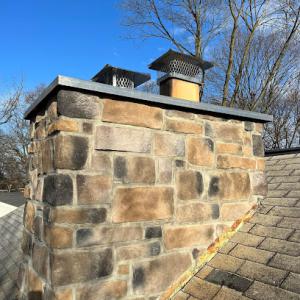
Surge Contracting is a family owned general contracting company who specializes in roofing, masonry, concrete, decks, fences and more ! We believe in educating our customers to give them the information they need to make the best decisions for their home remodeling projects. Unlike other companies we always respond to our current and potential customers with a sense of urgency.
Erie Home
Serving
4.5 from 674 reviews
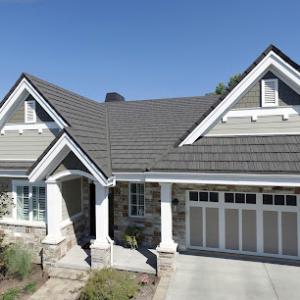
Since 1976, Erie Home has manufactured, supplied, and installed the best-performing roofing on the market. By providing ironclad warranties and convenient financing, we ensure that every homeowner we work with receives top quality service and value for their homes and properties. Erie Home professionals are the roofing company of choice in the greater Harrisburg, PA area. Whether you need roof inspections or roof damage repair services, Erie Home has been the go-to roofing contractor for nearly 50 years because of our attention to detail and dedication to making sure our customers are satisfied with their results. Contact us today for a quote and see why we're the trusted roofing company Harrisburg counts on.
Nxt Gen Exteriors
(717) 798-0373 www.nxtgenexteriors.com
Serving
4.5 from 24 reviews
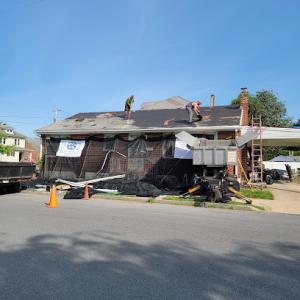
Attentive, Responsive, Top-Notch commercial and residential roofing contractor. Call us for all of your exterior needs. From basic repairs to a full replacement we are experienced in working with various types of roofing materials including shingles, metal and rubber roofing. We also provide specialty roofing services such as copper, cedar, slate and other tile roofing repairs and installation.
Joyland Roofing
(717) 276-4699 joylandroofing.com
Serving
4.9 from 697 reviews
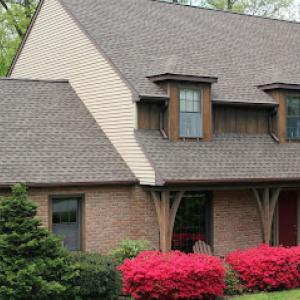
Established in 1991, Joyland Roofing is a full-service Elizabethtown, PA contractor specializing in residential and commercial roofing, siding, gutters, windows, doors, and chimney restoration. Their team prioritizes clear communication, on-time completion, and upfront, transparent pricing to ensure a stress-free home improvement experience.
Topp Home: Roofing, Solar Panels, Windows & Doors
(717) 895-8893 www.mytopphome.com
Serving
5.0 from 122 reviews
Topp Home is one of the fastest growing exterior home improvement contractors in Central PA. They serve Camp Hill, Harrisburg, York, Lancaster, and surrounding areas. Their team specializes in roofing, solar panel installation, windows, doors, siding, gutters, and gutter protection. Topp Home uses high-quality, durable materials designed to withstand the ever-changing Central Pennsylvania climate. They prioritize customer satisfaction and offer flexible financing options.
Scott Roofing Contractor
(717) 545-1445 www.scottroofingcontractor.com
Serving
5.0 from 6 reviews
Scott Roofing Contractor is a leading family-owned and operated exterior contracting business serving the Central Pennsylvania area since 1990.

Home Genius Exteriors
(717) 905-4844 homegeniusexteriors.com
Serving
4.9 from 247 reviews
Elevate your home with Home Genius Exteriors, setting the standard in Harrisburg by offering full-service solutions for roofing, siding, windows, doors, gutters and insulation. We support our veterans and communities by supporting local and national charitable organizations through our Home Genius Cares initiative. With an Owens Corning® Platinum Preferred designation, we also offer flexible payment options, industry leading warranties and a wide range of premium products tailored for your home. It’s time for a different experience, entrust your next home project to a genius and schedule your free inspection today!
Permits for roof work are issued through the Hummelstown Borough Building Code Office in Dauphin County. The process is part of the borough's commitment to safe, well-vented, weather-ready roofs, especially on the steep slopes common in the historic core. If your project involves replacing more than a few shingles or altering venting, you will need to engage the permit path and follow the local review cadence.
In this jurisdiction, the contractor is expected to pull the permit and coordinate the required inspections during the project. That means your roofer should be your primary point of contact for scheduling inspections, documenting venting configurations, and ensuring underlayment is installed to borough standards. Residents should expect the contractor to provide advance notice of each inspection milestone and to address any deficiencies identified by inspectors promptly.
A typical sequence begins with an initial inspection to confirm the roof's alignment, structural feasibility, and material plan. As work progresses, inspections focus on proper underlayment, flashing detail, and ventilation readiness-crucial for the region's freeze-thaw cycles and spring wind events. If any part of the venting or underlayment is not up to code, work must pause until corrections pass inspection. Delays during the process can extend the project timeline and create moisture risk in late-winter or early-spring weather.
A final inspection is typically required after completion to verify the roof replacement and confirm venting and underlayment compliance. This last check is not cosmetic; it ensures the roof system will perform through freeze-thaw cycles and storm events, while satisfying borough expectations for historic-area homes near the core. Failing the final inspection can delay occupancy or require rework, so communicate openly with the contractor about scheduling and any borough-specific documentation that inspectors may request.
Pennsylvania insurers commonly evaluate roof age and prior claims, and this overlap is especially true where storm damage meets aging steep-slope systems. In a borough with historic cores and long-lived roofs, a claim can hinge on whether the roof already showed wear before the recent weather event. Understanding that lens helps you prepare for what the adjuster will scrutinize: the remaining service life, any prior leaks, and how a present claim fits into the overall roof history.
Adjusters may ask for photos, project timelines, and material specifications before approving a claim. Gather these details as soon as you notice damage: close-up shots of warped or missing shingles, flashing around chimneys, and any visible sag or wind damage on the ridge line. Have your vendor or contractor provide a simple timeline of inspection dates, material choices, and anticipated scopes of work. This makes the approval process smoother and reduces back-and-forth during a time-sensitive claim.
Because spring hail and wind can create damage that is not obvious from ground level, claim support in this area is stronger when you document elevations, slopes, and repair scope early. Use a ladder to capture roof sections at multiple angles, noting slope angles and any areas that show granule loss or surface cracking. Keep a running record of after-storm observations, especially on steeper pitches near dormers or valleys. When you can, have a trusted pro assess the underside of susceptible areas and document any signs of interior intrusion or attic moisture that aligns with wind-driven events.
Connect with contractors who help homeowners navigate the claims process from damage assessment to final approval.
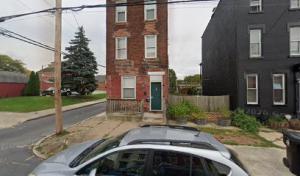
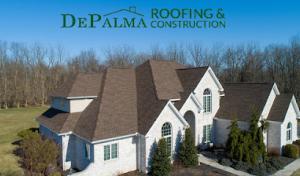
Hummelstown's mix of older borough housing and established neighborhoods means roof replacements often involve chimneys, step flashing, and ventilation updates rather than simple overlay-style jobs. When a steep roof is involved, the chimney chase and the way flashing ties into surrounding masonry can set the tone for the entire repair. Expect more careful detailing at hips, valleys, and transitions where shingles meet brick or stone.
Final inspection attention to venting and underlayment is especially relevant on older homes where previous reroofs may not match current expectations. In practice, that means verifying that ridge and soffit ventilation work in concert with properly installed underlayment and flashings. Pay special attention to the attic space: ensure baffles maintain airflow, insulation is not blocking vents, and the attic hatch or access points are sealed to prevent moisture migration.
Material matching can be more complicated in Hummelstown when replacing sections on slate, tile, or architecturally prominent roofs instead of standard three-tab shingle systems. When a portion of the roof is upgraded, it may require partial re-roofing with a compatible substitute or carefully integrated patching that respects the roof's rise, texture, and color. For chimney bases and dormers, choose flashing and cap details that harmonize with surrounding surfaces and avoid creating micro-leaks that mimic the look of a worn seam.
Steep-slope residential roofs dominate in Hummelstown, but additions, porches, garages, and mixed-use buildings frequently feature flat or low-slope sections. Those areas are more exposed to spring hail, wind-driven moisture, and the freeze-thaw cycles that characterize the lower Susquehanna Valley. Drainage and edge detailing on low-slope roofs hold water longer, so careful design and timely maintenance pay off over the life of the addition.
On low-slope roofs, ensure a consistent, code-appropriate fall toward drains or scuppers. In a row of additions or porches, even small dips can create ponds that stress the membrane and flashing. Use continuous edge metal or a tight parapet with proper coping to prevent wind-driven water from leaking at seams. Pay special attention to transitions where the low-slope surface meets the main roof or vertical walls; step flashings should be integrated with a unified waterproofing plan rather than relying on counterflashing alone. In Hummelstown, where freeze-thaw cycles intensify edge failures, test for wind uplift at corners and parapet seams during each inspection.
Choose a low-slope system rated for freeze-thaw resilience and UV exposure from sun-saturated summers. For additions and porches, consider membranes with robust cold-weather performance and reinforced edges. In humid summers, coatings or surface finishes on low-slope areas require moisture management-avoid sealed coatings when moisture is trapped beneath the membrane. Ventilate adjacent roof bays adequately and use permeable backup layers where appropriate to prevent mold risk creeping into the deck below.
Inspect low-slope sections after major storms and at the end of each winter season. Look for ponding, blisters, seam splits, and edge separation. If any moisture is present under a membrane layer, address it promptly with a dry-out cycle and localized resealing. For homes near the historic core, prioritize inspections at existing transitions where the original structure meets the addition, since these tie-ins often bear the first signs of moisture intrusion.
Find specialists in TPO, EPDM, and built-up flat roofing systems for residential and commercial properties.