
Last updated: Apr 19, 2026
Trenton's dense clusters of older attached homes and historic-era structures pack roofs tightly along shared walls, chimneys, and rear additions. When wind-driven rain hits, aging flashing and party-wall connections become easy leak paths. Spring and summer storm bands in central New Jersey can turn a few missing shingle tabs or a separation in flashing into interior leaks in a hurry, even if the roof looked fine last season. The risk isn't just a dripping ceiling-it's widespread water migration that travels along concealed routes, soaking ceilings, walls, and vulnerable wood behind plaster and paint. This is why quick action after the first signs of trouble matters.
Look for wind-driven shingle loss, curling edges, and flashing separation around chimneys, dormers, and vent pipes. Pay close attention to joints at party walls where water can travel from one unit to the next. Behind gutters and in low-slope areas, moss and algae growth can mask standing water that traps heat and accelerates deterioration. If you notice water stains, damp ceiling patches, or peeling paint near exterior walls or along the eaves after a storm, treat it as an emergency until you confirm the source. In these older structures, a minor issue can escalate quickly because the roofline often ties into multiple dwellings and shared structures.
If you can safely access the roof, securing loose shingles and reinserting displaced flashing with temporary fasteners or aluminum tape buys critical time. From the ground, use a tarp or heavy-duty plastic to cover exposed deck areas or flashing gaps that you can reach without stepping on fragile sections. For interior signs of ingress, place clean containers under any active drips and document the damage with photos, focusing on where the water travels from and where it shows up inside. Remember that water can migrate along the attic space and down interior walls, especially around shared walls and rear additions. Do not delay contacting a skilled local roofer who understands the quirks of older, attached homes in this neighborhood and can perform a rapid assessment.
If any wind-driven surge or storm system is followed by new leaks, you should bring in a pro without hesitation. In Trenton's dense neighborhoods, a quick onsite evaluation prevents hidden damage from spreading into insulation, framing, or ceilings that share walls with neighbors. A contractor can safely identify whether flashing around chimneys, joints at party walls, or corner joints has failed and determine the best repair strategy to halt further intrusion. If the roof is midlife or beyond, a professional assessment helps distinguish between temporary stopgap measures and lasting repairs, which is essential when moisture has several possible entry points.
Storm repair in older attached housing often requires coordinating with neighboring units and building managers. Clear communication about leak origin, the observed travel path of water, and temporary protection steps is critical to prevent misdiagnosis and misdirected repairs. If there is active leakage around shared walls, prioritize stabilizing the interior first-contain the water and minimize further intrusion-while arranging a trusted local roofer who understands the local housing stock and its common failure points. A prompt, coordinated response reduces the likelihood of long-term damage and speeds up getting the roof back to a dry, fortified state.
Many fronts of rowhouses show a steep front slope while the rear adds a low-slope section over an addition, porch, or kitchen. That mix creates a single roof plan with two drainage realities: rain heads toward the front eaves and the rear relies on internal drains or scuppers. The result is stressed flashing where the two systems meet. Inspect the transition line for signs of water tracking down masonry joints, cracked sealant, or metal flashing that has been layered over earlier repairs. In practice, check after a soaking rain by running a flashlight along the seam from the attic or soffit side to confirm moisture is not creeping under roofing edges. If you see damp patches near the junction or hear the drip of water into the interior during a storm, prioritize resealing and re-flashing the transition with materials compatible with both the slope and the masonry surface.
Older Trenton homes often tuck low-slope sections behind parapets or where the roof transitions into brick or block walls. Parapet edges are casualty points for freeze-thaw cycles, with edge flashing vulnerable to cracking and uplift. Masonry transitions can hide failing sealants or voids under counterflashing, making it easy for moisture to work behind the cladding. Patched penetrations-such as vent pipes, gas lines, or electrical conduits-are common, but each patch carries the risk that the surrounding membrane did not bond properly or has since corroded. The practical fix is staged: first clean and degrease all flashing surfaces, then reseal with a compatible sealant, and finally install a secondary drain path if possible. Pay close attention to any staining or efflorescence at brick joints, which signals moisture migration that may require repointing in addition to roof repair.
Established neighborhood tree cover contributes annual leaf fall that clogs internal drains, scuppers, and gutters on these low-slope sections. When drainage is obstructed, water pools and seeps into the roof assembly, increasing the chance of hidden moisture intrusion and slow leaks that appear only after several days of rain. The practical approach is a proactive seasonal cleanup combined with a diagnostic after heavy storms. Clear gutters and downspouts, then remove debris from scuppers and internal drains so water has a clear path to exit. Use a culvert brush or flexible snake to clear downspout lines if accessible from the attic or roof edge. If ponding persists after cleaning, investigate the interior drainage piping for cracks or misalignment and consider installing a secondary overflow to divert excess water away from vulnerable edges.
Start after a rainstorm with a brisk exterior walk along the parapet edges and masonry transitions. Look for coefficient changes in the flashing, loose sealant, or discolored mortar around patches. From the interior, inspect the ceiling or attic for damp spots, staining, or a musty odor that correlates with the roof seam. When you identify a problem area, prioritize resealing and re-flashing the suspect edge with a durable, compatible material, then test the repair with another rainfall. For persistent or widespread issues, consider a targeted patch that overlaps the existing membrane to create a secondary barrier, focusing first on the most vulnerable edges and penetrations.
Find specialists in TPO, EPDM, and built-up flat roofing systems for residential and commercial properties.
Homcertin
(609) 516-1178 homcertinqualityroof.com
738 Cass St, Trenton, New Jersey
5.0 from 41 reviews
Neighborhood Roofing Trenton
(609) 881-1793 neighborhoodroofingllc.com
42 Magnolia Ln, Trenton, New Jersey
5.0 from 20 reviews
A.Damiano & Sons Roofing
(609) 695-0854 www.facebook.com
122-1/2 Division St, Trenton, New Jersey
4.8 from 41 reviews

Trenton Roofing & Siding
(609) 393-6780 trentonroofing.com
803 Liberty St, Trenton, New Jersey
5.0 from 1387 reviews
Founded in 1982, Trenton Roofing & Siding is a GAF Master Elite contractor which has been meeting the residential and commercial roofing and siding needs of the tri-state area for over forty years. We pride ourselves on providing the highest level of craftsmanship and customer service with a decades-long track record of satisfied customers to prove it. From roof and siding installation to repair and replacement, our team has the knowledge and expertise to tackle any challenge -- no matter how big or small. Quality isn't expensive, it's priceless!

M&R Roofing
(609) 414-1228 mrroofingllc.com
837 Hamilton Ave, Trenton, New Jersey
4.9 from 304 reviews
M&R Roofing is a premier exterior remodeling company headquartered in Trenton, NJ, dedicated to enhancing the beauty, durability, and value of homes across the region. With a steadfast commitment to quality craftsmanship, customer satisfaction, and attention to detail, M&R Roofing has earned a reputation as the go-to partner for all exterior renovation needs. Ready to transform your home's exterior? Contact M&R Roofing today to schedule a consultation with one of our experts. Let us bring your vision to life and make your home the envy of the neighborhood with our unmatched craftsmanship and dedication to excellence.
Roof Wizards
(609) 394-9273 roofwizards.com
839 Brunswick Ave, Trenton, New Jersey
4.9 from 175 reviews
Roof Wizards is your trusted local roofing contractors; a GAF Master Elite Roofer. Your roof is one of the most important parts of your home; it protects you and your family from the elements and plays a major role in your property’s curb appeal. That’s why we’re dedicated to providing top-quality roofing services to residents in Trenton, NJ, Mercer County, NJ, Levittown, PA, and Bucks County, PA. We are a family-owned and operated business with over 25 years of experience in the roofing industry. We’re a local roofing company you can trust to provide expert advice and exceptional service.
Homcertin
(609) 516-1178 homcertinqualityroof.com
738 Cass St, Trenton, New Jersey
5.0 from 41 reviews
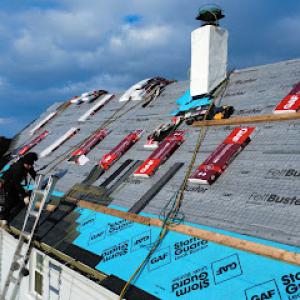
Homcertin is a trusted roofing contractor providing professional roof repair, roof replacement, and storm damage roofing services for homeowners and businesses. We specialize in asphalt shingles, metal roofing, flat roofs, emergency roof repairs, and insurance claim assistance. Our team works directly with insurance companies to help property owners recover quickly after storms. Serving Mount Laurel, NJ and surrounding areas, we are known for quality workmanship, honest communication, and 5-star customer service. Contact us today for a free roof inspection and reliable exterior solutions you can trust.
Denis Contractors Roofing
(609) 372-6350 deniscontractors.com
1301 Greenwood Ave, Trenton, New Jersey
4.9 from 35 reviews
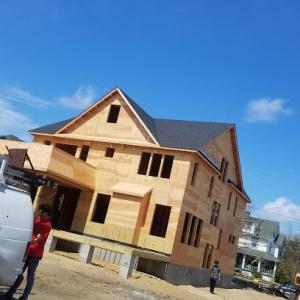
Denis Contractors is a full service, home improvement, family owned business. Specializing in all types of commercial and industrial roofing and siding systems.
A.Damiano & Sons Roofing
(609) 695-0854 www.facebook.com
122-1/2 Division St, Trenton, New Jersey
4.8 from 41 reviews
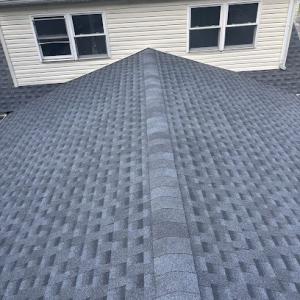
A. Damiano & Sons Roofing is a trusted, family-owned roofing company proudly serving homeowners with quality craftsmanship and dependable service. With decades of experience, we specialize in roof replacements, repairs, skylight work, and attic ventilation solutions using only premium materials built to last. Our team is known for professionalism, punctuality, and meticulous clean-up on every job. We are committed to delivering honest estimates, exceptional value, and roofing work that stands the test of time. Whether you need a small repair or a full roof installation, A. Damiano & Sons Roofing provides reliable, top-tier service you can count on.
MAK Construction Corporation
(609) 588-0228 makconstruction.com
11 Highbridge Rd, Trenton, New Jersey
4.4 from 205 reviews
Since 1986 M.A.K. Construction has offered the highest quality workmanship and an unmatched level of expertise in home remodeling including additions, basements, windows, doors, kitchens, baths, decks, siding, roofing, gutters and flashings. When making interior or exterior decorating choices, homeowners are looking to transform their homes to fit their personal style. We are here to help our customers to make a choice from the best brands to reflect the quality of their homes.
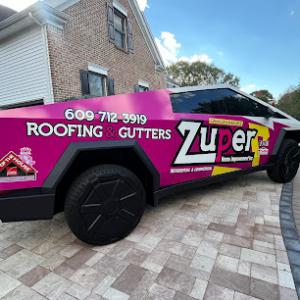
Zuper Home Improvement
(609) 712-3919 www.zuperoofing.com
542 White Horse Ave Bldg 1, Trenton, New Jersey
4.6 from 27 reviews
Roofing contractor, commercial flat roofing system TPO, EPDM, Torch Down Membranes, Metal Roofs we do Siding and gutters Free Estimates All year long. 10% off Veterans Discount and Military and first responders.
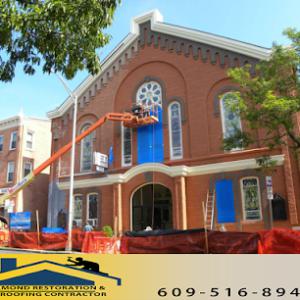
My Roofing Contractor
(609) 516-8946 www.my-roofing-contractor.com
Serving
5.0 from 36 reviews
My Roofing Contractor is a licensed roofing company based in Hamilton, New Jersey, proudly serving Mercer County, Central New Jersey, and Bucks County, P. We specialize in roof replacement, emergency roof repair, and storm damage restoration — always with certified in-house crews, never subcontractors. Our team installs durable asphalt shingles and flat roofing systems specifically designed for the harsh weather condit. Whether it's a leak in Hamilton or a comp replacement in Levittown, we deliver fast, clean, code-compliant results. We also provide solar panel removal and reinstallation, interior ceiling and drywall repair, and exterior upgrades such as brick pavers and concrete driveways. Call today for trusted, local roofing expertise.
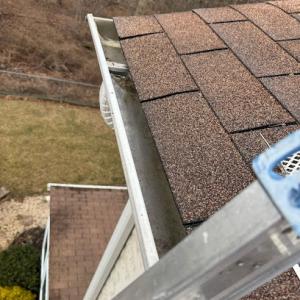
Arias Home Construction
(609) 372-7385 www.ariashomeconstruction.com
Serving
4.9 from 20 reviews
We are a fully licensed & insured GAF Certified Central Jersey home improvement Contractor handling roof repairs, siding and gutter services for residential clients. Our prices are competitive, and our work is of the highest quality. Our dedicated, knowledgeable exterior home improvement specialists share our mission of excellent workmanship and outstanding customer service. Although we mostly work in Central Jersey, we also provide roof repairs, siding and gutter services in the entire state of New Jersey (NJ) as well as Pennsylvania (PA).
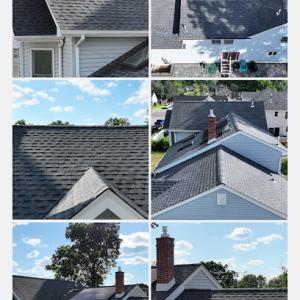
Amazing Remodeling
(855) 732-7325 www.amazingroofing.com
Serving
5.0 from 35 reviews
Amazing Remodeling (DBA Amazing Roofing & Exteriors) is a trusted roofing company serving all of New Jersey and parts of Pennsylvania, with more than a decade of experience in roof replacement, roof repair, siding, and gutter installation. Our skilled team delivers affordable roofing solutions using high-quality materials, including asphalt shingles, flat roofing, and metal roofing. We also specialize in emergency roof repair, storm damage restoration, and leak detection to protect your home. Committed to exceptional craftsmanship and customer satisfaction, we provide durable, long-lasting results. Call today for a free roofing estimate!
Fern Family Roofing
(609) 222-1308 fernfamilyroofing.com
Serving
5.0 from 73 reviews
Fern Family Roofing is the neighborhood roofing company you are looking for. Providing contracting services in New Jersey & surrounding areas. We're a family-owned business with over 25 years of experience in the roofing industry. We tailor ourselves to our clients and aim to provide a great experience. We want to create a relationship with the customer in which you will feel glad to call us years down the line.
Some older neighborhoods host homes where slate and tile are not just materials but part of the original architectural character. Replacing these with an asphalt or modern panel system isn't a simple swap. In these cases, you're balancing the look of the street with the performance you need. If the roof has survived decades, you may be replacing more than shingles: you're changing the roof's silhouette, the way water sheds across a dormer, and how the attic breathes. The outcome can ripple through whether nearby homes still read as the same historic block.
On aging structures, the roof deck and framing aren't always ready for a different system without a careful check. Slate and tile carry substantial dead loads, and fastenings, plus flashing details, were originally installed for those materials. When you consider a switch, you must evaluate whether the framing can carry the extra weight or whether drainage paths and roof-to-wall intersections will behave differently. If the deck sags or the old flashing corrodes, a change can become a larger project than expected. Ignoring those questions risks the new roof failing prematurely or creating hidden leaks that undermine interior finishes.
Historic-looking replacements can be a bigger choice here than on newer suburbs. The visible profile of a roof-edge details, color, texture, and how it meets the parapet or eave line-shapes the entire streetscape of attached rowhouses and historic homes. A mismatch in material or profile can stand out, drawing attention to a house that should blend with the neighborhood's cadence. If you care about preserving the visual harmony of the block, you may prioritize materials that mimic the original appearance, even if that means a more complex installation or a longer lead time.
Start with a surprisingly simple step: have the current system inspected by a roofer who recognizes historic materials. Ask them to assess dead load allowances, framing health, and flashing transitions around chimneys and skylights. If you're leaning toward a new system, request a mock-up or sample that matches the look of slate or clay tile. Finally, plan for a potential adjustment period: some upgrades may require refinishing or reworking gutters and fascia to preserve both function and curb appeal. In older structures, decisions that seem cosmetic at first can determine long-term performance and neighborhood compatibility.
Find contractors who specialize in clay and concrete tile roofs, known for their durability and curb appeal.


In this city, winters bring repeated freeze-thaw cycles that stress step flashing and counterflashing where roofs meet brick chimneys and masonry walls. When water seeps into small gaps and then freezes, the expanding ice pries apart joints, runs of flashing, and even the mortar joints that cap the chimney. Over several seasons, that small movement compounds into leaks that show up as damp spots inside closets, attic corners, or along ceiling seams. The pattern is especially common on older homes where the roofline meets masonry and the brickwork carries its own schedule of aging.
Ice dam risk is amplified on older homes with uneven attic insulation and ventilation, especially where additions changed the original roofline. Cold air may not circulate evenly, so snow melts at different rates across the roof. Water can back up behind a dam of ice, finding weak spots around chimney stacks or where louvered vents and soffits don't synchronize with the roof deck. The result is water creeping under shingles at the eaves, then following nail lines and old mortar joints down into the space between masonry and roofing. On a row of brick homes, a single poorly vented attic can pull down a row of ceilings.
Start by inspecting step flashing where the chimney meets the roof. Look for loose pieces, rusted nails, or paint peeled away from metal. Check counterflashing along masonry joints for signs of separation or gaps that moisture could exploit during thaw cycles. In the attic or crawlspace, feel along the edges of the roof deck for damp patches or frost buildup that signals hidden leaks. Inspect the crown on top of the chimney-cracks or spalling mortar are red flags that water can bypass shingles and run down into the roof structure. Don't forget to examine wall flashings where the roof meets brick walls; aging masonry often moves differently than roofing, creating a path for moisture.
When flashings show signs of movement or deterioration, prioritize secure, corrosion-resistant materials that handle freeze-thaw cycles well. Tighten or replace loose fasteners, reseal gaps between flashing segments, and ensure the chimney crown is intact with sound mortar and proper slope to shed water away from the roof line. If insulation or ventilation is uneven in the attic, address it with a practical, targeted improvement rather than a full-scale remodel. The goal is to create a more forgiving path for meltwater, so it stops short of seeping into seams and mortar joints that age at a different pace than the roof itself. This approach helps prevent the recurring leaks that often surface after stubborn winters.
Asphalt shingles stand out as the most budget-accessible fit for many re-roofs on the older rowhouses and tight urban lots common in this city. When you compare material costs, asphalt shingles typically land in the lower end of the state ranges, making them a practical first choice for a fast, storm-driven repair or a full replacement on a limited budget. Slate and concrete or clay tile sit at the higher end, especially on older homes that require careful tear-off,完整 flashing work, and meticulous staging due to restricted access and narrow lots. In concrete terms, a typical asphalt job runs roughly from 350 to 700 USD per square, while slate can range from about 1500 to 2600 USD per square, with tile generally sitting between 1000 and 2000 USD per square.
Costs in this city can climb on attached homes and narrow urban lots where material staging, debris handling, and access are harder than on detached suburban houses. Getting crews onto a tight roofline without neighbor disruption often adds labor time and requires careful waste removal planning, which pushes the price toward the higher end of the listed ranges. If the roof structure is more complex-multiple angles, dormers, or a low-slope rear section-the project editorially leans toward the upper tier of the state range, even for the same material.
Older decking and chimney flashing repairs are typical add-ons in this market. A common scenario is a mixed roof geometry with damaged or sagging decking and compromised flashing around chimneys or vents. These issues, when found during a storm-driven repair, push the overall project toward the higher end of the NJ ranges. For slate or clay tile, expect more than just the tile replacement: careful tear-off, specialized flashing, and potential underpinning of damaged rafters. For asphalt, these extra steps still matter when drainage and flashing corners show wear after years of freeze-thaw cycles.
The most popular roofing material in the US. Find pros who install, repair, and replace asphalt shingles.
Homcertin
(609) 516-1178 homcertinqualityroof.com
738 Cass St, Trenton, New Jersey
5.0 from 41 reviews
A.Damiano & Sons Roofing
(609) 695-0854 www.facebook.com
122-1/2 Division St, Trenton, New Jersey
4.8 from 41 reviews
Permitting for a full roof replacement follows the state's and city's established pattern, with a building permit issued through the local construction office rather than handled informally. The contractor should take the lead on submitting plans, coordinating notices, and tracking the approval chain, while you stay informed about what documents were received and what remains outstanding. Expect to provide project details such as the scope, underlayment type, and any historic-structure considerations if the house is a rowhome or has heritage features.
During periods of high storm activity, permit timing can matter more. City processing and inspection scheduling can slow the transition from emergency tarp stabilization to a final permit-closed roof. Plan ahead for potential delays if a storm surge coincides with a scheduled replacement window. If your neighborhood has a tight turnaround after a major event, keep the contractor's timelines flexible and confirm how inspections will be readied in sequence to avoid regressions.
In addition to the standard pre-construction review, expect a post-work inspection that concentrates on installation details such as flashing at valleys and penetrations, ventilation clearance, drip edge, and proper drainage play. The inspector may also verify attic ventilation and insulation considerations, particularly for low-slope sections and any slate or tile work where winter freeze-thaw can cause leaks if gaps exist.
You should receive a clear inspection schedule and contact points from the contractor. Maintain a central folder with permits, approvals, correspondence, and any change orders. Confirm whether the city requires drop-in inspections or staged checks at critical milestones-such as underlayment installation, flashing integration, and final ventilation confirmation. If a stop-work order is issued for weather or safety reasons, document why and how a re-inspection will proceed. Knowing the timing and sequence helps you minimize leaks, protect interior spaces, and keep your project on track through seasonal changes. Ask the contractor for the inspection checklist early so you can prepare flashing, vents, and temporary drainage in advance. A smooth permit path reduces weather exposure and avoids costly delays during winter runoff. Keep city contact numbers handy for quick follow-ups during storms.
Trenton homeowners operate within a New Jersey insurance environment where weather-related roof claims are common enough that carriers often want detailed photos, dates, and documentation before approving work. When a storm hits, having your records organized helps the adjuster move from "we'll assess later" to "we'll proceed now." If you experienced wind-blown shingle loss, hail marks, or freeze-thaw related leaks, prepare to show the exact event date, time, and the path of the water or debris inside the attic or ceiling.
Because many roofs in this area are older, insurers may scrutinize whether damage came from a recent storm event or from long-term wear, deferred maintenance, or pre-existing flashing failure. Take clear photos of failing flashing, missing granules, rust spots on vents, and any sagging or unusual moisture patterns. Document the condition of the roof and flashing before and after the event, and note any prior repairs. This helps the adjuster understand whether the claim should target storm-induced damage or ongoing deterioration.
Claims on attached or older homes can become more complicated when leaks involve chimneys, skylights, rear additions, or interior water spread that is not directly below the damaged roof area. If water travels along a wall or ceiling from a non-obvious entry point, explain the flow path with photos and a simple diagram. Keep track of interior stains, mold signs, or softened drywall, because these details influence the scope of repair and the claim's legitimacy. Be prepared to collaborate with the contractor to trace the moisture path from the suspected roof area to the interior.
Submit a concise photo log: exterior roof shot, close-ups of flashing, gutters, and penetrations, a wide attic view, and interior spill points. Include weather data from the storm window and notes on any immediate temporary fixes you applied to prevent further damage. Keep a written record of every phone call with the insurer: who you spoke with, date, time, and a summary of what was discussed. If a supplement is needed after a first evaluation, provide revised photos and a fresh note describing new findings.
Connect with contractors who help homeowners navigate the claims process from damage assessment to final approval.

M&R Roofing
(609) 414-1228 mrroofingllc.com
837 Hamilton Ave, Trenton, New Jersey
4.9 from 304 reviews
Homcertin
(609) 516-1178 homcertinqualityroof.com
738 Cass St, Trenton, New Jersey
5.0 from 41 reviews
Denis Contractors Roofing
(609) 372-6350 deniscontractors.com
1301 Greenwood Ave, Trenton, New Jersey
4.9 from 35 reviews
On older roofs with mixed ages and patchwork flashing, skylights and afterthought penetrations tend to become weak points. They were installed after the original roof system and often don't align with the current flashing layout. Over time, freeze-thaw cycles push against seals, and sealants can become stressed in patched areas. In practical terms, that means a small leak near a skylight can persist for a season before it becomes obvious, especially in late winter when moisture work its way into attic joints.
In Trenton's rowhouses and historic homes, penetrations for vents, bath fans, or solar equipment often sit in areas that have already seen patchwork. Look for mismatched shingles or tiles around these spots, tape or sealant lines that aren't continuous, and flashing that appears lifted or corroded. If a penetration crosses a valley or a seam, the risk of channeling water into the roof deck increases. The more complex the roof line, the more attention these areas deserve during seasonal checks.
Penetration work is especially sensitive on slate, tile, and low-slope sections found in parts of the housing stock. Improper detailing-such as narrowly trimmed flashings, insufficient kickout/downspouts, or lacking sealant compatibility-can create chronic leaks. Slate and tile roofs demand precise, temperature-consistent materials and flashings that move with the roof. A low-slope section, when paired with a skylight or vent, compounds the risk: standing water and slow drainage amplify deterioration around the flashing.
Regular inspections after heavy rain or thaw cycles help catch early signs of trouble. Check around skylight edges for hairline cracks, dried caulk, or moisture staining. Keep flashings clean from debris that can trap water and add seasonal sealant where appropriate, ensuring compatibility with the roof material. If a penetration has multiple patches or questionable flashings, consider a targeted rehab that realigns the flashing with the current roof, rather than a patchwork fix that only delays the inevitable.
Find contractors experienced in skylight installation, flashing, and leak repairs to bring natural light into your home.

Trenton Roofing & Siding
(609) 393-6780 trentonroofing.com
803 Liberty St, Trenton, New Jersey
5.0 from 1387 reviews
Roof Wizards
(609) 394-9273 roofwizards.com
839 Brunswick Ave, Trenton, New Jersey
4.9 from 175 reviews
Neighborhood Roofing Trenton
(609) 881-1793 neighborhoodroofingllc.com
42 Magnolia Ln, Trenton, New Jersey
5.0 from 20 reviews
When you're dealing with storm-driven leaks on older rowhomes and historic houses, you want a contractor who has a proven track record on aging roofs, chimney flashing, and transitions from steep to low-slope sections. Look for projects that show attention to the details that fail first in the Delaware River environment.
Prioritize contractors who can point to past repairs on mixed roof geometries, where a standard shingle change won't suffice. In these homes, flashing around chimneys and along roof-to-wall joints must be durable and properly integrated with drainage. Ask for photos and a short list of comparable jobs.
Cleanup matters in dense neighborhoods because debris control, magnet sweeping, and respectful staging affect sidewalks, driveways, and shared spaces. Confirm how crews will manage waste, protect adjacent properties, and remove debris daily during a lean-scoped repair or a full replacement.
Quick response is a real local differentiator after storms, but homeowners still need proof of licensing, insurance, and manufacturer-backed installation quality before authorizing a full replacement. Request current certificates, a written warranty, and manufacturer approval for the chosen system type.
For any emergency assessment, insist on a staged plan with short-term fixes that stop leaks fast and a clear path to a durable, long-term solution. Demand a written timeline, anticipated weather windows, and a method to prevent ice-dam formation on vulnerable sections.
In all cases, verify references from older homes with similar design features, and ensure the contractor explains how they will handle the unique challenges of your roof's slope transitions and flashing details in this climate. Ask for a written plan summary before work starts to keep timelines, safety, and debris control aligned with neighbors and owners.