
Last updated: Apr 19, 2026
In this neighborhood, mature trees line the streets and backyards, and wind events often translate into more than just shingle loss. Falling limbs, branch abrading, and hidden damage along the roof edge are common after a storm that carries crisp wind and driving rain. A quick, thorough walk around the perimeter after a storm can reveal creased or missing flashing at valleys, chimney transitions, and skylights, as well as dented gutters where branches pressed against the edge during the gusts. Because many homes sit on generous lots with full roof perimeters exposed, damage tends to spread beyond the obvious neat line of shingles to the undersides of eaves, soffits, and the copper or painted flashings that keep moisture out of the attic.
Spring storms in the Philadelphia suburbs bring a repeat pattern: wind-driven rain and hail combine with the pressure changes of cool nights and warm days. That means more frequent rapid cooling and heating cycles along roof membranes, seams, and penetrations. In a tree-heavy setting, there is also the elevated risk of grit and bark fragments embedded in the asphalt or composite surfaces, accelerating wear along the most vulnerable edges. Expect paint and sealant around vent pipes, chimney caps, and skylight transitions to show signs of wear or displacement after a particularly sharp gust.
Start with a visual sweep from the ground, focusing first on gutters and downspouts. Look for signs of branch impact along the drip edge, bulges under the eaves, and any sagging sections that might indicate loose fascia or fasteners. From a ladder, inspect the roof edge where shingles meet the gutter; a few missing granules or lifted tabs are early warning signs. In areas around chimneys and skylights, examine flashing closely for hairline gaps, cracks, or corrosion. A storm can push water laterally along these transitions, and tiny gaps become big leaks if left unchecked.
Detachable skylight flanges and chimney chase coverings are frequent problem spots. If you see peeling sealant or loose metal in these zones, schedule a professional evaluation promptly. Also check for bruised or cracked shingles on the windward side of the home, especially near eaves and ridges where wind-driven debris tends to strike first. In detached homes with wide eave exposure, pay special attention to sections of roof that span open yard space; those areas often bear the brunt of incoming rain and hail.
Document the damage with clear photos from ground level and from above, if safe to access the roof. Focus on perimeters, penetrations, and any visible punctures along the ridges or valleys. When safe, perform a lightweight interior check as well: look for signs of moisture staining on ceilings or walls, and listen for dripping sounds that point to hidden leaks. If a leak is suspected, place a temporary, dry-absorbent barrier under the stain to minimize interior damage while arranging for a professional assessment.
Call a local roofer who understands the pattern of storms in this area and the typical iterations of damage caused by branch impact. Prioritize specialists who can perform a rapid perimeter and attic inspection, including chimney and skylight transitions, and who can provide a mitigation plan that addresses both wind-driven rain infiltration and potential hail impact. If a claim is being filed, gather the storm date, wind speeds if available, and a basic map of affected sections to share with the contractor or insurer.
Preventive upgrades can make a big difference next season. Consider reinforcing the edge details around gutters and fascia to better resist limb contact, and review the sealant around penetrations to ensure it remains flexible through freeze-thaw cycles. In tree-rich neighborhoods, the goal is to restore a watertight envelope quickly while protecting the roof from progressive wear, knowing that the next storm could arrive suddenly with little warning.
Find local contractors experienced in assessing and restoring roofs after hail, wind, and severe weather events.
Economic Roofing & Siding -- Lowest resonable estimate
(215) 420-7403 economicroofs.com
1840 County Line Rd # 110, Huntingdon Valley, Pennsylvania
4.8 from 70 reviews

JL Roofing & Siding
(215) 443-5955 jlroofingandsiding.com
1966A Pioneer Rd, Huntingdon Valley, Pennsylvania
4.6 from 71 reviews
Economic Roofing & Siding -- Lowest resonable estimate
(215) 420-7403 economicroofs.com
1840 County Line Rd # 110, Huntingdon Valley, Pennsylvania
4.8 from 70 reviews
Whether a storm has damaged your roof and siding or you’re just ready to update the look of your exterior, you can turn to the experts at Economic Construction for phenomenal work. We’re a roofing contractor serving residential and commercial clients in the Willow Grove, PA area. You can turn to us for a variety of siding and roofing services, like roof replacement, roof repair, stucco remediation, stucco removal, siding installation, gutter replacement, and gutter repair.
Asaph Roofing Contractors
(215) 485-8771 www.asaphcontractors.com
Serving
5.0 from 46 reviews
At Asaph Roofing Contractors, we are your trusted roofing experts in Feasterville-Trevose, PA. Our mission is to deliver top-tier roofing services to homeowners and businesses, ensuring their properties remain safe and secure from the elements. With years of experience in the roofing industry, we specialize in residential and commercial roofing, bringing precision and dedication to every project. Whether you’re looking for a full roof installation, regular maintenance, or emergency repairs, our skilled team is ready to meet your needs.

Guardian Roofing & Siding
(855) 766-3911 www.guardianroof911.com
Serving
4.9 from 145 reviews
At Guardian Roofing & Siding we provide quality craftsmanship and materials for a reasonable price on all of our roofing, siding, and home improvement projects! With a strong belief that we should treat others as we would like to be treated, we focus on providing a superior experience leaving customers fully satisfied.

Storm King
(267) 770-6075 truststormking.com
Serving
5.0 from 56 reviews
Trust Storm King for all your home improvement needs! From all types of roofing, siding, gutters, remodeling and more! With unmatched prices, you'll be sure to be completely satisfied with our work. Visit our Showroom located in Feasterville-Trevose PA!
Global Home Improvement
(610) 827-5431 www.globalhomeinc.com
Serving
4.7 from 318 reviews
Global Home Improvement is the Tri-State's Premier Home Remodeler offering homeowners better products and better value. We specialize in Metal Roofing, Fiber Cement, and Stone Siding as well as Infinity Fiberglass Windows from Marvin. Our professional and knowledgeable project managers help you navigate the thousands of products out there to find the right windows, siding, or roofing solution to best fit your home. We believe that every customer is a lifetime customer -- that's why all of our lifetime products come with a matching lifetime labor guarantee. Call us today for your Free Estimate!
Umbrella Roofing
(215) 774-2950 www.umbrellaroof.com
Serving
5.0 from 186 reviews
Umbrella Roof - Philadelphia Roofing specialists! We Service Philadelphia Roofing needs and all surrounding counties! We offer residential roofing services including: Free Estimate New Roofing Installations Insurance Claims & Restoration New Shingle Roofing New Flat Roof Roof Repair Roof Coatings Skylight Install & Repair Emergency Roofing Repairs Siding Install & Repair Gutters Install & Repair Roof and Gutter Cleanings Roofing Certifications and Diagnosis 24 point Roof Checkup 10 Year Warranty We have been in the roofing business for over 15 years. We take customer oriented approach by recommending only the services you need that will fix your issues and give the customer the most value to improve your most valuable asset - your home!
Kontz Roofing, Siding & Remodeling
(215) 449-8090 kontzconstruction.com
Serving
5.0 from 409 reviews
Highest quality, best priced roofing, siding & remodeling. Serving Bucks County & Montgomery County since 2012. If you’re in need of trustworthy roofing or home improvement experts with decades of experience, then contact Kontz Construction. We are fully licensed and insured and all of our employees undergo background checks. Get a fast estimate for services, fill out an inquiry or give us a call! Our pros are standing by and ready to answer any questions you may have. Not sure how the job should look? No problem, we’re happy to help with recommendations and our team has lot’s of know how to offer ideas.

Modern Roofing & Exteriors
(833) 456-6337 www.modernroofingandexteriors.com
Serving
5.0 from 514 reviews
Roofing, Siding, Windows, Gutters, Wind damage, Hail Damage, Insurance work! Owens Corning, Tamko, Certainteed, GAF, Anderson, Provia,
Al's Group Roofing
Serving
4.9 from 53 reviews
Family owned with over 20 years of experience in roofing. Residential and commercial. Property management. Roof replacements and repairs. Roof maintenance. Gutters, Siding and windows. Free estimate and quick service. Servicing Philadelphia, Bucks county and Montgomery county and NJ. Licensed and insured. We serving all nearby locations: Southampton, Huntingdon Valley, Feasterville, Newtown, New Hope, Levittown, Langhorne, Hatboro, Doylestown, Warminster, Warrington, Jamison, Abington, Ambler, Lansdale, Horsham, Bensalem, Bristol, Richboro, Glenside, Norristown, Cherry Hill, Fort Washington, Washington Crossing, Jenkintown, Willow Grow
Paragon Exterior
(215) 799-7663 www.paragonexterior.com
Serving
4.9 from 100 reviews
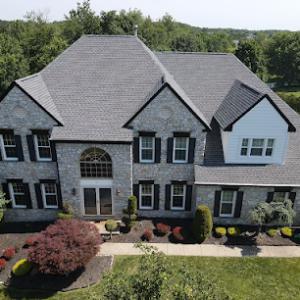
Paragon Exterior is a trusted, locally owned roofing contractor serving Bucks County, Northeast Philly, and nearby communities. Our local roofing team is licensed and insured with over 50 years combined experience. We specialize in roof repair, full roof replacement, storm damage restoration, leak detection, and services for siding, gutters, and windows. As a GAF Certified Contractor, we offer high-quality workmanship, fair pricing, and fast professional crews, including free roof inspections, military discounts and more. We take pride in every roof we install or repair. When you choose Paragon Exterior, you're getting more than excellent craftsmanship; you're getting a trusted partner. Call today, you'll be glad you did!
C&C Family Roofing & Siding
(215) 322-8687 www.candcfamilyroofing.com
Serving
4.8 from 645 reviews
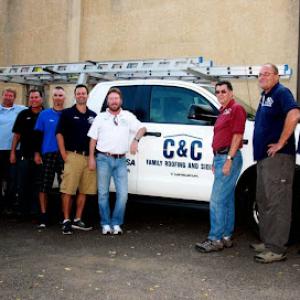
With over 30 years of experience, C&C Family Roofing has proudly served Hatboro and nearby towns including Horsham, Warminster, Willow Grove, Upper Moreland, and Abington. As a trusted, family-owned business, we specialize in roofing, siding, gutters, and window installations. Our team is known for top-quality work, integrity, and customer-first service. We are GAF Master Elite Contractors offering lifetime roof warranties and 24/7 emergency service across Bucks, Montgomery, Chester, Delaware Counties, and NJ. BBB accredited and award-winning, we're here for everything from roof repairs to seamless gutters.
Union Roofing
(215) 464-6425 unionroofing.net
Serving
4.6 from 807 reviews
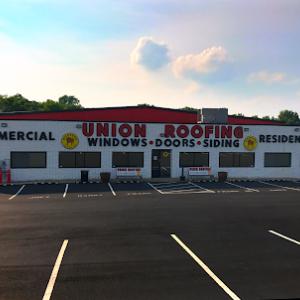
Union Roofing is a company in Philadelphia offering services for roof repair and replacement of any type of residential or commercial roof. We provide outstanding customer service and the best repair and maintenance service tailored to your needs. As a pre-eminent roofing contractor, we go above and beyond the competition to ensure that our work is exceptional and to guarantee your satisfaction. From window installs to siding that makes your house look brand new, we have the all the tools to get any job done, big or small. For more information, visit our website.
Cold winters with repeated freeze-thaw cycles in this area place extra emphasis on flashing details, underlayment condition, and attic ventilation. When water infiltrates around valleys, chimneys, or vent sleeves and then refreezes, it can pry flashing loose and widen existing gaps. In practical terms, inspect metal flashings at least twice per season, paying close attention to any lifting or corrosion after storms. If ice dams form, the pressure can push water under shingles and into the attic, making underlayment condition a frontline defense. Ensure gutters and downspouts are clear so meltwater has a clear path away from roof edges, reducing perched water that freezes again along the eaves.
Attic ventilation is not a luxury; it is a daily safety feature in this climate. Warm, humid summers in the area can accelerate shingle aging and expose ventilation deficiencies after winter damage has already weakened the roof system. Start with a balanced venting plan: soffit intake paired with ridge or soffit exhaust to create a steady air stream that dries the roof deck after winter moisture. In mid-summer, check that attic vents remain unobstructed by insulation or stored items. Blocked vents trap heat and humidity, which can speed up asphalt shingle oxidation and bid farewell to roof life. If the attic feels warm in late spring or early fall, consider adding or repositioning vents, or upgrading to higher-capacity soffit or ridge vents, particularly around peak roof lines or near large overhangs.
Flashing is the hinge that keeps a roof weatherproof during freezing and thawing. In this climate, shed around penetrations with flexible sealants compatible with cold weather, and keep an eye on sealant joints that may shrink in the cold or crack when temperatures swing. Pay special attention to chimney and vent flashing where branches can rub or create micro-damage from wind-driven snow. When repairing, the goal is a continuous, watertight plane rather than a cosmetic fix. Replace corroded or torn metal and re-bed counterflashing where necessary to ensure capillary barriers remain intact. After repairs, re-check after a heavy snow or ice event to confirm the flashings held their line.
Underlayment serves as the first line of defense against moisture that makes it past the shingles in a freeze-thaw cycle. In this area, underlayment can take a beating from repeated cycles and summer heat that softens the material. When assessing a roof, look for cupping, tearing, or water staining on the underside of the deck and around penetrations. If underlayment shows signs of wear, plan for replacement or upgrade to a higher-grade material that remains flexible in cold temperatures. A solid underlayment creates a reliable secondary barrier as shingles age and as ventilation patterns shift with changing attic conditions.
A practical routine is seasonal: after leaves fall, inspect vent seals and flashing with a flashlight and a ladder, looking for any lifted edges or moisture intrusion. In spring, verify that attic insulation is evenly distributed and not blocking vents. After winter storms, re-inspect the entire roof perimeter for loose shingles, lifted flashing, or wet decking inside the attic. Keeping a simple yearly checklist focused on venting, flashing, and weatherproofing aligns with the region's risk of winter moisture problems and summer attic heat buildup, helping you catch problems before they escalate.
Asphalt shingles occupy the dominant practical role for Huntingdon Valley homes because they fit the common suburban detached designs found across Montgomery County townships. They're forgiving when branches or debris from mature trees strike the roof during summer storms, and repairs after a branch impact are usually straightforward-patches or small tail repairs can often be done without re-roofing the entire deck. This means less disruption when a quick fix is needed after a windy event. In the context of winter freezes and thaw cycles, asphalt shingles provide reliable performance with a familiar installation footprint, which helps local crews reseal and reflash quickly if storm-related leaks pop up near flashing lines or roof penetrations. For homeowners facing frequent seasonal storms, this material offers a practical balance of durability, ease of maintenance, and availability of local workmanship. A quiet, steady approach to routine inspections-checking for lifted edges after heavy winds or hail-helps keep a roof in good shape through Huntingdon Valley's tree-heavy streets.
Metal roofing is present in the local market, but it requires careful detailing for expansion and flashing in a climate that swings from cold winters to humid summers. Metal panels can tolerate branches and hail well, and their longevity is appealing in neighborhoods with mature trees that generate fall debris and spring storms. However, the expansion and contraction of metal with temperature shifts demand precise flashing around chimneys, vents, and intersections with existing roof lines. In practice, a metal roof in this area benefits from a design that anticipates occasional leaks at seams or fastener penetrations, especially where branches and wind-driven debris might strike roof edges or ridge caps. If choosing metal, ask for a detailed installation plan that includes reinforced edge detail, properly sealed penetrations, and a robust underlayment with a vapor barrier suited to our humidity. Regular inspections after severe wind events help prevent small issues from turning into leaks, which can be more challenging to address on a metal roof if flashing hasn't been meticulously integrated into the structure.
Tile products-clay or concrete-present a distinctive look that some Huntingdon Valley homes use to complement architectural details. They're more specialized and require attention to weight, structure, and roof deck strength to avoid long-term problems. Concrete tile, in particular, can handle storm-driven debris, but weight and framing conditions mean a careful assessment of the existing structure is essential. Clay tile offers aesthetic appeal but can be more fragile under impact, making rapid storm-response and targeted repairs a priority to prevent leaks from broken tiles or damaged underlayment. Wood shake and synthetic products add character and unique textures, yet they tend to trigger closer municipal review in certain designs or when installed on structures with limited attic ventilation or load-bearing constraints. Synthetic options can provide higher impact resistance and longer color life, but their performance hinges on proper flashing details and the compatibility of the underlayment with the existing roof assembly. In all these cases, a precise assessment of roof shape, pitch, and overhangs helps determine whether their installation will hold up under Huntingdon Valley's freeze-thaw cycles and humid summers. Keeping a wary eye on potential leakage at expansion joints, edge flashing, and around roof penetrations is especially important when using non-standard materials in a tree-dense setting.
Across all types, the recurring theme is preparedness for branches, wind-driven debris, and freeze-thaw movement. Prioritize a proactive inspection after heavy storms, focusing on flashing around chimneys, vents, skylights, and transitions to walls. In tree-rich neighborhoods, even small suspicions of lifted shingles, cracked tiles, or loose flashing warrant prompt attention to prevent creeping leaks during the next rain event. A local contractor with experience in this market will recognize the way mature trees influence loading on the roof and can tailor fast-response repair plans that minimize disruption and protect interior spaces through Huntingdon Valley's seasonal cycles.
Huntingdon Valley is a place-name used across multiple municipalities rather than a single incorporated city, so permit handling depends on the specific township and county-side office serving the property. That means no two re-roof projects are guaranteed to follow the same paperwork path, even if the homes look similar from the curb. The local differences in office hours, required forms, and processing times can catch a homeowner by surprise if the schedule isn't confirmed early. The practical upshot is that you should map out the exact jurisdiction for your address before tearing off or lifting any shingles.
In this area, a full re-roof typically requires a building permit, and homeowners should confirm requirements with the local township building department before tear-off begins. If the project involves significant structural work, venting upgrades, or specialty materials, the department may request additional information or plan reviews. The confirmation step protects you from completing work that could be deemed non-compliant and triggering work stoppages or costly rework later on. A quick call or email to the right office can save a lot of back-and-forth once the crew is on the roof.
Expect the local department to review the application and schedule inspections during and after the job, with final approval commonly checking venting, flashing, and overall weatherproofing; some roof types or materials may require additional plan review. Inspections are not just bureaucratic formalities-they're a practical safeguard for a tight year of weather and tree-related risks in a suburban setting. Missing an inspection window or misassembling a required vent/ flashing detail can lead to delays that stretch a project into inconvenient seasons. By coordinating with the governing office and keeping accurate records, you minimize the chance of surprises when the job is wrapping up.
Costs in Huntingdon Valley can rise when storm demand spikes across the northern Philadelphia suburbs, especially after spring wind or hail events that create scheduling backlogs. When contractors pivot to emergency work, lead times stretch and supply chains tighten, pushing on-site time and cleanup crews into longer days. In practical terms, that means a straightforward roof swap can drift toward the upper end of the listed ranges if a storm cluster hits and crews are in high demand for a few weeks. Planning a replacement for late spring or early summer should include a small buffer for potentially inflated labor and quicker material turnaround, particularly if a permit or inspection window tightens the schedule.
Large detached homes and complex rooflines common in this suburban market can increase labor, cleanup time, and flashing work compared with simpler roof layouts. When the roof features multiple transitions, valleys, or dormers, flashing detail becomes a bigger job and insurance can influence material selection for long-term performance. Expect added hours for tarp protection, debris containment, and more meticulous water-diversion strategies around chimneys and vent stacks. In short, a 2,000-square-foot two-story house with gables and a pronounced hip can push costs toward the higher end of the normal range for asphalt shingles, and even more so for premium options like metal or concrete tile that demand specialized fasteners and flashing.
Administrative steps and inspection scheduling can affect project timing and total replacement cost. In this market, even small delays in weather windows, crew arrival, or staged delivery of unusual materials can cascade into extended project timelines. For homeowners, this often translates into a proportional bump in daily labor charges and temporary protection measures. If a complex layout exists, the project may require more trips for material staging, incremental weatherproofing, and careful debris removal after each stage. Keeping the project aligned on a single, coherent sequence with the contractor helps keep the final bill closer to the low-to-mid range of the material options, even when storms complicate the calendar.
Get a clear picture of your project costs upfront - no commitment required.

Tri-County Exteriors
(215) 322-0110 tricountyexteriors.com
111 Buck Rd #100, Huntingdon Valley, Pennsylvania
4.8 from 59 reviews

Pennsylvania homeowners in Huntingdon Valley commonly file roof claims for wind, hail, and storm damage rather than coastal or hurricane-related losses. The mix of mature trees, frequent freeze-thaw cycles, and heavy summer storms means shingles, flashing, and vent details take a beating, even when the visible damage seems minor. If an claim is questioned later, the gap between what's new and what's aged matters just as much as the roof itself.
Insurers in this market may ask for dated photos and documentation separating fresh storm damage from older wear, prior leaks, or deferred maintenance. That distinction can determine whether a claim is approved or paid in full. When a storm passes, you should act quickly, but carefully: capture long-range views of the roof and yard, then close-ups of shingles edges, granule loss, lifted flashing, and any visible gutter separation. Keep skylights and attic areas in mind-interior staining or damp spots can signal moisture paths that aren't obvious from the exterior.
Because adjusters often evaluate pre-existing issues alongside new damage, homeowners should document shingles, flashing, skylights, gutters, and any interior staining as soon as a storm passes. Take dated photos from ground level and from the ladder line where safe, noting any tree branches contacting the roof or fascia. If possible, add a simple sketch or notes about the date of the prior leaks or repairs, and keep records of weather reports and any subsequent minor events that could compound the damage. Clear, organized evidence helps ensure a fair assessment.
Connect with contractors who help homeowners navigate the claims process from damage assessment to final approval.
JL Roofing & Siding
(215) 443-5955 jlroofingandsiding.com
1966A Pioneer Rd, Huntingdon Valley, Pennsylvania
4.6 from 71 reviews
The local contractor market shows meaningful demand for skylight work and chimney-related roofing details, reflecting the number of suburban homes with roof penetrations beyond simple vent stacks. Leaks often originate at these transition points, especially after winter thaw or summer storms when expansion and contraction stress flashing.
Skylights in this area sit atop roofs with mixed ages and materials, making proper flashing crucial. Inspect the curb or flange for tight, even contact with the surrounding roof deck. In spring, check for condensation or staining that signals ventilation imbalances or seal wear. If a skylight has multiple seals, plan for staged flashing checks to catch hidden leaks around corners and head flashing.
Chimneys introduce persistent risk where brick or stone meets roofing. Ensure step flashing along the sides and counter-flashing behind the chimney cap are intact. In homes with brick-to-shingle transitions, reseal the masonry joints periodically and verify that the chase cap is secure. Valves or vent stacks nearby should be examined for deck flashing and proper slope to shed water away from penetrations.
Additions, porches, and garage sections create low-slope transitions that require different materials and flashing methods than the main pitched roof. Pay attention to drip edges, underlayment overlaps, and the transition membranes where the main roof meets the new structure. Ensure you have continuous drip protection and a clearly defined crack or seam line that prevents water tracking from the add-on into the original roof.
Create a seasonal check routine focusing on skylight seals, chimneys, valleys, and tie-ins to additions. After storms, perform a careful inspection along all penetrations and transitions, looking for loose shingles, lifted flashing, or pooling water at low points. Address issues promptly to minimize ongoing damage from freeze-thaw cycles and tree debris.
Find contractors experienced in skylight installation, flashing, and leak repairs to bring natural light into your home.
Tri-County Exteriors
(215) 322-0110 tricountyexteriors.com
111 Buck Rd #100, Huntingdon Valley, Pennsylvania
4.8 from 59 reviews
JL Roofing & Siding
(215) 443-5955 jlroofingandsiding.com
1966A Pioneer Rd, Huntingdon Valley, Pennsylvania
4.6 from 71 reviews