Last updated: Apr 19, 2026
Morrisville's cold winters with snow and ice followed by thaw periods create repeated freeze-thaw stress that shortens roof life and raises leak risk at eaves. When warm attic air melts snow at the top and refreezes at the colder edge, a dam forms, backing water up under shingles and flashing. Older rooflines are especially vulnerable because their eave overhangs and flashing may have degraded, and the attic may lack the ventilation and insulation needed to keep attic temperatures closer to the outdoors. Each freeze-thaw cycle compounds wear on shingles, underlayment, and decking.
Older homes in the borough area are more likely to have ventilation and insulation imbalances that contribute to ice dam formation. Stagnant attic air often travels toward the eaves, warming and drying shingles unevenly. That imbalance can distort underlayment and create hidden pathways for water. Cracked or missing ridge vents, insufficent soffit intake, or compact insulation that blocks airflow all amplify dam risk. If soffits are obstructed by insulation or debris, warm air has nowhere to escape, feeding larger dam builds and faster roof deterioration.
Winter weather can delay tear-offs and dry-in schedules locally, which is why fall replacement timing is especially favorable before snow and ice arrive. Delays compress the window for proper ventilation retrofits, removal of debris, and re-roofing with a continuous barrier against moisture. When a storm hits, scheduling becomes a challenge; crews may need to work around shoveling, icy driveways, and frozen overheads. Planning ahead means you can complete critical attic ventilation improvements and edge detailing on temperate days, rather than under a time crunch during a thaw or after a thaw melts into a leak.
Start with a targeted attic air-sealing and insulation upgrade to minimize warm air reaching the roof deck. Focus on sealing penetrations around chimneys, plumbing stacks, and electrical wires, then increase insulation at the attic floor to deter heat transfer. Inspect and repair roof edge components: damaged flashing, deteriorated ice and water shield, and compromised gutter systems that trap meltwater. Consider upgrading soffit vents and ridge vents to establish balanced, continuous ventilation. For older lines with steep or complex profiles, ensure the overhangs are well-protected with a proper ice dam membrane and edge metal to direct runoff away from the fascia.
If water stains appear on interior ceilings near the eaves, act quickly to locate the dam location and limit further intrusion. Safely clear accumulated snow away from the roof edge using a long-handled plastic tool-do not hammer through ice or step on fragile areas. Contact a local roofer who understands older Morrisville homes and can assess for compromised decking, blown-in insulation gaps, and degraded underlayment. Timely resealing and replacement of damaged edge materials reduce the risk of repeated freeze-thaw cycles causing further damage. Prioritize an integrated plan that combines attic improvements with edge protection to curb future dam formation.
High-wind and hail events in the Delaware Valley can leave quick, quiet damage that isn't obvious at first glance. Shingle loss, lifted flashing, and ridge damage are your first red flags. In this area, where houses sit closer together and roofs slope into the wind patterns off the river, a single storm can leave multiple weak points. After a storm, walk the roof (from safely on the ground or with a sturdy ladder and a helper) and inspect for missing granules, curled edges, and any metal flashing that appears loose or displaced. If you see shingle edges fraying, or flashing lifted where two planes meet, treat it as an urgent repair need rather than a cosmetic issue. Delayed failures become bigger headaches once warm heat returns.
Local claim activity follows wind and hail tracks, so timely documentation matters more here than in markets with gentler storm patterns. Photograph all visible damage from multiple angles, capture the surrounding neighborhood for context, and keep dated notes about when you first noticed issues. If you must climb or access the roof, use a safety harness and a partner; avoid risky climbs in gusty conditions. Contact your insurer promptly with the photos and a clear timeline of when the damage appeared. Insurers in this region respond more quickly when homeowners show a consistent record of events and a proactive approach to temporary protection. Keep receipts for any tarps, plywood, or temporary shielding you place to weather incoming storms.
Warm, humid summers in the lower Bucks County area can soften asphalt products and their adhesives after storm exposure. That means marginal damage-like slightly lifted shingles or small cracks-can deteriorate in days rather than weeks. If you see loose shingles after a hail event or a wind-driven burst of rain, treat that shingle as compromised and plan a professional evaluation promptly. Don't rely on a weekend patch to hold through a stretch of humid days; the combination of heat, moisture, and shifting roof surfaces accelerates the potential for leaks and further damage along hips, ridges, and eaves.
Schedule a quick, no-pressure inspection after a storm, especially if you have asphalt or composite shingles. Prioritize areas around valleys, vents, and chimneys where water can penetrate first. If there's visible damage, implement temporary protection-tarps or boards-before the next round of weather. When choosing a roofer, prioritize crews with experience in older homes and lighter materials common in the neighborhood, and ask for before-and-after photos of similar repairs to gauge workmanship. Stay vigilant for creeping leaks inside the attic or attic rafters, which often tell the true story of unseen damage after a windy, hail-locked day.
Find local contractors experienced in assessing and restoring roofs after hail, wind, and severe weather events.
Murillos Brothers
(609) 600-4918 murillosbrotherscorp.com
Morrisville, Pennsylvania
5.0 from 23 reviews
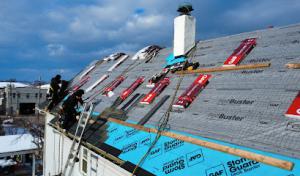
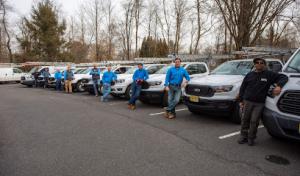
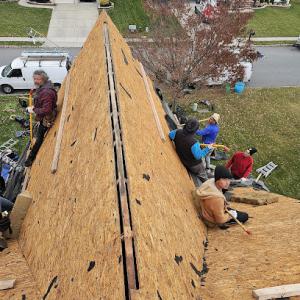
Murillos Brothers offers roofing services, including roof installation and repair, and general repairs. With 11 years of experience, we offer commercial and residential services in Pennsylvania and New Jersey. We specialize in roof installation and repair, guaranteeing quality, long lasting work.
Homcertin
(609) 516-1178 homcertinqualityroof.com
Serving
5.0 from 41 reviews
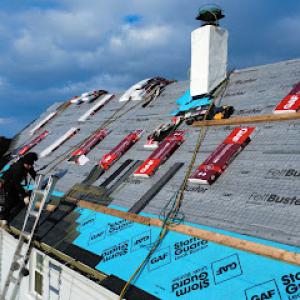
Homcertin is a trusted roofing contractor providing professional roof repair, roof replacement, and storm damage roofing services for homeowners and businesses. We specialize in asphalt shingles, metal roofing, flat roofs, emergency roof repairs, and insurance claim assistance. Our team works directly with insurance companies to help property owners recover quickly after storms. Serving Mount Laurel, NJ and surrounding areas, we are known for quality workmanship, honest communication, and 5-star customer service. Contact us today for a free roof inspection and reliable exterior solutions you can trust.
Trenton Roofing & Siding
(609) 393-6780 trentonroofing.com
Serving
5.0 from 1387 reviews
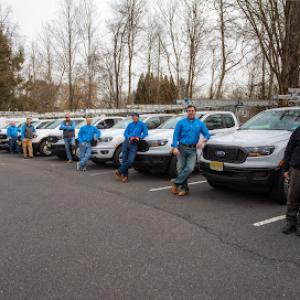
Founded in 1982, Trenton Roofing & Siding is a GAF Master Elite contractor which has been meeting the residential and commercial roofing and siding needs of the tri-state area for over forty years. We pride ourselves on providing the highest level of craftsmanship and customer service with a decades-long track record of satisfied customers to prove it. From roof and siding installation to repair and replacement, our team has the knowledge and expertise to tackle any challenge -- no matter how big or small. Quality isn't expensive, it's priceless!
M&R Roofing
(609) 414-1228 mrroofingllc.com
Serving
4.9 from 304 reviews
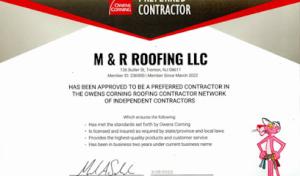
M&R Roofing is a premier exterior remodeling company headquartered in Trenton, NJ, dedicated to enhancing the beauty, durability, and value of homes across the region. With a steadfast commitment to quality craftsmanship, customer satisfaction, and attention to detail, M&R Roofing has earned a reputation as the go-to partner for all exterior renovation needs. Ready to transform your home's exterior? Contact M&R Roofing today to schedule a consultation with one of our experts. Let us bring your vision to life and make your home the envy of the neighborhood with our unmatched craftsmanship and dedication to excellence.
A.Damiano & Sons Roofing
(609) 695-0854 www.facebook.com
Serving
4.8 from 41 reviews
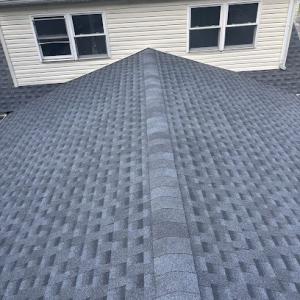
A. Damiano & Sons Roofing is a trusted, family-owned roofing company proudly serving homeowners with quality craftsmanship and dependable service. With decades of experience, we specialize in roof replacements, repairs, skylight work, and attic ventilation solutions using only premium materials built to last. Our team is known for professionalism, punctuality, and meticulous clean-up on every job. We are committed to delivering honest estimates, exceptional value, and roofing work that stands the test of time. Whether you need a small repair or a full roof installation, A. Damiano & Sons Roofing provides reliable, top-tier service you can count on.
MJ Roofing
(609) 478-9220 www.mjroofinginc.com
Serving
4.8 from 26 reviews
We are a company specialized in roofing, siding and gutters willing to work with excellence and commitment
My Roofing Contractor
(609) 516-8946 www.my-roofing-contractor.com
Serving
5.0 from 36 reviews
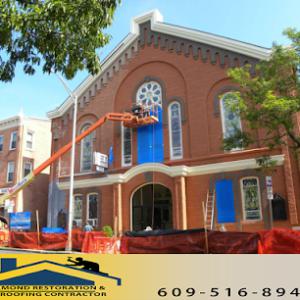
My Roofing Contractor is a licensed roofing company based in Hamilton, New Jersey, proudly serving Mercer County, Central New Jersey, and Bucks County, P. We specialize in roof replacement, emergency roof repair, and storm damage restoration — always with certified in-house crews, never subcontractors. Our team installs durable asphalt shingles and flat roofing systems specifically designed for the harsh weather condit. Whether it's a leak in Hamilton or a comp replacement in Levittown, we deliver fast, clean, code-compliant results. We also provide solar panel removal and reinstallation, interior ceiling and drywall repair, and exterior upgrades such as brick pavers and concrete driveways. Call today for trusted, local roofing expertise.
Roof Wizards
(609) 394-9273 roofwizards.com
Serving
4.9 from 175 reviews
Roof Wizards is your trusted local roofing contractors; a GAF Master Elite Roofer. Your roof is one of the most important parts of your home; it protects you and your family from the elements and plays a major role in your property’s curb appeal. That’s why we’re dedicated to providing top-quality roofing services to residents in Trenton, NJ, Mercer County, NJ, Levittown, PA, and Bucks County, PA. We are a family-owned and operated business with over 25 years of experience in the roofing industry. We’re a local roofing company you can trust to provide expert advice and exceptional service.
Mca Roofing Contractors
(609) 424-7222 mcacontractorllc.com
Serving
5.0 from 22 reviews
Hello there! We are MCA Contractors, LLC, a company located in Hamilton, NJ. We have been offering our professional roofing services more than ten (10) years. We encompass both commercial and residential markets.
Denis Contractors Roofing
(609) 372-6350 deniscontractors.com
Serving
4.9 from 35 reviews
Denis Contractors is a full service, home improvement, family owned business. Specializing in all types of commercial and industrial roofing and siding systems.
Arias Home Construction
(609) 372-7385 www.ariashomeconstruction.com
Serving
4.9 from 20 reviews
We are a fully licensed & insured GAF Certified Central Jersey home improvement Contractor handling roof repairs, siding and gutter services for residential clients. Our prices are competitive, and our work is of the highest quality. Our dedicated, knowledgeable exterior home improvement specialists share our mission of excellent workmanship and outstanding customer service. Although we mostly work in Central Jersey, we also provide roof repairs, siding and gutter services in the entire state of New Jersey (NJ) as well as Pennsylvania (PA).
Davinci Roofing-Gutters
(609) 331-6466 davinciroofingcorp.com
Serving
5.0 from 278 reviews
Family owned and operated, focused in customer satisfaction, delivering the best Workmanship with the best products in the market for long lasting results, Free Estimates !!!
Asphalt shingles dominate the Morrisville market, which keeps entry-level replacement pricing more competitive than less common premium systems. For a typical intown home with a standard asphalt shingle roof, you're looking at a price range around 350 to 650 USD per square (1 square = 100 square feet) for the shingle itself, installed. That makes asphalt the go-to choice when budget matters, especially on older homes with simpler roof decks that haven't been upgraded in a long while. If you're weighing replacement timing, expect these costs to be the most predictable and quickest to schedule, particularly when spring weather narrows the winter rush.
When a roof calls for metal, clay tile, or concrete tile, the price jumps noticeably. Metal roofing tends to range from 700 to 1500 USD per square, a step up that's often justified by longer life and better wind resistance on constrained urban lots. Clay tile sits between 1200 and 2500 USD per square, offering a durable, classic look but with heavier weight and more demanding deck requirements. Concrete tile lands around 900 to 1400 USD per square, providing a balance of durability and installation complexity. On older homes with multiple existing layers or tighter access in established borough neighborhoods, these premiums can rise because deck reinforcement or careful staging becomes necessary.
Wood shingles or shakes run roughly 500 to 1200 USD per square, depending on the grade of wood and the intricacy of the roof. These can be appealing for period homes with authentic character, but they're more sensitive to freeze-thaw cycles and may require closer maintenance. Synthetic or composite shingles offer a middle ground at about 600 to 1000 USD per square, combining lower maintenance with a broader design palette. If a home has an aging deck or needs a lighter system to preserve framing, composites can be a practical compromise.
Seasonal storm demand and the push to complete work before winter can tighten scheduling and affect pricing in Bucks County. In years with a late fall wind or ice dam concerns, crews may front-load work or quote premium window slots. On tighter lots, access complications can push setup costs upward or require additional staging materials. For Morrisville homes with older decks or multiple existing layers, expect more careful inspection and possible deck reinforcement, which translates into higher costs and longer timelines but improves long-term performance against winter freeze-thaw cycles.
A full roof replacement in this area is not something to handle informally. In this borough, the project typically requires a permit issued through the local building department, whether you're inside the town limits or in adjacent parts of the township. Before any shingles come off or a new roof goes on, contact the permit desk to confirm the correct form, required documentation (plans or product specs, drainage details, and contractor information), and the exact submission method. Delays begin the moment a permit is assumed or started without proper paperwork, especially on older homes with mixed roof lines or multiple elevations.
Scheduling usually includes either a completion inspection or intermediate checks at key stages. Plan to have the underlayment installed and inspected, then the flashing around chimneys, valleys, dormers, and roof-to-wall junctions. The overall installation quality is checked, including fastener patterns, shingle alignment, and how penetrations are sealed. If the inspector spots anything lacking-such as improper nailing, inadequate edge protection, or poor valley detail-the clock stops until corrections are made. Work with the crew to ensure the underlayment and flashing are properly installed before coverings go on, especially given winter freeze-thaw cycles that magnify small gaps into ice dam risks.
Within Bucks County, processing can vary by municipality and reviewer availability, so short permit timelines can still be disrupted by intermittent staffing or review windows. A local contractor familiar with the borough's schedule can anticipate typical turnarounds and align the start date with available inspection slots. Keep a buffer in late autumn when fall replacement work is common but inspection slots may fill quickly. If a delay occurs, coordinate with the building department and the contractor to reschedule promptly, rather than letting a window pass and risking weather-related setbacks.
Pennsylvania insurers commonly ask Morrisville-area homeowners for roof age records, photos, and storm-date documentation before approving major roof claims. That means your claim can hinge on tangible proof rather than memory. When a storm hits, the clock starts ticking on gathering evidence, and the more complete your file, the smoother the review process tends to be. In this market, older roofs or installations that do not appear code-compliant may receive closer scrutiny from adjusters, so a thorough record helps avoid delays or surprises.
Because local claim patterns are tied to wind and hail seasons, homeowners benefit from post-storm photo sets and contractor assessments taken immediately after events. Start with exterior shots from multiple angles showing shingles, flashings, vents, valleys, and any visible damage. Interior photos of attic insulation, staining, and signs of moisture can also support a claim. Have a dated log of storm date, wind speeds if known, and any temporary measures you applied to prevent further damage. A professional assessment written promptly can anchor the claim with objective findings, reducing back-and-forth with the insurer.
Make the most of a concise, organized package: a roof age record if available, a chronological photo album, and a clean contractor evaluation that itemizes observed damage, suspected cause, and recommended remedies. Keep copies-digital and print-for your files, and ensure dates are clear on every item. Be prepared to explain how the roof's age and any prior repairs may influence current damage, especially if the system shows signs of ice dam risk or freeze-thaw wear common to older homes in this area.
Understand that claims can unfold in stages, with weather patterns driving the timing of inspections. If an adjuster requests additional information or a follow-up assessment, respond promptly and provide the most current documentation. A well-documented file not only improves the odds of a fair adjustment but also reduces the chance of misinterpretation about the roof's condition and what constitutes necessary repairs.
Connect with contractors who help homeowners navigate the claims process from damage assessment to final approval.
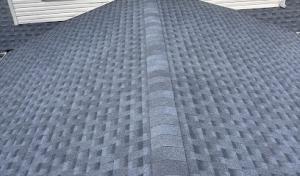
The dominant residential roofing mix here includes asphalt shingles, metal roofing, clay tile, concrete tile, wood shingles or shakes, and synthetic composites. Each option has its own strengths in the Bucks County climate and older housing stock, so the best choice often depends on the roof geometry, eave detail, and how the attic is vented. In homes with shallow pitches or extended valley runs, durability and ease of maintenance become deciding factors. Your selection should align with the way a typical Morrisville roof handles wind, ice, and moisture over decades.
Freeze-thaw cycling in this area is especially relevant for heavier tile systems and for any roof where flashing details are already vulnerable. Tile systems add mass and can crack or loosen during repeated freezes, so ensure hip and ridge lines, as well as step and counter flashing, are solid and proofed for winter. Autumn leaf buildup can trap moisture at lower roof edges and valleys, making valleys and gutter lines prime spots for ice dam development. Humid summers and strong UV exposure matter most for asphalt aging locally, so expect faster granule loss and color fade on aging shingles if the attic isn't properly vented or if soffit vents are blocked.
Residential roofs in Morrisville benefit from a thoughtful blend of materials that suits both the climate and the neighborhood stock. If choosing heavier tiles, confirm that the supporting structure can handle the load and that flashing is reinforced at eaves, penetrations, and transitions to siding. For lighter options like asphalt or synthetics, focus on UV-resistant coatings and continuous venting to mitigate heat buildup. In every case, pay attention to leaf-prone eaves and ensure edge and valley moisture does not linger into mid-winter.
Explore specialists in steel, aluminum, and standing seam metal roofs built to last 50 years or more.
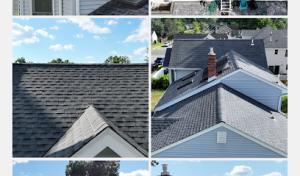
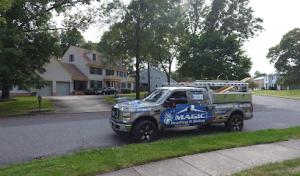
In this town, the inspection lens naturally concentrates on flashing around penetrations. When a roof is replaced, pay close attention to how the flashing around chimneys and skylights is integrated with the field shingles. A solid transition here pays off for years, especially on compact older homes where roof decks may bow slightly and create slow-drip paths. During inspection, look for caulk cracks, properly bedded step and counter-flashing, and any gaps where metal meets masonry. A tight seal is more than aesthetics; it's the first line of defense against winter melt and spring rain.
Skylights and chimneys tend to dominate leak risks in replacement work. The local pattern is to prioritize these details because weak transitions show up first with wind-driven rain in spring and ice backup in winter. If a skylight curb shows hairline cracks or the sealant around surrounding shingles looks aged, address it now rather than after a roof is in place. Chimneys require careful flashing integration with brick or stone; tuckpointing nearby can be necessary so that water does not find a path behind the flashing and into the attic. When planning, insist on flashing that is continuous, properly pitched, and integrated with the roofing underlayment.
Spring wind-driven rain and winter ice backup commonly expose vulnerable penetrations before broader field-shingle failure appears. Watch for frost heave around chimney bases and skylight frames during thaw cycles, which can loosen seals even if the visible shingles stay intact. In preparation for replacement, test all penetrations with a light hose once the roof is stripped; any dampness around flashing warrants immediate attention. Document and address any signs of moisture intrusion promptly, because small leaks in these zones tend to propagate through attic planes before shingles show wear.
The local contractor market shows strong overlap between roofing and chimney work, reflecting how often these details are addressed together on area homes. Expect crews to assess flashing, chase details, and exterior masonry connections in one coordinated pass. Clear communication about flashing types, sealants, and maintenance needs will reduce the chance of mismatched materials that later leak when temperatures swing.
Find contractors experienced in skylight installation, flashing, and leak repairs to bring natural light into your home.
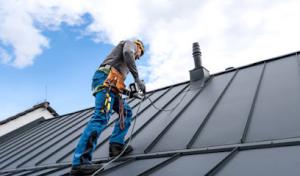
Although steep-slope roofing dominates, Morrisville's mix of older homes and later additions creates a meaningful need for low-slope roof expertise. These sections often tuck behind the main block of the house, facing late winter winds and the yard rather than the street. The reduced pitch exposes more of the roof deck to melt water, ice, and drifting snow, so attention to detail matters more here.
Snow loading and standing moisture are more problematic on low-slope sections during Morrisville winters than on the main pitched roof areas. Plan for a conservative, layered approach: ensure the roof deck is solid, install a reliable underlayment, and choose a covering with robust self-sealing and water-shedding capabilities. Pay attention to transitions where the low-slope adds onto the primary roof; those seams are common failure points when ice builds up against flashing or where drainage is blocked.
Leaf accumulation in autumn is especially damaging on low-slope rear sections and porch roofs where drainage slows. Before winter, clear gutters and downspouts connected to these areas and inspect interior drip edges. Consider installing or upgrading a small-slope scupper or edge drain if the geometry allows. Keep a clear run of gravity-assisted drainage; even a modest tilt can dramatically reduce standing moisture after a snowfall.
When selecting a low-slope option, favor systems with proven performance in freeze-thaw cycles and Delaware River-adjacent exposure. Metal and synthetic/combination membranes tend to handle ice dams better than flat, single-layer coverings, but the chosen system must integrate cleanly with existing roof edges and parapets. Detail flashing around skylights, vents, and adjoining main roof planes should be double-checked, since failures here frequently show up first after winter storms.
Find specialists in TPO, EPDM, and built-up flat roofing systems for residential and commercial properties.