
Last updated: Apr 19, 2026
Cold winters with repeated freeze-thaw cycles in Bucks County make ice damming, flashing separation, and shingle edge damage a recurring replacement trigger in Newtown. When water backs up behind ice, it finds weak points and sneaks into valleys, along flashing, and under shingles. That means a small pre-winter inspection focusing on edges, gutters, and flashings can save a larger repair bill after a thaw. In addition, prolonged freeze-thaw cycles stress roof penetrations and vent boots, increasing the chance of slow leaks that worsen with every seasonal shift.
Warm-season storms and high winds are a major local source of leak calls, which aligns with the strong prevalence of emergency repair and storm damage contractors in this market. A fast-moving thunderstorm or a microburst can lift shingles, peel flashing, or shove water under the roof line where it meets walls. In many homes, wind-driven rain finds the most vulnerable seam at the eave, chimney, or vent pipe. If your roof lacks adequate underlayment or a properly flashed valley, you're inviting a cascade of leaks once the next storm arrives.
Replacement work in Newtown is typically concentrated from spring through fall because winter conditions and summer heat both complicate installation quality and scheduling. That means, after a harsh winter, and before the heat of August, many homeowners face the reality of coordinating repairs while weather windows cooperate. Plan ahead for storms that can follow a late-winter thaw and for a busy spring market where crews book up quickly. A proactive approach minimizes downtime and exposure to wind-driven leaks during peak storm seasons.
You should inspect attic insulation and ventilation to ensure cold air can't condense on the underside of the roof deck and contribute to ice dam formation. Check for damaged edge shingles, lifted flashing, and loose or deteriorated sealant around vents and chimneys. Clean gutters and downspouts so melting ice and rain can shed properly, and ensure downspouts discharge away from walls to reduce splash-back into the roof edge. Consider targeted flashing repairs at problem corners and valleys, and discuss with a local roofer whether upgrading underlayment or adding additional attic ventilation would help you resist future freeze-thaw damage. If you notice recurring leaks after thaw or a windy storm, don't delay in securing a temporary patch and a detailed assessment of the entire roof system to prevent hidden damage from progressing.
Newtown's dominant roofing mix includes asphalt shingles, slate, clay tile, concrete tile, wood shingles or shakes, and EPDM, creating a wider range of repair methods than markets dominated by a single material. That variety matters because each surface behaves differently under freeze-thaw cycles and storm-driven leaks. Asphalt shingles shed water quickly but rely on sound flashing and proper venting to prevent edge leaks. Slate and tile offer durability, yet their fastenings and bond details respond differently to ground movement and temperature swings. EPDM, favored on low-slope sections, adds a different set of seam and drainage considerations. When a roof section shows multiple materials, approach repairs with a plan that respects each layer's tolerances and mounting method, avoiding a one-size-fits-all fix.
Older and higher-end homes in the area commonly use slate or tile, where freeze-thaw movement and flashing details can drive repair complexity well beyond standard shingle work. Slate and clay or concrete tile often hinge on copper or lead flashings, step-flashing at chimney and sidewall intersections, and precise ridge caps. A small seasonal crack can escalate during winter storms if the mortar or sealant around tile shoe or slate hooks settles. In homes of this pedigree, the roofer's attention must extend to the substructure, including deck boards, underlayment compatibility, and the way the roof transitions to brick or stone walls. Expect stricter matching of cut tiles or slates when replacing items, and plan for accompanying repairs to flashings and ventilation penetrations.
EPDM is locally relevant for low-slope roof sections, additions, and porch or rear roof areas, making drainage and seam condition a practical concern in this market. On low-slope surfaces, seam integrity and edge detailing are the primary failure points, not the shingle-like wear seen on steep slopes. Check veterinary-proof fasteners or seam tapes where condensation channels run, and inspect drainage scuppers or parapet gutters for backup during heavy summer storms. For additions, ensure the transition from original roofing to the new section is watertight with properly sealed step-flashings and a continuous drainage path.
Freeze-thaw cycles can push water into tiny gaps at roof-to-wall joints, vent boots, and chimney flashings. In Newtown, these pressures are amplified by winter winds and sudden warm snaps that melt and refreeze around fasteners. Flashing failures often appear as small, recurring drips near chimneys, skylights, and skylight curbs, or along deck-to-roof transitions where old mortar or sealant has degraded. Pay attention to stale caulks around roof penetrations and to any flex in ledges where tiles or shingles rest. When diagnosing, test for underlying deck moisture and check underlayment for delamination behind vulnerable flashing.
In practice, maintain clear drainage paths on every material type: keep gutters clean, confirm downspouts direct water away from foundations, and ensure roof valleys remain unobstructed. For slate, tile, and wood, inspect fasteners and the condition of edge metal after storms; for asphalt, check for lifted tabs at the eave line. On EPDM, focus on seam adhesions and edge sealants. Remember that a targeted, material-aware repair plan minimizes the chance of new leaks forming during the next freeze-thaw cycle. In this market, coordination between flashing repair, venting adjustments, and seam maintenance is the most reliable path to lasting performance.
In Newtown, roof replacements follow a practical pattern: you'll see a mix of historic steep-sloped homes and modern low-slope additions, with winter freeze-thaw cycles and summer storms driving repairs and upgrades. When you plan a replacement, costs can vary based on material choice, tear-off needs, and how carefully flashing and ventilation must be handled to prevent future leaks. Local cost expectations span from 350 to 750 USD per square for asphalt shingles, 900 to 1500 for clay tile, 800 to 1300 for concrete tile, 650 to 1100 for wood shingles or shakes, 1500 to 3000 for slate, and 4 to 7 USD per square foot for EPDM. Those figures set a practical baseline for budgeting, with actual prices leaning higher when slate, tile, or wood roofing require specialized labor and meticulous tear-off, staging, and flashing work beyond a standard asphalt job.
Asphalt shingles remain the most common and predictable option for many Newtown homes. Expect costs in the lower to mid end of the range if the roof is straightforward and free of extensive venting or flashing complications. If a tear-off is needed, and the roof has multiple penetrations or venting challenges, labor time climbs, and so does the total. In town, you'll often encounter cedar or composite options that mimic traditional looks; these can push the bill to the middle of the range or above, particularly if extra flashing detail is required around historical dormers or stone chimneys.
Clay tile and concrete tile bring their own calendar of considerations. Clay tile tends to command higher material costs and, more importantly, longer project timelines due to fragility and weight. Concrete tile sits between clay and asphalt in terms of complexity; however, both tile options require careful staging and professional tear-off. Costs in Newtown can rise when homes use slate, tile, or wood roofing that requires specialized labor and more careful tear-off, staging, and flashing work than standard asphalt jobs. In such cases, plan for a longer window and a higher labor component, especially if new underlayment or structural reinforcement is needed to support the weight.
Wood shingles or shakes add character but carry notably higher risk in freezing winters and storm seasons. Expect a higher price tag, driven by material care, fire retardant considerations, and more intricate flashing around valleys and dormers. Slate, the premium option, easily drives the most dramatic jump in cost, reflecting both material expense and the specialized crew required for a precise tear-off, accurate slate cutting, and meticulous flashing. The budget line for slate starts around 1500 per square and can climb well beyond common asphalt projects.
Seasonal demand pushes scheduling windows, with township permit-and-inspection processes affecting timing and pricing during spring and fall peak periods. If a storm-damaged roof needs rapid attention, the fastest crews may come at a premium, and longer lead times for high-end materials can apply. For EPDM rubber roofing, budget around 4 to 7 USD per square foot, recognizing it suits flat or low-slope sections where weatherproofing and long-term membranes align with local rain patterns, yet may still require careful flashing and edge detailing to prevent leaks in storm cycles.
When choosing materials, map cost expectations to your roof's shape, slope, and structural needs. For steep historic homes, plan for extra flashing detail and careful integration with chimney and vent stacks. For modern additions, ensure compatibility with existing decking and ventilation to avoid future ice dam risk. In all cases, count on a deliberate, staged approach to tear-off and installation to minimize the chance of leaks during the crucial first freeze-thaw cycle after replacement.
Premier Home Renovations
(215) 987-4910 premierhomerenovations.com
301 S State St # S204, Newtown, Pennsylvania
5.0 from 102 reviews
At Premier Home Renovations, we’re your go-to for Roofing, Siding, and Gutter services, whether for your Home or Business. We believe in doing things right, using only quality materials and taking care of every detail. Your satisfaction is what matters most to us, and we’re here to make sure your property looks great and stands strong.
Buck Roofing & Siding
(267) 656-7144 buckroofing.org
156 N State St Suite R, Newtown, Pennsylvania
5.0 from 136 reviews
Buck Roofing is a division of Buck Construction. We are a premier roofing and exterior company that's built on having the best prices, best products, and The Best communication. We serve all the counties surrounding Montgomery, Bucks, Mercer, Philadelphia, Camden, Delaware, Chester, and Burlington County with commercial and residential roofing and exterior services. From design to installation to upkeep, our roofers assist homeowners at every stage of the work. Whether it is Asphalt shingle roofs or James Hardie Siding, Buck Construction does it all. We understand that our customers need a roofer/contractor they can trust, so from initial design and scope to final installation, we strive to meet their expectations every step of the way.
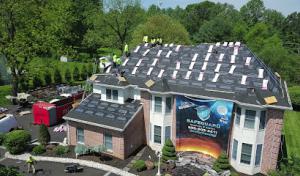
SafeGuard Roofing & Siding
(833) 203-4411 safeguardroofingandsiding.com
17 Blacksmith Rd Suite D10, Newtown, Pennsylvania
5.0 from 69 reviews
SafeGuard Roofing and Siding is a family owned business dedicated to providing top-quality craftmanship and dependable service. With a strong focus on detail and lasting results, we take pride in treating every home as if it were our own. Whether it's roof repairs, full replacements, or new siding installations, our team is committed to delivering solutions that protect and enhance your property. When you choose us, you're choosing trusted experts who care about quality, integrity, and customer satisfaction.

Premier Home Renovations
(609) 931-9330 www.premierhomerenovations.com
301 S State St suite 204, Newtown, Pennsylvania
4.9 from 105 reviews
Premier Home Renovations is a trusted roofing and exterior renovation company proudly serving homeowners and businesses throughout New Jersey. We specialize in residential and commercial roofing, siding, gutters, and storm damage restoration. As a family-owned business, we’re known for honest inspections, quality craftsmanship, and dependable service. Whether you need a repair or a full replacement, we provide detailed photos, expert recommendations, and guide you through a smooth, stress-free process from start to finish.
Riddick Roofing
4 Terry Dr, Newtown, Pennsylvania
4.8 from 189 reviews
Riddick Roofing is a premier, Owens Corning Platinum Preferred roofing contractor based in Newtown, PA, serving clients in Pennsylvania and New Jersey. Specializing in residential and commercial roofing, we offer top roof systems, siding installation, gutter services, and more. Our experienced team provides quality workmanship using Owens Corning products for lasting results. Whether you need a new roof with gutters or repairs, we are here to help. Trust Riddick Roofing for all your roofing needs near Newtown, PA.
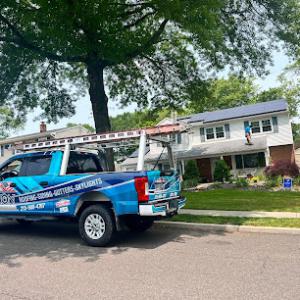
Vision Roofing & Exteriors Services
(215) 900-4767 www.visionroofingexteriors.com
41 University Dr #400, Newtown, Pennsylvania
5.0 from 45 reviews
We’re a proud family-owned and operated company dedicated to protecting what matters most—your home. With over 20 years of experience in roofing, siding, gutters, and skylights, we approach every project with trust, pride, and genuine care. Your home is where life’s best moments unfold, and we’re here to make sure it stays strong, beautiful, and protected for years to come. Together, we bring your vision to life—built to last, crafted with heart.
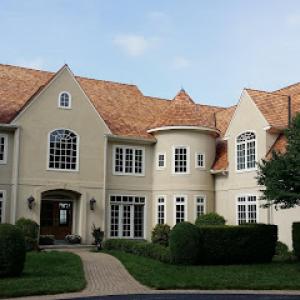
Quality One Roofing
(215) 493-4550 www.quality1roofing.com
253 Williams Ave, Newtown, Pennsylvania
5.0 from 26 reviews
Quality One Roofing, Inc. Trusted Roofing & Siding Experts Since 1992 Proudly serving Pennsylvania, Quality One Roofing, Inc. is a locally owned and operated company with a reputation built on integrity, craftsmanship, and customer satisfaction. Since 1992, we've provided high-quality roofing, siding, trim, gutter installations, and repair services to residential, commercial, and contractor clients. As a BBB-accredited business, our commitment to excellence and accountability is backed by decades of trusted service. We believe that top-tier workmanship and outstanding customer care are the foundation of lasting relationships with both new and returning clients. Whether you need new install or need expert repairs, choose Quality One Roofing
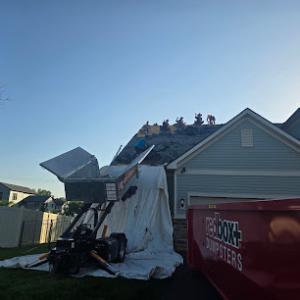
Fortified Roofing & Siding
(215) 901-0246 www.fortifiedroofingsiding.com
Serving
5.0 from 44 reviews
We are one of the leading roofing, siding, and gutter contractors in Bucks County . Our highly skilled contractors understand all types of roofing systems and apply the best possible solutions. Whether you are looking for a roof repair, roof replacement or roof repair services, we provide free inspections, and all our estimates are detailed and completely free of cost. As with all construction, roofing is a difficult job that requires painstaking attention to detail and hard work. With all the diversity in materials and types of roofing jobs, it’s stressful to choose as a consumer. At Fortified Roofing & Siding we ease that stress with our thorough understanding of the task at hand so that each roof is expertly completed on time.
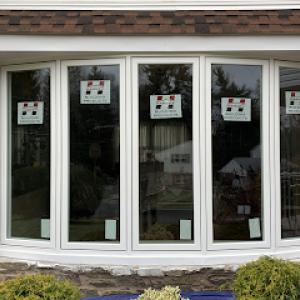
Geno's Siding & Roofing
Serving
5.0 from 63 reviews
Small business located in Bucks county that is specializing in Siding (all types), Roofing, Windows, Doors, Gutters and other.
Remodeling Concepts
(215) 343-5557 www.remodelingconcepts.net
Serving
4.8 from 161 reviews
Remodeling Concepts is your local choice for home exterior upgrades. As roofers and one of the leading roofing companies, we deliver durable solutions that protect your home for years to come. Our siding installers and full-service siding contractor team transform curb appeal with top-quality materials and craftsmanship. We’re also one of the most reliable window companies, specializing in energy-efficient double and triple pane window replacements to improve comfort and cut utility costs. We also excel in energy-efficient door installation and replacements. If you’re searching for a dependable window company, roofing services, or siding installation, Remodeling Concepts provides exceptional service, lasting results, and peace of mind.
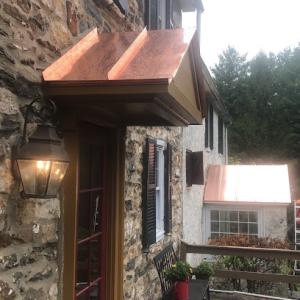
BMG Exteriors
(215) 604-0300 www.bmgexteriors.com
Serving
4.8 from 21 reviews
Locally owned since 1988, founder Michael Gospodarek has worked in all aspects and positions of the trade. Mike went from apprenticeships to crew members, foreman, project manager, superintendent to owner. We have emergency services where our professional staff is trained to take your call to assist you. We act in an efficient and timely manner to make the repairs when needed. Our company uses top quality materials and therefore our workmanship is top quality. We stand behind our work providing comprehensive warranties on materials and labor.
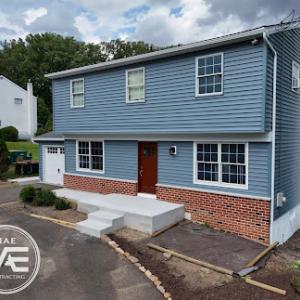
MAE Contracting
(267) 908-2119 maecontracting.net
Serving
4.8 from 45 reviews
MAE Contracting, a premier roofing and siding contractor, combines family values with exceptional craftsmanship to ensure every renovation project is a success. Committed to using only the finest materials, they uphold their status as an Owens Corning Preferred roofing contractor, a 5 Star Siding Contractor with Certainteed, and other leading manufacturer certifications. MAE Contracting delivers unparalleled quality and long-lasting beauty to every home they touch while providing homeowners options like financing to do so.
A re-roof project in this township is not just a routine upgrade; it triggers official oversight to protect against freeze-thaw damage and storm leaks that are common here. Newtown Township generally requires a building permit for re-roof projects rather than treating roof replacement as permit-free maintenance. Understanding this early can prevent delays and unexpected findings when the job is underway.
The permit is typically submitted by the roofing contractor, and inspections occur during installation and after completion. This means you should plan for at least two official touchpoints: one during the work and one after the new roofing is installed. If the project is handled through a preferred contractor, confirm who is responsible for pulling the permit and coordinating inspections so there is no gap between work and review. Having the permit buttoned up before the first shingle nail goes in helps ensure the process stays on track.
Projects involving structural changes or venting modifications may trigger plan review or additional permits beyond a straightforward re-roof. If plywood sheathing needs replacement, an updated ventilation strategy, or a new ridge vent arrangement is part of the scope, expect extra scrutiny and potential drawings or calculations. In homes with historic detailing or complex rooflines, the review may be more exacting to preserve integrity and ventilation performance. Clarify with the contractor whether any structural alterations are planned and how those changes will be documented for township reviewers.
Coordinate early with the contractor on permit timing and required inspections, and keep a copy of all permit approvals on site during the job. If any changes arise mid-project, communicate promptly with the township and the contractor to avoid gaps in compliance. Finally, ensure ventilation and flashing plans are aligned with the approved permit package to prevent future leak risk and rework.
In this part of Pennsylvania, insurers generally still offer standard residential roof replacement coverage rather than showing a broad statewide pullback pattern. That means the first hurdle is understanding your policy's language and what constitutes storm-related damage versus aging or wear. In heavily treed neighborhoods with slate, asphalt, or low-slope sections, wind, hail, and freezing cycles can create intermittent leaks that aren't obvious from ground level. The goal is to document how storm forces interacted with your roof and why replacement or repair is necessary beyond routine maintenance.
Claims outcomes in Newtown are closely tied to weather-event documentation, with adjusters commonly requesting contractor estimates, photos, and written damage reports. Take clear photos from multiple angles after a storm, focusing on flashing joints, valleys, eaves, and any fastener-driven gaps. Compile a simple written summary of what failed when the wind or hail seemed to increase rapidly, and note any interior signs of leakage that coincided with the storm. When you select a contractor, ask them to prepare a detailed estimate that highlights flashings, underlayment, and vent connections, as these items frequently drive claim decisions.
After a storm, inspect roofing components with a flashlight in the attic if you can access it safely, looking for daylight between shingles or softened decking. Keep a log of dates, rainfall amounts, and wind speeds if available from local weather reports, because that context helps the adjuster understand severity. Store all communication in a single file-emails, text messages, and notes. When your contractor provides an estimate, request a written damage report that references observed failures and ties them to the event. Be prepared to provide your policy number, your insurer's claim number, and the contact details for the adjuster. If the adjuster questions the scope, you can propose an in-person assessment with your contractor present to discuss flashing details, venting, and any necessary underlayment replacement that aligns with a proper storm-responsive repair. This local emphasis on wind and storm-related factors helps ensure the focus remains on how the recent event affected the roof, rather than on age alone.
Connect with contractors who help homeowners navigate the claims process from damage assessment to final approval.
Buck Roofing & Siding
(267) 656-7144 buckroofing.org
156 N State St Suite R, Newtown, Pennsylvania
5.0 from 136 reviews
SafeGuard Roofing & Siding
(833) 203-4411 safeguardroofingandsiding.com
17 Blacksmith Rd Suite D10, Newtown, Pennsylvania
5.0 from 69 reviews

Premier Home Renovations
(609) 931-9330 www.premierhomerenovations.com
301 S State St suite 204, Newtown, Pennsylvania
4.9 from 105 reviews
EPDM is one of the dominant roofing materials in this area, a practical choice for low-slope sections on additions and attached structures that dot many homes in town. Its seamless membrane helps resist freeze-thaw cycling, which is a common challenge in winters followed by sudden warm spells. For homeowners with low-slope transitions from house to garage or kitchen additions, EPDM offers a forgiving surface that dries relatively quickly after storms and is easier to seal than some other membranes when flashing details are tight.
Low-slope sections are especially vulnerable to standing water, seam wear, and flashing problems during the region's regular precipitation cycles. In this climate, even small pooling near roof-to-wall transitions or at HVAC penetrations can lead to accelerated wear if drainage is not carefully designed. A common Newtown-specific issue is edge water creep along parapets or over flashings where snowmelt and summer showers meet. Regular visual checks after heavy rain and seasonal inspections before winter help catch problems before leaks develop.
Proper flashing is the frontline defense against leaks on low-slope roofs. In town salt-and-pepper mineral deposits, pinholes, or misaligned terminations around skylights, vents, and transitions from shingles to EPDM membranes are frequent failure points. When inspecting, pay attention to perimeter flashings, corner seams, and accessory penetrations. In many homes, re-flashing with compatible metal or specialized EPDM-friendly sealants during re-roofing or major repairs is a cost-effective way to extend life and reduce chase leaks.
Summer heat in this part of the state can affect membrane work conditions and underlayment handling, making timing and installation practice important on these roofs. High daytime temperatures can soften EPDM during installation, so contractors often schedule membrane applications for cooler periods and ensure adequate curing time. Heat can also impact adhesive or seam lugs if the job is rushed late in the season, so plan projects with realistic windows to maintain long-term reliability. Regular maintenance and timely resealing after extreme weather help preserve performance over time.
Find specialists in TPO, EPDM, and built-up flat roofing systems for residential and commercial properties.
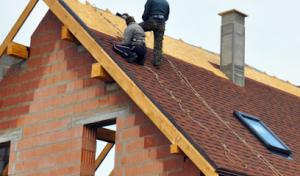
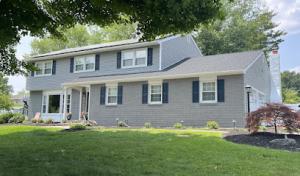
Winter in Newtown brings ice dam risk and freeze-thaw stress on roof edges, penetrations, and flashing transitions. Start by inspecting the eaves and soffits for any loosened shingles or exposed nails after a heavy freeze-thaw cycle. Clear gutters and downspouts so meltwater can flow away from the fascia rather than pooling at the roof edge. If you notice consistent ice buildup along hips or valleys, consider a preventative heat trace tape system installed by a local pro, and ensure attic insulation and ventilation are balanced to minimize warm-air escape that feeds ice dams. During cold snaps, avoid walking on the roof; use a flashlight to spot damaged flashing from the attic and arrange timely repairs before a thaw creates leaks.
Spring and summer storms increase the chance of wind-driven leaks and debris impact, which is why quick-response roof service is so common in this market. After a storm, inspect for damaged flashing at transitions around chimneys, vent stacks, and roof-to-wall connections. Look for lifted shingles or granule loss on asphalt and any cracked tiles in clay, concrete, or slate roofs. If you find a wet spot on an interior ceiling, trace the moisture to a visible entry point outside and seal it temporarily with a outside-rated membrane or tarp while you arrange a repair. Maintain reachable access to the attic so airflow remains unobstructed and moisture doesn't linger.
Fall leaf buildup in this tree-rich southeastern Pennsylvania setting can trap moisture and encourage moss growth on susceptible materials such as wood and shaded roof sections. Rake leaves off the roof and within 3 feet of the edge to reduce moisture retention. Trim overhanging branches that continuously deposit debris or shade critical areas, especially around dormers and valleys. If moss appears, treat small patches with a sun-friendly, roof-safe moss remover and gently scrub, avoiding pressure washing on delicate materials. Schedule inspections before the first hard freeze to verify flashing integrity, vent seals, and soffit ventilation are still performing as winter approaches.