
Last updated: Apr 19, 2026
Cold winters in this area bring repeated freeze-thaw cycles that can widen small shingle, flashing, and masonry-adjacent roof defects into active leaks. In practice, that means a winter inspection should focus on identifying hairline gaps and vulnerable flashings while the roof is dry, so a replacement window isn't forced into adverse weather. When snow and ice linger, scheduling a tear-off becomes tricky, and a rushed job in freezing temps can invite miscommunication between installation and weather-driven delays. If a homeowner anticipates a replacement after winter, locking in a start date soon after the cold snap ends helps avoid compounding moisture issues from late-season storms. For aging shingles or marginal flashing, consider prioritizing a pre-winter prep plan that addresses obvious leaks and ensures attic access is clear for inspection.
Spring in Bucks County often brings renewed storm activity and frequent rain events that can interrupt tear-off schedules. In Southampton, that means the dry-in phase must be tightly coordinated with weather forecasts to avoid weeks of exposed decking and potential wind uplift risk. A practical approach is to align a spring project to begin just after a string of dry days, with tarping and securing measures ready if a late-season shower interrupts work. Attic ventilation performance becomes more critical as temperatures rise; insufficient venting accelerates attic heat buildup, which in turn ages shingles faster and stresses flashing around chimneys and vent stacks. A proactive homeowner looks for a contractor who will verify ridge and soffit balance, install baffles where needed, and schedule an inspection of soffit vents to ensure options remain effective through the late spring heat.
Warm, humid summers in this area drive attic heat buildup, making ventilation performance a bigger factor in shingle aging and inspection review. Summer replacements should plan for early start times to avoid peak heat, with crews aiming to complete roof work before the afternoon lull. Ventilation checks aren't cosmetic extras; they address how heat and humidity affect the new roofing system's long-term performance. If the roof is re-covering existing decking, ensure the attic retains a healthy venting balance to prevent moisture entrapment that could compromise underlayment integrity. For steep-slope jobs, a careful evaluation of flashing around penetrations-vent pipes, chimneys, and stack stubs-helps prevent vulnerable seams from opening under summer humidity and thermal cycling. A reliable contractor will document vent changes and provide a clear plan for attic air flow during and after installation.
As autumn advances, cool, dry spells can create ideal conditions for roof replacements, but the seasonal shift also carries a higher risk of rainstorms that interrupt progress. In Southampton, a practical autumn plan is to target a block of consecutive clear days for tear-off followed by a rapid dry-in, so the new roof has a weatherproof seal before the first freeze threat. If a storm interrupts the schedule, the contractor should have a contingency to reschedule without sacrificing the integrity of the underlayment and flashing. Autumn is also a good time to re-check roof-to-wall transitions and masonry-adjacent details, since seasonal temperature swings can reveal gaps that were less apparent during milder months. Attic access remains a focal point; ensure baffles, soffit intakes, and gable vents are adjusted to maintain airflow during the transition from summer to winter conditions.
Spring and summer storms in southeastern Pennsylvania can complicate dry-in timing and necessitate temporary covers or tarps if a replacement is underway during a heavy rain event. A home with a partially replaced roof benefits from a staged approach: refresh external flashings first where gaps have widened, then complete the tear-off as soon as a reliable stretch of dry weather appears. In the context of Southampton's climate, this staged approach reduces the chance of wind-driven moisture penetrating vulnerable areas and minimizes the chance of rework caused by moisture exposure. A year-to-year review of prior storm-related vulnerabilities-such as corner detailing, step flashing at the parapet walls, and masonry-adjacent edges-helps tailor a season-by-season plan, ensuring that each cycle of weather is met with a roofing system prepared to resist the next cycle.
In the Bucks County pattern, a hail or wind event can leave a roof looking intact from the street while hiding wind-driven damage along the ridges, valleys, and edge metal. Pennsylvania insurers serving Southampton commonly see periodic hail and wind claims, so roof damage reviews often focus on whether damage is storm-related or pre-existing wear. If a contractor notes lifted shingles, dented metal, cracked flashings, or granule loss after a storm, that documentation becomes your first line of defense. After a storm, treat your roof as the first line of weather protection for the house, and act quickly to assess and document any suspect areas.
Homeowners in Southampton may need photo documentation, contractor estimates, and material details because adjusters can request evidence of prior condition before approving replacement. Start with clear, date-stamped photos from multiple angles: the ridge line, flashing around chimneys and vent stacks, eaves, and any visible fascia. Capture close-ups of damaged or missing granules, curling edges, or missing shingle tabs. Keep a running log of storm dates, wind speeds reported locally, and any subsequent temperature swings that could exacerbate existing vulnerability. Have a contractor walk the roof with you, noting conditions that show pre-existing wear versus new storm damage, and request written assessments that distinguish the two. This clarity helps prevent disputes and speeds the review process.
Storm-driven demand spikes in the Southampton area can tighten scheduling after hail or wind events, making rapid documentation and temporary protection especially important. If a contractor identifies damage, arrange for a same- or next-day tarp or temporary cover to minimize interior exposure and water intrusion. Quick temporary protection can reduce further loss, protect landscaping, and prevent a secondary claim trigger from water intrusion. As soon as you secure temporary measures, share the plan with your insurer and your roofer so everyone is aligned on when permanent repairs will begin. Expect a backlog after major events, so having a prepared, professional backup plan reduces downtime and helps maintain the integrity of the home during the peak repair window.
A sharp eye on the line between storm damage and pre-existing wear matters here. Freeze-thaw cycles, common in winter, can create small, underlying weaknesses that look related to weather but are actually progressive. A local roofer can help evaluate whether granule loss, hairline cracks, or loose flashing are recent or longstanding. Insurers will want to see a credible, dated timeline of conditions, plus evidence that the damage is consistent with the storm event rather than gradual deterioration. For homeowners, this means coordinating photo sets with a professional inspection that explicitly marks the known storm date, the observed damage, and any pre-existing conditions noted before the event. This precise presentation often accelerates the claim decision and sets the stage for a solid, long-lasting repair.
Find local contractors experienced in assessing and restoring roofs after hail, wind, and severe weather events.

Guardian Roofing & Siding
(855) 766-3911 www.guardianroof911.com
610 Lakeside Dr, Southampton, Pennsylvania
4.9 from 145 reviews

Guardian Roofing & Siding
(855) 766-3911 www.guardianroof911.com
610 Lakeside Dr, Southampton, Pennsylvania
4.9 from 145 reviews
At Guardian Roofing & Siding we provide quality craftsmanship and materials for a reasonable price on all of our roofing, siding, and home improvement projects! With a strong belief that we should treat others as we would like to be treated, we focus on providing a superior experience leaving customers fully satisfied.
Kontz Roofing, Siding & Remodeling
(215) 449-8090 kontzconstruction.com
Serving
5.0 from 409 reviews
Highest quality, best priced roofing, siding & remodeling. Serving Bucks County & Montgomery County since 2012. If you’re in need of trustworthy roofing or home improvement experts with decades of experience, then contact Kontz Construction. We are fully licensed and insured and all of our employees undergo background checks. Get a fast estimate for services, fill out an inquiry or give us a call! Our pros are standing by and ready to answer any questions you may have. Not sure how the job should look? No problem, we’re happy to help with recommendations and our team has lot’s of know how to offer ideas.
Global Home Improvement
(610) 827-5431 www.globalhomeinc.com
Serving
4.7 from 318 reviews
Global Home Improvement is the Tri-State's Premier Home Remodeler offering homeowners better products and better value. We specialize in Metal Roofing, Fiber Cement, and Stone Siding as well as Infinity Fiberglass Windows from Marvin. Our professional and knowledgeable project managers help you navigate the thousands of products out there to find the right windows, siding, or roofing solution to best fit your home. We believe that every customer is a lifetime customer -- that's why all of our lifetime products come with a matching lifetime labor guarantee. Call us today for your Free Estimate!
Al's Group Roofing
Serving
4.9 from 53 reviews
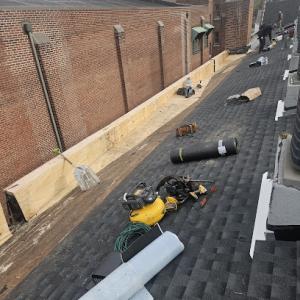
Family owned with over 20 years of experience in roofing. Residential and commercial. Property management. Roof replacements and repairs. Roof maintenance. Gutters, Siding and windows. Free estimate and quick service. Servicing Philadelphia, Bucks county and Montgomery county and NJ. Licensed and insured. We serving all nearby locations: Southampton, Huntingdon Valley, Feasterville, Newtown, New Hope, Levittown, Langhorne, Hatboro, Doylestown, Warminster, Warrington, Jamison, Abington, Ambler, Lansdale, Horsham, Bensalem, Bristol, Richboro, Glenside, Norristown, Cherry Hill, Fort Washington, Washington Crossing, Jenkintown, Willow Grow

Storm King
(267) 770-6075 truststormking.com
Serving
5.0 from 56 reviews
Trust Storm King for all your home improvement needs! From all types of roofing, siding, gutters, remodeling and more! With unmatched prices, you'll be sure to be completely satisfied with our work. Visit our Showroom located in Feasterville-Trevose PA!
Asaph Roofing Contractors
(215) 485-8771 www.asaphcontractors.com
Serving
5.0 from 46 reviews
At Asaph Roofing Contractors, we are your trusted roofing experts in Feasterville-Trevose, PA. Our mission is to deliver top-tier roofing services to homeowners and businesses, ensuring their properties remain safe and secure from the elements. With years of experience in the roofing industry, we specialize in residential and commercial roofing, bringing precision and dedication to every project. Whether you’re looking for a full roof installation, regular maintenance, or emergency repairs, our skilled team is ready to meet your needs.
Geno's Siding & Roofing
Serving
5.0 from 63 reviews
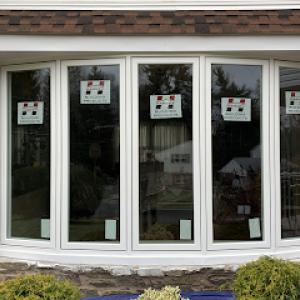
Small business located in Bucks county that is specializing in Siding (all types), Roofing, Windows, Doors, Gutters and other.
Roof Gurus
Serving
4.3 from 113 reviews
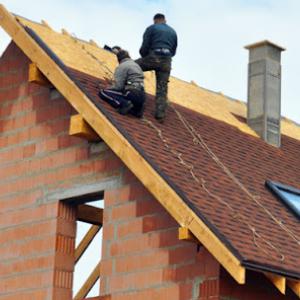
We are the premier Philadelphia roofing company providing commercial & residential roofing and roofing repair in PA. Roof Gurus, Inc. is a family-owned roofing company operated by Nicholas Bonifante and Joseph Potok, providing commercial and residential roofing. With over 50 years of roofing experience, our team of professionals continues to provide quality service to every customer. The Roof Gurus specialize in all aspects of roofing from tear-offs and re-roofs to simple repairs. We take pride in providing our customers with superior personalized service, unmatched products, and labor guarantees and complete satisfaction.
BMG Exteriors
(215) 604-0300 www.bmgexteriors.com
Serving
4.8 from 21 reviews
Locally owned since 1988, founder Michael Gospodarek has worked in all aspects and positions of the trade. Mike went from apprenticeships to crew members, foreman, project manager, superintendent to owner. We have emergency services where our professional staff is trained to take your call to assist you. We act in an efficient and timely manner to make the repairs when needed. Our company uses top quality materials and therefore our workmanship is top quality. We stand behind our work providing comprehensive warranties on materials and labor.

Modern Roofing & Exteriors
(833) 456-6337 www.modernroofingandexteriors.com
Serving
5.0 from 514 reviews
Roofing, Siding, Windows, Gutters, Wind damage, Hail Damage, Insurance work! Owens Corning, Tamko, Certainteed, GAF, Anderson, Provia,

Umbrella Roofing
(215) 774-2950 www.umbrellaroof.com
Serving
5.0 from 186 reviews
Umbrella Roof - Philadelphia Roofing specialists! We Service Philadelphia Roofing needs and all surrounding counties! We offer residential roofing services including: Free Estimate New Roofing Installations Insurance Claims & Restoration New Shingle Roofing New Flat Roof Roof Repair Roof Coatings Skylight Install & Repair Emergency Roofing Repairs Siding Install & Repair Gutters Install & Repair Roof and Gutter Cleanings Roofing Certifications and Diagnosis 24 point Roof Checkup 10 Year Warranty We have been in the roofing business for over 15 years. We take customer oriented approach by recommending only the services you need that will fix your issues and give the customer the most value to improve your most valuable asset - your home!
Paragon Exterior
(215) 799-7663 www.paragonexterior.com
Serving
4.9 from 100 reviews
Paragon Exterior is a trusted, locally owned roofing contractor serving Bucks County, Northeast Philly, and nearby communities. Our local roofing team is licensed and insured with over 50 years combined experience. We specialize in roof repair, full roof replacement, storm damage restoration, leak detection, and services for siding, gutters, and windows. As a GAF Certified Contractor, we offer high-quality workmanship, fair pricing, and fast professional crews, including free roof inspections, military discounts and more. We take pride in every roof we install or repair. When you choose Paragon Exterior, you're getting more than excellent craftsmanship; you're getting a trusted partner. Call today, you'll be glad you did!
Asphalt shingles stand as the most common choice for many Southampton homes, especially those with steep-slope designs you see across the suburbs. They slot neatly into the typical rooflines found on mid-sized houses and lend themselves to a straightforward installation that accommodates seasonal weather patterns. From a performance perspective, asphalt shingles handle the freeze-thaw cycles Bucks County experiences and provide a predictable, easier-to-repair system when storms test the ridges and valleys. For many homeowners, this material balances a familiar look with resilience in a climate that swings between humid summers and chilly winters. The key to maximizing their life in this market is ensuring proper attic ventilation and a robust flashing setup, since these elements influence how well the shingle layer handles moisture and temperature shifts over time.
Slate remains relevant in the greater Bucks County market, where its premium appearance can pay off in longevity and curb appeal. In Southampton, however, the weight of slate and the specialized labor required for repairs make structural readiness and expert installation especially crucial. If a home is already built to accommodate heavy roofing, slate can be an elegant option that stands up to repeated weather stress. If not, upgrading the deck and supports becomes part of the equation. When slate is paired with correctly wired flashing and well-sealed joints, it can resist wind-driven moisture and freeze-thaw damage, but the cost of repairs and the availability of qualified slate craftsmen are practical considerations that influence whether it's the right choice for a given residence.
Metal roofing, clay tile, concrete tile, and synthetic products all appear in the Southampton market, offering distinct aesthetics and performance profiles. In this region, the real differentiator for any of these materials is how well the flashing is integrated and how the ventilation plan handles seasonal humidity and temperature swings. Metal can shed water quickly and resist impact, but improper seam sealing invites leaks in freeze-thaw cycles. Clay and concrete tiles bring character and long service life, yet their weight and the need for precise underlayment and edge detailing raise the bar for the supporting structure. Synthetic composites can mimic natural looks while often improving ease of installation, but they still rely on solid ventilation and accurate flashing to weather the humid summers without compromising joints. In all cases, a proactive approach to maintenance-inspecting valleys, boots, and chimney transitions before winter-helps Indiana-sized storms and seasonal changes pass with minimal disruption.
Seasonal weather windows drive the decision to replace a roof here. Freezing winter months and the spring storm pattern can dictate when to schedule work so that flashing and ventilation are not compromised by wind-driven rain or temperature swings during installation. Planning a replacement during a milder stretch allows materials to acclimate and reduces the risk of workmanship-related issues tied to rapid temperature changes. In all material choices, align the project with a careful assessment of attic airflow and roof deck condition to ensure the finished roof protects the home through the full range of Southampton's seasons.
When planning a full roof replacement, expect to navigate a building permit process rather than a no-paperwork maintenance item. The local code environment prioritizes safety and long-term performance, so the permit step is not something to rush through. The permit application commonly includes the project scope in clear terms, and the building department may request documentation of the existing roof structure and attic ventilation. Having these items ready helps prevent delays that can push a project into harsher weather windows or seasonal constraints.
In practice, the submission package often asks for a simple narrative of the work, plus sketches or diagrams showing the roof framing, along with current attic ventilation details. Photos of venting locations, soffit intakes, and ridge vents can make a big difference in smooth processing. If the attic ventilation is questionable or marginal, be prepared for additional requirements or an explicit corrective plan to bring ventilation up to code. The aim is to avoid a situation where a completed roof is held up by a last-minute paperwork snag.
Inspections in this area are typically scheduled during and after the project, not as a one-off after-the-fact check. Expect a rough progression: a pre-dry-in inspection to verify deck condition, underlayment, and flashing planning; mid-project checks to confirm installation compliance for ventilation paths, flashing around chimneys and skylights, and nail patterns; and a final inspection to confirm the roof meets the approved plan and local requirements. Scheduling around seasonal weather windows matters, because abrupt weather changes can trigger re-inspection or temporary halts.
The inspector's eye will land on ventilation and flashing as you near the mid-project and final stages. Adequate attic ventilation protects against freeze-thaw damage that's common in the Bucks County climate, while properly installed flashing prevents leaks during spring storms and summer downpours. Ensure roof penetrations are properly sealed, and that any vented accessories are installed with manufacturer specs in mind and aligned to the approved drawings. Noncompliance or gaps between plan and practice can lead to costly corrections or delays, so treat the inspections as a core part of the replacement strategy rather than an afterthought.
Typical Southampton material pricing runs about $350-$700 per square for asphalt shingles, $600-$1200 for metal, $1100-$2100 for clay tile, $900-$1700 for concrete tile, $550-$900 for synthetic/composite shingles, and $1400-$2600 for slate. When planning a re-roof, the baseline is the material choice, but the numbers above reflect what neighbors commonly see for the suburban stock in this area. Heavier options like slate or concrete tile push a project into higher per-square pricing, especially if more substantial deck or support work is needed to handle the weight. In practice, the price spread between a basic asphalt install and a premium option can be substantial, and that delta often shows up in long-term durability and maintenance needs.
Southampton's mix of freeze-thaw winters and humid summers means timing matters. In winter, ice buildup and fluctuating temperatures can complicate installation, while spring and fall bring more predictable temperatures but can coincide with storm activity that taxes local contractor workloads. Costs in Southampton can rise when storm activity increases local demand, especially after hail or wind events that push more homeowners into the same scheduling window. If a roof is already showing signs of distress, waiting for a weather lull can help avoid rework, but extended delays may shift labor availability and pricing.
When budgeting, expect the base material price plus the labor rate to combine into a total that fits the chosen system, with heavier materials requiring structural checks and potential deck reinforcement. For asphalt, plan around the lower end of $350-$700 per square, and for metal around $600-$1200 per square, adjusting upward for add-ons like upgraded underlayment or enhanced ventilation strategies. For clay or concrete tile, factor in the higher per-square costs due to weight and installation complexity. Synthetic/composite shingles offer a middle ground, while slate remains the premium path. In all cases, anticipate additional costs if the project encounters storm-driven scheduling bottlenecks or the need for extra flashing and ventilation corrections that are commonly flagged during inspections in this market.
Don't let upfront costs delay a critical repair - these contractors offer payment plans to fit your budget.
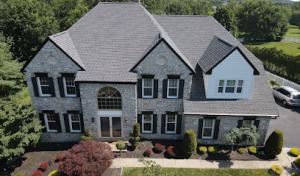
In this area, freeze-thaw cycling can turn minor flashing gaps and shingle edge damage into recurring leak points over winter. Tiny gaps that seem inconsequential in fall can become persistent drips when water expands as it freezes and then contracts as it thaws. The result is a slow creep of water intrusion that weakens underlayment and fasteners, especially along roof valleys, dormer saddles, and where a roof meets a vertical wall. Homeowners should inspect for hairline gaps after significant freeze events and expect that what looks like a small flaw may infiltrate the attic over multiple cycles. Early attention to edge damage and flashing continuity is a practical defense against winter leaks.
The local emphasis on ventilation reflects a genuine Southampton concern: poorly vented attics in humid summers can shorten roof life and contribute to moisture issues. When attic air fails to vent properly, warm damp air can condense under shingles and in decking, accelerating deterioration of underlayment, sheathing, and fasteners. This moisture cycle often mirrors seasonal shifts from hot, humid days to cool nights, making vent placement, soffit/fan balance, and ridge vent effectiveness critical. If attic moisture remains high through summer, anticipate faster wear around penetrations and impaired shingle granule retention, which can compromise the roof's overall longevity.
Chimney and roof intersections are a practical concern in this market because many local contractors also advertise chimney-related work, suggesting homeowners frequently encounter problems at those transitions. Flashing here is often the weakest link, prone to rust, sealant drying, or improper seating. Water can track along the chimney chase and into the attic if counter-flashing and step flashing aren't correctly integrated with ventilation and roof plane changes. Regular checks around these intersections, especially after heavy rains or freeze cycles, can prevent a small issue from becoming a costly, widespread leak.
Find contractors experienced in skylight installation, flashing, and leak repairs to bring natural light into your home.

Southampton homeowners are shopping in a market where re-roofing and cleanup are standard expectations, so contractor differentiation often comes from responsiveness, documentation quality, and experience with insurance-driven jobs. When a storm hits or a leak shows up after a freeze, you want a crew that returns calls promptly, documents what they find, and communicates clearly about the work plan. In practice, that means prioritizing firms that reply within a workday, supply written scopes, and provide dated photos of the project progress. The right contractor treats cleanup as part of the job, not an afterthought, leaving your yard and driveway free of debris and nails.
Long-established, family-owned, and residential-focused firms are notably present around this area, which matters for homeowners comparing stability and follow-through on warranty issues. Those businesses often bring a steady crew, a predictable chain of responsibility, and willingness to stand behind workmanship years after the last shingle is installed. In evaluating firms, ask who will be the on-site lead, how crews are managed, and who handles warranty questions later. If a company can point to three to five long-tenured employees and a consistent posting of project photos, that signals staying power you want when weather exposes vulnerable details year after year.
Because local inspections emphasize flashing and ventilation, Southampton homeowners should favor contractors who can explain those details clearly rather than only quoting material brand names. Look for a contractor who will walk you through attic ventilation needs, ridge and eave venting, underlayment choice, and flashing around chimneys, skylights, and dormers. A good estimator will show sketches or photos and describe how each flashing detail will be integrated with your roofline. If explanations are murky or boilerplate, press for plain language and a written takeaway that covers both the critical flashing work and the sequence of steps.
Start by compiling two to three local references from neighbors or neighbors' associations, then request written scopes from each candidate. Require a timeline with milestone dates, a defined cleanup plan, and a warranty outline that covers both materials and workmanship. Ask who will complete inspections after completion and how storm events or insurance-driven repairs are handled if a patch is needed during the first year. Finally, compare the responsiveness of each firm's office-timely questions answered before the job begins often predict smoother experience during and after installation.
If hail or wind hits, you are dealing with a fast-moving claim in a town where freeze-thaw cycles can worsen unseen damage. Document all visible roof elevations with date-stamped photos, both from the ground and up close. Capture any interior evidence of leaks-ceiling stains, warped attic boards, or roof-induced drafts-before the adjuster arrives. A neighbor's perspective can help verify timing if storms overlap with other events in the neighborhood.
Local insurers may question whether damage comes from a single storm or long-term aging, especially when the roof is approaching the end of its service life. Ensure you have clear, dated photos and notes from recent weather events, plus any prior repair histories. Having contractor findings that note the roof's condition prior to the event can be a decisive detail during review.
Material matching matters in claims, particularly for slate, tile, or specialty products common on older Southampton homes. If the roof features distinctive materials, document exact types, brands, and profiles, along with any visible color or pattern variations. This helps determine whether replacement can mirror the existing roof or if justification is needed for alternatives.
Arrange a pre- or post-storm inspection by a trusted local contractor who understands weather patterns and typical installation in the area. Make sure contractor notes align with homeowner photos, focusing on flashing, ventilation, and any failed sealing that could affect future weather resistance. Clear, consistent documentation reduces back-and-forth and speeds the claim process.