
Last updated: Apr 19, 2026
Springtown sits in the North Texas hail and severe thunderstorm corridor, making spring storm damage a primary roofing trigger for local homeowners. The regular mix of high-velocity wind, heavy hail, and sun-driven heat creates a harsh cycling on shingles, gutters, and flashing. In this area, roofs endure not just pummeling hail but wind-blown debris from open lots, outbuildings, and surrounding tree limbs. That combination means damage can appear subtle at first-dimples, lifted tabs, or small granule loss-yet progress quickly into leaks or accelerated wear. The target is to spot trouble early, because even a minor impact can compromise underlying structures and insulation if left untreated. When a severe weather watch is issued, keep a plan ready: clear drive paths for a quick assessment window, identify a trusted local roofing contractor, and arrange for a post-storm inspection as soon as conditions allow.
Because the semi-rural setting invites both hail strikes and wind-driven debris, your post-storm checklist must be decisive. Start on the clear, dry roof only if you can do so without risking personal safety. Look for raised or cracked shingles, exposed underlayment, or creased flashing around vents and chimneys. Inspect gutters and downspouts for dented sections or missing shingles in the path of runoff-these can be early indicators of more serious roof issues. Inside, check the attic for moisture staining, musty odors, or light shining through the deck from the attic side. If any of these signs appear, treat the situation as urgent and contact a local roofing professional who can perform a controlled, professional assessment. In a town built around open properties and tree cover, you may notice wind-blown debris near outbuildings and fences; don't overlook a high risk area simply because it's off the main roofline-the wind can fracture areas that aren't visibly obvious from ground level.
The climate in this region rewards durable, impact-resistant options that can resist hail dents and wind uplift without sacrificing long-term performance. Asphalt shingles remain a common choice, but when hail is frequent, look for products with high impact resistance ratings and reinforced laminates. Metal roofing offers outstanding wind performance and can shed hail impact more cleanly than some other materials, but installation quality matters for long-term leak resistance. For those seeking tile aesthetics with stronger impact performance, concrete and clay tiles require careful substrate and underlayment planning to withstand wind-driven debris and freeze-thaw cycles. Wood shingles and synthetic options can be considered for curb appeal, yet they demand attention to moisture management and glare from direct sun. Your local roofing professional can help translate a storm history into an informed material decision that fits the pattern of Springtown's storms while balancing a practical, repeatable replacement cycle.
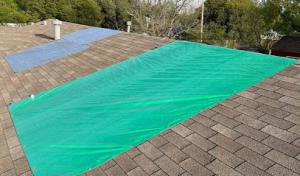
In this region, replacement timing often favors dry, wind-stable periods from spring through fall. Post-storm scheduling pressure can build quickly after major weather events, so having a plan to secure temporary protection and lock in a reliable crew is essential. If a roof shows signs of compromising, moving quickly to protect interior spaces with tarps or temporary patches can prevent further water intrusion during the gap between storm and full replacement. When you're ready to proceed, coordinate with a local contractor who understands the peculiarities of Springtown's wind patterns and debris loads, and who can schedule repairs in windows that minimize exposure to gusty conditions. A measured, proactive approach reduces risk and shortens the window of vulnerability for your home.
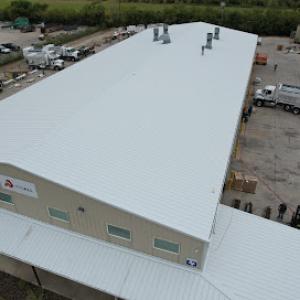
S5 Construction
(682) 842-1942 www.s5construction.com
401 S Birch St, Springtown, Texas
5.0 from 33 reviews
S5 Construction is a general contractor specializing in storm restoration and insurance claims. We also provide ground up building and remodel services.
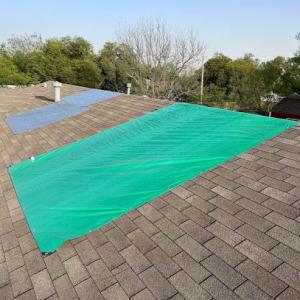
Rocky Ridge Roofing
(817) 629-8561 rockyridgeroofingllc.com
Springtown, Texas
5.0 from 9 reviews
Your roof is your first line of defense against harsh weather and invasive pests, so it's vital that you keep it in tiptop shape. If your roof has seen better days, reach out to Rocky Ridge Roofing. Our pros have the necessary tools and training to provide a variety of roofing services in Springtown, TX. From roof installations to repairs, our crew can do it all.
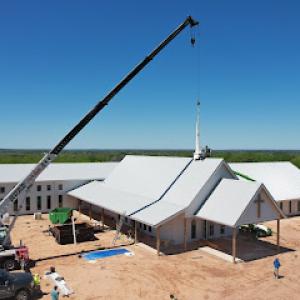
Fox Roofing & Construction
350 Thomas Rd, Springtown, Texas
4.8 from 11 reviews
Fox Roofing & Construction is a family owned business.We take pride on the work we do. Customer satisfaction is our priority . Your roof is the first line of defense against the weather elements it protects your family and valuables. Let us give you the peace of mind when bad weather strikes you won't have to worry about it causing damage and financial loss. We offer remodeling services anything from expanding living rooms to remodeling bathrooms gives us a call for a free estimate.
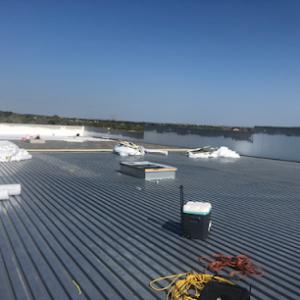
Diamond B Roofing & Construction
(817) 523-4137 www.diamondbroofingtx.com
417 N Main St, Springtown, Texas
3.9 from 18 reviews
Since 2008, we've been dedicated to installing, repairing, and providing free, expert advice on the best roofing solutions for Springtown and the surrounding areas. As a local, independent company, we're here for you through thick and thin, ensuring the job is done right the first time, every time.
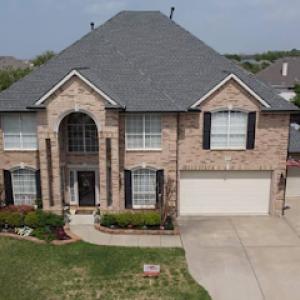
I & A Roofing & Construction
(817) 666-0252 www.iandaroofingandconstruction.com
Serving
5.0 from 20 reviews
I & A Roofing and Construction is dedicated to delivering outstanding quality at competitive prices. Our goal is leave every customer satisfied with long-term relationships and trust.
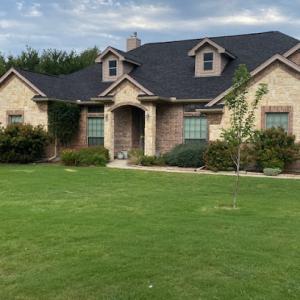
Lighthouse Residential Roofing
(682) 239-8314 www.lighthouseroofingtexas.com
Serving
4.9 from 42 reviews
Don't try the rest... Go straight to the Best. We opened Lighthouse Residential Roofing in 2014 to service the residential roofing market with our 35 years of experience. We built this business with 4 pillars. *The first is our commitment to expertise with ongoing training and keeping up to date with new material trends. *Our second is our commitment to being properly insured so that you are not held liable. *Our third is our commitment to customer satisfaction with our 100% satisfaction guarantee. *And the fourth is to our community. We do this by feeding a family for a week through Community Link with every roof we install. We believe these commitments are why we were voted the Best Roofer of Fort Worth for 2021 and 2023.
J. Riley Roofing & Gutters
(940) 441-4544 www.rileyroofing.com
Serving
5.0 from 178 reviews
We are a family owned second generation residential roofing company. J. Riley Roofing does small roof repairs to full roof replacement. We also install custom seamless gutters. We are RCAT Licensed, carry full insurance, are certified installers of GAF and Malarkey shingles. We are members of NRCA, NTRCA, RCAT, MRCA and BBB. We use top quality roofing materials and offer our services at reasonable prices. We service Wise County, Parker County, Denton County, Tarrant County, Dallas County, Montague County, Collin County and surrounding areas.
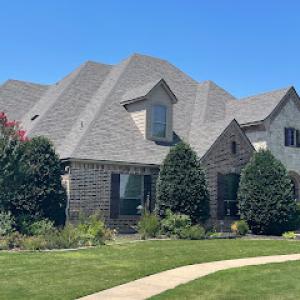
Lonestar Roofing & Restoration
(682) 302-0707 lonestarroofingandrestoration.com
Serving
5.0 from 47 reviews
Lonestar Roofing & Restoration is a trusted, locally owned roofing company serving Parker, Hood, Tarrant, Wise, Collin, Denton & Johnson Counties. We specialize in roof repairs, replacements, and insurance claim restoration for hail, wind, and storm damage. Our experienced team delivers high-quality craftsmanship using Class 3 and Class 4 impact-resistant shingles. Whether you’re in Azle, Weatherford, Aledo, Colleyville, Prosper, Burleson or Granbury — we handle the entire process from inspection to completion with honesty, speed, and precision.

Linear Roofing
Serving
5.0 from 6 reviews
Linear Roofing is a extremely reputable business with customer service and satisfaction as a number one priority. Rated A+ with Better Business Bureau, we strive for excellence in every job.
C.W. Roofing & Construction
(940) 399-8830 cwroofingdfw.com
Serving
4.8 from 33 reviews
We're a veteran owned full-service general contractor specializing in insurance claims through hail damage. We coordinate and supervise anything and everything you need repaired. We offer multiple options for metal and composition roofing systems with competitive financing! A+ Accredited with the Better Business Bureau; we match our high quality roofing systems with phenomenal customer service! At C.W. Roofing & Construction our 5-Star Rated Reviews show our consistent commitment to our customers!
Riverbend Roofing & Exteriors
(817) 779-4860 www.riverbendexteriors.com
Serving
5.0 from 62 reviews
At Riverbend Roofing & Exteriors, we believe in doing exactly what we say we will. That means doing the job right and to the best of our ability, always keeping you updated on what’s going on, and giving you the ability to make choices that not only give you the perfect roof for your property, but earn your long-term satisfaction. In short, we deliver results, and we never sacrifice or settle for anything that might compromise this commitment to our customers. We install asphalt shingle roofing, as well as gutters, windows and fencing.
MTX Roofing & Construction
(682) 290-6017 www.mtxroofing.com
Serving
5.0 from 29 reviews
Roofing & storm restoration
North Texas is a high-claim roofing market, so homeowners in this area should expect insurers to request photo documentation, roof age details, and clear evidence separating storm damage from wear. When a hail event hits the Fort Worth side of North Texas, the wind-driven debris and sun exposure on older shingles can resemble damage at first glance. Take comprehensive photos from ground level, mid-roof angles, and close-ups of any granule loss, dents, or lifted edges. Keep manufacturer dates or install years handy, and be prepared to explain pre-existing issues such as prior repairs or evidence of aging shingles. Providing a tidy, chronological record helps prevent delays caused by questions about whether the damage is new hail impact or previous wear.
Adjuster timelines can stretch during active hail seasons, and that patience is part of the process in this territory. In Springtown, the storm calendar can push inspections and approvals further into the season, so plan for a slower pace from first contact to a mitigation plan. If a claim stalls, consider requesting a written timeline and milestones from the adjuster, and document every conversation. Keeping a mapped log of dates for inspections, photos submitted, and any repairs starts will reduce friction when the claim moves forward. The practical impact is that some days stretch into weeks, so maintaining temporary protection and a wait-and-see mindset during peak periods helps manage expectations.
Code-related upgrades tied to wind or energy compliance may become part of claim discussions depending on the home and jurisdiction handling the permit. In flood-prone or windy pockets around this area, insurers may raise questions about upgrading certain components to meet current wind standards or energy-efficiency targets as part of a hail-related rebuild. That means a claim could evolve from simply replacing damaged material to considering higher-rated roof systems or enhanced underlayment, if the scope permits and the jurisdiction accepts those changes. It is wise to recognize that conversations about upgrades can surface as the claim moves toward settlement, especially for homes with exposed eaves, venting needs, or retrofit opportunities that align with regional weather patterns.
While a claim works its way through the process, maintain the roof's protective integrity. If shingles are loose, curled, or missing, cover exposed areas to prevent water intrusion and additional interior damage. Document temporary fixes with dated photos and keep receipts for any materials used to secure the roof until a full replacement plan is approved. A clear, organized file that pairs photos with dates, descriptions, and the corresponding claim number helps ensure that the post-storm repair path stays as direct as possible, even when the pace of approvals isn't ideal.
Connect with contractors who help homeowners navigate the claims process from damage assessment to final approval.
S5 Construction
(682) 842-1942 www.s5construction.com
401 S Birch St, Springtown, Texas
5.0 from 33 reviews
I & A Roofing & Construction
(817) 666-0252 www.iandaroofingandconstruction.com
Serving
5.0 from 20 reviews
Asphalt shingles remain a practical fit for Springtown because they are common in North Texas and easier to replace after hail than heavier premium systems. For homes exposed to bright sun and rapid temperature swings, choose a dimensional or architectural shingle with a high impact resistance rating. In this climate, a properly installed asphalt roof offers straightforward patchwork if hail knocks a few spots, and local crews can often complete work faster when material availability is good. Prioritize good underlayment and proper nailing patterns to resist wind during Texas storms. Regular inspections after hail events help catch minor bruising before it grows into leaks.
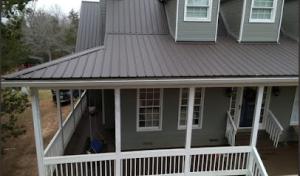
Metal roofing has strong local relevance in Springtown's rural-residential market because it is widely used across North Texas for wind stability and heat performance on homes and accessory structures. Steel or aluminum panels with a through-fastened design tend to shed hail better than some heavier laminates, especially when installed with concealed fasteners or ring shank nails. Look for a standing-seam option if you have a higher roof pitch, as it minimizes exposed fasteners and water intrusion risk. Ensure panels are correctly lapped and that edge flashings seal well around chimneys, skylights, and vents. Metal systems also handle radiant heat well, which helps with summer attic temperatures but still benefits from proper attic ventilation to prevent snow-like heat buildup on reflective surfaces.
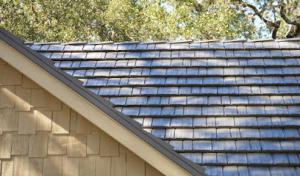
Tile and wood systems appear in the market but require closer attention to impact vulnerability, fastening, and maintenance under repeated hail, sun exposure, and temperature swings typical of this region. Clay and concrete tiles can crack under hail or if struck by wind-borne debris, and broken tiles can lead to concealed leaks if not addressed promptly. Wood shingles and shakes offer unique texture but are susceptible to sun drying and insect damage, and they can delaminate in hail-exposed areas if fasteners loosen. If choosing these materials in Springtown, plan for more frequent inspections after hail events and be prepared for targeted repairs rather than full roof-year replacements. Proper fastening patterns and quality sealants around penetrations help extend service life in the wind-prone Creek and pasture corridors.
Springtown pricing shifts with North Texas storm-demand surges, especially after hail events. When a big hail week hits, crews and dump trailers can be in short supply, and tear-offs may stretch into a second or even third day. That dynamic tends to push per-square costs upward and can lengthen scheduling windows for replacements. If you're coordinating a tear-off after a hail event, build in a flexible plan for weather delays and potential crew rerouting. In practical terms, have a rough start date plus a backup date, and confirm that the contractor can handle a partial-day tear-off if a storm shifts the schedule.
Rural and semi-rural properties around Springtown often sit on wider plots with long driveways, open pastures, or trees near the home. Dump trailer placement and cleanup logistics can change labor efficiency compared with tighter suburban lots. Before work starts, confirm how the crew will stage materials and where they'll park equipment to minimize trailor movements on washouts or gravel driveways. Consider clearing a safe path for debris removal, especially if the roof is taller or has multiple levels. If a previous bad patch has left a sag or a soft spot in the yard, point it out early to prevent last-minute scheduling tweaks.
Material choice matters sharply here because homeowners balance lower-cost asphalt against metal or impact-conscious upgrades after repeated storm cycles. Asphalt shingles stay common in Springtown, with cost ranges roughly from mid-level to higher-end products depending on wind warranty and hail resistance. Metal roofing, while pricier upfront, often pays back through wind resilience and shorter tear-off cycles after hail. If a home has a history of repeated hail or wind-driven debris, upgrading to impact-resistant or standing-seam metal can be a prudent move, even if the initial cost is higher. In the same vein, tile options deliver excellent durability but can complicate repairs after a hail event if gutters and penetrations were damaged.
For planning, consider these ballparks per square: Asphalt Shingles range roughly from 350 to 650 USD per square; Metal Roofing 700 to 1200 USD per square; Clay Tile 1200 to 2100 USD per square; Concrete Tile 900 to 1600 USD per square; Wood Shingles/Shakes 550 to 1100 USD per square; Synthetic/Composite Shingles 500 to 900 USD per square. In the wake of a major hail event, the exact numbers can drift higher if removal, disposal, or expedited scheduling becomes a priority. Align this with your priorities-speed, durability, or a balance of both-to choose the best-fit product for Springtown's storm-prone rhythm.
Don't let upfront costs delay a critical repair - these contractors offer payment plans to fit your budget.

In Springtown, the permitting route depends on where the property sits. If the roof project is inside city jurisdiction, the city building department handles the permit; if the home sits in surrounding Parker County areas, the county office processes the permit using a Springtown address. The filer is usually the contractor, but homeowners can file directly if they prefer. Your first step is to confirm which authority will review your project before any ordered materials or the start of work. This early clarity helps avoid delays and ensures the correct paperwork is in place for weather-related inspections and wind considerations common to North Texas.
Most inspections in this area verify essential components rather than treating roofing as a no-paperwork trade. Expect the inspectors to check underlayment installation for wind resistance, flashing around chimneys, vents, and wall transitions, proper ventilation to manage heat loads, and final code compliance. In rural settings, inspections may also touch on fastener patterns and roof deck integrity after storms, especially if hail or wind events are recent. Because of the local mix of open lots and tree cover, the reviewer may look for details that anticipate debris impact and potential moisture intrusion. Plan to have access to attic ventilation and interior soffit or ridge venting during the inspection, as these are common problem areas that trigger rework if not properly installed.
Wind-prone days and hail season demand coordination between permit timing and material orders. Clarify early whether wind-related or energy-related confirmations are required by the reviewing authority. Some projects in the area benefit from pre-inspection checklists that address underlayment seams, flashing terminations at penetrations, and attic ventilation calculations. Completing permit frames and scheduling inspections before ordering shingles or metal panels helps prevent material holding costs if an unexpected hold occurs. If you anticipate changes to the design-for example, a transition from asphalt to metal due to wind durability-discuss these shifts with the permit official to ensure the plan aligns with the approved scope.
A frequent pitfall is assuming permits are a mere formality. In this region, the permit process can hinge on confirming wind-rated components or energy-related features commented on during the review. Start the permit conversation early, especially if the project involves venting upgrades or reinforced flashing in exposed bays. Keep permit numbers handy on the job site, and ensure the contractor or you are prepared to present any requested documentation promptly. Having a clear line of communication with the local building department reduces back-and-forth and helps keep a Springtown roof project on track after storm season warnings.
The long, hot summers that stretch across this North Texas corridor push shingles to endure more than just sun exposure. Intense UV radiation accelerates granule loss, which means asphalt products can start looking chalky and lose their protective coating sooner than expected. Thermal cycling from blistering heat during the day to cooler evenings stresses sealants and flashing, especially on roof penetrations like vents and chimneys. Materials with thicker granule coverage or reflective properties tend to hold up better, but the real win comes from proactive maintenance: a well-vented attic reduces attic temps that translate to roof heat gain, and a regular inspection schedule helps catch granule loss or softened sealant before leaks appear. In this climate, even sturdy metal or synthetic shingles benefit from UV-resistant coatings and a careful evaluation of exposed fasteners and sealants after each hot season.
Mild winters do not eliminate wear here; instead, seasonal temperature swings can stress older materials without the freeze-thaw cycles seen farther north. That means you should plan major roof work for periods with moderate temperatures and lower storm risk, typically spring through fall, when crews can work comfortably and materials settle properly. Peak summer heat can slow installation pace and make some adhesives cure unevenly, so aim for shoulder-season windows when possible. For storm readiness, coordinate timing so that you're not chasing down urgent repairs during a heat spike or a busy storm front. Scheduling ahead also reduces the likelihood of back-to-back trips for re-sealing, flashing adjustments, or securing loose granules after a hail event.
Sun exposure and wind-driven debris stress roof edges and flashing more quickly in this area. Pay attention to sealant fatigue around chimneys, valleys, and vent penetrations, where heat cycles can cause micro-cracks that harbor water intrusion. After a hail event, inspect for dented or loosened flashing, pulled-up shingles at edges, and granule-rich shingles in gutters. If a repair is needed, prioritize restoring proper drainage and resealing penetrations before the next season's heat surge. Proactive maintenance-cleaning debris, re-fastening loose components, and applying high-quality sealants designed for hot climates-extends roof life and reduces the chance of accelerated aging due to UV and heat stress.
In this market, pitched residential roofs still dominate, but flat and low-slope work is in meaningful demand for additions, porches, garages, and small commercial buildings. Those areas tend to show up with recurring leaks after hail and wind events, especially where the transition from a steep main roof to a flat or low-slope section isn't perfectly dressed. Expect more call-backs on low-slope areas that tie into the main roof, and plan for rapid dry-in when storms threaten.
North Texas wind and hail exposure makes penetrations, edge metal, and transitions especially important on low-slope sections attached to otherwise steep-slope homes. Where a low-slope roof joins a wall or a dormer, even small gaps can become a path for wind-driven rain and hail debris. Pay close attention to fastener integrity around parapet coping, counterflashing behind edge metal, and any sealant joints at transitions. If you're upgrading or retrofitting, consider upgrading edge metals to thicker gauges and selecting sealants with proven performance in heat and UV exposure.
Skylights and chimney intersections show up in the local service mix, suggesting flashing-related repairs are a real concern for Springtown homeowners rather than a niche add-on. Ensure step and counterflashing extend sufficiently around curbs and obstructions, and verify that any transitions between skylight curb pans and adjacent roofing material are sealed with compatible, weathered-down sealant. For chimneys, inspect mortar joints, flashing-perimeter continuity, and the intersection of chase walls with the roof deck.
On a practical note, inspect suspect low-slope areas after major hail storms or strong winds. Look for loose fasteners, loose edge metal, or visible gaps at transitions. When you notice staining or damp spots on interior ceilings under a low-slope addition or porch roof, start with the flashing and sealant details first, then move to the deck membranes. Regular maintenance and timely flashing repairs save the more extensive fixes later.
Find specialists in TPO, EPDM, and built-up flat roofing systems for residential and commercial properties.
S5 Construction
(682) 842-1942 www.s5construction.com
401 S Birch St, Springtown, Texas
5.0 from 33 reviews

Mid-Cities Roofing Contractors - Weatherford
(817) 656-2288 midcitiesroofing.com
Serving
4.9 from 88 reviews

Because Springtown sits in a storm-active North Texas market, homeowners should expect an influx of insurance-focused roofers after hail and should verify who is actually pulling permits and managing inspections. The better crews understand the practical realities of storms here: expedited timelines, debris cleanup, and temporary housing considerations when a replacement happens on an occupied home. If a bid feels whipped together in a hurry, that's a red flag you'll want to investigate further.
Local hiring signals show homeowners here value quick response, re-roofing experience, and cleanup included, which fits the practical needs of storm-driven replacements on occupied homes. Look for a crew that can be on site promptly after a storm, can keep disruption to a minimum, and leaves the yard and driveway clear of nails and debris. A crew that assigns a dedicated cleanup lead tends to avoid lingering hazards and long-term yard messes.
The market includes both residential and some commercial operators, so Springtown owners should confirm that the crew's day-to-day work matches your roof type rather than assuming every storm contractor handles all systems equally well. Asphalt shingles behave differently from metal, clay, or concrete tile in wind and hail conditions. Ask for at least two recent examples similar to your roof and request references that can speak to long-term performance after severe weather.
A reputable local roofer will walk you through the storm-season workflow: rapid inspection after a storm, clear scoping of replacement vs. repair, a realistic timeline, and a plan for protecting interior spaces during work. They should outline how they handle debris containment, weather delays, and post-job cleanup, not just the initial installation. If any of these elements feel vague, press for specifics before you commit.