Last updated: Apr 19, 2026
Guilford sits on Long Island Sound, so your roof faces both coastal wind exposure and inland-style winter freeze-thaw cycling. That dual exposure accelerates wear on flashing, seals, and roof edges, and it can push some components to failure sooner than in towns farther from the shore. In practice, expect fasteners to back out a bit more quickly where salt spray and wind gusts press against the eaves, and expect attic or soffit vents to work harder during the summer cooling season. This means you should prioritize inspections that focus on flashing at hips, valleys, and chimneys, plus the condition of sealants around vents and exhausts. Seasonal storms can also drive moisture deeper into roof penetrations, so early detection of small leaks becomes crucial before winter sets in.
The most favorable replacement window tends to be late spring through early fall, when temperatures are more stable for installation and inspections. In these months, sealants cure reliably, roofing materials can expand and contract with less stress, and crews can complete under dry, predictable conditions. For Guilford homes, those weeks often line up with milder coastal humidity and fewer freeze-thaw interruptions, helping to minimize the chance that cold snaps interrupt a critical step in the installation sequence. When planning, aim to schedule two to three weeks of solid weather for the best result: a steady, dry spell with moderate daytime highs and cooler, but not frigid, evenings. If a project starts in late spring, you gain the advantage of thorough weather checks in the first few weeks of work and a buffer before northern autumn rain arrives.
Late fall into winter in Guilford can create installation limits for some roofing materials because cold conditions and freeze-thaw cycles affect sealing, detailing, and scheduling. Asphalt shingles and metal can proceed with care, but sealants may cure more slowly, and certain fastener specifications become restricted when temperatures drop below recommended thresholds. Clay and concrete tiles, as well as slate in freezing weather, demand careful handling and longer cure times for mortars and mastic joints, if used. The practical takeaway is to align material choice with your local winter pattern: if a replacement must occur late in the year, anticipate a longer project timeline and confirm that the chosen product and underlayment are rated for colder installations and potential wind-driven rain. If a late-fall window is necessary, coordinate with the crew to secure all penetrations and ensure temporary weather protection that can bridge any cold snaps.
You start by evaluating the roof after the harshest winter months-the period when freeze-thaw cycles reveal underlying vulnerabilities. Pay close attention to granule loss on shingles, curled edges, exposed flashing seams, and any moisture staining that appears near chimneys or roof-to-wall intersections. If a significant number of fasteners show corrosion or if flashing has lifted, the window to address these issues with a full replacement becomes tighter, especially in a shoreline climate. When planning the replacement, confirm that the chosen system and accompanying underlayment are suitable for coastal exposure and inland-style winter stress. If you notice recurring leaks near valleys or creases around vents, map those problem areas and discuss them with your contractor to determine whether reinforcement or a full replacement is needed. For Guilford homeowners, coordinating a mid-to-late spring project with a backup plan for late fall weather is a practical approach that aligns with both coastal exposure risks and the annual freeze-thaw cycle. Maintain a routine inspection cadence: after major storms, after the first hard freeze, and before the heavy spring rain season, to catch small issues before they escalate into costly repairs.
Guilford's cold winters and repeated freeze-thaw cycles make eaves, valleys, chimneys, and roof-to-wall transitions the most vulnerable leak points. When frozen layers push against edge detailing and flashing, the risk of hidden damage grows long before any spring rain arrives. That means ice dams aren't just a nuisance-they can force interior leaks and expensive repairs if left unchecked. For homeowners, the lesson is simple: pay close attention to where the roof meets vertical surfaces, and insist on durable, well-sealed flashing during any re-roofing project.
Older homes common in shoreline Connecticut often have more complex rooflines and chimney penetrations, which increases the importance of flashing workmanship during re-roofing. Irregular hips, valleys, and stepped transitions demand meticulous attention to detail. In Guilford, it's not unusual for a single roof to hinge around multiple chimneys or eyebrow vents, each with its own potential for a leak. A flashing plan that treats every penetration as a potential weak point-with continuous underlayment, properly integrated booting, and secure fasteners-can be the difference between a reliable roof and ongoing water intrusion after the next snow melt.
Snow loads followed by thawing can expose weaknesses in underlayment and edge detailing before the spring rainy period begins. When snow piles up, it creates concentrated weight and pressure along eaves and along roof-to-wall transitions. As temperatures rise, meltwater seeks any gap or seam, finding it where workmanship was overlooked or where flashing has degraded. The result is a creeping leak that travels unseen and may only become obvious after a heavy spring rain. A proactive stance-inspecting underlayment integrity, verifying drip edge continuity, and confirming snow guards where appropriate-helps protect against surprises when the thaw starts.
To reduce vulnerability, prioritize flashing as a system, not as individual pieces. Chimney flashing should interlock with the valley and drip edge, extending well beyond the tile or shingle line to shed water effectively. Valleys need reinforced metal or high-quality synthetic flashing that won't crack in the cold, with sealant at joints that remains pliable in freezing temperatures. Eaves should have a robust ice and water shield extending up the roof plane, continuing far enough to cover critical edge details and any overhangs. In homes with complex profiles, request a site-specific detailing plan that maps every transition-from roof to wall, through dormers, and around intersections-so the installation can resist ice buildup and water intrusion over multiple winters.
When you can't wait, these contractors offer fast response times to stop leaks and prevent further damage.
Nor'East Exteriors Roofing & Siding
(860) 981-0393 www.noreastexteriors.com
Serving
5.0 from 97 reviews
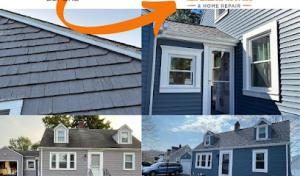
New England Roofing & Home Repair
(203) 795-3947 newenglandroofingct.com
Serving
4.8 from 110 reviews
Asphalt shingles remain a dominant choice in this market, but Guilford's shoreline exposure and robust autumn wind events put a premium on how the roof is fastened and underlined. The combination of freeze-thaw cycles and salt-laden air means underlayment must be high quality and properly installed, with a weather-ready seal that can handle rapid temperature swings. You'll want a roof system that includes a continuous, corrosion-resistant underlayment and carefully spaced fasteners to resist wind uplift while still accommodating seasonal movement. In older homes common along the coast, matching the shingle profile to the existing mass and ensuring solid ridge and hip lines helps reduce stress points where water and ice can accumulate. A well-executed asphalt install can perform reliably, but quality details matter as much as the shingle choice itself.
Metal roofing has become a common sight for Guilford homeowners seeking lasting performance through winter snows and spring melt. Metal shines in shedding heavy fall moisture and resisting freeze-thaw damage around coastal flash zones. When choosing metal, look for panels and fasteners rated for coastal salt exposure, with sealant and flashing that can handle occasional ice buildup at eaves and penetrations. A metal roof often pairs well with clay or slate accents on older homes where appearance matters, and the maintenance profile near the shoreline can be favorable compared to other materials. The right coating and insulation details help prevent condensation and heat transfer that could accelerate deck or sheathing deterioration in variable coastal temperatures.
Guilford's housing stock features a mix of historic and architecturally varied roofs, and that diversity is echoed in the local material mix. Slate offers exceptional longevity and a refined look but requires precise installation to handle freeze-thaw movement without spreading cracks. Wood shakes bring warmth and texture but demand careful detailing around chimneys, vents, and dormers to prevent moisture intrusion during wet seasons. Clay and concrete tiles present as durable choices with distinct patterns and profiles, yet they behave differently under freeze-thaw stress and wind; clay's weight and expansion, along with fastener progression, call for a careful assessment of the structural support and underlayment. In neighborhoods with older homes, these materials can preserve curb appeal while delivering robust performance if installed with attention to ventilation, flashing, and ice barriers at eaves and valleys.
Across all choices, the decision hinges on how well the system manages coastal exposure, winter temperature shifts, and the typical Guilford roof footprint-often complex with hips, valleys, and dormers. If a replacement is on the horizon, prioritize systems with proven coastal performance, reinforced interfaces at penetrations, and compatible flashing details that mitigate ice dam risk. The goal is a roof assembly that maintains its integrity through Long Island Sound's unique blend of wind, salt exposure, and freeze-thaw cycles while respecting the architectural character of the neighborhood.
In Guilford, you'll notice prices for common roof coverings cluster around specific bands that reflect coastal exposure, freeze-thaw stress, and the age of many homes. Asphalt shingles run roughly 350 to 700 USD per square, a practical starting point for budget-conscious repairs or a basic replacement. Metal roofing tends to be higher, about 450 to 900 USD per square, but it pays back with longer life and better performance against salt air and wind. For more durable or stylistically distinctive options, clay tile sits around 800 to 1500 USD per square, concrete tile 700 to 1100, wood shingles or shakes 500 to 900, and slate ranges from 1100 to 2000 USD per square. These ranges are the everyday market in Guilford's neighborhoods, where texture and curb appeal often drive decisions as much as durability.
Guilford's mix of established New England architecture means many roofs aren't simple flat planes. Tear-offs on older houses frequently reveal decking or underlayment that needs repair before the new roof goes on. If decking is soft or damaged, that adds material and labor-and sometimes a slower pace. Chimney flashing is another constant consideration in this town, given chimney stacks that interface with complex roof lines and historically built chimneys. Intricate roof geometry-gables, dormers, and exposed rafter tails common in older Guilford homes-also raises labor time and material handling costs. Expect these factors to push the final price above the base material range when described projects involve full tear-off, repair work, or careful flashing details around joints.
The local market shows a clear rhythm: autumn wind events and winter damage can tighten scheduling and raise costs, as crews shift to quick-response work while maintaining quality on crowded timelines. When a sudden need arises after a storm, you may see premium pricing or limited availability, especially for larger or complex roofs or when multiple homes in the same neighborhood require attention. Planning ahead for non-emergency replacement during calmer shoulder seasons can help maintain your preferred material choice and reduce disruption. If you're balancing a tight budget with performance demands, consider how the shoreline environment and freeze-thaw cycles affect long-term value alongside initial installation costs.
K.P. LaMarco Roofing & Siding
4 Kim Ct, Guilford, Connecticut
5.0 from 19 reviews
K.P. LaMarco Roofing and Siding is Connecticut’s trusted expert in roofing, siding, windows, doors, and gutters, delivering durability, beauty, and value to your home. We specialize in cedar roofing, slate, and metal roofing, combining timeless style with lasting protection. Our siding options include James Hardie, vinyl siding, and classic cedar siding, all designed to withstand harsh weather. We also install energy-efficient windows and doors, and provide reliable gutter solutions to safeguard your home. With modern touches like PVC trim, we offer a polished, low-maintenance finish. With 15+ years of experience, K.P. LaMarco Construction delivers unmatched quality and customer satisfaction.

National Roofing & Solar Corporation
(877) 671-3171 roofingsolarcorp.com
4 Kim Ct, Guilford, Connecticut
5.0 from 1 review
National Roofing & Solar Corporation (NRSC) is your trusted partner at every step of your roofing or solar project — from design to installation and maintenance. With over 20 years in the industry, we bring an exceptional level of experience and knowledge to each project, translating into security and efficiency for our clients. A one-size-fits-all approach will never help your business reach its savings and performance full potential. We deliver custom solutions, tailored to you and your industry, your culture, and your one-of-a-kind challenges.
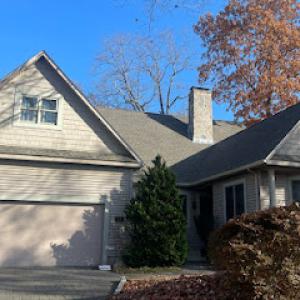
Amity Home Maintenance Solutions
Serving
5.0 from 107 reviews
Amity Home Maintenance Solutions is a fully-insured and licensed exterior home improvement company specializing in Roofing, Skylights, Windows, Gutters located in Branford, CT. Our business model and workmanship are derived from over 45 years of experience in roof inspections, metal / asphalt roofing, water leak detection, chimneys, flashings, skylights, soffit / fascia, painting, decks, windows, doors, siding, and gutters. Our service areas include the following: Branford, Cheshire, Chester, Clinton, Deep River, Durham, East Haddam, East Haven, Essex, Guilford, Hamden, Killingworth, Madison, Middlefield, Milford, New Haven, North Branford, Northford, North Haven, Old Lyme, Old Saybrook, Orange, Wallingford, Westbrook, and Woodbridge, CT.
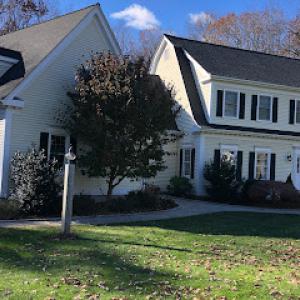
Experior Roofing & Restoration
(203) 421-6322 experiorroofing.com
Serving
5.0 from 27 reviews
Restoration, Roofing, Gutters
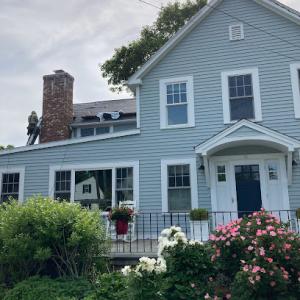
Twin Roofing
Serving
5.0 from 13 reviews
twinroofingllc@gmail.com Twin Roofing is your local family owned roofing contractor. We provide roofing service near you and cover all of Connecticut. Contact us at 203-687-1442 to request an in-home consultation and learn more about the shingle types we offer. We love our customers!
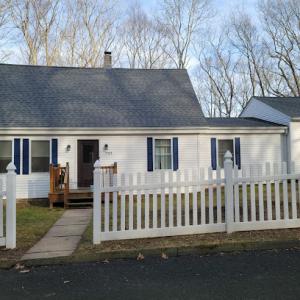
Advanced Roofing Siding
(203) 605-6672 aroofsiding.com
Serving
4.5 from 15 reviews
Services include: roofing repairs, roofing installment, vinyl siding installment, snow plowing, chimney repairs, deck installment, additions, chimney flashing and window installment.

Martin Roofing
(860) 452-4892 www.martinroofingct.com
Serving
5.0 from 133 reviews
At Martin Roofing, we strive to attain nothing less than 100% customer satisfaction. We take an educative, no-pressure approach and believe in full transparency so that you can make a well-informed decision, and earn your business.
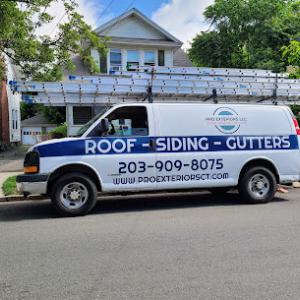
Pro Exteriors
(203) 909-8075 proexteriorsct.com
Serving
5.0 from 23 reviews
Pro Exteriors was established by a team of industry professionals dedicated to providing the highest quality solutions. Whether you are searching for a roofing contractor, siding or gutter contractor, our team is one of the best in Connecticut. Our efficiency allowed us to quickly become one of the top residential roofing companies, siding repair and replacement contractors, as well as the top gutter company in Connecticut. Pro Exteriors is family owned and operated and committed to delivering the best customer experience on every job. It is time to make Pro Exteriors your preferred roofing, siding, and gutter contractor!
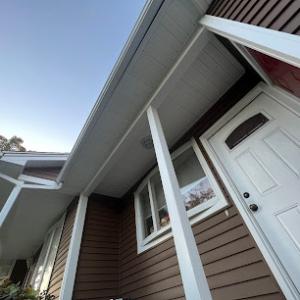
DL Roofing & Siding
(860) 288-7040 dlroofingandsidingllc.com
Serving
5.0 from 16 reviews
DL Roofing and Siding is a full-service remodeling and construction company serving homeowners in the area. We offer roofing, siding, windows, and other home improvement services. We're a family-owned and operated business, and we take pride in our workmanship and customer service. Contact us today for a free estimate!

AM PM Roofing
(860) 961-2825 www.ampmroofing.com
Serving
4.9 from 17 reviews
LOCAL ROOFING CONTRACTORS AM PM Roofing are local Roofing Contractors CT, serving Clinton CT, Westbrook CT, Old saybrook CT, Essex CT, deep River CT, killingworth CT, Chester CT, Hadlyme CT, Old Lyme CT, East Lyme CT, lyme CT, East haddam CT, Waterford CT, New London CT, East Hampton CT EXPERIENCED & QUALIFIED With 30+ years roofing experience, we are the best roofers in Connecticut VALUE We save you money by offering transparent and fair pricing. AWARD WINNING Recipient of award winning ratings and reviews. BBB A+, Best of HomeAdvisor 2017-2018. LICENSED & INSURED We are fully licensed and insured for your protection. BRANDS & PRODUCT The top brands, styles, and types of roofing are available to customers.
Nor'East Exteriors Roofing & Siding
(860) 981-0393 www.noreastexteriors.com
Serving
5.0 from 97 reviews
At Nor'East Exteriors Roofing & Siding, we pride ourselves on delivering exceptional customer service and top-quality workmanship for all your home improvement needs. As licensed, insured, and experienced contractors, we specialize in vinyl siding installation, decking solutions, and roof repair services. As homeowners ourselves, we understand the significance of hiring dependable, knowledgeable, and honest decking contractors for your home improvement projects. We are committed to providing unparalleled service from the moment you contact us until the project is completed to your satisfaction.

Home Pros
(203) 896-0088 homeprosroofingct.com
Serving
5.0 from 30 reviews
Home Pros is the go-to source for Connecticut homeowners and business owners that need a reliable and experienced roofing contractor. With over 15 years in the industry, the team at Home Pros has the expertise to handle any roofing project: from roofing repairs to replacements. Our team specializes in a variety of roofing and siding services. We got you covered from residential asphalt shingles, Class III and IV impact resistant shingles, Cedar Shake, Slate Tiles and Low Slope. We also help with commercial roofing and siding needs such as EPDM,TPO,PVC, Modified bitumen as well as variety of coatings. Give us a call to help with your home or commercial roofing needs today for high-quality workmanship and excellent customer service!
For a full re-roof, a building permit is typically required in Guilford. The local Building Department treats a complete tear-off and replacement as more than cosmetic work, so the permit process helps ensure the project meets current codes and the specific conditions of shoreline exposure and winter cycles. Before any shingle, slate, or metal panels are ordered or removed, you should understand that the permit is not a formality-it's the framework that coordinates safety, material compatibility, and proper ventilation for the house as a system. A full re-roof often triggers a review of roof deck condition, flashing details, and ice-damming considerations that are particularly relevant along Long Island Sound.
The Guilford Building Department generally reviews the project scope, contractor information, and material specifications before issuing the permit. When you submit, have clear documentation on the planned roofing system, including the product line, underlayment type, ventilation strategy, and any required updates to flashing around chimneys, skylights, and vent pipes. The department may request details on contractors' licensing, insurance, and any structural work necessary to support the chosen roof system. In a town with older New England homes, the reviewer will look for compatibility with existing fascia, drip edges, and historical fabric if the residence has period features. Expect follow-up questions if the plan includes upgrading underlayment or incorporating ice-guard along eaves in areas prone to freeze-thaw cycles.
Inspections occur during and after the work to verify code compliance and proper installation, so homeowners should expect the permit process to be part of the project timeline. A typical sequence includes an initial framing or deck access check if any structural work is involved, then inspections at key milestones such as underlayment and ventilation installation, flashing around penetrations, and finally a completed roof inspection after installation. Given Guilford's mix of shoreline exposure and freeze-thaw stress, inspectors will particularly scrutinize proper ice and water shield in eaves, valley flashing integrity, and the permanence of venting details. Plan for a potential re-inspection if any retrofits alter existing deck conditions or if a temporary cover is used during fall or spring weather.
Coordinate closely with a licensed contractor who understands Guilford's climate nuances and local building codes. Have your project schematic ready-clearly identifying material types, roof slope, and drainage considerations-so the Building Department can quickly align the permit with the actual installation. Keep a digital record of all permit-related documents, inspection approvals, and any change orders, as these items live with the project file and help prevent delays when weather shifts or frost cycles complicate the schedule. After completion, ensure the final inspection is signed off promptly to finalize the permit and keep your records up to date for potential future renovations.
When a storm hits, you need to act fast to protect your claim. Connecticut insurers commonly want photos of the existing roof, the damage, and the planned scope of work before approving or reviewing a claim. Take clear shots from ground level and from the attic if possible, showing compromised shingles, flashing, and any interior signs of water intrusion. Include a dated record of the damage after the event and a simple note of what you and your roofer plan to do. Having this ready can keep the claim from stalling and reduces questions that slow repairs.
In Guilford, wind-driven damage in autumn storms and winter weather-related issues are more relevant claim triggers than a purely hail-dominant pattern. High shoreline exposure, coupled with freeze-thaw cycles, makes shingles lift, flashing fail, and ice dams form earlier than you'd expect. Expect insurers to scrutinize issues tied to wind transport, vent boot integrity, and ice-dam mitigation rather than isolated hail hits. Document any recurring problems-especially along the eaves and along joints where older homes show wear.
Insurers may require detailed inspections and may account for updated code or wind-rated underlayment requirements when storm-related roof work is approved. Prepare for a thorough review: have your roofer provide a clear scope, emphasize wind-rated underlayment, and highlight any code-compliant upgrades necessary to restore performance and resilience after a storm. Prompt, organized documentation speeds validation and gets you back in a weather-tight roof sooner.
Find local contractors experienced in assessing and restoring roofs after hail, wind, and severe weather events.

K.P. LaMarco Roofing & Siding
4 Kim Ct, Guilford, Connecticut
5.0 from 19 reviews

Nor'East Exteriors Roofing & Siding
(860) 981-0393 www.noreastexteriors.com
Serving
5.0 from 97 reviews
In this coastal town's mix of shoreline exposure and older homes, low-slope sections that appear on additions, porches, or garages interact with the main steep roofs in ways that shorten overall life if not treated carefully. The tendency for spring rains and humidity to linger means any underlayment or membrane left exposed during work can suffer premature failure. In Guilford, proper protection during installation is essential to prevent fast degradation from rain-driven leaks and mold growth behind the membrane.
Transitions where low-slope sections meet an aging main roof are a frequent trouble spot. Drains and scuppers accumulate dirt, and old flashing details may not seal cleanly against new membranes. The result is slow, creeping leaks that can travel under shingles or metal decking and show up only after a thaw or a heavy rain. Porch and garage roofs often share this constraint, especially where the low-slope surface ties into a dated rafter tail or overhang detail. Expect more maintenance at these junctions if the original roof lived through several freeze-thaw cycles.
Plan low-slope work for a window with solid spring and early-summer dry spells, but be mindful of Guilford's tendency for sudden showers. Use breathable underlayment on exposed areas during installation and protect the membrane edges until flashing can be sealed. Ensure drip edges and terminations at transitions are locked in before insulation or interior finishes go in. If an addition adopts a flat or near-flat layout, insist on temporary weatherproofing and a staged seal, not a full deck-through until the membrane has cured in typical local conditions.
Post-installation checks should focus on the transition rolls and flashing seams where the new low-slope meets the old main roof. Inspect after heavy rains, thaw periods, and spring humidity surges. Look for staining near joints, loose fasteners, or scuffed membrane edges that could invite future leaks. Plan a yearly inspection cadence that specifically targets these junctions, and address any sealant or flashing gaps before meltwater finds a path into the attic or insulation.
Find specialists in TPO, EPDM, and built-up flat roofing systems for residential and commercial properties.