Last updated: Apr 19, 2026
Hamden experiences cold winters with snow followed by freeze-thaw cycling that can widen small shingle, flashing, and sealant failures over time. When ice forms at the edges or in seams, it adds a pushing and pulling stress that gradually eats away at the roof's most vulnerable spots. Those tiny weaknesses don't stay tiny for long in this climate. A single thaw followed by a rapid freeze can push water into micro-cracks, forcing it behind drip edge flashing and into roof deck penetrations. By the time you notice a stain on a ceiling or a spongy feel in the attic insulation, the damage has already traveled beyond a surface repair.
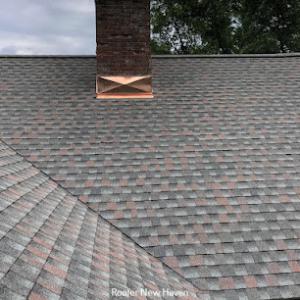
Chimney flashing is a frequent trouble spot in this area. The combination of brickwork, mortar joints, and older sealants creates a perfect channel for water to creep in when freeze-thaw cycles tug on metal and sealant joints. Look for hairline cracks along the step flashing where it meets the brick, and for tuck-in seals that have separated from the chimney chase. If you see rust staining on metal flashings near a chimney or pooled moisture around the top of the chimney, treat this as a red flag that a re-seal or flashing repair is overdue.
Shingle edges and valleys also show stress first. In Hamden's winter pattern, small granule loss along the eaves or under the overhang is a precursor to ice dam development once spring rain arrives. Valleys that aren't properly sealed or that have lifted shingles amplify the risk of water tracking underneath, especially where snow piles and refreezes push against the roofline. Pay attention to any curling, cupping, or missing granules along the valley joints; those are signs the underlying deck and underlayment could be compromised.
Sealants used around vent pipes, skylights, and roof-to-wall transitions take a brutal beating in freeze-thaw cycles. Elastomeric sealants that have aged or failed will crack and shed, creating a direct path for moisture to reach the attic or decking. If you notice dried, cracking sealant lines or gaps around pipe boots, these need timely resealing or boot replacement now rather than later.
First, address problem spots before the worst thaw-freeze sequences hit. Inspect the roof for lifted shingles, loose flashing, and bubbling sealant around chimneys and roof penetrations. If small issues are spotted, arrange prompt repairs rather than waiting for visible leaks to appear. Timely maintenance matters, because a quick fix today can prevent a much larger roof- and attic-damage bill after the next cold snap.
Second, focus on attic ventilation and insulation. Poor airflow and inadequate insulation allow heat to escape into the attic and melt snow from above, which refreezes at the eaves and forms ice dams. Improving insulation levels and ensuring proper venting reduces this risk, protecting both shingles and flashing from repeated freeze-thaw stress.
Third, plan proactively for the replacement window. Replacement season is favored from late spring through early fall because winter conditions and spring weather can complicate tear-offs and dry-in timing. If your roof has reached the point where multiple winters have accelerated deterioration, scheduling a replacement in the warmer months minimizes exposure to sudden weather surprises and keeps the project moving without delays.
If you own an older home with a chimney, treat the flashing as a prioritized maintenance item. The strongest local focus on chimney-related exterior work means you'll often find reliable, experienced tradespeople who understand how these systems behave under our winter conditions. Reach out early for a comprehensive exterior assessment that includes chimney flashing, shingle integrity, and sealant health. Acting now reduces the chance of a costly cascade of leaks during the next stretch of extreme weather.
Cinco Home Improvements
(203) 927-5999 www.cincoct.com
Hamden, Connecticut
5.0 from 35 reviews
Cinco Home Improvements has been delivering trusted home improvement services in New Haven, CT, since 2005. We’re owner-operated, hands-on, and built on a foundation of clear communication, fair pricing, and high-quality, coordinated work. With a crew that cares and truly loves what he does, we bring exceptional results.
# 1 In Roofing & Siding
(203) 600-8892 www.1insidingroofing.com
3714 Whitney Ave, Hamden, Connecticut
5.0 from 30 reviews
#1 In Roofing and Siding is a Roofing Company located in Wallingford, CT. We specialize in Roofing Installation, Shingle Repair, Siding Installation, Roofing Repair, and more. We’re #1 for a reason; thanks to our reputation for quality craftsmanship, hard work, and reliable services, we have come to be the premier roofing contractor in Hamden, CT. For a great looking roof that is equally as functional, then the choice is obvious. Call now!
JLL Painting & Home Improvements
(845) 445-4063 jllpaintings.com
Hamden, Connecticut
5.0 from 3 reviews
I’m Offering roofing Installation and Repair, House Painting Services for Residential and Commercial Clients for over 15 years. Local drywall contractors, Can Help your House Look Beauty. COMPLETE ROOFING SOLUTIONS IN WATERBURY CT We are fully staffed & equipped to handle any size of the job Interior & exterior Drywall, Painting, Deck, Kitchen and Bathroom Remodeling, Pressure Washing services. project throughout the Waterbury, CT Based has providing high Quality services for residential and commercial clients needs for more than 15 years. Although we’ve established a sterling reputation for Drywall and painting we offer an array of high quality interior and exterior services to meet clients needs. Call Now to Get A Quote
Home Designs
(203) 288-7901 www.homedesignsroofing.com
18 Bagley Ave, Hamden, Connecticut
4.0 from 4 reviews
GAF Certified Roofing Contractor. Family owned and operated for over 20 years. We are the roofing specialists! Roofing, Siding, Gutters & Windows, we do it all!
CL Home improvements
(203) 288-8557 www.clhomeimprovements.com
18 Cardo Rd, Hamden, Connecticut
3.4 from 5 reviews
For decades, CL Home Improvements has completed work all over the Greater New Haven Area. In fact, you’ve probably seen one of our signs sitting on your neighbor’s front lawn. Below are galleries of some of the jobs we’ve completed. As you will see, CL performs impeccable work that will last much longer than our competitors. Some of the jobs shown in our galleries are correcting work completed by our competitors. Don’t let this happen to you! Trust in a company that will get the job done right the first time.
Skyway Roofing
(203) 234-1906 www.skyway-roofing.com
Serving
4.9 from 312 reviews
Skyway Roofing is a full-service roofing company delivering residential and commercial roof solutions in North Haven and throughout New Haven County, Middlesex County, and the surrounding areas. Our fully licensed and insured roofers go above and beyond for our neighbors—pairing best-in-class materials with unmatched craftsmanship and compassionate customer service.
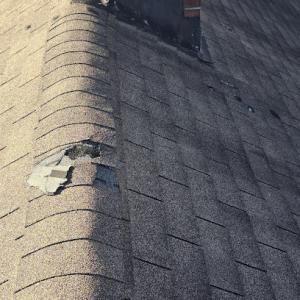
Restoration Roofing
Serving
5.0 from 15 reviews
"We are a roof installation and replacement company since 2016 in New Haven Ct. and will be happy to review any written estimate from a competitor and offer a second opinion. For same-day service, contact us today.Restoration Roofing is your place for roofing, siding installation!
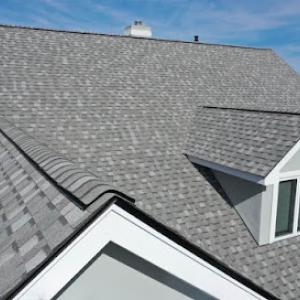
Giant Roofing
Serving
5.0 from 26 reviews
We are a trusted roofing company serving New Haven and surrounding Connecticut areas. We specialize in roof repairs, leak detection, roof replacements, and storm damage repairs for residential and commercial properties. Our team provides fast service, fair pricing, and high quality workmanship to make sure your roof is safe and built to last. Contact us for a free inspection and estimate.
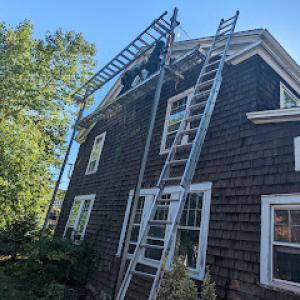
Haven roofing
Serving
5.0 from 2 reviews
We offering roofing and siding services for all CT, MA , NY we are a family company compromise whit the community to offer the best service was can
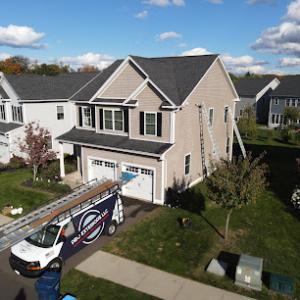
Pro Exteriors
(203) 909-8075 proexteriorsct.com
Serving
4.9 from 412 reviews
Pro Exteriors was established by a team of industry professionals dedicated to providing the highest quality solutions. Whether you are searching for a roofing contractor, siding or gutter contractor, our team is one of the best in Connecticut. Our efficiency allowed us to quickly become one of the top residential roofing companies, siding repair and replacement contractors, as well as the top gutter company in Connecticut. Pro Exteriors is family owned and operated and committed to delivering the best customer experience on every job. It is time to make Pro Exteriors your preferred roofing, siding, and gutter contractor!
Gerard Remodeling
(475) 434-9786 gerardremodeling.com
Serving
5.0 from 19 reviews
WE ARE A FAMILY COMPANY WITH MORE THAN 20 YEARS WORKING AND HELPING PEOPLE IMPROVE THEIR HOMES.
StormPRO Construction
(203) 549-1398 www.stormproct.com
Serving
4.9 from 9 reviews
We are an Exterior Construction company located in North Haven CT. A trusted local company for all of your roofing or siding needs.
Spring storms in this area often bring sudden leaks that reveal themselves after nights of thaw and gusty winds. In Hamden, active leaks can appear with little warning, and those same storms frequently disrupt planned roofing work. That means a dry-in, if attempted, is a temporary measure rather than a guaranteed fix. Expect delays if crews are tied up responding to fresh damage around Sleeping Giant neighborhoods or in towns nearby where storm activity pushes emergency call volumes. Planning a repair plan that builds in a weather contingency now can save you frustration when the calendar turns and rain returns.
Connecticut insurers commonly ask for photos, scope documentation, and an adjuster review after significant storm or hail damage. For a homeowner facing a leak after a storm, documenting conditions before cleanup is crucial. Take wide and close-up photos of each affected area, including attic signs of moisture or condensation, and save timestamps from rain events if possible. Keep a simple damage log noting when the leak was first noticed, any shingle or flashing damage you can see from ground level, and the direction of runoff. This dossier helps you communicate clearly with your insurer and with the local roofing contractor you might call in for emergency response or a temporary dry-in.
The local contractor market shows strong prevalence for storm damage, emergency response, and insurance-claims help, indicating that post-storm roof service is a routine homeowner need in this area. Expect a mix of quick-response teams and longer-term repair crews depending on the severity of the season. When a storm hits, prioritize securing a temporary tarping or other dry-in method to limit interior exposure, but know that a proper, leak-free repair may require scheduling around insurance-adjuster visits and material lead times. If your roof is near the end of a typical life span or has multiple vulnerability points-valleys, flashing around chimneys, or edge detailing-bridging the gap with a temporary solution can buy you time without inviting further interior damage.
After a storm, clear debris from gutters and downspouts to prevent water backing up onto the roof edge. If safely accessible, inspect flashings around vents and chimneys for loose segments, noting any displacement or corrosion. Communicate clearly with your roofer about areas that water has already reached, and mark sources of active drips so the crew can prioritize those zones during the dry-in phase. In practice, a local contractor may coordinate with your insurer to arrange a site assessment within a few days of a major storm, but the reality remains: until the adjuster approves a scope, temporary measures and careful scheduling are the norm, not the exception.
Find local contractors experienced in assessing and restoring roofs after hail, wind, and severe weather events.
# 1 In Roofing & Siding
(203) 600-8892 www.1insidingroofing.com
3714 Whitney Ave, Hamden, Connecticut
5.0 from 30 reviews
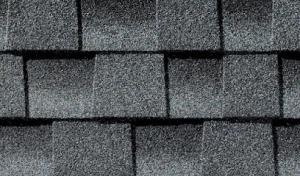
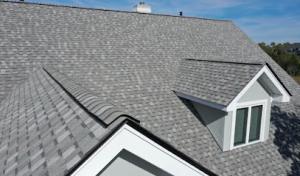
Asphalt shingles remain the practical staple for Hamden homes, balancing installation ease with solid performance through snowy winters and humid summers. If you own an aging village-era house or a suburban colonial near Sleeping Giant, asphalt still accommodates varying roof pitches and attic ventilation setups without overloading older structures. When choosing, prioritize: a durable, multi-tab profile for better wind resistance, and a higher asphalt granule density to fend off freeze-thaw wear after severe winters. In practice, plan for regular inspections after heavy snows and after thaw cycles, focusing on the lower eaves, valleys, and where roof planes meet walls. Keep an eye on flashing at chimneys and vent penetrations, as cold snaps intensify any preexisting gaps. For maintenance, remove ice dams with careful attention to the roof edge and ensure attic insulation is sufficient to minimize interior condensation that can migrate to shingles.
Metal roofing is actively used in this market and appeals to homeowners seeking enduring performance under snow load and temperature swings. In Hamden, metal's light weight and solid snow-shedding characteristics can reduce labor and interruption during winter. If considering metal, assess panel profiles that resist wind uplift in exposed spots and confirm compatibility with existing sheathing. A metal roof can be advantageous on homes with flatter decks and higher flood risk zones near older drainage patterns, since metal surfaces heat and dry quickly after storms. Pay special attention to the fastener layout and sealant continuity around valleys, roof-to-wall transitions, and chimney or skylight flashings. Metal roofs also demand careful assessment of insulation and underside condensation control to prevent internal damp spots during warm stretches of the year.
Tile, wood shake, and synthetic products exist in Hamden but require closer attention to structural suitability, flashing details, and maintenance on older homes. Tile and wood shake add distinctive character, yet their weight can challenge existing rafters or sheathing, especially on houses with marginal framing or retrofits. Flashing around dormers, chimneys, and vent stacks becomes more critical in climates with freeze-thaw cycles, so expect dedicated inspection after severe winters. Synthetic shingles offer variety and easier maintenance but still need proper underlayment and flashing to handle moisture and temperature fluctuations. If choosing these options, verify roof framing capacity, confirm secure mounting methods for edges and hips, and schedule periodic inspections to catch header or valley movement early. In Hamden, the right choice aligns with the house's age, roof geometry, and the ability to maintain or upgrade flashing components to withstand repeated freeze-thaw stress.
Re-roofing in this area is consistently shaped by tear-off complexity, disposal, and what shows up once the old material is removed. In Hamden, older village-era homes and mid-century colonials can reveal more decking, damaged flashing, or weathered sheathing than a straightforward replacement. Each square uncovered adds labor time and material costs, and that ripple effect shows up in the final bill. If a roof is being stripped down to solid, sound decking, the project can proceed more smoothly; if the deck needs substantial repairs, expect costs to climb. Chimney flashing and other roof penetrations often need correction during replacement, especially on those aging chimneys that survived many freeze-thaw cycles. Budget a bit more for these fixes than for a plain shingle swap, even before shingles and underlayment are added.
In this climate, the base price per square foot or per roofing square can vary with material choice and the complexity of the install. Asphalt shingles remain the most common option, with a modest upfront cost but enough durability to handle freeze-thaw stress when installed with proper underlayment and flashing. Metal roofing tends to run higher up front but can pay off with longer life in harsh winters and reduced maintenance. For older homes, clay or concrete tiles bring their own challenges and weight, potentially requiring structural checks or reinforcement. Wood shakes add character but require extra attention to flashing detail and ventilation. Synthetic or composite shingles offer a balance of cost and performance that can suit mid-sized projects with a tighter schedule. In Hamden, you'll typically see these ranges tighten around the complexity of the job, the disposal needs, and the number of penetrations that get addressed during tear-off.
Seasonal demand spikes after storms or winter damage can tighten scheduling and affect pricing, especially during the preferred late spring to early fall work window. If weather delays push work into peak times, crews may charge a premium for fast-track schedules or limited-access work. Conversely, waiting for late spring when temperatures are moderate helps the roof dry properly and reduces delays caused by snowmelt or early cold snaps. If you're coordinating re-roofing after a harsh winter, expect some spread between baseline quotes and final invoices once hidden issues surface during removal.
Start with a materials estimate that matches your preferred durability and curb appeal. Add a cushion for tear-off, disposal, and any decking or flashing repairs that may come up once old materials are off. Compare costs for different materials not only by price per square but by the long-term performance in freeze-thaw conditions. Have a contingency that accounts for weather-related scheduling shifts, and plan for a late-spring to early-fall window to minimize delays and optimize crew availability.
Get a clear picture of your project costs upfront - no commitment required.
D Pacific Restoration LLC | Roofing, Gutters, Siding Experts
(475) 261-7419 www.dpacificrestorationct.com
Serving
5.0 from 12 reviews
In Hamden, the permit landscape for roof work follows a practical approach: a full re-roof typically requires a permit, while minor patch work usually does not. This distinction helps ensure that substantial roof replacements meet the town's safety standards, especially given the freeze-thaw cycles that strain flashing, underlayment, and venting in this area. The permit process is designed to guarantee that the new roof is installed to withstand the local winter conditions and that any structural or drainage considerations are addressed before work begins.
A full re-roof triggers state and local oversight intended to protect homes from water intrusion and related damage. The building department focuses on ensuring the roof deck is sound, proper underlayment is installed, and the chosen roofing material is appropriate for Hamden's climate. The permit packet typically includes the project scope, materials to be used, and contractor information. It is important to align the project with local code specifics, such as proper flashing details around penetrations, valley construction, and eave protection, all of which are critical for long-term performance after a harsh winter. If the project involves updates to attic ventilation or insulation, those changes may also be reviewed as part of the same permit.
The roofing contractor generally submits the permit application to the Hamden Building Department on behalf of the homeowner. This streamlines the process and helps ensure that technical specifications match code requirements. When the contractor files, expect to provide proof of license, insurance, and any required contractor registrations. The department may request additional information such as a site plan showing roof footprint, a brief description of the method of tear-off, and details on ply layering, underlayment type, and ventilation strategy. Having these details organized in advance helps reduce delays and keeps the project moving smoothly once you're ready to proceed.
Roof work in progress is subject to inspections at key milestones, with a final inspection to confirm compliance with code and local standards. During construction, a building inspector may verify deck integrity, proper nailing patterns, flashing around chimneys and vents, and the installation of ice and water shield in vulnerable areas. The final inspection confirms that the finished roof meets Hamden's requirements for slope, drainage, ventilation, and flashing, and that penetrations are properly sealed. If an issue is found, it may require corrective work before the project can officially pass, so planning for potential follow-up inspections is prudent.
Arrange inspection timing to minimize disruption, and coordinate with the contractor on access points for ladders and roof access. Keep a copy of all permit documents and inspection notices on site, along with manufacturer installation guides for the chosen roof system. If the project includes mitigation steps like venting upgrades or attic insulation improvements, anticipate how those changes integrate with the overall permit and inspection trajectory to avoid delays after the final audit.
In this area, weather-related claims do occur after storms and occasional hail events. The freeze-thaw cycle can mask damage that isn't obvious at first glance, so having a clear paper trail helps prove cause and extent when the claim is reviewed. Your insurer will rely on the sequence of events, the timing of damage, and the pre-existing condition of the roof, so good records can tilt the outcome in your favor.
Keep date-stamped photos that show the roof's condition before and after any event, especially after heavy snow and thaw periods. Contractor scopes that detail damage, recommended repairs, and the expected durability of materials are valuable. Temporary repair records, such as tarps or boards used to cover leaks, should be saved with precise dates. In Hamden, carriers may request documentation quickly during review, so having organized files with clear dates reduces delays.
Insurers commonly assess whether the damage was caused by an isolated event (like a storm) or by gradual wear from freeze-thaw cycles. Photo sequences that illustrate the progression-from initial shingle uplift or flashing deterioration to the final repair-help clarify cause. Keep any weather reports or storm summaries from local sources, and note how long the roof was exposed to moisture before repairs began. Clear, direct links between the event and the roof damage improve claim defensibility.
Create a simple file system-one folder for photos, another for written estimates, another for contractor reports, and a third for receipts of temporary repairs. Log each item with date, a short description, and the source. If a claim number is assigned, attach it to every document. For here in Hamden, having a steady, chronological record is especially helpful during the review process, when adjusters compare the scope against the event timeline.
Do not discard older records in hopes they won't be needed; older photos can establish pre-event conditions. Avoid vague descriptions like "roof damage" without specifics or measurements. Delaying documentation until after repairs begin can complicate proof of pre-existing conditions. If a contractor provides a scope, ensure it includes the event date, damage severity, and a detailed outline of recommended repairs to align with the insurer's evaluation.
Chimney-related roof transitions are a meaningful local concern in this area, with many local contractors underscoring flashing and mortar joint wear after harsh winters. When a chimney sits on a cold roof plane, freeze-thaw cycles can pry flashing loose and let seepage travel behind shingles. Start with a careful inspection of the base layer where the chimney meets the roof deck: check for hairline cracks in the flashing, damaged step flashing, and any rusted or lifted metal. If you notice staining along the chimney chase or interior attic signs of moisture near the flue, plan for a targeted jump to re-flashing and a sealant upgrade. In Hamden, aging mortar joints commonly crack after repeated freezes, so coordinate with a pro to reseal the chimney crown and repoint where needed. Schedule a mid-winter check after heavy snow events to catch problems before they migrate into ceilings or walls.
Skylight service is active in this market, making flashing and curb details an important issue for homeowners dealing with recurring leaks. Inspect skylight curb flashing annually; look for loose fasteners, lifted metal, and degraded sealant around the curb. In cold months, ice buildup at the flashing can push against the seal, so keep the area free of debris and ensure the flashing is continuous around the entire curb. When replacing skylights or performing curb work, choose a high-quality sealant compatible with the curb material and consider a continuous drip edge to direct meltwater away from the glass and interior drywall. If a skylight is set on a flat portion of the roof, verify the flashings are integrated with a proper drip edge and that the surrounding shingles extend over the curb to shed water effectively.
Flat and low-slope roofing is present but not dominant here, so treat it as a secondary topic. For any low-slope section, ensure drainage is clear and that edge details are weather-tight to prevent ponding. Check the transition between the low-slope area and adjacent steeper pitches for proper step flashing and cap flashing integration. In practice, plan for periodic mastik and sealant maintenance along seams and around any penetrations, especially near chimneys or skylight curbs, where the risk of leakage concentrates during thaw cycles. A targeted maintenance cadence helps keep these areas reliable through the toughest winters.
Find contractors experienced in skylight installation, flashing, and leak repairs to bring natural light into your home.
Russo Roofing
(203) 562-8077 www.russoroofing.com
355 Morse St, Hamden, Connecticut
4.5 from 20 reviews
Home Designs
(203) 288-7901 www.homedesignsroofing.com
18 Bagley Ave, Hamden, Connecticut
4.0 from 4 reviews
In Hamden, most homeowners are hiring for replacement work rather than niche new-construction roof projects. When you start shopping, focus on crews with a proven track record in full roof teardown and reinstallation, not just repair or small-scale cap jobs. Look for firms that can demonstrate a completed re-roof on a typical older Cape, village-era home, or a suburban colonial with complex dormers and valleys. Strong candidates will explain how they handle the tear-off, sequence the deck work, and protect landscaping during the process.
Response time matters in this market because a rapid, well-coordinated teardown minimizes exposure to cold snaps and wind-driven debris. Ask for a clear timeline from first contact to finish, plus what happens on a stormy afternoon when weather stalls progress. Cleanup should be visible at the end of each day and again at completion. A dependable crew will lay down protective ground covers, seal and tidy the yard, and remove debris promptly so driveways and lawns look as they did before the tear-off.
Hamden's market lately favors long-established, family-run firms. This preference often translates to steadier crews, clearer warranties, and follow-through that outlasts a season. When speaking with potential contractors, probe for the number of generations in the business, the continuity of crews, and who stands behind the warranty after the crew leaves. You're more likely to find reliable service, honest explanations, and accountability from a company with a rooted local presence rather than a transient, sales-forward operation.
Start with referrals from neighbors who completed a re-roof within the last few years, especially if their homes resemble yours in age and style. Request a written scope that covers removal methods, underlayment choices, flashing details, and how they handle difficult features like chimneys, skylights, and dormers. Insist on a on-site assessment that identifies potential freeze-thaw stress points-valleys, step-flashings, roof-to-wall transitions-and asks how the crew would remedy those weaknesses for lasting protection.
Solar-integrated roofing shows up in Hamden's contractor mix, but it remains a niche service compared with standard re-roofing. This approach can work on certain roof geometries and older homes with compatible attic layouts, yet it's not the default choice for most houses. If a home has a straightforward south-facing exposure, a solid deck, and an existing need for roof replacement, solar shingles or integrated modules may streamline some aspects of the work. Expect longer planning, careful coordination with flashing and venting, and a strong emphasis on long-term roof health to protect the investment through the cold seasons.
Roof coating and restoration exist locally, but are far less prevalent than full replacement. They can offer a temporary bridge on aging surfaces or help extend the life of metal or low-slope sections, especially where a full re-roof isn't immediately warranted. In practice, however, coatings fit best as a targeted option for select sections rather than as a blanket replacement for a premature degeneration. For a neighborhood with freeze-thaw cycles, restoration must be paired with a solid underlying deck and precise flashing to keep seasonal moisture from creeping in.
The cold-season climate in this area drives how well solar and restoration choices hold up. Freeze-thaw stress can expose weaknesses in seams, penetrations, and edge detailing, so any specialized path should prioritize durable flashing, proper ice-damming mitigation, and air-sealing at the eaves and vents. For most homes, the default remains a thorough re-roofing plan using a durable, compatible material.
These paths are best treated as specialized routes for select roof types rather than the default recommendation for most Hamden homes. A careful assessment of roof age, structure, and exposure to winter weather helps determine if solar integration or coating restoration can be worth pursuing without compromising long-term reliability.
Find contractors who integrate solar panels or solar shingles into your roof for long-term energy savings.