Last updated: Apr 19, 2026
East Haven sits on Long Island Sound, so roofs endure coastal humidity and salt-laden air in addition to inland Connecticut freeze-thaw cycles. That combination accelerates oxidation and granule loss on asphalt shingles, and it wears metal edges or flashing faster when saltwater spray washes over soffits and eaves. With sea air comes higher moisture content in sheathing and underlayment, so every season change matters more. In practice, expect more rapid aging near penetrations-vents, chimneys, and skylights-where moisture condenses and then freezes. This coastal exposure also means faster corrosion on flashing, step flashing, and any copper or steel details, especially where salt spray can reach roof joints during storms.
The cold winters bring snow and ice that melt and refreeze, creating ice dams at eaves and along rakes. When a dam forms, meltwater can back up under shingles and into attic spaces if ventilation is poor or underlayment has gaps. Once spring arrives, warm days followed by cool nights keep moisture cycling through the roof deck, which stresses adhesive bonds and seals. In late spring through early fall, the repeated wet-dry cycles are harsher still: humidity stays higher, and thunderstorms bring heavy rain that tests roof edges, gutters, and flashings. Shingle aging accelerates around eave lines where heat from the attic meets cooler roof surface, and at any penetrations where sealants have failed or flashing has shifted. The result is more frequent and localized leaks after storms or rapid temperature swings.
Replacement work is best done in the late spring through early fall window. Winter ice and fall rain can disrupt tear-offs and leave underlayment exposed longer than planned. A window with dry days and moderate temperatures helps adhesives cure properly and reduces the chance of shingle distortion or sealant failure during installation. Scheduling during this period also minimizes the risk of new decking soaking through from late-season storms or early-season freezes before the attic is properly vented. If a tear-off must occur in shoulder seasons, ensure temporary weather protection is in place, and confirm the crew can complete the job before any forecasted cold snaps.
Shingle selection should favor products with proven dimension stability and strong granule adhesion, especially near eaves where heat transfer is common. For coastal homes, look at premium asphalt options with enhanced granule embedment and higher resistance to moisture. If considering metal, ensure panels are rated for salt exposure and that fasteners are corrosion-resistant and properly sealed. Tile and slate options must be assessed for compatibility with existing roof framing and attic ventilation; their weight demands careful structural verification, plus reliable underlayment and flashing details to resist freeze-thaw cycles. Copper flashing remains attractive for longevity, but its cost and expansion behavior under temperature swings should be planned for, with proper sealants and joint design.
Regular inspections after winter and after major storms are essential. Focus on eave edges, gasketed penetrations, and valley intersections where ice dams tend to form. Clear gutters and downspouts promptly to avoid backflow that forces water under shingles. Check attic ventilation; a balanced intake and exhaust helps prevent warm attic air from contributing to dam formation. Pay attention to sealant and flashing integrity around chimneys, vents, and skylights, especially where salt air can accelerate deterioration. In coastal yards, keep an eye on moss or algae growth, which holds moisture and accelerates wear on shingle surfaces. Address minor issues quickly to prevent them from becoming larger leaks once the next freeze-thaw cycle returns.
Asphalt shingles remain the most budget-friendly common choice in this market, typically landing in the 350 to 550 USD per square range. For homes with the familiar Cape- or Colonial silhouette found along the Shoreline, this material covers the basics reliably while handling East Haven's mix of winter ice and humid summers. When you're balancing cost with longevity, asphalt offers solid value, especially for roof refreshes on older New Haven-area stock where the budget is tight but a solid, weather-resistant layer is still the goal. Expect the pace of deterioration to mirror seasonal swings: rapid expansion in heat and moisture after thaw, with occasional ice dam pressure in the winter.
Metal roofing sits higher on the price scale, typically from 500 to 900 USD per square, but it brings notable durability against coastal moisture and ice dam conditions. If you own a mid-century or newer build with overhangs and clean lines, metal can move you past frequent re-shingling cycles and reduce long-term maintenance. In East Haven, metal often makes sense on homes that want a low-slope or near-flat profile and a roof that stands up to wind-driven spray from seasonal storms. It also holds paint and finish well through humid summers, though color choices and surface texture can influence both curb appeal and performance in seaside microclimates.
Clay tile runs roughly 700 to 1200 USD per square, while concrete tile lands around 600 to 1000 USD per square. These are more likely on older New Haven-area homes where a historical or Mediterranean-inspired look fits the architectural language. Tile roofs are excellent at shedding moisture and performing under freeze-thaw cycles, but they demand a robust deck and careful installation. In East Haven's climate, you'll pay a premium for the handling required around transitions and dormers, and for the additional weight on existing framing. If your budget allows, tile can deliver decades of service with proper ventilation and underlayment.
Slate comes in at roughly 900 to 1600 USD per square, and copper roofing can run from 1200 to 2600 USD per square. These are the top-tier choices for older homes with distinctive character where the aesthetic matches a more permanent performance mindset. Slate's natural durability suits the coastline's moisture rhythm, while copper develops a unique patina that many East Haven homes prize. Both materials sit at the high end because their weight, specialty labor, and long-term availability shape the overall project timeline and logistics after winter damage or spring storms.
Scheduling pressure after winter damage and spring storm events can tighten contractor availability and affect labor timing, especially for quick-turn leak work and full re-roofs. Costs can rise locally when tear-offs uncover deteriorated decking or structural needs that accompany replacement tasks. In practice, plan ahead for shoulder-season projects to optimize crew availability and weather windows, and be ready to adapt material choice when timing and access constraints collide with your coastal climate realities.

Home Pros
(203) 896-0088 homeprosroofingct.com
164 Foxon Rd Suite 1, East Haven, Connecticut
5.0 from 30 reviews
Home Pros is the go-to source for Connecticut homeowners and business owners that need a reliable and experienced roofing contractor. With over 15 years in the industry, the team at Home Pros has the expertise to handle any roofing project: from roofing repairs to replacements. Our team specializes in a variety of roofing and siding services. We got you covered from residential asphalt shingles, Class III and IV impact resistant shingles, Cedar Shake, Slate Tiles and Low Slope. We also help with commercial roofing and siding needs such as EPDM,TPO,PVC, Modified bitumen as well as variety of coatings. Give us a call to help with your home or commercial roofing needs today for high-quality workmanship and excellent customer service!
All American Roofing
(203) 469-8371 aarcontractor.com
34 Tyler Street Extension, East Haven, Connecticut
5.0 from 11 reviews
At All American Roofing, we're your trusted roofing specialists in East Haven, Connecticut. We provide a comprehensive range of roofing services, including roof repair, replacement, and inspection. Our team of experienced and certified professionals is dedicated to delivering exceptional customer service and high-quality workmanship. We use only the best materials and back our work with a comprehensive warranty. Contact All American Roofing today for a free quote on your next roofing project!
Projectto
(203) 606-1911 projecttoall.com
90 Victor St, East Haven, Connecticut
5.0 from 8 reviews
We are a company dedicated to offering Roof, Siding and Carpentry Services in the CONNECTICUT area, with free inspections and experience working with insurance. Always maintaining a standard of quality and responsibility.
Pro Exteriors
(203) 909-8075 proexteriorsct.com
Serving
4.9 from 412 reviews
Pro Exteriors was established by a team of industry professionals dedicated to providing the highest quality solutions. Whether you are searching for a roofing contractor, siding or gutter contractor, our team is one of the best in Connecticut. Our efficiency allowed us to quickly become one of the top residential roofing companies, siding repair and replacement contractors, as well as the top gutter company in Connecticut. Pro Exteriors is family owned and operated and committed to delivering the best customer experience on every job. It is time to make Pro Exteriors your preferred roofing, siding, and gutter contractor!
REVMA Roofing
Serving
5.0 from 56 reviews
REVMA is a premier roofing company located in Queens, NY. We specialize in various roof replacements such as asphalt shingles, slate, cedar, composite, metal, and flat roofs. Our installation and replacement services further extend to aluminum gutters, copper gutters, and skylights. Our customer service is second to none and our quality of work is what sets us apart from the rest. Our philosophy is simple, do it right the first time!
Gerard Remodeling
(475) 434-9786 gerardremodeling.com
Serving
5.0 from 19 reviews
WE ARE A FAMILY COMPANY WITH MORE THAN 20 YEARS WORKING AND HELPING PEOPLE IMPROVE THEIR HOMES.
Amity Home Maintenance Solutions
Serving
5.0 from 107 reviews
Amity Home Maintenance Solutions is a fully-insured and licensed exterior home improvement company specializing in Roofing, Skylights, Windows, Gutters located in Branford, CT. Our business model and workmanship are derived from over 45 years of experience in roof inspections, metal / asphalt roofing, water leak detection, chimneys, flashings, skylights, soffit / fascia, painting, decks, windows, doors, siding, and gutters. Our service areas include the following: Branford, Cheshire, Chester, Clinton, Deep River, Durham, East Haddam, East Haven, Essex, Guilford, Hamden, Killingworth, Madison, Middlefield, Milford, New Haven, North Branford, Northford, North Haven, Old Lyme, Old Saybrook, Orange, Wallingford, Westbrook, and Woodbridge, CT.
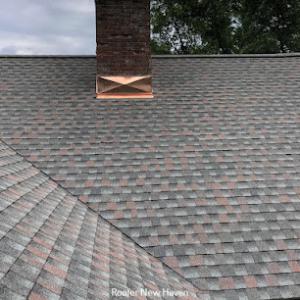
Cinco Home Improvements
(203) 927-5999 www.cincoct.com
Serving
5.0 from 35 reviews
Cinco Home Improvements has been delivering trusted home improvement services in New Haven, CT, since 2005. We’re owner-operated, hands-on, and built on a foundation of clear communication, fair pricing, and high-quality, coordinated work. With a crew that cares and truly loves what he does, we bring exceptional results.

Premier Building Associates
(203) 902-2572 www.pbaroofing.com
Serving
4.5 from 22 reviews
Premier Building Associates offers commercial roofing solutions, from new commercial roofs , roof repairs, roof replacement, and new construction applications. We are involved in commercial, industrial, institutional, governmental and both single and multi-unit residential. We have the staff and material resources to do any job right the first time. We offer prompt professional estimating and roof inspections services free of charge. Please contact us today for your next commercial roofing project.
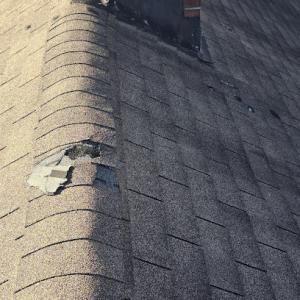
Restoration Roofing
Serving
5.0 from 15 reviews
"We are a roof installation and replacement company since 2016 in New Haven Ct. and will be happy to review any written estimate from a competitor and offer a second opinion. For same-day service, contact us today.Restoration Roofing is your place for roofing, siding installation!
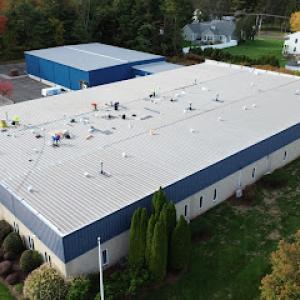
Solid Rock Roofing
(475) 301-4540 solidrockroofingllc.net
Serving
4.8 from 44 reviews
SOLID ROCK ROOFING offers a variety of different options. We pride ourselves with serving the community with honesty, aggressive, pricing, quality, safety, and integrity. We have over a decade of experience in providing leak free roofing solutions for our customers! Let us show you the solid rock way you got a drip. We can fix it in one trip call today.
Salinas Roofing Gutters Siding Contract
(203) 815-6002 salinasroofingct.com
Serving
4.8 from 66 reviews
Salina's Roofing Siding & Gutters offers a comprehensive suite of exterior home improvement services in West Haven, Connecticut. From roof repair and replacement to siding installation and gutter installation, they provide expert solutions to maintain and enhance your property's exterior.
In this coastal town, a full roof replacement usually needs a building permit rather than treated as simple maintenance. That means you or your contractor will file the permit application with the local Building Department before any shingles come off. Start by contacting the department to confirm the project scope and any forms they require for a full replacement. Because ice dam risk and coastal moisture are ongoing concerns, the department tends to scrutinize the plan for proper underlayment, ventilation, and flashing details, especially on homes with older framing or limited attic space. Plan to have the project address clearly defined, including the proposed materials, roof pitch, and any anticipated work on drainage or gutters. This upfront check helps avoid delays later in the season when winter readiness is crucial.
East Haven's Building Department will review the scope to ensure safety and code compliance. If the project includes replacing roof decking or any structural components, the review may require additional confirmations or calculations. Expect questions about decking condition, fastener methods, and any prior repairs that could influence how the new roof will perform against wind, moisture, and snow loads. If decking replacement is anticipated, have your contractor obtain or prepare the necessary documentation, including decking type, thickness, and fastening schedule. A clear plan for how ice dam prevention will be addressed-such as proper insulation, ventilation details, and underlayment choice-can smooth the review. In practice, this means coordinating the permit package to show you are not just covering shingles, but renewing the roof's foundational resilience against East Haven winters.
Prepare a complete set of drawings or specifications that reflect the final roof assembly, including underlayment, flashing, vents, and attic ventilation strategy. The Building Department may request a site plan or roof layout sketch to verify eaves, parapets, and any overhangs that influence water intrusion. When scheduling, consider that inspections are tied to the installation timeline, so align your permit start with a realistic window for weather-limited work. If a contractor is handling the submission, ensure that the permit application package includes the contractor's license details and a statement of compliance with town and state codes. Delays often arise when the department cannot verify a critical component of the installation plan, such as how the ice barrier will be placed in regions prone to ice dams.
Inspections in East Haven usually occur after the roof installation is complete, not as a mid-project check-in, though some items can trigger earlier review if required by the scope. The typical process involves an inspection to confirm that the installed roof matches the approved plan, that flashing around chimneys, skylights, and vent stacks is properly integrated, and that the ventilation and underlayment meet code requirements. After installation and the initial inspection, a final sign-off is often tied to the certificate of occupancy, when applicable, particularly for homes undergoing broader renovations or additions. If a CO is already in place, the final approval for the roof may be logged in conjunction with that occupancy paperwork. Schedule with the Building Department and the contractor to ensure you have a clear date for the final inspection, and keep a copy of the approval documents handy for any future property transactions or insurance reviews.
Document and preserve all communications with the Building Department, including any clarifications about decking or structural work. Maintain copies of permits, inspection reports, and the final approval notice. If weather windows are tight, coordinate with the contractor to ensure that the permit timeline aligns with the onset of favorable, drier periods, reducing the risk of moisture intrusion during replacement. For long-lasting performance in this climate, make sure the selected underlayment, ventilation, and drip edge details are explicitly addressed in the permit package and installation plan.
In a shoreline town with Older New Haven-area housing stock, you'll find that wind, hail, and ice-related damage often overlap. Claims aren't driven by a single peril, so you need to document what's new since the last inspection and what's wear from years of coastal exposure. Take clear photos of roof lines, flashings, and attic symptoms like fresh condensation or ice dam traces. Note discoloration, moss, and any curling or missing shingles, but pair every photo with a dated, labeled description that explains how the condition differs from prior years. Insurers will expect that you can separate storm-driven impacts from long-standing wear.
Connecticut insurers commonly expect both pre-loss and post-loss photos, and adjusters may compare current conditions with prior images when reviewing claims. Gather as many angles as possible: the roof edge, valleys, soffits, and interior attic views where signs of moisture may appear first. If you've had previous repairs, keep contractor notes and warranty cards handy to show what was done before and what failed after the event. In a coastal climate, a careful timeline helps prove that a two-step failure-wind-driven lifting followed by ice dam intrusion-came from a specific storm rather than gradual decay.
Claim timing can be affected by regional weather bursts in southern Connecticut, when multiple shoreline communities are filing at once after the same wind or ice event. When a big storm hits, everyone's roofs get checked simultaneously, and response times can stretch. If you suspect hidden damage, report promptly but be methodical: document first, then initiate the claim with a concise summary of what's new, where you see it, and how it aligns with a recent storm. Delays aren't unusual, but a clear, organized file helps keeps your case moving through the queue.
In coastal neighborhoods, roof lines endure salt spray, seasonal humidity, and winter ice. Distinguish fresh storm effects from pre-existing wear by mapping changes along the same travel path of water and wind. Note which areas show sudden uplift, punctures, or ice dam signals, and which sections simply show age-related granule loss or flashing corrosion. This clarity supports a fair evaluation, especially when insurers compare the current state to older visuals.
Connect with contractors who help homeowners navigate the claims process from damage assessment to final approval.

Home Pros
(203) 896-0088 homeprosroofingct.com
164 Foxon Rd Suite 1, East Haven, Connecticut
5.0 from 30 reviews
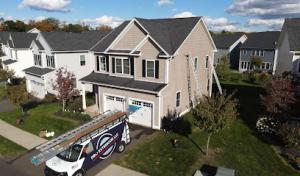
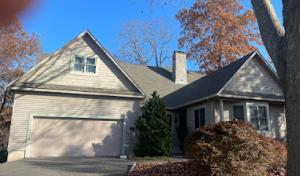
East Haven shows a broader mix of roofing materials than many nearby towns. Asphalt shingles are common, but you'll also encounter metal, clay tile, concrete tile, slate, and even copper on select houses. That variety isn't a hazard to planning; it simply means you have a wider set of options to match architectural styles and home ages. When choosing, consider how your roof ties into neighboring historic forms, the slope of the roof, and the long-term maintenance cycle you're comfortable with.
Slate and copper stand out in the greater New Haven historic housing context. Replacements often involve balancing durability with the need to preserve original aesthetic cues, such as color, texture, and profile. If the roof is a visible feature of a period home, matching the existing look can preserve curb appeal and resale value. Copper, while premium, weaves gracefully with aged copper gutters or detailing and can patina over time to a distinctive green. Slate provides a time-honored finish but requires careful substrate preparation, especially on older structures that may have uneven decks or previously repaired areas.
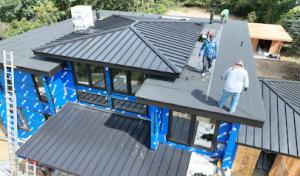
Metal roofing has a meaningful local contractor presence, making it a realistic option for snow shedding and lower winter maintenance in this climate. Steel or aluminum panels with standing-seam designs tend to shed snow more predictably and resist ice dams when paired with proper underlayment and ventilation. If coastal moisture has caused prior peeling or small leaks, metal can offer robust durability with prudent installation details. Asphalt remains a practical, cost-effective choice for many homes, but pay attention to deck condition and attic ventilation to minimize moisture buildup that can contribute to ice dam risk.
Clay and concrete tiles bring distinctive textures and long life, but they are heavier and require solid framing and careful installation. For historic or character-rich homes, clay can echo traditional look while offering decent weather resistance when installed correctly. Concrete tiles provide similar benefits with often greater impact resistance and a broader color palette. Both demand precise matching of roof pitch and appropriate underlayment to manage coastal humidity and occasional salt exposure.
Start by confirming roof geometry and existing structural support, especially for older homes with mixed materials. Prioritize a system approach: proper ventilation, high-quality underlayment, and flashing to mitigate ice dam risk. Consider a material that aligns with architectural intent first, then balance maintenance needs and local contractor familiarity. In areas with distinctive town styling, a material that preserves the home's narrative often outperforms a purely price-driven choice.
Explore specialists in steel, aluminum, and standing seam metal roofs built to last 50 years or more.
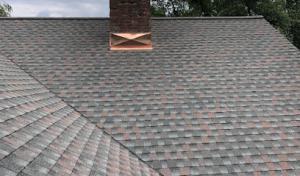
Chimneys are a common trouble spot on older homes in this area, where the joint between masonry or brick and roofing shingles often shows wear. In East Haven, flashing failures at chimney intersections are a frequent leak source, especially after heavy winter freezes and spring rains. Start by inspecting the saddle or step flashing where the chimney meets the roof deck, then check the counter-flashing along the chimney shoulder. Look for loose or cracked mortar, gaps behind the flashing, and signs of stucco or masonry deterioration. If you detect weekday-damp patches near a chimney, assume flashing wear and plan a careful reseal or replacement, ideally before the next cold snap.
Skylight service remains notably active in this market, with many calls tied to improper flashing, worn curb seals, or shifting shingles around the skylight. When assessing a skylight, verify the curb is level and the gasket or sealant around the unit is intact. Inspect the sealant bead where the skylight integrates with the roof surface, and examine surrounding shingles for cupping or uplift. If flashing around the skylight looks compressed or penetrations show moisture staining, consider a targeted reseal, or reseating the skylight with fresh flashing up the curb and along the flashing apron.
Flat or low-slope portions call for different attention than steep slopes. East Haven hosts a meaningful specialist presence for flat roofing, and that expertise matters because bad transitions, edge details, or misapplied ballast on these areas commonly leak. Pay attention to the edges where low-slope zones meet steeper planes, as well as any accumulated debris or ponding water. In these spots, the emphasis should be on proper drainage, correct edge detailing, and reliable seam coatings or membrane integrity.
Coastal humidity and winter ice work together to magnify small flaws into real leaks. Plan inspections for late winter and early spring, after the worst of the cold has passed but before the summer humidity peaks. A proactive approach on chimneys, skylights, and low-slope transitions reduces the chance of mid-season failures and keeps indoor comfort steady during humid summers.
Find contractors experienced in skylight installation, flashing, and leak repairs to bring natural light into your home.
Home Pros
(203) 896-0088 homeprosroofingct.com
164 Foxon Rd Suite 1, East Haven, Connecticut
5.0 from 30 reviews
In this shoreline town, you will notice homeowners prioritize contractors who finish the job cleanly and respond quickly after a project starts. The typical housing stock sits close together, so a thorough cleanup isn't just cosmetic-it reduces ice dam risk and moisture migration to neighboring homes during a re-roof. When you interview a crew, ask for a clear plan that shows how debris will be contained, removed daily, and hauled away without leaving tarps or nails behind. A responsive crew will provide a realistic timeline and set expectations for weather-related pauses, so your daily routines aren't disrupted longer than necessary.
The market here includes many long-established, affordable outfits that know the seasonal rhythm of this coast. You'll find plenty of firsthand recommendations from neighbors who have lived through multiple winters and humid summers. The goal isn't chasing the premium niche; it's pairing tenure and reliability with reasonable response times. When you call around, compare not just price but how well a crew communicates, show up on time, and document progress with photos or reports. Your choice should feel like a partnership that respects the occupied home dynamic and proximity to neighbors.
Storms and winter ice are real forces here, so verify that the same contractor can handle temporary protection, full replacement, and claim-related documentation without handing you off to another outfit. Ask for a single point of contact who can coordinate tarp placement, safe access pathways, and a scoped replacement plan that accounts for potential moisture intrusion before, during, and after a severe event. This continuity matters when moisture control and ice-dam risk can spike with seasonal shifts.
Get a clear picture of your project costs upfront - no commitment required.
All American Roofing
(203) 469-8371 aarcontractor.com
34 Tyler Street Extension, East Haven, Connecticut
5.0 from 11 reviews