
Last updated: Apr 19, 2026
Branford sits directly on Long Island Sound, so roofs near the shoreline face wind-driven rain and salt-laden air more than inland parts of the region. In the Stony Creek area, open water exposure compounds these forces, making storm-driven leaks and flashing failures more consequential when a Nor'easter roars in or a coastal storm packs its punch. Fall Nor'easters are a real planning concern here, and the way water travels across ridge lines, valleys, and edge details matters as much as the overall roof condition. A roof that survives midwinter freeze-thaw cycles still needs to be resilient to these seasonal coastal blows.
On the coast, standard shingles can fail sooner if salt corrosion or wind-driven water has a direct line of attack at fasteners, penetrations, and flashing. Consider roofing systems and components that resist salt spray and wind uplift. Metal roofing benefits from interlocking seams and corrosion-resistant coatings, but field details matter: ensure panels are fully screwed or latched with corrosion-resistant fasteners and that edge details are watertight. Asphalt shingles, when upgraded with wind-resistant underlayment and proper nailing patterns, can perform well, provided hip and ridge lines are sealed and respect the local wind loads. For higher-end coastal aesthetics and durability, synthetic or composite shingles can offer a favorable balance of performance and maintainability without compromising wind resistance. If clay or concrete tiles are chosen, confirm a structural assessment can support them, and ensure strong fasteners and reinforced flashing around chimney and skylight penetrations to mitigate salt creep and uplift risk.
In Branford, upgrading the roof deck and underlayment to resist moisture movement is crucial. Use a breathable, moisture-tolerant underlayment that still blocks wind-driven rain at transitions and sidewalls. Pay special attention to the ridge cap, penetrations, and flashing around vents, chimneys, and skylights near coastal edges; these are common failure points after Nor'easters. Ventilation should keep the attic space dry without creating negative pressure that draws rain into the roof line during high-wind events. Consider sealants and coatings designed to resist salt exposure for exterior flashings and edging. Fastener patterns must be appropriate for wind loads, with longer, corrosion-resistant screws or nails and secure sealants at all intersections where salt-laden air can creep in during storm cycles.
Establish a seasonal inspection cadence that centers on Branford's risk profile. After each major coastal storm, perform a quick exterior check focusing on flashing at chimneys, vents, and roof-to-wall transitions, as well as the integrity of ridge and hip caps. In the fall, before Nor'easters intensify, look for loose granules on asphalt shingles, loose metal panels, and any signs of salt deposition or corrosion at fasteners. Inside the attic, monitor for moisture staining, staining that indicates leaks around penetrations, and ensure attic ventilation remains balanced to avoid condensation. Clean gutters and downspouts regularly to prevent water backing up into eaves, which can worsen edge leaks during heavy rainfall. If a roof repair is needed, prioritize resealing and re-flashing vulnerable areas first, rather than waiting for a larger, more disruptive replacement cycle at a vulnerable edge.
Prepare for Branford's coastal storms with a simple, repeatable checklist. Ensure sealants around roof penetrations are intact and not cracked or peeling. Confirm that flashing at walls, chimneys, and skylights is fully weather-tight and corrosion-free. Verify fasteners at edges and along the rake lines are secure and free from rust. Inspect attic insulation and ventilation to prevent ice dams and condensation issues that can accompany winter coastal storms. Finally, map out the safest access routes for emergency repairs after a storm, and keep a contact list of local roofing professionals who understand Branford's unique coastal conditions.
Find local contractors experienced in assessing and restoring roofs after hail, wind, and severe weather events.

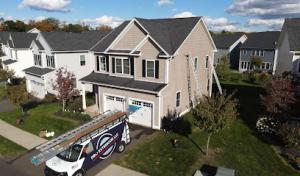

Branford's shoreline winds and winter melt demand roofs that prioritize ventilation and moisture control. In mixed sun and humidity summers, attic airflow becomes a frontline defense against ice dams and condensation. A well-vented attic helps keep sheathing temperature closer to outdoor air, reducing rapid freeze-thaw damage. Pair continuous soffit vents with adequate ridge or power vents, and ensure the attic access hatch is well-sealed to avoid drafts pulling moist air into the insulation. In practice, verify that shingles lay flat with a steady seal and that there's a reliable ice-and-water shield up the roofline in vulnerable eaves and valleys. The salt air adds a creeping risk of corrosion, so any metal components-valley flashing, vents, or flash lines-should be corrosion-resistant and properly coated.
Asphalt shingles are a familiar fit for most Branford homes because they align with the local housing stock. The practical strength here lies in proper ventilation, ice protection, and seal integrity. Choose a shingle with good granule adhesion and a sealant upgrade for wind zones near the Sound. Pay attention to ridge and hip cap detailing to resist wind-driven rain during nor'easters. In salty coastal air, consider cold-applied or self-sealing lap products that resist salt deposition at seams. Have the overhangs and drip edges sealed so that moisture won't wick into fascia boards, and ensure attic baffles maintain clear pathways for air to move across the entire roof plane.
Metal isn't just about longevity; it's about correct fastener choices, flashing details, and corrosion-resistant finishes in Branford's salty, windy climate. Favor metal systems with corrosion-resistant coatings and compatible, non-galvanic fasteners. Pay careful attention to sealants around penetrations-pipes, vents, and skylights-because salt spray can exploit micro gaps. Flashing should be continuous, with seam sealing that resists thermal movement during freeze-thaw cycles. The support structure must handle the weight and expansion characteristics without creating hidden creaks that invite moisture intrusion. In coastal areas, a properly installed metal roof can outlive many other types, provided the detailing around edges, valleys, and penetrations is meticulous.
Tile, wood shake, and synthetics appear in Branford's market, but performance hinges on moisture management and salt exposure. Clay and concrete tiles handle moisture well when installed with proper underlayment, but salt can creep into fasteners and diminishing supports over time if not sealed. Wood shakes are particularly vulnerable to salt-laden air and winter moisture-treatments must be applied, and species selection matters for rot resistance. Synthetic products offer moisture tolerance and lighter weight, but still rely on sound underlayment and ventilation to prevent moisture retention in colder months. In all cases, the installation should emphasize fully sealed edges, adequate underlayment, and careful flashing around edges and penetrations to withstand Branford's winter movement and coastal spray.
In this part of the shoreline, chimney work is continually in demand, and that's not by accident. Older homes with masonry joints where brick or stone meets the roof line often become your first trouble spots after strong storms or a hard winter. Look for cracks around mortar, gaps where flashing meets brick, and any signs of tile or shingle loss along the chase. A small crack here quickly becomes a bigger leak when wind-driven rain finds its way under the flashing and into attic framing. If you notice damp spots along ceiling planes near the chimney, pay attention to the step flashing where the roof meets masonry, and consider upgrading to continuous counter-flashing or a thicker sealant that can stand up to repeated freeze-thaw cycles. The consequence of delayed care is not just a wet attic; it can mean mold pathways and interior damage near living spaces that didn't seem at risk at first glance.
Skylights are a meaningful specialty locally, and that emphasis shows up most after winter storms when the curb flashing has seen salt spray and cold temperatures. Expanding and contracting sheet metal around skylight bases is a frequent leak source, especially when shingles adjacent to the curb begin to deteriorate or when fasteners loosen from seasonal movement. Inspect the perimeter of every skylight for loose granules, missing shingle tabs, or gaps in sealant. If a leak seems to originate at the curb itself, the flashing-often tucked under nearby shingles-may have lifted enough to create a channel for water to seep down the joists. Addressing this means resealing and reseating the curb, reinforcing the flashing with a continuous seal, and ensuring the surrounding shingles are properly lapped to shed water outward rather than toward the curb. The downside of neglect is not merely an occasional drip; sustained moisture can compromise attic insulation and neighboring drywall.
Flat and low-slope sections are active in the market even though pitched roofs dominate, indicating many homes and additions need membrane, drainage, and transition detailing alongside standard shingle work. In Branford's climate, water sits longer on surfaces during storms, so those membranes must be fully adhered, terminated cleanly at edge details, and integrated with proper drainage planes that direct water toward scuppers or gutters. Look for blisters in the membrane, pooled water after rain, or a thin film of moisture along transitions where the membrane meets a vertical wall or a step-down. Seasonal moisture can push seams apart, so pay attention to interior ceiling stains that align with a flat section above. If a low-slope area shares a boundary with a brick or stone facade, ensure the edge detailing and drip line direct water away from the wall, not into it. Skipping proper drainage here invites not only leaks but accelerated deck or ceiling rot that complicates any future repair.
Winter moisture management is constant on roofs in this climate, and the fastest path from a minor drip to a major repair is delayed detection. After storms or long stretches of wet weather, perform a careful walkaround with an eye for fresh granules in gutters, displaced flashings, or visible gaps at transitions. Even small, early fixes can prevent larger, costlier problems when wind and salt spray combine with freeze-thaw cycles. In practice, that means scheduling targeted inspections for chimney intersections, skylight curb areas, and flat sections, then addressing issues before they cascade into attic moisture, insulation degradation, or compromised structural members.
Find contractors experienced in skylight installation, flashing, and leak repairs to bring natural light into your home.
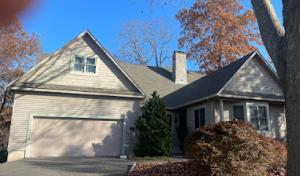
Amity Home Maintenance Solutions
3 Research Dr, Branford, Connecticut
5.0 from 107 reviews
Pro Exteriors
(203) 909-8075 proexteriorsct.com
119 Montowese St, Branford, Connecticut
5.0 from 23 reviews
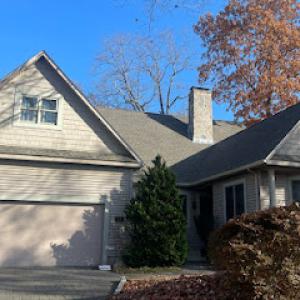
Amity Home Maintenance Solutions
3 Research Dr, Branford, Connecticut
5.0 from 107 reviews
Amity Home Maintenance Solutions is a fully-insured and licensed exterior home improvement company specializing in Roofing, Skylights, Windows, Gutters located in Branford, CT. Our business model and workmanship are derived from over 45 years of experience in roof inspections, metal / asphalt roofing, water leak detection, chimneys, flashings, skylights, soffit / fascia, painting, decks, windows, doors, siding, and gutters. Our service areas include the following: Branford, Cheshire, Chester, Clinton, Deep River, Durham, East Haddam, East Haven, Essex, Guilford, Hamden, Killingworth, Madison, Middlefield, Milford, New Haven, North Branford, Northford, North Haven, Old Lyme, Old Saybrook, Orange, Wallingford, Westbrook, and Woodbridge, CT.
Pro Exteriors
(203) 909-8075 proexteriorsct.com
119 Montowese St, Branford, Connecticut
5.0 from 23 reviews
Pro Exteriors was established by a team of industry professionals dedicated to providing the highest quality solutions. Whether you are searching for a roofing contractor, siding or gutter contractor, our team is one of the best in Connecticut. Our efficiency allowed us to quickly become one of the top residential roofing companies, siding repair and replacement contractors, as well as the top gutter company in Connecticut. Pro Exteriors is family owned and operated and committed to delivering the best customer experience on every job. It is time to make Pro Exteriors your preferred roofing, siding, and gutter contractor!
Total Exteriors
(203) 996-4265 www.totalexteriorsllc.com
133 Pine Orchard Rd, Branford, Connecticut
4.1 from 29 reviews
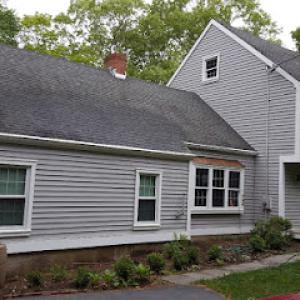
We are a full phase construction, roofer and remodeling company. We offer a wide range of services from flat roof installation, metal roof repairs, deck repair, deck installation, commercial roofing, residential roofing, waterproofing, carpet installation, tile installation, home improvements, general contractor and more. We offer 24 hour emergency service call 203.915.2503 for emergency response. We now offer basement waterproofing, sump pump systems / drainage and polyurethane crack injection. Estimates are free.

Home Pros
(203) 896-0088 homeprosroofingct.com
Serving
5.0 from 30 reviews
Home Pros is the go-to source for Connecticut homeowners and business owners that need a reliable and experienced roofing contractor. With over 15 years in the industry, the team at Home Pros has the expertise to handle any roofing project: from roofing repairs to replacements. Our team specializes in a variety of roofing and siding services. We got you covered from residential asphalt shingles, Class III and IV impact resistant shingles, Cedar Shake, Slate Tiles and Low Slope. We also help with commercial roofing and siding needs such as EPDM,TPO,PVC, Modified bitumen as well as variety of coatings. Give us a call to help with your home or commercial roofing needs today for high-quality workmanship and excellent customer service!
Dee's Roofing
(203) 467-1253 www.deesroofing.net
139 Meadow St, Branford, Connecticut
3.7 from 3 reviews
Complete Roofing Services

All American Roofing
(203) 469-8371 aarcontractor.com
Serving
5.0 from 11 reviews
At All American Roofing, we're your trusted roofing specialists in East Haven, Connecticut. We provide a comprehensive range of roofing services, including roof repair, replacement, and inspection. Our team of experienced and certified professionals is dedicated to delivering exceptional customer service and high-quality workmanship. We use only the best materials and back our work with a comprehensive warranty. Contact All American Roofing today for a free quote on your next roofing project!

Premier Building Associates
(203) 902-2572 www.pbaroofing.com
Serving
4.5 from 22 reviews
Premier Building Associates offers commercial roofing solutions, from new commercial roofs , roof repairs, roof replacement, and new construction applications. We are involved in commercial, industrial, institutional, governmental and both single and multi-unit residential. We have the staff and material resources to do any job right the first time. We offer prompt professional estimating and roof inspections services free of charge. Please contact us today for your next commercial roofing project.
REVMA Roofing
Serving
5.0 from 56 reviews
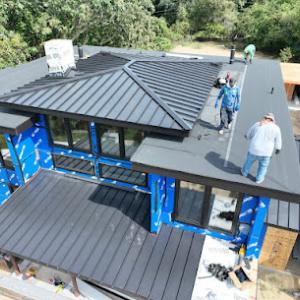
REVMA is a premier roofing company located in Queens, NY. We specialize in various roof replacements such as asphalt shingles, slate, cedar, composite, metal, and flat roofs. Our installation and replacement services further extend to aluminum gutters, copper gutters, and skylights. Our customer service is second to none and our quality of work is what sets us apart from the rest. Our philosophy is simple, do it right the first time!
Projectto
(203) 606-1911 projecttoall.com
Serving
5.0 from 8 reviews
We are a company dedicated to offering Roof, Siding and Carpentry Services in the CONNECTICUT area, with free inspections and experience working with insurance. Always maintaining a standard of quality and responsibility.

Gerard Remodeling
(475) 434-9786 gerardremodeling.com
Serving
5.0 from 19 reviews
WE ARE A FAMILY COMPANY WITH MORE THAN 20 YEARS WORKING AND HELPING PEOPLE IMPROVE THEIR HOMES.
Cinco Home Improvements
(203) 927-5999 www.cincoct.com
Serving
5.0 from 35 reviews
Cinco Home Improvements has been delivering trusted home improvement services in New Haven, CT, since 2005. We’re owner-operated, hands-on, and built on a foundation of clear communication, fair pricing, and high-quality, coordinated work. With a crew that cares and truly loves what he does, we bring exceptional results.

K.P. LaMarco Roofing & Siding
Serving
5.0 from 19 reviews
K.P. LaMarco Roofing and Siding is Connecticut’s trusted expert in roofing, siding, windows, doors, and gutters, delivering durability, beauty, and value to your home. We specialize in cedar roofing, slate, and metal roofing, combining timeless style with lasting protection. Our siding options include James Hardie, vinyl siding, and classic cedar siding, all designed to withstand harsh weather. We also install energy-efficient windows and doors, and provide reliable gutter solutions to safeguard your home. With modern touches like PVC trim, we offer a polished, low-maintenance finish. With 15+ years of experience, K.P. LaMarco Construction delivers unmatched quality and customer satisfaction.
Spring through early fall is the preferred replacement window in Branford because winter conditions complicate tear-offs and increase freeze-thaw risk during installation. The goal is to have a full, dry-in before the first cold snap, so framing and sheathing stay dry and the roof set-tled under typical coastal humidity. If your roof is nearing the end of its life, plan to start in late March or early April and aim to wrap up by late October, when inland contractors slow down and coastal moisture patterns stabilize.
Spring storms can interrupt scheduling with heavy rain and wind, so Branford projects need tighter dry-in planning than in milder inland climates. Prepare for sudden delays and build in buffer days for tarping, sequencing, and weather windows. A solid moisture barrier and careful attic ventilation during tear-off help prevent moisture from seeping into living spaces or the home's interior during a rainy spell. If a cold snap hits during tear-off, temporary coverings and de-icing measures should be in place to protect bare decking and underlayment.
Late spring and early summer bring more predictable conditions, but coastal exposure means higher wind-driven rain risk and salt-laden air can affect fasteners and exposed edges. When choosing materials, consider products with robust wind uplift resistance and corrosion-resistant fasteners. Contractors should stage materials with secure tarps and windbreaks to limit moisture exposure between pickup and installation, and they should coordinate with local weather patterns to avoid long stretches of unsettled weather.
Late summer into fall can bring coastal storm uncertainty, which affects material exposure risk and contractor availability before winter arrives. If a project runs into this period, ensure the contract includes clear provisions on rollbacks for delays caused by storms, and confirm that temporary protection remains in place if a storm threatens. Schedule a final inspection and sealing of all penetrations ahead of any expected sea-salt events or coastal precipitation that could compromise exposed edges.
Before committing to a tear-off, verify that the roof deck shows no widespread rot or structural issues, as coastal moisture and freeze-thaw cycles can reveal hidden damage. Confirm that ventilation and attic conditioning are adequate to prevent moisture build-up during installation. Ensure the chosen material's installation method suits Branford's wind and salt exposure, and coordinate with the contractor to align delivery, staging, and dry-in milestones with the local spring-to-fall weather window.
Get a clear picture of your project costs upfront - no commitment required.
Total Exteriors
(203) 996-4265 www.totalexteriorsllc.com
133 Pine Orchard Rd, Branford, Connecticut
4.1 from 29 reviews

Materials in Branford must stand up to wind-driven rain, salt spray, and the winter freeze-thaw cycle. The local climate pushes up labor and accessory costs when you're near the shoreline, with flashing upgrades and corrosion-conscious choices playing a bigger role in long-term durability. Asphalt shingles remain the most common entry point, but the coastal context often shifts choices toward higher-grade metal or tile options when moisture control and wind resistance are priorities. For budgeting, start with the local ranges: asphalt shingles typically run 350 to 700 USD per square, metal 700 to 1100, clay tile 1100 to 1800, concrete tile 1000 to 1700, wood shingles or shakes 600 to 1100, and synthetic or composite shingles 500 to 900 per square.
When the roof sits along the water, corrosion-conscious detailing matters. In Branford's setting, metal roofing benefits from enhanced coating and thicker gauges to resist salt exposure, with flashing upgrades and fasteners chosen for coastal applications. Clay and concrete tile offer excellent long-term durability but require careful substructure assessment, especially on older homes where decking and ventilation details may reveal themselves during tear-off. Wood shakes can deliver traditional charm, yet wind performance and moisture management demand meticulous fastening and maintenance on salt-lashed facades. Synthetic or composite shingles provide a balanced option, delivering wind resistance and lower maintenance while staying within a moderate budget.
Older coastal New England homes in Branford may add labor for chimney flashing, roofline complexity, and decking or ventilation corrections discovered during tear-off. If you're replacing an aging roof, expect the possibility of additional costs tied to structural updates or remedial work to manage moisture pathways and ensure proper venting. This is especially true when the attic space shows signs of prolonged moisture contact or when roof lines weave around dormers, chimneys, or steep hips. Budget accordingly for these contingencies as part of the replacement plan, rather than as surprise add-ons.
Begin with a detailed roof assessment that documents wind exposure zones, flashing integrity, and salt-affected metal components. Prioritize corrosion-resistant accessories, such as upgraded drip edges, corrosion-resistant nails, and proper sealant choices rated for coastal use. If choosing tile or metal, factor in potential weight considerations and verified fastener configurations suitable for Branford's freeze-thaw cycles. Match your material choice to the home's heritage and roof geometry, and secure quotes that explicitly distinguish coastal-detail work from standard installations.
Don't let upfront costs delay a critical repair - these contractors offer payment plans to fit your budget.
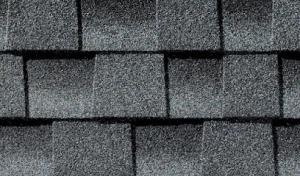
In Branford, a building permit is typically required for a full re-roof project rather than treating complete replacement as informal maintenance. The town's code enforcement prioritizes ensuring that a re-roof address coastal exposure, winter moisture management, and proper flashing around vents, chimneys, and roof-to-wall transitions. Starting with the right permit helps align work with local wind-driven rain considerations and the need for durable underlayment in salt-influenced air.
The local process generally involves submitting a clear project scope and accompanying drawings or plans that show roof layout, venting strategy, underlayment type, and flashing details. You will need to pay the permit fee and arrange inspections through the Branford Building Department. When plans emphasize ventilation and moisture control, the department looks for alignment with the climate realities of the Long Island Sound shoreline-adequate attic ventilation to mitigate ice damming and moisture buildup, plus details that demonstrate wind-resilient flashing and fastener patterns. Having manufacturer installation guides attached to the submittal can streamline review and reduce back-and-forth.
Inspection attention commonly centers on underlayment installation, final completion, and documentation of ventilation, flashing, and code-compliant underlayment details. Inspectors will verify that underlayment is installed with proper overlaps and edge protection to resist wind-driven rain, especially around rakes and eaves where moisture intrusion is a risk. Final inspections assess that ventilation is active and unobstructed, ensuring attic air exchange meets code standards to prevent moisture buildup and potential ice dam issues during freeze-thaw cycles. Flashing around chimneys, vents, dormers, and wall interfaces should be continuous and sealed to deter salt-laden spray from penetrating vulnerable seams.
Coordinate the permit timing with material deliveries and the chosen roofing crew to avoid weather-driven delays that complicate inspections. Keep a detailed log of ventilation checks, underlayment type and installation notes, and flashing locations as you progress; having this ready at inspection reduces questions and speeds final approval. If changes occur to the plan during project execution, update the Building Department promptly and document any revisions with revised drawings. Finally, ensure the contractor provides certificates or product data for the underlayment and flashing used, so inspectors have ready references during final review. A well-documented submission helps align your Branford re-roof with local expectations and coastal moisture considerations.
Wind and weather-related losses in this town are more likely tied to Nor'easters and summer coastal storms than to hail-heavy patterns seen inland. That means the roof's upper exposures, flashing detailing, and moisture management during rapid seasonal changes are the real battlegrounds. If a storm whips salt spray onto shingles and pushes moisture into eaves or under flashing, the damage can unfold slowly and complicate the claim process.
Connecticut insurers commonly want documentation of prior roof condition and proper permit records, which matters for homeowners replacing roofs after storm events. After a storm, gather evidence quickly and methodically. Immediate notes should cover shoreline-facing slopes, flashing areas around chimneys and vents, and any interior evidence of leaks along ceilings or walls near exterior walls. A clear before-and-after narrative helps if the roof is judged for preexisting conditions or accelerated wear from salt-laden air.
Adjusters may request photos and post-loss verification, so taking timely, organized images matters. Photograph all exposed edges, valleys, drip edges, and vent flashing with the date visible. If you notice moisture intrusion or staining, document its location with precise notes. Keeping a simple, dated diary of wet periods and wind events linked to the storm can streamline the review and reduce disputes about timing or scope.
Coastal exposure makes wind-driven rain and winter moisture management more consequential locally than in many inland towns. If a roof shows recurring issues along the seaside slopes, prioritize durable flashing and a moisture-control approach that anticipates salt exposure and freeze-thaw cycles. When in doubt, precise records and photographic evidence are your strongest allies in navigating the claim process.
Connect with contractors who help homeowners navigate the claims process from damage assessment to final approval.
Amity Home Maintenance Solutions
3 Research Dr, Branford, Connecticut
5.0 from 107 reviews
In this coastal town, weather can shift fast, and wind-driven rain can turn a small leak into a bigger problem quickly. The strongest local hiring signals are a contractor's quick response and including cleanup in the scope, which shows a practical commitment to fast leak control and minimizing mess during re-roofing. When you call for estimates, note how promptly the team sets up an on-site visit and how thoroughly they cover debris containment and waste removal. A contractor who plans for storm season readiness will typically outline a clear cleanup plan before work begins.
Re-roofing is far more common here than bare-new-construction projects, so experience with replacement work on local homes matters more than builder-centric sales language. Ask for recent Branford projects where the crew replaced aging roofs on similar houses, and request to speak with the homeowners if possible. Pay attention to how the crew handles moss, salt spray, and wind-driven rain during the project, since those conditions are part of daily life around the shoreline.
Long-established and family-owned firms populate the Branford market, aligning with homeowners who value dependable local service over volume-driven approaches. These firms often bring a steadier crew rotation, neighborhood references, and a steadier warranty perspective. When evaluating bids, consider who you would want answering the phone after a storm and who will be at the site if a leak reappears in a tough winter month.
Request written timelines, a clear cleanup plan, and a site map showing material storage and debris containment. Insist on in-person product education-especially for underlayment and ventilation choices that combat moisture and salt exposure. Check insurance certificates and confirm a local point of contact who can coordinate scheduling if weather interrupts progress. A Branford-focused contractor will translate coastal realities into a practical, predictable replacement experience.