
Last updated: Apr 19, 2026
Cold winters with snow and ice push every roof system to its limits. In this climate, ice damming and repeated freeze-thaw cycling are not rare events-they are the primary drivers of deterioration you'll see on shingles, underlayment, and flashing. Meltwater that refreezes at the eaves creates a dam, then seeps into any small gaps or weak joints. When temperatures swing between freeze and thaw, that water expands and contracts, slowly lifting shingles, loosening fasteners, and expanding weak spots. This pattern repeats year after year, especially on roofs that aren't fully protected by a continuous ice and water shield where it matters most.
You'll want to act at the first strong signals. Look for granular loss on shingles near the eaves, tiny cracks that weren't there last spring, or a damp ceiling in rooms directly below the attic during sunny days after a cold spell. Ice damming often shows up as a brown line along the roof edge and wet patches on interior ceilings near exterior walls. In Cheshire, where winter can linger and spring storms arrive with velocity, those signs can escalate quickly from cosmetic to structural if ignored. Pay attention to any unusual attic warmth or condensation that seems persistent-the root cause is often insufficient attic ventilation paired with inadequate roof edge protection against thawing water.
The harsh reality is that permanent repairs get pushed back when temperatures stay low or when snow blankets the roof. Emergency leak stabilization becomes more common until weather opens up enough for safe access and proper workmanship. If a leak starts to drip through a ceiling during a cold snap, you're dealing with not just water, but the risk of warped sheathing, mold growth, and insulation damage that can escalate before a crew can safely work up there. This is the season where quick-fix patches can buy time, but true resolve requires dry, warmer days and a solid plan for full repair or replacement.
First, minimize interior damage by catching drips with a sturdy bucket and placing towels to limit water spread. Do not climb onto the roof in winter; ice can be hidden and extremely slippery, and a casual inspection can turn dangerous quickly. If you can access your attic, seal obvious gaps along the eaves and around ductwork and vents with temporary, exterior-grade sealant or foam that's rated for cold-weather use. Improve attic ventilation where possible: ensure soffit vents aren't blocked by insulation, and that the ridge vent system isn't choked by debris. These measures reduce heat buildup in the attic, slowing ice dam formation during the spring melt.
Plan for a robust, edge-to-edge upgrade when the weather window opens. A well-sealed underlayment, a continuous ice and water shield up the rake and eaves, and properly installed flashing where walls meet the roof dramatically reduce the chances of water intrusion during freeze-thaw cycles. In the lead-up to spring and early summer, schedule inspections after big storms, then prioritize repairs that address not just the visible leaks but the underlying moisture pathways that ice dams exploit. If you're unsure about any flashing or ridge vent condition, bring in a reputable local roofer who understands how this cycle behaves in this neighborhood-and who can tailor a long-term plan to your roof's specific exposure and age.
Spring storms in this area bring heavy rain and high winds that can interrupt active roofing jobs and expose vulnerable roofs to additional damage. As winter melts into wetter, wind-driven days, small defects-loose shingles, lifted flashing, or worn underlayment-can turn into real leaks within hours. The changing weather pattern in Cheshire often means storms arrive with little warning, and a quick misstep during a repair window can compound the risk. The most exposed roof surfaces are edges, valleys, and any spots where ice damming previously created weak spots. A rapid response to sudden wind-driven rain is essential to prevent interior damage and cascading rot.
If a storm is ongoing and the roof is compromised, prioritize safety and minimize interior exposure. Move valuables away from affected ceilings and restrict access to the attic where active drips can travel along rafters. If you notice active dripping, place temporary containment-bin liners or towels at the leak highest point-while awaiting professional help. Do not climb on a slick, wind-tossed roof during a storm; wind can lift loose shingles and knock you off balance. Contact a local storm-damage specialist who can perform a rapid weathering assessment, tarp critical areas, and secure loose flashing to slow further intrusion until permanent repairs can be scheduled.
After the weather calms, a careful, methodical inspection is needed. Start from the eaves and work inward, looking for lifted shingles, torn underlayment, and damaged flashing at hips, valleys, and chimney flashings. Wind-driven rain that followed winter can hide leaks until late spring, so check ceilings and upper walls for signs of moisture around vents, skylights, and penetrations. The goal is to identify urgency points-areas where water enters or is likely to enter with the next storm-and plan temporary barriers to buy time until a proper repair can be completed. Document damage with photos and notes, as storm-damage claims and emergency repair requests frequently hinge on timely, accurate reporting.
A Cheshire storm response contractor should demonstrate readiness to handle rapid mobilization, tarp deployment, and prioritized repairs that slow further damage. Seek a crew with a proven track record in both asphalt and alternative roofing systems commonly found in older local homes, as structural decks and underlayment ages influence repair strategy. When discussing options, ask for a rapid, site-specific plan that outlines what can be stabilized today, what requires closer inspection tomorrow, and what constitutes a full reroof window as spring weather permits. Clear communication about securing vulnerable penetrations and coordinating with an insurance-adjuster can streamline recovery and minimize disruption to living spaces during the spring transition.
Find local contractors experienced in assessing and restoring roofs after hail, wind, and severe weather events.
All Site Builders
(203) 980-0698 allsitebuilders.com
526 W Main St, Cheshire, Connecticut
4.9 from 139 reviews



Roof Ready Home Improvements
(203) 706-9221 myroofready.com
510 Cornwall Ave Suite 1, Cheshire, Connecticut
5.0 from 94 reviews
Roof Ready Home Improvements is a trusted roofing contractor Cheshire, CT homeowners rely on for quality service and lasting results. We offer free quotes and specialize in residential roofing, flat roll roofing, and full insurance claim replacements. Our team also provides soft washing, pressure washing, and home exterior cleaning to remove algae, moss, grime, and mildew from siding and roofs. Services include roof repairs, chimney repairs, and vinyl siding repair, always delivered with care and attention to detail. As a locally owned and fully licensed business, we proudly serve Cheshire and the surrounding Connecticut counties of Hartford, New Haven, Fairfield, New London, and Litchfield. Call today for a free estimate or inspection.
All Site Builders
(203) 980-0698 allsitebuilders.com
526 W Main St, Cheshire, Connecticut
4.9 from 139 reviews
At All Site Builders, we are dedicated to providing top-notch residential roofing services, as well as Vinyl Siding Replacement and other Exterior Home Improvements. Our team of experienced professionals is committed to delivering high-quality workmanship and superior customer service across Central and Southern Connecticut.
Cheshire Roofing
(203) 272-6964 cheshireroofingandsiding.com
1030 S Main St #6, Cheshire, Connecticut
4.7 from 15 reviews
Welcome to Cheshire Roofing – Connecticut's trusted, affordable roofing company! With over 20 years of experience, we are your premier roofing contractor, holding a 5-star rating and A+ accreditation from the Better Business Bureau. Specializing in residential and commercial roofing, we offer top-notch roofing services, such as roof repairs, roof installation, roof replacement, and commercial roof maintenance. In addition to solar installation, windows, doors, and siding services. Trust our ethical practices and customer satisfaction commitment. Choose peace of mind with our skilled team, premium materials, and a customer-centric approach. Contact us for a free roof inspection and a no-obligation quote. Call for a quote (203)272-6964

All Star Roofing
(860) 508-2173 www.allstarroofingct.com
Serving
5.0 from 71 reviews
All Star Roofing is a licensed and insured roofing contractor in Prospect, CT, serving Waterbury, Hartford, and surrounding Connecticut areas. We offer roof repair, roof replacement, and roof maintenance for residential and commercial properties. We specialize in storm damage inspections and insurance claim assistance. Our services also include siding, gutters, and flat roofing systems. We focus on quality workmanship, clear communication, and a stress-free experience from inspection to final cleanup. Free inspections and honest estimates.
Valley Roofing
(203) 560-1818 www.valleyroofingllc.net
Serving
5.0 from 56 reviews
With over 35 years of experience, Valley Roofing, led by owners Tony and Eliza Palmieri, provides top-quality roofing services to Southington, CT, and surrounding areas. Specializing in both residential and commercial roofing, our team is committed to delivering reliable, on-time, and affordable solutions. From roof repairs to complete installations, we prioritize customer satisfaction and precision. Trust Valley Roofing for expert craftsmanship and personalized service, backed by decades of expertise in the roofing industry.

Flash Roofing
(860) 398-2166 flashroofingllc.com
Serving
4.9 from 71 reviews
With over 20 years of experience, Flash Roofing CT is a trusted leader in roofing, siding, and gutter services. Our skilled professionals specialize in installation, repair, and replacement, ensuring long-lasting protection and beauty for your property. We proudly serve New York, Connecticut, and Pennsylvania, offering flexible financing options and an industry-leading warranty on every project. Trust us to deliver exceptional craftsmanship and top-tier customer service.
Frontline Exteriors
(475) 355-3021 www.flexteriorsct.com
Serving
5.0 from 57 reviews
Welcome to Frontline Exteriors roofing & siding - your friendly neighborhood experts in Connecticut for all things roofing and siding! We're not just a business; we're a community of skilled professionals dedicated to providing top-notch service with a smile. With our honest pricing and excellent workmanship, we're here to help you protect your home. Need an emergency repair at 3 am? We've got you covered with our 24/7 service. Want to understand the process? Our free consultations and in-home estimates ensure you're informed every step of the way. And with our full warranty, you can rest easy knowing we've got your back long after the job is done. We offer Financing!! Trust us with your home - The Frontline Team!
Castle Home Restorations
(203) 528-4445 castlehomerestorations.com
Serving
5.0 from 22 reviews
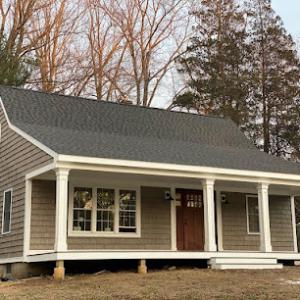
Castle Home Restorations is a full-service restoration roofing company in Connecticut, offering top-notch roofing, siding, and deck services. With over 30 years of experience, our team specializes in addressing all aspects of water, fire, smoke, and storm damage repair in CT. We pride ourselves on providing expert craftsmanship and exceptional customer service to homeowners across the state. At Castle Home Restorations, we understand the challenges that weather-related damage can bring. That's why we offer free roof inspections to ensure your home remains protected. Whether you need Connecticut roofing services or reliable storm damage repair, our skilled professionals are here to restore your home to its former glory.
Rob's Roofing
(203) 980-7933 www.robsroofingct.com
Serving
4.9 from 29 reviews
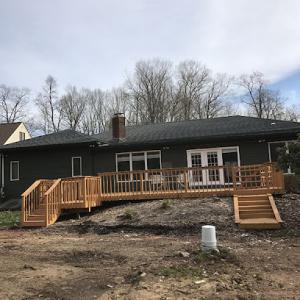
Established in 2015, Rob's Roofing, has become a trusted name for professional roofing services in Wallingford, CT and surrounding areas. As a leading roofing contractor, we specialize in high-quality installations, repairs, and maintenance for both residential and commercial properties. Our team of experienced professionals is dedicated to delivering exceptional craftsmanship and reliable solutions, ensuring your roof is built to last. We are committed to protecting your most valuable asset with integrity and expertise.
Royal Roofing
(475) 255-8647 myroyalroof.com
Serving
5.0 from 47 reviews
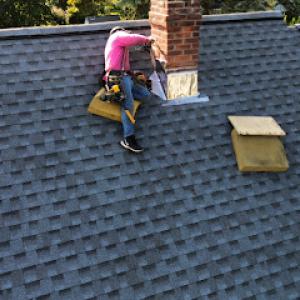
Royal Roofing, located in Prospect, CT, offers premier roofing and siding services in Waterbury, Cheshire, Naugatuck, and surrounding areas. With over 20 years of experience, our dedicated roofing company specializes in delivering high-quality roofing and siding solutions customized to meet each client's unique requirements. Our skilled team of contractors is committed to providing you with the knowledge, transparency, and support you need for everyday necessities in your home. From minor repairs to complete replacements or installations, we handle everything with expertise and professionalism. Attempting roofing or siding projects on your own can be risky and time-consuming. Let us treat you like royalty and handle it for you!
Unlimited Roofing & Restoration
Serving
4.9 from 28 reviews
Unlimited Roofing & Restoration provides roofing and restoration services to the Prospect, CT area.
Ace Top Roofing
(475) 302-9209 acetoproofing.com
Serving
5.0 from 48 reviews
Ace Top Roofing delivers reliable, high-quality roofing services for homeowners and businesses across Connecticut. We specialize in full roof replacements, repairs, storm-damage restoration, and offer expert gutter and siding services to protect and elevate your property. Our team is known for honest communication, dependable craftsmanship, and using premium materials that stand the test of time. As a fully licensed and insured company, we show up with integrity, clear expectations, and workmanship you can trust. Whether you need a minor repair or a full exterior upgrade, Ace Top Roofing is committed to keeping your home safe, strong, and looking its best.
When you're planning a reroof in this market, the sticker price depends heavily on material choice. Provided local pricing ranges run about $450-$850 per square for asphalt shingles, $750-$1400 for metal, $1400-$2600 for clay tile, $1000-$2000 for concrete tile, $550-$1000 for synthetic/composite, and $1500-$3000 for slate. Those figures reflect both the labor pool here and the mix of homes that need lighter versus heavier roof systems. A small, straightforward asphalt job will usually land toward the lower end, while a multi-penetration tile or slate install often pushes toward the higher end. You'll see these spreads sharpened when storm damage is a factor, since demand tightens the schedule and drives early-start crews rather than waiting a season-wide window.
Winter damage doesn't just stress the roof; it compresses the market. In Cheshire, the late-winter and early-spring thaw can line up with storm recovery work, pushing projects from the typical early-spring window into late spring through fall. That compression shows up as limited crew availability, higher labor hours, and sometimes expedited material orders to avoid gaps in service. In practice, that means if you need a full reroof after a heavy winter, you should expect costs to trend toward the upper end of the material ranges, particularly for heavier systems like concrete or slate, where the crew time and framing checks can extend beyond a standard asphalt job.
The local mix includes both common asphalt reroofing and premium heavy materials like slate and tile, which increases labor complexity and structural considerations. Asphalt remains the most cost-stable option for a typical home, but if you're choosing tile or slate, you're paying for added weight handling, extra underlayment or battens, and sometimes more extensive roof deck inspection and preparation. Synthetic/composite offers a middle ground, delivering longer life with a lighter footprint than natural stone while still swinging into mid-range pricing. Clay and concrete tiles, while durable and aesthetically distinctive, can demand structural assessments and potential deck reinforcement, given their weight and wind performance in storm-prone seasons.
If you're balancing upfront investment against long-term performance, asphalt shingles stay the pragmatic baseline for many Cheshire homeowners, particularly when winter damage isn't extreme or when the roof plane is relatively simple. For homes with existing heavy structural components or for those chasing a stone-inspired look, slate or clay tile add long-term resilience and curb appeal, albeit with a higher initial outlay and potential reinforcement costs. Metal roofing provides a durable, wind-resistant option that trades some upfront cost for longevity and energy savings, often appealing in storm-rich springs. Synthetic/composite shingles offer a compromise, mixing reasonable weight with decent durability and a cost profile between asphalt and true tiles. When planning, map your target life span, expected maintenance, and the howling winds or freeze-thaw cycles that mark your year, then align material choice with both the budget window and the late-spring-to-fall scheduling reality.
Cheshire homes offer a broader material decision set than a shingles-only market. Asphalt shingles, metal roofing, clay tile, concrete tile, synthetic/composite shingles, and slate commonly appear on local houses, reflecting a mix of budget, aesthetics, and structural readiness. Each option behaves differently under the inland Connecticut freeze-thaw cycle and spring wind-rain storms, so choosing a material means weighing long-term performance against installation realities and roof geometry. The market here supports diverse choices, but the decision should align with the house's existing structure, attic ventilation, and the expected demand on flashing details.
Asphalt remains the practical baseline for most Cheshire reroofing projects. When selecting asphalt, the emphasis shifts to installation quality, flashing around chimneys and dormers, and ensuring adequate attic ventilation to combat moisture buildup during thaw cycles. Ice damming is a central concern in winter-to-spring transitions, so a properly staged underlayment and well-sealed edge details can make a substantial difference in service life. Look for shingles with good albedo options and wind ratings suited to local wind exposure, and coordinate with upgraded drip edges and proper eave ventilation to minimize interior leaks during freeze-thaw cycles.
Metal roofs offer excellent resistance to wind and moisture, and they shed snow effectively when installed with careful slope, fastener placement, and ridge venting. In Cheshire, metal can handle the spring deluge and ice-related stress if paired with solid flashing at penetrations and an adequate soffit-to-ridge ventilation strategy. Consider standing-seam profiles for a cleaner, longer-lasting seal around skylights and chimneys, while keeping in mind that color choice and panel length influence thermal movement and expansion during seasonal transitions.
Clay and concrete tiles bring distinctive curb appeal and long life, but their weight and repair complexity differ markedly from shingles. In Cheshire, tile can be a standout feature on suitably reinforced roofs, yet the heavy load demands careful structural verification. Tile can resist freeze-thaw damage when installed with proper underlayment and backer belts, but repairs can be intricate, and replacement costs rise with complexity. Expect longer lead times for installation and potential difficulty matching color and texture after years of weathering.
Synthetic or composite shingles offer a middle ground, combining some of asphalt's ease with enhanced resistance to temperature swings. They can mitigate cracking and curling associated with freeze-thaw cycles and may provide better dimensional stability in humid summers. Select products with mature warranties and proven performance in mixed climates to address Cheshire's seasonal rhythms.
Slate remains relevant for specialty homes with heritage or upscale design. Its natural durability suits long winters, yet weight and repair complexity set it apart from standard options. Slate installation and replacement require structural assessment and skilled craftsmanship, and the ownership experience differs from typical asphalt reroofs due to higher material and service requirements.
The most popular roofing material in the US. Find pros who install, repair, and replace asphalt shingles.
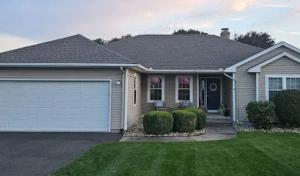
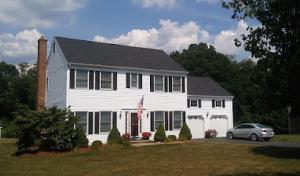
Cheshire requires a building permit for a full roof replacement. The permit window is dictated by the town's review cycle, so plan ahead to avoid delays that tighten the spring-to-fall work window. A full reroof often triggers more scrutiny than a simple repair, because it affects drainage, attic ventilation, and seismic or wind-load considerations. The city's climate-freeze-thaw cycles and spring storms-means the permit process is not just bureaucratic; it helps ensure the roof replacement will perform through the expected Cheshire winter-to-spring wear.
Before any shingles come off or new underlayment goes on, you must submit a complete project scope. That includes a clear description of the replacement, the proposed materials, changes to underlayment or ventilation, and the intended sequencing of work. You will also provide contractor details, including licensing information and a current certificate of insurance. Make sure the scope notes how the tear-off will be staged to minimize exposure to wind-driven rain and cold snaps, since the town reviews look for plans that avoid extended dry-in periods during seasonal transitions.
The permit review will examine material specifications to ensure compatibility with Cheshire's weather patterns and the house type in your neighborhood. Confirm that underlayment, ice and water shield, and starter courses align with the chosen roofing system. The inspector will want to see that the attic is properly vented and that any ridge or soffit venting additions are consistent with the product manufacturer's installation instructions. Your contractor should provide proof of local licensing and a published warranty policy. If the project touches historic or architecturally sensitive areas, be prepared for additional review about exterior appearance or color selection.
Inspections occur at interim milestones and again at final completion. In practice, this means an interim deck or underlayment review, followed by a second inspection after the tear-off is complete and the roof deck is dry-in-ready for shingles. Timing the tear-off to align with the town's inspection sequence is essential; the dry-in must be in place and secure so inspectors can confirm proper roof ventilation, flashing, and drainage details before the final finish is installed. If weather creates a delay, coordinate with the inspector and the building department to adjust the schedule without compromising safety or compliance.
At final completion, inspectors verify that all components meet code, that drainage paths are unobstructed, and that the roof system matches the approved scope. Any deviations from the approved plan require a permit addendum or a revised inspection. Keep copies of all inspection approvals and the final permit closure handy for future property records, and to ensure a smooth transition if you pursue further exterior improvements down the line.
In a Cheshire home, the path from storm to settlement often hinges on the quality of documentation. After a damaging event, photo timeliness matters: distant snapshots miss the nuance of ice damming, wind uplift, and satellite leaks that emerge with warmer mornings. An organized set of photos taken from multiple angles, plus a dated record of every affected area, helps a carrier see the full picture. Pair those photos with precise, location-specific notes about leaks, sagging felt, or lifted shingles. Estimates from a contractor or an engineering assessment lend credibility when the claim peaks at the adjuster's desk. The goal is to show not just that damage occurred, but how it progresses as melt cycles repeat.
Wind and hail can trigger claim activity even if damage isn't immediately visible from the ground. In Cheshire, carriers may require an adjuster inspection or support from a licensed contractor before approving scope. Arranging a temporary roof cover, board, or tarp right after a storm helps protect interior spaces while you build your claim file. The timing matters: delaying documentation or cleanup can complicate the evidence. A competent exterior inspection that notes shingle lift, granule loss, or dented flashing can steer the claim toward a fair assessment of what the roof endures in our late-winter to early-spring cycle.
Because Cheshire has strong local demand for insurance-claim and emergency-repair help, homeowners benefit from documenting damage immediately before temporary protection or cleanup changes the evidence. Even small spots of visible crusting on shingles, trailing ice near eaves, or softened fascia can become pivotal in the claim narrative. Collect the community context: neighboring homes with similar storm histories, the direction and intensity of prevailing winds, and how meltwater paths affect attic or interior spaces. A clear, timely, and thorough record keeps the claim grounded in real, Cheshire-specific conditions.
Connect with contractors who help homeowners navigate the claims process from damage assessment to final approval.
All Site Builders
(203) 980-0698 allsitebuilders.com
526 W Main St, Cheshire, Connecticut
4.9 from 139 reviews
Skylight work is a meaningful specialty in the local contractor market, so expect dedicated attention during inspections and reroofing. The most common leaks around skylights come from flashing that has bowed, lifted, or never sealed properly at the curb, rough-in pan, or corner seams. In this climate, freeze-thaw cycles push against sealant joints, and wind-driven rain can press against the skylight sides, widening gaps over time. When a roof is opened for any reason, check the skylight curb thoroughly: look for rusted or cracked metal, deteriorated roofing cement, torn or missing shingle laps, and any evidence of grout-like sealant failure. If you see a fine frost pattern along the flashing or damp staining on the interior ceiling near a skylight, treat it as a flashing issue rather than a surface shingle fault alone.
Chimney-related work is also a notable local contractor signal, which matters because roof-to-masonry transitions are common leak points during freeze-thaw and wind-driven rain. Pay particular attention to the transition area where metal flashing meets masonry. In Cheshire's winters, mortar joints can spall and allow water to creep behind flashing. Look for rust spots on flashing, loose step or counter-flashing, cracked chimney cap seals, and degraded mortar or cracked masonry above the roof line. Water stains around the chimney base in the attic, stained shingles at the roofline, or dampness along the interior ceiling near the chimney all point to flashing or masonry edge failures.
In the winter-to-spring weather pattern, flashing failures around skylights and chimneys often show up first during snowmelt or heavy spring rain rather than during dry summer conditions. As snow recedes, pooled water can seep into marginal seals, and wind can lift solar or vent-related flashing under heavier rain. On inspections, prioritize these transitions: after a thaw, after a heavy rain, and before the late-winter freeze-when hidden leaks are most likely to begin. If a homeowner notices new stained spots upstairs after a warm spell, treat it as a potential skylight or chimney flashing issue requiring prompt attention.
When you climb to inspect, run a careful hand along the skylight curb and chimney flashing from the outside, checking for soft spots, corrosion, or loose metal. From the attic, inspect around the skylight shaft and chimney chase for dark staining, damp insulation, or musty odors. Document suspect areas with photos, and note any changes after a storm or thaw. If there's a prior leak history, plan a targeted flashing check as part of any roof inspection or reroofing project.
Find contractors experienced in skylight installation, flashing, and leak repairs to bring natural light into your home.
All Site Builders
(203) 980-0698 allsitebuilders.com
526 W Main St, Cheshire, Connecticut
4.9 from 139 reviews
In Cheshire, the winter-to-spring cycle brings a unique set of challenges: freeze-thaw cycles over driveway-sized sections of roof, plus spring storms that deliver heavy rain and gusty winds. Ice damming is a real consideration when gutters are clogged or insulation isn't meeting the attic's heat loss. The seasonal rhythm matters because cold winters with snow and ice complicate tear-off, sealing, and inspection timing. A careful plan helps prevent leaks and minimizes the chance of shoveling weather interrupting critical steps like underlayment installation and flashing checks.
Spring can be productive but also risky because heavy rain and high winds may interrupt jobs or expose open roof areas. If you schedule during a stretch of dry, moderate days, you reduce scaffold exposure and strain on sealants and ice barriers. Early spring often coincides with lingering snow melt, so crews often pace work to avoid footing hazards and to ensure that any ice dam preventative measures aren't washed away by unexpected thaws. Late spring into early summer can offer more predictable conditions, but must be balanced against the start of peak-season demand.
Summer heat and humidity in this area can affect material performance and crew scheduling, so homeowners often need to balance weather stability against peak-season contractor demand. If a project enters the warm months, careful HVAC and attic ventilation planning helps mitigate heat-related expansion and contraction of roofing materials. For Cheshire-style homes with mixed roof lines, pay attention to valleys, eaves, and dormers where ice dams and wind-driven rain tend to concentrate damage. Keeping a proactive stance on snow and ice management-like timely gutter maintenance and proper insulation-reduces the risk of winter damage carrying into spring. Regular inspections after storms help catch wear patterns before they become costly repairs.
Get a clear picture of your project costs upfront - no commitment required.
Cheshire Roofing
(203) 272-6964 cheshireroofingandsiding.com
1030 S Main St #6, Cheshire, Connecticut
4.7 from 15 reviews