Last updated: Apr 19, 2026
Snow and ice build-up in winter means repeated freeze-thaw stress on shingles, flashing, and roof penetrations. When water that has seeped into small gaps freezes, it expands and pries apart layers, loosening granules and creating micro-cracks. In aging roofs, those tiny failures compound quickly, especially around the edges where shingles overhang, along valleys, and at where a chimney or vent pipe meets the roof line. These cycles don't announce themselves with a dramatic burst; they creep, then suddenly show up as a slow drip during a thaw or after a heavy freeze. In a town with inland New Haven County weather, that pattern repeats year after year, attacking the weakest points first and leaving the sturdy sections to weather the next storm.
The town's older housing stock commonly includes chimney-to-roof intersections, and chimney work is a meaningful local contractor signal alongside roofing. That intersection is a stubborn weak spot: mortar joints crack, flashing gaps widen, and the flashing pan can lift just enough to leak when the ice dam creates back-pressure against the roof surface. Valleys formed where roof planes meet are another hot spot, particularly when shingles age or misalignment creates small gaps. Look closely at edge detailing, hip-and-ridge lines, and the transition from shingle to metal or flashing around skylights and dormers. If a chimney's flashing has been altered or patched repeatedly, that's often the first sign to treat as high-risk during a thaw cycle.
Winter conditions can limit safe roof access in this town, so small leaks often turn into tarp-first emergency calls before full repairs are scheduled. If a leak starts during a heavy snowfall, you may only notice it once the melt begins and gravity drives water toward a ceiling or wall. Temporary tarps buy time, but they're not a fix. The danger is twofold: more water gets under loose flashing or through cracked shingles, and the stress from foot traffic during temporary repairs can worsen the underlying damage. Plan for prompt, staged attention-assess from inside when you can safely see the issue, but prioritize professional evaluation for the roof itself before storms tighten their grip.
Schedule an autumn roof inspection focusing on chimney intersections, flashing seams, and any signs of granule loss or curling shingles along the eaves. If you see repeated ice buildup along the gutter line, clean and reseal gutter and downspout connections to ensure proper drainage, then address any ice dam sources at the edge. During milder days, perform a careful exterior check from ground level or with a safe ladder setup, looking for lifted shingles, misaligned flashing, or deteriorated sealant around penetrations. If a leak begins in winter, document the water path with photos from interior ceilings or walls and seal the most obvious entry with a temporary tarp or waterproof membrane until a repair window opens. Always prioritize professional repair-temporary measures protect interior spaces, but only a proper roof repair stops the cycle.
Consistency matters: maintain chimney flashing and cap flashing every few years, especially after severe freezes. Use high-quality sealants rated for cold temperatures around penetrations and transitions, and consider upgrading aging shingles or underlayment in vulnerable sections during your next full roof replacement. Consider reinforcing the most delicate areas with extra fasteners or a secondary underlayment at valleys and along the chimney line to resist ice-dam stress. Proper attic ventilation and balanced insulation reduce the interior temperature swings that drive meltwater toward the roof deck, cutting down the number of freeze-thaw cycles that commit leaks to memory in the spring. Finally, establish a rapid-response plan with a trusted local roofer so that tarps and temporary fixes aren't the first line of defense when a thaw hits.
As autumn settles in, the fall wind events around here can yank at loose shingles and flashing, especially on older colonials and ranches with flatter roof lines. In North Haven, gusts push through tree gaps and collide with chimneys, vent pipes, and multi-flue intersections, often creating micro-tears that become leaks after a few freeze-thaw cycles. Leaf-heavy drainage paths compound the problem by clogging gutters and scuppers, letting water back up to vulnerable eaves and valleys. That combination-loosened fasteners, compromised flashing, and clogged drainage-feeds a fast-moving progression from a wind-hit roof to interior damage. The moment you hear a whistle or see granules in the gutters after a storm, treat it as a warning sign and act quickly.
In this region, storm-related leak calls and temporary dry-ins are a common localPriority. When a wind event hits, you need a plan that gets a roof assessment done fast, not days later. Start by securing the most obvious vulnerabilities: loose shingles, flared flashing around chimneys, valleys, and intersections, and any sagging gutters that could spill onto the soffit zones. A timely professional inspection can catch shingle lift and flashing laps before water penetrates the attic or ceiling. Quick-response crews can stage temporary measures to direct leaks away from living spaces while a full repair plan is prepared. Because storm damage and ensuing leaks don't respect property lines, having access to a nearby, responsive roof team matters more here than almost anywhere else.
Connecticut homeowners frequently navigate claims that require photos, repair history, and current replacement estimates. After a North Haven storm, have your roof inspected promptly and document every issue with timestamped photos, including close-ups of flashing laps, chimney intersections, and drainage blockages. Maintain a simple repair log: dates, what was observed, who inspected, and what was recommended. This documentation smooths the claims path and helps you compare repair options without second-guessing later in the process. Early, clear records can prevent a delay that costs additional interior damage or extended dry-out times.
If you've had a windy day or a heavy leaf load, schedule a focused roof check for the higher-sag areas, valleys, and chimneys. Look for granular loss along shingle courses and any discoloration or staining near eave lines. Reach out to a local, trusted roofer who can respond quickly, document thoroughly, and prioritize a backdrop dry-in plan that keeps your home protected while you navigate a claim and a full repair.
Find local contractors experienced in assessing and restoring roofs after hail, wind, and severe weather events.
Skyway Roofing
(203) 234-1906 www.skyway-roofing.com
12 Barnett Dr, North Haven, Connecticut
4.9 from 312 reviews
StormPRO Construction
(203) 549-1398 www.stormproct.com
12 Barnett Dr, North Haven, Connecticut
4.9 from 9 reviews

Skyway Roofing
(203) 234-1906 www.skyway-roofing.com
12 Barnett Dr, North Haven, Connecticut
4.9 from 312 reviews
Skyway Roofing is a full-service roofing company delivering residential and commercial roof solutions in North Haven and throughout New Haven County, Middlesex County, and the surrounding areas. Our fully licensed and insured roofers go above and beyond for our neighbors—pairing best-in-class materials with unmatched craftsmanship and compassionate customer service.
StormPRO Construction
(203) 549-1398 www.stormproct.com
12 Barnett Dr, North Haven, Connecticut
4.9 from 9 reviews
We are an Exterior Construction company located in North Haven CT. A trusted local company for all of your roofing or siding needs.
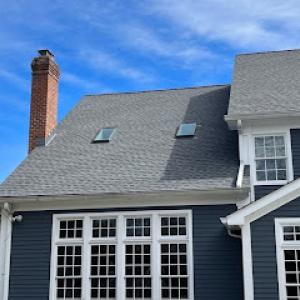
CMW Roofing & Siding
41 McDermott Rd, North Haven, Connecticut
4.8 from 5 reviews
CMW Roofing, Siding, & Gutters has been serving North Haven for over a decade. We offer: Roofing Installation, Roofing Repair, Siding Installation, Siding Repair, Gutter Installation, and Gutter Repair throughout New Haven County and beyond. We are your trusted partner for all of your exterior home improvement solutions. Specializing in roofing, siding, and gutter services, we deliver unmatched quality and expertise to homeowners across the state. Our team of skilled professionals and a commitment to using premium materials, we ensure durability, efficiency, and aesthetic appeal in every project. Whether it's repairing a damaged roof, installing new siding, or upgrading gutter systems, we pride ourselves in exceptional craftsmanship.
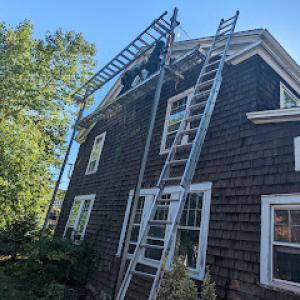
Haven roofing
58 Barton Cir, North Haven, Connecticut
5.0 from 2 reviews
We offering roofing and siding services for all CT, MA , NY we are a family company compromise whit the community to offer the best service was can
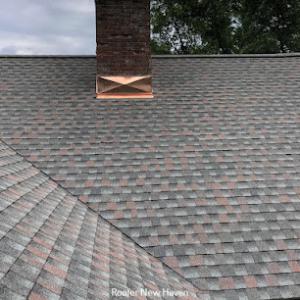
Cinco Home Improvements
(203) 927-5999 www.cincoct.com
Serving
5.0 from 35 reviews
Cinco Home Improvements has been delivering trusted home improvement services in New Haven, CT, since 2005. We’re owner-operated, hands-on, and built on a foundation of clear communication, fair pricing, and high-quality, coordinated work. With a crew that cares and truly loves what he does, we bring exceptional results.

Home Pros
(203) 896-0088 homeprosroofingct.com
Serving
5.0 from 30 reviews
Home Pros is the go-to source for Connecticut homeowners and business owners that need a reliable and experienced roofing contractor. With over 15 years in the industry, the team at Home Pros has the expertise to handle any roofing project: from roofing repairs to replacements. Our team specializes in a variety of roofing and siding services. We got you covered from residential asphalt shingles, Class III and IV impact resistant shingles, Cedar Shake, Slate Tiles and Low Slope. We also help with commercial roofing and siding needs such as EPDM,TPO,PVC, Modified bitumen as well as variety of coatings. Give us a call to help with your home or commercial roofing needs today for high-quality workmanship and excellent customer service!
# 1 In Roofing & Siding
(203) 600-8892 www.1insidingroofing.com
Serving
5.0 from 30 reviews
#1 In Roofing and Siding is a Roofing Company located in Wallingford, CT. We specialize in Roofing Installation, Shingle Repair, Siding Installation, Roofing Repair, and more. We’re #1 for a reason; thanks to our reputation for quality craftsmanship, hard work, and reliable services, we have come to be the premier roofing contractor in Hamden, CT. For a great looking roof that is equally as functional, then the choice is obvious. Call now!
Gerard Remodeling
(475) 434-9786 gerardremodeling.com
Serving
5.0 from 19 reviews
WE ARE A FAMILY COMPANY WITH MORE THAN 20 YEARS WORKING AND HELPING PEOPLE IMPROVE THEIR HOMES.
Pro Exteriors
(203) 909-8075 proexteriorsct.com
Serving
4.9 from 412 reviews
Pro Exteriors was established by a team of industry professionals dedicated to providing the highest quality solutions. Whether you are searching for a roofing contractor, siding or gutter contractor, our team is one of the best in Connecticut. Our efficiency allowed us to quickly become one of the top residential roofing companies, siding repair and replacement contractors, as well as the top gutter company in Connecticut. Pro Exteriors is family owned and operated and committed to delivering the best customer experience on every job. It is time to make Pro Exteriors your preferred roofing, siding, and gutter contractor!

Premier Building Associates
(203) 902-2572 www.pbaroofing.com
Serving
4.5 from 22 reviews
Premier Building Associates offers commercial roofing solutions, from new commercial roofs , roof repairs, roof replacement, and new construction applications. We are involved in commercial, industrial, institutional, governmental and both single and multi-unit residential. We have the staff and material resources to do any job right the first time. We offer prompt professional estimating and roof inspections services free of charge. Please contact us today for your next commercial roofing project.
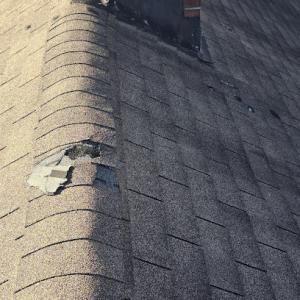
Restoration Roofing
Serving
5.0 from 15 reviews
"We are a roof installation and replacement company since 2016 in New Haven Ct. and will be happy to review any written estimate from a competitor and offer a second opinion. For same-day service, contact us today.Restoration Roofing is your place for roofing, siding installation!
Amity Home Maintenance Solutions
Serving
5.0 from 107 reviews
Amity Home Maintenance Solutions is a fully-insured and licensed exterior home improvement company specializing in Roofing, Skylights, Windows, Gutters located in Branford, CT. Our business model and workmanship are derived from over 45 years of experience in roof inspections, metal / asphalt roofing, water leak detection, chimneys, flashings, skylights, soffit / fascia, painting, decks, windows, doors, siding, and gutters. Our service areas include the following: Branford, Cheshire, Chester, Clinton, Deep River, Durham, East Haddam, East Haven, Essex, Guilford, Hamden, Killingworth, Madison, Middlefield, Milford, New Haven, North Branford, Northford, North Haven, Old Lyme, Old Saybrook, Orange, Wallingford, Westbrook, and Woodbridge, CT.
In North Haven, the timing of roof replacements is shaped by inland New Haven County's freeze-thaw winters, humid summers, and the mix of older colonials and ranch homes. Replacements are typically pushed into late spring through early fall because winter snow and ice and spring moisture make installation conditions less predictable. This is especially true for projects that rely on solid tarps, underlayment exposure windows, and steady temperatures to ensure flashing and sealants cure properly.
Spring in this area brings mixed skies and lingering soil moisture, which can slow tear-offs and as-needed deck repairs. When the calendar turns toward late March and April, keep an eye on extended cold snaps and rain events that push crews off the roof more often than not. North Haven homes with older roofs often have plywood or decking that shows signs of moisture or prior repairs; those signs favor staged work rather than a full, brisk tear-off in a single week. If delays crop up, plan for a slightly longer window between the removal of old shingles and the application of new underlayment, so the roof deck can dry before shingles go down. This helps minimize wind-driven lift on seams and reduces the chance of moisture infiltration during unsettled spring weather.
Fall scheduling in this area can tighten as homeowners try to finish work before colder weather and before leaf buildup affects drainage and final inspections. Leaves clog gutters and valleys, which can mask small leaks until the first hard rain. For a North Haven home, it pays to book a push window a few weeks before peak leaf fall, coordinating with crews to ensure gutters are cleared and downspouts are operable before the final seal and flashing work. With older intersections around chimneys and roof-to-wall joints, the fall timeline helps prevent exposed flashing from lingering through the first snows. If a project spills into late fall, contingency plans should address wind advisories and early frost risk, which can stiffen underlayment and complicate adhesive cures.
Even when weather forces a pause, knowing the typical cold-season constraints helps protect the investment. If a replacement lags into December or January, crews will often target sections of the roof that shed water most aggressively, using temporary protections and rapid-dry laps. For homes with complex chimney intersections or existing warrantied skylights, winter work should be broken into shorter, daylight-focused sessions to minimize cold-weather exposure of sealants. When planning sequencing, align the most vulnerable joints and flashing with the warmest days available in late spring or early fall to maximize sealant longevity and reduce the chance of early leaks during the inevitable spring thaw.
Get a clear picture of your project costs upfront - no commitment required.
D Pacific Restoration LLC | Roofing, Gutters, Siding Experts
(475) 261-7419 www.dpacificrestorationct.com
Serving
5.0 from 12 reviews
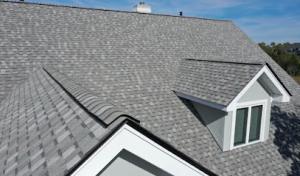

Asphalt shingles are the dominant practical choice for a broad replacement market and match the common residential roof forms found on older colonials and ranches. They handle the freeze-thaw cycles well when installed with proper attic ventilation and drip edge, and they are readily repaired or upgraded in smaller sections without overhauling the whole roof. In North Haven, the long-standing availability of compatible underlayment, flashing details, and practical color options makes asphalt a reliable everyday option. When choosing asphalt, pay attention to shingle granule wear patterns, especially along valleys and eaves, where moisture and leaf debris can accelerate aging. Proper installation around chimneys, vents, and dormer intersections helps prevent early leaks during rapid winter thaws.
Heavier systems such as clay and concrete tile are available in this market, but Connecticut insurers may scrutinize higher-end or heavier roofing systems depending on policy form. If considering these options, evaluate structural support, attic clearance, and roof pitch to ensure the framing can handle the weight. In areas with significant freeze-thaw exposure, tile roofs demand meticulous waterproofing at penetrations and careful flashing where chimneys and intersections occur. While they offer excellent durability and a distinct look, their weight can influence long-term maintenance decisions for aging structures. In any case, ensure professional assessment of load paths and retrofit needs before committing to a heavier material.
Wood shingles and shakes, along with synthetic alternatives, appear in the local material mix and matter for older New England-style homes where appearance and replacement matching can affect decisions. Real wood delivers authentic texture and age-appropriate charm, but it requires careful maintenance to resist moisture absorption, warping, and fungal growth in humid summers. If opting for wood, consider proven sealing schedules and proactive moss and lichen control to extend life in shady wildlife-friendly neighborhoods. Synthetic shingles can offer uniform performance and easier maintenance while imitating the visual of wood or slate; they can be a practical compromise when the goal is a consistent look with less ongoing care. In any case, flashing around chimneys, vents, and skylines should be scrutinized to ensure a tight envelope that resists mid-winter leaks and spring thaw seepage.
Across materials, the critical areas for North Haven homes are proper attic ventilation, effective drainage at eaves and valleys, and robust flashing at chimney intersections and roof-to-wall transitions. Leaf-heavy drainage can overwhelm gutters and encourage standing water, so pair material choices with a reliable gutter and downspout plan. Selecting a material that aligns with the home's architectural character can simplify matching replacements down the line and help maintain curb appeal through the decades.
When planning a full replacement, you'll notice a wide spread in material costs that reflects the mix of older colonials and ranches here. Asphalt shingles sit at roughly 350 to 700 USD per square, a common starting point for budget-conscious projects. Metal roofing ranges from about 600 to 1200 USD per square, with long-term durability a key factor in the higher end. Clay tile lands between 1300 and 2100 USD per square, while concrete tile sits around 900 to 1500 USD per square. Wood shingles or shakes run roughly 600 to 1100 USD per square, and synthetic or composite shingles typically fall between 500 and 900 USD per square. The local cost spread matters because roof angle, attic space, and existing roof complexity can push bids toward either end of these ranges.
Freeze-thaw cycles and humid summers here put a premium on flashing, chimney intersections, and edge details. If your home has an older roof deck or mismatched flashing, expect bids that include extra labor for detailing and potential deck repairs. The cost per square can climb when the project includes upgraded underlayment, improved ventilation, or longer-lasting products to handle repeated freeze-thaw events. Shingle wear from prior seasons and occasional storm damage can also trigger more extensive water barriers and faster replacement timelines, which may shift pricing within the ranges listed above.
Costs in this area can rise when weather compresses the working season into late spring through early fall. A tight schedule means higher demand for crews and equipment, which can push bids upward after storms or winter damage. If a project is scheduled during peak windows, you may see shorter lead times but higher contractor availability costs. Planning ahead and aligning material delivery with calm spells can help moderate labor charges and reduce surprises.
Older colonials often require more detailed work around chimneys and dormers, increasing labor hours and potentially material waste. Ranch-style homes with flatter roofs may present fewer edge details but can struggle with drainage around leaf-heavy gutters, prompting additional drainage components. For those reasons, bids on the same roof style can vary noticeably depending on the level of detailing, sealing, and drainage reinforcement chosen. If you're weighing asphalt versus a premium option, think through long-term performance in the North Haven climate and the expected maintenance interval.
Before any full roof replacement begins, a permit from the town Building Department is usually required. This isn't just a formality-missing permits can trigger work stoppages, fines, and delays that push projects into harsh weather and leaf-heavy seasons when shingles and flashing are already stressed by freeze-thaw cycles. The Building Department will review the project scope, including shingle type, underlayment, flashing at chimneys and valleys, and any roof penetrations that affect drainage. Plan reviews may catch issues that lead to leaks after spring melt, especially where old colonials and ranches meet at complex intersections. Expect site visits during critical milestones, such as after the roof deck is exposed and again when installation is complete.
Inspections occur during and after installation, so your schedule should accommodate access for inspectors and any required corrective work. In North Haven, inspectors look closely at attic ventilation, attic insulation integrity, and proper sealing around dormers and eave lines, all of which influence how freeze-thaw cycles manifest as leaks. Because fees vary by municipality and are assessed by project value, homeowners should expect permit cost to scale with the size and scope of the roof job. If the project involves multiple structures, or an extensive chimney flashing retrofit, the review can extend this timeline. To stay on track, start the permitting process early, keep a clean jobsite, and provide clear elevations and details for sections where old flashing or gutter intersections exist. When inspections pass, you can proceed with confidence, knowing the permit record and documented steps help protect your roof against the area's stubborn winter conditions.
When a winter thaw or spring hail tests an aging roof, having solid, North Haven-specific documentation can make the difference between a smooth claim and a frustrating delay. In Connecticut, insurers commonly ask for current roof-condition photos, evidence of recent damage, prior repair records, and replacement estimates when evaluating wind or hail claims. Gather clean, dated photos from multiple angles: interior attic views showing signs of moisture, exterior surfaces that reveal curling, missing shingles, or flashing gaps, and close-ups of any chips or granules in gutters. Keep a running file of service receipts and notes from any temporary fixes, especially after ice damming or thunder-driven hail events. The more you can demonstrate a clear sequence of events and repairs, the better the odds your claim will be evaluated on the substance of the damage rather than conjecture.
North Haven homeowners considering premium materials or heavier roof systems should verify how their policy treats those assemblies before signing a contract. A heavier roof can change coverage triggers, depreciation schedules, or replacement options, and insurers may require structural documentation or engineering endorsements. If the plan already has wind or hail endorsements, confirm what constitutes a covered loss for the specific assembly installed on a colonial or ranch-style home with typical chimney intersections and tree-lined yards. Do not assume your policy aligns automatically with the chosen upgrade; a mismatch can lead to surprises during a claim, especially after a severe Nor'easter.
Because this is not a major insurer-pullback market compared with some coastal catastrophe zones, claim success in this area often turns more on documentation quality and damage proof than on market-wide availability. Take photos promptly after events, note dates, and preserve material samples or contractor estimates that support the narrative of a loss. If questions arise about whether hail impact or freeze-thaw wear caused the damage, you'll want a clear chain of evidence linking the observed conditions to the incident that triggered the claim.
Flat and low-slope roofing is an active specialty in the area, with demand driven by porch covers, room additions, and small garages on older homes. The common risk is a slow, steady water path rather than a dramatic leak. On these surfaces, the membrane matters more than the top layer, so expect more careful detailing at edges, transitions, and penetrations. Look for soft, pooled areas after rain and for signs of edge buckling or seam lifting where flashing meets wall surfaces. In these spots, ensure the drip edge is properly integrated with the underlying deck, and that fasteners aren't overdriven into the membrane.
Spring humidity can complicate low-slope tear-offs and dry-in timing. When the temperature swings, the roof layer can trap moisture and delay curing of sealants. Plan work for a window when overnight lows are above freezing and daytime warmth helps drive moisture out of the system. Avoid aggressive removal or installation during damp, cool stretches when roll-off dumpsters sit nearby and humidity lingers. Coordinate with crews to allow for proper ventilation of the attic or underlayment space so the new system dries evenly.
Fall leaf accumulation slows water movement on low-slope sections. Proactively map drainage paths on these areas, ensuring scuppers, gutters, and downspouts have clear lines and functional redundancy. Consider additional drainage devices or a slight positive slope toward outlets to prevent water backups. Regular leaf removal in late autumn can prevent unexpected ponding that stresses seams and edges during freeze-thaw cycles.
Find specialists in TPO, EPDM, and built-up flat roofing systems for residential and commercial properties.