Last updated: Apr 19, 2026
Ice dams are not a cosmetic issue here. In this climate, on older colonials and mid-century homes with uneven attic insulation and ventilation, freeze-thaw cycles hammer the roof until sheets of ice push up against the fascia, meltwater backs up behind the dam, and finds its way into ceilings and walls. The risk is highest along eaves, at dormers, around chimney intersections, and where historical roof shapes create tight valleys. A drop of moisture from a single storm can become a long-term leak if the dam is allowed to persist. This is not a problem that resolves on its own; it compounds with each thaw and refreeze, especially after Nor'easters.
Causes you can address now begin with attic conditions. When warm air leaks into an attic that already lacks uniform insulation, snow melts at the top and refreezes at the eaves, forming ice dams. On older homes, venting is frequently uneven, with some rafter bays starved for air and others overventilated, creating cold pockets and warm pockets at the same time. The mass of snow on the roof acts as an insulating blanket, but any heat that escapes near the attic perimeter concentrates meltwater at the lower edge. Ventilation must be balanced with insulation, so warm zones don't push the melt toward the eaves. In addition, flashing where the roof meets dormers, chimneys, and valleys tends to age unevenly on older construction. When those flashing details fail or are undersized for modern snow loads, leaks follow the melt path straight into living spaces.
Targeted hotspots demand special attention before and after storms. The town's density of older colonial-era and mid-century housing means eave details, dormers, and chimney intersections recur as problem areas. Eaves are the first line of defense; if gutters are blocked or fascia boards are weak, creeping water can overwhelm the edge and seep under shingles. Valleys channel water from two roof planes and are prone to debris buildup, which slows drainage and increases dam formation. Chimney flashing often hatchets against stacked mortar and old lead or copper transitions, so gaps widen with temperature shifts. The soffit area behind dormers frequently hides inadequate insulation or vent chutes, creating a ready-made pathway for meltwater to intrude into attic spaces and then into ceilings.
Post-storm checks should be immediate and meticulous. After a Nor'easter, check the eaves for ice buildup and the gutter lines for ice jams that push water back toward the roof edge. Inspect dormer flashing and the intersection where the chimney meets the roof. Look for fresh stains on ceiling drywall around closets or bedrooms beneath the attic, which signals slow leaks from a compromised flashing or compromised attic ventilation. In the attic, pay attention to moisture staining, frost patterns on the rafters, and any suspended insulation that has shifted toward the underside of the roof plane. If there is any sign of active dripping or a steady damp smell, treat it as a leak that needs professional assessment before it penetrates deeper into the home's structure.
Preventive actions to take now center on triage and durable fixes. Improve attic insulation to reduce heat loss and balance ventilation to avoid both hot roofs and cold pockets. Reassess and restore flashing at all dormer intersections and along the chimney line, replacing compromised metal, sealing joints, and ensuring a continuous transition from the roof deck to the wall plane. Remove snow accumulation from the eaves and valleys with caution during storms to prevent water from finding an alternate entry path. Consider upgrading underlayment at problem valleys and around chimneys to a high-quality synthetic or ice-and-water shield that extends beyond the expected drip line. Maintain a clear, functional gutter system and upgrade any deteriorated fascia components that could fail under heavy snow loads. In tight, historic rooflines, consult a specialist who understands both climate demands and the era-specific construction details to preserve the architectural integrity while reducing the ice-dam risk.
Wethersfield's roofing calendar is heavily affected by heavy spring rain and coastal-style Nor'easters that can combine wind-driven rain with delayed drying conditions. Those storms hammer older homes with shallow or complex rooflines, where ice dams aren't the only danger-revealed leaks, compromised flashing, and degraded ventilation can surface quickly as soon as the first warm spell arrives. Plan for proactive checks after each major Nor'easter and after any day with strong gusts and heavy rain. If a roof line looks visibly stressed, treat it as urgent: delayed drying turns minor openings into bigger problems fast.
Older residences in this area often rely on intricate flashing details around chimneys, skylights, and dormers. When Nor'easter winds drive rain sideways and temperatures swing above and below freezing, ice can back up at eaves and rakes, pushing water into soffits and ceilings. In the warmth that follows wet spring weather, even small storm openings can turn into decking exposure, flashing leaks, and ventilation blockages. Inspect attic vents for snow or frost buildup, and check that soffit and ridge ventilation pathways aren't crushed by debris or insulation. A small, well-placed vent is cheaper than chasing rot in the sheathing later.
Connecticut storm claim activity tends to spike after wind and hail events, and adjusters will request before-and-after photos, contractor scopes, and invoices. Keeping a dated record helps you tell a precise story of what happened, where it began, and how it progressed. After a significant Nor'easter, walk the roof edge with a flashlight to look for lifted shingles, loose flashing, torn underlayment, or displaced seals around dormers and skylights. Photograph all suspect areas from multiple angles, including interior ceiling spots that show water staining or increased humidity. Store these records in a dedicated file-digital copies are ideal for quick sharing with your adjuster.
Warm, humid summers following wet spring weather can turn minor storm openings into decking, flashing, and ventilation problems if repairs are delayed. If you see any telltale signs-dark staining on ceilings, damp insulation in the attic, or sudden wind-driven leaks-don't wait for a dry spell. Schedule a trusted local roofer to seal flashing gaps, restore proper ventilation paths, and replace compromised decking promptly. With historic homes and complex rooflines in this area, a quick, targeted fix now can prevent costly, invasive repairs later.
Find local contractors experienced in assessing and restoring roofs after hail, wind, and severe weather events.
The Exterior Company
(860) 740-6855 theexteriorcompany.com
Serving
5.0 from 47 reviews
The Exterior Company is a trusted roofing and siding contractor proudly serving Rocky Hill and the Greater Hartford area. We specialize in roof repair, replacement, siding, gutters, and storm damage restoration for homes and businesses. As a GAF Master Elite and Owens Corning Platinum Preferred contractor, we deliver expert craftsmanship, transparent communication, and strong warranties. Call today for a free inspection and protect your home with Connecticut’s top-rated exterior specialists.
Nayelie Construction
(860) 461-0546 www.nayelieconstruction.com
Serving
5.0 from 19 reviews
Nayelie Construction Roofing & Restoration is a trusted name in the roofing and restoration industry, serving both residential and commercial clients with excellence and integrity. With years of experience under our belt, we have established ourselves as a reliable partner for all property needs, from minor repairs to major renovations.

J.T. Burke & Sons
(860) 289-9381 www.jtburkeandsons.com
Serving
4.9 from 389 reviews
Roofing Contractor, Vinyl Siding Contractor, Aluminum Gutters, Replacement Windows, Family Business...
All Weather Roofing
(860) 785-9000 www.allweatherroofsystems.com
Serving
5.0 from 45 reviews
All Weather Roofing proudly serves the entire state of Connecticut offering top-class commercial and industrial roofing solutions. We understand the unique challenges Connecticut weather presents to your roof, from harsh winters to unpredictable storms. Our team is specialized in handling everything from minor leaks to major repairs and full-scale installations. We use quality materials designed to withstand all weather conditions, ensuring your property remains protected year-round. Whether it's a historical building or a modern structure, Our expertise ensures your roof stands the test of time and all weather. Contact All Weather Roofing for all your roofing needs in CT and beyond.
Millstream Construction
(860) 530-2302 www.millstreamco.com
Serving
4.9 from 314 reviews
Millstream Construction is a top-rated roofing contractor based in Glastonbury, CT, proudly serving homeowners across Hartford, Middlesex, and Tolland Counties. We specialize in roof replacements, roof repairs, storm damage restoration, and gutter installations. With certified crews, premium materials, and industry-leading warranties, we ensure every roof is built to last. Whether you’re in Hartford, Manchester, Middletown, or Vernon, Millstream Construction is your trusted local roofer.
Award Roofing
(860) 878-4268 www.awardroofers.com
Serving
5.0 from 91 reviews
Established in 2017, Award Roofing serves the community as Connecticut's trusted roofing and siding partner, specializing in roof replacements, roof repairs, siding installation, window installation, door installation, and customized gutters. As the chosen roofing and siding partner of UConn Athletics, Award Roofing's commitment to excellence sets a higher standard in roofing and exterior home improvements for homeowners seeking quality, durability, and aesthetics for their homes.
Premier Roofing Services
(860) 866-6067 premierroofsct.com
Serving
5.0 from 54 reviews
Premier Roofing Services is a top-rated local roofing company with over 25 years of experience, proudly serving Rocky Hill and homeowners across Hartford County. We specialize in roof replacement, roof repair, roof inspections, chimney and emergency storm damage restoration. Whether you're searching for roofers near me, roofing companies near me, or GAF-certified roofing contractors close to you, we're available 24/7. Our team also installs vinyl siding for enhanced durability and curb appeal. We frequently work in Newington, Wethersfield, Berlin, Glastonbury, and New Britain—delivering fast response, honest estimates, and guaranteed results. Trusted by hundreds of satisfied clients who value quality and professionalism.
Hemlock Roofing CT
(774) 418-3724 hemlockroofingco.com
Serving
5.0 from 103 reviews
Hemlock Roofing CT serves the Hartford area consisting of roof replacements, roof repairs, and drone inspections. Call for your FREE quote today!
Bartlett Brainard Products
(860) 233-4475 bartlettbrainard.com
Serving
4.7 from 40 reviews
Unleash the potential of your home with Bartlett Brainard Products! Rooted in West Hartford since 1921, we're a third-generation company excelling in roofing, siding, windows, doors, and more. We take pride in our craftsmanship and commitment to quality, recognized as we clinched West Hartford Magazine's Best of We-Ha award for the 7th consecutive year. As BBB members, we underscore our dedication to integrity and customer satisfaction. Handpicking only premium brands like Andersen, Certainteed, Harvey, Owens Corning, ProVia, and Wolf, we deliver a fusion of style and durability. Need a trusted partner for your exterior transformation? Call for a complimentary estimate. Don't forget to follow us on Facebook!
Turner Home Improvement Contractors
(860) 633-1400 www.turnerhomeimprovement.com
Serving
4.8 from 192 reviews
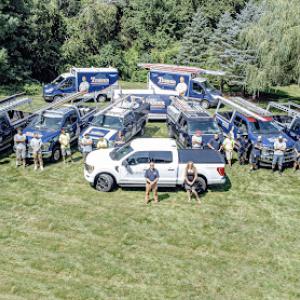
Turner Home Improvement Contractors, LLC is Glastonbury’s trusted roofing contractor, serving homeowners across Connecticut since 1955. As a GAF Master Elite roofer, Turner specializes in roof replacements, repairs, and inspections—plus siding, windows, doors, and gutters. Their Glastonbury-based team delivers energy-efficient, low-maintenance exterior upgrades built to last. For honest pricing, expert craftsmanship, and a home that stands out, choose Turner Home Improvement—your local roofing and remodeling company in Glastonbury, CT.
Zaman Roofing - CT Roofing Contractors & Roof Repair
(860) 977-8042 zamanroofing.com
Serving
5.0 from 62 reviews
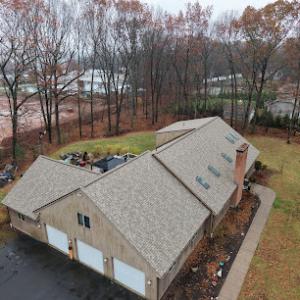
Looking for reliable roofing companies in CT? We’re your go-to roofer & the best roofing contractors in Connecticut. Connecticut roofing contractors for roof repair, roof leak repair. Top Roofing Contractor in Newington. As trusted CT roofing contractors, we prioritize expertise & customer satisfaction. Count on us for all your roofing needs as we stand out among roofing companies in CT. We prioritize the security and durability of your roof. Our skilled CT roofing contractors use high-quality materials & proven techniques for long-lasting results. Choose the best roofing company in CT—Zaman Roofing. Contact us for reliable CT roofing contractors providing personalized solutions for roof repair. Experience the difference with Zaman Roofing!
John's Roofing Siding & Windows
(860) 490-8952 www.johnsrsw.com
Serving
4.7 from 78 reviews
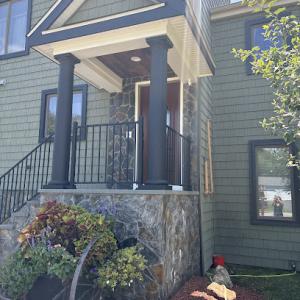
John's Roofing Siding & Windows provides roofing, siding, windows, doors, and gutters to the Tolland and Hartford counties of Connecticut.
Asphalt shingles remain the practical default for the town's dominant residential roof forms. They're familiar to local builders and easier to repair after winter and spring storm damage. For older colonials or traditional capes, standard 3-tab or architectural shingles blend with historic lines while offering straightforward maintenance. When you're tackling ice dam risk, ensure your shingles sit under a solid underlayment that resists moisture infiltration and that the attic is ventilated enough to keep the roof deck near ambient winter temperatures. In a home with multiple generations of additions, a single shingle color and profile that matches nearby homes helps with aesthetics and resale value, while still delivering reliable performance through CT's freeze-thaw cycles.
Metal roofing performs well against snow shedding and freeze-thaw stress in this part of Connecticut. If your plan involves replacing a steep roof or an addition with a metal layer, prioritize a system that handles ice dams without channeling meltwater under poorly flashed penetrations. Metal's low weight and durability suit many historic additions that were retrofit with lighter materials. Pay extra attention to detailing around older penetrations, chimneys, and flashing lines where roof-to-wall transitions meet masonry. For homes with long eaves and corner dormers, consider a standing-seam profile that minimizes seam leaks and reduces maintenance around ridge vents. Proper insulation at the attic edge helps metal roofs deliver their best performance without creating new condensation risks.
Clay, concrete, wood, and synthetic products do appear in the market, but their suitability hinges on structural load, moisture exposure, and compatibility with older architectural styles. Clay and concrete tiles are heavy and can burden undersized roof structures; they also demand careful flashing around chimneys and skylights to prevent ice dam formation. Wood shingles and shakes provide period-accurate aesthetics but can be less forgiving in damp, freeze-thaw conditions unless properly treated and ventilated. Synthetic alternatives offer design flexibility and sometimes improved performance, yet still require sound underlayment and compatible flashing details to handle CT winters. In homes with limited attic space or aging framing, any heavier option should be evaluated for its impact on the roof's overall load and its interaction with existing ventilation. Prioritize systems that integrate well with existing flashing at chimneys and wall intersections, and that accommodate efficient venting to reduce interior moisture driving ice dam formation.
Your older home likely uses masonry chimneys that meet the roof at multiple angles and heights, with dormers or additions that create extra flashing transitions. Each junction where chimney, dormer, or wall meets the roof is a potential leak point, especially after a heavy Nor'easter or a thaw. When a contractor surveys the roof, expect attention to the chimney cricket, proper step and counter-flashing, and careful sealing around brick joints. A common pitfall is treating chimneys as single barriers; in practice, every notch, chimney throat, and down-slope joint deserves direct flashing attention.
Chimney-adjacent leaks are a meaningful local concern because many contractors in this market advertise chimney-related work alongside roofing. If you notice damp spots near brickwork, mortar cracks, or soot-like staining on interior ceilings near eaves or exterior walls, schedule an inspection that isolates chimney-to-roof interfaces. In older homes, a shifting ridge line or slight settlement can twist flashing over time, creating slow leaks that worsen with freeze-thaw cycles. Proactive resealing, re-flashing, and, when appropriate, reinstalling portions of the chimney flashing can prevent dramatic interior damage.
Skylight repairs require extra care in the freeze-thaw climate because failed seals and flashing can worsen quickly through winter and spring storm cycles. Look for condensation between panes, lens fogging, or peeling interior paint around the skylight opening. The surrounding flashing should be continuous and properly integrated with adjacent dormer flashing to avoid snow buildup and ice dam development at the curb. When replacing or resealing, insist on a thorough test that simulates typical winter loading to ensure the seal remains watertight as temperatures swing.
With older stock, roof components rarely operate in isolation. A robust plan coordinates chimney flashing, dormer detailing, skylight integrity, and any new additions so that a single weak link doesn't compromise the whole roof. In practice, expect a cautious, methodical approach: meticulous surface preparation, precise flashing installation, and targeted repairs that focus on the sites most prone to ice dam formation and water ingress.
Find contractors experienced in skylight installation, flashing, and leak repairs to bring natural light into your home.
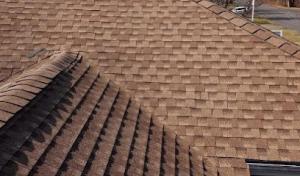
Replacement timing in this town is driven more by late-wall and valley conditions than by a single dry season. Winter emergency work happens frequently, but full replacement often gets pushed back by spring rain patterns and Nor'easter recovery backlogs. If the roof shows advanced age, numerous soft spots, or consistent leaking that worsens after every thaw, plan with a margin for weather delays. The goal is to pick a window where you can complete tear-off, ventilation upgrades, and flashing rework with solid drying time and without squeezing work into a handful of stormy days.
Summer humidity can collide with project timelines, and tropical storm remnants may interrupt tear-off and drying windows. That means scheduling flexibility matters more here than in drier inland markets. Try to align the work to a consecutive stretch of dry days, ideally avoiding peak heat spells that can slow tarps, nailing, and insulation drying. If a late-summer pattern promises stable weather, reserve a few consecutive weeks for the crew to complete both removal and installation without repeated start-stop cycles. When autumn arrives, the leaf drop in established neighborhoods increases debris in valleys and gutters, so planning for late-season cleanup and ventilation checks becomes part of the replacement plan.
Older homes in the area often rely on complex flashing details and less-than-ideal attic ventilation. If ice dams have appeared for multiple winters, the underlying issues are likely elevated by reduced venting and cold-bridged decks. Replacement should include a thorough inspection of all flashing around chimneys, skylights, and roof-to-wall transitions, with a plan to upgrade or reseat flashing where corrosion or gaps are found. Ventilation improvements are a practical priority: a balanced intake and exhaust strategy helps manage attic heat in summer and reduces ice-dam risk in winter. Expect to address soffit vents, ridge ventilation, and potential baffles, especially on older colonials where ceiling heights and attic spaces vary.
Wethersfield homes span from modest Cape styles to grander colonials, often with historic detailing. The choice of material should respect the roofline and existing aesthetic while delivering reliable performance in freeze-thaw cycles. For many older homes, asphalt or synthetic shingles paired with properly detailed flashing and upgraded ventilation provide a durable, economical solution that respects the town's historic character. If a higher-end material is considered, ensure the installation crew understands the nuances of flashing integration with chimneys, dormers, and valley configurations common to established neighborhoods.
Get a clear picture of your project costs upfront - no commitment required.
Zaman Roofing - CT Roofing Contractors & Roof Repair
(860) 977-8042 zamanroofing.com
Serving
5.0 from 62 reviews
Local pricing is affected by the mix of older homes, steeper traditional rooflines, and detail-heavy penetrations such as chimneys, dormers, and skylights common in Wethersfield. Those features drive more labor time for flashing, ice-dam prevention, and ventilation work, which can push up both material and installation costs compared with newer, simpler roofs. In practice, expect crews to budget extra for accurate ice-dam controls and for careful work around historic roof edges.
Material choice is not just aesthetic: heavier tile products may require structural review on older homes, while metal and synthetic systems can raise upfront cost but change winter performance. Asphalt shingles remain common and cost roughly 350-650 per square. Metal roofing runs about 600-1100 per square, with clay tile 900-1800 per square and concrete tile 1000-1900 per square. Wood shingles/shakes average 700-1300 per square, and synthetic/composite shingles 550-950 per square. In this climate, proper ventilation and robust flashing around chimneys, dormers, and skylights are essential to fight ice dams and ice build-up along eaves.
Storm-driven demand spikes after Nor'easters and spring wind events can tighten contractor availability and push labor scheduling costs upward in this market. For a typical replacement, plan for realistic lead times and be prepared for rapid weather shifts that require temporary protective measures during replacement windows. Ice-dam prevention and venting upgrades may add value beyond raw material costs, especially on older colonial or detail-heavy homes where eaves, soffits, and attic ventilation are leveraged to reduce winter damage.
Budget ranges are provided per square as noted above. When choosing materials, weigh not only upfront costs but also how each option interacts with attic ventilation needs, flashing detail, and the potential for long-term performance in freeze-thaw cycles.
Don't let upfront costs delay a critical repair - these contractors offer payment plans to fit your budget.

Connecticut Roofing Solutions
(860) 245-9665 www.connecticutroofingsolutions.com
Serving
5.0 from 215 reviews
In this part of the Connecticut River valley, a full roof replacement in Wethersfield typically requires a permit through the Town of Wethersfield Building Department. Your project review helps ensure that old homes with historic features, complex flashing, and ice-dam risks are addressed properly before any nail drive begins. The permit review is not a formality you skate past; it sets the expectations for ventilation, flashing detail, and fastening methods that matter in these climates. Plan to align your approach with the town's code language rather than treating permits as optional paperwork.
Permit submissions generally include project details, material specifications, and contractor qualification information before work is approved. For homes with historic or colonial characteristics, expect questions about flashing transitions at eaves and valleys, as well as attic ventilation strategy designed to mitigate freeze-thaw damage. Accurate roof diagrams, a brief outline of underlayment choices, and a concise description of fastener types help the Building Department assess waterproofing resilience and wind performance. If the property has historic elements or unique rooflines, request guidance early on about any required adjustments to preserve character while meeting current standards.
Inspections are usually scheduled after installation and commonly focus on ventilation, flashing, and fastening quality rather than only the finished appearance. Expect inspectors to verify that soffit and ridge ventilation ducts are properly installed to address winter condensation and ice-dam risk. Flashing at hips, valleys, chimneys, and skylines should be installed with durable sealant and corrosion-resistant metal in the appropriate profile for your roof type. Fastening should demonstrate adequate nailing through sheathing, with attention to ice-dield areas where snow load and wind direction interact. If any retrofit work-as in upgrading attic insulation or adding baffles-was part of the plan, be prepared for an additional check to confirm overall attic performance meets current standards.
In Wethersfield, homeowners face an insurance landscape where standard covered perils include wind, hail, and fire, but the way a claim is documented matters. After a Nor'easter or lingering winter, carriers may look closely at the replacement scope, especially when the claim hinges on wind or hail rather than sudden visible puncture damage. This means the path from damage to approval can require precise records and a defensible narrative of what failed and why.
In a town where winter freeze-thaw cycles meet spring storms, leaks rarely arrive as one dramatic event. Instead, moisture can migrate and worsen over weeks. You should track this progression with dated photos and notes as the season changes. Temporary repairs are common, but they can complicate claims if they obscure the underlying cause. Having a credible sequence of images helps demonstrate deterioration that aligns with typical seasonal patterns rather than a single, isolated incident.
Before patchwork fixes become a default, secure an independent assessment from a trusted local roofer who understands older colonials and their flashing needs. Wethersfield homes often rely on flashing details that were not designed for modern wind loads or extended freeze-thaw cycles. A professional evaluation can identify ice dam risk points, ventilation gaps, and flashing vulnerabilities that insurance adjusters expect to see documented.
Because winter damage and spring storm losses both appear in this climate, avoid assuming a single fix will resolve future risk. Documented improvements-proper insulation, upgraded ventilation, and properly sealed flashing-not only reduce damage but also shape future claim outcomes. A careful homeowner can balance timely repairs with long-term resilience, avoiding the double hit of repeated leaks and contested coverage after the next storm.
While this town is known for its pitched-roof homes, many properties bear later additions, porches, or attached garages with low-slope sections. These areas fail differently than the main roof, especially when spring rain follows a heavy winter and drainage paths are blocked by leaves, pine needles, or snowmelt debris. In practice, look for soft spots, repeated dampness along eave lines, and staining where a thin, flat plane meets a steeper main roof. Ice dam memory can travel into these pockets, where heat loss and poor drainage compound the problem. In older inventories, low-slope pockets may sit under soffits that vent poorly or lack proper eave overhangs, increasing the chance of condensation and moss growth.
Ventilation on a low-slope section must be deliberate and distinct from the main roof. A shared ventilation plan can trap heat in one area and starve another, so install gable or soffit vents specific to the addition, with a dedicated ridge or mechanical exhaust to move moist air out of the low-slope zone. Flashing should be continuous and tied into the main flashing system, not merely caulked to an adjacent surface. Use counter-flashing where the low-slope meets a vertical wall, and seal the transition with a compatible, flexible material that remains stable through freeze-thaw cycles. In Wethersfield's climate, ensure the flashing is sized for winter snow loads and the potential for ice backup along the joint between the addition and the house.
Mixed-roof homes in town often need separate material and ventilation strategies for the main house and the addition rather than a one-system approach. Choose materials with compatible expansion properties and color tones that minimize heat retention differences between planes. For the main roof, standard shingles or metal may work, but the addition may benefit from a flatter profile or a low-slope-specific membrane underlayment. Ventilation devices should be independently controlled where possible to prevent cross-flow from one area to another, and insulation in the wall and roof line should be continuous around the transition to reduce cold spots.
In spring, inspect the low-slope sections after snow melts and during early rainstorms. Clear debris from drainage paths and verify that downspouts discharge away from foundations and into permeable areas. Check for scupper or valley blockages and ensure gutter seams remain sealed. Ice dam prevention begins here: keep the eave line clear, confirm proper insulation at the perimeter, and watch for wind-blown leaves gathering along the joints. If the addition has its own mechanical exhaust, service it seasonally to prevent moisture buildup in the attic space of the main house. When issues arise, address them promptly to avoid concentrated damage along the transition between the old roof and the new, a common failure point in this region.
Find specialists in TPO, EPDM, and built-up flat roofing systems for residential and commercial properties.
Connecticut Roofing Solutions
(860) 245-9665 www.connecticutroofingsolutions.com
Serving
5.0 from 215 reviews
In Wethersfield, planning solar should be coordinated with the age of the roof, because replacing an aging roof after panel installation adds avoidable labor and penetrations. If the roof is near the end of its life, it often makes sense to align a full roof replacement with the solar project to minimize future disruption and avoid additional scabbing of rafters or reflashings. The goal is a single, clean integration rather than a patchwork of later work.
Older roof decks and complex roof geometry are common on town historic homes, and they can affect how easily solar-integrated work is sequenced with replacement. When sections of roof have multiple planes, valleys, or dormers, the installer should map where panels, racking, and wiring will sit relative to rafters and existing insulation. This helps prevent foot traffic on delicate sections and reduces the risk of compromising deck integrity or creating hidden voids that trap moisture.
Homeowners considering solar in Wethersfield should verify flashing and attachment details carefully because freeze-thaw conditions can magnify small installation errors. Pay close attention to how penetrations are sealed where the roof meets skylights, chimneys, or vent stacks, as missteps can create winter seepage or ice dam pathways. Choose mounting hardware rated for the climate and ensure that flashings at transitions stay above potential snow line and away from where ice dams commonly form.
If a roof upgrade is planned within a few seasons, coordinate panel installation so that penetrations are minimized and flashing upgrades align with shingle or tile replacement. For historic or layered roofs, request a phased plan that preserves architectural features while delivering durable weatherproofing. A well-timed solar retrofit can extend the life of the roof surface, but poor sequencing often leads to repetitive work and avoidable damage.
Find contractors who integrate solar panels or solar shingles into your roof for long-term energy savings.