Last updated: Apr 19, 2026
Glastonbury's cold winters and repeated freeze-thaw cycles are more than a nuisance; they drive real, measurable wear on roofs. When nighttime temperatures drop below freezing and daytime temps rise above it, moisture trapped in shingles, underlayment, and decking can freeze, crack, and push apart layers. In our climate, those small failures compound year after year, accelerating deterioration on older roofs and undermining any later replacement. This is not a vague risk-it's a concrete, seasonal stress that shows up as hairline cracks in shingles, granule loss, and faster decay at eaves and valleys. The result is not only a higher chance of leaks, but a diminished lifespan for the entire roof assembly if the ice dam cycle isn't addressed promptly.
In this town, attic ventilation is central, not optional. A roof that breathes properly responds to winter's demands by keeping the roof deck closer to indoor temperature, reducing the temperature differential that fuels ice dam formation along eaves. When you replace or upgrade, the attic should be evaluated for intake and exhaust balance, including soffit and ridge or gable vents. Pay particular attention if your home has an older roof assembly under modern replacement materials. The result can be a performance mismatch if a vent-rich attic is paired with a tight, modernized roof deck without adjusting vent pathways. During replacement, insist on a ventilation plan that aligns with the entire roof system, factoring in any retrofit of insulation and the pathways for air to move from soffits to peak. In practice, that means more than a vent here and there; it means a cohesive strategy that accounts for the building's age, the roof's pitch, and the typical snowpack you see each winter.
Snow and ice lingering on shaded roof planes is a practical issue in this area because mature tree cover is common in established neighborhoods. The shade from oaks, maples, and evergreens can create persistent cold pockets, allowing ice dams to form where water flow slows or refreezes at the eaves. If your roof planes stay damp or iced after a storm, you need to inspect for potential blockages in gutters and downspouts, as well as check for undershingle damage where ice build-up concentrates. Roofing material choices matter here: some profiles shed snow more predictably, while others accumulate meltwater that refreezes in predictable dam patterns. In shade-prone zones, you may see the same spots repeatedly affected-this is a sign to adjust ventilation, add insulation, or reconfigure drip edges to encourage outward drainage.
Homes in town commonly combine older roof assemblies with modern replacement materials, so ventilation review during replacement is especially important in local permit review. When you layer new materials over an old substrate, you're stacking different thermal and moisture behaviors. That mismatch can trap moisture or create hot spots that age components unevenly. A careful diagnostic should map the exact material mix, confirm compatibility, and ensure fasteners, underlayment, and flashing are suited to both the old structure and the new face of the roof. If you're planning a replacement, treat the project as an opportunity to harmonize the entire system: venting, insulation, flashing, and the new surface should act as a single, climate-aware envelope that resists the winter's freeze-thaw stress.
Start with a targeted attic and roof survey focusing on ventilation balance, insulation depth, and signs of dam-related water intrusion. Note any recurring ice dams along eaves after storms and track whether shaded planes differ from sun-exposed sections. If you're approaching replacement, demand a coordinated plan that documents the full assembly-deck, underlayment, flashing, and the chosen surface material-along with a clear ventilation strategy. In Glastonbury's climate, proactive maintenance and a thoughtfully designed roof system are not luxury touches-they're essential protections against seasonal damage that compounds quickly if left unchecked.
Periodic wind and hail events are a recognized local roofing risk in this river valley town, and insurers in Connecticut often scrutinize these claims closely. Mature tree cover adds the potential for branches and debris to batter exposed edges, gutters, and vent stacks during storms, so the first response after a storm must be to assess both impact and material wear. Autumn's shifting storms can produce active leaks in the short term while also triggering a wave of claims that flood local crews' schedules. That makes timely action crucial: the moment a storm passes, you're playing catch-up with weathered shingles, damaged flashing, and weakened attic ventilation.
In this market, timely photo documentation and a licensed contractor's estimate are especially important because carriers may question whether damage is storm-related or age-related. You should treat each event as a potential claim event, even if damage seems minor at first glance. Clear, dated photos taken from safe angles help establish the storm chronology and the extent of immediate damage. Keep a simple damage log: note the date, wind gusts reported locally, and visible signs such as lifted shingles, curled edges, or granule loss. A professional estimate from a licensed roofer that names storm-related causes can be decisive in separating an urgent repair from ongoing wear-and-tear.
Autumn storm activity can create both active leaks and sudden demand spikes for roofers, which affects response times after events. If leaks are present, prioritize temporary measures to slow water intrusion and protect interiors, even before a full assessment. Don't delay calling a licensed contractor if you notice loose flashing, shingle displacement, or obvious granule loss. In Glastonbury, the first 24 to 72 hours after a major wind or hail event often dictates how cleanly a claim will proceed; later-onset moisture and hidden damage can complicate coverage if not documented promptly.
Before any storm season, walk the perimeter with a critical eye for vulnerable spots around chimneys, vents, and skylights, and rehearse a quick photo routine. After a storm, photograph from multiple angles, including the roof edge, gutters, and interior attic spaces for signs of moisture intrusion. Obtain a written estimate from a licensed contractor that itemizes storm-related damage and the proposed remedy. If insurance coverage is anticipated, keep these records organized by storm date and maintain a simple folder for each incident to prevent misinterpretation during the claim review.
Find local contractors experienced in assessing and restoring roofs after hail, wind, and severe weather events.
Award Roofing
(860) 878-4268 www.awardroofers.com
58 Kreiger Ln, Glastonbury, Connecticut
5.0 from 91 reviews
Millstream Construction
(860) 530-2302 www.millstreamco.com
255 Williams St E, Glastonbury, Connecticut
4.9 from 314 reviews
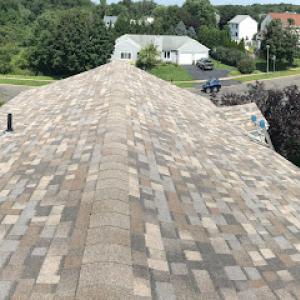
Slavin Home Improvements
Glastonbury, Connecticut
5.0 from 453 reviews
Slavin Home Improvements is located at Manchester, Connecticut. We handle all phases of home improvements, specializing in siding, roofing, and windows. Slavin Home Improvements offers services statewide.
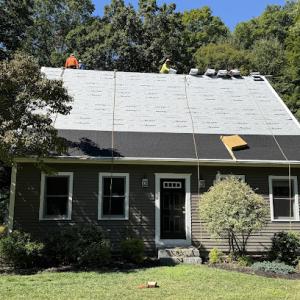
Award Roofing
(860) 878-4268 www.awardroofers.com
58 Kreiger Ln, Glastonbury, Connecticut
5.0 from 91 reviews
Established in 2017, Award Roofing serves the community as Connecticut's trusted roofing and siding partner, specializing in roof replacements, roof repairs, siding installation, window installation, door installation, and customized gutters. As the chosen roofing and siding partner of UConn Athletics, Award Roofing's commitment to excellence sets a higher standard in roofing and exterior home improvements for homeowners seeking quality, durability, and aesthetics for their homes.
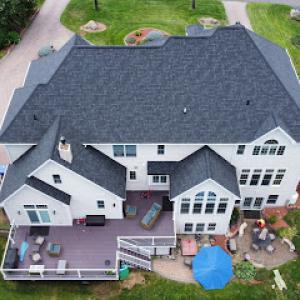
Millstream Construction
(860) 530-2302 www.millstreamco.com
255 Williams St E, Glastonbury, Connecticut
4.9 from 314 reviews
Millstream Construction is a top-rated roofing contractor based in Glastonbury, CT, proudly serving homeowners across Hartford, Middlesex, and Tolland Counties. We specialize in roof replacements, roof repairs, storm damage restoration, and gutter installations. With certified crews, premium materials, and industry-leading warranties, we ensure every roof is built to last. Whether you’re in Hartford, Manchester, Middletown, or Vernon, Millstream Construction is your trusted local roofer.
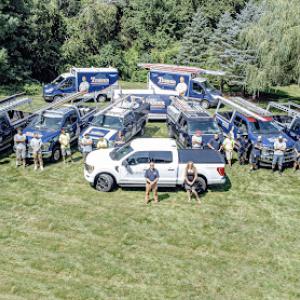
Turner Home Improvement Contractors
(860) 633-1400 www.turnerhomeimprovement.com
182 Oakwood Dr B1, Glastonbury, Connecticut
4.8 from 192 reviews
Turner Home Improvement Contractors, LLC is Glastonbury’s trusted roofing contractor, serving homeowners across Connecticut since 1955. As a GAF Master Elite roofer, Turner specializes in roof replacements, repairs, and inspections—plus siding, windows, doors, and gutters. Their Glastonbury-based team delivers energy-efficient, low-maintenance exterior upgrades built to last. For honest pricing, expert craftsmanship, and a home that stands out, choose Turner Home Improvement—your local roofing and remodeling company in Glastonbury, CT.
Seamless Roof Systems
(860) 416-6414 www.seamlessroofco.com
Glastonbury, Connecticut
5.0 from 9 reviews
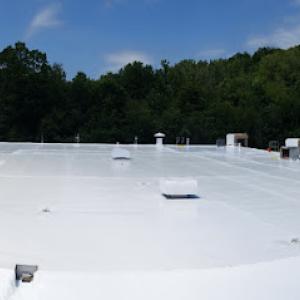
Whether you need roof maintenance, repairs, or installations, turn to Seamless Roof Systems. For over 15 years, the company has been providing Hartford, Tolland & Newlondon County commercial property owners with quality roofing services at fair prices. Seamless Roof Systems specializes in roof coatings, flat roof repairs, restoration, replacement. Call now to schedule an appointment. Seamless Roof Systems takes the time to discuss all the options and products available to you and even provides a written estimate and the processes involved. Warranties up to 10 years are also included with all work and products along with service and maintenance contracts to prolong the life of your roofing investment.
Roofing Contractor of Addison
(860) 735-4846 roofer-addisonct.com
37 Addison Rd, Glastonbury, Connecticut
5.0 from 8 reviews
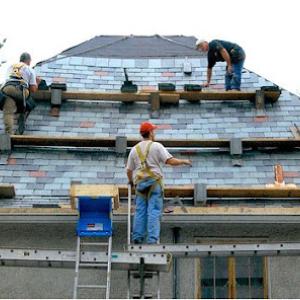
At Roofing Contractors of Addison we offer a wide range of roofing options that will help keep your home or business look its best. From roofing services such as installation, maintenance, and replacement to roof products such as steel – we got everything covered. Our company serves both residential and commercial customers in Addison and surrounding areas. We can help make sure that you’ll thrive as you enjoy life in the area.
Greenwood Industries
(888) 653-7663 greenwoodindustries.com
734 Hebron Ave, Glastonbury, Connecticut
4.6 from 9 reviews
Commercial roofing contractor also offering services such as waterproofing, and masonry.
Luxury Roofing & Design
52 Harvest Ln, Glastonbury, Connecticut
5.0 from 2 reviews
Looking for roofing service? Leave it to us professionals to get the job done right! Whether it’s a full roof replacement, new roof replacement, or even a general roof repair! Leave it to the experts with certifications! We have highly qualified technicians they have been in the field for over 30 years! We do it all from residential roofs to commercial roofs, architectural shingles to roll roofs! We are proud of our work and we support our veterans we are a family owned and operated business! We are also the very few that offer military discount. Message us today for a free estimate I guarantee we will beat our competitors prices! Sincerely, -Luxury Roofing Family 
The Exterior Company
(860) 740-6855 theexteriorcompany.com
Serving
5.0 from 47 reviews
The Exterior Company is a trusted roofing and siding contractor proudly serving Rocky Hill and the Greater Hartford area. We specialize in roof repair, replacement, siding, gutters, and storm damage restoration for homes and businesses. As a GAF Master Elite and Owens Corning Platinum Preferred contractor, we deliver expert craftsmanship, transparent communication, and strong warranties. Call today for a free inspection and protect your home with Connecticut’s top-rated exterior specialists.
Spinelli Exteriors llc - CT GAF roofing, windows, siding, Provia doors, & Gutters
Serving
5.0 from 83 reviews
Spinelli Exteriors has over 20 years of experience in roofing, windows, gutters, and doors. A GAF certified roofing contractor in CT Specializing in roof repair and full roof replacement located in the central CT area. Our main goal is deliver high end materials and installation at a better price. The owner is always on site for every job and no detail gets over looked. We aim to deliver a much different experience than your average roofing contractor. Portland, Glastonbury, Cromwell, Marlborough, Hebron, East Hampton, Tolland, Manchester, West Hartford, Newington, Berlin, Avon, Simsbury, Farmington, Middletown, Columbia, East Hartford, Old Saybrook, Windsor, Clinton, Coventry, Granby,
Napolitano Roofing
(860) 519-4900 www.napolitanoroofingct.com
Serving
4.5 from 24 reviews
Napolitano Roofing is Connecticut's preferred choice for Roof Maintenance, Repair and Installation. Located in Central Connecticut, with over 10 years experience, we bring quality craftsmanship to every situation, from Shingle Repair to Complete Roofing Systems.
All Weather Roofing
(860) 785-9000 www.allweatherroofsystems.com
Serving
5.0 from 45 reviews
All Weather Roofing proudly serves the entire state of Connecticut offering top-class commercial and industrial roofing solutions. We understand the unique challenges Connecticut weather presents to your roof, from harsh winters to unpredictable storms. Our team is specialized in handling everything from minor leaks to major repairs and full-scale installations. We use quality materials designed to withstand all weather conditions, ensuring your property remains protected year-round. Whether it's a historical building or a modern structure, Our expertise ensures your roof stands the test of time and all weather. Contact All Weather Roofing for all your roofing needs in CT and beyond.
Late spring through early fall is typically the best replacement window for a Glastonbury roof project. That period helps reduce weather delays and supports better material handling, especially with the Valley's changeable spring conditions and the way that roofs first thaw after winter. Start planning for a spring kickoff if possible, when crews can move shingles, underlayment, and barrier wrap more predictably without the shock of an unrelenting storm front. From a practical standpoint, choosing a stretch in May, June, or early September often yields the fewest unplanned holdovers and keeps delivery trucks from sitting in winter lanes while snow is still in shadowed corners.
Spring thaw brings more than budding trees and fresh lawns. Frequent rainstorms can interrupt tear-offs and underlayment work, making early-season scheduling less predictable locally. When rain is in the forecast, a common pattern is to shift to dry days for the critical steps: removing old shingles, sweeping the roof deck, and securing underlayment seams. If a storm passes, crews may need to restart sections rather than pushing through. Plan for potential slowdowns by coordinating with the installer for a flexible sequence that avoids stacking vulnerable tasks on wet days, and ensure drainage paths are kept clear so water does not pool under work areas or back up into attic spaces.
Summer heat can affect installation pace on exposed roof areas. In Glastonbury's sun-lit afternoons, asphalt and composite shingles can become more pliable, while metal and tile can reflect heat and create hotter work zones. A practical approach is to schedule the most labor-intensive steps early in the day and to build in shaded breaks where possible. If the home has a tall canopy of mature trees, use the shade to your advantage, but verify that branches near the ridge do not create debris traps during the replacement. For homes with attic ventilation challenges, ensure that available soffit, ridge, or turbine vents are addressed early in the project so the inside temperature remains manageable for workers and the interior spaces.
Winter snow and ice can delay both deliveries and inspections in town. Snow loading on the roof can complicate the removal of old materials and the installation of underlayment. In practice, scheduling during a stretch of dry, cold-but-not-freezing days is ideal, as it reduces the risk of ice dams forming behind new layers and gives a stable surface to work on. If a winter window is unavoidable, outline a contingency plan with the contractor that includes protected storage for materials, clear pathways for crews, and a realistic milestone timeline that accounts for potential cold snaps.
Regardless of the exact dates, the best result comes from aligning weather-aware scheduling with a rapid, well-coordinated sequence. Ensure a thorough attic inspection beforehand to identify existing ventilation gaps that could fuel ice dam formation. Confirm that roof sheathing is dry and solid before laying underlayment, since a clean, dry deck is essential in freeze-thaw cycles. A steady hand on ice dam prevention starts with proper insulation, ventilation, and a well-sealed eave detail, making the chosen window choices even more impactful for a long-lived roof.
Get a clear picture of your project costs upfront - no commitment required.
Seamless Roof Systems
(860) 416-6414 www.seamlessroofco.com
Glastonbury, Connecticut
5.0 from 9 reviews
Luxury Roofing & Design
52 Harvest Ln, Glastonbury, Connecticut
5.0 from 2 reviews
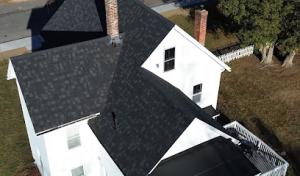
Asphalt shingles dominate the local market because they fit the town's large stock of pitched residential roofs and offer the broadest contractor availability. For Glastonbury's freeze-thaw cycles, choose a shingle with a durable seal and good granule retention to resist ice damming and wind uplift. A properly installed underlayment and continuous attic ventilation are essential accompaniments to asphalt, helping to keep roof decks cooler and reduce condensation that can fuel ice formation along eaves. When selecting colors, lighter shades reflect sun exposure, aiding winter thaw and reducing heat-driven expansion on exposed rafters.
Metal roofing is a meaningful but smaller specialty in Glastonbury, often considered by homeowners prioritizing snow shedding and long-term durability through freeze-thaw cycles. If metal is on the radar, look for roofing systems with adequate underlayment, accurate attic ventilation, and a concealed fastener design to minimize ice buildup at seams. Metal can excel on steeper pitches or additions where snow tends to accumulate, but schedule coordination remains important due to availability among local crews. Proper snow guards and edge details further help manage meltwater during mid-winter thaws.
Clay tile and concrete tile exist in the market but are more specialized locally, which can affect crew availability and scheduling. These materials bring distinctive aesthetics and high durability, yet their weight and installation nuances require experienced crews and reinforced roof decks. Wood shakes add character but demand careful maintenance to prevent moisture intrusion and splitting during freeze-thaw cycles. If considering these options, plan for longer lead times and ensure a qualified installer accounts for ventilation and insulation compatibility with the existing attic space.
Synthetic or composite shingles occupy a middle ground, offering varied textures and improved cold-climate performance without the commitment of heavier tile systems. They can be a good fit on mid-century or newer homes with standardized framing, provided installation follows manufacturer guidance for ventilation and underlayment. In neighborhoods with mature tree canopies, consider products with enhanced impact resistance and dimensional stability to resist branch strike and wind-driven debris that can compromise integrity during winter storms.
Across all options, the thread tying performance together is attic ventilation and proper drainage. A well-ventilated attic lowers dew-point risk, minimizes ice dam risk, and extends roof life in the valley's freeze-thaw climate. Ensure soffit vents, ridge or low-profile vents, and a continuous insulation layer work in concert with the chosen roof type. An emphasis on uniform insulation around eaves and penetrations helps reduce meltwater intrusion and preserves interior comfort during cold snaps.
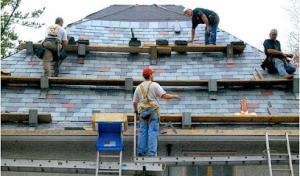
When you're planning a re-roof in this area, the work often starts with tearing off the old roof and disposing of debris, then inspecting the deck for rot or moisture damage. Those steps are common cost drivers in Glastonbury and can surprise you if the deck has hidden issues. Because re-roofs dominate this market more than new construction, you should expect prices to reflect tear-off, disposal, and deck-condition discoveries as a routine part of the project.
Asphalt shingles sit at the lower end of the local spectrum, while tile and premium systems require more specialized labor that isn't as common in the area. In practical terms, asphalt shingles generally run in the range of 350 to 700 USD per square, making them a predictable choice for a typical retrofit. Metal roofing commands a higher premium, roughly 650 to 1,200 USD per square, driven by installation specificity and longer panel spans. If you're weighing tile options, clay tile can land around 1,000 to 2,400 USD per square, and concrete tile typically sits between 900 and 1,800 USD per square. Wood shingles or shakes tend to be 600 to 1,200 USD per square, while synthetic or composite shingles run about 700 to 1,300 USD per square. The mix in Glastonbury often pushes homeowners toward asphalt for the first or second layer, with premium systems reserved for long-term durability goals.
Damage from wind or hail can spike costs quickly, as demand for quick-response crews rises after storms. In Glastonbury, where efficient repairs reduce exposure to the next freeze-thaw cycle, those surge costs show up in both material procurement and expedited labor. Planning for a contingency-typically a few extra percent above the baseline-helps cover emergency access, expedited disposal, or temporary protections if weather windows tighten.
The Connecticut River Valley freezing and thawing cycle, along with mature trees and varied housing stock, makes ventilation and ice dam prevention especially important. Improper attic or soffit ventilation can drive extra moisture into decking and underlayment, potentially increasing the likelihood of early wear. If you're choosing a material with higher weight or specialized install, you'll need contractors with local experience handling those challenges. In this market, the cost premium for a roof that minimizes ice-dam risk and supports solid ventilation often translates into longer-term savings through fewer repairs and less interior damage.
Don't let upfront costs delay a critical repair - these contractors offer payment plans to fit your budget.
Roofing Contractor of Addison
(860) 735-4846 roofer-addisonct.com
37 Addison Rd, Glastonbury, Connecticut
5.0 from 8 reviews
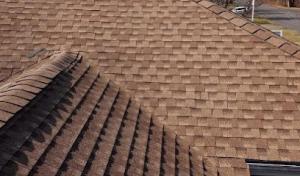

In Glastonbury, a building permit is typically required for a full roof replacement. Skipping this step can lead to fines, delays, or a lien against the home, especially when a project intersects with town stormwater, fire safety, and ventilation codes. Do not assume approval is automatic.
The local permit application generally includes project scope, contractor license information, and roof location details before building department review. Providing precise scope helps the town verify that the replacement will address valley-facing wind exposure, proper ventilation, and insulation continuity that matter for freeze-thaw cycles.
The town reviews submissions for code compliance and ventilation requirements, then schedules inspections during the project and a final inspection after completion. Inspections often focus on proper attic ventilation, ice-dam prevention measures, and flashing at valleys and chimneys, which are critical in the Connecticut River Valley climate.
If the plan omits adequate eave and soffit ventilation or misreads ridge vent placement, the inspector may require work stoppage or rework. In older homes with complex roof lines, ensure the replacement plan accounts for proper sequencing around existing dormers, chimneys, and mature tree shade that can influence moisture retention and ice-dam risk.
Workmanship and material choices must align with approved details shared in the permit package. Even small deviations-like altering underlayment type, vent sizing, or flashing method-can trigger additional inspections or permit amendments, delaying completion and potentially increasing exposure to weather during the winter season.
Final approval hinges on a clean, documented closeout. After completion, a final inspection confirms that the installation conforms to both the permit and the town's ventilation, fire, and structural requirements, sealing the project with the same local scrutiny that keeps roofs durable through freeze-thaw cycles.
Connecticut homeowners insurers generally cover roof replacements when damage is properly documented, but in Glastonbury-area claims often require strong photo evidence and contractor documentation. The winter-to-spring cycle, with repeated freeze-thaw stress on shingles and underlayment, means that a clean, dated record of damage and the sequence of events will influence how an insurer views a claim. Take clear photos from multiple angles after a storm, and keep market-standard contractor invoices that detail what failed and why.
Wind and hail claims may receive extra scrutiny from carriers, so homeowners should report damage promptly and preserve date-stamped evidence. In this market, a delayed report can invite questions about the timing and cause of the problem, especially where ice damming and wind-driven debris interact with mature tree cover surrounding many homes. If a contractor already confirms a failure, coordinate with the insurer so the adjuster can see the same specifics the professional saw-photos, measurements, and notes from an on-site evaluation.
Because regional carrier practices vary, Glastonbury homeowners benefit from contractors familiar with insurer documentation expectations in central Connecticut. A knowledgeable roofer can prepare a pre-loss assessment, document pre-existing conditions, and compile a detailed post-damage report that aligns with insurer checklists. When choosing a contractor, ensure they can provide stamped, date-labeled documentation that ties the damage to the event and demonstrates the necessary repairs or replacement.
In practice, keep a damage calendar, save weather alerts, and store contractor correspondence in a single, accessible place. If the home shows chronic freeze-thaw wear, gather consecutive-season evidence to illustrate the progression. By coordinating timely reports, precise documentation, and reputable local contractor support, you improve the odds that an insurer will respond in a straightforward way, reducing prolonged disputes after a damaging winter.
Connect with contractors who help homeowners navigate the claims process from damage assessment to final approval.
Award Roofing
(860) 878-4268 www.awardroofers.com
58 Kreiger Ln, Glastonbury, Connecticut
5.0 from 91 reviews
Millstream Construction
(860) 530-2302 www.millstreamco.com
255 Williams St E, Glastonbury, Connecticut
4.9 from 314 reviews

Turner Home Improvement Contractors
(860) 633-1400 www.turnerhomeimprovement.com
182 Oakwood Dr B1, Glastonbury, Connecticut
4.8 from 192 reviews
Skylight work is a meaningful specialty in the local contractor market, indicating that leak-prone roof penetrations are a recurring homeowner concern in Glastonbury. When choosing a skylight installer, look for a folio of local projects showing precise flashing details around curb-mounted and membrane-integrated units. Verify that the installer plans for ridge and eave ventilation in the vicinity of the skylight to reduce moisture buildup and ice formation in winter. Pay attention to the quality of the flashing transitions where the skylight frame meets the roofing surface, and request a written plan that includes ice-dam awareness for the valley and eave runs. A properly integrated skylight should sit flush with minimal gaps while allowing for anticipated snow loads and freeze-thaw cycles.
Chimney-related roofing work also appears regularly in the local market, which fits the town's stock of older homes where flashing transitions deserve close inspection during replacement. Inspect chimney cricket or saddle installations, and ensure the flashing is continuous and well-sealed against both the brick and the roof surface. For masonry chimneys, verify calcium-rich efflorescence is not signaling moisture behind flashing, which invites deterioration during freeze-thaw cycles. If a crown is cracked, plan for replacement or repair before flashing work is redone; otherwise water can bypass the new flashing and migrate into attic spaces.
Freeze-thaw conditions can accelerate failure at flashing details around penetrations, making these transitions especially important in local roof inspections. In late winter, pay attention to areas where ice dams form around skylights or chimney flashings, as repeated cycles of melt and refreeze weaken seals. Expect minor brick and mortar movement around older chimneys; request that flashing materials accommodate small shifts without tearing.
During a routine inspection, have the contractor prove the integrity of the area around each penetration with a moisture meter or infrared check. Insist on testing for wind-driven rain around skylight sides and chimney valleys, and ensure rapid resealing capability with high-quality, UV-stable sealant. Schedule proactive resealing or flashing upgrades in tandem with other roofing work to minimize disruption and ensure long-term performance.
Find contractors experienced in skylight installation, flashing, and leak repairs to bring natural light into your home.
Award Roofing
(860) 878-4268 www.awardroofers.com
58 Kreiger Ln, Glastonbury, Connecticut
5.0 from 91 reviews
Millstream Construction
(860) 530-2302 www.millstreamco.com
255 Williams St E, Glastonbury, Connecticut
4.9 from 314 reviews
Turner Home Improvement Contractors
(860) 633-1400 www.turnerhomeimprovement.com
182 Oakwood Dr B1, Glastonbury, Connecticut
4.8 from 192 reviews
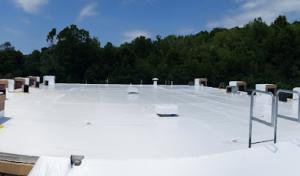
Although pitched residential roofs dominate, the contractor market shows meaningful demand for flat and low-slope work on additions, porches, garages, and some commercial properties. In this setting, spring rain and winter snowmelt test drainage and membrane transitions more than the main roof. Poorly managed transitions invite standing water and ice dam formation at eaves and along edge details.
When replacing the main roof, ask how adjoining low-slope sections will be tied in. Mixed-slope assemblies are common on expanded homes, so the plan should specify flashing, fastening, and membrane continuity across the transition. Look for a continuous drainage plane that extends from the main roof onto the low-slope area without abrupt steps or gaps.
Prioritize a low-slope section with a true slope that promotes shedding meltwater toward gutters or internal drains. Ensure the membrane overlaps and seams are sealed at all edges, penetrations, and penetrations through walls. Downspout placement should prevent water from backing up onto the low-slope surface during heavy spring rains. In trees-rich neighborhoods, consider oversized drip edges and extra sealing around penetrations to counter leaf buildup and ice-backups.
In the Connecticut River Valley, freeze-thaw cycles stress these areas more than defined main-roof regions. Select high-quality, UV-stable membranes, and confirm compatibility with the main roof materials. Regular inspection after seasonal changes helps catch edge wrinkling, open seams, or membrane deterioration before leaks develop. A careful, well-detailed low-slope section reduces the risk of winter damage spreading to the rest of the roof.
Find specialists in TPO, EPDM, and built-up flat roofing systems for residential and commercial properties.
Millstream Construction
(860) 530-2302 www.millstreamco.com
255 Williams St E, Glastonbury, Connecticut
4.9 from 314 reviews
Seamless Roof Systems
(860) 416-6414 www.seamlessroofco.com
Glastonbury, Connecticut
5.0 from 9 reviews
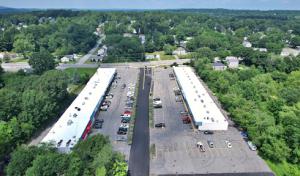
In this town, solar roofing appears as a real but secondary specialty in the local market, suggesting some homeowners are coordinating roof replacement with future solar plans. When the project is a re-roof rather than new construction, you gain a practical window to integrate solar readiness without extra demolition later. The Connecticut River Valley's freeze-thaw cycles demand durable roof assemblies, solid vents, and dependable ice-dam protection; addressing these basics while you plan for panels helps avoid retrofits that disrupt a future installation.
Because re-roofing is far more common locally than new construction, timing roof replacement before panel installation is an important planning issue in town. Start by confirming that your chosen roof system can support the additional load of a future solar array, if applicable, and that the sheathing and framing are in good enough condition to accept panels down the line. If you expect to add solar within a few years, design the roof with a wider, unobstructed northern exposure and clear standoff for racking. Consider a slightly higher degree of slope or a surface that reduces glare on neighboring properties, especially for homes tucked among mature trees.
Permit review that includes roof assembly and ventilation makes it practical to address solar-readiness during the same project rather than after installation. Plan for robust soffit-to-ridge ventilation to minimize condensation and ice dam risks, and ensure the attic is well insulated to stabilize temperatures across freeze-thaw events. Choose underlayment and flashing details that accommodate future penetrations and mounting hardware, with a continuous ridge or turbine ventilation strategy to keep the roof dry. When selecting shingles or panels, favor materials that tolerate freeze-thaw cycles and maintain a clean interface with future mountings. A well-documented venting layout and a solid, sealed edge detail will simplify any later solar work and protect long-term roof performance.
Find contractors who integrate solar panels or solar shingles into your roof for long-term energy savings.
Millstream Construction
(860) 530-2302 www.millstreamco.com
255 Williams St E, Glastonbury, Connecticut
4.9 from 314 reviews