
Last updated: Apr 19, 2026
Manchester's cold winters with repeated snow, melt, and refreeze cycles make ice damming a primary roof risk rather than a rare event. The pattern of freezing nights followed by sunny days creates a tug-of-war where melted snow refreezes at the eaves, pushing water back under shingles and into attic edges. This is not a problem to shrug off. It's a sign that the roof system-ventilation, edge details, and flashing-needs immediate attention to prevent interior damage and lasting roof degradation.
Each thaw cycle intensifies the risk because heat moving upward from living spaces warms the roof deck unevenly. In attic spaces lacking robust ventilation, warm air concentrates at the top and near the eaves, causing the lower roof to warm just enough to melt snow. When temperatures drop again, that melt refreezes at the overhang, forming a dam that traps more water behind it. Over time, repeated dam formation can push water under shingles, seep into fascia boards, and even affect underlying insulation. In established neighborhoods, the combination of older flashing details and tight eave connections often amplifies these issues, making edge penetrations and corner flashing hot spots for leaks.
Start with the eaves and soffits. Look for ice buildup along gutters and at the very edge of the roof where flashing meets horizontal surfaces. Check attic insulation and ventilation: if attic rafters are warm in winter or soffit intake is blocked, there's a venting bottleneck feeding the problem. Look for stains, staining along ceiling boards, or signs of moisture near exterior walls where water has backed up. Inspect flashing around chimney chases, dormers, and vent pipes; rust, gaps, or loose segments here are classic leak paths once ice dams form. If you can access the roof safely, examine shingle tabs at the edges for curl or lift, which can create parallel leak paths once ice damming starts.
Weather patterns in this region demand a careful replacement plan that avoids the bảost winter and the peak heat of summer. The best replacement window often sits in spring or early fall, when you can install under moderate temperatures and still complete critical flashing and ventilation upgrades before the next freeze. A thoughtful replacement strategy prioritizes improved attic ventilation, upgraded edge detailing, and a careful assessment of eaves to ensure no gaps remain for warm air to escape upward. A single season of delay can translate into repeated ice dam cycles, higher interior humidity, and faster wear on roof edge components.
Edge metal should extend past the decking edge by a secure, continuous drip line to shed meltwater outward rather than toward underlayment. Flashing at chimneys and wall terminations must be continuous and properly sealed, with internal and external corners reinforced to resist freeze-thaw movement. Consider upgrading to thermally controlled or temperature-compensated edge systems that minimize ice dam risk by reducing heat loss at the eaves. Seal any penetrations with flashing that remains flexible in cold temperatures and ensure fasteners are corrosion-resistant and correctly spaced to avoid lifting during freeze-thaw cycles.
Seasonal strategies can dramatically reduce dam risk: keep gutters clear so meltwater won't back up; maintain continuous attic ventilation with balanced intake and exhaust to equalize roof temperatures; and add insulation where needed to limit warm air reaching the roof deck. Conduct a twice-yearly roof edge check, especially after major storms, and address any minor flashing gaps or shingle damage before winter arrives. If a dam forms, respond quickly by removing snow from over the dam area with care and scheduling a professional assessment to restore venting and edge protections. This approach preserves roof integrity across many Manchester winters.
Manchester's spring storm season brings the city's most important non-winter roofing threat: hail and high winds that can bruise shingles, loosen flashing, and create leak paths. After a storm, inspect visible surfaces for bruising on asphalt shingles, lifted or curled edges, loose metal flashings around chimneys and dormers, and any new discoloration or dark spots that could signal moisture intrusion. Do not wait for leaks to appear before checking; wind-driven hail can compromise layers beneath the surface and set the stage for hidden damage.
Because Connecticut insurers commonly weigh claims history and ask for roof age, material, and maintenance context, photo documentation immediately after wind or hail events is essential. Take wide exterior shots of the roof from multiple angles, close-ups of damaged shingles, flashing joints, and any signs of granule loss or dented metal. Capture interior indicators too-stains on ceilings, damp attic insulation, and wet rafters if you can access the attic safely. Keep a dated log and organize before-and-after images to back up any claim you file. Photos taken promptly greatly reduce the back-and-forth and can prevent disputes that stall repairs.
Local contractor demand can surge after spring storms, which affects scheduling for inspections, temporary repairs, and full replacements in Manchester. If you notice damage, call your preferred roofer early to secure a priority inspection window, especially if the wind event coincided with hail. Ask for a rapid on-site assessment, a documented plan for temporary protection (like tarping exposed areas or covering vulnerable vents), and a transparent timeline for permanent repairs. If a contractor is booked, consider leaving temporary protection in place until the crew can return; temporarily securing the roof can prevent further water intrusion during heavy rain bands.
Prior to a repair, close and seal attic penetrations if safely accessible to reduce moisture entry. Keep gutters clear so water flows away from the fascia, reducing the risk of fascia rot and further flashing loosening. If shingle bruising or edge lifting is evident, avoid stomping on roofs during low-slope areas to prevent further damage. Maintain a clear path for a crew to access the affected areas, and document any additional weather events that happen before a repair can occur.
Persistent wind-driven damage can compromise roof integrity over a single season, so plan for a thorough inspection after the next storm cycle. Focus on improving ice-dam prevention during the next cold spell, ensuring proper ventilation and sealing of gaps around chimneys and vents to curb upstream moisture issues that can compound spring storm damage.
Find local contractors experienced in assessing and restoring roofs after hail, wind, and severe weather events.
Built by Burgiano
(860) 308-0022 www.builtbyburgiano.com
Manchester, Connecticut
5.0 from 32 reviews
Exterior Home Services
(860) 431-6844 www.bangsomenails.com
2 Spencer St, Manchester, Connecticut
5.0 from 7 reviews

Frechette's Building & Remodeling
(860) 798-8385 www.frechettes.com
Manchester, Connecticut
4.8 from 5 reviews
Built by Burgiano
(860) 308-0022 www.builtbyburgiano.com
Manchester, Connecticut
5.0 from 32 reviews
At Built by Burgiano, we believe your home deserves the best. That’s why we approach every project with the same care and dedication as if it were our own. As specialists in roofing, siding, gutters, windows, and chimney services, we ensure your home remains strong, beautiful, and built to last. From minor repairs to full-scale installations, our team is committed to quality craftsmanship, transparent communication, and honest service. No shortcuts, no hidden surprises—just dependable work from a team that truly cares. Looking for a contractor you can trust? Let’s make your vision a reality. Built strong. Built right. Built by Burgiano.
Exterior Home Services
(860) 431-6844 www.bangsomenails.com
2 Spencer St, Manchester, Connecticut
5.0 from 7 reviews
Exterior Home Services has been a trusted leader in home exterior improvements across MA and CT for 20 years. Specializing in roofing, siding, window, and gutter installations, we're known for our dedication to quality and customer satisfaction. As a GAF Certified Residential Roofing Contractor and CertainTeed 5-star contractor, we guarantee top-tier workmanship using premium materials. Our reputation for excellence is reflected in our solid Google ratings, emphasizing our commitment to each project. Choose us for dependable, superior exterior solutions.

Frechette's Building & Remodeling
(860) 798-8385 www.frechettes.com
Manchester, Connecticut
4.8 from 5 reviews
The Frechette Family has been serving the Manchester, CT area for over 40years. "Where customers and quality come first!" Specializing in Roofing, Siding, Windows, Kitchens, Baths, Additions, Finished Basements, Decks, Painting and much more! Wind , Water & Fire Damage Specialists
Silktown Roofing
(860) 647-0198 www.silktownroofing.com
27 Pleasant St, Manchester, Connecticut
3.4 from 9 reviews
As the Northeast’s premier roofing company, our mission is to promote the roofing industry through exceptional customer satisfaction, utmost professional integrity, and expert workmanship. Our commitment to quality continues through constant innovative integration of new technologies, sustainable materials, and efficient installation. At Silktown Roofing, we strive to be the roofing company whose employees make the difference. Services: Reroofing, new roof installation, custom sheet metal fabrication and installation, waterproofing, maintenance, leak response/repair. Certified by all major roofing manufacturers. (Firestone, Carlisle, Sika Sarnafil, Fibertite, Johns Manville, GAF, etc.)

Harmony Home Improvement
(860) 847-7455 www.harmonyhomeimprovement.com
Serving
4.3 from 65 reviews
Harmony Home Improvement is a veteran-owned exterior remodeling company specializing in roofing, siding, windows, doors, gutters, and deck building. We value the relationships we build with our customers. Our superior craftsmanship, access to manufacturer-backed materials, and dedication to customer service are why we're "The Most Trusted Name in Connecticut"!
Rising Star Roofing
(860) 796-5668 www.risingstarroofing.com
Serving
4.9 from 268 reviews
Whether you need urgent repairs, help with an insurance claim, or you’re looking for the best and most reliable roof replacement, we can gladly help. With offices in South Windsor, CT, Lake Worth Beach, FL and Bonita Springs, FL, our experts are seasoned professionals in both commercial and residential roof replacement and repair. We handle all types of roofing systems including concrete, title shingle, flat, metal and more. We have gathered the most experienced team of professionals available to service any and all your needs year-round. We’re here to help you deal with the insurance restoration process, repairs, inspections, and installation of a new roof.
TJR Construction LLC | Best Roofing in Vernon, CT
(800) 766-3514 www.tjr-construction.com
Serving
4.9 from 56 reviews
TJR Construction is the leading roofing contractor in Vernon, CT, specializing in residential roofing, roof repairs, gutters, siding, vinyl siding, and storm damage restoration. We proudly serve homeowners in Connecticut, New York, Massachusetts, and Pennsylvania. With a focus on quality craftsmanship and exceptional service, we are trusted by clients in cities including Enfield, Windsor Locks, Somers, Stafford, Tolland, Hartford, Newington, Glastonbury, and beyond in Connecticut. Whether you need roofing repairs, a complete replacement, or storm damage restoration, TJR Construction is the expert you can rely on. Contact us today for a free estimate!
Slavin Home Improvements
Serving
5.0 from 453 reviews
Slavin Home Improvements is located at Manchester, Connecticut. We handle all phases of home improvements, specializing in siding, roofing, and windows. Slavin Home Improvements offers services statewide.
CT Homes & Roofing
Serving
5.0 from 24 reviews
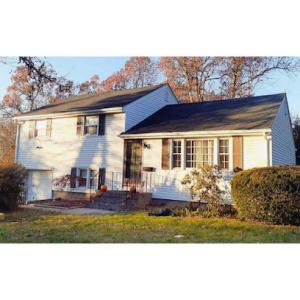
Your home remodel and roofing specialists! 20+ years of experience in the field. Fully licensed and insured contractor. Roofing, siding, flooring, door and window installation, kitchen remodels, bathroom remodels, trim work, and more!
Atlantic Roofing & Siding
(860) 808-9762 atlanticroofco.com
Serving
5.0 from 20 reviews
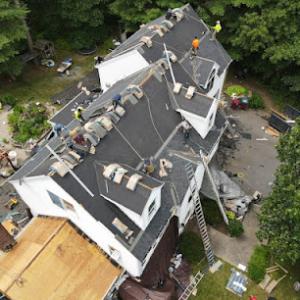
We are a full service roofing and siding contractor serving the central Connecticut area. We specialize in residential roof replacements and vinyl siding installation. If you are looking for a trusted professional to handle a roofing or siding project, then look no further than Atlantic Roofing and Siding. With over 10 years of industry experience, you can count on us to provide you with top notch solutions, quality of workmanship, and fantastic service.
All Brothers Roofing
Serving
5.0 from 11 reviews
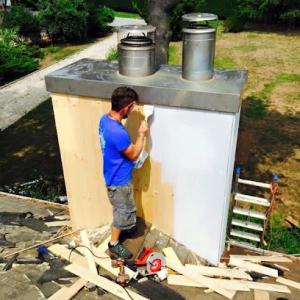
All Brothers Roofing specializes in residential and commercial roofing services, offering installation, repair, and maintenance solutions. They use high-quality materials and employ skilled professionals to ensure durable and reliable roofs. Known for their exceptional customer service, All Brothers Roofing provides personalized consultations to meet specific client needs. They handle a variety of roofing types, including asphalt, metal, and tile. The company is committed to safety and compliance with industry standards. With a reputation for excellence, All Brothers Roofing guarantees satisfaction and long-lasting results.

C & C Roofing
(860) 610-9548 candcroofingllc.com
Serving
5.0 from 13 reviews
At C and C Roofing our mission is to provide top-quality roofing services to our residential and commercial customers, while ensuring their safety and peace of mind. We are committed to using the highest-quality materials and employing skilled professionals to ensure that every project is completed to the highest standards. Our goal is to build long-lasting relationships with our customers by providing exceptional customer service, honest communication, and reliable workmanship.
In Manchester, homeowners typically start with asphalt shingles or metal, because these options balance durability with price and ease of installation. In older neighborhoods and on some postwar suburban homes, you'll also see slate, copper, clay tile, and concrete tile used for higher-end or period-appropriate applications. The local roster of projects shows asphalt shingles covering the majority of smaller to mid-sized homes, while metal roofs become appealing where you want longevity and lighter weight or a distinctive look. For more distinctive styles or to match historic character, slate or copper are not unusual, though they come with a noticeable premium.
Shingle projects in Manchester generally fall in the low-to-mid range of the market. Asphalt shingles run roughly from $360 to $700 per square (a square equals 100 square feet). If you're weighing metal roofing, expect $650 to $1,100 per square. For higher-end options, concrete tile runs about $800 to $1,500 per square, while clay tile sits around $950 to $1,400 per square. Slate is the premium choice in this market, typically $1,100 to $2,500 per square, and copper roofs can range from $1,900 to $4,000 per square. These figures reflect typical supply and labor patterns in town and should be treated as guidance rather than a fixed quote.
Winters in Manchester bring freeze-thaw cycles that stress roofs and can compress contractor availability. Snow load and spring storm demand sometimes tighten windows for replacement work, which means prices can spike and scheduling can become a challenge. If you're dealing with late-wall or early-spring damage, you may see a temporary premium because crews are trying to fit multiple jobs into a shorter season. This is especially true for higher-end materials where specialty crews and longer install times are common. Planning ahead for shoulder-season windows can help you avoid peak-season price bumps and ensure material availability.
In this market, a straightforward tear-off and re-shingle is already a simplified scenario. Real-world projects often require more extensive detailing to meet local expectations for underlayment, flashing, nail patterns, and venting. When you opt for metal or tile, the scope expands due to weight considerations, additional flashing details, and attic ventilation requirements. For slate or copper, you'll navigate even longer lead times and more exacting installation methods, which can add to both material and labor costs. If your roof connects to an older ventilation plan or has complex valleys and dormers, expect the contractor to build in extra time and materials to ensure long-term performance against ice damming and freeze-thaw damage.
Start with a clear understanding of your current roof's condition and the roof's exposure to winter moisture. If you're replacing after a winter storm, set aside a contingency for expedited scheduling and possible temporary protection during peak thaw periods. For homes with historic character or added roof features (dormers, skylights, or metal accents), request a detailed breakdown of underlayment, flashing, nail patterns, and venting requirements to compare apples to apples across bids. When you're weighing higher-end materials like slate or copper, factor in not just the material cost but the longer installation timeline and the specialized crews required. In all cases, ensure your bid includes proper attic ventilation assessment and the correct slope-appropriate fasteners to minimize future ice-dam risk and freeze-thaw damage.
A full roof replacement in Manchester typically requires a building permit and project registration with the Manchester Building Department. The process begins with submitting a clear scope of work, including roof type, underlayment, ventilation plan, and a brief sketch of the roof area to be replaced. The town expects coordination with any existing drainage, chimneys, and attic venting to ensure storm season readiness. While the department can be flexible, be prepared for a short lead time as staff review the project and verify that the plan aligns with local code and neighborhood standards. The permit acts as an official record that your home is being repaired to withstand the freeze-thaw cycles that are common here.
Inspections in Manchester are scheduled during and after installation, with attention to underlayment, flashing, nail patterns, and venting rather than only a final visual signoff. Your contractor should arrange inspection appointments at key milestones: after roof deck and underlayment are installed, once flashing and metal details are set, and after shingles or other roofing material are fully installed. The inspector will verify that the underlayment has proper seams, that ice-dam barriers are in place where required, and that ventilation continues to function to prevent condensation and moisture buildup in the attic. On the day of inspection, have access to attic ventilation routes and any attic insulation details so the inspector can confirm there are no blockages or gaps that could compromise a winter performance.
Depending on project scope, the town may request plan review or added notes, and permit issuance timing can vary with Building Department workload. If the project touches structural elements, a structural note or engineer letter may be requested to confirm rafter support, ridge/valley integrity, and proper attachment strategies for heavy snowfall periods. Small changes in flashing detail, attic vent placement, or drip edge orientation can trigger a formal review, so maintain open lines of communication with the Building Department and your contractor. Delays often stem from incomplete documentation, so ensure that your permit package includes roof edge details, venting diagrams, and a clear sequence of installation steps.
Coordinate the replacement window with typical Manchester winter patterns, aiming to minimize exposed decking during snow-prone periods. The permit must be secured before work begins, and inspections will be scheduled per the established milestones. Have your contractor prepare a thorough site plan showing access routes, material storage, and temporary safety measures. Clear temporary power or lighting if needed for late-season work, and ensure that materials are shielded from freeze-thaw exposure when not being installed. Proper coordination reduces the risk of inspection rework and helps keep the project on track through Manchester's seasonal shifts.
Asphalt shingles remain the most practical fit for much of the housing stock, especially where homeowners want a balance of performance in winter conditions and a straightforward replacement process. In Manchester, the freeze-thaw cycle can stress roof systems, so choose a shingle with a robust granule finish and a good warranty. Pay attention to underlayment and proper ventilation to keep vulnerable areas like eaves and the attic from accumulating ice dam melt water. Shingles are forgiving around penetrations if flashing is carefully integrated with step flashing and vent boot details. For homes with modest roof slopes, a laminated or architectural shingle can offer extra resistance to wind-driven snow loads and reduce the risk of shingle splitting during colder snaps. Routine inspections after heavy storms help catch loose tabs or damaged bundles before winter sets in.
Metal roofing is locally relevant because it handles snow shedding well, but Manchester installations still need careful snow-management and flashing design around penetrations. Metal panels provide a long service life and a clean, tight seal that resists ice dam formation when installed with proper edge detailing and snow guards in the right locations. The lighter weight of metal can reduce structural concerns in marginal attic spaces, but installation quality matters because poorly sealed seams or misaligned flashing around chimneys and vent stacks can invite leaks during freeze-thaw cycles. If choosing metal, coordinate color, panel profile, and trim to maintain a traditional aesthetic on older homes or detail-rich facades while ensuring the roof breathes well and water flows efficiently toward the eaves.
Slate and copper are meaningful options in this market, which matters in Manchester because some older homes and detail-rich properties require repairs or replacements that match traditional materials. Slate offers excellent longevity and a classic appearance, yet requires experienced workmanship to preserve its fit and prevent debris-collection corners where ice damming can occur. Copper brings a distinctive look and superb durability, with the virtue of aging into a mellow patina that complements historic detailing. However, both materials demand skilled installation and careful flashing around dormers, chimneys, and valleys to control ice builds and water movement during winter storms. For homes with decorative detailing, consider textured trim, matching fasteners, and precise alignment with roof contours to sustain performance and curb appeal.
Regardless of material, prioritize effective attic ventilation and continuous insulation to minimize warm air leakage that feeds ice dams. Proper snow management around entryways and walkable portions of the roof helps prevent hazardous slides and structural stress. Around penetrations, ensure flashing is continuous and integrated with the chosen roofing material, with particular care given to valleys, skylights, and vent stacks where freeze-thaw pressure concentrates. Matching materials to the house's era and character supports both performance and curb appeal across Manchester's varied neighborhoods.
Skylight work is unusually active in the Manchester market, signaling that leak-prone roof penetrations are a common homeowner concern here. The combination of aging shingles and frequent freeze-thaw cycles means even small gaps around skylights can widen over time. Poor or aging sealant and misaligned flashing invite melting snow to pool and refreeze, creating persistent leaks that escalate during storm events. If a homeowner notices interior staining or musty odors near a skylight, investigate the surrounding flashing, curb height, and any caulk or sealant failure. Regular inspection should focus on the transition from skylight curb to the roof plane, the condition of step flashing, and the integrity of counter-flashing locked into the masonry above.
Chimney-related roofing work also shows up frequently among local contractors, which fits older housing areas where masonry intersections and step flashing need close attention. Chimneys stand at the interface of two different materials and roof planes, making them prime spots for water to work its way in during melt-freeze cycles. Look for cracked mortar joints, missing or loose flashing, and rusting or detached lead flashings. When snow builds up around a chimney, heat from the home can cause differential movement, stressing flashing and allowing sneaky leaks to ride down into attic spaces. If you notice dampness along the chimney chase or staining along the walls inside, the problem may extend beyond cosmetic damage and into the structural roof line.
Freeze-thaw conditions in Manchester make flashing failures around skylights and chimneys more consequential because small gaps can turn into recurring winter moisture problems. Pay attention to any ice dams forming at these penetrations, as accumulated ice can push flashing out of place or widen gaps. A proactive approach includes inspecting for ice dam build-up in colder spells, ensuring attic ventilation is balanced, and confirming that insulation under the roof deck is sufficient to keep the sheathing warmer and less prone to condensation-driven leaks.
Find contractors experienced in skylight installation, flashing, and leak repairs to bring natural light into your home.

Turner Home Improvement Contractors
(860) 633-1400 www.turnerhomeimprovement.com
Serving
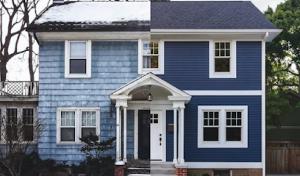
4.8 from 192 reviews
The local insurance environment is not defined by a broad statewide carrier retreat, but Manchester homeowners should still expect carrier scrutiny on roof age, material, and maintenance history. Insurance reviews tend to focus on whether the roof has a known, documented lifespan left, whether the chosen material matches the house design and climate, and whether previous maintenance visits are logged. Prepared homeowners present a clear history of attic ventilation trials, ice-dam controls, and timely patching after minor leaks. When talking with a carrier, have easy-to-share records: roof condition assessments, recent replacement dates, and notes from contractors about flashing or ventilation updates.
Wind and hail are the claim triggers most likely to matter in this region, so date-stamped photos and prompt inspection records are especially important after spring storms. Take exterior photos from multiple angles, focusing on shingles, flashing at chimneys and skylights, and any signs of lifted edges or granule loss. Inside the attic, snap images if you see staining, dark streaks, or moisture signs near vents or along the roofline. Keep a simple log: date of storm, observed damage, steps taken (temporary tarps or covers), and the contact info of the contractor who evaluated the roof. If a contractor recommendations follow, obtain a written assessment that ties the observed issues to probable causes such as wind-driven uplift or hail impact, not just generic wear.
For winter leak events, document interior staining, attic moisture, exterior ice buildup, and temporary mitigation steps to support claim review. Inside, photograph ceiling stains with timestamps and note any related attic condensation or frost on rafters. In the attic, record moisture readings with a hygrometer if possible, or at least note the relative dampness and any visible frost on vents during cold snaps. Exterior ice dams and blocked gutters should be photographed from the ground and from ladders when safe, showing ice buildup along eaves and near/under flashing. Maintain receipts for temporary fixes (tarps, de-icing measures) and a brief timeline of when each action occurred, so the claim review can trace the sequence from storm impact to mitigation.
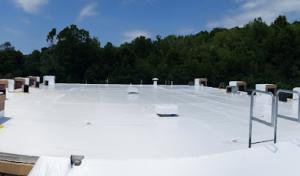
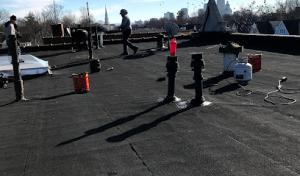
In this climate, flat and low-slope sections attached to additions, porches, or garages face unique drainage demands. Snow accumulates and tends to compact into stiff, slow-to-melt loads, while autumn leaves clog outlets and scupper paths. The result is a higher risk of ponding, ice formation along edges, and repeated freeze-thaw cycles that stress membrane seams and edge details. Prioritize reliable drainage paths, with clear outlets, properly sloped transitions, and unobstructed downspouts. When a low-slope area connects to a traditional shingle roof, drainage reliability hinges on a clean, continuous line of protection from edge to interior gutter, not on isolated patches.
Transition flashing is a common failure point when low-slope areas meet pitched roofing. In secret-weapon terms, the goal is to have watertight continuity across the joint and a dependable shingle-to-membrane handoff. Pay special attention to the drip edge and snow guard placement where these sections meet. A miscalibrated flashing step can funnel meltwater into the interior, especially during heavy spring thaws. Use weather-resistant flashing materials that tolerate repeated freeze-thaw cycles and ensure fasteners are corrosion-resistant and properly sealed. Elevation differences should never force water toward the home's interior or create hidden valleys that trap debris.
When you're retrofitting or designing an attached garage or porch, maintain a consistent roof plan that avoids abrupt breaks in slope at the connection to the main roof. Continuous edge protection, venting near the eaves, and careful insulation alignment reduce heat loss that fuels ice dam formation on adjacent shingles. Consider a dedicated drainage plan with secondary outlets in high-leak areas and a robust ice and water shield at critical corners and transitions. Remember that flashing and sealant choices should accommodate seasonal movement without creating new creases where water can pool.
Regular inspections after storms and before winter help catch loosened edges, clogged outlets, or cracked sealants. Brighten gutters and downspouts so meltwater has an obvious, unobstructed path. If heat tracing or cables are used, install under professional guidance to avoid fire risk and ensure proper termination at the transition zone. Keep an eye on leaf detritus around low-slope sections and validate that the membrane is intact at all transitions, especially where it meets shingle roofs.
Find specialists in TPO, EPDM, and built-up flat roofing systems for residential and commercial properties.
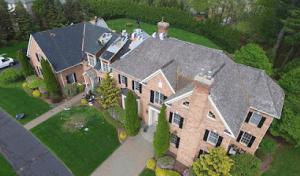
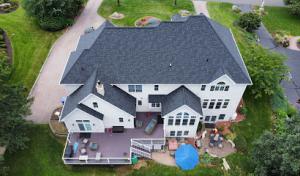
When planning a re-roof, you should place solar compatibility in a secondary planning tier rather than as the primary driver. The Manchester contractor mix shows solar roofing as an option, but it does not dominate the market the way it does in coastal or sunny regions. The key is to match roof age and material with a long-term plan: a relatively new or solidly conditioned roof paired with a durable, weather-appropriate surface tends to yield the best solar results. If the roof is approaching the end of its life or has a history of ice dam issues, address those concerns first to avoid disturbing a relatively new roof later. A thoughtful evaluation should confirm that the chosen material tolerates the added weight and mounting considerations without compromising performance during freeze-thaw cycles.
Coordinate material choices with solar goals so that the final roof layer supports both reliability and energy goals. Asphalt shingles are common and flexible for solar mounts, while metal roofing offers clean lines and strong support for ballast or rack systems. Clay or concrete tiles bring long life but require careful mount planning to avoid weakening the roof deck or creating new leak paths. In neighborhoods with a mix of postwar homes and older structures, the integration strategy should account for existing penetrations, ventilation, and the potential for hidden damage behind older veneers. Decide on a slope, access to rafter space for mounting hardware, and the desire for a seamless aesthetic that minimizes visible penetration.
Penetration planning matters because poor flashing around mounts can worsen leak risk during freeze-thaw cycles and spring storm exposure. In Manchester winters with frequent cycles of freezing and thawing, any roof-mounted array must have robust, weather-tight flashing detail at every penetration-skylights, vents, and plumbing stacks included. A meticulous detailing plan reduces ice dam risk by preventing warm-air leakage and water entry at mount points. If a roof shows prior signs of ice dam trouble, anticipate upgraded flashing strategies and improved underlayment to keep solar hardware from becoming a weak point.
Time solar work to avoid mid-winter installation if possible, and align current maintenance with the system's anticipated warranty path. Regular inspection of penetrations after storms and after heavy snow events helps catch flashing or sealant degradation early. For Manchester homes, a proactive approach to snow load awareness and freeze-thaw behavior keeps solar-ready re-roofing aligned with long-term roof health rather than short-term solar ambitions. A careful, neighborly collaboration with a trusted installer yields a plan that respects the house's existing character and the seasonally demanding climate.
Find contractors who integrate solar panels or solar shingles into your roof for long-term energy savings.
RRCA - Roofing & Reconstruction Contractors of America -CT
Serving
4.9 from 54 reviews