Last updated: Apr 19, 2026
Newington's cold winters, with steady snow and repeated freeze-thaw cycles, create one of the clearest local roof stress patterns. Ice dams tend to form along the eaves where meltwater refreezes as temperatures dip overnight. That layer of ice can back up under shingles, forcing water to work its way into the attic and then into ceilings and walls. In this climate, the hottest signal is not a summer storm but the aftermath of a harsh winter: damage that becomes visible only after the snow has melted and spring rain begins. The roof acts like a pressure point during freeze-thaw sequences, and patches of shingle lifting, granule loss, or fascia staining should be treated as early warnings.
Because the city's warm-season precipitation drives leaks to appear in spring, vulnerability is highest along eaves, valleys, and unattached joints near roof-to-wall intersections. Those areas catch the worst of meltwater, then endure repeated freezing cycles that push moisture deeper into decking and underlayment. Even visually sound roofs can harbor hidden damage from multiple cycles, particularly if attic insulation is insufficient or ventilation is blocked. Look for damp or stained ceilings, peeling paint, or musty attic smells once winter ends and the snow clears. If snow remains on the roof during a thaw, the risk of ice dam formation increases as meltwater flows toward cold eaves and refreezes.
If winter left a wake of icicles that extend far from the roof edge or if you notice ridge or soffit ice formations after a thaw, treat it as a red flag. Visible cracking or curling shingles near the eaves, granule loss in the gutter line, or damp spot patterns on interior ceilings after snow season should prompt a professional evaluation. Because damage tends to surface in spring, your inspection window is narrow: delaying could mean more extensive interior staining, faster deterioration of decking, and higher repair complexity. Start documenting: dates of thaw cycles, icicle patterns, and any new interior signs. This helps when a roofer confirms the freeze-thaw impact and recommends targeted fixes.
Replacement timing in Newington tends to favor late spring through early fall because winter conditions and thaw cycles complicate tear-off, drying, and inspection scheduling. Planning ahead for replacement in those windows minimizes the risk of continued freeze-thaw stress during installation and ensures proper ventilation and attic drying. If a roof shows persistent ice dam damage across multiple seasons, expect the need for a more thorough approach: addressing insulation gaps, sealing attic air leaks, and upgrading underlayment and ventilation to reduce future dam formation. Coordinating with a local pro who understands the area's typical snowfall depth, freeze-thaw sequence, and moisture patterns will yield the most reliable long-term protection.
Start with attic inspection: seal gaps where warm air flows into the roof space, and add or improve insulation to reduce heat transfer to the roof deck. Ensure soffits and exhaust vents are open and unobstructed to promote consistent ventilation during thaw cycles. Clear eaves and gutters of debris before the next big melt to prevent dam buildup from standing meltwater. If ice dams form, call a local roofer promptly to assess for damaged underlayment, moisture intrusion, and necessary repairs, rather than waiting for interior signs to worsen. In this climate, proactive maintenance is not optional-it's essential to keep a roof structurally sound through repeated freeze-thaw cycles.
After a heavy wind, hail, or ice event, the path from damage to repair in Newington often runs through your insurance faster than you might expect. In Connecticut, roof claims are commonly tied to wind, hail, or ice events, making post-storm documentation especially important for homeowners. Ice dams can cause hidden damage that only shows up after the thaw, while wind-driven debris can compromise flashing, ridge lines, or shingle edges. When the storm calms and the skies clear, the clock starts ticking on documentation, so you want to be deliberate about what you capture and how you present it to your insurer. That means both what you photograph and how you describe the scope of work you're requesting.
Insurers in this market generally expect thorough photos and a detailed contractor estimate that aligns closely with policy scope before approving roof-related claim work. What this means in practical terms is that a well-organized package-clear before-and-after images, close-ups of damaged areas, and an estimate that mirrors the policy's covered items-helps avoid back-and-forth negotiations. In a mature suburban stock, many roofs have accumulated wear, and images can reveal aging components you might not notice from ground level. Be proactive in labeling photos by date and by location on the roof, and attach notes that connect each problem to potential causes (for example, an ice dam pattern or a wind-blown shingle uplift). The goal is to present a cohesive narrative: what happened, what needs to be repaired, and how that work fits within the policy's scope.
The inland Hartford County climate in winter subjects roofs to repeated freeze-thaw cycles. Ice dams aren't just a nuisance; they can force water under shingles and along flashing, leading to interior staining, sagging ceilings, or attic moisture that isn't obvious from the attic floor. When documenting, include evidence of dam-related staining, gutter backing, and any interior leaks with dates and affected rooms. A common pitfall is underestimating the impact of a late-season thaw, when previously blocked water suddenly finds a path inside. Your documentation should show both exterior conditions and interior signs of damage to help the adjuster understand the full scope.
A practical approach is to create a storm event timeline: note the date of the wind or hail, when you first noticed damage, and when repairs began. After a storm, photograph the entire roof from multiple angles and zoom in on vulnerable features-valleys, flashing, ridge caps, and eaves. If you see ice dam traces or moisture intrusion, document those areas with dated photos, then compare them to the contractor's estimate to ensure alignment with policy coverage. When meeting the contractor, insist on a written scope that mirrors the insurer's expectations: itemized line items, material specifications, and a clear description of containment measures to minimize further damage during replacement or repair. For homeowners, keeping a storm log-dates, weather conditions, and any temporary protections like tarping or de-icing efforts-can be the missing piece that ties together the claim and the repair timeline.
Premium pressure in Connecticut can reflect roof age and material, so older roofs in Newington may affect both claim handling and replacement decisions even without a statewide market pullback. If the roof has reached a point where a replacement is more sensible than piecemeal repairs, the insurer might push toward full replacement as the most cost-effective path long-term. Understanding your policy's depreciation, replacement coverage, and any rider you may hold helps you set realistic expectations. In the end, accurate documentation paired with an estimate that aligns to policy scope tends to smooth the path from assessment to repair, reducing the chance of delays when you need leak protection and storm resilience most.
Connect with contractors who help homeowners navigate the claims process from damage assessment to final approval.
Zaman Roofing - CT Roofing Contractors & Roof Repair
(860) 977-8042 zamanroofing.com
Serving
5.0 from 62 reviews
Zaman Roofing - CT Roofing Contractors & Roof Repair
(860) 977-8042 zamanroofing.com
Serving
5.0 from 62 reviews
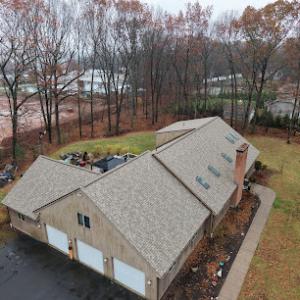
Looking for reliable roofing companies in CT? We’re your go-to roofer & the best roofing contractors in Connecticut. Connecticut roofing contractors for roof repair, roof leak repair. Top Roofing Contractor in Newington. As trusted CT roofing contractors, we prioritize expertise & customer satisfaction. Count on us for all your roofing needs as we stand out among roofing companies in CT. We prioritize the security and durability of your roof. Our skilled CT roofing contractors use high-quality materials & proven techniques for long-lasting results. Choose the best roofing company in CT—Zaman Roofing. Contact us for reliable CT roofing contractors providing personalized solutions for roof repair. Experience the difference with Zaman Roofing!
Artisan Building & Remodeling
(860) 759-8617 artisanroofingct.com
Serving
4.7 from 403 reviews
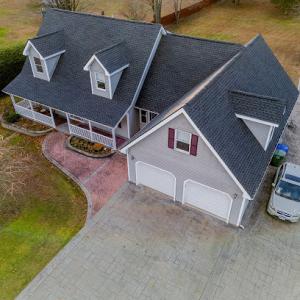
Artisan Building & Remodeling is Berlin, CT’s trusted roofing contractor, specializing in roof replacements, repairs, and installations. As GAF Master Elite and Owens Corning certified, we deliver top-tier craftsmanship backed by industry-leading warranties. Since 2017, our experienced team has proudly served Berlin and surrounding towns with expert roofing, siding, windows, doors, and solar shingles. We’re committed to quality, professionalism, and lasting results. Contact us today to schedule your roofing consultation.

J.T. Burke & Sons
(860) 289-9381 www.jtburkeandsons.com
Serving
4.9 from 389 reviews
Roofing Contractor, Vinyl Siding Contractor, Aluminum Gutters, Replacement Windows, Family Business...
Total Roofing
(860) 269-6308 www.totalroofingct.com
Serving
5.0 from 44 reviews
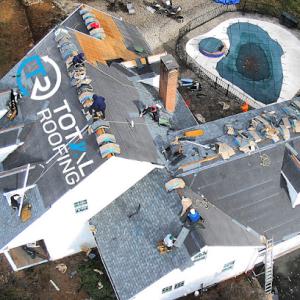
At Total Roofing, we believe that a safe roof is the cornerstone of a comfortable home. With years of experience and a commitment to exceptional customer service, we're your go-to roofing experts in Connecticut. Our team consists of skilled roofing professionals who are passionate about their craft. We stay up-to-date on the latest industry trends and techniques to ensure that we deliver the best possible results. Ready to give your roof the care and attention it deserves? Contact Total Roofing today to schedule a consultation. Our friendly and knowledgeable roofing specialists are here to answer any questions and to help you find the perfect roofing solution for your home.
Premier Roofing Services
(860) 866-6067 premierroofsct.com
Serving
5.0 from 54 reviews
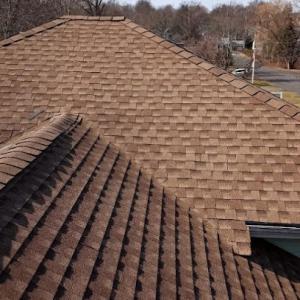
Premier Roofing Services is a top-rated local roofing company with over 25 years of experience, proudly serving Rocky Hill and homeowners across Hartford County. We specialize in roof replacement, roof repair, roof inspections, chimney and emergency storm damage restoration. Whether you're searching for roofers near me, roofing companies near me, or GAF-certified roofing contractors close to you, we're available 24/7. Our team also installs vinyl siding for enhanced durability and curb appeal. We frequently work in Newington, Wethersfield, Berlin, Glastonbury, and New Britain—delivering fast response, honest estimates, and guaranteed results. Trusted by hundreds of satisfied clients who value quality and professionalism.
All Weather Roofing
(860) 785-9000 www.allweatherroofsystems.com
Serving
5.0 from 45 reviews
All Weather Roofing proudly serves the entire state of Connecticut offering top-class commercial and industrial roofing solutions. We understand the unique challenges Connecticut weather presents to your roof, from harsh winters to unpredictable storms. Our team is specialized in handling everything from minor leaks to major repairs and full-scale installations. We use quality materials designed to withstand all weather conditions, ensuring your property remains protected year-round. Whether it's a historical building or a modern structure, Our expertise ensures your roof stands the test of time and all weather. Contact All Weather Roofing for all your roofing needs in CT and beyond.
J&R Ultimate Construction Roofing
(860) 402-7116 jrconstructionct.com
Serving
5.0 from 15 reviews
Roofing and Gutter services. We take pride in the quality of work and customer satisfaction that we give each and every customer.
A1 Home Improvement
(860) 750-9472 a1roofproct.com
Serving
4.9 from 585 reviews
With over 30 years of experience, A1 Home Improvement has been the trusted choice for residential and commercial roofing in Connecticut. We specialize in roof repair, full roof replacements, and commercial roofing solutions, ensuring your home or business stays safe and protected from the elements. Whether you’re dealing with storm damage, aging shingles, or need a brand-new roof, we provide efficient, reliable, and affordable roofing solutions tailored to your needs. Additional to roofing services, we offer siding, gutters, windows, doors and now, solar panels.
International Roofing
(860) 505-8506 internationalroofingct.com
Serving
4.8 from 19 reviews
International Roofing, LLC is Connecticut's premier commercial roofing company! We provide quality flat roofing services on commercial and industrial buildings throughout Connecticut. Contact us no to take advantage of our fast and free inspections and quotes today.
Bartlett Brainard Products
(860) 233-4475 bartlettbrainard.com
Serving
4.7 from 40 reviews
Unleash the potential of your home with Bartlett Brainard Products! Rooted in West Hartford since 1921, we're a third-generation company excelling in roofing, siding, windows, doors, and more. We take pride in our craftsmanship and commitment to quality, recognized as we clinched West Hartford Magazine's Best of We-Ha award for the 7th consecutive year. As BBB members, we underscore our dedication to integrity and customer satisfaction. Handpicking only premium brands like Andersen, Certainteed, Harvey, Owens Corning, ProVia, and Wolf, we deliver a fusion of style and durability. Need a trusted partner for your exterior transformation? Call for a complimentary estimate. Don't forget to follow us on Facebook!
The Exterior Company
(860) 740-6855 theexteriorcompany.com
Serving
5.0 from 47 reviews
The Exterior Company is a trusted roofing and siding contractor proudly serving Rocky Hill and the Greater Hartford area. We specialize in roof repair, replacement, siding, gutters, and storm damage restoration for homes and businesses. As a GAF Master Elite and Owens Corning Platinum Preferred contractor, we deliver expert craftsmanship, transparent communication, and strong warranties. Call today for a free inspection and protect your home with Connecticut’s top-rated exterior specialists.
Classic Metal Roofs
(860) 828-2050 classicmetalroofs.com
Serving
5.0 from 71 reviews
Classic Metal Roofs, LLC in East Berlin, CT offers high-quality metal roofing solutions. With over 20 years of experience, we specialize in durable standing seam roofs, stone-coated steel roofs, and more. Our environmentally friendly practices include materials with up to 95% recycled content. We provide reliable warranties and tailored solutions for "metal roofs near me.
Asphalt shingles are the dominant practical choice for Newington homes, reflecting a broad local market range of 320 to 720 USD per square. This baseline helps you compare other options, since metal and tile projects clearly rise well above that starting point. In this climate, where freeze-thaw cycles slap at edges and eaves, asphalt remains the go-to for a balance of cost, availability, and ease of repair. If your budget is tight but you still want reliable performance through winter, this is where most households start.
Clay and concrete tiles sit noticeably higher than asphalt, with clay ranging roughly from 1000 to 2100 USD per square and concrete from 900 to 1800 USD per square. For a house that features a long slope or a visible, traditional look, these heavy materials can deliver substantial curb appeal and durable wear in winter storms. However, their weight means structure and underlayment must be assessed, and labor costs climb quickly when a tear-off is required after a harsh season. In older or premium suburban stock, you'll often see tile systems paired with more robust attic insulation to help manage ice dams, which, in this market, can drive up overall project time and price.
Metal roofing sits above asphalt by a wide margin, typically 700 to 1400 USD per square. While that premium translates to excellent longevity and excellent resistance to ice dam formation, the local market sees price spikes during peak season. In late spring through early fall, when many homeowners schedule work after winter damage, you'll notice scheduling pressure that can push material and labor costs higher. If you're weighing metal, consider the long-term energy savings and the potential for lighter roof loads in areas with heavy freeze-thaw cycles, where minimizing structural risk becomes a practical benefit.
Wood shingles and shakes, at roughly 420 to 1100 USD per square, offer a distinctive look but require more upkeep in climate with cold snaps and wet springs. They can be more susceptible to moisture-related issues if not properly installed and ventilated, which is a practical consideration in this market. Expect higher maintenance over time, particularly if your roof faces frequent snow melt and freeze events that can stress the fasteners and sealants.
Synthetic and composite shingles land in a middle ground, about 450 to 900 USD per square. They aim to mimic the appearance of wood or slate while delivering better resistance to freeze-thaw stress and quicker installation. In this market, synthetic options provide a flexible choice for homeowners who want improved performance without the full premium of metal or tile, especially in homes with standard roof geometries and average pitch.
Across all materials, schedule variability matters. Late spring through early fall creates a visible swing in both demand and labor availability, influencing final pricing. For Newington homeowners facing a decision, understanding how seasonal changes and roof type interact with your home's structure will help set realistic expectations for both initial cost and long-term performance. In the end, the choice comes down to balancing initial budget, expected winter durability, and how much of your attic and underlayment condition you're prepared to upgrade alongside the roof.
For most roof replacements in this area, a permit through the local Building Department is required rather than treating the project as informal maintenance. This reflects the mature suburban housing stock and the emphasis on ensuring the structure can handle Newington's freeze-thaw cycles. Before work begins, verify that the project scope, materials, and method are permitted, and that a licensed contractor is lined up to oversee the process. If there is any doubt about whether a project qualifies, contact the Building Department to confirm. The department's staff can outline the exact documentation they will require and the expected review timeline.
The permit review commonly requires project details and licensed contractor information prior to proceeding. You should have a clearly written scope of work, roof replacement specifics (including underlayment, ventilation, and any flashing changes), and product selections documented. A licensed contractor is not only a formality; it is a practical safeguard for handling the freeze-thaw stress that this climate imposes on shingles, underlayment, and flashing. Ensure the contractor's license status is current and that they are registered with the town where required. Submittals should include a simplified roof plan and a brief description of work phases. Expect the Building Department to request structural notes if the roof reveals any added loads or changes to supports.
Newington roofing work is inspected at required milestones and closed out with a final inspection, and the permit is typically posted on-site during the job. Plan around these milestones so the work does not proceed beyond a phase without inspection. Typical milestones include a pre-installation check (where applicable), a mid-project inspection to verify flashing and ventilation, and a final inspection after completion to confirm all workmanship meets code and the approved plan. If an inspector notes discrepancies, address them promptly to avoid delays in your occupancy or resolution of storm-related issues. The posted permit serves as a visible reminder to the crew and neighbors that the work adheres to local requirements and standards.
Keep a copy of the permit and the approved plan on-site at all times during the project. This makes it easy to show inspectors and, if needed, to reference the exact material and method approved for use. If weather causes interruptions, document the dates and conditions in a simple log so the inspector can verify that milestones were completed in a timely manner. Finally, use the permit process as a milestone to review attic ventilation, insulation continuity, and ice-dam mitigation strategies with your contractor, since proper documentation and proper installation work hand in hand to reduce winter-related leaks.
The dominant materials actually seen in this market are asphalt shingles, metal roofing, clay tile, concrete tile, wood shingles or shakes, and synthetic or composite shingles. Each has its own balance of durability, weight, and how it behaves under Newington's typical weather patterns. Asphalt shingles remain the most common choice for mature suburban housing stock, offering predictable performance and straightforward installation. Metal roofing provides excellent drainage and resilience against seasonal movement, while clay and concrete tiles bring long life and a distinctive profile but require a solid roof deck and careful curb appeal planning. Wood shingles or shakes can be appealing in neighborhoods with traditional styling, yet they demand vigilant maintenance in damp months. Synthetic or composite shingles try to blend realistic appearance with consistent performance, often handling freeze-thaw cycles with fewer issues than natural products.
Newington's freeze-thaw winters and regular precipitation place a premium on water-shedding performance and seasonal movement rather than coastal salt resistance or hurricane-rated assemblies. In practice this means prioritizing roofing systems that promote rapid runoff and minimize water seeping under edges. Asphalt shingles with proper underlayment can create reliable barriers, but the edge details and attic ventilation become critical to keep roof decking dry after a storm. Metal roofs excel at shedding snow and ice, which can significantly reduce ice dam formation when the panels are correctly fastened and integrated with adequate eave and rake closures. Clay and concrete tiles shed water effectively but respond to freeze-thaw differently due to their mass and installation patterns; ensure fasteners and clips accommodate thermal movement to prevent cracking or loosening. Wood shingles or shakes demand precise installation to avoid trapping moisture in cold cycles, and synthetic shingles often provide more consistent performance in this regard. In any case, proper attic ventilation and a continuous underlayment are essential to minimize damming risk across all material choices.
Because summers are warm and humid, installation pacing and material handling matter in Newington during peak season, especially for products sensitive to heat exposure during install. Shingle bundles should be stored in shaded areas, and roofers typically sequence installations to avoid exposing newly laid underlayment to peak heat for extended periods. Metal roof systems benefit from controlled heat during forming and panel handling to prevent warping. Clay and concrete tiles demand careful staging and slow, precise placement to avoid cracking from heat-induced expansion. In all cases, experienced crews will verify that flashings, vents, and ridges are integrated before the roof is closed, reducing the chance of heat-driven movement that could loosen seals later. Proper sequencing also helps prevent leaks during the heavy spring rains.
In this climate, the best roof materials support ongoing leak resistance and visible wear indicators that help you respond quickly after storms. Asphalt remains forgiving and repair-friendly, while metal roofing offers excellent longevity with timely inspections for fastener seals. Clay and concrete tiles reward patient maintenance, especially around chimneys and vent stacks where freeze-thaw stress concentrates. Wood shingles or shakes demand proactive treatment against moisture and insects, with periodic replacement of damaged sections. Synthetic shingles can provide a balanced option, combining resilience with ease of installation. For homeowners, establishing a routine of annual checks after winter and before summer peaks helps keep Newington roofs performing well through the full seasonal cycle.
Explore specialists in steel, aluminum, and standing seam metal roofs built to last 50 years or more.
Connecticut Roofing Solutions
(860) 245-9665 www.connecticutroofingsolutions.com
Serving
5.0 from 215 reviews
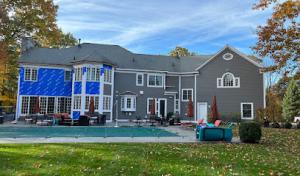
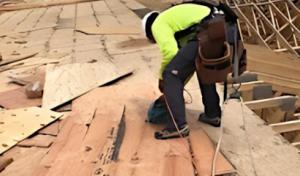
In Newington, flat and low-slope roofing is a meaningful specialty because additions, porches, and some commercial-style sections show up in mature neighborhoods. The regular precipitation and winter freeze-thaw cycles make drainage reliability especially important, since water leaves these surfaces more slowly than on steeper roofs. Plan for a proven slope and proper edge details that promote rapid water departure, even after a heavy wet snow event. Keep scuppers, gutters, and internal outlets clear, and verify that plugs and downspouts drain away from the building footprint. A consistent drip edge and membrane continuity along transitions to the main roof help prevent seepage where walls meet the low-slope area.
These roof areas often age differently from the main pitched roof, so homeowners may need partial-scope repairs or separate replacement planning for attached structures. Look for differential movement where the low-slope surface meets the vertical wall line, and inspect for seam overlaps, flashing gaps, and membrane punctures that accumulate with sun exposure and ice dams. Develop a maintenance plan that prioritizes timely sealing and targeted repairs rather than a full replacement, unless deterioration reaches the structural deck or the waterproofing layer shows widespread failure.
Low-slope sections benefit from durable, waterproof systems that resist ice damming and freeze-thaw stress. Consider membranes with proven puncture resistance and seamless transitions at parapets and skylight curbs. For additions, coordination between sheathing, underlayment, and the first layer of roof membrane matters as much as the surface finish. When possible, align material choices with the existing main roof to simplify detailing and ongoing maintenance, while choosing a system that tolerates seasonal temperature swings without cracking or delaminating.
Establish a seasonal inspection cadence focused on joints, penetrations, and edge flashing. After heavy storms, check for minor pooling, accelerated wear on the membrane, and any shifting of fasteners. Document weather-related damage with photos and keep a repair log tailored to the addition, so storm crews can respond quickly and prevent leaks from spreading to adjacent areas.
Find specialists in TPO, EPDM, and built-up flat roofing systems for residential and commercial properties.
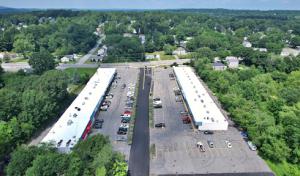
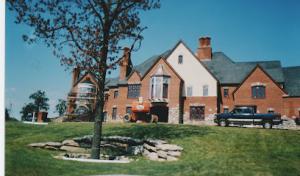
Late spring through early fall is the preferred replacement window in Newington because winter snow and freeze-thaw conditions increase installation risk and slow inspections. If you're trying to align with school calendars or work schedules, aim for May to June or September to early October to minimize disruption and maximize daylight. Scheduling outside these windows raises the likelihood of weather delays and lingering frost, which can slow crews and extend project timelines.
Summer heat and humidity in Newington can affect crew pacing and material performance, so the best scheduling window is often before peak heat or after it breaks. If you must plan during midsummer, expect slower progress and more frequent breaks to protect roofing materials from heat damage. Early morning starts can help, but lingering heat into late afternoon can push installation quality toward rushed corners. Communicate a clear daily rhythm with your contractor to keep the project on track without compromising workmanship.
Autumn leaf buildup and wind-driven debris in Newington can hide damage and complicate pre-winter inspections, making early-fall completion preferable to waiting late into the season. Conduct a pre-inspection once leaves begin to fall, then schedule the replacement so the roof is finished and cleaned before the first hard frost._visibility from ground-level debris is reduced, so ensure the contractor includes a thorough attic and upper-surface check as part of the plan.
If a winter interruption is possible, prepare the home by securing a reliable access path for equipment and ensuring gutters are cleared in advance. A calm, predictable sequence helps a local crew stay on track and reduces the chance of weather-related pauses that extend the project into less ideal months. Maintain open lines of communication with the crew about any late-season scheduling needs to keep the project moving smoothly.
In Newington, warranty messaging shows up in some contractor materials, but it isn't universal. Homeowners should expect a mix of how workmanship and manufacturer coverage are presented, and should read the details carefully. A contract that looks similar to one in another town can hide important differences in what is covered and for how long. Expect some contractors to emphasize the labor warranty while downplaying the manufacturer's coverage, and vice versa.
Because many local contractors concentrate on re-roofs rather than only new construction, warranty terms often hinge on tear-off conditions, deck repairs, and flashing scope. It matters where the contractor plans to remove old materials, how they'll treat damaged decking, and what is guaranteed about flashing around chimneys, vents, and skylights. Clarify whether deck repairs, if needed, are included in the warranty, and whether missing or mismatched flashing affects coverage.
In a market used to frequent storm and leak-response work, it helps to distinguish between three levels of warranty coverage. Emergency stabilization may be offered for immediate weatherproofing after a storm, but that does not imply long-term coverage. A repair warranty can address patches and fixes for a defined period, yet not necessarily the entire roof. A full replacement warranty should spell out coverage for the new roof as installed, plus any flashing and underlayment work tied to the replacement. In practice, confirm what events trigger each type of warranty and how claims are processed.
Take notes on what each contractor promises in writing, especially for tear-off work, deck repairs, and flashing. Ask for sample warranty language, and request contact names for follow-up. For peace of mind, align the plan with the most likely weather scenarios in January and March, ensuring the warranty remains meaningful through freeze-thaw cycles.