
Last updated: Apr 19, 2026
Northport's cold winters bring snow followed by freeze-thaw cycles that can back water up at eaves and around flashing details. When water backs up, it can seep under shingles and into roof decks, creating hidden rot and costly repairs. In this village, mornings spent scraping ice aren't enough-without a plan for drainage and heat management, the ice dams become a daily threat as temperatures swing. The result is a slow, persistent moisture problem that corrode attic insulation, compromise ventilation, and shorten the life of the roof assembly.
Many homes in and around the Village of Northport are older and have chimneys, which makes chimney flashing and attic moisture control a recurring local concern. Chimney interruptions create natural stress points where water can penetrate if flashing isn't solid and properly integrated with surrounding shingles. Attic moisture is often the unseen culprit: after a harsh winter, ice dam events push warm air into the attic, raising humidity and speeding wood degradation. Look for signs of staining on interior ceilings, musty odors, or condensation on attic surfaces, especially along ridge lines and around chimney connectors. In addition, the slope and orientation of older roofs in this area can promote irregular snow melt patterns, which intensify dam formation at eaves and overhangs where gutter and fascia work meets the roof plane.
Start with a proactive exterior inspection focusing on eaves, gutters, and flashing. Ensure gutters are clear of ice, leaves, and debris so meltwater can shed freely away from the fascia. Check the lower edge of the roof for lifted or cracked shingles or damaged underlayment, especially where snow tends to linger. Replacing missing or deteriorated flashing around chimneys and along dormers is not optional-these gaps are open invitations for winter moisture to migrate into the attic.
Seal and insulate properly at attic access points and along roof penetrations. If attic stairs or hatches leak air, seal them with gasketed closures and weather-stripping. Upgrade attic insulation where needed to reduce warm-air leakage into the roof space; a colder attic means less warm air rising and melting snow from the inside, which lowers dam risk. Install or replace vent baffles along the eaves to maintain a clear air channel between insulation and roof deck, allowing cold roof temperatures to persist at the eave and limit meltback. Consider adding a balanced, powered attic ventilator only if a professional confirms it won't create negative pressure that pulls moisture toward the roof deck.
With warm, humid summers on the North Shore that can trap moisture in attics after winter damage has stressed the roof system, it's essential to preview how summer conditions will interact with winter repairs. In late fall, re-check all flashing details, especially around chimneys and skylines, after a season of leaf buildup and wind-driven moisture. Plan a professional roof inspection before winter again tightens its grip; address any signs of wood rot, compromised sealants, or deteriorated flashing promptly. Keep a close eye on insulation in the attic-pushed moisture from failed seals or damaged ventilation can linger for months, undermining the roof's long-term performance. The goal is a roof assembly that breathes correctly while shedding meltwater efficiently, so ice dams don't have a chance to form and moisture can't linger where it weakens the structure.
Northport sits on the Long Island Sound side, so spring rain events and fall coastal storms can expose weak shingle edges, ridge caps, and flashing before winter returns. That coastal splash is not friendly to aging roofs, and a seemingly minor edge lift or loose flashing can become a major leak once a nor'easter rolls in. The high winds that come off the harbor or up elevated streets above the waterfront press against roof planes with relentless force, amplifying any existing weaknesses. Treat this as a season-by-season reality rather than a one-off problem.
With spring rains, start at the most vulnerable spots: along eaves, near chimney penetrations, and around vent pipes. A simple walk around the roof line after a heavy rain can reveal lifted shingles or damp spots along edges. If shingles are cupped, curled, or feathered at the edges, you may have gaps that let in water before you even hear a drip inside. Pay special attention to ridge caps-wind can peel those narrow fins up like a small flag, and once they're loose, moisture follows. If a visible gap or lift exists, arrange a targeted repair before summer humidity compounds the issue.
Local homeowners often need post-storm leak checks even when damage is not dramatic, because wind-driven rain can exploit older roof penetrations and chimney intersections. After a coastal storm, walk the interior ceiling lines and attic access to note any new stains or damp spots. Inside the attic, look for daylight specks around flashing around chimneys or vent stacks, which is a red flag indicating a hidden intrusion. Outside, inspect the flashing at the base of the chimney and where roof planes meet walls. If flashing looks warped, cracked, or corroded, or if the sealant has turned powdery, treat it as compromised and call in a repair before the next round of weather.
Even small penetrations can become major leaks under wind-driven rain. For older roofs, flashing at chimney intersections, vent pipes, and roof-to-wall transitions warrants frequent inspection. If you notice rusted step flashing, loose sealant, or a torn membrane at these joints, plan a repair or retrofit promptly. While you're at it, check the roof edge protection: gapped drip edge, exposed nails along the fascia, or damaged or missing shingle tabs at the eaves invite water infiltration during hail or heavy rain.
Keep debris out of valleys and along the ridge line. Debris can trap moisture and create freeze-thaw cycles that pry shingles loose when temperatures swing. Ensure attic ventilation remains balanced: too little venting traps moisture inside; too much exposure at ridge vents in stormy seasons can pull wind-driven rain under the roofing system. A proactive hand on this balance saves you from surprises when the next storm roars in from the Sound. If any area looks questionable after a season's extremes, treat it as urgent and arrange a targeted fix before the weather turns again.
Find local contractors experienced in assessing and restoring roofs after hail, wind, and severe weather events.
Engelmann Construction
(631) 246-1415 bigecoatings.com
345 Fort Salonga Rd, Northport, New York
4.5 from 14 reviews
Clearview Roofing Northport
(631) 262-7663 www.longislandroofs.com
103 Fort Salonga Rd Unit 13, Northport, New York
4.9 from 15 reviews
Roofing Contractor
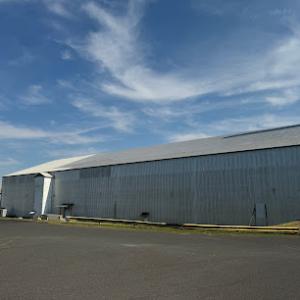
Engelmann Construction
(631) 246-1415 bigecoatings.com
345 Fort Salonga Rd, Northport, New York
4.5 from 14 reviews
Commercial and residential liquid applied coatings, waterproofing, and roofing company
Roof Maxx of Huntington, NY
Serving
5.0 from 26 reviews
Roof Maxx® is a scientifically formulated, and 100% safe, plant-based roof rejuvenating spray treatment that was developed by renowned scientists at the world’s largest private research and development company. Roof Maxx of Huntington, NY services Suffolk and Nassau counties.
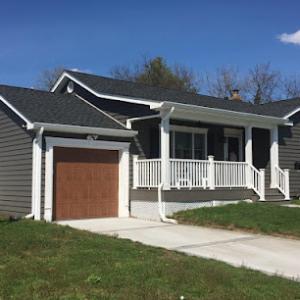
GNP Roofing & Siding
Serving
5.0 from 125 reviews
GNP Roofing & Siding On Long Island is a fully licensed and insured contractor that has been serving Long Island for over 30 years. We pride ourselves on being fair, honest, and are family-owned and operated. Our commitment to quality contractor services at a fair price has sets us apart from others in the field. All work is done by GNP with no sub-contractors. Contact us today to for a FREE estimate for all of your Roofing, Siding, Windows & Gutter needs. We service Nassau & Suffolk County Long Island. New York.
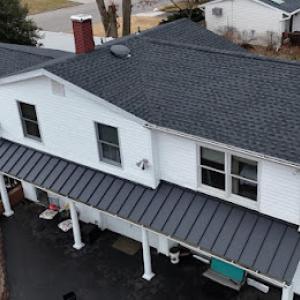
Safeway Roofing & Chimney Huntington
Serving
5.0 from 31 reviews
Safeway Roofing and Chimney is proud to serve Huntington and the surrounding areas as a trusted, family-owned and operated Long Island roofing, siding, gutter, and chimney company. With over 20 years of experience, we specialize in providing top-quality services, including roof repair, roof leak repair, skylight repair, chimney repair, chimney cleaning, chimney liner installation, gutter cleaning, and siding repair. We are fully licensed and insured, offering expert solutions for both residential and commercial properties across Suffolk County and Nassau County, NY. Our skilled technicians are committed to maintaining the highest standards, delivering reliable and long-lasting results for every project.
Eagle Roofing Contractor
(877) 258-5454 eagleroofingcontractorinc.net
Serving
4.8 from 525 reviews
Eagle Roofing Contractor, based in Commack, NY, is your trusted partner for reliable roofing and exterior services across Queens, New York City, Brooklyn, and Westchester. As expert roofing contractors, we specialize in commercial roofing, window installation, gutter installation, siding installation, and more. Our commitment to excellence ensures we use only high-quality materials and innovative solutions tailored to your needs. With a focus on customer satisfaction, Eagle Roofing Contractor delivers durable, top-tier results for every project. Choose us for unmatched professionalism and expertise.
Roofing Time
(631) 316-9230 roofingtimelongisland.com
Serving
4.9 from 95 reviews
The first choice for residential homeowners, Roofing Time installs any type of roof system for any type of building in Islip. Trust our experienced specialists to provide peace of mind and solid protection with advanced roofing systems and reliable and friendly customer service. We provide honest assessments and complete each roofing project on time, and on budget. Flexible enough to handle entirely new installations for a simple residential roof leak repair, Roofing Time is a one-stop shop for all roofing and exterior maintenance needs.
Long Island Roof Repair
(631) 495-2891 www.liroofrepair.com
Serving
4.9 from 71 reviews
Long Island roofing and roof leak repairs for commercial & residential roofs. A trusted Nill in roofing on Long Island for over 65 years! Roof leak repairs Long Island NY. Leak free roof systems! Roof maintenance is key to a leak free roof! Don’t replace rejuvenate! Free estimates!
Imagine Remodeling
(516) 398-6595 imagineremodelinginc.com
Serving
5.0 from 130 reviews
Imagine Remodeling has provided Long Islanders with exceptional customer service and high quality craftsmanship for over 18 years. Our main focused trades are roof replacement, siding replacement and repair, Jame Hardie siding installation and repair, bathroom renovation and kitchen renovation. We are a GAF Master Elite roofing installer, James Hardie Preferred siding installer and a Certainteed 5 Star certified siding installer. We service all of Nassau county, NY USA and Suffolk county, NY USA Customer satisfaction is our number one priority here is Imagine Remodeling, give us a call today and see why Don't forget to ask us about our special 0% interest free financing for 72 month program on All purchases!
David General Contractors
(917) 295-5598 davidgeneralcontractors.com
Serving
4.9 from 115 reviews
With over 20 years of experience, David General Contractors INC is your trusted partner for high-quality residential and exterior remodeling work across Long Island and New York City. We specialize in roofing, siding, blacktop and concrete driveways, extensions, dormers, and full interior renovations. Our skilled team is known for fast response, reliable service, and superior craftsmanship on every job. Whether you’re planning a small upgrade or a major renovation, we bring professionalism, transparency, and results you can count on. Contact us today for a free estimate , We do not accept advertising or marketing calls. All solicitation will be ignored.
Roof Pro
(800) 766-3773 www.nyroofpro.com
Serving
5.0 from 54 reviews
We are a family own business since 1994, helping everyone in Long Island New York. We are a Residential and Commercial Roofing company. We are proud members of the GAF Master Elite program and the Roofing & Solar Reform Alliance (RSRA).
County Roofing Systems
(631) 400-7663 countyroofingsystems.com
Serving
4.9 from 95 reviews
Established in 1987, County Roofing Systems is a licensed contractor offering comprehensive roofing solutions for residential and commercial properties across Suffolk and Nassau Counties, . services include Roof replacement, siding, and window installation, Dormers and extensions exterior work.
Asphalt shingles stay the workhorse for practical Northport setups, especially on the older village stock where repairability and local serviceability matter most. They pair well with the familiar rooflines found in the harbor-adjacent neighborhoods and respond predictably to seasonal freeze-thaw cycles. Beyond asphalt, there is room for higher-end choices that still suit the streetscape: slate or synthetic slate can blend with historic aesthetics, cedar shakes offer a textural touch that echoes older construction, clay tile brings a Mediterranean or craftsman vibe, and metal roofs deliver long life and strong wind performance. The key is to match appearance with the roof's exposure and the home's architectural language. In parts of the North Shore where townhomes and larger victorian- or colonial-era houses sit on hills, premium materials can align with the scale and detail of the structure while delivering improved moisture management at the eaves and valleys.
Older Northport homes often feature steeper pitches, which visually elevate the roof and can make premium materials more feasible from a design standpoint. Steeper roofs also complicate tear-offs, flashing details, and staging, so choose materials with predictable weight, deck compatibility, and long-standing performance records. For example, slate or cedar can be staged efficiently when the slope is favorable, but require seasoned crews familiar with cold-weather handling and precise underlayment. Asphalt shingles remain straightforward to install and repair, particularly where rapid access to maintenance crews is needed after winter storms. If choosing metal, consider standing-seam variants that shed snow efficiently and reduce leaf-clog risk in humid summers. The trade-off is that higher-end options demand careful detailing around dormers, chimneys, and skylines to prevent ice dam formation and moisture ingress at joints.
Northport's climate tests roofs with freeze-thaw stress, humid summers, and coastal winds. Materials must resist cracking, delamination, and moisture intrusion in the shoulder seasons. Slate and synthetic slate excel at durability and wind resistance, which helps when gusts sweep across harbor-facing elevations. Cedar shakes provide natural tannins and expansion capability that can stage well with older rafter systems, yet cedar demands proper ventilation and surface treatment to prevent moss and moisture retention in humid periods. Clay tile offers excellent frost resistance but may require structural assessment for heavier loads on older framing. Metal roofs, especially lighter alloys, handle wind and snow loads reliably but require careful flashing at connections to prevent ice dam vulnerabilities in valley and ridge intersections. Ventilation and continuous soffit-to-ridge airflow become decisive: without it, even premium materials are prone to moisture buildup under the deck, increasing the likelihood of ice-related leaks and long-term rot.
Material choice in Northport is often driven by how well the roof handles the local weather and freeze-thaw cycles while still fitting the architecture of older neighborhoods. The result is a practical balance: asphalt for reliability and cost-effectiveness, with the option to elevate curb appeal using slate, synthetic slate, cedar shakes, clay tile, or metal where the roof's form and the home's silhouette support a more premium material. In practice, the roofer should present a staged plan: verify deck condition, confirm proper underlayment and flashing for winter rain, and align material choice with the home's historic or coastal character, so the roof remains resilient for years of Northport's distinctive seasons.
Northport cost planning should start with the local material ranges provided, then adjust for the realities of older homes. In practice, a tear-off and new decking can push prices higher when the existing deck requires repair or replacement after the old layer is removed. For homeowners on slope and with coastal exposure, the simplified view of "one number per roof" rarely holds; expect decking repairs to add to the square footage cost and extend the project timeline. Start by budgeting within the typical ranges for asphalt shingles, metal, clay, slate, synthetic slate, or cedar shakes, but keep a reserve for decking and base-structure work that often surfaces after tear-off.
Steep pitches and complex rooflines are common in the hilly North Shore housing stock above the harbor, and they directly affect labor and material waste. Chimneys and skylights compound these challenges by introducing more flashing and ventilation details that must be integrated cleanly. In practice, these features elevate both material and labor costs beyond a simple square-rate estimate, especially when the roof requires safe scaffold access and careful edge protection. Because many homes aren't simple ranch-style reroofs, you should anticipate extra time and specialized flashing details to manage moisture flow and to prevent future ice dam risks.
Demand can tighten after spring storms or fall coastal weather, and the preferred replacement windows of spring and fall can concentrate scheduling pressure in this market. If a tear-off aligns with a harsh season or after a period of heavy winds, you might see short-notice bids or faster-than-usual project starts. Plan for a buffer in the calendar and in the contract price to accommodate weather-friendly windows and ensure the crew can complete proper moisture barriers, ventilation, and attic insulation checks without rushing.
On older homes, the project often unfolds in stages: protective measures for landscape and siding, careful tear-off, decking assessment and possible repair, then underlayment, flashing, and final roof installation. Decking repairs after tear-off are a common extra, particularly when the existing plywood shows exposure damage or moisture issues. Expect the final price to reflect both the chosen roofing material-whether asphalt shingles, metal, clay tile, slate, synthetic slate, or cedar shakes-and the added work to restore a solid, moisture-safe deck and proper attic ventilation.
Get a clear picture of your project costs upfront - no commitment required.
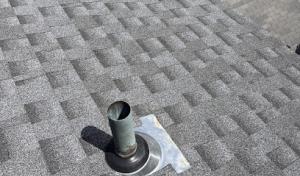
In Northport, a full reroof typically requires a permit through the local town or village building department in Suffolk County. The tricky part here is that the area includes both village and surrounding town jurisdictions, so the authority can vary by street or parcel. Before any tear-off begins or new roofing is ordered, confirm which local building office has jurisdiction for your property. This avoids delays or the need to reopen permits later. The building department will outline the necessary forms, plan submittals, and any neighborhood-specific requirements, such as setback or nearby utility coordination. Because approval timelines can hinge on whether you fall under village rules or town rules, it's wise to contact the correct office early and keep a single point of contact throughout the process. Retain a copy of every permit document, inspection notice, and approval letter, as those records are your best defense against potential code questions down the line.
During installation, inspections in this area commonly check underlayment, flashing, ventilation, and fastener placement. Expect a staged approach: inspectors may verify that the roof deck is sound and clean, the underlayment is correctly installed without gaps or wrinkles, and flashing details around chimneys, vents, and roof-to-wall transitions are integrated properly. Ventilation is particularly critical on older, sloped homes where attic air leaks and moisture buildup can accelerate decay; confirm ridge or soffit ventilation is adequate and properly balanced. Fastener placement should follow the manufacturer's guidelines and local codes, ensuring fasteners are aligned, correctly spaced, and secured to resist wind uplift. A final inspection closes the permit and confirms that the work meets current standards for roofing, flashing, and moisture control. Anticipate that inspectors may also check for proper drainage, snow guards if installed, and the integrity of vent flashing at hip and valley intersections.
Before work begins, compile a concise package for the chosen building office: address verification, proof of contractor licensing, and a brief scope of work with the anticipated timeline. You should have a clear plan for roof ventilation and a detailing of flashing strategies around dormers, skylights, or exposed fastener lines if metal is used. Communicate any weather-related scheduling considerations, since freeze-thaw cycles in this climate can affect sequence and curing of roofing materials. On site, designate a point of contact who understands the permit requirements and can coordinate with inspectors. When the project is complete, ensure you have access to the final inspection report and any corrective action notes so that gaps in documentation do not jeopardize compliance or future maintenance.
Northport's insurance environment is generally stable, but carriers may ask for roof age, condition records, repair history, and photos when underwriting or handling claims. If you own an older, sloped home, keep a simple file of recent roof work: receipts, contractor notes, and any archival photos showing flashing, skylights, and vent details. Having this ready when a policy review or claim handling starts helps keep the process moving and reduces guesswork about your roof's performance history.
After severe storms, adjusters may request additional evidence, so homeowners benefit from dated photos of shingles, flashing, skylights, and any interior leak staining. Take clear pictures that show the entire roof profile and any visible deformations, then add close-ups of problem areas. Save dates from weather events and note any temporary fixes you applied. In Northport, where wind-driven rain and freeze-thaw cycles can reveal vulnerabilities, early documentation can prevent disputes over preexisting conditions.
Roof material and age can affect policy pricing locally, which matters more in Northport because the housing stock includes both standard asphalt roofs and premium materials like slate and cedar. If a storm highlights a leak or pool of moisture, insurers will scrutinize how the roof was maintained and whether age-related wear contributed. Be proactive about maintenance records and seek qualified assessments that reflect current condition rather than assumptions about original installation.
Maintain a simple, up-to-date calendar of roof inspections and repairs, including dates and contractor explanations. Before filing a claim, gather a concise dossier: last roof replacement or major repair date, material type, and any interior staining notes. When in doubt, consult your insurer about what documentation they prefer; being prepared can reduce delays and help the claim settle more predictably.
In the village's hilly, harbor-adjacent setting, the timing of roof work should align with typical seasonal stresses. Winter work can be complicated by snow cover and ice, which slows access and creates ice dam risk during installation. If a teardown or replacement is needed, plan for windows with predictable access and steady footing, and avoid days when frost can form on ladders or newly installed flashing.
Spring and fall are the best replacement windows in Northport because they avoid the worst of winter snow and the peak summer heat and humidity. Spring brings moderate temperatures and less humidity, which helps sealants and underlayment cure properly. Fall offers cool, dry days that reduce expansion and contraction cycles on exposed materials while gutters and downspouts are still accessible before the holiday rush.
Coastal storms can disrupt schedules, so customers often need to plan earlier than expected for fall projects. Weather windows can close quickly as a storm track shifts or as windy days pick up. Aim to book a start date well before late summer, and build in a short buffer for possible delays caused by wind-driven debris or rising tides that affect access to coastal neighborhoods.
Summer work should be approached with caution on older, sloped homes. Heat accelerates wear on exposed materials and can make installation conditions less ideal, especially on attic ventilation and roofing felt. If summer work is unavoidable, prioritize periods of cooler mornings, keep crews hydrated, and target roofs that have already been cleared of heavy vegetation or debris to prevent overheating during fastening.
For planning, map out a rough project calendar around typical shoulder-season weather patterns, then confirm a start date when you have a stable five- to seven-day stretch of mild, dry days. This approach helps protect vulnerable flashing and ventilation details from temperature swings that are common in this coastal region.
Although the pitched residential roof dominates, Northport houses often hide flatter, low-slope sections over porches, additions, and some commercial properties. Those flatter zones create a separate leak risk profile that can catch the unwary homeowner. The exposure to coastal weather, plus hilly terrain that channels wind and rain, means the low-slope portions demand the same vigilance as the steeper main roofs, even if they don't look as dramatic from the street. The reality is that a small error in detailing at a porch roof or rear addition can lead to persistent moisture finding its way into the structure.
These low-slope areas are particularly vulnerable when heavy spring rain follows winter freeze-thaw cycles. Water can back up at seams, transitions, and drainage points, especially where older flashing or joint sealants have aged. In homes that blend a steep main roof with flatter rear sections, the problem is compounded by differential movement and aging materials that aren't designed to shed water as aggressively as a full-tilt roof. The result can be slow leaks that undermine insulation, invite mold, and stress the underlying sheathing.
Inspect low-slope zones for mower- or debris-blocked gutters, standing water at the edge of a porch roof, and any signs of moisture staining along transitions. Pay special attention to flashing where the low-slope meets the steeper roof above, and at if there's a shared valley or drain line. When moisture shows up at a seam or edge, treat it as a warning sign rather than a nuisance. Addressing minor failures promptly protects the integrity of both the addition and the main roof, reducing the risk of costly repairs later on.
Find specialists in TPO, EPDM, and built-up flat roofing systems for residential and commercial properties.
Engelmann Construction
(631) 246-1415 bigecoatings.com
345 Fort Salonga Rd, Northport, New York
4.5 from 14 reviews
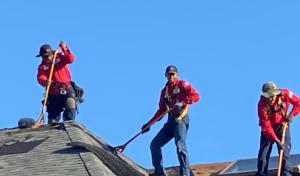
In Northport, homeowners place visible value on quick response and cleanup, which aligns with a market where emergency calls and reroofing are common. When a storm hits or a leak shows up in a late-wall-downpour, a contractor's ability to show up fast and leave the site tidied up matters as much as the repair itself. Look for a contractor who guarantees a prompt arrival window, provides a dedicated plan for protecting cedar siding and landscaping, and follows through with a clean, orderly job site each day.
Chimney work signals reliability in this town more than in many markets, because many homes still have older masonry penetrations that require careful flashing, crown repair, and potential repointing. Prioritize roofers who can demonstrate specific chimney-related projects-flashing integration, joint sealing, crown restoration, and safe flue terminations. Ask for examples from local homes with similar chimney configurations, and verify that they use compatible sealants and flashing materials that resist Northport's winter freeze-thaw cycles.
Long-established, family-owned, and residential-focused contractors remain a meaningful part of the local landscape, so tenure and neighborhood standing carry weight. Seek firms with solid local references and a track record of steady work in nearby blocks and towns. A company that has weathered several Northport seasons is more likely to understand the nuances of older, sloped roofs and the specific ventilation and attic condensation challenges that can lead to moisture-related failures.
When you call, gauge whether the contractor assigns a dedicated project manager who can coordinate with you on scheduling, access for snow removal, and daily cleanup. A local roofer should be comfortable reviewing attic ventilation, attic insulation compatibility, and ice-dam prevention measures in the context of older homes with steep pitches. Expect clear explanations about the proposed approach, materials, and a realistic timeline that respects the rhythm of coastal weather.
Request a written scope that covers flashing, ventilation, attic access, and chimney work if applicable. Seek confirmation of a start date, a daily work plan, and a post-project cleanup protocol. Ensure the bid includes a plan for protecting landscaping and a method for handling debris disposal. In a town where referrals carry weight, ask for at least three recent local references and follow up on those conversations to confirm satisfaction with response time and workmanship quality.