
Last updated: Apr 19, 2026
In Parrish, wind-driven rain from Gulf Coast systems can rip roofs open in hours. After a storm or tropical system, the fastest route to protection is to complete a temporary dry-in and tarping plan the same day if inside leaks persist. Do not wait for daylight if you see active water intrusion; a rushed tarp with weighted edges and secure fasteners beats a soaked ceiling or attic mold. If shingles are visibly lifted or curling, treat the roof as compromised and proceed with temporary coverings to limit further wind and rain entry until a full assessment can happen.
Florida insurers serving Manatee County expect to see clear, dated evidence of damage and wind-related triggers. Gather your roof age, dated photos taken before and after the storm, and notes showing where leaks began or shingles peeled back during the event. Write a simple timeline: when the storm arrived, when leaks were first noticed, and when you placed tarps or a temporary seal. If you have attic or ceiling stains, photograph those as well, since water paths can be deceptive from the exterior. In the underwriting process, older roofs can prompt tighter underwriting or higher deductibles, so having a robust, organized packet ready speeds processing and reduces delays in settlement.
Summer thunderstorms and hurricane season regularly interrupt roofing schedules in Parrish, making temporary dry-in and tarping especially important after leaks or lifted shingles. Use reinforced tarps rated for high wind, edge fasteners that won't pull free in gusts, and rock or masonry ballast to secure the corners. If a gusty afternoon comes through, double-check that tarps remain anchored and free from flapping that could cause additional damage to fascia or gutters. Document the tarping with timestamps, then notify your insurer promptly about the temporary measures-this can support expedited claim review and avoid disputes over responsibility for further weather exposure.
In the days after a storm, prompt contact with the insurer helps ensure they assign an adjuster before the roof dries out or clutter accumulates in the yard. Prepare to share the damage report, the tarp installation details, and your storm timeline. Be clear about any signs of wind-driven damage: missing granules, stripped nails, rafter exposure, or deck staining from leaking. If the adjuster notes wind-related evidence, you'll have a stronger path toward a fair settlement. For homeowners with multiple roof lines or complex terrain, request a staggered inspection window to minimize work stoppages while repairs are planned.
Parrish's residential mix features asphalt shingles, metal, clay tile, concrete tile, wood products, and synthetic/composite options, reflecting both newer subdivisions and custom homes in eastern Manatee County. When choosing a roof, you're accounting for long, humid summers, frequent summer rain, and long UV exposure. That means attention to underlayment drying times, shingle aging, and the pace at which fasteners and flashings can corrode. A practical rule: match the roofing material to how well it handles heat and moisture over 20-30 years, not just the first season after installation. For flatter eaves and exposed overhangs, consider wind-resistant underlayments and corrosion-resistant fasteners, especially in areas with salt drift from the Gulf.
Tile and metal remain popular upgrades because they balance hurricane resilience with heat performance. Clay and concrete tiles shed heat more slowly but offer robust wind resistance when properly installed with correct batten spacing and attachment patterns. Metal roofs excel in wind zones, but long exposure in Parrish means hardware choices matter: corrosion-resistant screws, quality sealant, and vent flashings that won't loosen with heat cycling. If a roof is aging, an assessment that prioritizes wind uplift ratings and corrosion resistance will help avoid post-storm failures. For homeowners weighing insurance considerations, stronger fasteners and continuous eave protection can influence claim outcomes, so document the roof's upgraded components and wind-resistance ratings.
Warm humidity and constant exposure affect underlayment drying and the longevity of fasteners. In Parrish, it's common to see underlayment choices that tolerate prolonged heat and moisture without delaminating. For tile roofs, a breathable counter-batten system with a high-quality underlayment prevents moisture retention beneath tiles, aiding long-term performance. For metal roofs, a properly sealed "hidden" fastener or exposed fastener system should be paired with corrosion-resistant coatings. Shingle roofs benefit from compatible underlayment that resists mold and UV degradation. In all cases, ensure proper attic ventilation to reduce heat buildup that can prematurely age roofing components.
During a storm or after a heavy rain, the priority is containment. If a leak appears, locate the closest clean water source and place a bucket under the drip while you arrange a temporary seal. Use exterior-grade sealant for flashing gaps and cover exposed areas with a tarpaulin if shingles lift or tiles crack. For tile roofs, avoid stepping on loose tiles; instead, place temporary patches at the edge of the damage and contact a pro promptly to prevent further cracking. Record the date, location, and photos of the damage to streamline later repairs and insurance discussions.
Insurance documentation hinges on clear notes of pre-storm condition, post-storm damage, and the roof's upgrade history. Photograph all visible issues from multiple angles, including surrounding gutters and flashings. Keep a running log of maintenance and any contractor invoices that detail wind-resistance upgrades, sealant replacements, or underlayment improvements. When you file, present the upgrade rationale-how heat, humidity, and wind tolerance were addressed-along with any wind-resistance ratings and manufacturer warranties. This approach helps support a claim that aligns with Parrish's climate realities and the common roof types found in the area.
When planning a full roof replacement, use the per-square price ranges as your baseline. In this inland pocket of Manatee County, tile and metal roofs tend to run higher than basic asphalt shingle jobs because labor intensity, higher-fastener and accessory metal requirements, and wind-detail work drive up the effort. For typical replacements, asphalt shingles generally land in the lower end of the spectrum, while metal, clay tile, and concrete tile push toward the higher end. The provided ranges reflect what you're likely to see on actual bids: asphalt shingles often around the mid to upper range for a square, metal anywhere from the low to high end, and tile options commonly above asphalt due to the complexity of installation and the need for precise underlayment and flashing details. Use these as guardrails when you compare bids, and expect some variance based on roof complexity, attic access, and the number of penetrations or vents.
Clay tile and concrete tile carry the strongest price signals in this market, especially if the roof pitch, roof-to-eave details, and wind-devices require extra labor or specialty fasteners. Synthetic or composite shingles sit between asphalt and higher-end options, offering a balance between upfront cost and long-term durability. For metal roofs, count on additional costs for proper edge detailing, wind clips, and potential coastal-grade coatings if your home sits closer to the gulf wind paths even inland. Dry-season installers can often move faster, but tile and metal still carry higher fabrication time, which translates to longer project windows if weather becomes a constraint.
Dry-season months are generally preferred for full replacements because wet-season rain can delay tear-off, underlayment inspection, and final dry-in. In practice, that means you should plan ahead for a late fall to winter window or the drier days of late winter through spring. If you must replace during rain-prone periods, expect tighter scheduling and potential delays in material delivery or inspections, which can extend the project by days or even weeks for larger or more complex roofs.
Storm-driven demand spikes in Manatee County can push scheduling and pricing pressure after tropical weather, especially for emergency repairs and full re-roofs. After a storm, you may see shorter available windows, faster mobilization by preferred contractors, and higher-than-typical pricing due to urgent need. If you experience storm damage, document the condition quickly, keep all bids organized, and prioritize a phased plan that addresses critical leaks first, with a clear path to a full re-roof when the market stabilizes. This approach helps you avoid overpaying during peak demand and ensures you have verified coverage for emergency repairs while lining up a full re-roof when weather and bids align.
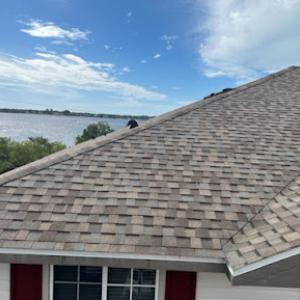
NextDoor Exterior Solutions
(727) 318-0006 nextdoorextroofing.com
Serving
4.9 from 87 reviews
NextDoor Exterior Solutions, located at 5812 Mezzana Run, is your premier roofing contractor committed to exceptional roofing services and customer satisfaction. Our expert team specializes in roof repairs, replacements, and installations, ensuring your property is protected and visually appealing. We use only high-quality materials and innovative techniques, addressing all your roofing needs with precision. As local leaders in the roofing industry, we offer personalized solutions tailored to your specific requirements. Trust NextDoor Exterior Solutions for reliable, durable, and efficient roofing services. Contact us today for a free consultation and discover why we are the top choice for homeowners seeking superior craftsmanship.
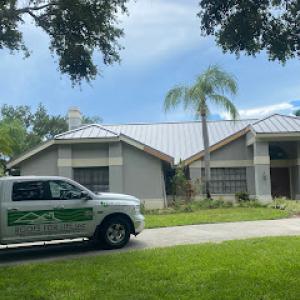
Roofs For Life
(941) 368-3330 roofsforlifeandrepair.com
Serving
4.9 from 97 reviews
Roofs For Life in Ellenton offers reliable roofer services designed for Florida’s demanding Gulf Coast climate. We handle roof repairs, replacements, and new installations for homes facing common local challenges like high humidity, heavy rain, and storm-related wear. Our team provides asphalt and metal roofing solutions that support long-term durability in coastal conditions. With decades of service in Bradenton, Sarasota, and surrounding areas, we are trusted roofing contractors known for professionalism, quality workmanship, and dependable expertise.
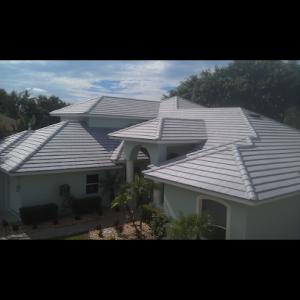
Bisson Roofing
(941) 748-7400 www.bissonroofing.com
Serving
4.9 from 76 reviews
We specialize in residential reroofs and repairs.
Mighty Dog Roofing of Southwest Florida
(941) 251-4257 www.mightydogroofing.com
Serving
4.9 from 258 reviews
Mighty Dog Roofing of Southwest Florida is a locally owned, Google Guaranteed roofing contractor serving Sarasota, Bradenton, Lakewood Ranch, Venice, Nokomis, Osprey, Siesta Key, Longboat Key, North Port and Englewood. We specialize in roof inspections, leak/roof repairs, emergency tarping, and full roof replacements using asphalt shingles, metal, tile, and stone-coated steel. Commercial services include TPO and modified bitumen systems. We support HOAs and property managers, optimize attic ventilation, and offer flexible financing. Owens Corning Platinum Preferred & GAF Certified. Book a free 25-point inspection today.
Alligator Roofing & Gutters
(941) 297-1700 alligatorroofing.com
Serving
5.0 from 262 reviews
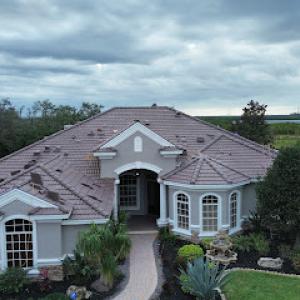
Alligator Roofing & Gutters is the premier roofing & gutter contractor located in Bradenton Florida. We offer comprehensive and complete roof installations, repairs, and replacement services to residential and commercial property owners around Tampa Bay, Sarasota, & beyond! We can install tile roofing and asphalt roofing for property owners and even have the Preferred Contractor certification from Owen's Corning! We also provide seamless gutter installation and replacement. Your home's exterior is crucial for fending off bad weather - let Alligator Roofing give you the best possible fortifications! Give us a call for your roofing and gutter needs!
Famous Roofing
(941) 258-7676 famousroofing.com
Serving
4.8 from 30 reviews
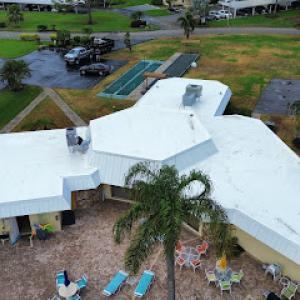
Protect your largest investment with our reliable roofing services. We are a locally owned and operated roofing company currently serving Palmetto, FL and surrounding communities. If you want to make your roof last as long as possible, it is vital that you never put off a roof repair. Small issues with roofing become big issues in a hurry. No matter how major or minor the repair you need, we are here to help. We offer roofing contracting, roof repair, and new roofing.
Pro Roofing Services
(941) 777-0072 www.proroofingfl.com
Serving
4.8 from 177 reviews
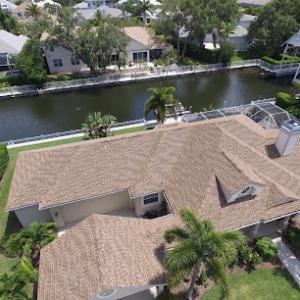
Pro Roofing Services, located at 1006 57th Street East, is your go-to roofing contractor for exceptional roofing solutions. Specializing in roof replacement, roof repair, and roof leak repair, we deliver top-notch residential and commercial roofing services crafted to meet your needs. Whether you need reliable shingle roofing, durable metal roofing, or elegant tile roofing, our expert team offers comprehensive roofing services to ensure your satisfaction. As a leading roofing company near you, we are committed to quality craftsmanship and excellence in every project. Trust Pro Roofing Services for all your roofing needs and experience unparalleled service and expertise.
Dry Guys Roofing & Repairs
(727) 379-4897 www.dryguysroofing.com
Serving
4.9 from 234 reviews
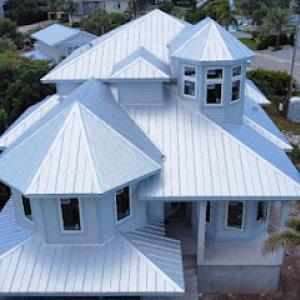
Dry Guys Roofing & Repairs is your premier Bradenton roofing company. We specialize in residential and commercial roofing services, including repairs, installations, and maintenance. With years of experience in the industry, we have built a solid reputation for providing high-quality workmanship and excellent customer service. Our team of roofing experts is highly trained and skilled in handling all types of roofing projects, from small repairs to complete replacements. We use only the best materials and equipment to ensure that our work meets the highest standards of quality and durability. At Dry Guys Roofing & Repairs, we understand that your roof is one of the most important investments you will make for your home or business.
Westfall Roofing
(941) 919-2025 www.westfallroofing.com
Serving
4.8 from 291 reviews
Established in 1989, Westfall Roofing is Sarasota County roofing contractor with over 3 decades of experience. We specialize in protecting homes from Florida's weather with professional roof repairs, roof replacements, rook leak solutions, and more. We are an Owens Corning Platinum Preferred Contractor, ensuring top-quality materials and installations.
PITCH Roofing
(727) 493-8345 pitchroofing.com
Serving
4.9 from 24 reviews
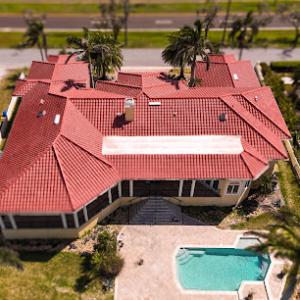
We’re PITCH, a specialized roofing company that means business. Dedicated to doing things the right way, we don’t just build roofs. We build trust. Working hand in hand with our customers, we use transparency, honesty, and reliability to guide you through every step of your project. We’re good that way. LICENSE: CCC1335448
Nova Construction & Roofing
(941) 462-4026 builtbynova.com
Serving
4.9 from 85 reviews
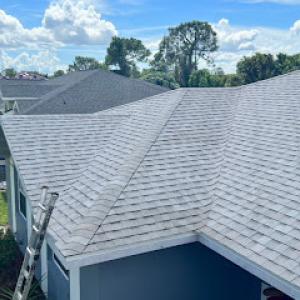
Welcome to Nova Construction and Roofing, your trusted partner in Ellenton for all your roofing and construction needs. We specialize in same-day roof repair, lifetime-warranted roof replacement, and comprehensive roof inspections. Our expert team installs durable asphalt shingles and wind-rated metal roofs, ensuring durability and quality. We also offer flexible financing options like 'No Payments for 18 Months.' Whether you need emergency storm damage repair or regular maintenance, we are here to keep your home safe and efficient. Contact us today for a free inspection.
Precision Services
(941) 527-8846 www.precisionservicesroofing.com
Serving
5.0 from 5 reviews
Local Roofing
A full re-roof in Parrish typically requires a Manatee County building permit, and the roofing contractor usually pulls it rather than the homeowner. Before work starts, you should confirm with your contractor that the permit application includes the full scope of the job-including underlayment specifications, fastener pattern, and wind-resistance details that align with local code requirements. Expect the permit to verify that the roof system is compatible with inland Florida conditions, where long humid seasons and occasional salt air drift demand robust detailing. The contractor will typically post a permit on the job site so neighbors can see the project is officially underway and inspected.
Manatee County inspections commonly include rough-in and final review. During rough-in, the focus is on the underlayment and nail pattern, ensuring fasteners penetrate the decking correctly and that the underlayment provides a continuous moisture barrier. Inspectors also check for proper wind-rated closures around hips, ridges, and penetrations, as well as secure attachment of the roof deck to the structure. The final inspection confirms the installation meets code, with particular attention to wind-resistance details such as nailing spacing and the integrity of all flashing around chimneys, vents, and skylights. It's not unusual for inspectors to request minor adjustments on a re-roof, so plan for a small window of re-inspection if issues arise.
Permit posting on site and possible re-inspection are practical local issues homeowners should expect during a county-permitted re-roof. The posted permit should clearly show the contractor's name, permit number, and the project scope, making it easy for neighbors and city staff to verify compliance. If an inspector notes adjustments after a review, the project may require a re-inspection to verify the corrective work. In Parrish, where newer homes blend with older structures, the inspector may pay extra attention to how underlayment overlaps and drip edge installations interact with existing eaves and fascia. Keeping the work area accessible and well-lit helps the process move smoothly and reduces the chance of delays tied to scheduling or weather-related holds.
Communicate clearly with the contractor about schedule buffers for inspections and potential re-inspections, especially during the Atlantic hurricane season when wind-resistance details are under heightened scrutiny. Make sure the contractor documents all product approvals and installation methods in the permit set, so inspectors can quickly verify compliance. If an inspection time is missed, have a plan for prompt rescheduling to minimize project downtime. Finally, maintain a clean, clearly visible permit poster on the site, and designate a dedicated contact person for the inspection office to streamline any questions that arise during the review.
In this area, repeated wet-season exposure can turn small flashing or underlayment defects into interior leaks quickly because roofs stay humid for long stretches. A tiny seam or capillary break that looks inconsequential after a storm can drift into a slow drip that corrodes sheathing and invites mold in attic spaces. Pay close attention to any dampness around eaves, penetrations, and roof-to-wall transitions after the humid spells. If you notice a musty smell, staining on ceiling joints, or condensation on rafters, treat it as a warning rather than a nuisance. The longer the attic stays humid, the more likely wood components will swell and fasteners will loosen, undermining the roof's ability to shed water during the next downpour.
Metal components in this area can see faster corrosion where Gulf salt air reaches inland, making fasteners, valleys, and edge metals worth closer scrutiny. Salt-driven oxidation can creep in at joints and under low-slope sections where water tends to puddle or back up. Inspect for discoloration, rust halos, or dulling on flashings, rake edges, and gutter lines. If fasteners show staining, or if metal edges appear pitted after storms, anticipate potential water tracking behind the facade even if the visible surface looks intact. Re-sealing laps and replacing compromised fasteners before a storm season can prevent surprise leaks when wind-driven rain returns.
Tile roofs common in newer Manatee County communities need attention to underlayment aging and cracked pieces after storms, while asphalt roofs are more likely to show wind-lift and granule loss. Cracked or displaced tiles create open pathways for water to travel beneath the surface, especially when wind gusts accompany heavy rain. Underlayment wear underneath can degrade without obvious exterior signs, so inspect attic spaces for warm spots, moisture, or staining that aligns with roof lines. After a major storm, a closer look at the interior side of penetrations, curbs, and vents is wise, since water can bypass the ceramic surface and find a slower route inward.
Asphalt shingles can reveal wind-lift and granule loss after strong storms. Shingle edges may curl, tabs may buckle, and exposed nail heads provide a direct entry point for moisture. Over time, granule loss accelerates aging and reduces UV protection, shortening the roof's effective life. If you notice bald patches on a visible roof surface after a hurricane or heavy downpour, treat those areas as potential pressure points. The resulting leaks may migrate along the attic plane, making prompt inspection and targeted resealing crucial to avoid widespread interior damage.
If a storm passes and rain resumes, go up to the attic with a flashlight and look for damp insulation, staining, or delicate attic decking near joints and along eaves. On the roof itself, keep an eye on flashing around chimneys, vents, and skylights, as well as the condition of valleys and edge metal. A proactive approach-addressing small flaws before they grow-can prevent disproportionate consequences when the next storm hits.
Even where the main roof is pitched, homes in this area often have low-slope sections over lanais, porches, entries, or additions. These transitions behave differently in heavy summer rain, and they're the first places where water can creep in during a thunderstorm. Look for flat or gently sloped patches where shingles or tiles meet a vertical wall, a skylight curb, or a metal parapet. The joints around vents, drip edges, and penetrations in these zones carry extra risk because bottom-edge drainage is slower and ponding water is more likely to linger after a downpour.
Thunderstorm bursts bring intense rain in short windows, and the water has a habit of backing up at walls and tie-ins when the slope isn't guiding it away quickly enough. Seams and transitions can open up under surge pressure, while debris can clog a low-slope gutter or scupper, creating backup that travels toward the interior. You'll also see more wear at the edge of the low-slope roof where wind-driven rain hits the underside of the overhang and attempts to wick inward along fasteners and sealant joints.
During dry spells, check around every low-slope patch after a rain event for damp spots inside the attic near the corresponding area, and feel for soft spots along the surface that might indicate backing water. Inspect around penetrations, flashings, and the roof-to-wall transitions for loose sealant, lifted edges, or small splits that could widen in a heavy downpour. If you notice continued dampness after storms, prioritize a professional assessment of those sections, as flat-roof specifics require careful drainage evaluation.
If water pours through a low-slope area after a storm, place a temporary tarp or waterproof cover over the affected patch to slow intrusion while you arrange a professional visit. Manage interior leaks by catching drips in buckets, protecting belongings, and avoiding wiring contact. Document the scene with photos, especially around penetrations and edge details, to assist with any insurance or repair discussions. A focused assessment of these transitions should follow promptly after the immediate storm response.
Find specialists in TPO, EPDM, and built-up flat roofing systems for residential and commercial properties.
Mighty Dog Roofing of Southwest Florida
(941) 251-4257 www.mightydogroofing.com
Serving
4.9 from 258 reviews
Florida's high-claim environment directly affects Parrish homeowners because carriers may scrutinize roof age and condition before renewal or after a storm claim. If the roof is reaching the point where materials show signs of wear, granule loss, curling shingles, or flashing gaps, expect closer insurer review and potential premium adjustments. The age of the roof becomes a factor not just for repair decisions, but for the likelihood of coverage continuance after a major event. Consider this reality when planning replacements or major repairs, and factor in how a aging roof could influence future insurance outcomes beyond a single storm season.
Detailed photo documentation before and after storms is especially important in Parrish because adjusters often want evidence of wind-created openings, not just interior staining. Take clear, timestamped photos of all roof surfaces, flashing, penetrations, and any existing damage prior to storm season. After a storm, document new openings, uplift gaps, missing shingles, and ladder or soffit damage from wind. Keep a dated log of repairs and temporary mitigations, and share it with the insurer promptly. When a claim is filed, this evidence helps distinguish wind damage from wear-and-tear and reduces the chance of dispute over what caused what.
Homeowners in Manatee County may choose replacement timing based partly on insurability and deductible exposure, not only on visible leaks. If the policy notes or underwriting guidelines suggest a higher risk with aging roofing, proactive replacement can sometimes stabilize premiums and reduce deductible surprises after a claim. Weigh the practical consequences of delaying a full replacement against the certainty of ongoing repairs; in a storm-prone environment, a well-documented, properly maintained roof lowers the risk of claim complications and extends the chance of smoother renewal cycles.
Connect with contractors who help homeowners navigate the claims process from damage assessment to final approval.
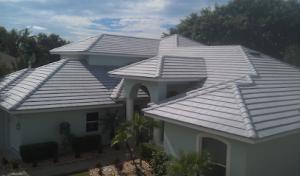
Mighty Dog Roofing of Southwest Florida
(941) 251-4257 www.mightydogroofing.com
Serving
4.9 from 258 reviews