
Last updated: Apr 19, 2026
Saint Cloud sits in Osceola County's inland Central Florida storm belt, where summer thunderstorms and early-fall tropical systems create repeated wind-driven rain events rather than a single short severe-weather season. The pattern means roofs face multiple quick hits, and roofs that hold moisture after a storm stay wet longer than in drier climates. Proximity to East Lake Tohopekaliga and other local lakes adds persistent humidity that can keep roof assemblies damp for days, complicating quick-dry turnaround and increasing the risk of concealed damage under shingles, underlayment, and flashing. In this market, storm damage and emergency repairs are common specialties among local contractors, so you will see emphasis on rapid leak control and post-storm roof assessments. Expect weather-driven urgency, not a slow, predictable repair timeline.
When a storm breaks loose with high wind and rain, you want to act fast. Start by safely locating the highest-priority leaks-areas where water is actively entering through rafters, under soffit lines, or around chimneys and vents. Prioritize tarping within reach of your home's protected zones: a leaky guest room, living area, or ceiling near the attic access is a clear signal to deploy temporary cover. If you notice moisture along interior walls or staining that grows with each passing hour, treat it as an active breach rather than a cosmetic issue. Your goal is to minimize water intrusion until a professional can evaluate. Do not rely on DIY patches alone if you cannot seal the source; a temporary tarp over a vulnerable roof plane reduces ongoing damage but will not stop wind-driven rain without proper edge securing. In Saint Cloud, where humidity keeps materials pliable and vulnerable after a storm, acting quickly to limit exposure is critical.
Begin with a sturdy, weatherproof tarp sized to cover the affected area with overhang beyond the damaged edge. Secure the tarp edges using corrosion-resistant fasteners and heavy-duty roofing nails or screws, driven into solid framing rather than sheathing alone. Use at least two layers of edge protection where wind can peel the tarp back; weighted bars or bricks can help hold it down, but never create a hazard that could become projectiles in a gust. If you have attic access near the leak, seal the interior opening to limit moisture migration toward insulation and drywall. For vented areas, avoid placing tarps over overlaps that trap heat and moisture, which can accelerate deck and underlayment deterioration.
After the wind and rain subside, perform a field check for lifted shingles, creased underlayment, or loose flashing around edges, chimneys, and roof penetrations. In this inland Central Florida climate, roofs may show delayed onset damage as moisture slowly migrates through layers, so plan a thorough inspection within 24 to 72 hours after a major event. Document every leak, note the date and time, and capture photos of damaged regions from multiple angles. This evidence helps with rapid claim processing and guarantees a timely look from a local contractor who understands the distinctive moisture cycle near East Lake Tohopekaliga. If a contractor arrives and emphasizes rapid emergency repair, verify they can provide a clear dry-out plan, temporary fixes that protect interior spaces, and a dedicated assessment of hidden damage beneath the surface. Avoid delaying a professional assessment; lingering moisture can compromise roof decks and attic insulation, leading to longer repair times and higher risk of mold.
If multiple homes on your block were hit by the same storm, coordinate tarp placement and access with a neighbor to streamline the process and reduce exposure to the wind. A shared tarp across adjacent roofs can minimize gaps that let rain creep into the attic. After securing a temporary shield, prepare a concise list of observed issues to share with the contractor: roof age, visible leaks, attic moisture, and any prior repairs. When the weather window improves, schedule a professional inspection promptly to prevent expedite delays, and ensure your post-storm assessment captures all potential damage for a thorough, long-lasting fix.
In this climate, the reality of filing a roof claim is colored by Florida's high-claim insurance environment. Carriers scrutinize roof age, current condition, and the storm-related documentation you can provide before approving a claim or renewing a policy. In practice, that means your roof isn't just a weathered cosmetic feature-it's a bundle of evidence that can influence coverage decisions for years to come. The better you document the roof's state before a storm, the clearer your path when a claim arrives after the next summer thunderstorm or hurricane-season event.
Wind-mitigation documentation is especially relevant in this market because Florida insurers often use it when evaluating premium impacts and underwriting decisions after roof work. If your home has undergone any wind-related improvements, those records can tilt the odds in your favor, or at least provide a clearer picture to adjusters. What looks like a routine upgrade today could become a meaningful data point for your policy tomorrow. In practice, that makes it worth organizing the relevant forms and certificates so they're readily accessible when the insurer asks for them.
Because replacements are frequently tied to storm events, timing matters. When the weather turns rough, carriers expect proof that damage is tied to the event and not to gradual wear. The closer you are to the storm date, the more convincing a solid claim packet becomes. Here in Saint Cloud, where lakeside humidity and inland Florida winds meet, a small leak can become a big problem quickly if left unaddressed. The key is to act with discipline: recognize a potential loss, document it, and keep the narrative tight and consistent across all materials.
Dated photos are non-negotiable. Take images from multiple angles showing the extent of any roof or attic staining, missing shingles, or deformations. Contractor inspection notes carry weight if they clearly connect observed damage to a specific storm event and describe roof components affected (shingles, underlayment, flashing, or venting). Permit records, when available, provide a timeline that helps the insurer understand the scope and origin of the work. Keep a simple, organized folder-digital copies labeled by date and event and a printed copy ready for submission. If a hurricane or strong storm is forecast, start collecting this material ahead of time, so nothing is left to memory when the claim is filed.
Adjusters in this market often request a narrative tying the damage to a weather event and the roof's pre-storm condition. Be prepared to show a before-and-after sequence and to explain any pre-existing issues that could influence the claim's assessment. Consistency matters: ensure photos, notes, and estimates align across documents. If there is any uncertainty about coverage, don't guess-document the question and seek clarification in writing. In Saint Cloud, where wind-driven damage and moisture concerns are common, the more you can anchor the claim in dated, verifiable records, the smoother the path to a fair resolution.
This city's roofing history is written in storms and in meticulous documentation. The consequence of neglecting the evidence trail is longer delays, disputed coverage, or a less favorable settlement. By building a clear, organized claim package now, you reduce the risk of surprises later and set the stage for a more straightforward recovery after the next event. In the end, your claim's credibility hinges on the simplicity and honesty of the records you present, not on the memory of a single home inspection.
Connect with contractors who help homeowners navigate the claims process from damage assessment to final approval.
G & A Certified South Roofing
(407) 540-1401 gandacertifiedsouthroofing.com
Serving
4.8 from 37 reviews

Equity Premium Roofing
(407) 410-9049 equitypremiumroofing.com
Serving
5.0 from 41 reviews
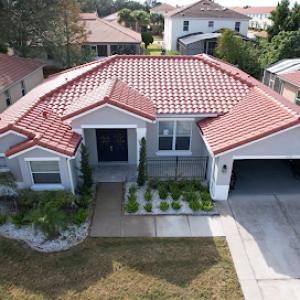
At Equity Premium Roofing, we help Florida homeowners protect their families with high-quality, American-made roofing solutions. Our team is committed to delivering premium installations, personalized service, and long-lasting results. Whether you're replacing an old roof or preparing for storm season, we ensure your home is protected with the highest standards of craftsmanship and care.
Story Roofing
(407) 449-3800 www.storyroofingllc.com
Serving
5.0 from 28 reviews
Welcome to Story Roofing, where the only story you're getting is a quality roof at an affordable rate. We care about a long-lasting relationship with every one of our clients. Ask about our service and warranty packages today!
Ctr Roofing
(407) 738-1036 www.facebook.com
Serving
4.9 from 54 reviews
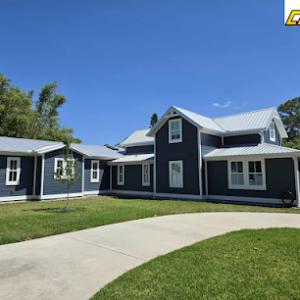
As a premier, family-owned roofing contractor, CTR Roofing has been proudly serving the community since 2013 with over 45 years of combined experience. Specializing in both residential and commercial projects, they offer comprehensive services from repairs and replacements to brand-new installations. Catering to a wide variety of roofing systems including shingle, metal, flat, and modified, CTR Roofing ensures top-tier craftsmanship for every client. Their dedicated team provides reliable and high-quality solutions for homes and businesses across the region.
G & A Certified South Roofing
(407) 540-1401 gandacertifiedsouthroofing.com
Serving
4.8 from 37 reviews
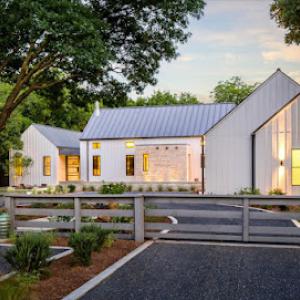
G & A Certified South Roofing, your trusted roofing contractors in Orlando for over 20 years, brings unmatched expertise to both commercial and residential projects. With a commitment to excellence, our experienced team ensures top-notch workmanship, utilizing the latest technologies and premium materials. Building lasting relationships through trust and integrity, we take pride in our reputation as industry leaders. Count on us for reliable, dedicated service that stands the test of time.

Distinctive Contractors
(407) 837-3322 distinctivecontractors.com
Serving
4.6 from 28 reviews
Distinctive Contractors is a locally owned and operated contractor serving Orlando and surrounding areas. Distinctive has decades of experience serving homeowners and their home improvement needs. From general contracting, to roofing, to HVAC we look forward to you and a professional working relationship as we provide the services needed to restore your home and property.
JT Construction Roofing Contractors
(321) 624-9477 jtflroofing.com
Serving
5.0 from 26 reviews
A Central Florida Roofer that you can trust! We're here to make sure that your roof not only protects your home, but doesn't cost you an arm and a leg. FREE Estimates are available!
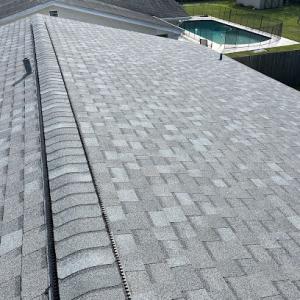
Wooley Brothers
(321) 239-5254 www.wooleybrothers.com
Serving
4.3 from 65 reviews
**Elevate Your Roofing Experience with Wooley Brothers** For over three decades, Wooley Brothers Roofing has been the premier roofing authority in Central Florida. As a family-owned business, we are committed to delivering exceptional quality and unparalleled workmanship to our valued customers. From re-roofs and repairs to a comprehensive suite of services, including shingles, tile, metal, and more, we have the expertise to handle all your roofing needs. Our dedication to going the "extra mile" ensures your roof is in top-notch condition, providing the peace of mind and security you deserve. Experience excellence with Wooley Brothers Roofing, the trusted name in roofing services.
Heart Of Florida Roofing
(407) 462-5414 heartoffloridaroofing.com
Serving
5.0 from 178 reviews
When our founder first started Heart of Florida Roofing, he did so with one goal in mind—to put his years of roofing experience to work for the residents of Orlando and Kissimmee, FL. Now, with a dependable team and over 100 years of collective experience, Heart of Florida Roofing continues to serve the Orlando community at every opportunity. The roofing contractor Kissimmee FL trusts and rated the highest! To speak with a reliable roofing contractor about roof repair, roof replacement, roof inspection, roof coating, replacement windows, gutters, siding, solar, roof cleaning, storm damage repair and more, contact us today. Heart of Florida Roofing is fully licensed, bonded and insured in the state of Florida.
Greenway Roofing of Florida
(407) 230-3858 www.greenwayroofing.com
Serving
5.0 from 101 reviews
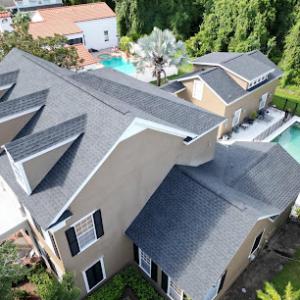
Greenway Roofing of Florida is a roofing service based in Kissimmee, FL, providing residential and commercial roofing work. We repair damaged roofs, replace worn systems, install new roofing and perform roof inspections for homeowners, property managers and commercial properties across Kissimmee and nearby Central Florida. Our licensed roofing contractors fix roof leaks, respond to storm damage, complete re-roof projects and service commercial roofing systems using proper installation standards and approved materials. We also install gutters to manage water runoff. Free roof inspections are available, including urgent leak and storm damage evaluations. Contact Greenway Roofing for roof repair or roof replacement in Kissimmee, FL.
Top Notch Roofing Partner Kissimmee
(689) 252-6315 roofingpartnersusafl.com
Serving
5.0 from 39 reviews
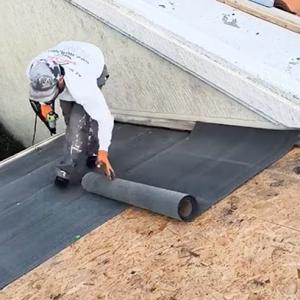
Top Notch Roofing Partner Kissimmee is your trusted local expert for high-quality roofing services in Kissimmee, FL. We specialize in roof repair, roof replacement, new roof installation, metal roofing, shingle roofing, flat roofs, storm damage repair, leak detection, and emergency roofing services. Available 7 days a week, our experienced team is committed to delivering durable, weather-resistant solutions tailored to Florida’s unique climate. Whether it’s residential or commercial roofing, we use top-grade materials and proven techniques to protect your home or business. Call Top Notch Roofing Partner Kissimmee today for reliable, affordable roofing services you can count on!
Direct Home Solutions
(407) 515-6716 www.directhome.solutions
Serving
4.8 from 53 reviews
We specialize in Roofing, HVAC, general contracting and water filtration systems for your home or business
Saint Cloud's mix of inland Central Florida storms, lake humidity from East Lake Tohopekaliga, and frequent summer downpours shapes how different roof types hold up. The heat and humidity drive faster granule loss on asphalt shingles, more pronounced algae staining on darker surfaces, sealant aging around penetrations, and quicker underlayment wear if ventilation isn't optimal. Tile roofs, including clay and concrete, tolerate heat well but can be heavier and more sensitive to structural support and fastener corrosion in humid air. Metal roofs resist repeated downpours and wind but can show minor denting or color fade in severe storms. Synthetic and composite shingles offer good resistance to heat and moisture, while slate remains durable but costly and heavier to install.
Tile roofs are a common sight in newer subdivisions and Florida-style architecture here, and they pair well with the local climate when the underlayment and deck are properly prepared. Clay tile tends to shed rain efficiently and stays cooler in direct sun, but weight and breakage risk during hail or heavy impact events are considerations. Concrete tile shares those benefits with added impact resistance, though installation must account for wind uplift and proper roof pitch. Maintenance is mainly about keeping fasteners secure and checking for cracked or displaced tiles after storms. Expect longer replacement cycles if the existing structure supports the weight and the fasteners are corrosion-resistant.
Metal roofs are increasingly popular because of their durability against wind and hail and their capacity to shed rain with minimal water intrusion. In this area, metal requires attention to seam maintenance, corrosion protection in coastal-influenced humidity, and proper attic ventilation to prevent ice-dam-like issues in shoulder seasons. A well-installed metal roof can resist the quick thermal cycles that Florida heat imposes, but panel edges and fasteners should be checked after intense storm events for loose fit or misalignment. A local contractor with tile and metal specialization can tailor flashing details to reduce potential leaks around chimneys, vents, and skylights.
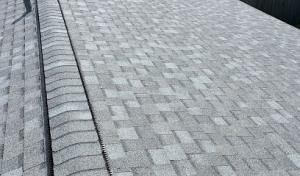
Asphalt shingles remain a common, lower-cost replacement path, especially on older homes or where weight and structure constraints limit other options. In this market, expect accelerated granule loss and more rapid algae staining in sunny facades. Synthetic or composite shingles offer a middle ground, balancing flexibility in heat with good moisture resistance and easier installation on varied roof geometries. Regardless of choice, attention to proper ventilation, underlayment quality, and flashing around edges and penetrations is critical in this climate.
In Saint Cloud, a proactive approach beats reactive fixes after each storm. After major wind events, walk the roof (or hire a trusted local roofer) to look for lifted shingles, displaced tiles, or opened seams. Keep gutters clear to prevent overflow that accelerates under-eave wear. If algae appears, address it early with a cleaning method that preserves the protective film on darker surfaces. In colder months, inspect vent seals and flashing around chimneys to minimize moisture creep. A well-chosen material, installed with proper underlayment and wind-resistant detailing, pays off across Florida's stormy seasons.
In Saint Cloud, full replacements are often scheduled during Central Florida's drier months because summer and early fall bring frequent thunderstorms that interrupt tear-off and dry-in work. The goal is to finish the project with solid weather windows to minimize repeat visits and weather-related delays.
The inland climate here sees daily rain cycles even for homes that aren't right on the coast. Saturated job sites slow crews, muddy up access, and can stall underlayment and shingle or tile installation. By lining up the tear-off, replacement, and weatherproofing to a window with fewer storms, you keep the crew on track and the roof's interior sealed sooner. This matters especially for East Lake Tohopekaliga-adjacent humidity, where prolonged exposure can affect underlayment and fastener choice.
Hurricane season can create sudden demand spikes for roofers across Osceola County, stretching lead times and making pre-storm scheduling more valuable. If a project is timed in advance of the peak season, you reduce the risk of a backlog. Consider establishing a preferred start period with your roofer-ideally a stretch of dry weeks in late winter to early spring-and keep that window as a commitment, so a rainier stretch won't derail the project's start.
The local weather pattern means even inland homes without coastal exposure still face installation delays from daily rain cycles and saturated jobsite conditions. Dry-in work depends on consistent moisture-free days for deck protection, underlayment, and flashing installation. If a storm interrupts work during tear-off, plan for a potential staged return to complete dry-in and waterproofing, rather than forcing a rushed finish when storms return.
Coordinate a staggered schedule that accounts for forecasted rain. Have a backup plan for drying-in days, such as tarping and rapid-dry methods, so progress isn't forced to stall after a single storm. Confirm crew availability for a multi-week window that aligns with the dry spell, and ask about potential contingency dates in case a tropical system shifts the forecast. Open communication about expected weather risk helps prevent last-minute rescheduling and keeps the project on track.
Ask about typical lead times for your chosen material during the dry season and how recent storm activity impacts crew arrivals. Inquire whether the contractor maintains weather-ready contingencies, such as temporary coverings and moisture-absorbent barriers, to protect interiors during unavoidable rain. Finally, discuss how to stage materials and secure the jobsite so a sudden shower won't cause damage or delays between tear-off and installation.
A full roof replacement in Saint Cloud typically requires a building permit through Osceola County, and the filing is usually handled by the roofing contractor rather than the homeowner. That means you should expect your contractor to initiate the process, gather the required forms, and submit them for plan review. While it can feel like a formality, the permit creates an official record of the work and helps ensure that the installation complies with county and state standards, including load calculations and flashing details. Plan ahead with the contractor to align the permit timeline with weather windows, especially after summer storms when roofs are more vulnerable and the county's inspection schedule can fill quickly.
Plan review and inspections commonly verify underlayment, nailing patterns, and flashing details, with inspections occurring during and after installation. In Osceola County, the review team looks for a coherent sequence that ensures the roof deck is properly prepared for the chosen material, whether asphalt shingles, metal, tile, or another option common to Saint Cloud homes. Expect the reviewer to check fastener spacing, nailing overhangs, and corner or valley flashings, as these are critical in wind-prone Central Florida weather. Have your contractor keep a detailed record of material specifications, roof deck condition, and seam transitions ready for the plan reviewer, because corrections identified at this stage can delay the project.
Inspections occur at key milestones: an initial framing or underlayment check, followed by a final inspection after the roof is installed. In practice, the county inspects the underlayment, nailing pattern, and flashing details to confirm that the installation aligns with the permit plans and Florida Building Code expectations. Because of Osceola County's emphasis on proper moisture barriers and wind resilience, inspectors may pay special attention to edge metal, hip and ridge components, and any penetrations around vent stacks or skylights. Schedule these inspections with the contractor so that you have timely access to the site and can address any deficiencies promptly. Delays in inspection can affect occupancy readiness and insurance documentation.
Because Florida wind-mitigation documentation can affect insurance outcomes, permit and inspection records in Saint Cloud matter beyond code compliance alone. The county's review notes and the resulting certificates can influence premium calculations and claim recoveries after a wind event. Ensure the contractor retains the wind-mitigation specifics-such as roofing product approvals, nailing schedules, and reinforcement details-within the permit package and final inspection packet. When possible, request copies of the wind-mitigation forms and ensure they are uploaded to the project file with the county, so that those records are readily available for your insurer if needed.
In this market, planning should anchor the budget to the local square-range expectations for common materials. Asphalt shingles run roughly 350 to 750 per square, metal about 650 to 1300, clay tile 900 to 1600, concrete tile 900 to 1700, synthetic or composite 450 to 900, and slate 1100 to 2300 per square. These ranges reflect Florida-style homes with dense roofs, longer eave lines, and the heavier tile systems many houses feature here. When lining up bids, compare not just the bottom line but the inclusion of underlayment, flashing, and any recommended secondary water barrier. Frequent local asks center on wind resistance, impact ratings, and the way each material handles the high humidity and summer storms that sweep through the area.
Storm-driven demand surges in Central Florida can push labor scheduling and pricing upward after major weather events, especially for emergency dry-in and full re-roofing. If a contractor is juggling multiple urgent jobs, remember that scheduling windows may compress and lead times extend. For a typical season, plan for a few extra days when coordinating access, materials, and inspections after a weather event. In the aftermath, metal and tile systems often see quicker turnarounds on availability than some asphalt orders, but the trade-off is higher initial cost. Factor in potential expedited needs if a rapid dry-in is critical to protect interiors during heavy rain.
Costs in this market are shaped by heavier tile systems common in Florida-style homes, plus Osceola County-style inspection rhythms and local preferences for wind mitigation. Clay and concrete tiles offer durable, long-term protection but require solid framing and careful installation to maximize performance against tropical winds. Asphalt remains a budget-friendly first option with quicker install times, though maintenance cycles and wind ratings should be weighed. Synthetic shingles provide a middle ground for cost and performance, while slate delivers peak durability but substantial upfront investment. Weigh weight, wind rating, and attic ventilation alongside local storm patterns to land on a cost that aligns with long-term reliability.
Don't let upfront costs delay a critical repair - these contractors offer payment plans to fit your budget.
G & A Certified South Roofing
(407) 540-1401 gandacertifiedsouthroofing.com
Serving
4.8 from 37 reviews
While steep-slope residential roofs dominate, a meaningful flat-roof specialty presence shows up around porches, additions, garages, and some mixed-use structures. In practice, these attached areas aren't just "tacked on" extras; they behave differently when the skies open up and when heat cycles cause fasteners to loosen. You'll notice that the edges and transitions often carry the brunt of wear, so inspections should treat them as separate zones rather than an afterthought to the main roof.
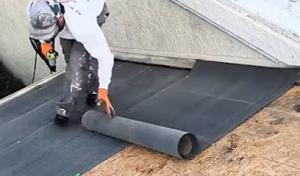
In our heavy-rain climate, low-slope transitions and drainage details become common leak points when tied into shingle or tile main roofs. Water can back up at improper crickets, parapet-to-roof joints, or misaligned scuppers, and a small nick in a flat area can become a persistent drip after a summer storm. Pay attention to visible streaking near joint lines, as well as damp or soft patches along the edge flashings and edging materials where sheet metal or membrane overlaps meet.
These attached roof areas often fail differently from the main roof system and may need separate material and flashing decisions during a replacement. That means you can't assume a single-pill solution will last through the next season's downpours. Expect the need for dedicated flashing upgrades-especially at parapets, edge details, and where a flat section meets a pitched roof. If you're planning replacements, address these interfaces with the same scrutiny you give the primary roof, or you'll likely invite recurring leaks.
Walk the transitions after a big storm, looking for pooled water, damp insulation, or damp ceiling spots below. Inspect flashings at all flat-to-pitched connections and verify that the drainage paths remain clear. If you notice bubbling along a flat seam, or if a porch or garage area shows ongoing dampness after rains, set up a temporary containment plan and consult a local pro who understands the unique interplay between flat sections and the main roof.
Find specialists in TPO, EPDM, and built-up flat roofing systems for residential and commercial properties.
Top Notch Roofing Partner Kissimmee
(689) 252-6315 roofingpartnersusafl.com
Serving
5.0 from 39 reviews
In Saint Cloud, strong sun exposure makes solar-related roof work relevant, and local contractor signals confirm an active solar-roofing niche in this market. Homeowners often pair rooftop panels or skylights with existing systems to maximize daylight and energy savings. The key is to plan for compatible layouts that don't compromise attic ventilation or roof slope.
In a region defined by wind-driven rain, penetrations for solar mounts and skylights need careful flashing and post-storm inspection attention. Solar racking should sit over solid, clean decking with corrosion-resistant fasteners. Skylight openings demand boot flashing that seals tightly against both tile or shingle surfaces and any nearby vent pipes to prevent water tracking after heavy rains.
These details become more important when older roofs are being evaluated for replacement versus retrofit before adding rooftop equipment. If the roof is near the end of its life, consider timing the install to minimize multiple penetrations and reduce resealing work. A full roof replacement often yields better long-term performance than retrofitting on a compromised deck.
After summer thunderstorms, perform a focused inspection around all penetrations, including mounts and skylights. Look for loose flashing, lifted shingles, or surface staining near screws and seals. Document any damage with photos, and contact a local roofer promptly to assess whether resealing or hardware replacement is needed.
Select mounting systems and skylight options that match the roof type in use, whether asphalt, metal, or tile. Ensure that sealants and flashing materials are rated for high Florida sun exposure and occasional hail impact. Local pros can tailor configurations to balance wind resistance with natural light gains.
Find contractors who integrate solar panels or solar shingles into your roof for long-term energy savings.
G & A Certified South Roofing
(407) 540-1401 gandacertifiedsouthroofing.com
Serving
4.8 from 37 reviews
In this storm-prone market, you'll notice leaks and related callbacks more often tied to severe weather than to the moment of installation. Manufacturer material coverage protects the actual roofing products, while contractor workmanship promises cover installation-related issues. You should expect the former to address aging or storm-damaged materials, and the latter to handle improper installation, flashing failures, or misnailed components. Clarify which parts of your roof are covered by each promise, and get it in writing with precise timeframes. If a storm-related leak appears after a severe wind event, distinguishing these two layers of protection becomes essential for timely repair.
Warranty value is tied to whether the roof was installed to pass local inspection points-underlayment, flashing, and nailing verification-because those checks reflect how well the roof was prepared for Central Florida's humidity and wind. A warranty is stronger when the installation demonstrates attention to these critical details and when the installer can show documentation of pass-fail results from the inspection workflow. If a claim arises, the insurer or manufacturer may look for proof that the roof met those exacting points at the time of installation, making the documentation nearly as important as the materials.
A smaller but meaningful share of local contractors market warranty-backed work, so certification and documentation become practical differentiators. Look for installers who offer written workmanship warranties backed by a recognized certification and who maintain organized records-product batch numbers, installation dates, and notes on flashing and nailing methods. In a market where storm callbacks are common, having clear, accessible warranty documentation gives you leverage and predictable paths to remediation after a significant weather event.
When a severe afternoon thunderstorm or late-summer wind event arrives, your immediate goal is a rapid assessment and a documented claim path. Ask prospective contractors how they handle storm-damage assessments, what constitutes a valid warranty claim under their policy, and how they coordinate with manufacturers for material coverage. A smart approach pairs a solid manufacturer warranty with a credible workmanship promise, both underpinned by transparent, storm-responsive documentation that reflects the local roofing realities of this area.