
Last updated: Apr 19, 2026
In this Chicago-area insurance environment, wind and hail claims are common enough to affect deductibles, underwriting decisions, and documentation requirements. That means your policy may include specific wind/hail exclusions or endorsements that change how a claim is handled once damage is confirmed. When a storm rolls through, adjusters aren't just assessing shingles; they're evaluating how your coverage interacts with your roof's age, material, and existing wear. If you've got an older roof or mixed materials, expect closer scrutiny and a longer path to approval. Understanding where your policy stands before you file can save you delays and surprise gaps in coverage.
Spring hail events and thunderstorms are a major scheduling disruptor locally, so homeowners often face both active leak risk and contractor backlog at the same time. That means you may be dealing with a leaking roof while a flood of other claims files crowd the inspection calendar. The right move is to act quickly but deliberately: document and notify as soon as you suspect hail or wind damage, then secure temporary protections to limit interior damage while you wait for an adjuster. Keep in mind that the first weeks after a storm are typically the busiest for roofers and adjusters alike, so delays are common. Having a plan to bridge potential gaps-like tarping vulnerable areas and scheduling temporary repairs-can reduce interior damage and keep the project moving once the paperwork catches up.
Claim timelines can stretch during peak storm seasons in this market, making photo documentation of shingle condition, roof age, and prior repairs especially important. Start with a dated set of photos that show the entire roof, close-ups of damaged areas, gutters, vents, and any interior signs of water intrusion. Capture the surrounding trees and property context-overhanging branches can worsen wind-driven damage and hail impact. Track roof age and any previous repairs or replacements, including the material type and contractor notes if available. A written log of storm date, wind speeds if you have them, and observed leakage points helps you communicate clearly with the adjuster. When speaking with the insurer, reference these records to anchor your claim to observable conditions rather than memory alone.
Because storms drive both damage and demand, you'll encounter a surge in contractor availability that can blur timelines. Start by securing a restoration-focused contractor who understands the nuance of hail-driven damage and the insurance claim process. Ask for references and a transparent inspection plan that includes a detailed findings report, photos, and a proposed scope of work aligned to your policy's coverage. A robust scope helps prevent back-and-forth revisions later on, which you'll want to minimize given seasonal backlog. If you're facing a contractor shortage, prioritize those who offer rapid temporary repairs to protect interior spaces while the claim compiles and the weather settles.
Elmhurst faces a recurring cycle of spring storms that can trigger multiple claims in a short window. Use the lull between weather events to perform proactive measures: trim overhanging branches that could damage shingles in a future hail hit, verify attic ventilation to reduce ice dam risk during freeze-thaw cycles, and schedule a thorough roof inspection after every significant storm. This proactive stance not only shortens potential downtime after a new event but also strengthens your case when you present a claim to your insurer, demonstrating a proactive approach to maintaining the roof's integrity amid local weather patterns.
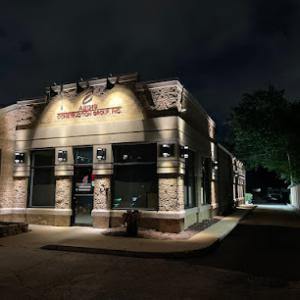
Aegis Construction Group
(773) 812-3447 www.aegiscgi.com
331 N York St, Elmhurst, Illinois
5.0 from 291 reviews
Aegis Construction Group in Elmhurst, IL delivers trusted exterior contracting and restoration services for homeowners and businesses throughout DuPage County and the Chicagoland area. As a family‑owned and Illinois licensed roofing and general contractor since 2015, we specialize in premium roofing replacements, roof repairs, siding installation, seamless gutters, windows, and garage doors backed by industry‑leading workmanship and materials. We manage storm damage repair, insurance claims, and offer free property inspections. Our team prioritizes quality, communication, and customer satisfaction, delivering durable, energy-efficient solutions that enhance curb appeal and long-term protection for your commercial or residential property.
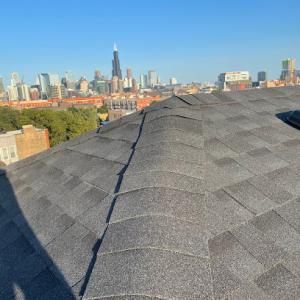
Sealed Tight Roofing
(630) 631-7496 www.sealedtightroofingandpaving.com
242 N York St, Elmhurst, Illinois
4.9 from 82 reviews
Here at Sealed Tight Roofing and Paving, we provide comprehensive roof installation, roof repair, modified bitumen, TPO roofs, flat roofs, asphalt shingles, snow removal, roof coating, gutter installation & repair services for homeowners and business owners across Chicago, Illinois and the surrounding communities. We are experts in our field and are dedicated to providing superior workmanship and customer support. With over 30 years of professional experience, customer satisfaction is always our top priority.
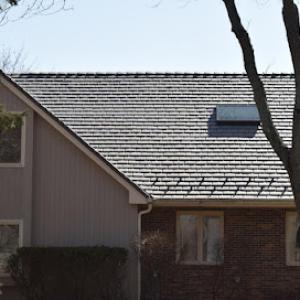
Elite Exteriors
(312) 599-1032 www.eliteext.com
226 West Ave #102, Elmhurst, Illinois
4.9 from 114 reviews
ELITE EXTERIORS - Residential & Commercial Roof Installation, Replacement & Repair Experts- has more than 30 years of experience in the construction industry. Not only are we a licensed roofing contractor, but we can also handle your insurance claims in-house. Our team of professionals has the experience to tackle any residential or commercial projects resulting from property damage caused by natural events. Elite Exteriors is Elmhurst’s top choice for exterior repair projects when Mother Nature causes damage to your home or business. Roofing, siding, gutters, decks, and almost any other exterior repairs you could ask for — Elite Exteriors can handle them all.
Feze Roofing
(630) 530-5944 www.fezeroofing.com
111 Maple Ave, Elmhurst, Illinois
4.8 from 78 reviews
Feze Roofing, services the Residential, Commercial and Industrial Markets in Oak Brook, Elmhurst, Villa Park, Burr Ridge and all throughout the Chicagoland Suburbs. We have specialized in applications such as shingles, hot asphalt, single-ply roof systems and modified bitumen in the DuPage and Cook County areas for more than 35 years. Our Installers and foremen are certified Commercial Master Installers of GAF Materials Corporation and Carlisle Roofing Systems, Inc. Our team is factory trained and certified. We have an ongoing educational program in residential and commercial roofing as required by GAF. In addition, we are one of the first roofing companies in the Chicagoland area to be designated as Master Elite Contractors by GAF.
Aegis Construction Group
Serving
4.9 from 70 reviews
Welcome to Aegis Construction Group in Villa Park, IL! As a family-owned and operated business, we specialize in a variety of exterior restoration services. Proudly licensed as an Illinois roofing contractor and a General Contractor in the City of Chicago, we cater to residential, commercial, and industrial needs across the Illinois suburbs, including Villa Park. With a steadfast commitment to service and quality, we've delighted over a thousand customers in the Chicagoland area. Our dedication to excellence is backed by a 10-year craftsmanship warranty on all our work. We offer complimentary property inspections and strive to make the process hassle-free for homeowners, whether it's an insurance claim for storm damage or simple updates.
Ferravit Remodeling
(773) 739-7493 www.ferravit.net
Serving
4.8 from 112 reviews
Chicago Roofing & Siding Company. Residential and Commercial.
Royal Reserve Roofing
(630) 822-4370 royalreserveroofing.com
Serving
5.0 from 198 reviews
General contracting for all exterior repairs, damages, and restoration.
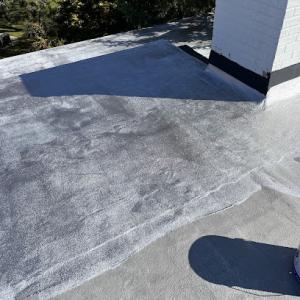
Anytime Roofing
(630) 376-8391 www.anytimeroofing.net
Serving
5.0 from 76 reviews
Our mission has been to deliver roofing solutions that’ll bring your home’s curb appeal to life. We hope to accomplish that by providing our clients with professional workmanship, highest quality roofing repairs/replacements, and excellent customer service. It is our primary goal to restore your roof to like-new condition in the shortest time possible, using the finest materials, and without breaking the bank. What We Do Backed by close to two decades of expertise and an avid team of roofing pros, we offer you a full suite of roof repair and replacement services with a dedication to full customer satisfaction.
GC Roofing Company
(331) 267-8166 roofingcompanyvillapark.com
Serving
4.9 from 54 reviews
GC Roofing Company Villa Park based, specializes in providing top-tier roofing solutions tailored to meet the specific needs of each client. Our skilled team, equipped with the latest technology and materials, ensures every project is completed with the highest standards of quality. We take pride in our commitment to customer satisfaction and our ability to deliver exceptional results, whether it's for residential or commercial properties. Our services include new roof installations, repairs, maintenance, and inspections, all delivered with unmatched professionalism. Trust our company for reliable, efficient, and cost-effective roofing services. For a free consultation or to discuss your roofing needs, don't hesitate to contact us.
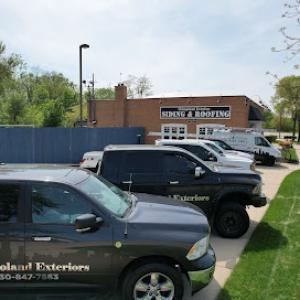
Chicagoland Exteriors
(630) 847-7863 chicagolandexteriorsinc.com
Serving
4.9 from 162 reviews
Roofing, Siding, and exterior remodeling contractor
Champion Roofing
(847) 673-7663 championroofing.com
Serving
4.8 from 230 reviews
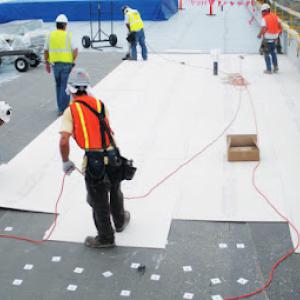
Champion Roofing, Inc is a recognized leader in commercial and residential roofing. As a trusted Chicago roofing contractor, Champion Roofing has a complete line of commercial and residential roofing systems to best meet your needs. Our dedicated roofing experts are available to help you design your new roof or help with your Chicago roof repair. Due to the quality our materials, we offer some of the best warranties in the industry, from 5-30 years. Our fully licensed, bonded, and insured commercial roofers have the experience to provide you with the assurance of quality installation due to our excellent workmanship. Give yourself and your business the peace of mind that comes from a trusted commercial roofing company. Learn more today.
Max Roofing
(773) 766-9988 www.maxroofings.com
Serving
5.0 from 79 reviews
LICENSED MAX ROOFING COMPANY ADDISON, IL. Residential and commercial emergency roofing replacement services contractors in Addison, IL, Glencoe, IL, Elmhurst, IL, Norridge, IL, Naperville, IL, Lake Forest, IL, Northbrook, IL 60062, Lake in the Hills, IL, South Barrington, IL, Glen Ellyn, IL, Hinsdale, IL. Certified GAF Master Elite Roofing Chicagoland. Chicago Certified Installers of Da Vinci Roofscapes near me. Get a Quote for Roof Repair from local roofers. Insurance Claims Roof Installation Contractors in Addison Illinois. As trusted local roofers, we offer extensive roof repair services, even specializing in the challenging task of repairing flat roofs near Addison, Glencoe, Elmhurst, Norridge, Naperville, Lake in the Hills, Barrington.
In Elmhurst, cold winters push water into roof joints and flashing, then force it back out as temperatures swing above and below freezing. Those repeated freeze-thaw cycles can widen gaps in flashing, embrittle shingles, and create leak points that would have been minor in warmer months. The result is a roof that might look fine after fall but shows weather-driven weaknesses once the first deep freeze arrives. The neighborhood patterns-mature trees, older housing stock, and frequent hail events-mean the roof experiences more stress than a new build in a milder climate. If drainage or attic ventilation isn't optimal, this cycle accelerates issues around valleys, chimneys, and attic access points. The practical takeaway is simple: anticipate the impact of freeze-thaw on components that often wear first, and plan inspections with that in mind.
Spring and fall are the most temperate replacement windows locally, which is why many full re-roofs are planned in those seasons rather than deep winter or peak summer. In Elmhurst, waiting for a mild stretch after winter or before the onset of winter reduces the risk of weather-driven delays and helps crews stay on a steady schedule. If spring comes late due to lingering cold snaps, aim for a mid-season window once daytime temperatures consistently stay above freezing and nighttime lows are reliably above freezing as well. Fall work benefits from drier days and typically fewer hot spells, which helps with sealant behavior and shingle handling. If a roof shows signs of active ice damming, take action promptly but coordinate replacement for a window where snow is unlikely and daytime highs are comfortable for crew members and material handling. The goal is to minimize exposure to prolonged cold, high humidity, or sudden storms that can push a project beyond planned dates.
Winter snow and summer heat both reduce workable installation windows in Elmhurst, affecting crew availability and how quickly a replacement can be completed. When cold snaps hit, crews may need to pause work for safety and material performance reasons, extending the timeline. In heat waves, shingle adhesives and underlayment behave differently, and extended heat can complicate roll-out and cure times. A practical approach is to set a target block in a shoulder season-preferably a three- to four-week window with stable forecasts-allowing for contingencies without sacrificing quality. Before work begins, rehearse a clear sequence: detach old roofing, address flashing and venting first, then install the underlayment, followed by the primary roofing material. That order helps manage any unexpected moisture intrusion during a fluctuating late-winter or early-spring period. Finally, confirm on-site fuel, storage space, and access routes ahead of the project so cold or wet spells don't stall crew movement or material staging. In this market, steady, predictable weather beats a big push that ends in a curl of shingle edges and patched leaks.
Asphalt shingles stand as the dominant practical choice for Elmhurst homes, balancing value, easy repair, and straightforward installation on streets lined with mature trees. Yet the local mix also features metal, clay tile, concrete tile, synthetic/composite, and slate on higher-end or architecturally distinctive houses. This variety reflects a neighborhood tapestry where appearance matters as much as reliability, and where historical homes sometimes demand materials that respect the original architecture while meeting modern performance expectations. In practice, the right roof type for you blends durability with compatibility to the roof's slope, the home's visual character, and the underlying structure.
Heavier materials such as slate, clay tile, and concrete tile are relevant in Elmhurst because parts of the housing stock include older and architecturally distinctive homes where appearance and structural load both matter. A roof replacement on these properties often requires a careful assessment of rafter span, attic ventilation, and overall framing condition. For a clay tile or concrete tile installation, the roof deck and support system must be robust enough to carry the weight, and in some cases a reframe or reinforced sheathing is advisable. Slate delivers a refined look and exceptional longevity but demands precise framing, professional layout, and ongoing attention to flashing and penetrations. In short, the aesthetic payoff must be weighed against the structural realities of an older home before committing to a heavier material.
Chicago-area hail, winter expansion-contraction, and summer storm exposure make impact resistance, flashing quality, and fastening details more important here than simple material price alone. Elmhurst roofs contend with freeze-thaw cycles that stress fasteners and sealants, and with sharp hail events that challenge even high-quality shingles. When considering metal roofing, look for impact-resistant coatings and properly insulated panels to minimize thermal expansion, while slate or clay/Concrete tiles require meticulous flashing around chimneys, vent stacks, and roof-to-wall transitions to prevent water intrusion after heavy storms. Synthetic/composite shingles offer a mid-weight alternative that can mimic the look of natural materials while delivering more uniform performance under freeze-thaw cycles.
In this community, a roof is not just protection from weather but a house's curb appeal and historical continuity. For asphalt shingles, choose higher-wind and impact-resistant formulations where feasible, and pair them with reinforced valley and edge detailing to withstand storm surges. For specialty materials, engage fabricators and installers who understand local roof geometry, dormers, and chimneys common in Elmhurst's older houses. Regardless of material, prioritize meticulous flashing, secure fasteners, and a contractor with a proven track record in storm-prone Chicagoland neighborhoods. The goal is a roof that blends with the home's character, resists the season-to-season stress of this climate, and remains dependable through hail, wind, and winter chill.
Storm activity and the local claim cycle shape every re-roof project here. When hail and high-wind events surge, labor pools tighten and roofing crews shift to handle insurance-driven workloads. That volatility can push pricing upward for a window of several weeks as crews prioritize storm response and then work through backlog. This isn't just about the age of the roof; it's about when a given season aligns with peak claim activity and tight crew availability.
Insurance timing matters in practical terms. Many homeowners discover that the write-up and scheduling of a full replacement hinge on how quickly a claim is opened, Appraisal and adjuster timelines, and when the contractor can line up materials and crews. The result is not only a potential price shift but also a scheduling delta that can extend disruption to your home during wet or freezing spells. Plan for a realistic window from storm onset to completion, and build in a buffer for weather delays that are common in Chicago-area springs and falls.
Material choice drives the cost picture in Elmhurst, particularly on older or higher-value homes where premium products are a common choice. Premium materials, such as slate or clay, not only cost more per square, but can encounter longer lead times and more specialized installation needs. Composite and asphalt remain practical for many neighborhoods, yet even these can move with the market when storms create demand spikes. Synthetic/shingle options offer balanced pricing, but installation complexity remains a factor when paired with taller structures or dormer windows.
Roof geometry and flashing complexity have a direct impact on labor hours and risk. Steep rooflines increase safety requirements and kneewer risk, which translates into higher crew-day rates. Complex flashing around chimneys, skylights, and transitions between roof planes adds material and labor costs, as does dealing with older fixtures that require careful integration with new underlayment and ventilation. If the home features a tower, eyebrow, or intricate valley systems, expect a measurable bump in both time and price.
Lastly, condition of the existing structure influences cost, especially for older homes with compromised decking or insulation. If decking needs to be replaced or stabilized, this adds to the project's duration and material scope. Planning for a thorough but careful assessment helps avoid budget surprises once the roof comes off.
Get a clear picture of your project costs upfront - no commitment required.
Sealed Tight Roofing
(630) 631-7496 www.sealedtightroofingandpaving.com
242 N York St, Elmhurst, Illinois
4.9 from 82 reviews
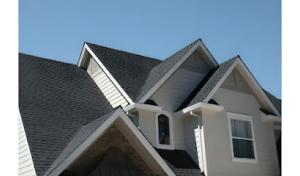
A full re-roof in Elmhurst requires a building permit from the City of Elmhurst Department of Community Development. This isn't something to skim over or assume will be handled later. The city expects a clear scope and plans as part of the permit submittal, so your contractor should be managing the documentation up front. If the paperwork isn't complete before work starts, you risk stop-work orders, delays, and possible penalties that can extend your project well beyond the expected timeline. The permit acts as a structured record of what's being installed and how it's being installed, not just a formality.
Before any shingle or tile is lifted, verify that your contractor has prepared both the scope and the installation plan for review. Elmhurst's process leans on accountability: plans show where underlayment will be laid, how ventilation will be addressed, and where fasteners will be placed. Ensure the submission reflects the actual roof layout, penetrations, eave details, and the transition to any attic vents. If the contractor cannot present a complete package, you should pause and request a finalized package or seek a compliance-focused alternative. The permit review is your leverage to confirm the project adheres to local code and weather-driven demands.
Inspections occur during and after installation, not merely at the end. The inspector will look closely at underlayment quality and coverage, attic and roof ventilation alignment, and the method and location of nailing. Improper nailing can compromise wind resistance and wind-driven hail resilience, especially on the heavily treed, storm-prone blocks found around town. Expect the inspector to verify that flashing details around chimneys, skylights, and vents are correctly integrated with the chosen roof system. If anything looks out of spec, there's no room for ambiguity-the issue must be corrected before the project can proceed or be signed off. Being proactive with pre-inspection checks can save time and reduce the risk of a reinspection fee.
Skylights sit where roof planes meet, and Elmhurst's mature tree-lined neighborhoods often bring shade, debris buildup, and higher exposure to wind-driven rain. Small flashing gaps or cracked seals here can turn into repeat leaks once freeze-thaw cycles set in. In older homes, skylight curb details may be mismatched to new roofing materials, creating a layered flaw that shows up after a cold snap. The practical fix starts with a careful exterior inspection after a storm and focusing on the perimeter sealant, the flashing lip, and any condensation staining that indicates water intrusion behind the curb.
Chimneys commonly anchor leakage points at the intersection where masonry and roof planes meet. In Elmhurst, masonry joints and asentable flashing can deteriorate faster than the surrounding shingles, especially where multiple slopes converge. Look for cracked mortar, drifted debris, and loose flashing pans. Weather-driven movement at these joints in winter can push water into the attic if the counter-flashing behind the chimney wall is compromised. A reliable remediation plan targets both the chimney cricket or saddle and the side flashings, ensuring the flashing is continuous and properly sealed to the chimney brickwork.
Freeze-thaw cycles transform minor skylight and chimney flaws into recurring leaks. After a heavy storm, inspect for water staining near interior ceiling corners under these penetrations. In spring, verify that any flashing repairs have remained firm through winter's temperature swings. Debris accumulation from late-season storms can also block drainage around skylights, directing water toward seals rather than away from the roof plane. Plan future maintenance with the understanding that colder months demand a tighter, more durable seal around these penetrations.
Start with a focused exterior walk-around to check skylight rims, sealing, and flashing lips for lift or cracks. On chimneys, test the integrity of the flashing at the step and counter-flashing, and inspect mortar joints for deterioration. Inside, look for staining beneath skylights and along chimney walls, and note any musty smells triggered by hidden leaks. Create a simple, ongoing maintenance rhythm: after major storms, recheck seals, reseal loose areas, and coordinate professional adjustments before the next heating season begins.
Find contractors experienced in skylight installation, flashing, and leak repairs to bring natural light into your home.
Sealed Tight Roofing
(630) 631-7496 www.sealedtightroofingandpaving.com
242 N York St, Elmhurst, Illinois
4.9 from 82 reviews
In Elmhurst, many homes feature low-slope additions, porches, or attached garages that sit alongside traditional steep-slope main roofs. This creates a practical reality: the detailing and flashing that protect a flat or low-slope plane must be treated as its own system, not just an extension of the upstairs roof. When the house blends both roof types, plan for dedicated transition strategies at every seam-especially where roofing materials meet. The local climate's storm pattern magnifies the difference: flat sections are more exposed to wind-driven rain and hail, while the steep portions shed water more readily but can still suffer from wind uplift. You'll want a practical, joint-specific approach rather than a one-size-fits-all solution.
Low-slope areas are the first line of defense against drainage problems and membrane failures during Chicago-area storm cycles. Expect periodic attention to drainage efficiency, scuppers, and internal drain connections to prevent ponding. Flat and low-slope roofs rely on continuous membranes and proper perimeter detailing; any gap or improper termination is a common failure point when a front-edge wind shifts rainwater toward the eave. In mixed-roof homes, ensure the membrane overlaps at transitions are robust and that flashing around dormers, skylights, and vertical walls remains uninterrupted by debris or vegetation. Regular checks after heavy rain or hail events help catch issues before they spread.
Elmhurst homeowners with both steep and low-slope sections should expect different inspection focuses and repair intervals on the same property. Low-slope portions warrant mid-season debris checks, membrane integrity testing after severe storms, and prompt resealing of seams. Steep-slope areas emphasize shingle health, flashing around chimneys and valleys, and attic ventilation. Because weather-driven stress accumulates differently across slope types, pair inspections to target vulnerabilities: ask for a paired written checklist that covers both roof types during each visit, and schedule coordinated repairs to minimize disruption and ensure water tightness across transitions.
Choosing materials for flat sections requires compatibility with the adjacent steep-slope roof. In practice, this means selecting a low-slope system that tolerates the same UV exposure, temperature swings, and wind loads as your main roof, while allowing for secure integration at shoulders and penetrations. Common options favor durable, seam-focused membranes or field-applied coverings that can be heat-wugged and clamped into place without compromising the adjoining shingles or tiles. Proper detailing at edges, penetrations, and terminations remains essential for long-term performance.
Find specialists in TPO, EPDM, and built-up flat roofing systems for residential and commercial properties.
Sealed Tight Roofing
(630) 631-7496 www.sealedtightroofingandpaving.com
242 N York St, Elmhurst, Illinois
4.9 from 82 reviews
In the Chicago-area market, some carriers adjust coverage options for older roofs or homes in higher hail-risk zones, which directly affects Elmhurst replacement decisions. This means that the age and material of a roof can change what a policy will cover after a storm. If the roof has seen years of weather stress from freeze-thaw cycles and hail events, a homeowner may face more stringent conditions on endorsements or endorsements' limits. Understanding how your insurer views an aged roof before a storm arrives helps avoid surprises when a claim is filed.
Adjusters in this market may ask for detailed records of roof age, material type, and prior repairs, especially after widespread storm events. Having precise answers about shingles or tiles, whether an underlayment was upgraded, and when the last repair occurred can speed the review. Elmhurst residents often discover that a claim is smoother when documentation aligns with what an adjuster expects to see for an older home near tree lines and typical Chicago-area storm pathways. Uncertainties about prior work can stall the process, so clarity matters.
Because claim resolution can slow during peak seasons, Elmhurst homeowners benefit from keeping dated photos, permit records, and installation paperwork before damage occurs. A well-organized file stored digitally and in a safe place reduces the risk of missing evidence if a claim is triggered by a hailstorm or wind event. Photos taken just after installation, plus any warranties or product specs, can help verify material type and installation quality when the insurance company requests it.
Storms cluster in certain months, and flood of claims can overwhelm adjusters. If a claim arises, you can help yourself by submitting a clear chronology of events, a run-down of affected sections, and access to your roof's history. This approach minimizes back-and-forth and supports a timely decision, even when weather-driven disruptions are at their peak.