
Last updated: Apr 19, 2026
In Evanston, cold winters with snow and warm, humid summers make freeze-thaw cycling the main driver of roof aging. This cycle pushes full replacement scheduling into late spring through fall, when the roof is no longer fighting sustained freezing and the weather cooperates for proper sealing. The combination of Lake Michigan exposure, aging housing stock, and tight lot setbacks means you can't treat a damaged roof as a quick repair. The clock starts ticking as soon as winter damage shows up, and delays almost always compound the problem through the next thaw cycle.
Where you live matters for the roof's long-term health. Freeze-thaw stress causes moisture to penetrate, refreeze, and push apart nails, sealants, and flashing. In older homes with combo decks, chimneys, and dormers, days of sun followed by sudden cold snaps create micro-cracks that migrate. Asphalt shingles may blister and curl, while coping around vents and valleys can crack if flashing wasn't fully refreshed during prior work. When sampling dozens of Evanston roofs, the pattern is clear: the more cycles you endure, the more likely a full tear-off becomes inevitable to restore rain-tight performance. The goal is to catch weak spots before they become widespread leaks that affect insulation, interior ceilings, and attic ventilation.
Spring hail and storm activity in the Chicago area regularly increases roofing claim volume. That swell of demand can push contractor schedules out weeks or longer, and it often intersects with the time of year when ice dam risk is receding but new roof installations risk weather delays. If a repair plan hinges on dry, calm days, expect delays as crews shift to high-priority storm work elsewhere. In practice, this means you should not gamble on a short window after winter damage. Instead, plan for a buffer and secure an assessment early to avoid cascading hold times that can stretch into late spring or early summer, when the next storm cycle could redeploy crew resources again.
Fall wind events can disrupt installation windows in this market, making late-season scheduling riskier for tear-offs and weather-sensitive sealing. Wind can complicate shingle adoptions, roof vent resealing, and underlayment installation when temperatures dip. The window between mid-October and Thanksgiving becomes a strategic choke point: enough daylight and better temperatures exist only if the forecast stays favorable, and misjudging this period can leave a roof half-done as first snows return. If a full replacement is on the table, secure a plan that accounts for potential delays caused by cooling evenings, moisture on the deck, and the chance of early snowstorms.
Start with a thorough inspection after the first thaw, and target the most exposed areas-valleys, dormers, and chimney flashing-for early attention. Prioritize rapid sealing of any active leaks to guard insulation and interior ceilings while broader work is scheduled. Communicate with the contractor about expected storm patterns, and request a clearly defined installation sequence that preserves ventilation and shedding. Build in a contingency-an extra week or two-around expected spring hail rushes and late-fall wind swings. The goal is to align replacement timing with steady, dry weather blocks to ensure long-lived performance in the face of Evanston's climate.
Asphalt shingles are the most common choice in older housing stock, and pricing typically runs about $350-$700 per square (100 square feet) for a basic installation. If you're weighing metal, expect $700-$1200 per square. Clay tile clocks in higher, usually $900-$1600 per square, with concrete tile following at $900-$1500 per square. Wood shingles or shakes sit in the $500-$1000 per square band, while synthetic or composite shingles land at roughly $400-$800 per square. These ranges reflect the local market around town blocks that front Lake Michigan and the tree-lined streets near Northwestern, where you'll often see roofs tied to century-old structure profiles and complicated eave details.
A key reality in this area is that tear-offs can uncover decking or structural issues that weren't evident from the ground. If inspection reveals damaged or rotten roof decking, or if the structure needs reinforcement, costs can rise because the city may require added notes or updates to reflect the deeper work. In practice, that means your quoted price for the chosen material might jump as work shifts from a straightforward install to a more involved project with replacement decking, additional fasteners, or bracing. Plan for a higher total if the inspection flags substandard sheathing or sagging rafters, even if the top layer remains relatively intact.
Storm-driven demand spikes across the Chicago area put pressure on Evanston as well. After hail or strong winds, labor availability tightens and leads times lengthen, which can push quotes upward and create longer waits for crews to start. If a severe event occurs, you may see price creep beyond the typical ranges as crews balance multiple emergency jobs with standard replacements. In practical terms, if you're facing a replacement after a storm, you're likely paying a premium for both materials and labor, plus potential expedited scheduling. If you're assessing options, consider your home's exposure to repeated freeze-thaw cycles and how that might influence the decision to replace now versus waiting for a dry, calmer window in late spring or early fall.
Start with a materials-focused comparison: asphalt for budget-friendly replacements, metal for longer life and lighter deck impact, and tiles when you want that classic look and greater durability. In older neighborhoods, clay or concrete tiles will drive higher upfront costs but may deliver longer service and better wind resistance, which matters for storm seasons. If a deck or structural fix is flagged, request a two-part estimate: one for the material-only install and a second line item that covers decking restoration or reinforcement. Finally, build in a contingency of 10-15% for unanticipated issues, particularly in homes with a long history of weather exposure and complex rooflines.
RVX Roofing Companies
(773) 862-8245 roofingwilmette.com
Serving
5.0 from 41 reviews
RVX Roofing Companies & Contractors has been a leader among roofing companies for several years. If you need roofing contractors for commercial or residential work, our roofing company is your one-stop destination. Our roofing contractors have years of experience in this industry, and are some of the best you’ll find in any local roofing companies. We also have an incredible track record of customer service. When you work with a RVX Roofing Companies & Contractors, you’re hiring our entire customer service team. This means we’ll work with you personally on your project to ensure your satisfaction each step of the way. For industrial work, our commercial roofing contractors can re-roof, install, or repair metal, rubber, and flat roofing.
Rosales Exteriors
(847) 406-6957 www.rosalesexteriors.com
Serving
4.9 from 36 reviews
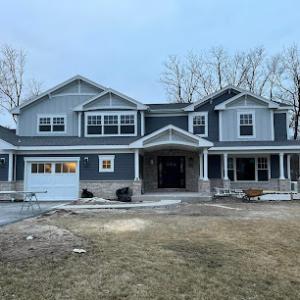
Rosales Exteriors is a family owned business in the Lake County Area. We specialize in replacing, repairing, and installing Roof, Siding, and Gutters! Call us or Message us for a free estimate! We service many areas including Lake county, cook county, kenosha county and surrounding areas! - Local company - Small business Family owned and Operated - No Subcontractors - Fast free estimates - +20 Years of experience
Lynch Roofing
(847) 217-0004 www.lynchroofing-il.com
Serving
4.9 from 44 reviews
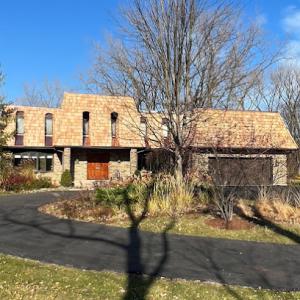
Lynch Roofing has been serving Wilmette and the surrounding North Shore areas for 45+ years. Our experienced team specializes in Residential Roofing Services such as Roof inspections, repairs, replacement and new roof installation. We are a second generation family owned company who will always have an experienced supervisor on site.
Shoreland Roofing
(847) 971-2426 shorelandroofing.com
Serving
5.0 from 35 reviews
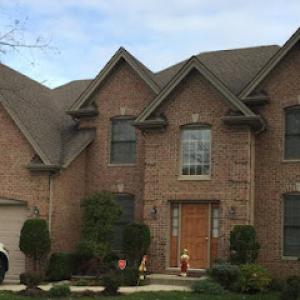
Shoreland Roofing is a residential and commercial roofing company based in Wilmette, IL. The family company began as Shoreland Construction, building spec homes in the Chicagoland area for over 20 years. Steven and Sue Tuchman (founders and owners of Shoreland construction and Shoreland Roofing) have experience in all aspects of construction and have gained extensive knowledge in roofing.
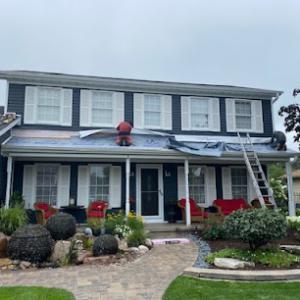
Greater Chicago Roofing - Skokie
(847) 929-9398 www.greaterchicagoroofing.com
Serving
5.0 from 51 reviews
Greater Chicago Roofing - Skokie is an experienced, well-established roofing company. No matter if you require roof installation, repairs or a complete replacement, you’ll be happy with the outcome of our services. Our staff has over 40 years of combined expertise in construction and roofing work. Our work quality is second to none and our dedication to our clients makes us the ideal choice. You can trust us to take care of the entire task - whether for commercial or residential property. We’re dedicated to customer complete satisfaction. We will always go the extra mile to give you excellent service. We also provide skylight and guttering services. Contact us now for your FREE estimate!
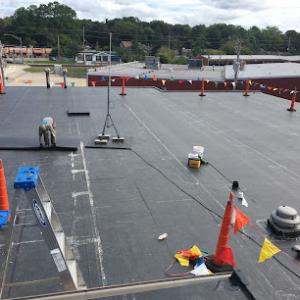
Lakeland Exteriors & Roofing
(847) 395-8854 www.builtbylakeland.com
Serving
5.0 from 65 reviews
30 years as your roofing and exteriors expert. Commercial and residential roofing company providing repairs, maintenance and roof replacement
Safe Roofing Company
(224) 998-6056 roofing-skoki.com
Serving
5.0 from 29 reviews
Skokie, Illinois, is known for its long, cold winters, and having a reliable roof over your head is something you want to be confident about. Call in Safe Roofing Company for an inspection to make sure your shingles, downspouts, gutters, and flashings are all in good enough shape to keep you from moisture damage, ice-dam build-ups, and problems with debris and fallen branches. We offer excellent customer service backed up by our skilled contractors who can repair, replace, or maintain your commercial or residential roof, so it consistently performs to the best of its ability in the upcoming winter. Our contractors are the best in the business and will provide you with an affordable estimate and guide you through the process.
Warren's Roofing Company
(224) 998-6002 flatroofinginc.com
Serving
5.0 from 38 reviews
As Warren's Roofing Company, we serve you in Skokie and surroundings. Our mission has always been delivering you the finest roof installation, repair, and roof inspection that enables us to prevent more serious roof damages. The workers that we hire and well-trained and guide you every step of the roof installation or your roof repair in Skokie. We don’t accept any negligence and oversights. Keep in mind that having your roof installed and maintained properly is paramount to ensure your investment lasts for years. We do our best to supply you with the highest level of service that you’ll be truly glad about. Multiple roofing styles and materials are available. One call is definitely enough to start the cooperation.
David Roofing Company
(312) 818-2326 roofingchicagoland.com
Serving
5.0 from 40 reviews
We provide top of the line roofing repair and replacement in Chicago. We take pleasure in providing honest and excellent quality roofing services to both commercial and residential properties throughout the Chicago area. Our roofing contractors are well-trained and highly-skilled, making them one of the best roofing contractors in the industry. We are constantly learning about the latest techniques and technologies regarding roofing to deliver excellent results on time. We also offer low-cost roof replacement through our efficient processes, which we have developed throughout the years of serving the community. For excellent-quality roofing services, ask us today and we will be right at your doorstep.

Zdanowicz Roofing Company
(224) 435-0924 roofing-glenview.com
Serving
4.9 from 43 reviews
For nearly 30 years, our roofing company has consistently served the people of Glenview, IL, offering high-quality roofing services at reasonable rates. We strive for greatness. This means our roofing company is considered first by every client looking to hire a roofing contractor. To ensure this, we provide a wide array of services, both commercial and residential, whether small or large scale. All our roofing options use quality materials to ensure your roof is not just lovely to look at, but durable for years to come. We aim to satisfy our clients above all else. Our team of highly capable professionals is here for you. For those with roofing needs in Glenview or close by, we’ll show you why we’re the best.
Andres Roofing & Construction
(773) 508-1723 www.andresroofing1.com
Serving
3.9 from 42 reviews
Our company offers all types of roof repairs and roof replacement options. We specialize in commercial and residential roofing services, big or small. We also offer siding, gutters, soffit, fascia and all types of exterior services.

RoofingSource
(800) 507-3177 www.roofingsource.com
Serving
4.9 from 47 reviews
The nation’s leading solution-focused rooftop partner.
Asphalt remains the dominant choice among Evanston homeowners, and for good reason: it's familiar, relatively quick to install, and widely available. In the lingering summer humidity and heat, shingle expansion and sealant performance can shift after installation. You'll notice a tighter seal during dry spells, followed by minor widening when exposed to repeated heat and moisture cycles. In older homes with a thinner roof deck or marginal ventilation, this expansion can stress the edges and fasteners, increasing the risk of lifted tabs or edge cupping after a hailstorm or sudden temperature swing. For freeze-thaw cycles, the critical concern is moisture migrating into the shingle layers or under fasteners during wet springs; as water expands upon freezing, any compromised seals become pathways for water intrusion. In practice, this means paying close attention to ridge and hip lines, flashing junctions, and end-lap details on older roof geometries where the deck isn't perfectly flat. When shingles are nearing the end of their life, those imperfections become prime failure points under Evanston's seasonal transitions.
Wood shingles and shakes offer a distinctive look that matches many historic or character-rich homes in the area. They perform best when moisture is managed carefully; extended exposure to sun and humidity can cause warping, cupping, and accelerated wear on the sealant edges. Freeze-thaw cycles compound moisture management needs-water retained in small crevices expands as temperatures drop, stressing the wood fibers and the flashing at roof penetrations. On older houses, where the roof deck and attic ventilation may not be up to modern standards, wood can become a conduit for air and moisture movement that accelerates deterioration around penetrations, valleys, and transitions to chimneys. If a shake or shingle is compromised, water can follow the grain into the underlying deck, making thorough flashing detail work at valleys and around dormers essential. For these reasons, inspections on wood roofs emphasize fastener integrity, proper nailing patterns, and the quality of the step flashing where the roof meets brick or other materials common to Evanston's vintage streets.
Clay and concrete tiles, along with metal roofing, show up in the market as durable options that handle the Lake Michigan exposure well. Their heavier weight means that the underlying deck, support structure, and attic ventilation receive extra scrutiny, especially on older builds. When these materials fail or degrade, the hidden deck and structural notes become significant because the tiles can mask subtle deck movement or framing issues until a serious leak or sag appears. In freeze-thaw cycles, moisture trapped under tiles or within metal panel lap seams can migrate, leading to cracked tiles, rusted fasteners, or corrosion at seams and penetrations. The benefit of tile or metal is long life, but the downside is that a single failed tile or a single compromised seam can allow water to travel laterally across the deck, finding its way into the attic or interior spaces if flashing around skylights, vents, and chimneys isn't flawless. For older homes where the roof deck might be uneven or where existing flashing details are dated, the risk of hidden deck repairs or structural notes becoming consequential rises sharply if these materials are selected or retained. In practice, this means that if a storm or freeze event occurs, a thorough inspection of underlayment condition, deck integrity, and the continuity of flashing around edges and penetrations should guide timing and sequencing of any replacement or repair work.
In Evanston, flat-roof specialization is common, so you'll see a share of low-slope work alongside pitched roofs. That means attention to membrane seams, edge details, and parapets is essential, because freeze-thaw cycles or storms will reveal flaws.
The inspection focus on underlayment, flashing, and ventilation makes roof penetrations and transitions especially consequential on reroof projects. If a contractor punts on a careful dry-in or skips a proper overflash at vent stacks, a small lapse now becomes a persistent leak later, often showing up around skylights or dormers after a storm.
Skylight repair is a common specialty in this market, which aligns with leak-prone flashing details that frequently show up during freeze-thaw cycles and storm events. When a skylight is involved, the flashing needs to be continuous, the curb properly flashed, and the insulation details sealed to prevent ice buildup along the edges.
In Evanston, for best outcomes, prioritize contractors who can demonstrate a tested approach to flat-roof assemblies, including reliable membrane installation, secure penetrations, and robust ventilation details within attic spaces. On transition points-where flat sections meet pitched sections or where vents and chimneys pass through-you want visible confidence that flashing is continuous and properly integrated with the rest of the roof assembly.
In older housing stock, the combination of near-lake exposure, wind, and freeze-thaw cycles means every reroof decision should address long-term performance at edges, around penetrations, and on skylight mounts. Skipping careful detailing here invites faster deterioration, moisture intrusion, and repeated repairs that can undermine the home's comfort during winter storms.
In practice, you should ask for references and look for crews that regularly handle Evanston weather patterns, not just generic warranty promises. After a heavy storm, walk the ridge line and skylight zones with the contractor to confirm flashing continuity and membrane integrity. Consider a mock-up detailing for the skylight curb, and insist on proper ventilation baffling in the attic. Good detailing here pays off with fewer call-backs next season.
Find specialists in TPO, EPDM, and built-up flat roofing systems for residential and commercial properties.
Hanson Roofing
(847) 328-2550 www.hansonroofinginc.net
2130 Jackson Ave, Evanston, Illinois
4.4 from 31 reviews
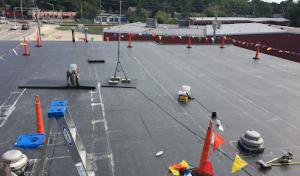
The City of Evanston typically requires a building permit for a full roof replacement. This means you cannot start tearing off or installing a new roof without first securing authorization. Contractors generally submit plans and permit applications through Evanston's online permit management portal, which is designed to streamline the review and keep you informed about where the permit stands. Expect the portal to prompt for details about underlayment, ventilation, and flashing, and to request confirmation that a tear-off will be performed in a controlled, site-specific manner. If the project touches additional elements, such as decking or structural components, the portal will often require more detailed notes or drawings. The online system also helps coordinate with any necessary utility or street permit upgrades, which can come into play if ladders or equipment require temporary work zones.
Inspections in this area are commonly scheduled during the work and again after completion to verify critical elements. Plan for a mid-course check to confirm that underlayment is properly installed and sealed, especially around eaves, valleys, and intersections with walls. Flashing around chimneys, vent pipes, and skylights should be visible to the inspector and ready for review. Ventilation is a frequent focus, so ensure roof vents and intakes are installed according to code and manufacturer guidance. The inspection sequence often aligns with key milestones: after decking, after underlayment and drip edge installation, and after all finishing work and disposal are complete. Scheduling well in advance helps prevent delays caused by weather or contractor backlogs.
Inspectors may add notes when decking or structural work is involved, particularly if the existing rafters or sheathing show signs of age, freeze-thaw exposure, or storm impact. Be prepared to provide documentation about material provenance, warranty coverage, and any previous repairs. If decking needs replacement or reinforcement, a separate inspection or an additional permit may be required, and the timeline can extend accordingly. Keep site access open and safe for the inspector, with clear pathways, secure disposal areas for old roofing material, and a weekday inspection window to minimize disruption to neighboring homes. After the final inspection, hold onto all permit closeout documents and any manufacturer warranty confirmations for your records.
This corner of the Chicago metro experiences frequent roofing claims after hail and strong winds, and the pattern is well understood by adjusters. Insurers in this environment tend to scrutinize storm-damaged roofs carefully, especially when older housing stock is involved. The claim outcome often hinges on how clearly the damage is documented and how quickly the work is presented after a storm.
In practice, you'll likely be asked for thorough photos, contractor estimates, and prior damage assessments before a claim moves forward. The photos should show the roof from multiple angles, close-ups of any granule loss, flashing, and venting, plus the attic interior if you've experienced any leak signs. A clear line of documentation, including a dated history of prior repairs, helps prevent disputes when an insurer evaluates a replacement or repair. Expect the process to demand a precise timeline and consistent images taken under comparable weather conditions.
Coverage and underwriting can vary by carrier and by roofing material in this market, so it matters what you select for a replacement. Asphalt shingles behave differently from metal, clay, or synthetic options in terms of how damage is evaluated and how quickly a claim is approved. If your roof is nearing the end of its life, the insurer may weigh the likelihood of future wind-driven damage differently than for a newer installation. The material decision can influence not only the claim outcome but the speed at which work is authorized.
Storm-driven replacement realities in this area push decisions toward readiness for a prompt assessment after a severe event. If hail or high winds hit, insurers will expect you to have documentation ready and to move with reasonable speed once approval is established. Homes with visible wear or complex flashing near joints are at particular risk of delayed recoveries if the claim package isn't complete.
Connect with contractors who help homeowners navigate the claims process from damage assessment to final approval.
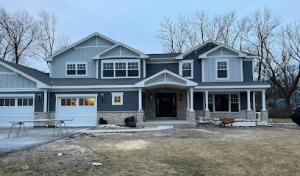
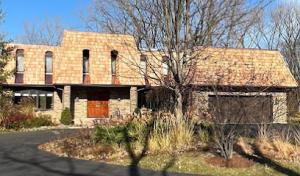
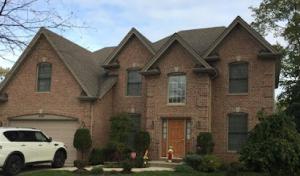
The market shows an especially high prevalence of re-roofing and quick-response contractors, which matters for homeowners dealing with active leaks or post-storm scheduling bottlenecks. In practice, you want a team that can mobilize quickly after a wind event and still leave a clean, weather-tight roof.
Cleanup is a major local hiring priority, reflecting the practical concerns of dense residential neighborhoods and tear-off work on established properties. Ask for debris containment plans, street-use considerations, and daily cleanups that minimize nails and shingle fragments around driveways and sidewalks.
Long-established, family-owned, and chimney-capable contractors are well represented in the local market, which is useful for homes where roof work intersects with older masonry details. Confirm experience with masonry chimneys, parged surfaces, and metal detailing near dormers or cornices that are common in older homes.
First, request a written scope that includes tear-off procedure, flashing replacement, ventilation checks, and insulation considerations. Second, check referrals from neighbors on similar roof types and flood-season repairs. Third, verify work window reliability and a clear schedule that accounts for potential weather delays, freeze-thaw risks, and storm-season bottlenecks.
Choose a contractor who provides a simple, transparent line of communication, pre-project photo documentation, and post-project follow-up. In this market, timely updates and predictable staging reduce the stress of re-roofing a home with complex roofing details, like multiple valleys or chimney connections.
Material compatibility and aging are watched closely in this market, where Lake Michigan exposure accentuates freeze-thaw cycles. Ask contractors to explain how their chosen system handles ice dams, venting for attic moisture, and corrosion-prone flashings around dormers, chimneys, and metal valleys. A thoughtful crew will inspect gutters, downspouts, and neighboring trees to prevent future damage.
Near Northwestern's pull for reliable crews, you may encounter crew turnover after storms; verify the company's staffing approach and supervisor availability during busy weeks. If a leak surfaces late on a Friday, a dependable contractor should arrange a Saturday fix or a seal. Schedule a pre-cleanup walkthrough today.