
Last updated: Apr 19, 2026
Roof decisions in this Chicago-area market are often driven by what adjusters find after spring and summer storms rather than by roof age alone. Hail, wind, and the freeze-thaw cycle create damage patterns that may not match what a quick visual check suggests. When a major storm hits, fast documentation becomes your best defense: photos of all roof slopes, flashing, gutters, and any interior staining from leaks. If the adjuster notes damage on a particular slope or flashing detail, plan to address those findings with a coordinated replacement plan rather than chasing a "wait-and-see" approach.
Cold-season replacement is commonly avoided here because winter snow and ice complicate every step. Tear-offs can stall when temperatures flirt with freezing, sealant and underlayment may not cure properly, and the resulting delays can leave decking exposed to moisture longer than ideal. Freeze-thaw cycles can worsen decking issues once they're exposed, turning a simple roof swap into an extended construction project. Scheduling around winter weather also invites inspection delays, which in turn delays warranty activation and downstream storm-proofing benefits. The practical path is to align a replacement window with reliable conditions in the shoulder seasons, not the heart of the freeze.
Because claim activity is active in this market, dated photos of every roof slope, flashing detail, gutters, and interior leak staining before the next storm event are invaluable. Clear, date-stamped imagery helps you illustrate the scope of prior damage, identify workmanship gaps, and avoid being surprised by an adjuster's interpretation. Keep a simple binder or digital folder with seasonal backups: after every significant storm, snap wide-angle and close-ups of shingles, step-flashings, vent boots, and skylights. If a retrofit was attempted since the last storm, document that too. This level of detail can prevent postponements and justify timely decisions when the next claim opportunity arises.
After a major storm, act quickly to prevent secondary damage. Cover compromised sections with durable tarps, remove debris from the roof plane to prevent punctures, and arrange temporary protections for interior leaks if the weather shifts. Contact a local roofer who understands the nuance of our climate and the village's typical inspection rhythm. Request a written scope of work that targets the exact areas flagged by the adjuster, with emphasis on flashing, valley protection, and edge detailing. A focused plan reduces back-and-forth and accelerates the transition from claim approval to a solid, weather-tight roof.
Replacement timing hinges on weather windows, not just alarm bells from the last hailstorm. If a claim is approved with specific scope items, coordinate the schedule to complete the tear-off and sealing before the harshest freeze risks set in. Ensure the contractor performs a thorough decking check and addresses any moisture or rot immediately within the approved scope. This proactive approach minimizes the chance of recurring leaks and maximizes long-term performance once the next storm season arrives.
Lakeland Exteriors & Roofing
(847) 395-8854 www.builtbylakeland.com
5250 Old Orchard Rd Ste 300, Skokie, Illinois
5.0 from 65 reviews
30 years as your roofing and exteriors expert. Commercial and residential roofing company providing repairs, maintenance and roof replacement
Greater Chicago Roofing - Skokie
(847) 929-9398 www.greaterchicagoroofing.com
Skokie, Illinois
5.0 from 51 reviews
Greater Chicago Roofing - Skokie is an experienced, well-established roofing company. No matter if you require roof installation, repairs or a complete replacement, you’ll be happy with the outcome of our services. Our staff has over 40 years of combined expertise in construction and roofing work. Our work quality is second to none and our dedication to our clients makes us the ideal choice. You can trust us to take care of the entire task - whether for commercial or residential property. We’re dedicated to customer complete satisfaction. We will always go the extra mile to give you excellent service. We also provide skylight and guttering services. Contact us now for your FREE estimate!
Warren's Roofing Company
(224) 998-6002 flatroofinginc.com
51122 Crain St, Skokie, Illinois
5.0 from 38 reviews
As Warren's Roofing Company, we serve you in Skokie and surroundings. Our mission has always been delivering you the finest roof installation, repair, and roof inspection that enables us to prevent more serious roof damages. The workers that we hire and well-trained and guide you every step of the roof installation or your roof repair in Skokie. We don’t accept any negligence and oversights. Keep in mind that having your roof installed and maintained properly is paramount to ensure your investment lasts for years. We do our best to supply you with the highest level of service that you’ll be truly glad about. Multiple roofing styles and materials are available. One call is definitely enough to start the cooperation.
Safe Roofing Company
(224) 998-6056 roofing-skoki.com
5212 Crain St, Skokie, Illinois
5.0 from 29 reviews
Skokie, Illinois, is known for its long, cold winters, and having a reliable roof over your head is something you want to be confident about. Call in Safe Roofing Company for an inspection to make sure your shingles, downspouts, gutters, and flashings are all in good enough shape to keep you from moisture damage, ice-dam build-ups, and problems with debris and fallen branches. We offer excellent customer service backed up by our skilled contractors who can repair, replace, or maintain your commercial or residential roof, so it consistently performs to the best of its ability in the upcoming winter. Our contractors are the best in the business and will provide you with an affordable estimate and guide you through the process.

RoofingSource
(800) 507-3177 www.roofingsource.com
Serving
4.9 from 47 reviews
The nation’s leading solution-focused rooftop partner.

Zdanowicz Roofing Company
(224) 435-0924 roofing-glenview.com
Serving
4.9 from 43 reviews
For nearly 30 years, our roofing company has consistently served the people of Glenview, IL, offering high-quality roofing services at reasonable rates. We strive for greatness. This means our roofing company is considered first by every client looking to hire a roofing contractor. To ensure this, we provide a wide array of services, both commercial and residential, whether small or large scale. All our roofing options use quality materials to ensure your roof is not just lovely to look at, but durable for years to come. We aim to satisfy our clients above all else. Our team of highly capable professionals is here for you. For those with roofing needs in Glenview or close by, we’ll show you why we’re the best.
Presidential Roofing
(847) 581-1040 www.presidentialroof.com
Serving
4.9 from 79 reviews
Presidential Roofing is residential, commercial and industrial roofing contractor committed to installing quality roofing systems that will provide our customers with years of problem free protection. Our purpose is to provide and install quality roofing systems that reflect the integrity of our company and the people we employ in a manner that is safe and cost efficient. Presidential Roofing was establishe in 1997 and is proudly serving entire Chicagoland since than. Owner of Presidential Roofing Tom Mikolajczyk is personaly involved in all of our projects insuring that our costumers are getting the best quality work at most affordable prices.We believe quality craftsmanship and design are just the beginning when instilling new r
Shoreland Roofing
(847) 971-2426 shorelandroofing.com
Serving
5.0 from 35 reviews
Shoreland Roofing is a residential and commercial roofing company based in Wilmette, IL. The family company began as Shoreland Construction, building spec homes in the Chicagoland area for over 20 years. Steven and Sue Tuchman (founders and owners of Shoreland construction and Shoreland Roofing) have experience in all aspects of construction and have gained extensive knowledge in roofing.
RVX Roofing Companies
(773) 862-8245 roofingwilmette.com
Serving
5.0 from 41 reviews
RVX Roofing Companies & Contractors has been a leader among roofing companies for several years. If you need roofing contractors for commercial or residential work, our roofing company is your one-stop destination. Our roofing contractors have years of experience in this industry, and are some of the best you’ll find in any local roofing companies. We also have an incredible track record of customer service. When you work with a RVX Roofing Companies & Contractors, you’re hiring our entire customer service team. This means we’ll work with you personally on your project to ensure your satisfaction each step of the way. For industrial work, our commercial roofing contractors can re-roof, install, or repair metal, rubber, and flat roofing.
Lynch Roofing
(847) 217-0004 www.lynchroofing-il.com
Serving
4.9 from 44 reviews
Lynch Roofing has been serving Wilmette and the surrounding North Shore areas for 45+ years. Our experienced team specializes in Residential Roofing Services such as Roof inspections, repairs, replacement and new roof installation. We are a second generation family owned company who will always have an experienced supervisor on site.
Green World Construction & Roofing
(708) 698-4072 greenworldil.com
Serving
4.9 from 111 reviews
Welcome to Green World Construction, your trusted Roofing Contractor located at 5801 N Northwest Hwy Ave. Specializing in both Residential and Commercial Roofing Services, we are committed to providing top-quality roof repair and installation in your area. Whether you're searching for "Roof Repair Near Me" or need "Affordable Roofing Services," our experienced team delivers reliable solutions tailored to your needs. As a leading "Commercial Roofing Contractor," we ensure durable, energy-efficient roofs for businesses. Choose Green World Construction for superior craftsmanship and exceptional customer service. Contact us today and discover why we're the preferred "Roofer Near Me.
Conrad Roofing
(773) 286-6212 www.conradroofing.com
Serving
4.9 from 148 reviews
Conrad Roofing of Illinois is a trusted Chicagoland roofing contractor specializing in commercial and residential roofing and architectural metal work. Serving Chicago, the North Shore, the Western Suburbs, and the greater Cook & DuPage County region, our team delivers high-performance roofing systems built for Midwest weather. We use only top-tier products with industry-leading warranties, backed by decades of experience in flat roofing, steep-slope roofing, metal fabrication, and custom architectural sheet metal. From small residential repairs to large commercial projects, Conrad Roofing provides long-lasting value, precision workmanship, and dependable service throughout Chicagoland.
A full roof replacement in Skokie typically requires a building permit through the Village of Skokie Building Department rather than being handled informally between owner and contractor. Before any shingle drumbeat or metal panel work begins, the permit application should be filed with the village, with plans and details that show adherence to local codes. Expect a review period where drawings, venting plans, underlayment specifications, and flashing details are checked for compliance. The outcome will dictate any required corrections or clarifications, so anticipate a brief back-and-forth window rather than an immediate green light. Keeping a clear line of communication with the permit desk helps prevent delays caused by missing information or ambiguous project scope.
Once a contractor has completed the installation, the final inspection concentrates on several key Skokie-specific items. Underlayment quality and coverage must be verifiable, ensuring no exposed areas that could trap moisture in freeze-thaw cycles. Ventilation pathways need to align with code requirements to prevent attic heat buildup and condensation that can lead to ice damming. Flashing around valleys, chimneys, vents, and skylights is checked for continuity and proper integration with the roof saddle and wall flashing. The inspector also verifies overall code compliance, including fastener patterns, nailing schedules, and proper edge detailing. If any component fails to meet standard, the project may require adjustments before the final stamp is issued. Expect the crew to address these points promptly or coordinate a recheck appointment once corrected.
Weather delays and inspection timing can affect how long a roof remains in progress, especially during storm-heavy spring periods and before winter. Plan for potential setbacks caused by lifting winds, hail activity, or heavy spring rain that can stall scaffold setup, material delivery, or interior work to protect underlayment. In Skokie, inspection windows may be constrained by village scheduling cycles, so coordinate closely with the contractor to align on a tentative inspection date and have the site ready for a quick turnover. If a setback arises, knowing the permit status and having documentation available speeds the rescheduling process. Keeping a contingency plan for weather holds helps maintain progress without letting the project drift into freezing conditions, which can complicate material performance and code compliance reviews.
Asphalt shingles remain the dominant practical choice for the typical pitched residential roof in this community. They align with the large stock of conventional roofs you'll see on many aging Chicago-area homes, and they're easier to replace after hail or wind events than heavier premium systems. For homeowners facing frequent storm activity, asphalt shingles offer a straightforward path to restoration, with widely available profiles, color options, and compatible flashing details at transitions. When a storm knocks shingles loose or damages edges, the repair process tends to be faster and more predictable than with heavier alternatives, which helps keep the roof solid during the rest of the winter season.
The climate here pushes materials through repeated freeze-thaw cycles, and that pressure shows up most clearly at flashing transitions, fastener penetrations, and aging components. In practice, that means choosing a shingle with good wind resistance and ensuring the roof deck is solidly prepared before any overlay or replacement. Moreover, the installation workmanship becomes as crucial as the material itself: an expertly sealed valley, precise ice and water shield placement, and correctly spaced fasteners each contribute to longer service life in a climate where freeze-thaw can exploit tiny gaps. In short, a quality roof start-especially around hips, ridges, and transitions-can dramatically impact performance through the winter months.
Heavier systems such as clay tile, concrete tile, and slate do appear in the market, but they demand closer attention to structural support, accessory detailing, and repair logistics. In this village, that means confirming that the underlying structure can carry the load, inspecting for proper nailing patterns, and planning for compatible gutters, fascia, and soffit components. If a heavier roof is under consideration, it's prudent to engage a contractor who understands the local moisture profile, potential for freeze-induced movement, and the practicalities of repairing or replacing associated features after a wind or hail event. Quick, coordinated repairs to flashing and edge details are essential here to avoid accelerated brittle aging.
Storm events often leave telltale signs that require careful documentation for insurance and replacement planning. After a hailstorm or strong wind, assess the roof from a safe vantage point, note missing or damaged shingles, lifted edges, and compromised flashing, then photograph each area. A local contractor familiar with the area will recognize common trouble spots around transitions and roof-to-wall interfaces. With the right material choice and meticulous installation, a roof can perform reliably through Skokie's winter cycles, but the focus remains on getting the installation right the first time and ensuring that maintenance and repairs respect the unique stresses of this climate.
Flat-roof specialization is notably active in the Skokie market, reflecting the presence of low-slope sections on multifamily, commercial, and some residential additions common in the inner Chicago suburbs. This isn't a cosmetic preference; it's a practical choice that carries consequences when drainage, material compatibility, and edge details aren't dialed in. The winter-to-spring transition amplifies the stakes, because every inch of slope and every joint becomes a potential path for trouble during freeze-thaw cycles.
Low-slope roofs reveal leaks where the edges meet parapets, around drains, and at penetrations where vents, exhausts, and skylights cross the membrane. In this climate, repeated freeze-thaw cycles undercut membranes at transitions and corners long before the main surface shows obvious wear. Parapet edges are especially vulnerable because wind-driven spray and drifting snow can scour sealants and cause edge curl. A simple bead of caulk can fail to hold up to ice-laden freezes, so the first signs often show up as small damp spots near these critical junctions.
Snow load, ponding after heavy rain, and thaw cycles all converge on low-slope systems. When water sits too long, it penetrates seams and fasteners, migrates into edge details, and presses against flashings that aren't fully integrated with the membrane. The practical takeaway is that drainage performance isn't cosmetic; it directly affects the roof's lifespan. If water stands in one place after a storm for more than a day, attention is overdue. The goal isn't perfection in every square inch, but reliable shedding of water so infiltration doesn't accumulate at trouble points.
The typical rhythm here follows the cold half of the year where frost and wind vanes test seals, and the warmer months when heavy rain can overwhelm marginal drainage. Timing work around the freeze-thaw cycle matters: replacing or re-covering a low-slope roof just before the heaviest weather windows reduces the risk of immediate damage during the transition. Waiting too long invites compounding issues, because membrane exposure to repeated cycles accelerates edge and seam failures.
Regular inspections should focus on parapet edges, drain terminations, and transitions where the membrane meets penetrations. Look for bubbled or cracked coatings, loose flashings, or unusual ponding after a storm. Keep drainage paths clear of debris, and monitor any signs of ice damming along transition zones in winter. When a leak path is suspected, a careful, localized assessment of seams and terminations can prevent broader damage later on. In this climate, proactive attention to drainage reliability and edge integrity is the most cost-effective hedge against stubborn, recurring leaks.
Find specialists in TPO, EPDM, and built-up flat roofing systems for residential and commercial properties.
Lakeland Exteriors & Roofing
(847) 395-8854 www.builtbylakeland.com
5250 Old Orchard Rd Ste 300, Skokie, Illinois
5.0 from 65 reviews
Warren's Roofing Company
(224) 998-6002 flatroofinginc.com
51122 Crain St, Skokie, Illinois
5.0 from 38 reviews

Skokie's cold winters drive ice dam risk, especially on older homes where attic insulation and airflow may not meet current expectations. When warm, moist air from the living space rises into an under-insulated attic, meltwater can refreeze at the eaves, creating ice dams that push water back under shingles. The result is not only staining and soft spots on the roof, but potential interior leaks that can creep into ceilings, walls, and insulation. In this climate, the sequence from a small ice dam to a hidden moisture problem can happen quickly after a sharp freeze-thaw cycle. Treating ice dam risk as a fixed part of the project helps prevent later, more invasive repairs.
Village final inspections in Skokie specifically checking ventilation means attic airflow should be planned as part of the roof project, not as a separate afterthought. Before any replacement begins, evaluate the attic space for overall venting balance: adequate intake vents at the soffits and proper exhaust through the ridge or high vents, with attention to whether insulation wraps around baffles and stays clear of vent pathways. Poor ventilation allows warm air to rise and heat the roof deck unevenly, exacerbating ice dam formation and promoting moisture buildup that can lead to mold in the attic. A comprehensive approach keeps both roof decking dry and living spaces more comfortable during the winter.
In this Chicago-area climate, winter heat loss and refreezing at eaves can turn a roof replacement into a broader attic and moisture-control discussion. Even when the visible roof surfaces look sound, creeping moisture behind walls or within the attic can reveal itself only after a harsh winter. A well-coordinated plan addresses insulation gaps, air sealing, and ventilation routes as a single package. The goal is to minimize warm-air leakage into the attic, reduce the incidence of ice dams, and protect the roof decking from freeze-thaw damage that undermines roof longevity.
During planning, ask for an attic evaluation that maps insulation thickness, airtightness, and vent placement. Confirm that any venting upgrades will stay clear of insulation and structural elements that could impede airflow. When possible, schedule work so attic improvements align with the roof replacement timeline, ensuring that ventilation is not treated as a separate project after the roof is installed. The aim is a dry, balanced attic that supports a durable roof for pragmatic winters that Skokie homeowners routinely experience.
Skokie pricing reflects Chicago-area labor rates and the storm-driven demand that spikes after hail and high-wind events. When a hailstorm hits, nearby crews are busier, and you may see schedule gaps or shifted start dates. Weather patterns here also push projects toward milder seasons, so timing can influence both pace and logistics as crews juggle multiple jobs in established neighborhoods with dense roof lines.
In this market, the wall-to-wall cost per square foot largely tracks the material chosen, with asphalt shingles offering the most accessible entry point and slate at the high end. Asphalt shingles typically run from 350 to 650 USD per square, while metal roofing sits around 550 to 1100 USD per square. More premium options, like clay or concrete tiles, often land in the 700-1200 USD and 600-1100 USD per square ranges respectively, with wood shingles or shakes generally near 600-1000 USD. Slate stands out at 900-1800 USD per square. These figures exclude unusual site conditions that push pricing up.
Older decking or multiple roof layers in Skokie can add material and labor cost quickly. If there's extensive flashing work around chimneys or dormers, expect higher hourly rates on top of the base material price. Mixed roof geometry-additions, dormers, or unusual ridges common to established neighborhoods-adds trimming waste, extra nailing, and potential underlayment complexity, all of which nudge the final square-foot price upward.
Project pacing shifts with seasonality. Winter windows are slower and more prone to delays from cold-weather constraints, even when material pricing remains within the typical ranges. Post-storm demand can tighten crew availability and push start dates, lengthening timelines though not necessarily inflating material costs. Planning with a flexible window that avoids peak post-storm periods can help stabilize labor timing without sacrificing your chosen material.
Get a clear picture of your project costs upfront - no commitment required.
Topline Roofing - Roofing Contractors, Public Insurance Adjusters
(773) 814-6005 toplineadjusting.com
Serving
5.0 from 107 reviews
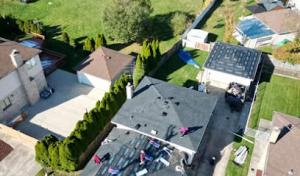
Skokie homeowners operate in an active Chicago-area roof claim market where hail and wind losses are common enough that insurers often expect thorough photo documentation and clear storm timelines. When a claim starts, take comprehensive photos from ground level and from above the roof edge to show overall condition, hail marks, wind damage, and any prior repairs. Date every image and keep a simple log of the date and what is visible in each shot. If there is afternoon sun glare, snap images in shade or with a neutral background to avoid misreading color and granule loss. A well-organized folder of photos, labeled by date and damage type, can accelerate the adjuster review and reduce back-and-forth.
Adjuster assessments can strongly influence whether a roof is repaired or replaced, making pre-existing wear documentation especially important on older roofs. Collect records of recent maintenance, previous patches, and known vulnerabilities (like flat areas or chimneys with past flashing concerns). For homes with older shingles, identify granule loss, curling edges, or missing starter strips in write-ups or on the photos. Present this alongside storm damage so the claim can be weighed against baseline wear, reducing surprises during inspection.
Because replacement timing in Skokie can be affected by weather, permit review, and contractor backlog after regional storms, claim handling often becomes part of the project schedule itself. Expect weather-driven delays in the window between claim approval and actual work start. Plan for potential backlog where multiple homeowners request expedited start dates after hail events. Keep communication lines open with the insurer and the chosen contractor, and align on a realistic work cadence that accommodates weather gaps, material delivery, and crew availability. A clear storm timeline, anchored by dated photos and notes, helps both sides stay aligned as the project progresses.
Chimney-related roofing work is a meaningful part of the Skokie contractor market, fitting the area's older housing stock where masonry penetrations remain common. The combination of freeze-thaw cycles and frequent hail-driven impacts makes chimney flanges, mortar joints, and chase penetrations particularly vulnerable. Skylight service is also notably active locally, with flashing and curb details a recurring leak concern during wind-driven rain and temp swings. On homes with historic charm, those small gaps can turn into stubborn drips that mimic a larger roof problem.
Leak tracing in these homes rarely starts with the field shingles alone. In many cases, the curtain of damage sits at the interface where roof meets masonry or where a skylight curb and its flashing meet the roof surface. If water tracks along a seam or penetrates behind a brick veneer or chimney flashing, the symptom may appear to be a roofing failure, while the root cause lies in flashing, masonry movement, or penetration details. Skokie homes demand a careful, stepwise inspection rather than jumping to a single culprit.
When you inspect, start at the leak entry point and move outward along the flashing, skylight curb, and chimney boot. Look for hairline cracks in mortar, rusted step flashing, and deteriorated sealant around skylight bases. A light of the night or wind-driven rain test can help reveal whether water penetrates at the curb, the chimney chase, or the roof plane. Note if water shows up after thaw cycles or during heavy winds, which points to flashing or masonry issues rather than a simple shingle step.
Keep the joints around skylights and chimneys clean and reseal cracks promptly after freeze-thaw. Pressurized leaks from wind pressure often ride along edges where the curb meets the roof; ensure flashing is continuous and properly integrated with the chimney cap. For older homes, consider a targeted inspection after storms or thaw periods when damage becomes more visible, and document any deterioration from both flashing and masonry perspectives.
Find contractors experienced in skylight installation, flashing, and leak repairs to bring natural light into your home.
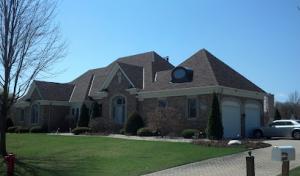
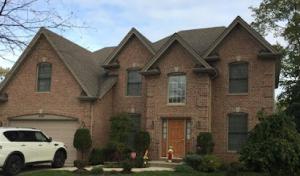
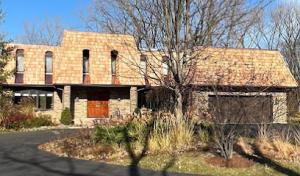
In Skokie, the market is crowded with quick-response re-roofing companies, so you should compare how each contractor handles cleanup, scheduling, and permit coordination with the Village. Look for a crew that leaves your yard as clean as they found it and sticks to a clear timeline even after a weather delay.
Because storm and emergency work are prevalent locally, you want to know who documents damage, meets adjusters, and manages temporary protection if weather interrupts the job. A contractor with an established process for photos, inspections, and on-site protections can save you headaches when a claim is involved.
Established and family-run firms are well represented, yet you still need to verify who will actually perform the work and who will be present for final inspection issues. Some firms deploy a project manager who stays on-site, while others subcontract and only show up for the final walkthrough. Confirm the on-site supervisor's name and contact information before any work starts.
Ask about their standard cleanup approach and how they handle debris and nails after each day. In a dense suburban neighborhood, leaving the property in orderly condition matters for neighbors and for securing your own property during a storm cycle. Clear communication about daily progress, expected interruptions, and a concrete plan for adverse weather helps you compare options objectively.
Finally, ensure the contractor has a reliable process for the final inspection. You want someone who will be present to resolve any deficiencies promptly and who understands the local expectations that help prevent delays in settling a claim or closing out the project.