
Last updated: Apr 19, 2026
Spring hail season is a stated local risk and can create demand spikes for roof inspections and replacement scheduling in Crown Point. When hail pummels the shingles, the damage isn't always obvious from the ground. Granules can be loosened, underlayment compromised, and fasteners bent-opening the door to leaks that strike during the next freeze-thaw cycle or a heavy rain. The key is recognizing that damage accumulates quickly and that your first 24 to 48 hours after a storm determine whether a leak becomes a full-blown problem or stays manageable. Don't wait for a drip to become a flood; act as soon as the inspection flags trouble.
Indiana insurers in this market commonly ask for photo documentation, manufacturer specifications, and scope estimates after storm events. That means you should have clear photos of the hail impact, rub tests on affected shingles, attic ventilation observations, and a concise note of observed leaks or staining. Gather the roof's brand and shingle line, plus any visible decking damage, and capture the surrounding debris and wind-driven impacts on siding and chimneys. When communicating with your insurer, present a staged, objective narrative: date of impact, diameter if known, all observed symptoms (soft spots, curling, granule loss), attic moisture indicators, and the scope you're seeking a contractor to confirm. The faster you provide precise documentation, the quicker the claim process can move to the repair phase.
Local contractor signals show unusually strong prevalence for storm damage, emergency repair, and insurance-claim help, indicating homeowners here often need immediate tarping and claim-ready documentation rather than routine-only roof planning. If a tarping crew isn't on site within hours after a confirmed storm, you risk water intrusion into ceilings and walls, which complicates both repairs and the claim. A watertight tarpaulin placed securely over the affected area buys time, reduces interior damage, and keeps your claim on track while you wait for an adjuster and a licensed roofer to confirm the full extent of the damage. Do not delay this step to "wait for a dry spell."
First, document everything with timestamped photos from multiple angles: shingles, vents, flashing, gutters, and any interior staining. Then contact a local, storm-damage-focused contractor who can provide a claim-ready inspection and a written scope of work. Request a temporary tarp if water is actively entering the home. Schedule the inspection as soon as daylight allows, ideally within 24 to 48 hours after the storm. If you have an upstairs bathroom or kitchen ceiling showing moisture, treat it as an urgent red flag and prioritize mitigation measures that prevent further interior damage.
Look for a local contractor with a proven track record handling insurance-backed repairs: clear photo documentation, manufacturer-specific shingle matching, and a comprehensive scope that aligns with insurer expectations. Ask for a sample claim packet-the kind you'd present to an adjuster-that includes photos, a board-ready scope, and material specs. In this market, speed and accuracy matter: the right partner arrives prepared to document, tarp, and mobilize a repair plan that meets both your protection needs and the insurer's requirements.

Alamo Roofing Contractors
(219) 224-2636 alamoroofingcontractors.com
100 S Main St floor 2 suite 3, Crown Point, Indiana
5.0 from 48 reviews
Serving Crown Point, Merrillville, Schererville, Hobart, St. John & all Lake County. GAF Master Elite Contractor - one of only 2% nationwide. 🏆 GAF Master Elite (Top 2% Nationwide) 🏆 Illinois Unlimited Roofing License 🏆 50-Year Gold Pledge Warranty 🏆 Lifetime Workmanship Guarantee RESIDENTIAL & COMMERCIAL ROOFING: • Asphalt Shingle Roof Replacement • Metal Roofing Installation • Storm Damage & Insurance Claims • 24/7 Emergency Leak Repair • Seamless Gutter Installation • Siding Replacement & Repair Factory-certified crews • Transparent pricing • Military & first responder discounts • Same-day emergency response • Complete cleanup Family-owned. Licensed, bonded, insured. Your Lake County neighbors. 📞 (219) 224-2636
M&M Home Remodeling Services - Crown Point
1877 E Summit St, Crown Point, Indiana
4.7 from 462 reviews
Our team is confident, after our initial due diligence on your property, we will compare favorably over other contractors vying for your business. When it comes to experience, customer service and value – there is no team better. We specialize in working with various businesses such as: HOAs, manufacturers, retail, churches, multi-family organizations, health care, veterinary care, and hospitals. M&M also offers an Annual Maintenance program for our commercial clients. When choosing the right contractor. Choose M&M. From the roof of your home to its siding, M&M provides comprehensive solutions to keep you and your loved ones safe, comfortable, and secure.
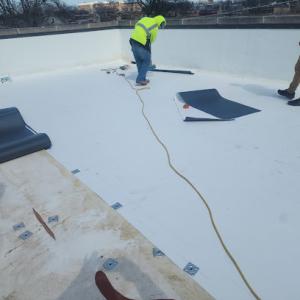
Rebel Roofing & Renovations
(219) 707-6825 rebelroofingin.com
6429 W 86th Ave, Crown Point, Indiana
4.7 from 68 reviews
Rebel Roofing is a professional roofing company in Crown Point, IN that offers services to both residential and commercial properties. With many years of experience in the industry, you can rest assured knowing your property is in good hands. We offer a variety of services such as flat roofing, siding, roof replacement, and so much more. We are dedicated to providing our clients with superior service and results. Contact us today to learn more and schedule your appointment!
AmeriPro Roofing
(219) 203-3906 www.ameriproroofing.com
11051 Broadway Suite A, Crown Point, Indiana
4.5 from 239 reviews
At AmeriPro Roofing, we help you cover what matters most -- your family. As an Owens Corning Platinum Preferred Contractor specializing in storm repair & restoration, we're the experts in your backyard with standards through the roof.
Beaver Roofing
(219) 810-6170 thebestdamroof.com
Serving
5.0 from 83 reviews
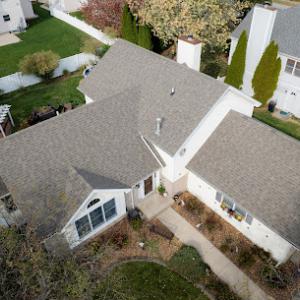
Beaver Roofing is your local expert roofing contractor, proudly serving Northwest Indiana homeowners. Offering tailored roofing solutions — whether your home needs a roof repair or a full roof replacement. Our 'Dam Right It's Watertight' guarantees your roof will protect your family and home from the elements. Plus, our step-by-step approach makes the process smooth and stress-free. We’re proud to provide 'The Best Dam Roof' backed by quality, craftsmanship, and our word.
Olympia Roofing Company
(219) 365-3169 olympiaroofingnwi.com
Serving
4.9 from 7 reviews
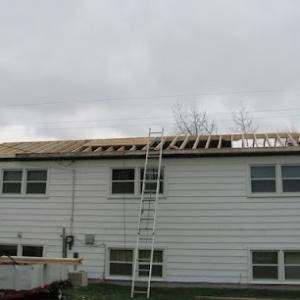
Since 1978, Olympia Roofing Company has been the premier choice for roofing and siding services in Dyer, IN, proudly serving St. John, Lowell, Cedar Lake, Crown Point, Munster, and nearby communities. Our specialties include residential shingle roofing, skylight repair and installation, and leaky chimney repair. Enhance your home's curb appeal and protect it from the elements with our expert siding solutions. For exceptional service and more information, reach out to Olympia Roofing Company today.
Armour Construction
(219) 987-2023 www.armourconstruction.net
Serving
4.8 from 95 reviews
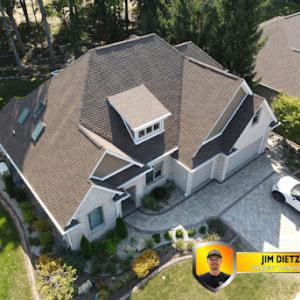
Armour Construction stands among Indiana’s most reliable roofing companies, known for honesty, precision, and five-star results. As a professional roofing contractor, we handle every project with care—from roof installation and roof replacement to repairs and inspections. Our team uses trusted materials and proven techniques built to handle Indiana’s changing weather. Every roof is installed with lasting protection, energy efficiency, and curb appeal in mind. At Armour Construction, you’ll find clear communication, dependable service, and craftsmanship that stands the test of time. Whether you’re upgrading your home or fixing storm damage, we make sure your roof and your experience are built to last.

J & J Roofing & Remodeling
(219) 736-1243 jandjroofingnwi.com
Serving
4.8 from 4 reviews
The experienced staff at J & J Roofing and Remodeling has the skill and knowledge to complete all your interior remodeling services. We're a family owned business. You can also rely on us to repair your roof that was damaged due to a hail storm. Call us today
Total Roofing & Construction Services
(219) 227-9292 totalroofingandconstruction.com
Serving
4.9 from 347 reviews
Total Roofing and Construction since 1985 servicing Illinois, Indiana, and Michigan with their residential and commercial construction needs from roofing, siding, windows, and gutter installation.
Eenigenburg Exteriors
(219) 529-2921 www.eburgexteriors.com
Serving
4.9 from 246 reviews
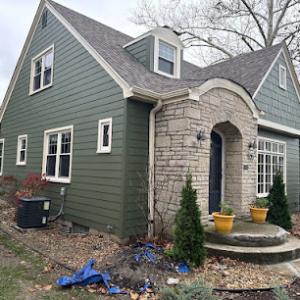
Eenigenburg Exteriors serves Cedar Lake, IN with professional roof replacement and exterior services tailored to local homes. From aging shingles to storm-related roof damage caused by Midwest wind, hail, and heavy snowfall, our team understands the challenges Cedar Lake homeowners face. We provide roof replacements, siding, gutters, windows, and doors designed to improve protection, efficiency, and curb appeal. As a service area business based near 13926 W 117th Ave, we focus on durable solutions, clear communication, and consistent workmanship. Homeowners rely on Eenigenburg Exteriors as trusted roofing contractors known for experience, professionalism, and dependable exterior solutions.

Reliance Roof Troop
(219) 777-0284 www.reliancerooftroop.com
Serving
5.0 from 238 reviews
Reliance Roof Troop is a family-owned roofing contractor serving Schererville and surrounding areas. We focus on roof replacement in Schererville, offering reliable and durable roofing services that stand the test of time. We focus on roof repairs, replacements, and coatings using premium materials that protect your home for years to come. Our services also include siding installation, siding repairs, windows, gutters, and attic blown-in insulation. At Reliance Roof Troop, we are committed to providing high-quality solutions with no pressure or gimmicks. We focus on what matters most: delivering long-lasting results that protect your home. Call Reliance Roof Troop today to get started with your roofing needs!
CMA Exterior Remodeling
(219) 331-0129 cmaexteriorremodeling.com
Serving
5.0 from 24 reviews
CMA Exterior Remodeling specializes in residential Roof Service and Installation, and Exterior finish service/repair. We are the premier roof repair service with sucess in solving industry failure as well as providing service for routine maintenance. We specialize in repairing asphalt shingle roofs, we repair/service skylights,chimneys, sewer stacks, wall flashing, and other petrusions through roof. Our service is designed to enhance the appearance and functionality of your home's exterior finish with durable and long-lasting protection. We also do routine inspections and provide gutter cleaning service , and now offering solar panel cleaning ! (Basic No Chemicals)
The local pattern of cold winters with snow creates repeated freeze-thaw stress at roof edges and sealant lines. Water can creep into seams at the eaves, drip edges, and along fascia, then freeze when temperatures drop, prying apart flashing and sealants little by little. Over seasons, those tiny gaps become pathways for leaks when spring rain arrives or when a hail hit cracks a protective layer. In Crown Point, these edge failures tend to surface sooner than mid-roof failures because the edges take the brunt of wind-driven moisture and temperature swings, and a single compromised edge can compromise an entire roof system if left unchecked.
In this city, inspection emphasis on proper underlayment and ventilation matters far beyond what a casual glance might reveal. A mis-timed or undersized underlayment layer can trap moisture against the decking as snow melts and refreezes, especially near the eaves where warm attic air meets the cold roof deck. Poor ventilation multiplies that problem, letting attic moisture condense and migrate toward edge detailing, accelerating sealant failure, rusting of metal components, and the eventual intrusion of water behind the drip edge. When a roofer checks your ventilation strategy, expect questions about soffit intake, ridge vent balance, and how lapped underlayment is installed to shed water toward protected drainage paths. In practice, a meticulous approach to edge detailing-proper sealant selection, flashing integrity, and continuous underlayment behind drip edges-prevents small problems from becoming big leaks after thaw cycles.
Targets for a Crown Point homeowner include fascia boards, drip edge, counterflashing at intersections, sealants around vent pipes, and the condition of pointing at the rake edges. If fascia boards show soft spots, paint peeling around fasteners, or signs of moisture staining, that is a cue to investigate the edge sealant line more closely. Look for hairline cracks in sealants along the rake and eave joints, and for any lifting of metal drip edges where water can back up behind them. A proactive approach is to schedule investigations after heavy snows melt and again after a spring rain, paying particular attention to any moisture that protrudes under the edge detailing. When leaks appear, you may notice staining along ceilings or attic insulation dampness near the outer edge of the roof line first.
Replacement timing is commonly pushed into late spring through early fall in this market to avoid winter weather complications and to work during longer dry windows. The edge system benefits from being finalized in a season with stable temperatures and predictable humidity, allowing sealants to cure properly and underlayment to lay flat without repeated frost action. If a repair plan includes reattaching or upgrading flashing and drip edges, coordinating this work with a dry spell in late spring gives the new materials a chance to seal correctly before the next cold season. In practice, a cautious homeowner pairs edge repairs with a broader refresh of insulation access and attic venting to ensure the new edge detailing remains resilient through the next freeze-thaw cycle.
Asphalt remains the baseline option in this market, favored for its balance of performance, installation speed, and repair practicality on typical steep-slope homes. In summer, heat can cause shingle expansion and marginally affect nailing patterns, so plan for cooler hours when possible and ensure the underlayment and nail line are properly aligned to avoid future leaks after a long season of sun exposure. For homes with standard attic ventilation, asphalt can ride out the freeze-thaw cycles that characterize Northwest Indiana winters fairly well, provided the roof is correctly installed with a solid drip edge and well-sealed penetrations. If you're replacing a roof that already carries aging asphalt, aim for high-quality shingles with a reflective surface to reduce heat buildup during hot months.
Metal roofing offers excellent longevity and a slim profile that suits narrow eaves and mid- to high-slope roofs common in this area. Panels resist hail better than many shingle types, which matters in spring storm seasons. A key practical note is the need for careful panel alignment and flashing, especially around chimneys and skylights, to manage thermal expansion during hot summers. Metal's reflective qualities help reduce heat gain, but fasteners must be chosen and installed with attention to crown-inset patterns to prevent leaks after rapid temperature swings. If a heavier option is desired, these systems pair nicely with proper attic ventilation to minimize condensation risks on chilly mornings after dramatic temperature changes.
Clay and concrete tiles provide distinct aesthetics and long service life, yet their weight requires thoughtful planning around tear-off sequencing and support structure. In this market, these heavy systems commonly prompt a staged replacement approach, where the existing roof is removed in sections and inspected frequently to verify the structural capacity remains within plan. The installation window can extend beyond typical timelines, so coordination with the inspection milestones is essential to avoid delays. For summers, tiles can expand a bit more than asphalt, so clips and spacers must be set to avoid buckling in heat while still allowing for drainage across shallower slopes typical on some Crown Point homes.
Wood shingles or shakes bring classic curb appeal but require tight venting and moisture control to resist cupping and decay. In a climate with substantial humidity shifts, confirm that the roof deck is dry and that proper underlayment is chosen to prevent wicking and ice-damming issues during winter. Fasteners should be corrosion-resistant, and spacing must follow the manufacturer's guidelines to accommodate seasonal movement. A skilled install crew will stagger courses to mitigate visible seams, which helps preserve the home's historic or architecturally distinctive look.
Synthetic or composite shingles offer design flexibility and often lighter weight than tile, with some models designed to emulate wood, slate, or asphalt textures. They can handle temperature fluctuations and hail better than traditional wood or some true-slate replicas, depending on the product. When selecting a synthetic option, verify that the warranty and impact resistance targets align with spring storm expectations. For steep slopes, ensure the chosen system features adequate underlayment and a proven nailing pattern to performance during the thaw cycle and summer heat.
Asphalt shingles deliver the most common balance of price and performance in this part of the region, with installed costs typically between 350 and 550 USD per square. If you're eyeing metal, plan for 750 to 1100 USD per square. Clay tile runs higher, generally 900 to 1500 USD per square, while concrete tile sits around 800 to 1300 USD per square. Wood shingles or shakes fall in the 450 to 900 USD per square range, and synthetic or composite shingles are usually 500 to 900 USD per square. These ranges reflect Crown Point's mix of steep-slope roofs, colder winters, and the demand you'll see after storms when crews are booked up.
Costs in Crown Point can rise after spring hail events because storm-driven demand spikes compress scheduling and labor availability during the main late-spring to early-fall replacement window. If a hailstorm hits, you'll likely see a tighter window to start and complete a project, which can push pricing upward as crews juggle multiple jobs. Planning ahead for late spring work, when the weather first stabilizes and prices are climbing, can help you lock in a more predictable rate.
Projects that require more complex assemblies or multi-stage tear-offs can add administrative and labor friction compared with simple overlay-style jobs. If your roof has multiple layers, requires underlayment changes, or needs staged sequencing, expect a modest uptick in cost and scheduling considerations. In Crown Point, contractors will outline a clear sequence to satisfy both weather constraints and material warranties, which tends to translate into tighter timelines and a slightly higher price tag.
For a straightforward replacement on a typical Crown Point home, target the material-specific ranges above and add a contingency for spring storm timing. If hail damage is evident, you may want to allocate extra for inspection, documentation of damage, and potential insurance-aligned steps, since those elements commonly influence the final invoice in the storm-driven market.
Get a clear picture of your project costs upfront - no commitment required.

Alamo Roofing Contractors
(219) 224-2636 alamoroofingcontractors.com
100 S Main St floor 2 suite 3, Crown Point, Indiana
5.0 from 48 reviews
Artisan Quality Construction
(219) 400-3358 artisanqualityconstruction.com
Serving
4.8 from 17 reviews
Ivan's Roofing & Remodeling
(219) 308-7784 www.ivansroofingandremodeling.com
Serving
4.7 from 117 reviews
A roof replacement in this area requires a building permit submitted to the City of Crown Point Building Department. The process emphasizes a detailed permit package rather than a simple reroof description. The package should lay out project details, material specifications, and the proposed tear-off and installation sequence. This ensures the scope, sequencing, and safety measures are clearly understood by inspectors before any work begins. For storm-damaged roofs or hail repairs, the permit package should also reference any required temporary protections and storm response plans, so the project isn't stalled by weather-driven delays.
Local practice centers on careful tear-off sequencing. The permit review will look for a logical, staged approach that avoids exposing interior spaces longer than necessary and ensures weatherproof transitions between phases. Your installer should present a day-by-day or phase-by-phase plan showing roof removal, deck inspection, underlayment installation, ventilation details, flashing, and final roof cover. This sequencing matters in areas with freeze-thaw cycles, where moisture control and proper drying times reduce the chance of trapping moisture under new materials.
Inspections occur at key milestones after roof removal and again upon completion. The focus in Crown Point includes underlayment quality, attic ventilation adequacy, and safety setbacks for the job site. Expect inspectors to verify that underlayment is installed to the specified overlap and that vented soffits and ridge vents deliver proper airflow. They'll also check roof-to-wall flashing details, chimney and vent pipe penetrations, and any required safety measures such as temporary edge protection, fall arrest points, and material storage for the duration of the job.
Keep a clear log of changes or substitutions in material specifications and installation methods. If weather or supply issues necessitate adjustments, document them and secure written inline approvals from the building department. It helps to provide manufacturer installation guides, product data sheets, and a laydown plan showing where materials will be staged and how waste will be managed. Clear, proactive communication minimizes pauses and keeps the project on track through Crown Point's permitting and inspection cadence.
Coordinate timing with weather forecasts to avoid extended exposure of a bare deck during spring thaw or hail season. Ensure temporary protection is in place to guard interior spaces during tear-off transitions. Have your contractor prepare a pre-inspection checklist that mirrors the city's focus areas-underlayment, ventilation, and safety-so the final inspection proceeds without repeat visits. Understanding these local expectations helps you navigate the spring storm window efficiently and keeps your roof, and home, protected throughout the process.
Indiana homeowners insurers generally still cover standard roof replacements in this market, but post-storm claim activity brings higher scrutiny and faster adjuster response. That means your claim may move quickly from inspection to settlement, and any gaps between photos, measurements, and scope can stall your project. Expect the adjuster to request multiple angles, close-ups of wind damaged edges, and confirmation that the underlayment and ventilation meet the latest guidance. Prepare to respond promptly.
Some carriers may require wind or hail endorsements or updated shingles for newer homes, which can directly affect material selection after a storm loss. If your house has metal or tile, confirm that the product line is on the approved list and that fasteners, underlayment, and accessory components align with your insurer's expectations. Falling behind on endorsements can delay replacement or require a second order of materials, extending your exposure to weather.
Because Crown Point has active storm-damage and claim-assistance demand, homeowners should expect insurers to compare photos, manufacturer data, and contractor scope estimates closely. Keep dated, detailed records: original blueprints or elevations, product brochures, and a written scope that matches the insurer's guidelines. It helps to have independent third-party measurements and a clear narrative of what was damaged, what was replaced, and why.
A careful pace matters on steep roofs. Rushed decisions can lead to underspecified underlayment, improper venting, or misaligned shingle lines that fail to pass final inspections. By compiling complete documentation and coordinating with a trusted contractor who understands the local storm patterns, you reduce the risk of back-and-forth delays when your roof is being worked on after a storm event. Ask for a written timeline and a contingency plan to cover unexpected weather days before you sign.
Wet fall conditions are a named local risk in Crown Point because they can delay tear-off work and complicate moisture management during replacement. Rain or lingering drizzle can saturate decking, forcing crews to pause while decking dries and underlayment is re-seamed and re-sealed. When days shorten and temperatures swing, fast-changing conditions increase the chance of rain during critical stages such as flashing installation and edge detailing. Homeowners should expect that a sequence built around dry windows is essential, not optional, and plan for potential short-term stoppages that don't derail the overall schedule.
The preferred replacement season runs from late spring through early fall, so waiting into fall may leave you facing tighter calendars and weather-related stop-start scheduling. In Crown Point, a late-season project often compresses the amount of dry time between tear-off and final completion. That means you'll want a longer buffer for material delivery, crew availability, and inspection readiness. If a fall delay slips into late October, temperatures can drop quickly, affecting ventilation performance and moisture control strategies that protect the interior from leaks during the replacement window.
Tear-off and installation sequencing on permit-style planning makes weather planning more important because inspection timing and dry-in timing have to stay coordinated. Practically, that means aligning the tear-off start with a forecasted stretch of dry days, then progressing through underlayment, ventilation, and flashing in a tightly timed sequence. Keep gaps minimal between phases so moisture intrusion is avoided and the dry-in targets stay achievable before the first sharp frost. Communicate contingency steps with the contractor so a minor weather hiccup doesn't derail the overall clock.
Skylight work is a meaningful specialty signal in Crown Point, signaling leak-prone roof penetrations that come up during reroofing and repairs. In practice, that means you should plan extra attention to the flashing around the skylight curb, the intersection where the skylight frame meets the deck, and the sealant lifecycle. In spring, hail can punch small gaps or micro-fractures in flashing, so verify that the base flashing is continuous and the skylight is properly set with a solid bed of sealant. On steep-slope roofs, installers should expose and inspect the skylight surround during tear-off, then reinstall with a compatible underlayment that sheds water toward the field of the roof rather than toward the curb.
Chimney-related service demand is also prominent in the local contractor mix, indicating flashing and masonry-adjacent roof details are a recurring issue. Pay close attention to the niche where the chimney meets the roof plane: step flashing should be continuous from the chimney into the roof deck, and counter-flashing must be secured into the chimney mortar joints. Inspect for cracked mortar, spalling brick, or loose flashing that can trap water and wick it under shingles during thaw cycles. The transition at valleys and along any mortar cap needs to be tight and well-sealed so freeze-thaw cycles don't exploit minor gaps.
The city's inspection focus on underlayment and completion quality makes penetration detailing especially important when reroofing around skylights and chimneys. Ensure a high-quality, continuous underlayment layer is installed beneath all penetrations, with proper overlap at transitions and secure trimming along edges. During final completion, verify that the skylight and chimney penetrations are fully integrated with fasteners, sealants, and any required kick-out details to direct water away from the flashing. A meticulous finish here reduces revisit needs after spring storms and supports smoother inspections.
Find contractors experienced in skylight installation, flashing, and leak repairs to bring natural light into your home.
Alamo Roofing Contractors
(219) 224-2636 alamoroofingcontractors.com
100 S Main St floor 2 suite 3, Crown Point, Indiana
5.0 from 48 reviews
M&M Home Remodeling Services - Crown Point
1877 E Summit St, Crown Point, Indiana
4.7 from 462 reviews
Rebel Roofing & Renovations
(219) 707-6825 rebelroofingin.com
6429 W 86th Ave, Crown Point, Indiana
4.7 from 68 reviews
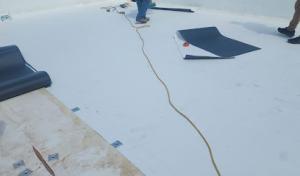
Flat-roof specialization exists in the local market but is secondary to steep-slope reroofing, indicating this is most relevant for porches, additions, garages, and mixed-roof homes rather than the dominant roof type. Wet fall conditions and winter freeze-thaw cycles make drainage and seam integrity more important on these low-slope sections. Ensure the slope is sufficient to move water toward primary outlets, and verify seam tapes and membranes are compatible with the deck materials. In Crown Point, even a small pooling area can threaten underlayment, so pay close attention to transitions where low-slope materials meet pitched roofs.
Because the Building Department inspects after tear-off and after completion, low-slope replacements still need clear sequencing and code-compliant dry-in details. Start with a clean roof deck, install approved underlayment with proper overlaps, and secure edge details to resist seasonal wind-driven rain. For porches or additions, coordinate with the main roof sequence so that the low-slope section is dried in before neighboring high-slope work is considered complete. Keep penetrations and vent terminations neatly sealed to minimize later leak paths.
Use properly rated membranes and termination bars at transitions to steeper sections. Crickets or saddles should be placed to channel water toward drains from flat or near-flat areas, especially where a porch roof meets an exterior wall. Seal joints at skylights, chimneys, or curbs with products approved for low-slope use, and verify that flashing integrates with the adjacent roofing system.
Plan for a mid-project inspection that confirms flashing and fastener patterns align with local expectations. After winter storms or spring hail, perform a targeted leak check around low-slope sections and gutters. Document any repairs with photos and notes for the final completion inspection.
Practical considerations for Crown Point projects include coordinating with garage work to maintain consistent roof drainage paths. When porch or mixed-roof assemblies are reroofed, ensure fastener patterns and membrane overlaps match the adjacent steep slope. That alignment helps prevent leaks across seasons here.
Find specialists in TPO, EPDM, and built-up flat roofing systems for residential and commercial properties.
Rebel Roofing & Renovations
(219) 707-6825 rebelroofingin.com
6429 W 86th Ave, Crown Point, Indiana
4.7 from 68 reviews
Artisan Quality Construction
(219) 400-3358 artisanqualityconstruction.com
Serving
4.8 from 17 reviews
This guidance helps a homeowner in Crown Point after storms navigate what to expect from a local contractor, with practical steps that address interior protection, debris handling, and clear communication on the same day of a storm event. The local market rewards responders who can secure interior spaces quickly, protect contents, and tidy the job site so you can maintain daily living without chasing progress.
A first question to settle is whether the contractor has solid experience with tear-offs and re-roofing on occupied homes. Re-roofing is far more common here than niche new-construction work, so you want a firm that can coordinate with you around x-day access, protect your belongings, and manage all staggered work phases without leaving rooms exposed. Look for a track record of up-to-date code knowledge and a portfolio that shows completed projects with minimal disruption to family routines.
Communication on the first day and in the days that follow matters more than glossy brochures. Expect contractors to provide same-day updates about what they found, what they plan to do, and what you should prepare for next. A reliable crew will document wind and hail impacts, outline interior protection steps, and set expectations for debris containment and cleanup. In this market, a long-established, family-owned firm is often preferred because warranty follow-up and insurance supplements benefit from a local footprint with ongoing availability.
Security of access and site safety are practical tests you can use when you meet bidders. Ask how they handle debris containment, stairwells or attic access, and protection of finished surfaces during tear-off. Notice whether crews bring daily cleanup entry points to prevent tracked dust and whether they leave you with a clear end-of-day plan. For many homeowners, choosing a trusted local partner with a steady presence means easier warranty service and a smoother insurance claim process when the next storm tests the roof system.