
Last updated: Apr 19, 2026
Cumberland's cold winters and repeated freeze-thaw cycles make ice damming a primary roof risk, especially on older New England homes with uneven attic insulation and ventilation. When the attic isn't pulling heat away from the roof evenly, snow on the roof begins to melt during warmer daytime hours and refreezes as temperatures drop at night. That cycle creates a dam at the eaves, forcing water to back up under the shingles. In areas like valleys and around chimneys, water can sit and seep between layers, intensifying damage to underlayment, sheathing, and the interior ceiling. Your roof's age and the quality of attic air can magnify this problem, turning a routine winter into a slow, costly leak story.
Snow accumulation followed by daytime melt and overnight refreeze commonly drives water back under shingles at eaves, valleys, and around chimneys in this part of northern Rhode Island. This is not a coastal issue with salt spray, but a landlocked reality: the snowpack stays deeper longer, and the freeze-thaw cycle repeats more aggressively. If you have roof features that collect snow-low slopes, long eaves, or multiple roof lines-the risk concentrates at those points. Look for stained ceilings below these sections or peeling interior paint around your top floor, which often signals an ice dam that's already been backing water uphill.
Early signs include small ice ridges along the eaves after a thaw, damp spots on interior ceilings near exterior walls, and attic spots that feel unusually warm or drafty during cold snaps. If gutters are packed with ice or meltwater leaks at the junctions where roof planes meet, that's a red flag. In older homes with uneven insulation, you'll often notice higher heat loss in ceiling lines that correspond to the attic access and plumbing chases. Don't wait for a major leak to appear-these conditions set up a domino effect that can compromise roof decking and underlying insulation.
Begin with a quick attic check: seal obvious gaps around penetrations, improve insulation where it's thinning, and ensure soffit vents, ridge vents, and general ventilation are balanced to promote a steady air flow that keeps the roof cold and the ice dam risk lower. Consider adding or upgrading ice and water shield in critical eave and valley areas, or directing heat away from problem zones with a more uniform attic temperature. After heavy snows, remove snow from the roof selectively to reduce the melt-water volume, but avoid damaging shingles in the process. For chimneys or roof penetrations, install proper flashing and ensure flashings are sealed against the sheathing to minimize water entry paths. Regular reminders to monitor the attic space after storms can catch developing damming before it causes interior damage.
Spring Nor'easters in northern Rhode Island deliver wind-driven rain that tests the flashing around chimneys, skylights, and roof-to-wall transitions. In Cumberland, the mix of older homes with stubborn chimney chase details and newer roofs with tighter designs creates pressure points where frozen gutters meet penetrating water. When rain slams in from the north and winds push spray under poorly sealed joints, even a well-maintained roof can reveal hidden vulnerabilities. Pay attention to any signs of damp in upper rooms, attic condensation after storms, or fresh water trails along interior walls near flashings. The first hot sun after a storm is not your friend; it expands saturated materials and can widen micro-leaks into noticeable drips. Immediate attention to suspected flashing gaps can prevent ice dam formation later in the season and avert more extensive interior damage.
Fall coastal storm remnants can still reach this area with enough wind to lift aging shingles, a risk amplified by the inland orientation of the valley. In older stock, missing granules, curled edges, or lift at the eave line can become chase points for wind-driven rain once temperatures swing. Even if a roof appears solid after a quick inspection, wind gusts can pull up protective edge materials and expose underlayment. In a neighborhood where homes vary from colonial dormers to modern cap roofs, a single compromised panel can channel water toward fascia boards and interior trenches. After a nor'easter passes, inspect roof edges, look for lifted tabs, and listen for the telltale whistle of wind under loose shingles. Timely resealing and targeted repairs on problem areas prevent cascading leaks when the next storm hits.
Cumberland roofs often feature skylights and complex transitions that become pressure points under heavy snowmelt and wind-driven rain. Ice dams form where heat loss causes meltwater to back up behind snow and refreeze at eave line, forcing water upward under shingles and around penetrations. If you notice damp drywall near ceiling corners or warping around skylights, treat it as a warning signal. Flashes around chimneys, dormers, and wall intersections should be checked for corrosion, loose fasteners, or missing sealant. A common trap is assuming a minor drip is nothing when it's the tip of a larger issue. Addressing flashing integrity promptly keeps meltwater from cascading into insulation and joist bays.
Local contractor demand spikes after regional storm events, which can delay scheduling for non-emergency repairs and full replacements. If a leak is active, prioritize temporary fixes that block water entry-tarps or sheet plastic over vulnerable sections-while lining up a trusted roof mechanic. Keep a storm log: date, location of leaks, and symptoms such as damp attic insulation or staining that travels with wind direction. For ongoing snow seasons, consider reinforcing vulnerable eave lines and upgrading underlayment in high-traffic problem areas. When a Nor'easter window opens, act quickly: file the leak report, document the damage, and secure a prompt assessment to minimize the risk of structural or insulation damage. You're navigating a region where a single storm can shift the roof's balance; prepared, proactive repairs save lasting headaches.
Find local contractors experienced in assessing and restoring roofs after hail, wind, and severe weather events.
Eagle Exteriors
(401) 298-0449 www.eagleexteriorsri.com
4115 Mendon Rd, Cumberland, Rhode Island
4.7 from 47 reviews
United Better Homes - Roofing, Solar & Windows
(401) 274-0111 www.unitedbetterhomes.com
Serving
4.8 from 232 reviews
Eagle Exteriors
(401) 298-0449 www.eagleexteriorsri.com
4115 Mendon Rd, Cumberland, Rhode Island
4.7 from 47 reviews
Eagle Exteriors is a construction company specializing in exterior remodeling. Eagle is located in Cumberland RI and has years of industry experience. We serve all of RI and MA.
Premium Home Improvements
(401) 617-4644 www.homeadvisor.com
Cumberland, Rhode Island
4.1 from 13 reviews
Premium Home Improvements has been serving Rhode Island for over 14 years and is locally owned and operated. Our focus is giving our customers the highest level of service at an affordable price. At Premium Home Improvements, we specialize in all aspects of roofing, siding, and windows for residential and commercial. We install all flat roofs, specializing in Rubber Roof Systems. We deliver quality and value in our attention to detail, on-site quality control, and a dedication to customer service and satisfaction. We look forward to working with you.
Mr. Roof.
(508) 342-5373 www.misterroof.net
Serving
4.8 from 197 reviews
MR. ROOF. INC, located at 829 Newport Ave, is your trusted roofing contractor with over 22 years of experience serving South Massachusetts and Rhode Island. We specialize in Roof Repair, Roof Replacement, Shingle Roofing, Metal Roofing, and Emergency Roof Repair, delivering top-notch solutions that blend quality and efficiency. Our expert team is committed to enhancing your property's durability and aesthetics, offering advanced roofing systems using energy-efficient materials for both residential and commercial clients. With a reputation for exceptional customer satisfaction and robust warranties, choose MR. ROOF. INC for all your roofing needs. Call (508) 342-5373 today for a free quote!

United Better Homes - Roofing, Solar & Windows
(401) 274-0111 www.unitedbetterhomes.com
Serving
4.8 from 232 reviews
United Better Homes - Roofing, Solar & Windows, located at 535 Pine Street in Central Falls, RI, is your trusted, family-owned contractor for top-quality roofing services. Specializing in both residential and commercial projects, our GAF Master Elite team excels in roof repair, replacement, and installation using premium materials from brands like CertainTeed. Proudly serving areas across Rhode Island, Massachusetts, and Connecticut, we also offer solar panel and window installations, boosting energy efficiency and curb appeal. With a focus on customer satisfaction, we provide free roof inspections, detailed estimates, and various financing options. For stellar service in "roof repair" and "roof replacement," contact us today.
Global Roofing
(508) 625-9734 www.getglobalroofing.com
Serving
5.0 from 143 reviews
Global Roofing delivers reliable residential roof replacements across Massachusetts, Rhode Island, New Jersey, and Connecticut. We do it once, and we do it right - with materials built to handle New England's toughest weather. Our GlobalCare approach means going above and beyond on every project: premium 50-year warranty materials, optimized ventilation, advanced water prevention, and a meticulous cleanup. As a CertainTeed Premier ShingleMaster contractor, we're Google Guaranteed and trusted by over 3,000 homeowners. Most roofs completed in just one day. Free inspections and flexible financing with no payments for 12 months. Call today for your forever roof.
B&R Home Improvement
(401) 365-8909 www.bandrhomeimprovement.com
Serving
4.9 from 213 reviews
B & R Home Improvement offers services for all your residential home repair needs. We offer interior and exterior remodeling, such as roofing, gutters, decks, kitchen and bath makeovers, as well as additions.
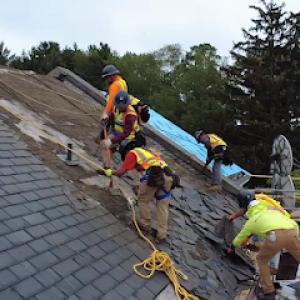
Lizmar construction
(401) 955-4517 lizmarconstructionllc.com
Serving
5.0 from 25 reviews
LizMar Construction is a licensed and insured roofing contractor serving Pawtucket and all of Rhode Island. We specialize in roof replacement, roof repair, siding installation, gutter services, painting, and storm damage restoration. Our team provides free inspections, honest estimates, and high-quality workmanship for residential and commercial. Whether you need emergency roof repairs or a full roof replacement, LizMar Construction is committed to reliable service and customer satisfaction across Rhode Island.
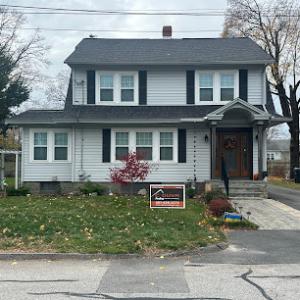
C Duva Roofing
(401) 639-2373 cduvaroofingri.com
Serving
4.9 from 46 reviews
Family-owned and operated roofing contractor since 2005, C Duva Roofing is proud to provide quality roof installations and repairs throughout Rhode Island. We are certified CertainTeed Shingle Masters, with a commitment to professionalism and a dedication to quality craftsmanship that few other roofing companies demonstrate. Our reputation for fair pricing, quality workmanship , and dedication to customer service has made us New England's preferred roofing business. We pay close attention to detail, because in our business you have to. If you need a new roof or repair to your existing roof contact us for a free estimate.
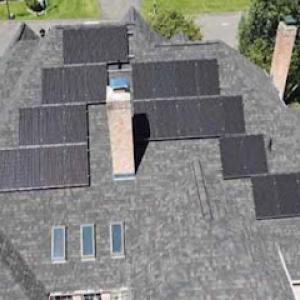
N.E. Building & Restoration
Serving
4.9 from 124 reviews
N.E. Building & Restoration is a Seekonk, MA–based roofing replacement company serving local homeowners and businesses with professional exterior construction services. Founded in 2018, we focus on roof replacements designed to withstand New England’s harsh winters, heavy snowfall, coastal winds, and seasonal temperature swings common across Bristol County. Our team also provides siding, gutters, custom decks, and solar installation for both residential and commercial properties. Every project is handled with close attention to craftsmanship, clear communication, and practical solutions tailored to local conditions. We bring experienced roofers, proper licensing, and a disciplined, professional approach to every job.
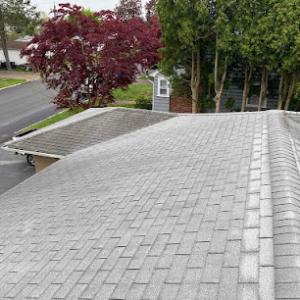
Cedar Valley Exteriors
(401) 236-8150 www.cedarvalleyexteriors.com
Serving
4.8 from 165 reviews
Cedar Valley Exteriors are roofing and siding experts. We offer free inspections and work with your insurance company to restore your home and business.
Josh's Construction
(401) 373-3994 www.joshsconstruction.com
Serving
4.8 from 106 reviews
For reliable roofing services in Smithfield, RI, Josh's Construction is the roofing company you can trust. We have a solid track record of commitment to quality and customer satisfaction since 1998. Whether it's a new roof installation or a repair, our skilled team ensures your home or business is protected with durable materials and excellent workmanship. At Josh's Construction, we take pride in our work, offering written warranties on labor and materials. Our dedication to serving the Smithfield community has made us a trusted name in the industry. When you need a roofing company Smithfield, choose Josh's Construction for dependable and professional service. Visit our website or contact us for your roofing needs.
Mighty Dog Roofing of Rhode Island
(401) 425-4108 www.mightydogroofing.com
Serving
5.0 from 67 reviews
When it comes to your home’s exterior, Mighty Dog Roofing delivers top-of-the-line services matched with the neighborly customer care our clients have come to love. Our team of skilled experts will conduct a free, detailed inspection of your home, treating it as our own. Whether your home needs a simple repair or a full roof replacement, expect to receive the transparent guidance you deserve. Whatever the case, our team will work to meet your safety and budget needs. We take pride in operating with quality materials, hiring skilled roofers, and providing our customers with a high-quality experience. See for yourself; our reviews say it all. Schedule your free, exterior home inspection today!
Asphalt shingles fit much of Cumberland's housing stock and price expectations, but winter ice backup and summer humidity make underlayment, ventilation, and flashing quality especially important. If asphalt is your go-to, choose a higher-grade shingle with a stout mineral granule coating and a near-impervious sealing strip. Prioritize a roof deck with solid sheathing and install an integrated underlayment system plus a dedicated, properly vented attic space. In practice, that means checking that the attic has both intake and exhaust vents sized to the home, and ensuring the first line of defense-ice and water shield-extends up the eaves and around any skylights or chimneys. Keep drainage clear in late winter and confirm that flashing around valleys and roof penetrations is continuous and well-sealed. A well-done asphalt install resists freeze-thaw cracking and minimizes ice dam risk when paired with careful insulation and venting.
Metal roofing is well suited to snow shedding in winter, but installers must account for snow slide behavior over entries, walkways, and lower roof sections. If you lean toward metal, plan for a profile and ridge venting arrangement that moves meltwater away from doors and sidewalks without creating a dangerous slide zone. Install snow guards or barriers where necessary to direct large snow masses away from eaves and entry points. Ensure the roof panel seams are properly sealed and that the flashing around dormers and chimneys is corrosion-resistant. In Cumberland's climate, metal often pairs well with good attic ventilation and a continuous ice and water shield along eaves to prevent ice backup at the edge. Be mindful of contractors who cut corners on underlayment-quality underlayment under metal remains essential for long-term performance in the freeze-thaw cycle.
Tile and wood products appear in the market but are less common choices for typical Cumberland re-roofing projects than asphalt and metal, partly because many homes were built around lighter roofing systems. If tile or wood is considered, assess the local snow load and freeze-thaw exposure. Concrete and clay tiles can resist heat and moisture well but may be heavier and require structural reinforcement; some older homes need staggered deployment or lighter alternatives. Wood shingles or shakes offer aesthetics but can trap moisture and are more susceptible to weathering in humid summers. If these materials are used, insist on a high-performance underlayment, careful flashing details around joints, and a robust ventilation plan to minimize moisture buildup behind the roof.
In a climate with inland winters and humidity-driven summers, the best choice balances snow handling, venting, and edge protection. Asphalt works for many homeowners when paired with strong ventilation and flashing. Metal provides excellent snow shedding if slide paths are controlled. Tile and wood can be premium options but require thoughtful structural and moisture management to perform well over time. A well-coordinated system of underlayment, ventilation, and flashing is the common thread that keeps all roof types resilient through freeze-thaw cycles and seasonal humidity.
In Cumberland, the re-roofing market is active, and tear-offs, disposal, and cleanup are routine parts of residential jobs rather than optional add-ons. That means your project cost will reflect not just materials and labor, but the actual removal of old roofing and the haul-away process. When you're budgeting, expect crews to price tear-off as a standard line item, and factor in the debris disposal fees that locally show up on the final bill.
Older homes often hide surprises once the old roof comes off. Decking repairs, chimney flashing work, or ventilation upgrades can be uncovered during tear-off, and those items commonly add to the total. If decking boards show signs of rot or there's additional flashing around a chimney or vent stacks, anticipate incremental costs beyond the roof's surface. A practical approach is to budget a contingency-roughly 10% to 20% of the estimated material and labor-to cover these discoveries without stalling the project.
Cumberland homeowners commonly weigh several material options, each with its own cost curve per square:
When selecting materials, you're balancing long-term performance against upfront cost. For winters with freeze-thaw cycles, materials with better nail-holding and lower water absorption tend to perform more reliably, but they also come with higher price tags. In practice, many Cumberland homes settle into mid-range options that offer solid winter performance without overspending on premium materials.
Seasonality matters here. Winter delays can push work into shorter daylight hours and colder conditions, slowing progress or forcing adjustments in adhesive or fastening times. Spring storms can create backlogs as crews recover from weather-related postponements, raising labor costs or reducing availability. A short fall scheduling window means you'll want to line up a trusted crew early and secure a firm start date. If timing is tight, ask for a detailed phased plan that highlights tear-off days, deck checks, and re-cover timelines so you're not surprised by a host of small, billable tasks stacking up.
Start with a material-focused estimate based on your preferred option, add the standard tear-off and cleanup line item, and include a modest contingency for decking or flashing surprises. Before signing, request a breakdown of how disposal fees are calculated and confirm whether any seasonal surcharges may apply if work extends into shoulder seasons. This approach keeps your Cumberland project on a predictable path despite the market and weather realities.
Get a clear picture of your project costs upfront - no commitment required.
Eagle Exteriors
(401) 298-0449 www.eagleexteriorsri.com
4115 Mendon Rd, Cumberland, Rhode Island
4.7 from 47 reviews
Full roof replacements are commonly routed through the local building department, with the application typically submitted by you or the roofing contractor. In Cumberland, the department expects the project to be scoped for snow loads, ice dam prevention, and proper ventilation, given the inland Blackstone Valley winters and freeze-thaw cycles. Because older homes may have varied roof framing and attic conditions, a permit helps ensure the structural changes, ventilation, and underlayment meet current code and local expectations.
The typical path is that either you or the contractor initiates the permit. If you handle it yourself, you'll provide project details, including roof area, proposed materials, and any structural work. If a contractor submits, they should include a complete scope, project address, and contact information. In Cumberland, it's common for the contractor to attach engineered truss or rafter details if those elements are altered or reinforced. Confirm with the department whether an engineer's stamp is needed for the specific structure, especially on older homes with a long roof span or mixed roof planes.
Permit fees are commonly tied to project value, so larger material upgrades or structural scope changes can affect the total permit cost. While that means significant upgrades may influence the fee, the payoff is a traceable, compliant installation that reduces frost-related risks and ice dam problems down the line. Plan for the possibility that changes during the project-such as added venting, insulation upgrades, or additional flashing-could require amendments to the permit and a quick re-inspection.
Inspections are typically scheduled by the department and usually include an in-progress inspection and a final inspection to confirm code compliance after completion. An in-progress inspection often occurs as the roof is being replaced, allowing the inspector to verify proper underlayment, nailing patterns, and flashing details around chimneys, skylights, and vents. The final inspection confirms that all components align with code requirements, including proper attic ventilation, insulation continuity, and confirmation that ice dam and moisture-control measures are correctly integrated. Coordinate these inspections with your contractor so any adjustments don't stall the schedule.
Start the permit process early in the planning phase, especially if a structural change or attic ventilation upgrade is anticipated. Have ready any existing roof plan, attic access details, and any warranties or previous inspection notes that might inform the permit review. Communicate with the building department about scheduling windows for an in-progress inspection to minimize delays, particularly in late fall when weather can compress timelines. Keep documentation of material specifications and ventilation recommendations handy for the inspector, as this helps demonstrate storm-season readiness and freeze-thaw mitigation.
In Cumberland, Rhode Island insurers typically want you to document storm-related roof damage with clear photos, dates, and contractor estimates before any claim is fully evaluated. That means a rapid, organized response after a hailstorm, wind event, or heavy snowfall can determine whether a claim moves forward smoothly. A homeowner who can show a coherent timeline often avoids protracted back-and-forth and helps adjusters see the scope beyond a single wet patch. Keep a dated record of each episode, noting how freeze-thaw cycles may have intensified the issue over weeks or months.
Wind and storm activity shape claim outcomes in this market, and some carriers have tightened terms for Rhode Island properties in broader coastal-risk underwriting. In Cumberland, a roof is rarely just an isolated incident; the interplay between winter gusts, intermittent leaks, and long-term moisture intrusion can influence coverage decisions. If a carrier senses chronic wear masquerading as sudden damage, a claim could face extra scrutiny or tiered approval. Understanding that distinction can help you prepare a stronger file and avoid surprises when the adjuster reviews the history of leaks.
For Cumberland owners, separating sudden storm damage from long-term wear is especially important because winter leak patterns can look similar to maintenance-related deterioration. A missing shingle after a harsh gust is not the same as a slow, ongoing moisture migration through compromised flashing or a failed roof valley that gradually blooms into interior staining. Document both the immediate event and any ongoing symptoms-cookies of ice damming, warped decking, or toasty attic air leakage-that persist beyond the initial storm. When you present a claim, show how the event began, what clearly broke or displaced, and what maintenance actions were taken in the interim to address existing vulnerabilities. That clarity helps insurers assess whether the damage is storm-driven or part of a longer neglect cycle.
Connect with contractors who help homeowners navigate the claims process from damage assessment to final approval.
Eagle Exteriors
(401) 298-0449 www.eagleexteriorsri.com
4115 Mendon Rd, Cumberland, Rhode Island
4.7 from 47 reviews
United Better Homes - Roofing, Solar & Windows
(401) 274-0111 www.unitedbetterhomes.com
Serving
4.8 from 232 reviews
Chimney-related leak work is a meaningful part of the local market, matching the older housing stock and masonry penetrations common on many homes. When winter sets in, the chimney chase and flashing are among the first spots where ice dam pressure finds a weak point. Look for staining along the brick line, spalling mortar, and any interior ceiling or wall spots that show stray moisture after a thaw or a heavy snowstorm. A thorough inspection should track from the roof edge down the chimney, then onto the attic side where missing or cracked flashing, deteriorated counter-flashing, or poorly sealed joints can channel meltwater into the wall cavity. In Cumberland, ice buildup around the chimney often lingers longer than on open roof fields, so after a heavy freeze-thaw cycle, recheck the flashing and sealant joints before the next round of storms.
Skylights are a common enough specialty locally that flashing and curb details deserve special attention during replacement planning. The curb, bedding, and flashing must tolerate both summer humidity and winter freeze-thaw. Inspect the skylight frame for soft wood or corroded fasteners, and verify that the seal around the skylight base remains watertight where the curb meets the roof. If a leak travels inward, the problem can be a displaced or deteriorated flashing apron, not just a bad seal. During replacement planning, insist on properly seated curb flashing, an integrated drip edge, and matching sealants that perform in cold snaps. In areas with lingering snow, ensure the skylight contrasts are properly flashed to shed meltwater away from the roofing field rather than directing it toward the interior.
In the cold season, schedule a targeted check of all penetrations after big storms and during thaws when ice dams form near chimneys and skylights. A proactive maintenance rhythm reduces the risk of hidden water damage that can compromise sheathing and insulation. When a fix is needed, prioritize flashing integrity over cosmetic repairs, since proper flashing is the first line of defense against the persistent Cumberland freeze-thaw cycle.
Find contractors experienced in skylight installation, flashing, and leak repairs to bring natural light into your home.
United Better Homes - Roofing, Solar & Windows
(401) 274-0111 www.unitedbetterhomes.com
Serving
4.8 from 232 reviews
Cumberland relies on a mix of older New England homes and newer builds, and flat or low-slope roofs are a common feature on additions, porches, and garages. This local specialty handles snowmelt and moisture without the full coastal exposure, but it also demands careful attention during freeze-thaw cycles.
Low-slope sections are especially exposed to slow snowmelt drainage during freeze-thaw periods. Start by identifying any attached areas where water can pool or back up, such as porch roofs or garage connections. In winter, that stagnant meltwater can refreeze at seams and drip edges, forcing leaks into adjoining areas.
A frequent misstep is replacing only the main steep-slope roof and assuming the additions are fine. Leaks often originate in low-slope sections that are overlooked during planning. Inspect transitions between steep and flat areas, including flashing where the two meet, as well as any joint, screw, or seam vulnerabilities.
Begin with a thorough walk-around after a heavy dump or thaw cycle. Clear debris from low-slope gutters and scuppers, verify proper drain flow, and examine edge flashing and membrane terminations at walls and parapets. Check for ponding, compromised seams, or loose fasteners, and close any gaps around penetrations like vents or skylights. Ensure insulation and ventilation under the low-slope roof are continuous to minimize condensation and ice dam risks on connected sections.
Choose a compatible low-slope roofing membrane with proven performance in winter conditions, and pair it with a robust edge detail at transitions to steep roofs. Prioritize proper insulation thickness and a thermally continuous deck to reduce freeze-thaw stress, and plan for accessible maintenance paths to keep these areas clear during snowy winters.
Find specialists in TPO, EPDM, and built-up flat roofing systems for residential and commercial properties.
Premium Home Improvements
(401) 617-4644 www.homeadvisor.com
Cumberland, Rhode Island
4.1 from 13 reviews
The local market is dominated by re-roofing, so expect contractors to discuss tear-off scope, site protection, and cleanup in detail. In this climate, crews should explain how they handle thaw cycles, wind protection during tear-off, and the sequence for installing underlayment and ice-and-water shield. A solid plan reduces the chance of hidden moisture along rafters and fascia once temperatures swing from freeze to thaw.
Quick response is a major local hiring priority, especially after winter leaks and Nor'easter events when temporary protection can matter as much as the final replacement date. Look for a crew that commits to a rapid on-site assessment, a clear schedule, and a predictable communication path. A family-owned or long-standing firm often means steadier phone coverage, answered questions, and follow-through on warranty items.
Long-established firms tend to pair practical, in-house crews with reliable supervisors who stay with the project from tear-off through cleanup. Request a step-by-step plan that covers tarping or plastic containment during removal, protection for landscaping and driveways, and a thorough daily cleanup routine. Ask about attic ventilation checks, insulation gaps, and how vents and drip edges will be addressed to avert future ice dam formation.
Neighborhood reputation matters when a roof is tied to seasonal cycles and recurring freeze-thaw stress. Favor firms with a clear warranty policy, documented follow-through, and a history of referrals from nearby neighbors. A consistent point of contact simplifies follow-up if a Nor'easter or mid-winter leak reveals a minor issue after the roof is complete.