
Last updated: Apr 19, 2026
Winter in this area consistently tests roofs with heavy snow loads and stubborn ice buildup along eaves. Ice dams form when heat from the attic rises, melting snow at the top of the roof and refreezing at the colder lower edge. That process pushes water behind shingles and flashing, seeking any gap or seam to seep through. In Attleboro's older housing stock, shingle tabs and flashing seams are common weak links after years of freeze-thaw cycles. Snow slides off steeper sections but drips over the eaves where roofs meet fascia, gradually penetrating under shingles and into attic spaces if gutters and downspouts aren't performing. The result is not just a surface leak; water can wick into insulation, corrode fasteners, and compromise decking in hidden spots.
To protect yourself, start by addressing snow piles that form near the gutter line and around penetrations such as vent stacks, plumbing stacks, and skylights. Clear safe access routes and keep an eye on any ice dam buildup along eaves after storms. If you notice icicles forming in multi-story areas or hardened ice bridges that extend several feet from the roof edge, treat them as a warning sign that water is backing up behind the shingles. The moment you see staining on ceilings or damp spots near interior walls, plan a prompt inspection-delays allow water to travel further and create more extensive interior damage.
The winter freeze-thaw pattern that hits Attleboro reshapes the risk landscape for older roofs. As temperatures swing above and below freezing, roofing materials expand and contract at different rates. Over time, this stresses seals around vent flashing, chimney flashing, and transitions where roof planes meet ridges. Shingle tabs can begin to lift at their edges, creating small channels for water to work beneath. Flashing seams around dormers, skylights, and plumbing penetrations are particularly vulnerable, since years of thermal movement loosen the sealant and loosened tabs invite leaks during thaw events.
You must treat these spots as high-risk zones. Inspect after every significant thaw, especially when several days of fluctuating temperatures have occurred. Look for lifted shingle edges, dark staining near seams, and any softening or curling of material along the eave line. If any of these signs appear, plan a targeted repair rather than a full roof replacement during a high-wear winter window. Waiting for a perfect sunny week is a gamble you can't afford when temperatures swing back to below freezing and water is still percolating through the substrate.
As Bristol County's spring thaw arrives, leaks that began during winter ice backup often surface in earnest. Water that travelled along the underside of shingles or between flashing seams can finally find a path to the interior once attic vents vent more air, or when attic humidity drops enough to reveal staining on ceiling drywall. This is especially true around roof penetrations and along eave-to-wall transitions where ice dams previously forced water back toward the eaves. Spring rain plus melted snow equals faster, more visible progression of these leaks. The clock is ticking-your home's interior can deteriorate quickly if a leak is left unaddressed through the thaw period.
For practical response, start with a thorough exterior inspection once snow has melted and the attic has aired out. Check for damp insulation, staining near penetrations, and softened decking near eaves. If interior damage is evident, engage a professional roofer promptly to diagnose whether the failure is a symptom of a larger flashing or decking compromise or a localized leak. Early intervention matters because repeated cycles of thaw and refreeze can compound damage, expanding the scope of needed repairs beyond initial patchwork.
Replacement timing in Attleboro is typically favored from spring through fall because winter conditions complicate tear-off, sealing, and inspection scheduling. Cold, windy days stall crews, and heating of adhesives or sealants becomes unreliable in freezing temperatures. The seasonal rhythm also aligns with typical attic insulation work and exterior cleanup, reducing the chance of moisture refuges during construction. If a roof is already showing widespread lifting, persistent leaks, or widespread flashing failure, do not wait for the next snow season to plan a replacement-coordinate spring or early summer work to minimize disruption and to maximize the chance of a complete, durable seal before the next winter sets in.
Keep a sharp eye on roof edges, flashing seams, and penetrations as the thaw advances. The difference between a quick patch and a lasting repair often hinges on timely action when early warning signs appear.
You face a mix of older New England design, heavy winter cycles, and the need for reliable leak prevention. The roof choices below are oriented to the typical Attleboro home and the way local winters stress shingles, decks, and flashing. The goal is to balance performance in freeze-thaw conditions with installation practicality you'll find in most area neighborhoods.
Asphalt shingles dominate replacements because they fit the area's common residential housing stock and cost expectations better than premium materials. They handle Attleboro's seasonal humidity and early-spring melt-and-freeze cycles with straightforward maintenance. If a leak shows up, it's usually along a valley, flashing, or an edge where ice damming starts. Shingle systems are forgiving for crews performing milestone inspections, and repairs are typically quick and contained to the attic access points or roof intersections. When planning a roof with asphalt, look for heat-vented eaves and properly sealed penetrations to slow ice dam development. In practice, asphalt offers predictable timelines for replacement and a broad aftermarket support network, which matters when patches or re-roofs are required after harsh winters.
Metal roofing is present in the local market and can appeal to homeowners looking for better snow shedding and longer-term performance through New England winters. Metal panels resist creep from freeze-thaw cycles and can help reduce ice dam risk with a continuous, watertight seam system. Installation quality is critical in this climate; quality flashing around chimneys, skylights, and roof-to-wall transitions matters more here than anywhere else. Metal can be a strong option on steeper slopes or on restoration projects where you want a modern look paired with durable performance. Expect a precise installation detail set, including underlayment choices and panel overlap, to prevent leaks that can mimic traditional damming problems. For those considering resale value, metal's longevity often translates to fewer major repairs over the first two decades, provided the attic remains properly vented to reduce interior condensation.
Slate, wood shingles or shakes, clay tile, and synthetic products exist in Attleboro but usually require more specialized installation and repair knowledge than standard shingle work. Slate and clay tile, for example, deliver distinct curb appeal and outstanding longevity when installed correctly, but they demand exact substrate preparation, careful flashing details, and qualified crews. In freeze-thaw climates, improper installation can lead to microcracks or hidden failures that manifest after several winters. Wood shakes bring a classic appearance and decent performance, but they need regular maintenance to guard against moisture absorption and UV degradation; neglect can accelerate warping or splitting in older homes. Synthetic shingles offer a balance between cost and performance, often with improved resistance to curling and lighter weight, which can ease some structural concerns on older roofs. When choosing these options, expect a longer planning window: specialist contractors, precise underlayment, and a higher likelihood of periodic repairs after harsh seasons. If the goal is to preserve an historic look or a unique architectural feature, these materials can be matched to the home's character, but the project scope should account for meticulous installation and ongoing upkeep.
Assess the current roof's condition in relation to the attic space: adequate insulation and ventilation reduce ice dam formation and interior damage. Consider which material aligns with the house's profile and the level of maintenance you're prepared to commit to. For most standard homes with a typical 3:12 to 5:12 pitch, asphalt or metal offers the most straightforward path to reliable performance through Attleboro's winters, while the more decorative or specialized options should be weighed against long-term maintenance expectations and the availability of skilled local installers.
Fall wind events, summer thunderstorms, and the occasional hailstorm create a dangerous combination for aging shingles, ridge caps, and flashing. When a storm hits, think in terms of immediate exposure: shingles lifted by high winds, cracked or displaced ridge caps, and flashing gaps where the roof meets walls or chimneys. Attleboro roofs built from older stock often carry preexisting wear from freeze-thaw cycles, and storms can turn minor defects into active leaks within minutes. If you notice curling edges, lifted shingles, or granules piling in gutters after a storm, treat it as a red flag and act quickly. The first move is to remove yourself from risk of interior intrusion by isolating the affected area, placing a temporary tarp or heavy-duty plastic over the damaged section if you can do so safely, and avoiding ladder work in wind or rain. Do not delay calling a local emergency repair crew when interior water shows up-rapid stabilization buys time for a proper fix.
In this market, emergency repair crews are in high demand, so preparation matters. Have a portable tarp, heavy-duty plastic sheeting, and exterior-grade fasteners ready for rapid deployment. Focus on covering exposed decking and vulnerable flashing around chimneys, dormers, and intersections where water can siphon into the attic. When you perform or supervise temporary repairs, ensure the cover extends several feet beyond the damaged area and overlaps intact roof sections to shed water away from the leak path. If interior staining or active dripping appears, place a bucket under the drip and protect as many personal belongings as possible. Do not attempt to seal through the storm with DIY silicone or generic sealants on a large area; those fixes are Band-Aids that often fail once temperatures swing and rain returns.
After the weather clears, schedule a rapid, hands-on roof inspection with a reputable Attleboro-area contractor who understands the local freeze-thaw history. Heavy spring rainfall following winter often reveals defects that were dormant, turning small leaks into significant interior damage. The goal is to identify compromised shingles, lifted ridge caps, and flashing gaps that allow water to travel behind the exterior layer and into the attic. Look for telltale signs: rust on metal flashings, dark stains along the underlayment line, damp insulation in the attic, and displaced fasteners along eaves. A thorough assessment should map every vulnerable seam, not just the obvious hole, and prioritize fixes that restore a continuous, weather-tight barrier against further winter cycles.
Attleboro's winters test roofs repeatedly; prevention hinges on addressing weak spots revealed by storms and spring rains. Reinforce or replace damaged flashing, reseal chimney and dormer junctures, and consider upgrading roof components in stages if needed. When planning replacements or major repairs, coordinate with an experienced local crew who can deliver material choices suited to Attleboro's climate and housing stock. A robust plan blends timely emergency response with targeted, durable fixes designed to slow or stop the progression of future leaks through multi-season exposure. Stay proactive: schedule seasonal roof health checks, especially after heavy storms and during late winter, to catch issues before they erupt into widespread interior damage.
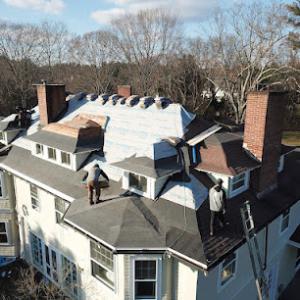
Mr. Roof.
(508) 342-5373 www.misterroof.net
829 Newport Ave, Attleboro, Massachusetts
4.8 from 197 reviews
MR. ROOF. INC, located at 829 Newport Ave, is your trusted roofing contractor with over 22 years of experience serving South Massachusetts and Rhode Island. We specialize in Roof Repair, Roof Replacement, Shingle Roofing, Metal Roofing, and Emergency Roof Repair, delivering top-notch solutions that blend quality and efficiency. Our expert team is committed to enhancing your property's durability and aesthetics, offering advanced roofing systems using energy-efficient materials for both residential and commercial clients. With a reputation for exceptional customer satisfaction and robust warranties, choose MR. ROOF. INC for all your roofing needs. Call (508) 342-5373 today for a free quote!
Ferreira Home Remodeling
Attleboro, Massachusetts
4.2 from 17 reviews
Ferreira Home Remodeling provides roofing, siding, window and skylight installations and residential and commercial snow plowing to Cumberland, RI and the surrounding areas.
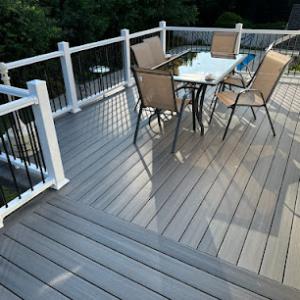
United Better Homes
(508) 455-1543 www.unitedbetterhomes.com
447 S Main St, Attleboro, Massachusetts
4.5 from 8 reviews
United Better Homes, located at 447 S Main St, Attleboro, MA, is your trusted roofing contractor offering exceptional services, including roof repair, roof replacement, new roof installation, and residential roofing. With GAF Master Elite certification, our skilled team delivers superior craftsmanship using premium materials. In addition to roofing, we provide professional window replacement and solar installation services to improve your home’s energy efficiency. We pride ourselves on comprehensive exterior solutions, backed by an A+ BBB rating, lifetime warranties, and flexible financing options. Contact us today. Choose United Better Homes for reliable expertise in roofing, windows, and solar!
United Family Roofing
(508) 838-3211 unitedfamilyroofing.net
21 Hazel St, Attleboro, Massachusetts
4.4 from 7 reviews
United Famiy Roofing is a trusted company that offers quality service at an affordable price. We provide residential roofing and commercial roofing repairs and replacement services, as well gutter, siding, chimneys and windows repairs and intallations. We only hire professionals with years of experience in roof work, meaning you can be confident about the high standard for your home or business project when it comes to us! Upgrade your roofing experience with United Family Roofing and book an appointment with an expert. Hablamos español.
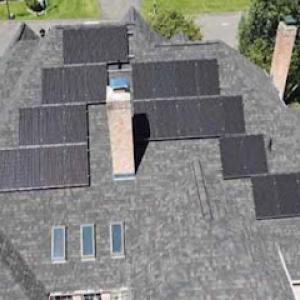
N.E. Building & Restoration
Serving
4.9 from 124 reviews
N.E. Building & Restoration is a Seekonk, MA–based roofing replacement company serving local homeowners and businesses with professional exterior construction services. Founded in 2018, we focus on roof replacements designed to withstand New England’s harsh winters, heavy snowfall, coastal winds, and seasonal temperature swings common across Bristol County. Our team also provides siding, gutters, custom decks, and solar installation for both residential and commercial properties. Every project is handled with close attention to craftsmanship, clear communication, and practical solutions tailored to local conditions. We bring experienced roofers, proper licensing, and a disciplined, professional approach to every job.
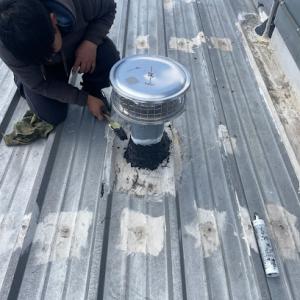
Pride Exteriors
(774) 696-2732 www.callpride.com
Serving
4.9 from 208 reviews
With a dedication to excellence and a commitment to customer satisfaction, Pride Exteriors has proudly served North Attleboro and its surrounding communities since 2002. Their skilled team of roofing and siding contractors is dedicated to enhancing the beauty and durability of homes and businesses by providing exceptional craftsmanship and attention to detail. Using only the highest-quality materials and meticulously executed techniques, Pride Exteriors delivers flawless, long-lasting results, earning them a reputation as a trusted and sought-after roofing and siding contractors in the region.
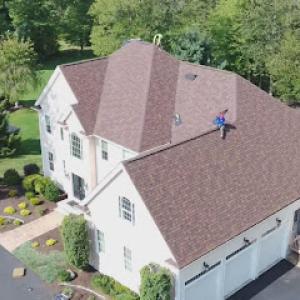
MDJ Roofing & Siding
(401) 541-8148 mdjconstruction.net
Serving
5.0 from 14 reviews
Don’t settle for the rest when you can call the best! Call MDJ Roofing & Siding today! MDJ Reps are roofing and siding experts with expertise in working with Insurance. Call for your free inspection today!
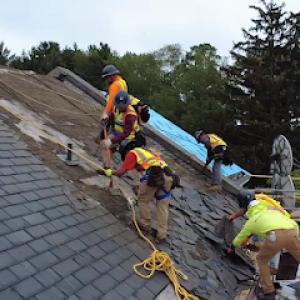
Lizmar construction
(401) 955-4517 lizmarconstructionllc.com
Serving
5.0 from 25 reviews
LizMar Construction is a licensed and insured roofing contractor serving Pawtucket and all of Rhode Island. We specialize in roof replacement, roof repair, siding installation, gutter services, painting, and storm damage restoration. Our team provides free inspections, honest estimates, and high-quality workmanship for residential and commercial. Whether you need emergency roof repairs or a full roof replacement, LizMar Construction is committed to reliable service and customer satisfaction across Rhode Island.
Bardi's Construction Up On The Roof
(508) 375-8199 bardiroofconstruction.com
Serving
5.0 from 48 reviews
Bardi's Construction Up On The Roof provides roof repair services & more in the Attleboro, MA area. Call a roofing contractor at our roofing company today!
Global Roofing
(508) 625-9734 www.getglobalroofing.com
Serving
5.0 from 143 reviews
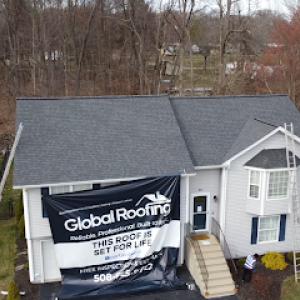
Global Roofing delivers reliable residential roof replacements across Massachusetts, Rhode Island, New Jersey, and Connecticut. We do it once, and we do it right - with materials built to handle New England's toughest weather. Our GlobalCare approach means going above and beyond on every project: premium 50-year warranty materials, optimized ventilation, advanced water prevention, and a meticulous cleanup. As a CertainTeed Premier ShingleMaster contractor, we're Google Guaranteed and trusted by over 3,000 homeowners. Most roofs completed in just one day. Free inspections and flexible financing with no payments for 12 months. Call today for your forever roof.
Gutter Helmet & Quality Roofing
(800) 975-6666 www.gutterhelmetne.com
Serving
4.2 from 20 reviews
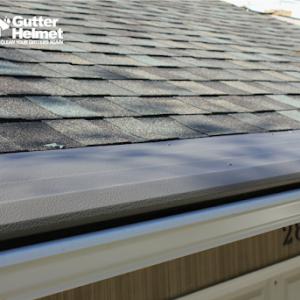
Your gutters work hard protecting your home. Without gutters redirecting water, your structure and foundation would incur major water damage and erode away. Keep your home safe with professional gutter cleaning and repair by the experts! We offer gutter contracting, gutter covers, and gutter helmet installation.
B&R Home Improvement
(401) 365-8909 www.bandrhomeimprovement.com
Serving
4.9 from 213 reviews
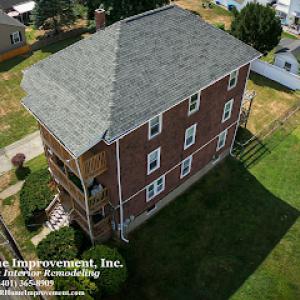
B & R Home Improvement offers services for all your residential home repair needs. We offer interior and exterior remodeling, such as roofing, gutters, decks, kitchen and bath makeovers, as well as additions.
In this area, roof replacement costs follow the local materials ladder from asphalt shingles at about 450 to 750 USD per square up to slate at 1500 to 2600 USD per square. That range mirrors the city's mix of older homes with long-term wear and newer builds that often have better decking. When you compare options, focus on the value you get for ice dam resistance, wind uplift, and long-term moisture protection. If you're weighing a costlier material, plan for longer lead times and potential seasonal pricing shifts that are common after big storms.
Costs in Attleboro can rise on older homes that need decking repair after long-term moisture intrusion from winter ice dams or repeated leak cycles. Before committing to a full replacement, have a reputable roofer inspect the underlayment, sheathing, and drip edge. If there's rot or sagging, expect additional decking work and material lines to be priced separately. The more moisture damage found, the more the project protection and warranty considerations come into play. Addressing decking issues early can prevent a surprise price jump once the old layers are removed.
Scheduling pressure after regional storms and during the preferred spring-to-fall roofing season can affect labor availability and pricing in the market. If you can align work start dates with quieter months, you'll likely see steadier crews and fewer short-notice cost bumps. Plan for a weather buffer; Attleboro winters mean ice dam prevention work is a priority, and crews often book up quickly after heavy snow events. A clear, staged plan with potential weather contingencies helps keep winter delays from inflating overall costs.
Obtain three detailed bids that include decking inspection, underlayment type, and warranty terms. Ask for the expected lifespan of the chosen roofing system and what maintenance will look like in the first few years. For ice dam prevention, prioritize installations with improved drainage channels and high-performance insulation compatibility. Finally, set aside a contingency of 10 to 15 percent for unexpected decking repairs or fast-response scheduling needs, especially after winter storms.
Don't let upfront costs delay a critical repair - these contractors offer payment plans to fit your budget.
United Better Homes
(508) 455-1543 www.unitedbetterhomes.com
447 S Main St, Attleboro, Massachusetts
4.5 from 8 reviews
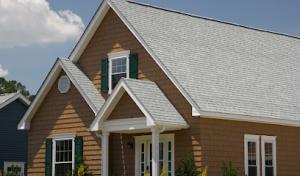
When replacing a full roof, the project typically requires a building permit that is reviewed by the City of Attleboro Building Department. This process isn't just bureaucratic red tape; it's a safety check that helps ensure the new roof meets local codes and winter-weather demands. Skipping or rushing the permit step can lead to delays, stop-work orders, or the risk of not getting final approval when you're trying to close out the project. Plan as if the permit review itself is part of the critical path, not an afterthought.
Attleboro inspections are commonly conducted at milestone stages, including underlayment, installation, and final completion. The underlayment inspection confirms proper ventilation, moisture barriers, and roof deck integrity before shingles go on. The installation inspection checks that fasteners, flashing, and edging are correctly installed and weatherproofed. The final completion inspection verifies the work matches the permit plans and that the roof is ready to withstand the local freeze-thaw cycles. If any step is flagged, expect a corrective notice and a follow-up inspection, which can add time to the project. Knowing these checkpoints helps you hold contractors accountable and reduces the chance of surprise delays.
Inspection timing in Attleboro can slow during busy roofing periods, so homeowners should plan for possible scheduling gaps before work can fully close out. Weather windows, permit backlog, and inspector availability all influence timing. Communicate with the contractor about intended inspection dates early, and request written confirmations of each milestone. If a weather system shifts or a material delay occurs, be prepared to coordinate alternate inspection slots without stalling the entire project. Having a contingency plan-such as seed dates for the underlayment and installation milestones-helps keep the replacement on track while staying compliant with city requirements.
Before the crew arrives, ensure the site is accessible for inspectors and the permit board has all required documentation on hand. If a prior roof had ventilation or attic insulation issues, address them so the underlayment inspection isn't delayed. Keep communication lines open between you, the contractor, and the Building Department, so you aren't left guessing about whether a milestone is approved. In Attleboro, diligent preparation at these stages protects against costly rework and weather-driven setbacks.
Massachusetts insurers generally cover roof replacement in Attleboro when damage comes from a covered peril, but age and material type can affect depreciation and settlement value. That means the same wind or hail event can yield very different outcomes depending on the roof's condition and what it's made of. The risk of underpayment grows if the file lacks a clear connection between the claim and the actual damage, so precise documentation matters.
Attleboro homeowners should expect carriers to request photos, material specifications, and contractor estimates after storm or leak claims. Start gathering recent, high-quality images that show both widespread and localized damage-cracked hips, missing shingles, curled edges, ice dam evidence, and interior staining near ceiling joints. Collect product labels or specifications from the existing roofing system and all visible components, including underlayment and flashing if accessible. Have one or two reputable, local contractor estimates in hand that detail scope, materials, and installation notes aligned with the roof type in place.
Because insurers in Massachusetts have tightened some programs after major storms in recent years, Attleboro homeowners benefit from documenting damage immediately and matching scope to local market norms. Take dated photos the day you notice an issue, and keep a simple log of weather events that could have contributed to the damage. If a claim involves ice dam related leaks, capture melt patterns around attic access, gutters, and interior water marks. When talking with your adjuster, reference the roof's age, the material type, and the typical life expectancy for Attleboro's climate, so the claim can be evaluated against what a local roofer would reasonably replace or repair.
Connect with contractors who help homeowners navigate the claims process from damage assessment to final approval.
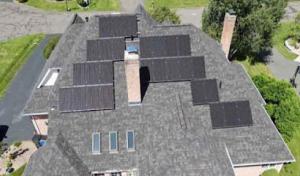
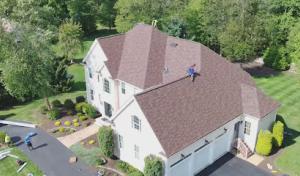
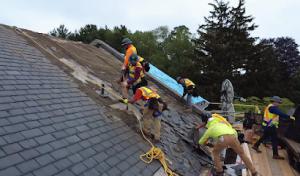
The Attleboro contractor market shows meaningful demand for both flat-roof and skylight work, suggesting these are recurring problem areas in local service calls. In older homes with limited attic access, low-slope interfaces between the roof deck, membrane, and curb flashings are common failure points. Freeze-thaw cycling can cause micro-delamination and edge ridges that trap water and invite leaks after a late-winter thaw. Inspect drainage transitions where the roof meets parapets, and verify that internal drains, scuppers, and membranes are continuous, without gaps that allow standing water to wick into the deck.
Winter conditions push skylight flashing into focus, especially where transitions meet a low-slope field of roofing. Leaks around skylights often start with damaged or missing sealant at the curb, deteriorated step flashing, or a compromised membrane termination. In practice, check the flashing apron for corrosion or tears, ensure the skylight is properly shingled over surrounding slope, and confirm that the drip edge and gutter line are aligned to shed water away from the seal. If a skylight has been repeatedly resealed without addressing the underlying flashing, consider replacing the curb flashing with a continuous, compatible membrane system for a long-term seal.
Leak complaints in Attleboro are often most urgent where winter ice, spring rain, and roof penetrations combine on aging roof systems. Point penetrations-vents, vents-to-flashings, and chimney collars-are vulnerable when surrounding shingles or flashing degrade. Inspect for lifted tabs, hairline cracks, and degraded sealant along every penetration path. In aging roofs, reseal or replace compromised flashings before the next thaw cycle, and ensure that all penetrations have proper counter-flashing to prevent ice dams from forming behind flashing edges.
Find specialists in TPO, EPDM, and built-up flat roofing systems for residential and commercial properties.
Bardi's Construction Up On The Roof
(508) 375-8199 bardiroofconstruction.com
Serving
5.0 from 48 reviews
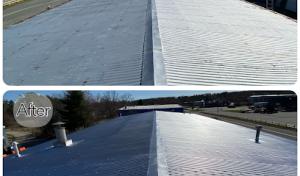
Milanovich Brothers Roofing | Commercial | Industrial | Residential Roofing
Serving
4.2 from 32 reviews
In this market, cleanup and quick response often matter more to homeowners than luxury features. Re-roofing dominates the local contractor scene, reflecting Attleboro's established housing base. Long-established and family-owned firms are well represented, so you'll frequently see a focus on reliability, steady crews, and consistent jobsite cleanliness alongside competitive pricing. When evaluating options, prioritize firms that emphasize prompt communication, clear scheduling, and a tidy worksite, especially in the winter when ice dam risk is highest.
A trustworthy Attleboro roofer should demonstrate strong local experience with older homes and the freeze-thaw cycle that stresses roofs here. Look for contractors who can discuss common local trouble spots-such as sagging eaves, failed flashing, and ice dam strategies-and who can cite recent projects on nearby streets with similar roof ages and materials. Request a written plan that covers debris containment, snow and ice management during a job, and daily cleanup expectations. A site that leaves behind scraps, nails, or tarps is a red flag, particularly after a heavy snowfall.
Since re-roofing is prevalent, focus bids on the scope of work, warranties, and the contractor's process for preserving interior spaces during replacement. Ask for before-and-after photos and the names of several local references with similar roof types. A good Attleboro roofer will offer a staged project timeline, explain how they protect the attic during installation to prevent future leaks, and clearly outline what happens if snow loading or ice dam conditions arise mid-project. Prioritize firms with a stable crew and clear, channelized communication paths to homeowners throughout the project.