
Last updated: Apr 19, 2026
Southeastern Massachusetts winters wield repeated freeze-thaw cycles that gnaw at shingle edges, flashing transitions, and eaves. In the typical older homes across town, those vulnerable details are the first to crack under the pressure of ice buildup and sun-bleached granules. You will notice hairline cracks across edge shingles, and over time those cracks become pathways for water to migrate beneath the roofing layer. When a winter storm packs snow high and then suddenly melts, the exposed edges endure a double punch: expanding ice at the eaves and contracting gutters that pull away from the underlayment. The result is moisture intrusion that can cascade into attic rafters and ceiling planes long before a leak becomes visible in a living space.
Snow accumulation is a seasonal risk that is hard to ignore here, and ice dam formation often travels with the snow line along the roof. When meltwater refreezes at the eaves, it forms a dam that blocks drainage and forces water back into the roof system. The edges of shingles and the corners where flashing meets siding are frequent failure points, especially where old sealants have dried or where step flashing has shifted over years of movement and temperature swings. The obligation to prevent this is immediate: if ice accumulates past mid-fall, the potential for concealed leaks grows rapidly, even after a storm ends. The goal is to keep heat loss low, snow melt steady, and flashings securely embedded so that a small ice dam never becomes a hidden rot problem in an attic bay or a closet ceiling.
Mid-winter replacement and open-roof scheduling are unreliable because the weather remains volatile and precipitation is consistent. Delays in access, frozen installations, and safety concerns combine to create gaps where a roof project stalls mid-season. The practical implication is that if a leak becomes active in January or February, the leak-response plan should prioritize rapid temporary measures, followed by a full-seasoned replacement when conditions allow. Procrastination here often compounds damage; an inch of sip-through water at the eave can saturate plywood, rise into insulation, and encourage mold growth with a longer recovery timeline. When a leak is detected, prioritizing temporary protection-such as tarping-can minimize damage until a full repair or replacement can occur in safer weather.
Late spring through early fall is the most dependable replacement window locally because regular winter precipitation and spring rain increase exposure risk during tear-off. That window aligns with more predictable temperatures, drier days, and better access for crews to handle full roof removals and installations without the constraints winter imposes. Planning to replace a compromised roof during this period reduces the chance of weekend rescheduling and last-minute weather cancellations. It also supports addressing flashing transitions, eave detailing, and edge reinforcement in a cohesive, single-visit approach that minimizes future ice-dam risk and ensures the attic and living spaces remain protected through the next winter.
Roof projects here follow a relatively narrow window: from late spring into early fall. That timing aligns with milder weather, fewer cold snaps, and daylight that supports longer workdays. If a tear-off or re-roof is planned during this window, the crew can move steadily from a careful debris haul to a precise installation without the interruptions that a harsher winter schedule would impose. In practice, most crews aim to wrap major work before the first hard spell of fall storms, so a calm, dry stretch late spring through early fall becomes the default pace.
Spring in this area can bring sharp temperature swings and pockets of heavy rain. Those conditions matter once decking is opened. If a tear-off begins when ground moisture is high or frequent showers are forecast, the temporary exposure can heighten leak risk for any residual ice dam potential from the previous season. Planning around a window with several dry days in a row helps keep deck protection intact and minimizes the chance of rain-related delays that extend exposure time on rafters and sheathing. Advanced protection on the attic side, such as taped baffles and temporary containment, pays off when a stray spring shower arrives mid-project.
The summer months bring heat and humidity that slow crews and affect material handling. Asphalt and synthetic shingles can heal or become less forgiving under sustained high temperatures, which can influence installation speed and alignment precision. Work during the cooler portions of the day-early morning or late afternoon-tends to preserve shingle longevity during fast-paced sections of a project. Keeping shaded staging areas and adequate hydration reduces fatigue and helps maintain a steady rhythm, especially when long days are needed to complete core roof sections before the fall winds pick up.
Fall introduces changeable weather and stronger gusts that can scatter debris and stress aging roofs. Debris carried by winds can complicate an already tight schedule if protection layers are breached or if loose fastening becomes misaligned under gusty conditions. A plan that anticipates intermittent weather, with rapid securement of open eaves and ridge vents, helps prevent wind-driven damage to exposed decking and underlayment. By prioritizing a finished, weather-tight phase before peak autumn winds, you reduce the risk of accelerated wear on aging roofs and get ahead of winter-ready conditions.
To minimize winter ice-dam risk, coordinate the season to complete critical waterproofing steps before temperatures fall consistently below freezing. Ensure proper underlayment, venting, and insulation are finalized in the late spring to early fall window so that the roof system can shed meltwater efficiently in freeze-thaw cycles. If a late-season project is unavoidable, schedule a mid-project check or temporary mitigation plan to address any unexpected snowmelt or rain events, and confirm that flashing and eave details are fully sealed prior to the onset of winter weather.
Get a clear picture of your project costs upfront - no commitment required.
Gutter Helmet & Quality Roofing
(800) 975-6666 www.gutterhelmetne.com
Serving
4.2 from 20 reviews
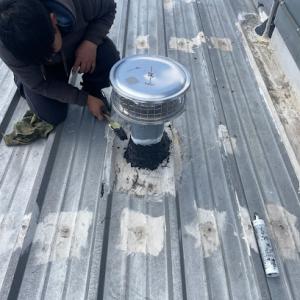
Your gutters work hard protecting your home. Without gutters redirecting water, your structure and foundation would incur major water damage and erode away. Keep your home safe with professional gutter cleaning and repair by the experts! We offer gutter contracting, gutter covers, and gutter helmet installation.
Pride Exteriors
(774) 696-2732 www.callpride.com
Serving
4.9 from 208 reviews
With a dedication to excellence and a commitment to customer satisfaction, Pride Exteriors has proudly served North Attleboro and its surrounding communities since 2002. Their skilled team of roofing and siding contractors is dedicated to enhancing the beauty and durability of homes and businesses by providing exceptional craftsmanship and attention to detail. Using only the highest-quality materials and meticulously executed techniques, Pride Exteriors delivers flawless, long-lasting results, earning them a reputation as a trusted and sought-after roofing and siding contractors in the region.

Bardi's Construction Up On The Roof
(508) 375-8199 bardiroofconstruction.com
Serving
5.0 from 48 reviews
Bardi's Construction Up On The Roof provides roof repair services & more in the Attleboro, MA area. Call a roofing contractor at our roofing company today!
Mr. Roof.
(508) 342-5373 www.misterroof.net
Serving
4.8 from 197 reviews
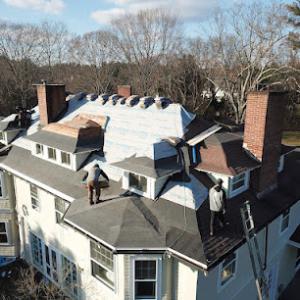
MR. ROOF. INC, located at 829 Newport Ave, is your trusted roofing contractor with over 22 years of experience serving South Massachusetts and Rhode Island. We specialize in Roof Repair, Roof Replacement, Shingle Roofing, Metal Roofing, and Emergency Roof Repair, delivering top-notch solutions that blend quality and efficiency. Our expert team is committed to enhancing your property's durability and aesthetics, offering advanced roofing systems using energy-efficient materials for both residential and commercial clients. With a reputation for exceptional customer satisfaction and robust warranties, choose MR. ROOF. INC for all your roofing needs. Call (508) 342-5373 today for a free quote!
N.E. Building & Restoration
Serving
4.9 from 124 reviews
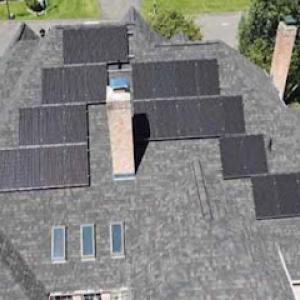
N.E. Building & Restoration is a Seekonk, MA–based roofing replacement company serving local homeowners and businesses with professional exterior construction services. Founded in 2018, we focus on roof replacements designed to withstand New England’s harsh winters, heavy snowfall, coastal winds, and seasonal temperature swings common across Bristol County. Our team also provides siding, gutters, custom decks, and solar installation for both residential and commercial properties. Every project is handled with close attention to craftsmanship, clear communication, and practical solutions tailored to local conditions. We bring experienced roofers, proper licensing, and a disciplined, professional approach to every job.

Connell Roofing
(781) 444-7577 connellroofing.com
Serving
4.9 from 268 reviews
Connell Roofing, Inc. is your trusted roofing contractor located at 25 Commercial Dr Unit 204, Wrentham, MA 02093, specializing in top-quality roofing solutions throughout Massachusetts. As local roofers dedicated to excellence, we offer comprehensive services including roof installation, repair, and maintenance. Recognized among leading local roofing companies, we also provide expert siding and gutter installation services tailored to your needs. Whether you're searching for residential roofers near me or reliable roof contractors, our skilled team delivers unmatched results to ensure your home's protection and aesthetic appeal. Choose Connell Roofing, Inc. for top-notch local roofing services and gutter services today.
Lizmar construction
(401) 955-4517 lizmarconstructionllc.com
Serving
5.0 from 25 reviews
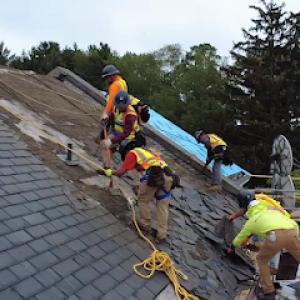
LizMar Construction is a licensed and insured roofing contractor serving Pawtucket and all of Rhode Island. We specialize in roof replacement, roof repair, siding installation, gutter services, painting, and storm damage restoration. Our team provides free inspections, honest estimates, and high-quality workmanship for residential and commercial. Whether you need emergency roof repairs or a full roof replacement, LizMar Construction is committed to reliable service and customer satisfaction across Rhode Island.
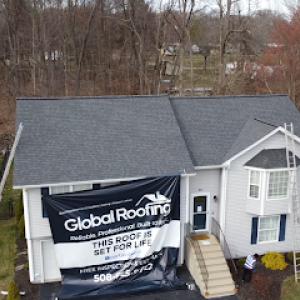
Global Roofing
(508) 625-9734 www.getglobalroofing.com
Serving
5.0 from 143 reviews
Global Roofing delivers reliable residential roof replacements across Massachusetts, Rhode Island, New Jersey, and Connecticut. We do it once, and we do it right - with materials built to handle New England's toughest weather. Our GlobalCare approach means going above and beyond on every project: premium 50-year warranty materials, optimized ventilation, advanced water prevention, and a meticulous cleanup. As a CertainTeed Premier ShingleMaster contractor, we're Google Guaranteed and trusted by over 3,000 homeowners. Most roofs completed in just one day. Free inspections and flexible financing with no payments for 12 months. Call today for your forever roof.
Ferreira Home Remodeling
Serving
4.2 from 17 reviews
Ferreira Home Remodeling provides roofing, siding, window and skylight installations and residential and commercial snow plowing to Cumberland, RI and the surrounding areas.

United Better Homes - Roofing, Solar & Windows
(401) 274-0111 www.unitedbetterhomes.com
Serving
4.8 from 232 reviews
United Better Homes - Roofing, Solar & Windows, located at 535 Pine Street in Central Falls, RI, is your trusted, family-owned contractor for top-quality roofing services. Specializing in both residential and commercial projects, our GAF Master Elite team excels in roof repair, replacement, and installation using premium materials from brands like CertainTeed. Proudly serving areas across Rhode Island, Massachusetts, and Connecticut, we also offer solar panel and window installations, boosting energy efficiency and curb appeal. With a focus on customer satisfaction, we provide free roof inspections, detailed estimates, and various financing options. For stellar service in "roof repair" and "roof replacement," contact us today.
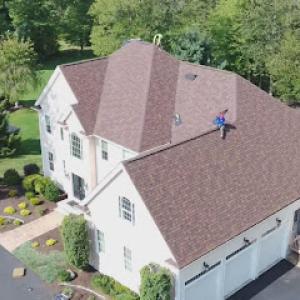
MDJ Roofing & Siding
(401) 541-8148 mdjconstruction.net
Serving
5.0 from 14 reviews
Don’t settle for the rest when you can call the best! Call MDJ Roofing & Siding today! MDJ Reps are roofing and siding experts with expertise in working with Insurance. Call for your free inspection today!
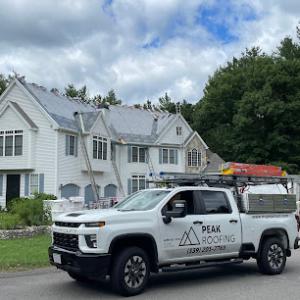
Peak Roofing
(339) 201-7769 www.peakroofing.co
Serving
4.8 from 36 reviews
Peak Roofing is committed to providing our customers with outstanding roofing services. Our skilled staff adds over 75 years of combined expertise and understanding to each project, ensuring it is done on time and to the highest standard. You can rely on Peak Roofing to get the job done right, whether you need a new roof installed or skilled repairs for your existing roof. Contact Peak Roofing now if you want excellent services.
When planning a reroof, start with the per-square ranges that reflect the local market. Asphalt shingles run roughly from 350 to 700 USD per square, a practical starting point for homeowners facing the town's older housing stock and crowded project calendars. Metal roofing tends to land higher, in the 700 to 1100 USD per square range, reflecting heavier materials and longer installation timelines that can be critical during the shorter windows of workable weather. Clay tile sits in the 1100 to 1900 USD range, while concrete tile typically falls between 900 and 1500 USD per square. Wood shingles or shakes are usually about 600 to 1000 USD per square, and synthetic or composite shingles come in around 450 to 800 USD per square. These ranges serve as the foundation for budget planning before any site-specific factors are added.
Winter and spring in this area compress the season, pushing work into late spring through early fall. During those peak months, prices can rise as crews are stretched thin and material suppliers tighten up after winter damage or storm-related leaks increase demand. If a roof failure or leak is discovered after a harsh stretch of weather, expect a tighter scheduling window and a potential cost uptick due to expedited crew deployment or overtime. For a homeowner, building a cushion into the workload calendar and selecting a material with a shorter lead time can help manage both cost and disruption.
The practical goal is to reduce ice dam risk and minimize freeze-thaw stress over multiple winters. Material choice matters here. Asphalt shingles remain a common, cost-conscious option with reasonable performance when paired with good attic ventilation and proper underlayment. Metal roofing offers robust resistance to ice damming if installed with appropriate flashing details and adequate attic venting, but it carries a higher upfront cost. Clay and concrete tiles provide excellent durability but demand a strong roof deck and careful structural assessment; they can be more sensitive to cold-driven installation nuances in older homes. Wood shingles/shakes deliver a classic look but may require more maintenance to avoid moisture-related issues in freeze-thaw cycles. Synthetic or composite shingles strike a balance between durability and price, often performing well in mixed weather conditions when properly installed.
Begin with the per-square ranges to establish a cap for materials, then add typical labor overlays seen locally, including disposal and minor underlayment updates. If a project involves upgrading attic insulation or adding ventilation to combat ice dam risk, factor those costs in as well. In homes with existing ventilation limitations, upgrading soffit and ridge vents can yield meaningful winter performance gains without dramatically altering the project timeline. Finally, plan for a contingency-unexpected structural concerns or weather-induced delays can push a reroofing job beyond the initial square-foot cost. Having a realistic contingency helps avoid mid-project budget shocks and keeps the project on track through North Attleboro's variable winter-to-spring transition.
Reroof projects in this town are typically treated as permit-required work, not as simple no-permit maintenance. The Building Department expects a formal path from start to finish, and skipping that path can lead to complications that disrupt timelines, trigger rework, or create a paper trail that flags your project during future property transactions. You should plan for a clear, defined description of the reroof scope rather than a vague repair summary. The town's intake form usually asks for project scope and estimated square footage, which means your permit request should spell out exactly what you're replacing, how layers will be handled, and any accompanying protective shrouds or ventilation changes. A well-prepared description helps prevent questions that stall the project after materials arrive.
Expect the town to want a real description of the reroof rather than a general statement like "replace shingles." In many cases, the permit review will focus on whether the proposed work aligns with existing roof geometry, venting, and any structural or wind considerations that may apply to the area. The application process can surface questions about attic insulation, duct runs that cross the roof plane, or the potential need for additional fasteners in exposed eaves. Having diagrams or photos that map the roof layout, total square footage, and a proposed layering plan can smooth the process and reduce back-and-forth with the Building Department.
Inspections occur after installation, with rough-in and final sign-offs. The department may request wind verification or structural verification depending on the scope, and sometimes proof of energy-code compliance is requested if components influence ceiling or attic performance. If the project includes any modernization to ventilation, attic access, or insulation details, be prepared for a review that confirms the system remains compliant with local standards. Delays often come from missing documentation or unclear how-work summaries, so keep a clean set of records and ready-to-review drawings on site during the inspection window. In practice, quick, organized turnover of the requested paperwork can prevent a second inspection trip and keep the project moving toward its final sign-off without costly hold-ups.
Asphalt shingles remain a dominant local choice because they fit the region's large re-roofing market and are widely used on existing homes across Southeastern Massachusetts. For homes that have seen multiple winters of freeze-thaw cycles, asphalt shingles offer a straightforward path to a reliable, weather-resilient roof without overhauling existing structure details. When selecting asphalt, pay attention to underlayment quality, as the right synthetic or self-sealing layer can make a noticeable difference during freeze-thaw events and rapid thaw cycles. In neighborhoods with older stock, it is common to find shingles that coordinate well with a variety of architectural styles, from colonials to cape cods, helping maintain curb appeal while delivering dependable performance against ice dams and wind uplift.
Metal roofing has meaningful local contractor support, making it more than a niche option for homeowners prioritizing snow shedding and long-term durability. If winter conditions frequently bring heavy snow loads and ice buildup, metal's smooth surface and panel design can facilitate shedding and reduce ice dam risk when paired with proper attic ventilation and high-quality underlayment. Local crews appreciate metal for its compatibility with existing roof pitches and its potential to extend service life in a climate with harsh winters. Metal also tends to pair well with a variety of exterior styles seen in the area, from traditional to more contemporary renovations, helping maintain a cohesive neighborhood look while delivering the practical benefits needed in persistent freeze-thaw cycles.
Clay tile, concrete tile, wood shakes, and synthetic shingles are present in the market but are less common locally, so homeowners considering them should account for installer availability and structural suitability. Clay or concrete tiles can offer excellent durability in dry periods and distinctive aesthetics, but their heavier weight requires a careful assessment of existing rafter and deck support, especially on older homes that may have limited attic space or retrofit constraints. Wood shakes provide a traditional texture that many homeowners like for character, yet they demand proactive maintenance to resist moisture ingress and mold in humid shoulder seasons. Synthetic shingles offer flexibility in appearance and can mimic other materials while generally delivering easier installation and good heat resistance, though local installer experience with long-term performance under Northeast winter conditions should be verified. When exploring these options, ensure crews understand how to integrate underlayment, ventilation, and proper flashing to combat ice dam formation and moisture intrusion during prolonged cold snaps.
For any material beyond asphalt, verify that local contractors can address attic ventilation, insulation continuity, and drip edge details in a way that complements a Northern climate. The region's homes often rely on careful detailing at valleys, chimneys, and roof-to-wall transitions to manage meltwater and minimize ice dam risk. Align material choice with the home's existing architectural cues, structural capacity, and the typical maintenance cycle faced by homeowners in this market. A thoughtful combination of material capability, installation expertise, and proactive maintenance offers the best resilience against brutal winters and the freeze-thaw rhythm that shapes roofs here.
Explore specialists in steel, aluminum, and standing seam metal roofs built to last 50 years or more.

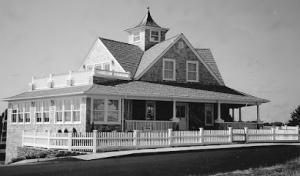
Massachusetts homeowners commonly have storm-related roof coverage, but carriers in this area often ask for photos, contractor estimates, and prompt reporting before adjustments are finalized. In practical terms, that means you should build a clear record from day one: take wide and close-up photos of any areas affected by wind, hail, or heavy rain, and keep dated notes of events that could have caused damage. If a neighbor reports a loose shingle or a leaking attic, photograph that evidence too. Having a local contractor's estimate ready, along with simple diagrams of where the damage sits on the roof, helps avoid delay and dispute later in the process.
The local climate includes heavy rain, winter ice issues, and fall wind events, which makes timing critical. Sudden damage from a roofing storm can look indistinguishable from long-term wear to an insurer unless you separate the two from the outset. When you notice a leak or wind-struck area, report it quickly and document whether the problem appeared after a specific weather event or gradually over weeks. This distinction matters because insurers can apply different standards or mitigation requirements based on how the damage is categorized. Quick, accurate documentation also reduces the risk of depreciation being applied later to repairs.
Wind, hail, and storm claims in Massachusetts can trigger stricter documentation standards and possible mitigation requirements. You should expect questions about the sequence of events, the condition of surrounding shelter and flashings, and whether any temporary measures were taken to prevent further damage. Prepare to provide contractor certifications that the roof is structurally sound enough to allow repairs without risking additional damage. Understanding that adjustments may hinge on the credibility of your documentation will encourage you to maintain organized records and to respond to requests promptly.
Because local weather includes fall wind events, separating sudden storm damage from long-term wear is essential when preparing a claim. Acknowledge preexisting conditions with clear notes and photos, and foreground new damage tied to a recent storm. This approach helps prevent misclassification by adjusters and supports a cleaner, faster path to recovery. In practice, keep a running file that links weather events to observed roof changes, and share this with your contractor and insurer at the outset.
Find local contractors experienced in assessing and restoring roofs after hail, wind, and severe weather events.
Bardi's Construction Up On The Roof
(508) 375-8199 bardiroofconstruction.com
Serving
5.0 from 48 reviews
Seasonal freeze-thaw cycling commonly exposes weaknesses first at flashing transitions, penetrations, and lower roof edges before broad field failure is obvious. That pattern means a small ice dam or a single dripping corner can signal a larger problem forming overhead. In practice, plan ahead for gasket and sealant aging at transitions, and acknowledge that the roof's perimeter and chimney zones usually show trouble earlier than the main slope.
When inspecting, focus on where metal flashings meet shingles, and where valleys tie into sidewalls and chimneys. Look for loose fasteners, lifted flashing, or torn caulk. Freeze-thaw cycles push water under marginal seals, so any movement or waviness at head laps or step-flashings is a red flag. Address these areas promptly with careful cleaning, re-sealing, and, when needed, replacement of compromised metal components before leaks migrate inward.
North Attleboro's market for chimney-related exterior work reflects how roof-to-chimney intersections remain a recurring leak point on older regional homes. Check the chase cap, flashing drip edge, and mortar joints around the base. If flashing is brittle or corroded, surface repairs won't hold through several winters. Reflashing with continuous step-flashing or counter-flashing is often the durable choice, especially where brick or stonework meets asphalt or other roof coverings.
Skylights are a meaningful local specialty category, indicating that glazing units interrupt the roof plane. Inspect around skylight curb flashings for bubbling, gaps, or sealant failure. Ice buildup can widen minor gaps into active leaks. Ensure proper installation of the flashing kits, with solid nailing fins, and apply compatible sealants that resist thermal cycling.
Develop a winter-focused inspection routine: after heavy snow or thaw cycles, review edges, penetrations, and joints for new ice dams or moisture staining. Keep gutters clear to reduce meltwater backing up near vulnerable joints. When a leak point is identified, address it promptly with targeted flashing repairs and resealing, then monitor through the next thaw to catch any secondary issues early.
Find contractors experienced in skylight installation, flashing, and leak repairs to bring natural light into your home.
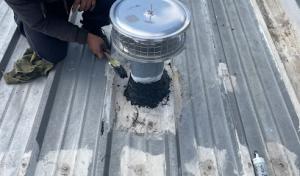
Flat and low-slope roofing is an active specialty in this town even though the majority of homes rely on pitched roofs. That means you're likely to encounter low-slope sections on 1960s additions, enclosed porches, or mixed residential-commercial properties in the same lot. The practical reality is that these areas bear the brunt of weather while tying into the traditional roof. When planning a reroof or a retrofit, treating the low-slope segment as a connected system rather than a stand-alone piece pays off in long-term performance. Focus on how the edge details, flashing, and termination lines integrate with the primary roof type to avoid weak points where water can start to back up or migrate.
Southeastern Massachusetts experiences regular precipitation, and that dynamic challenge hits low-slope sections first. A well-designed drainage plan for these areas should prioritize reliable flows toward gutters and downspouts, with properly pitched transitions that minimize ponding. Seam integrity matters more than usual here: seams and fasteners in low-slope assemblies must resist wind-driven rain and freeze-thaw cycles without allowing micro-leaks to creep along the underside of the deck. Materials selection matters as well; choose membranes and flashing details that are proven to perform in cold snaps and repeated thaw cycles, and verify that the roof assembly drains fully even after accumulated snow melts.
Homeowners replacing only the main pitched roof often discover that the adjoining low-slope sections still show symptoms of water intrusion. Leak migration is a real phenomenon in this climate, where moisture can travel along bread-crumb paths through deck joints, penetrations, and edge flashings. A thoughtful inspection should map potential migration routes: search not only at obvious joints but also at transitions where the low-slope meets the main roof, around skylights, vents, and any parapet edges. Proactive repairs that address both sides of a transition-proper caulking, membrane continuity, and fresh sealant at penetrations-reduce the chance of a surprise drip months after a full-coverage roof refresh.
In this market, routine checks are a proactive defense. After heavy rains or rapid freeze-thaw cycles, pay attention to signs of staining on interior ceilings near transitions, damp rafters, or blistering in low-slope membranes. Keep gutters and downspouts clear so water exits the roof quickly rather than pooling at seams. Document any changes in the low-slope area and coordinate with the main roof contractor to ensure a cohesive, integrated repair strategy that preserves the performance of both roof types.
Find specialists in TPO, EPDM, and built-up flat roofing systems for residential and commercial properties.
Bardi's Construction Up On The Roof
(508) 375-8199 bardiroofconstruction.com
Serving
5.0 from 48 reviews
The local market favors quick leak response and full re-roofing, so you need to verify whether a contractor excels in full replacement, fast leak responses, or both. Ask for samples of recent jobs that match your roof type and climate challenges, and listen for how they handled winter-related issues for nearby homes.
In established neighborhoods, driveway and lawn protection is a top expectation. Ask how debris will be contained during work, what drop cloths or tarps will be used, and how waste will be removed daily. A clear plan for keeping the area tidy reduces scratches to landscaping and driveways after a project wraps.
Many firms market themselves as affordable or family-owned, but you should compare the quality of paperwork: written scope of work, material specifications, and a detailed project timeline. Ensure the contractor can provide a transparent sequence of staging, material deliveries, and inspection-ready punch lists, not just a fast start.
Because freeze-thaw cycles drive ice dam risks, ask how the crew protects eaves, valleys, and penetrations during installation. Confirm that the contractor has a plan to secure shingles or tiles against late-season freezes and to complete critical steps before the first hard freeze.
Look for a local team with a reliable crew roster and a clear communication protocol. Ask who will be the on-site supervisor during the project, how to reach them after hours, and what constitutes a successful handoff to the homeowner once cleanup is complete. This reduces surprises once the roof is finished.