Last updated: Apr 19, 2026
Voorhees sits in Camden County's South Jersey storm path, where spring and summer thunderstorms bring the wind and hail events that most often trigger roof damage calls. The pattern here is real: a quick burst of wind can lift shingles or loosen flashing, and hail can strike with little warning, leaving unseen gaps that seep once humidity climbs. In this climate, delays between impact and inspection turn minor issues into interior moisture exposure faster than you expect. Restoring a roof that has taken a hit requires prompt, decisive action-before hidden leaks work their way into ceilings, insulation, and living spaces.
Right after a storm, your first move should be safety followed by rapid assessment. If you notice missing shingles, granule loss, creased flashing, or dented metal, treat the roof as compromised and proceed with tarping to protect interior spaces. In this market, the local contractor signal mix leans toward emergency repair and storm damage work, so you'll often encounter crews ready to set up a temporary cover quickly. Have a dry, accessible area prepared inside the home to relocate valuables and to keep pathways clear for responders. Document the scene with photos from multiple angles-your goal is to capture the condition before the wind carries debris further or rain wets exposed wood and sheathing.
Insurance documentation should be thorough and timely. Start with exterior-wide photos showing the roof line, gutters, vents, skylights, and any noticeable impact points. Then zoom in on damaged areas: lifted shingles, torn flashing around chimneys or roof penetrations, and any fascia or soffit damage. Capture dates and obvious weather markers (hail size, wind gusts) from local weather reports. Inside, photograph any stains, discolored walls, or ceiling spots that correspond to the roof line, along with attic conditions such as damp insulation or mold risk. Keep repair requests and contractor communications organized, including dates of inspections and written assessments. The goal is to present a clear before-and-after narrative that supports the claim and helps the adjuster price the necessary work accurately.
As soon as you identify damage, prioritize stabilization. Lay down a sturdy tarp over the most affected sections if you can do so safely, ensuring the edges extend beyond the damaged area to shed water away from the home. Avoid overloading gutters with debris; a clogged system can back up and force water back toward the interior. If metal flashings around vents or chimneys are bent or loose, avoid attempting permanent fixes yourself-allow trained responders to address the critical points first. Venting and attic access should be evaluated to prevent rapid moisture buildup in humid conditions after storms, which can turn a small leak into a major problem in a matter of days.
Once the immediate danger passes and the roof is stabilized, plan for a careful, rapid post-storm assessment. Since the local contractor landscape prioritizes emergency work, your goal is to secure a professional inspection that differentiates between temporary patchwork and a roof replacement that aligns with the actual damage. Prioritize flashing integrity, underlayment exposure, and the roof's overall drainage efficiency to reduce future risk. In humid conditions, even a minor patch that isn't sealed correctly can deteriorate quickly; ensure any follow-up repairs restore a watertight seal and restore ventilation pathways to prevent interior moisture problems as the weather cycles back to typical South Jersey humidity.
In Voorhees, asphalt shingles dominate the local market because they pair well with the suburban single-family home stock and the need for straightforward reroofing that fits typical budgets. For most blocks, a high-quality three-tab or architectural asphalt shingle provides reliable wind resistance and a solid life span when installed with proper underlayment and ventilation. This option is especially sensible if a homeowner expects frequent storm-driven leaks and wants a system that is easy to repair after hail or high-wail wind events. When evaluating asphalt, focus on a shingle with good impact resistance ratings and a watertight seal around fasteners, plus a reputable local contractor who can ensure proper attic ventilation and a balanced roof deck.
Metal roofing exists in the market, but it's more specialized in this area. It can be a smart upgrade for homes facing frequent leaks after severe storms or for roofs that require rapid, long-lasting repair after hail. In practice, metal works best when a homeowner values durability, fire resistance, and a longer single-roof life. However, metal is not the default choice for most neighborhoods here, where the yard and budget expectations align more closely with asphalt-covered reroofs. If considering metal, plan for a professional installation that accounts for the existing roof geometry, attic ventilation, and potential changes to insulation needs. A metal option can reduce maintenance calls over time, but it demands careful fit to the home's design to avoid noise concerns and flashing issues during heavy rain.
Tile and cedar options exist in the local market, yet they remain clearly niche compared with asphalt-focused reroofing demand. Clay and concrete tiles offer excellent longevity and a distinct curb appeal, but they come with heavier deck loads and more complex installation. Cedar adds natural insulation and a characteristic look, but it requires meticulous maintenance, especially in humid seasons and storm aftermaths. For most Voorhees homes, those factors translate into higher installation and repair complexity. If tile or cedar is desired, verify roof structure support, warranty alignment, and the availability of skilled installers who can handle the local weather pattern.
After a wind or hail event, document damage promptly with photos from multiple angles and note any interior signs of water intrusion. Keep a dated log of weather, potential impact points, and any immediate temporary fixes to prevent further damage. When contacting insurance, provide a clear inventory of affected areas, the roofing type chosen, and any prior repairs or upgrades. A weather-resilient roof choice-typically asphalt in this area-helps streamline claims by aligning with common shingle components, standard underlayment, and accessible repair methods, reducing downtime between loss and restoration. If moving away from asphalt, ensure the selected system has an established local service presence to support post-storm claims and quick assessment by adjusters.
For Voorhees homeowners, asphalt shingles serve as the baseline reference when comparing roof replacement costs. The typical range for asphalt shingles is about 350 to 550 USD per square (one square equals 100 square feet). In practice, many local bids anchor on asphalt first, then offer upgrades to other materials. When a storm hits and hail or high winds are reported, prices can drift upward as suppliers and crews respond to heightened demand. That drift can be modest or pronounced depending on the severity of the event and how quickly plan-review slows in peak reroofing season. The essential takeaway is to use asphalt as your price anchor and evaluate whether a higher upfront cost yields meaningful long-term value in durability or maintenance needs.
Beyond asphalt, metal roofing typically runs from about 700 to 1,100 USD per square, offering better wind resistance and longevity in the South Jersey climate. Clay tile and concrete tile sit higher in the cost spectrum, roughly 1,100 to 1,800 USD and 900 to 1,400 USD per square respectively, with installation complexity and weight factors to consider. Wood shingles or shakes generally fall in the 600 to 900 USD range per square, while synthetic or composite shingles sit near 700 to 1,100 USD per square. In storm-prone periods, clients often weigh not only the material price per square but also the installation time, weight considerations for existing structures, and whether the crew can handle debris containment and cleanup in one go. A practical approach is to shortlist two to three options within the local budget range and confirm what debris removal and job-site cleanup are included in each quote.
Costs in Voorhees can rise during storm-heavy periods when South Jersey demand spikes and township plan-review timing slows permit turnaround in peak season. This is not just a price tick; it affects scheduling, which can push crews to book later in the season and adjust availability for storm cleanup work. Homeowners should plan for a window where crews balance rapid response with permit coordination, especially after a large wind event or hail storm. Expect potential adjustments in crew arrival times and material lead times as suppliers work to restock after a regional surge. If timing matters for insurance adjusters and rapid water intrusion control, it helps to have a clearly defined timeline and a point of contact with the contractor who can provide weekly progress updates.
The local market places a strong emphasis on affordable reroofing and cleanup-included service. Homeowners often compare not just price per square but debris removal, response time, and whether financing is available. Debris removal is frequently bundled into the base price or offered as a transparent add-on. Response time matters in rain-prone periods when leaks can worsen quickly; ask for a guaranteed start window and a documented cleanup plan. When insurance is involved, ensure the contractor can supply detailed before-and-after documentation, including photos of the damaged roof, a precise materials list with unit costs, and a clearly itemized invoice that supports the claim. Financing options, including low-interest or deferred plans, can help align the project with insurance reimbursements and seasonal budget constraints.
Level Roofing Company
Serving
5.0 from 30 reviews
Level Roofing, located in the heart of New Jersey, is your go-to source for exceptional roofing services across South Jersey and the Jersey Shore. All services are tailored with your roof’s unique requirements in mind. Every nail and every tile are finely fitted to perfection.
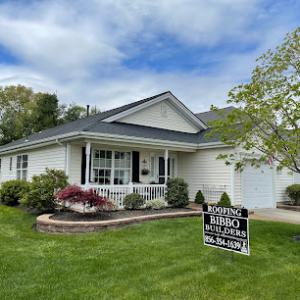
Bibbo Builders
(856) 354-1639 bibbobuildersllc.com
Serving
5.0 from 140 reviews
Since 1978, Bibbo Builders has delivered impeccable home improvement and remodeling services to Gloucester, Camden, and Burlington counties. As a licensed roofing contractor led by an expert craftsman and master carpenter, Joe Bibbo, we've earned a flawless reputation for roof replacement, siding installation, and new gutters for residential/commercial customers!
Elite Exteriors
(856) 446-3100 www.myelitexteriors.net
Serving
5.0 from 26 reviews
We are a top-rated, full-service national roofing company and your one-stop for all residential and commercial roofing needs, from complete roof installation, re-roofing, gutter installation to waterproofing and storm damage restoration.
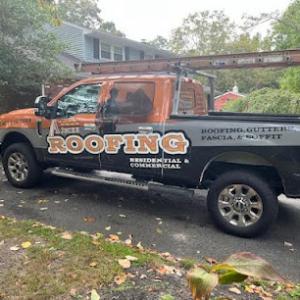
AJecks Roofing
(609) 502-7054 ajecksroofing.com
Serving
4.9 from 108 reviews
AJecks Roofing is proud to be the leading roofing contractor serving Marlton, NJ and the surrounding region. We specialize in shingle roofing, flat roofing, commercial roofing, repairs, gutters, fascia, soffits, and a full range of exterior home services. With years of proven expertise, our workmanship and results speak for themselves. Customer satisfaction is at the heart of everything we do. Our commitment to quality has earned us the trust and repeat business of nearly every homeowner and business we’ve served. We understand that every roofing project is unique, and we tailor our approach to meet each client’s specific needs—ensuring reliable, long-lasting results on every job.
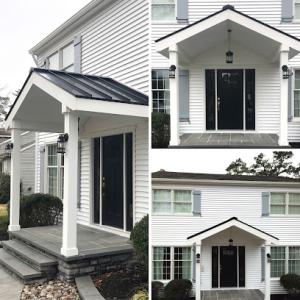
Cambridge Exteriors
(856) 988-3880 www.cambridgeexteriors.com
Serving
4.9 from 242 reviews
Cambridge Exteriors is a South Jersey roofing contractor that specializes in a variety of home improvement services, including energy-efficient windows, custom decks, home siding, and more! Our team aims to provide the best services in all of South Jersey using our expertise, knowledge, and skills we’ve acquired over the years. For us, it’s about more than just a transaction. We work hard to build lasting, trusting relationships with each of our clients and provide them with high-quality roofing and home improvement services for years to come. Contact Cambridge Exteriors today for your free estimate in South Jersey!
Duane Mainardi Roofing
Serving
5.0 from 151 reviews
Roofing Siding Windows Doors and More
Only The Best Builder
(609) 654-1698 www.onlythebestbuilder.com
Serving
4.5 from 44 reviews
Family-owned with 40 years of experience. Our team has over 150 years of combined experience
Life Roofing
(856) 547-0237 www.liferoofingllc.com
Serving
5.0 from 29 reviews
Life Roofing Company is a fully licensed and insured business serving customers throughout New Jersey since 2009. From small repairs to complete Residential and commercial roof replacements, our diverse and knowledgeable team allows us to provide the highest quality work to fit to each of our customer’s needs. Quality products, state of the art installation practices and customer service are our primary concerns. We will always treat your home, office or warehouse as if it were our own.
American Construction Roofing, Siding & Windows
(856) 290-8448 amconstruct.com
Serving
5.0 from 185 reviews
American Construction Roofing, Siding and Windows is a family owned and operated business offering the finest quality Cherry Hill roofing and construction services. We have built a solid reputation based on our commitment to providing the best when it comes to roofing, siding, and windows in the area. At American Construction Roofing, Siding and Windows, you’ll find skilled carpenters and project managers that are trained in the best techniques on the market today. They use materials of the highest quality, and employ respectful and dedicated staff that truly listens to your needs.

Panda Exteriors
(856) 343-4146 pandaexteriors.com
Serving
4.9 from 397 reviews
When you need any kind of exterior renovation services handled, call the roofers at Panda Exteriors. We promise to provide the best quality of work you'll find in the area thanks to the many great qualities we bring to every job we undertake: 100% satisfaction guarantee Free job quotes online or over the phone Plenty of experience in the industry You shouldn't settle for anything less than the best when it comes to your roofing and exterior restoration needs. That's why you should always opt to leave that work in the hands of our experienced roofers. We offer great work at a price you simply can't beat. Give us a call today if you have any questions about our services and prices. We look forward to doing business with you.

ACC Roofing & Siding
(856) 986-3605 accroofingllc.com
Serving
4.8 from 28 reviews
ACC Roofing & Siding is proud to provide their expertise and quality workmanship towards your next roofing project. Whether you are putting a new home addition or you need an old roof removed to make way for a new one, we can help. Our team is fully licensed and insured and we offer 100% satisfactory guarantee!
William Brooks Roofing
(856) 383-0055 www.wmbrooksroofing.com
Serving
4.9 from 109 reviews
Full service residential, small business, commercial, and industrial roofing and sheet metal contractor. Small repairs to full replacement, handling all types of roofing and sheet metal work.
In this township, a full roof replacement typically requires a building permit, and the responsible party is usually the contractor who submits the permit application to the municipal Building Department. Before any shingle orders are placed or supplies arrive, verify that the contractor has started the permitting process and that the project description clearly reflects a full roof replacement. This helps avoid surprises once crews are on site and weather windows are narrowing.
Once the permit is filed, plan-review steps can become a bottleneck during peak reroofing season. Even when materials and crews are ready, a plan-review delay can shift your opening day by days or even weeks. If possible, coordinate with the contractor about anticipated timelines and contingencies for weather-related holds. Having a realistic schedule helps a project stay on track through Voorhees's busy months without sacrificing proper inspection readiness.
Inspections in Voorhees are commonly conducted after completion. The focus of these final inspections is code compliance for installation details, ventilation, and flashing. Expect the inspector to verify that valley and step flashing are properly integrated with the roof deck, that flashing at roof-to-wall transitions is watertight, and that any penetrations-such as around skylights, chimneys, or vents-meet current code requirements. Ventilation is another critical area; the inspection will look for adequate attic ventilation, proper installation of vents or baffles, and confirmation that the overall attic airflow supports moisture control and energy efficiency. If the project includes upgrading an exhaust or bathroom vent, make sure the new flashing and roof jacks meet the approved configurations.
Preparation for the final inspection should be proactive. Before calling for the inspection, walk the roof and attic with the contractor to confirm that all workmanship aligns with code interpretations and the permit scope. Have the project paperwork ready: permit number, final diagnostic of ventilation, and any manufacturer installation instructions for venting components, underlayment, and flashing. If any deviations from the plan are found during the work, document corrective actions with clear notes and photos so the inspector can quickly verify compliance during the final review.
In the event of weather-driven delays or unexpected site conditions, stay in touch with the contractor about updated inspection timelines. The Building Department appreciates prompt access to the site, and keeping lines open reduces the chance of re-inspection fees or additional permit amendments. Once the inspector signs off, keep the final paperwork accessible for future home records and potential warranty needs.
Winter in Voorhees brings repeated freeze-thaw cycles that can quietly stress flashing details around chimneys, vents, and roof edge transitions. When water sneaks beneath shingles or shingles lift just enough to trap moisture, the next freeze expands and can pry those penetrations apart. Over time, this accelerates small leaks into steady drip paths, especially where metal flashing meets brick or soffit lines. The need to inspect areas where roof sheathing meets walls and vertical penetrations becomes ongoing, because a minor opening today can become a noticeable leak after a few cycles. Regular attention to flashing integrity after storms or seasonal shifts is a prudent habit, not a luxury.
Heavy snow loads and ice damming are legitimate winter risks, and attic ventilation plays a critical role in preventing costly damage. When insulation is weak or vents are blocked, warm attic air can melt bottom-edge snow, causing water to back up under shingles and refreeze at the eaves. The result is gutters full of ice and pockets of water that find their way behind the fascia or into soffit areas. If roof-edge details are marginal-shingle overhangs, proper drip edges, and sealed joints-these weak spots become recurring trouble spots after each storm. A practical approach is to ensure snow guards are in place where appropriate, maintain clear attic soffit vents, and verify that drip edge metal is continuous and properly sealed to resist meltwater infiltration.
Because summers can be humid, roofs here must handle both winter condensation-related issues and warm-season moisture exposure over the same annual cycle. Condensation can form on cooler underside surfaces when attic ventilation lags behind humidity peaks, leading to mildew growth and moisture staining inside attic spaces and at penetrations. On the exterior, hot, humid days drive moisture into porous roofing substrates or under sealants that have begun to age. A balanced approach includes ensuring the attic is adequately ventilated, insulation has proper clearance from the roof deck, and any penetrations are sealed to prevent warm indoor air from meeting cold roof components. Keep an eye on attic baffles and ridge ventilation during summer, then reassess after the first few autumn fronts.
In this climate, a proactive stance beats reactive fixes. After each significant storm, walk the attic if accessible and look for damp spots or frost patterns along the decking and around penetrations. On the roof, inspect flashing seams, corner terminations, and sealants for cracks or gaps that could admit moisture when temperatures swing. If a leak appears during warm or cold weather, address it promptly to slow the progression into structural components. The goal is to stop moisture at the source before it migrates to insulation, sheathing, or interior finishes, where damage becomes more invasive and costly to remedy.
Storm and wind events drive the most common roofing claims in this area. After a severe wind or hail event, expect your roof to be one of the first things neighbors talk about, and for good reason-the South Jersey climate can push shingles loose, lift flashing, and expose underlayment quickly. In Voorhees, this pattern shows up as concentrated damage along rakes, hips, and valleys, with attic signs of moisture showing up days after a storm.
Insurers routinely want detailed before-and-after photos, especially after a major weather event. Start gathering images as soon as it's safe to access the roof: close-ups of blown tabs, curled edges, and granule loss, plus wide shots of overall surface condition. Schedule a right-after-storm photo tour to ensure the most accurate baseline for comparison. If an adjuster visit is requested, have the sequence documented: weather conditions, date, and any temporary tarping or mitigation you've performed to prevent further damage.
In this market, adjusters arrive with a systematic approach: confirm storm-related damage, verify that the roof system is still intact enough to warrant replacement or repair, and assess underlayment and ventilation implications. Expect questions about attic ventilation and the condition of roof decking, since coverage scrutiny often centers on proper ventilation and material warranty support when replacement is needed after wind and hail.
Keep a running file of all communications with the insurer, including claim numbers, dates, and contact names. Preserve replacement-related receipts, temporary fixes, and any contractor assessments. When speaking with your insurer, reference recent South Jersey storm activity and provide clear before-and-after visuals to support your claim, so adjusters can align the scope with potential wind and hail-related damage typical to this township.
Connect with contractors who help homeowners navigate the claims process from damage assessment to final approval.
Skylights on homes in this area show meaningful local demand, and that isn't a fluke. You'll often see leak-prone transitions around curb-mounted units, flashing laps, and edge details where sun and rain drive moisture into vulnerable seams. The combination of humid summers and freezing winters means those flashing joints don't just wear - they crystallize into slow drips that travelers notice first near ceiling corners or along interior walls. When you're planning skylight work, expect close attention to detail on the curb, the pan, and the counter flashing where it meets the roof deck. A seasoned installer in Voorhees will treat these areas as the true test of a job, not simply the visible glass.
Flat-roof and low-slope work is notably active in the local contractor market, reflecting how common attached porches, additions, and other low-slope zones are on the average home. These sections behave differently when it comes to movement, drainage, and flashing details. In practice, that means the right membrane or seam treatment is just as critical as the visible shingles on the main roof. When you're addressing a leak or a long-term seal, don't overlook the transitions where flat sections meet steeper surfaces or where parapets and edge details anchor to the higher roof plane.
Moisture exposure across humid summers and freeze-thaw winters punishes seams, curbs, and transition flashing before the main field of roofing fails. That sequence matters: a small, well-sealed flaw in a skylight curb or a flat-roof edge can become a chronic leak long before you see widespread shingle damage. Treat these trouble spots with the same seriousness you'd give a full roof system, because the cumulative effects of moisture and temperature swings will test every penetration and seam over time.
Find contractors experienced in skylight installation, flashing, and leak repairs to bring natural light into your home.