
Last updated: Apr 19, 2026
Woodbury sits in Gloucester County within the Delaware Valley weather pattern, where spring and summer thunderstorms commonly bring wind-driven rain that exposes weak flashing and aging shingle edges. This isn't abstract risk: every heavy shower can chase water into the most jumbled corners of an older roof, especially where patches around chimneys, valleys, and roof-to-wall transitions were done piecemeal over the years. The combination of humid summers and winter freeze-thaw cycles means a leak isn't always loud or dramatic; sometimes the first sign is a damp spot that wasn't there yesterday. In a town full of detached homes with shared roof lines and aging shingles, the stakes are real: water chooses the path of least resistance, and that path can run along a rusty flashing seam or under a lifted shingle edge long before a homeowner realizes a problem.
After a windy, rain-rich storm, inspect the attic and upper ceilings for fresh stains or a musty odor that wasn't present before. Pay attention to areas around chimneys, valleys, and the transition where the roof meets the wall. In dense tile or shingle configurations that have seen patchwork work over the years, even a brief downpour can reveal weaknesses that were hidden by the rain's pressure. When thawing cycles follow a cold snap, small gaps in underlayment and flashing can reopen, so leaks may appear days after the rain has stopped, or during a sudden temperature swing. If dampness is detected on interior walls or ceiling areas near these transition points, treat it as a warning bell rather than a one-off nuisance. In this climate, a leak can masquerade as a minor drip but signal a larger, creeping failure in roof structure and moisture control. The pattern is consistent: wind-driven rain pushes through compromised flashing first, then exploit edges where shingles have curled or lifted with age, and finally exploit any gaps where roof-to-wall flashings have been repeatedly patched without addressing the root cause.
When you identify active leakage or suspect an imminent drip during a storm, act fast. Move furniture away from the affected area and lay out sturdy tarps over the damaged section, anchoring them securely with weights at the corners and along the edges to resist wind lift. Use a ladder with a helper and wear rubber-soled shoes for solid footing on the roof surface. If you can safely access the area around the chimney, valleys, and roof-to-wall transitions, reseal with high-quality exterior-grade sealant or flashing tape as a temporary stopgap to reduce water intrusion until professional help can arrive. Do not attempt permanent fixes on your own if the flashing is severely compromised or the roof deck shows signs of rot. In heavy rain events, prioritize reducing interior leaks by focusing on the most vulnerable seams: the chimney chase, the valley joints, and the first course of shingles at the eave where water tends to accumulate and travel inward. If a leak presents during a cold spell with thawing, avoid stepping on shingle edges that could crumble or slide; instead, set up a temporary shield and call a trusted roofing professional for an immediate assessment.
In the short term, establish a routine for rapid inspection after every significant storm, targeting flashing seams and edge shingles. Document with photos and notes so a roofing professional can quickly gauge the scope of the problem. In the longer view, consider reinforcing vulnerable areas with properly installed flashing and improved underlayment where patches have repeatedly failed. On detached homes with multiple patches, a professional assessment may reveal that the most cost-effective fix is targeted flashing replacement in conjunction with re-securing edge shingles, rather than a broader roof overhaul. For the typical Woodbury home, the goal is to restore a weather-tight envelope that can withstand Delaware Valley weather patterns: strong corner flashing, robust chimney kick-out details, and a durable roof-to-wall transition that doesn't rely on repetitive, short-lived repairs. Focus on elevating the roof's defense against moisture after the next heavy rain-because in these conditions, small defects widened by temperature swings can become large leaks before you notice them.
The town's older, early-suburban housing stock means many roofs have decades of small fixes stacked on top of each other. Shingle counts alone won't tell the story, because decking condition and the integrity of hidden gaps matter just as much, if not more, after repeated patch jobs. In practice, this means a roof that looks "fine from the ground" can harbor sagging boards, dry rot, or nailed-down sheathing that's lost its bite. When you lift a damaged shingle, you may find mismatched patches, flexing plywood, or soft spots that signal leaks waiting to happen. The warning signs aren't dramatic at first-a dusty attic, a faint damp smell, or a ceiling stain that appears after a heavy rain-but they escalate quickly if the underlayment has been compromised. A careful hand on the underside of suspect areas, plus a close look at any soft spots in the attic floor or knee walls, will reveal whether the problem is a simple shingle issue or a deeper decking concern.
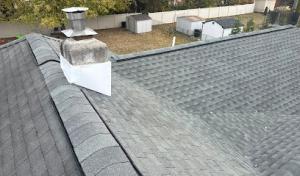
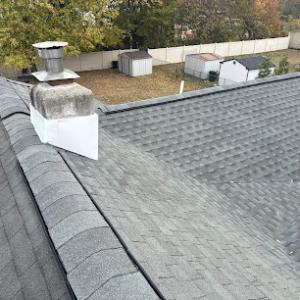
Masonry chimneys are a staple of older South Jersey homes, and many leaks trace back to flashing, not the field shingles. Step flashing and counterflashing around a chimney can deteriorate with temperature swings and wind-driven rain, especially where mortar joints crack or shift. Cricket details-the small, peaked mounds of roofing placed to divert water around a chimney or vent-often fail to channel moisture away properly after years of freeze-thaw cycles. In practice, a leak that seems to originate at the crown or tile might actually start at the flashing planes or the transitions where the chimney meets the roofline. The consequence is hidden water damage that travels laterally into the decking and into interior walls. Regular inspection of chimney flashing, re-seating counterflashing, and ensuring the cricket is properly integrated with the surrounding roofing are prudent steps once visible signs appear or after a major storm.
Woodbury neighborhoods shaded by mature trees experience high late-summer humidity that can accelerate algae and moss staining, particularly on aging asphalt sections that slope to north-facing roof planes. The staining isn't harmless cosmetic trouble; it can indicate moisture retention that softens shingle edges and traps debris. In shaded spots, algae can flourish and hold moisture longer, leading to more rapid deterioration under the membrane and at the joints. Regular cleaning, careful removal of organic growth, and attention to the condition of the shingles in these cooler, wetter exposures help prevent premature granule loss and accelerated wear. If staining appears alongside small surface cracks or lifting shingles, that signals moisture ingress that deserves a closer, proactive inspection rather than waiting for a noticeable leak.
Find contractors experienced in skylight installation, flashing, and leak repairs to bring natural light into your home.
Surf & Turf Roofing, Solar & Windows
(856) 434-7663 www.surfandturfroofing.com
Serving
4.9 from 272 reviews
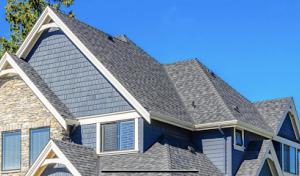
Asphalt shingles are the practical default for typical Woodbury homes. The common pitched residential rooflines in this area pair well with the straightforward installation of asphalt, and the material accommodates the neighborhood's budget realities without sacrificing durability for daily weather. In local neighborhoods you'll notice plenty of mid-sized, gable-and-hip roof forms where asphalt blends with the color and texture of nearby houses, avoiding the conspicuous look of premium systems. This makes asphalt a comfortable, predictable choice for most resale-ready jobs and routine replacements.
Metal roofs show up in conversations where homeowners want longer service life and improved resilience against moisture and freeze-thaw cycles. In this climate, metal can offer superior performance against the repeated cold snaps and humid summers that test attic ventilation and roof seams. If the goal is a longer interval between full replacements and better edge-to-edge moisture control, metal becomes a sensible option to compare against asphalt. However, the metal choice often hinges on whether the house can tolerate the extra weight and the potential need for structural evaluation, even on standard lots.
Tile, wood shake, and slate exist in this market, but they are far less common on the typical Woodbury residence. Structural load becomes a key factor: tile and slate demand stronger framing and more robust roof decks, which are less common on many existing homes in this area. Repairs for those premium materials can be more complex and costly, especially on roofs with older insulation and ventilation configurations. When considering an upgrade, weigh the likelihood of future repairs against the initial benefit. For many Woodbury houses, the simpler maintenance cycle of asphalt or the longer lifespan of metal provides a clearer path to reliable performance without overburdening the structure.
Begin with a truthful assessment of the roof's current condition and the attic's ventilation. In humid summers and freeze-thaw winters, proper venting reduces moisture buildup that can undermine roofing materials. If you're maintaining or replacing a roof on a home with standard framing, asphalt shingles typically deliver a balanced mix of performance, installability, and cost. If the goal is to push service life and reduce storm-responsive leaks, a metal roof deserves a full, job-specific evaluation that includes an assessment of roof pitch, attic ventilation upgrades, and potential need for additional structural support. For homes with older decks or limited attic access, plan for careful seam detailing and robust underlayment to shield against moisture intrusion in storm-driven conditions.
In storm seasons and after heavy rainfall, both asphalt and metal must manage moisture ingress, but the path differs. Asphalt relies on consistent sealing through shingle integrity and flashing, with attention to degraded ridge lines and chimney details. Metal depends on precise flashing and panel overlap to prevent leaks at fasteners and terminations. In either case, routine inspections after heavy storms help catch early signs of moisture intrusion before they compromise the deck or the interior. With the common Woodbury weather pattern, a practical choice lands where everyday maintenance aligns with the home's structure, budget realities, and the ease of timely repairs.
In Woodbury, conversations about replacing a roof tend to focus on the labor of tearing off old layers, repairing or replacing decking, and disposing of waste, often more than the sticker price of the new material itself. That means even a straightforward shingle replacement can carry a sizable kicker if the decking is compromised or if multiple layers must be removed. The typical per-square price bands you'll see in the area reflect material choices, but the real upside-down chart deals with what you uncover when you lift the old roof. Older homes in and around Woodbury can hide moisture-damaged sheathing and outdated ventilation layouts, which can push final pricing above the simple per-square material range.
Moisture intrusion is common after strong storms, and older ventilation layouts can leave attic spaces underserved. If decking shows soft spots or the sheathing has cupping or rot, expect decking repair or full replacement to become part of the project. In practical terms, that means a higher square-foot cost once labor and disposal are added in. Wet insulation or compromised attic ventilation may require remedial work that isn't visible from the ground. Before signing a contract, have the contractor inspect the sheathing from inside the attic and comment on ventilation, insulation, and potential rot. This is where the price creep often begins.
Storm-driven demand spikes across Gloucester County and the wider South Jersey market tighten scheduling after major wind events. If a big storm hits, you may face longer lead times and higher labor demand, which translates into both a longer project window and potential price bumps for expedited crews or material shortages. When a contractor can offer a concrete window, it's worth locking it in early and planning for a slightly extended project duration if weather stalls the timeline.
Use the listed material ranges as a starting point, but plan for a higher final price if tearing off multiple layers, replacing damaged decking, or improving ventilation is necessary. Asphalt shingles remain the most common, but the need to address sheathing and ventilation can push the project into higher tiers. If choosing metal, clay tile, concrete tile, wood, or slate, anticipate proportionally larger labor and disposal costs. A well-documented assessment that itemizes decking repair, disposal, and ventilation upgrades helps keep the final number aligned with the work actually required.
Get at least three bids, each with a thorough attic inspection note and a detailed deck condition report. Ask for a breakdown showing tear-off, disposal, decking repairs, chimney or skylight flashing, ventilation changes, and permit-free staging impacts. Confirm lead times and potential weather-related delays, and request a project timeline with milestone inspections to monitor progress from teardown through final inspection.
Madden Roofing
(856) 403-3546 maddenroofingcomp.com
6 N Broad St suite 241, Woodbury, New Jersey
5.0 from 25 reviews
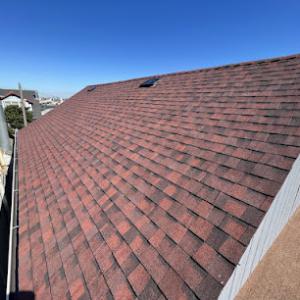
Madden Roofing provides dependable roofing services to protect and enhance your property. Our team handles everything from leak repairs and storm damage to full roof replacements, using quality materials and skilled craftsmanship for lasting results. We focus on timely service, clear communication, and professional workmanship, making the entire process smooth and stress-free. Whether you need a small repair or a complete installation, Madden Roofing is the trusted choice for reliable roofing solutions.
Velocity Roofing
(856) 333-4503 www.velocityroofingpros.com
549 S Evergreen Ave, Woodbury, New Jersey
4.8 from 36 reviews
Velocity Roofing offers roof installation, repair, and inspections across New Jersey, Delaware, Pennsylvania, and Maryland! We tackle each project with precision and dedication. On every roof, our team focuses on the essentials: protection, durability, and craftsmanship. Actions speak louder than words; we don't just promise quality—we deliver it, shingle by shingle, ensuring your roof stands up to the elements. In our world, every nail and every shingle represents a commitment to your home's integrity. Don't compromise on quality—choose Velocity Roofing for a roof that stands the test of time!

RGB construction
(856) 264-9093 www.rgbconstructionservices.com
Serving
4.8 from 126 reviews
RGB Construction is a veteran-owned, GAF Master Elite® roofing contractor serving West Deptford and all of South Jersey. Since 2008, our licensed team has provided high-quality roof replacements, roof repairs, inspections, siding, gutters, windows, and storm-damage service for homes and businesses. We install GAF Lifetime Roofing Systems backed by strong warranties, clean workmanship, and honest pricing. Trusted locally for fast response, reliable service, and excellent customer care. Call (856) 264-9093 today.
Somerset Roofing
(856) 492-6062 somersetcontractors.com
Serving
4.9 from 106 reviews
We take pride in helping South Jersey residents with their general contracting needs. We offer many services: • Roofing • Bathroom Remodeling • Kitchen Remodeling • Basement Finishing • Siding Services • Painting • Gutters • Repairs • Many more! We are a top-rated general contracting company in South Jersey. If you need help with your project, visit our website today.

Anderson Contractors
(856) 428-3444 www.andersoncontractors.net
Serving
5.0 from 24 reviews
Commercial Roofing Contractor
T A Hughes lll Roofing Siding Windows
Serving
4.3 from 29 reviews
TA Hughes lll is a Certified Residential & Commercial roofing company located in the New Jersey Area. We built a solid reputation providing exceptional services to the community for more than 35 years. It’s our privilege to extend the experience and technique of our team of Residential & Commercial contractors toward all of your business or home exterior projects We cover all areas of roofing and offer the Best Roof Repair In NJ. From fixing simple leaks to installing brand new roofs at your Residential or Commercial property. No one should be without a reliable roofing contractor that they can turn to for repair, maintenance or emergency leaks involving their roof. Contact A Certified Roofer Today Or Call Us Now (856) 845-8505
Daniel Robert Remodeling
(833) 326-4350 danielrobertremodeling.com
Serving
4.9 from 108 reviews
Daniel Robert Remodeling is a full-service home remodeling company proudly serving South Jersey homeowners. With decades of hands-on experience, our team specializes in both interior and exterior projects including kitchen remodels, bathroom renovations, roofing, siding, windows, and doors. We combine craftsmanship, communication, and care to deliver lasting results that elevate your home’s comfort, function, and curb appeal. At Daniel Robert Remodeling, we don’t believe in guesswork — we believe in doing it right the first time. Call or text 1-833-DANIEL-0 to schedule your free estimate today!
Surf & Turf Roofing, Solar & Windows
(856) 434-7663 www.surfandturfroofing.com
Serving
4.9 from 272 reviews
Surf & Turf Roofing, Solar, and Windows delivers expert roofing, solar energy, and window installation services to Bellmawr, Cherry Hill, Voorhees, Washington Township, and nearby NJ communities. For over 15 years, our CertainTeed ShingleMaster-certified team has completed thousands of projects, combining durable craftsmanship with premium materials and strong warranties. We help homeowners protect, power, and enhance their homes with roof replacement, solar panel installation, energy-efficient windows, gutter systems, skylights, and more—all backed by flexible financing and trusted local service.
Exteriors Roofing & Siding
Serving
5.0 from 15 reviews
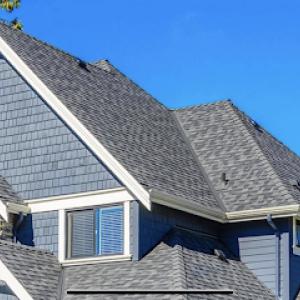
Your local Roofing and Siding contractor We take pride in delivering our services to the highest caliber. Giving our clients services that exceeds their expectations at a fair price. We are Family owned and operated company that offers vinyl siding to cement board siding ,asphalt shingles to metal roofs!!! Give us a call to schedule a free consultation
Iron Bull Roofing
Serving
5.0 from 10 reviews
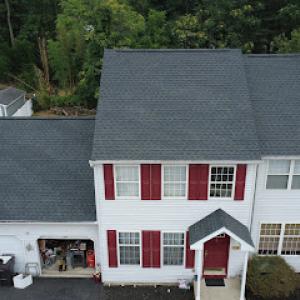
Iron Bull Roofing is a locally owned and operated roofing company that specializes in insurance claim for storm damage to your roof. From the initial roof inspection to the final product we work thoroughly to provide excellent customer service and craftsmanship.
American Construction Roofing, Siding & Windows
(844) 677-6776 amconstruct.com
Serving
5.0 from 143 reviews
American Construction is a family owned and operated business offering the finest quality Cherry Hill roofing and construction services. We have built a solid reputation based on our commitment to providing the best when it comes to roofing, siding, and windows in the area. At American Construction, you’ll find skilled carpenters and project managers that are trained in the best techniques on the market today, the use of materials of the highest quality, and a respectful and dedicated staff that truly listens to your needs.
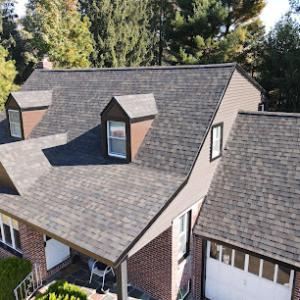
Mainline Construction Group
(856) 425-7425 www.mainlinecg.com
Serving
5.0 from 45 reviews
Mainline Construction Group is South Jersey’s trusted expert in exterior renovations. Specializing in roofing, siding, windows, doors, and concrete, we provide top-quality craftsmanship and durable solutions for homeowners and businesses. With a commitment to excellence, we use premium materials and industry-leading techniques to enhance your property's curb appeal, energy efficiency, and structural integrity. Whether you need a roof replacement, new siding, energy-efficient windows, or custom concrete work, Mainline Construction Group is your go-to contractor. Contact us today for a free consultation and let us bring your vision to life!
In this town, a full roof replacement typically requires a building permit filed with the local building department before work begins. This ensures that ventilation, flashing, and other details meet current standards for the humid Delaware Valley climate and the freeze-thaw cycles that impact older homes. Planning ahead for permit timing helps prevent delays tied to inspections or rework, especially after storm-driven damage that may already have compromises to existing ventilation or venting.
The contractor commonly handles permit filing, which is important for homeowners to confirm in writing before tear-off starts. Ask for a written copy of who is responsible for the permit application, what measurements and scope are covered, and what will happen if work plans change mid-project. In Woodbury, where many roofs support aging ventilation systems and overhang details, a clear permit trail protects both you and the contractor if any code questions arise later. Verify that the permit notice specifies the exact project, the address, and any required inspections so there are no surprises when the work nears completion.
A final inspection is required to verify ventilation, flashing, and overall code compliance, so homeowners should expect the job to remain open until inspection sign-off. It is not unusual for inspectors to review attic vent placement, downdraft protection, and drainage scupper integrity in storm-prone seasons. Plan for potential minor adjustments if the inspector flags a vent, drip edge, or flashing detail that needs remediation. Scheduling the final inspection promptly after completion can help keep the project on track, especially in late-summer or winter months when weather can complicate post-install checks.
Keep a dedicated project file with permit numbers, inspector contact information, and a copy of the approved plans. Coordinate with the contractor to schedule the final inspection soon after the roof is completed, and confirm who will be present to answer questions about attic ventilation and flashing details. If a corrective action is required, document the fix and request a quick re-inspection window to avoid delays in securing a certificate of occupancy or final sign-off. In Woodbury, timely inspection completion helps lock in the benefit of a weather-tight roof before the next storm cycle.
In New Jersey, wind and hail activity keeps insurance companies vigilant, and Woodbury homeowners should expect the insurer to ask for date-of-loss details, photo documentation, and clear evidence that damage happened during a storm rather than long-term wear. Clear, time-stamped photos of shingles, soffits, gutters, and any roof penetrations help shorten the review. Have a simple log ready: when the storm started, how long it lasted, and what you noticed day by day after it passed. The aim is to show a coherent storm sequence rather than a gradual decline.
Adjusters may request access to the attic and roof decking, which matters on older Woodbury homes where interior moisture staining can help establish the path and timing of water intrusion. If staining or haloing on ceiling boards appears after a big rain, document it with dates and notes. Be prepared to point to potential entry points from the attic-like vent gaps, chimney flashing, or cracked decking-that align with the roof surface damage. A coordinated attic walkthrough can save time and reduce back-and-forth, especially when a storm created a rapid moisture surge.
Some carriers in the region are tightening roof-related underwriting or applying higher deductibles depending on roof age and material, making documentation before and after storms more valuable. Maintain a simple, organized binder of photos, repair receipts, and notes that track a storm's impact from the moment it struck to any subsequent drip or stain. This record helps support a steady, fact-based claim path and reduces the risk of mismatched repair reasoning years down the line.
Connect with contractors who help homeowners navigate the claims process from damage assessment to final approval.

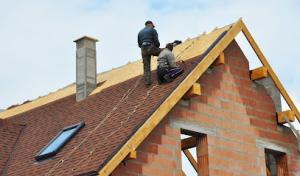

Even where the main house has a pitched roof, Woodbury homes often include porches, rear additions, and small low-slope sections that fail differently from the main shingle system. These areas are especially vulnerable to ponding, seam wear, and flashing problems where additions tie into older original structures. Because many local contractors advertise both residential and commercial capability, homeowners in Woodbury can often find crews familiar with mixed-slope homes rather than only standard shingle roofs.
Low-slope roofs drain poorly during the heavy summer storms and the winter freeze-thaw cycles, leaving standing water that accelerates membrane wear and flashing deterioration where the addition meets the main house. Seams and penetrations at vents, skylights, and parapet walls tend to leak first after a storm. Older decks and porches that tie into the roofline can bring rusted or compromised flashing, worsening where gutters are undersized or outlets are blocked by debris.
Start with a careful cross-check after big storms: look for damp patches inside ceilings on the lowest levels near the addition, track any water intrusion along interior walls where the addition attaches, and inspect the exterior flashing at all connection points. Pay special attention to seam tape or membrane edges that may have lifted. If ponding persists after rain, the issue is almost always related to drainage or seam integrity rather than the primary roof shingle itself. Hire a contractor who can perform a moisture survey and flash membrane tests at the tie-in points.
Keep slow-draining sections clear of leaves and sediment; verify that scuppers or interior drains are free-flowing. Reflash areas where the original flashing has corroded or become loose, and replace damaged seam tapes promptly to prevent deeper leaks. For additions, ensure a continuous waterproof transition from the low-slope area into the main roof, with properly angled water flow toward established gutters or downspouts.
Look for local contractors that advertise mixed-slope experience and a portfolio showing porch and addition roofs alongside standard shingles. A crew familiar with the way South Jersey humidity and freeze-thaw cycles affect low-slope systems will understand the need for robust flashing and proper drainage connections to the existing structure. Confirm they plan a unified approach that treats the addition roof as an integrated part of the whole roof system, not a stand-alone patchwork.
Find specialists in TPO, EPDM, and built-up flat roofing systems for residential and commercial properties.
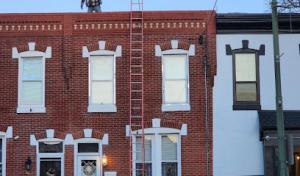
For homeowners in the area, warranty language matters, especially when the project includes full flashing replacement and ventilation corrections. A solid warranty should spell out coverage for leaks after installation and for workmanship errors that could show up after a few seasons. The local climate with humid summers and freeze-thaw cycles makes sure the manufacturer and contractor align on what is covered if a storm edge or vent cap deteriorates. Clarity about what triggers coverage helps prevent later disputes and anchors expectations during wet seasons.
In storm-prone seasons, final inspections check not only the shingles but also flashing, underlayment transitions, and roof-vent connections. Warranties that rely on sealed flashing must clarify who handles resealing if a leak surfaces around dormers or valleys. If ventilation is corrected, ensure the warranty covers any future vent boot failure or soffit intake issues that could affect moisture balance. That attention to detail matters when metal edges loosen or tarps shift during a heavy rain event.
In the area's competitive roofing market, cleanup and fast response are common homeowner expectations rather than premium extras. A practical plan includes tarping and containment during active work, daily debris checks, and a defined method for magnetically cleaning nails from driveways and landscaping. Debris control reduces trip hazards and preserves neighbor relations while the job progresses toward final acceptance.
Because many jobs involve occupied residential properties with driveways, landscaping, and close neighboring homes, debris control and magnetic nail cleanup are practical decision points. Schedule coordination with minimal disruption and a clear notice window helps protect flower beds and vehicles while the crew completes the work and the final inspection. Final inspections in this area also verify that any ventilation and flashing corrections have been properly implemented and documented.