
Last updated: Apr 19, 2026
Camden has a large stock of attached older homes where water can travel across party-wall-adjacent rooflines and show up away from the original entry point. That means you might see a drip in a living room or hallway even when the leak seems to be coming from a distant corner of the roof. In tight rowhome alignments, a single improper flashing or compromised membrane on one home can affect a neighbor's roofline, creating a cascade of damage that worsens with every storm. The risk is not just roof damage; it's attic rot, mold, and interior spoilage that travels with the wind-driven spray from urban rain. Understanding this pattern helps you locate the actual source quickly and prevent a broader failure.
The local contractor market strongly skews toward emergency repair and storm damage work, indicating that fast leak response is a primary homeowner need in Camden. Acknowledge that storm season brings back-to-back urgent calls, sometimes with a wait for a crew. If you suspect a leak after a storm, prioritize a rapid assessment and temporary containment to minimize interior damage. The clock matters: every hour of delay can turn a minor flashing leak into a soaked ceiling, ruined insulation, and wall damage behind a paint layer that hides the trouble. Build a list of trusted storm-response pros so you're not scrambling when the next line of storms hits.
Regular rainfall plus winter freeze-thaw conditions in South Jersey make small flashing or membrane failures escalate quickly if temporary protection is delayed. A simple seam lift, a blocked gutter, or a blister in the underlayment can propagate with wind and hail, pushing water into the eaves and up through vents or vents in the party wall. On rowhomes, water can ride along the interior balcony of the roof or slip between chimney crickets and dormers, seeming to appear far from the actual intrusion. The practical takeaway: treat any sign of moisture, staining, or damp attic air as a roof problem that demands immediate attention, even if it seems minor.
First, perform a cautious exterior check for loose flashing, missing shingle granules, or pooling water along the eaves. If you see active seepage on the ceiling or walls, trap the area with temporary tarps or heavy-duty contractor wrap to divert water away from living spaces while you arrange a repair window. Do not attempt a full roof rescue on your own if you lack safe access and fall protection; a misstep can worsen the storm damage and risk personal injury. Document the leak with photos and note the storm date, rainfall intensity, and any interior temperatures that coincide with the wet spots. This information helps a responder pinpoint the likely source and accelerates a safe fix.
Place temporary cover materials over obvious entry points, focusing on valleys, penetrations, and along the edge flashing. Ensure yard drainage away from foundations and clear gutters to reduce runoff pressure near the vulnerable joints. Schedule a professional assessment as soon as possible after a storm, ideally within 24 to 48 hours, even if interiors appear dry; a quick exterior check can reveal hidden pathway routes that escalate indoor damage later. When arranging the repair, request temporary weatherproofing that can hold through another freeze-thaw cycle while a more permanent fix is planned.
Flat-roof work is a neighborhood specialty around rowhomes, porches, additions, and mixed-use blocks. The cadence here often hinges on quick turnarounds after winter freeze-thaw cycles and spring rain, when a small rise in moisture becomes a bigger leak threat along seams, edge details, and penetrations. Contractors familiar with Camden-style builds understand how limited attic ventilation and tight roof-perimeter spaces can amplify moisture problems. When choosing a crew, look for proven experience with low-slope assemblies, edge flashing, and scupper behavior on multi-story, narrow-footprint homes.
Spring rain can expose drainage problems fast on low-slope roofs. In Camden, scuppers, internal drains, and edge details frequently carry the burden of heavy precipitation, and neglect here shows up as slow drainage, pooled water, or sudden water entry at parapet corners. Inspectments should focus on confirming proper slope direction, unobstructed drains, and functional overflow paths. If a dip or ponding area exists near a critical penetration, plan a targeted repair rather than a full re-cover. Small fixes done promptly often prevent larger leaks during the storm season.
Roof coatings are a meaningful local specialty, offering life-extension without the disruption of a full replacement. For aging low-slope systems, coatings can restore reflectivity, seal small cracks, and buy time between major overhauls. The right coating choice hinges on the existing roof substrate, the level of membrane wear, and the local moisture exposure. In this market, you'll find breathable elastomeric options paired with compatible primers and seam sealants. A conservative approach is to schedule a coating project when there is still intact membrane with a clean surface and minimal blisters, to avoid trapping moisture beneath the coating.
Most leaks in this niche start at seams, penetrations (pipes, vents, and HVAC curbs), and along edge details where parapets meet the deck. In dense rows and right-up-to-the-property-line scenarios, flashing gets compressed, and misalignment becomes a common culprit. A thorough inspection should map every seam and penetration, test for cure-by-hand leaks, and verify that sealants remain flexible in seasonal cycles. If replacements are needed, prioritize membrane-compatible sealants and high-adhesion flashing tapes that hold up to recurring humidity and temperature swings.
When a storm threatens or a leak becomes active, the goal is to isolate the source quickly and protect interior spaces. Temporary measures-cover boards, tarps, and targeted caulking around suspect penetrations-can prevent further intrusion while a permanent fix is scheduled. For busy urban roofs, access and staging safety play a big role: ensure clear walk paths, protect neighboring structures, and coordinate with adjacent tenants to minimize disruption. Establish a short list of trusted responders who can mobilize on short notice when a mid-spring downpour tests the system.
Find specialists in TPO, EPDM, and built-up flat roofing systems for residential and commercial properties.
Discounted Roofing
(215) 431-2343 www.discountedroofingllc.com
Serving
4.9 from 372 reviews
Trusted & Serving Philadelphia For Over A Decade, We Are Philly's Certified Premier Roofing Team,Offering All Types of Roofing, Rubber Roofs Roof Leak Repair, Roof maintenance Resealing, & Fiberized UV Aluminum/Silver Coatings, Gutters, And downspouts Skylights & More No Job is Too Big or Too Small Call Today For A Free Estimate! Fully licensed, Insured, & Certified.
Gasper Roofing
(856) 786-9333 www.gasperroofing.com
Serving
4.8 from 507 reviews
When you need commercial or residential roofing services, turn to the highly trained team at Gasper Roofing. Founded in 1972, we are a local, family-owned business that has the experience you deserve. Your satisfaction is guaranteed. We're Select Shingle Master Roofing Contractor,5 Star Siding Contractor by Certainteed and Mule Hide Legacy Contractors. Gasper Roofing is your choice for an easy and hadache-free roofing experience for your home or business. With our simple process for your installation or repair needs, we show you exactly what needs to be done and what your options are. We are your highly trained, family and locally owned roofing professionals in South Jersey!
Top Tier Roofing
(215) 330-2664 toptierphilly.com
Serving
4.9 from 143 reviews
Top Tier Roofing is a local professional roofing company with over 30 years of union experience. We are owner operated, based out of South Philadelphia. In addition to South Philadelphia, we also provide services to the remainder of Philadelphia and the surrounding suburbs. We pride ourselves on affordability and professionalism. Call us today for your free estimate. Whether you have a leaky roof in need of repair, or would like a quote to replace your aging roof, call Top Tier Roofing and trust our professional team to get the job done right.
American Construction Roofing, Siding & Windows
(844) 677-6776 amconstruct.com
Serving
5.0 from 143 reviews
American Construction is a family owned and operated business offering the finest quality Cherry Hill roofing and construction services. We have built a solid reputation based on our commitment to providing the best when it comes to roofing, siding, and windows in the area. At American Construction, you’ll find skilled carpenters and project managers that are trained in the best techniques on the market today, the use of materials of the highest quality, and a respectful and dedicated staff that truly listens to your needs.
Hybrid Roofing & Renovations
(215) 807-9195 www.hybridroofingpa.com
Serving
4.9 from 93 reviews
Hybrid Roofing & Renovations is a local, family-owned roofing and exterior remodeling company serving Philadelphia, Bucks County, Montgomery County, Delaware County, and surrounding Pennsylvania communities. We provide reliable roof repairs, roof replacements, new roof installations, leak detection, and preventative maintenance for residential and commercial properties. Our team works with asphalt shingles, metal roofing, flat roofs, siding, gutters, stucco remediation, fiberglass, roof decks and exterior renovations. 🚨 24-Hour Emergency Roofing Service Available Contact Hybrid Roofing & Renovations today for a free inspection or estimate.
Warner Exteriors & Solar
(856) 685-6264 www.warnerexteriors.com
Serving
4.9 from 437 reviews
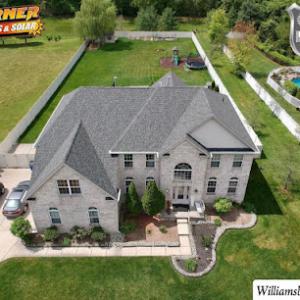
Warner Exteriors & Solar is your trusted roofing contractor in Pennsauken Township, NJ, and Southeast Pennsylvania, offering exterior remodeling services since 2016. We specialize in roofing, siding, windows, doors, gutters, and custom builds to protect and enhance your property. As an Owens Corning Platinum Preferred Contractor and Andersen-Certified Contractor, we use top-quality materials from brands like GAF, CertainTeed, and James Hardie. Our solar solutions provide energy-efficient options to reduce energy costs and your carbon footprint. With over 1,000 completed projects and an A+ BBB rating, we are committed to exceptional service. Contact us today for a free estimate!
Bell Roofing Company
(609) 300-3909 bellroofingservices.com
Serving
4.3 from 132 reviews
Bell Roofing Company, LLC has been proudly serving the South Jersey and Philadelphia regions for 42 years. As a trusted roofing contractor in Pennsauken, New Jersey, we offer exceptional roofing services, including 24-hour emergency services and roof installation. Our team of skilled professionals is dedicated to delivering high-quality results that exceed our clients' expectations. Our vision is to provide our clients with the highest level of customer service and quality workmanship. We believe that by delivering exceptional work, we can build long-term relationships with our clients. If you're looking for a reliable and trustworthy roofing contractor in Pennsauken, New Jersey, look no further than Bell Roofing Company, LLC.
Philly Roofing & Exterior Services
(215) 799-3618 phillyroofingpros.com
Serving
5.0 from 42 reviews
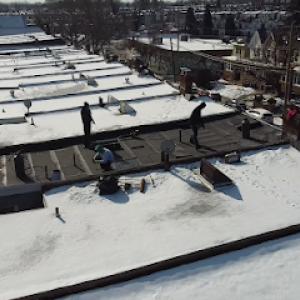
With over 10 Years of experience, Philly Roofing has been serving the Philadelphia community with reliable & affordable roofing solutions. Our team is committed to quality craftsmanship & superior costumer service
Expert Roofing & Home Improvements
Serving
4.7 from 61 reviews
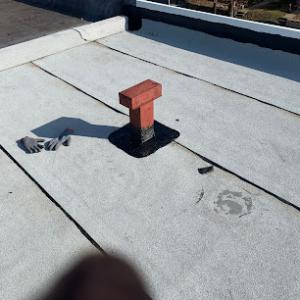
We're a Family-owned and operated business made up of third generation roofers with quality workmanship. Here at Expert Roofing we use only the highest quality products available and install them to manufacturer and industry standards. Whatever the project, our team of professionals can guarantee your satisfaction. Call 215-303-0363 to get a FREE ESTIMATE and to learn more about how our team of roofers can provide cost-effective, long lasting quality results. Let us know how we can be of service to you and go over our list of different services we provide customers with and offer and see which best fits your needs. Thank you for looking hope to hear from you soon and we will respond to you quickly and promptly Thanks (owner) Nick
Metal Roofing Philadelphia
(267) 214-7286 www.metalroofingphiladelphia.com
Serving
4.9 from 55 reviews
Metal Roofing Philadelphia offers exceptional roofing services. We provide roof installation and replacement services to both commercial and residential properties in Philadelphia and surrounding areas. We work on this metal roofing types: aluminum, copper, corrugated, galvalume, galvanized, metal shake, metal shingle, metal tile, sheet metal, standing seam, steel, tin, zinc, and so on. Aside from metal roofs, we also work on other types of roofing: asphalt single, flat roofs (EPDM, TPO, PVC, etc), slate, tile, composite, cedar shake, and many more. In short, we offer ALL types of roofing services. And we're here to meet all your requirements to your satisfaction - within budget and within timeframe. Call us now for your FREE estimate!
RHI Construction
(215) 681-9985 www.rhihomes.com
Serving
5.0 from 20 reviews
RHI Construction: Your trusted roofing experts for both commercial and residential properties. Since 2017, we've been committed to providing honest and efficient service, ensuring every project is completed with quality and integrity. We believe in a straightforward approach, keeping it real from estimate to completion. Our goal is simple: to deliver exceptional roofing solutions and stand behind our work, every single day. With decades of experience, we're dedicated to getting the job done right, the first time.
Wm Brooks III
(856) 383-0055 www.wmbrooksroofing.com
Serving
4.9 from 154 reviews
Full service residential,small business,and commercial roofing and sheet metal contractor. Providing roofing and sheet metal service from small repairs to full replacements.
Asphalt shingles are the dominant practical choice in Camden. They couple straightforward installation with quick serviceability after springtime storms, and they handle the city's mix of dense rowhomes and retrofits with relative ease. For older low-slope and urban roofs, the key is to prioritize a shingle type with good moisture resistance and a sturdy nailing pattern. In humid summers, ensure the attic is properly vented so attic heat doesn't bake the deck and underlayment, which can accelerate shingle deterioration. Proper nail placement, especially near eaves and around penetrations, is essential to resist wind uplift and freeze-thaw cycles. Consider fully sealed drip edges and compatible flashing at valleys and skylights to reduce leak pathways during winter storms.
Metal roofing is present in the local market and can appeal where owners want longer service life, but installation details matter on older Camden homes with irregular framing or retrofit conditions. Metal panels or standing seams should be sized to accommodate existing roof geometry without forcing awkward cuts or gaps. On low-slope sections, ensure a reliable sealant and proper panel overlap to prevent water ingress during heavy rain or freezing conditions. For retrofit projects, inspect the substrate for adequate support, as uneven framing can create points of flex that wear seals prematurely. If choosing metal, look for coatings that resist salt spray and humidity, a relevant concern near riverfront areas. A careful installer will tailor fasteners and sealants to the house's specifics, reducing the chance of leaks after storms.
Tile and wood products exist in the market but are less common specialty installs in Camden, where structural capacity, repair matching, and urban labor access can make these roofs more complex. Clay or concrete tiles demand a solid, well-built deck and precise framing, especially on older rowhomes that may have settled over time. Wood shingles and shakes require meticulous maintenance to prevent rot in humid summers and to resist storm-driven wind uplift. If a tile or wood option is pursued, insist on a structural assessment and a plan for color-matching repair pieces, so patchwork doesn't stand out after a storm or a quick repair job.
In all material choices, prioritize attic ventilation, secure nailing, and robust flashing details. Storm-driven leaks often begin at penetrations, skylights, and transitions between roof planes, so treat those zones with extra flashing and sealant where appropriate. For older roofs with irregular framing, insist on a detailed inspection before any re-roofing, focusing on deck integrity, fascia, and soffit ventilation. Regular inspections-especially after heavy rain or freeze events-can catch early damage long before a leak becomes visible on walls or ceilings. A local contractor who understands Camden's weather patterns will tailor fast-repair strategies to the roof's specific makeup, seasonal demands, and the rowhome layout.
In Camden, local cost ranges run from about $350-$650 per square for asphalt shingles up to about $900-$1600 per square for clay tile, with metal, concrete tile, wood, and synthetic products in between. Those numbers reflect the mix of dense rowhomes, tight urban lots, and the frequent need to tear off existing roofs and stage debris carefully before disposal. For a typical Camden foam-through, low-slope urban roof, you'll likely see asphalt shingles on many homes, with higher-end options chosen for longevity or historic restoration projects. Clay and concrete tiles push higher into the mid-range, while metal and synthetic shingles sit in the middle or upper end depending on profile and warranty.
Costs in Camden can rise on tightly spaced urban lots and attached housing where tear-off, debris staging, and material delivery are harder than on detached suburban homes. Access constraints can extend project timelines and require additional labor for hoisting and staging. If the house shares a wall with neighbors or a narrow alley, expect more crew coordination and potential scheduling gaps after rain events. Freight and dumpster logistics, plus the need to protect adjacent dwellings, can add to the bottom line.
Demand spikes after regional storm events in South Jersey and the Philadelphia metro can affect scheduling and pricing, especially for emergency dry-ins and fast-turn re-roofing. In the weeks following a major storm, crews may book up quickly, and expedited material delivery can carry a premium. It helps to line up a trusted contractor before the peak season and to prioritize a documented, staged replacement plan that limits exposure to the elements while awaiting materials or weather windows.
If durability and long-term performance matter, clay or concrete tile and metal offer strong resistance to wind and heat, but require careful structural compatibility on older rowhomes. Asphalt remains the most economical, yet may demand more frequent maintenance in shielded, freeze-thaw Camden winters. For budget-conscious timelines, synthetic shingles provide a balanced option, often blending cost with quicker installation. When comparing bids, consider not just the per-square price but the scope: tear-off, disposal, underlayment, and any necessary repairs to attic ventilation or fascia that influence long-term leak prevention. In Camden, a well-structured plan that accounts for urban access and storm cycles saves more than the sticker price suggests.
Get a clear picture of your project costs upfront - no commitment required.
In Camden, a full roof replacement typically requires a permit through the City of Camden Department of Permits & Inspections. That means the project isn't just about nailing down shingles; it's about aligning with the city's codes for structural work, fire safety, and drainage in a dense urban environment. If the permit is delayed or denied, work can stall mid-course, leaving you exposed to weather and liability. Treat the permit as part of the roof project timeline, not an afterthought.
Permit submission generally needs the project scope and contractor licensing information before work proceeds. That scope should be precise: how many squares, roof type, attic ventilation plan, and any changes to flashing or drainage. Licensing information for the contractor isn't just a box to check; it anchors accountability when storm repair or rapid temp fixes are required. Prepare to share details about existing conditions, especially on low-slope sections that are prone to slow leaks after freeze-thaw cycles. Missing or vague scope items can trigger back-and-forth with the department, extending the timeline when time matters most.
Inspections are scheduled during the work and a final inspection is required to close out the permit, so homeowners should confirm who is responsible for scheduling and signoff. In practice, that means coordinating with the contractor to line up the progressive inspections-initial framing or underlayment, intermediate waterproofing checks on low-slope roofs, and a final comprehensive review after the new roof is in place. If weather or supply issues interrupt the sequence, know who will request rescheduling and how soon the inspector can re-visit. Delays here aren't just administrative; they can expose vulnerable areas to lingering moisture in a city that deals with humidity and seasonal storms.
Keep a project folder with permit numbers, contractor license details, and the inspection calendar. Confirm who signs off at each stage, and establish a clear point of contact for weather-related holdbacks or expedited rescheduling when storm responses require rapid repairs. If a permit is delayed, consider interim waterproofing measures, but only under guidance from the contractor and with documented permissions, so you don't run afoul of code requirements. A well-timed inspection plan helps ensure that the reality of Camden's climate-freeze-thaw cycles, wind-driven rain, and rapid weather shifts-doesn't turn a planned replacement into a patchwork job.
After a major rain or wind event, insurers in this market commonly request photos, contractor estimates, and cause-of-loss details. You'll want to photograph each angle of the roof and any interior evidence of leaks, especially on low-slope or rowhome roofs where water can track along eaves and parapets. Clear, organized files make the process smoother and reduce back-and-forth with your adjuster.
Adjusters often review depreciation and replacement-cost calculations, which can materially affect what you owe out of pocket. If the storm damaged multiple sections or exposed underlayment, provide a straightforward ledger of what was damaged and how quick repairs were prioritized. Being precise about dates, remedies, and interim fixes helps the adjuster assess exchangeable value rather than guesswork.
Because the region experiences broader South Jersey and Delaware Valley weather patterns, claim frequency and coverage scrutiny can rise after widespread events. Shared roof types-especially older low-slope and rowhome configurations-face higher risk of hidden leaks after scouring winds. Expect closer scrutiny of reported leaks and the sequence of events leading to damage, and be prepared to corroborate reports with contractor notes.
Coordinate with a trusted local contractor who understands Camden's housing stock and roof assemblies, including common underlayment conditions and parapet drainage quirks. Schedule temporary protective measures promptly after a storm to minimize further damage. When you communicate with the adjuster, tie opinions to observable conditions, dated photos, and a simple narrative of repairs and timelines to avoid misinterpretation.
Connect with contractors who help homeowners navigate the claims process from damage assessment to final approval.
Skylight work is a meaningful specialty in Camden, with recurring homeowner concerns about leak-prone penetrations rather than just field shingle wear. When a skylight leaks, the issue often starts at the flashing or the seal, not the glass itself. Use a roofer who treats skylight and curb-assembly penetrations as a separate system within the roof line, and insist on inspecting the curb, step flashing, and any sealant transitions around the unit.
On older housing, leak sources are frequently tied to transitions at chimneys, skylights, porch tie-ins, and wall flashings more than the main roof covering alone. Look for gaps at the skylight flange, deteriorated or cracked sealant, and no-brainer misalignments where flashing steps meet a vertical wall or porch extension. A quick tell is damp spots that appear after rain without obvious shingle wear nearby.
Freeze-thaw cycles in winter can widen small flashing defects around penetrations and make intermittent leaks harder to trace until heavy rain returns. Inspect after several freeze-thaw days and again after a heavy rain event. Pay attention to the perimeter of the skylight, the chimney chase, and any aging boot or flashing corners where cold weather has caused hairline cracks.
Start with a careful top-down inspection of the skylight curb, flashing, sealant joints, and fasteners. Clean debris from the drip edge and verify that counter-flashing remains integrated with wall flashing. In spots where leaks are suspected, apply temporary waterproofing only to protect interior finishes while scheduling a permanent fix-typically re-flashing, resealing, and replacing failing sealants.
Keep a spare sealant compatible with flashing materials and a small putty knife on hand for minor reparations between heavier service visits. If a leak coincides with wind-driven rain, focus first on the skylight perimeter and the chimney transition, then expand to porch tie-ins and adjacent wall flashings. A steady, methodical approach minimizes guesswork when rain returns.
Find contractors experienced in skylight installation, flashing, and leak repairs to bring natural light into your home.
Metal Roofing Philadelphia
(267) 214-7286 www.metalroofingphiladelphia.com
Serving
4.9 from 55 reviews
Late spring through early fall is the typical replacement window in Camden because weather is more favorable for tear-off, drying, and installation. That stretch is chosen to maximize the chance of a solid seal before the first big freeze and to give the crew steady working days. The timing matters on older rowhomes and low-slope roofs where proper drying of attic and underlayment plays a crucial role in long-term performance.
Spring in Camden often brings rain and storms that can delay open-roof work and complicate drainage management on low-slope sections. If a project is started too soon after a heavy rain, puddling on flat or gently pitched roofs can slow the installation and stress the new underlayment. Planning for a window with a few dry days in a row helps ensure flashings, seams, and penetrations are sealed cleanly. Proactive scheduling around storm paths and neighborhood drainage patterns reduces the risk of water intrusion during the work.
Summer heat and humidity affect crew pace and material handling, while also amplifying glare and surface temperatures on metal and asphalt. High heat can shorten daily productive hours and increase the risk of fabric and sealant missteps if temperatures push beyond material thresholds. For low-slope roofs, ensure there is adequate ventilation and that staging areas avoid heat buildup near interior living spaces. Clear communication with the contractor about daily heat limits helps maintain safety and quality.
Fall leaf buildup and wind can interfere with cleanup and final inspection readiness. Debris from trees near the roofline can clog gutters and downspouts, masking edge conditions and hidden leaks until the job is complete. Schedule with a buffer for a thorough leaf-clearing and final inspection-especially if the destination is near mature trees. If fall storms loom, consider a plan that accommodates a post-storm touch-up or reseal to lock in the work before winter.
In dense neighborhoods with tight lot lines and shared alleys, access can dictate timing. Choose slots that minimize street congestion and neighbor disruption, and coordinate staging with restricted driveway days to keep routes clear for material deliveries and crew trucks. In Camden, the aim is to align dry weather, available crews, and interior comfort, so the project finishes with solid protection against the next round of seasonal weather.
If a storm hits, your priority is a contractor who can show up quickly, protect nearby sidewalks and driveways, and remove debris efficiently. In dense urban rows, crews should lay down tarps to keep debris off neighbors' property and use magnet sweeps to pick up nails and screws. Ask for a clear plan: where dumpsters will park, how ladders will access tight spaces, and how cleanup will be finished before the next rain. The right contractor treats the surrounding streets and curbs as part of the job, not an afterthought.
Re-roofing is far more common than new construction in this market, so homeowners should favor contractors who routinely handle tear-offs and overlays on older structures. Look for references from nearby rowhomes with similar roof lines and insulation conditions. Ask what strategies they use to manage venting, attic access, and potential skylight or chimney penetrations without compromising the interior. A contractor who understands the unique challenges of tight urban lots will coordinate material staging, waste containment, and soil or plant protection more smoothly.
Warranty signals and manufacturer-certified products exist but are not universal here, so check workmanship terms and product registration before signing. Ensure the contract specifies transferability of any manufacturer warranties, the exact scope of workmanship coverage, and the duration of coverage for leak-prone seams and penetrations. If a manufacturer's certification is claimed, confirm the installer's credential and the warranty's conditions in writing. In tight spaces, inspectors will look for consistent sealants, proper underlayment, and clearly documented adhesion tests-so insist on a detailed scope and a post-project inspection checklist.