Last updated: Apr 19, 2026
Spring and summer storms roll through Burlington County with enough wind and hail to rattle shingles and shove debris into eaves. In this wooded residential setting, wind-driven branches and pine needles become a common after-storm problem, often hiding leaks that only show up after freeze-thaw cycles. If a storm hits, you need to treat every dent, creased shingle, and lifted edge as a potential entry point for water. Small gaps can flood a living room ceiling or cause hidden rot in attic insulation in a matter of hours. Do not wait for a drip to become a flood-act now.
After a storm, look for obvious signs of trouble: missing granules, torn flashing, lifted shingles, and any indoor staining near the peak of the roof or along ceilings and walls close to exterior walls. In the Medford area, branches can strike with enough force to crack gutters or bend vent pipes, creating slow leaks that expand quickly as rain resumes. Check attic space for sudden changes in humidity, musty odors, or daylight showing through roof decking. If you find any of these, assume the roof suffered damage and respond with urgency.
If you suspect damage, protect interior spaces first. Move valuables away from affected areas and place a temporary waterproof barrier over exposed decking or roofing gaps, such as a heavy-duty tarp secured by weights or fasteners, ensuring it does not create a fire risk or create more hazards during wind gusts. Do not attempt full-scale repairs on your own if you are not trained; roofing systems involve safety risks and structural concerns that can worsen with weather. Photograph all visible damage from a safe distance, noting the date and the storm's timeline, to build a solid record for insurance and contractor discussions.
When contractors and insurers are involved, precision matters. Compile a concise list of affected areas: garage roof, main house, porch roof, skylights, and any vented penetrations. Document roof areas that lost shingles, damaged flashing, or signs of moisture intrusion in the attic. Gather evidence of wind-driven debris in your yard or on your gutters; such debris often shows how the roof was impacted. Share photos with your insurer and with local emergency repair teams as soon as you have them, and keep a running log of communication, including dates, names, and promised timelines. In a town where storm-damage work is a high-priority call, being organized speeds up approvals and prevents miscommunication.
Local contractors report unusually strong demand for emergency repair and storm-damage work after big wind events, and insurance-claim help is central to rapid recovery. Seek a contractor who can provide a clear, phased plan: immediate temporary protection, a documented assessment of structural impact, and a prioritized schedule for full reroofing or patch-and-reseal work as approved. Insurers often request a detailed scope of work with itemized damage-include interior leaks, attic air-sealing concerns, and flashing integrity. Be prepared to reference specific storm dates and note any branch impacts you observed. A proactive team will coordinate timelines, document all steps, and ensure completion follows a tight, storm-season-friendly schedule.
Once the roof is stabilized, insist on a thorough inspection of flashing, ventilation, and underlayment as part of the repair scope. This area often bears the brunt of wind and hail, and proper flashing integration around dormers, chimneys, and vents is essential to stopping future leaks. For homes surrounded by mature trees, consider pruning and managing branches to reduce debris loading and wind exposure on the roof edge. Ask for an enhanced maintenance plan that includes seasonal inspections after severe weather and a quick-response contact list in case of another storm. Quick, decisive action now protects your home from repeat wind-driven damage and keeps living spaces dry when the next storm arrives.
Medford sits under heavy tree cover with a pine forest backdrop that shapes every season of roof care. In the valleys and along the ridges, leaf, pine needle, and twig buildup is a routine reality. Organic debris tends to stay damp longer in shaded roof sections, especially behind chimneys and on the north-facing slopes of the house. That dampness accelerates shingle wear and makes flashing details more vulnerable to hidden moisture problems. Autumn brings a noticeable surge in debris that can clog drainage paths and back water up under shingles during cold-weather rain and snowmelt.
Begin autumn with a focused debris sweep around the roof edge, valleys, and gutters. Clear leaves and needles from the gutters, downspouts, and any roof valleys where pine litter tends to accumulate. Pay special attention to the areas behind chimneys, under overhanging eaves, and along dormer lines where debris can trap moisture against the flashing. After major storms, perform a quick check from the ground using binoculars or a ladder to spot visible clogs, sagging gutters, or missing shingle edges. If the roof appears darker or damp in shaded sections after rainfall, treat it as a red flag for potential hidden moisture issues.
Shaded roof sections stay damp longer, which slows drying between storms and increases the chance of accelerated wear on shingles. In these zones, inspect flashing around chimneys, vent pipes, and roof-to-wall transitions for signs of corrosion, torn sealant, or loose fasteners. Damp deposits near flashing legs or where shingles meet metal flashing can hide small leaks that only show up after several days of rain. If you notice staining on interior ceilings near the attic or along interior walls adjacent to attic vents after wet spells, investigate the corresponding roof flash lines and underlayment for moisture intrusion.
Valleys are high-risk drainage routes in pine-dense neighborhoods. Clear them of organic debris and ensure the valley metal is intact with no exposed fasteners or loose sealing. Run water along the gutters from downspouts to confirm drainage paths are open and directed away from the foundation. In shaded corners, monitor for moss or algae growth that can retain moisture and lift shingle edges over time. If a valley looks misaligned or if flashing shows any movement after wind events, plan a targeted repair to reseat and re-seal before winter.
As leaves accumulate in late fall, schedule a mindful cleanup that prioritizes drainage continuity. A staged approach-first gutters, then valleys, then flashing transitions-helps identify trouble spots without overloading a single inspection visit. Keep a walking plan that moves along the roof edge in a systematic 'top-left to bottom-right' sweep to avoid missing shaded pockets where debris hides. When cold rain and snowmelt begin, the priority is to maintain clear drainage paths so water moves off the roof and away from vulnerable flashing and attic entry points.
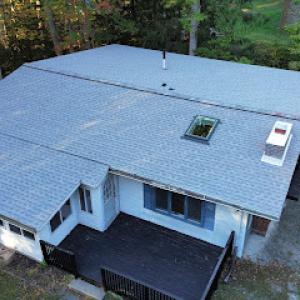
Fives Contracting
(609) 457-3959 www.fivescontracting.com
384 Tuckerton Rd, Medford, New Jersey
4.9 from 62 reviews
At Fives Contracting, we provide custom construction solutions with a family touch. The name “Fives” comes from the five people who built our company and the five-star service we deliver every day. With over 10 years of experience, construction has always been at the heart of our family. We proudly serve New Jersey and Philadelphia, specializing in roofing, siding, and paving, along with a full range of general contracting services, from remodels and additions, to exterior renovations. As a woman-owned, minority-owned, and equal opportunity employer, we take pride in craftsmanship, integrity, and treating every project as if it were our own. Let’s bring your vision to life with first-class results and personal service you can trust.
High Point Roofing & Remodeling
(609) 891-3410 www.hproofs.com
747 Stokes Rd, Medford, New Jersey
4.9 from 51 reviews
High Point Roofing & Remodeling is the most trusted home exterior company in South Jersey specializing in roofing, siding, windows, and gutter replacement services. As a locally owned and trusted contractor, they provide customers with services for roof repair and replacement, siding and window installation, and gutter systems. They’ve completed thousands of projects and have an A+ rating with the Better Business Bureau. There is no roofing contractor in Medford, New Jersey providing the highest caliber of roofing installation and repair at prices as competitive as theirs. They have earned a reputation for outstanding workmanship and their team has decades of experience and the absolute best track record for customer satisfaction.
Uncle Al's Roofing
(267) 222-1861 unclealroofing.com
Serving
4.9 from 68 reviews
Uncle Al's Roofing provides residential and commercial roofing services to customers in Pennsylvania, New Jersey, and Delaware.
Fred Gross Construction
(609) 654-0611 www.roofingbyfredgross.com
Serving
4.0 from 4 reviews
Defend Your Property Against the Weather. Fred Gross Construction in Medford, NJ protects your commercial or industrial business by providing quality roofing services. From repairs to installment and even maintenance services, our team has extensive knowledge and experience to handle large roofing projects. We work hard to ensure you receive quality roofing products and complete customer service at fair prices. We offer roofing solutions to all customers in the South Jersey area. Don't put your business at risk of damage. Call us today to schedule a consultation for new roofing on your structure.
AJecks Roofing
(609) 502-7054 ajecksroofing.com
Serving
4.9 from 108 reviews
AJecks Roofing is proud to be the leading roofing contractor serving Marlton, NJ and the surrounding region. We specialize in shingle roofing, flat roofing, commercial roofing, repairs, gutters, fascia, soffits, and a full range of exterior home services. With years of proven expertise, our workmanship and results speak for themselves. Customer satisfaction is at the heart of everything we do. Our commitment to quality has earned us the trust and repeat business of nearly every homeowner and business we’ve served. We understand that every roofing project is unique, and we tailor our approach to meet each client’s specific needs—ensuring reliable, long-lasting results on every job.
DriRoofs
Serving
4.9 from 47 reviews
DriRoofs provides roofing and gutter services to Burlington County, NJ, and surrounding areas.
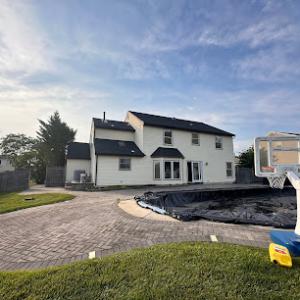
Warrior Construction
(609) 553-4754 www.warriorconstruction.org
Serving
4.6 from 38 reviews
We are a family owned company. Licensed and Insured, GAF Certifed specializing on asphalt roofing. BBB acredited with 20+ years roof experience. Installs and repairs. Free Estimate!
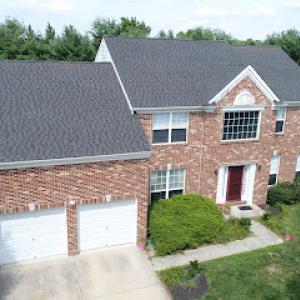
Duane Mainardi Roofing
Serving
5.0 from 151 reviews
Roofing Siding Windows Doors and More
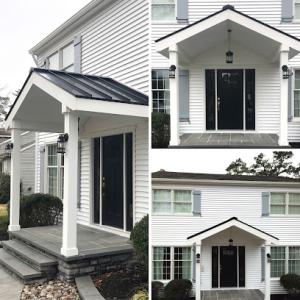
Cambridge Exteriors
(856) 988-3880 www.cambridgeexteriors.com
Serving
4.9 from 242 reviews
Cambridge Exteriors is a South Jersey roofing contractor that specializes in a variety of home improvement services, including energy-efficient windows, custom decks, home siding, and more! Our team aims to provide the best services in all of South Jersey using our expertise, knowledge, and skills we’ve acquired over the years. For us, it’s about more than just a transaction. We work hard to build lasting, trusting relationships with each of our clients and provide them with high-quality roofing and home improvement services for years to come. Contact Cambridge Exteriors today for your free estimate in South Jersey!
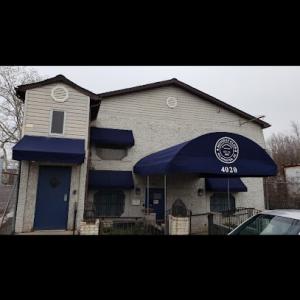
Elite Exteriors
(856) 446-3100 www.myelitexteriors.net
Serving
5.0 from 26 reviews
We are a top-rated, full-service national roofing company and your one-stop for all residential and commercial roofing needs, from complete roof installation, re-roofing, gutter installation to waterproofing and storm damage restoration.

Panda Exteriors
(856) 343-4146 pandaexteriors.com
Serving
4.9 from 397 reviews
When you need any kind of exterior renovation services handled, call the roofers at Panda Exteriors. We promise to provide the best quality of work you'll find in the area thanks to the many great qualities we bring to every job we undertake: 100% satisfaction guarantee Free job quotes online or over the phone Plenty of experience in the industry You shouldn't settle for anything less than the best when it comes to your roofing and exterior restoration needs. That's why you should always opt to leave that work in the hands of our experienced roofers. We offer great work at a price you simply can't beat. Give us a call today if you have any questions about our services and prices. We look forward to doing business with you.
Mallett Construction
(856) 312-3229 www.mallettroofingnj.com
Serving
5.0 from 44 reviews
At Mallett Construction, we believe that the roofing installation process should be seamless. We pride ourselves on our ability to make beautiful, durable, and easy-to-maintain roofs. We offer a wide range of styles, colors, and materials so you can find the one that suits your home’s needs best. Whether you choose an asphalt roof or cedar shake roof, we’ll get the job done right. Call us at (856) 312-3229 for a free estimate!
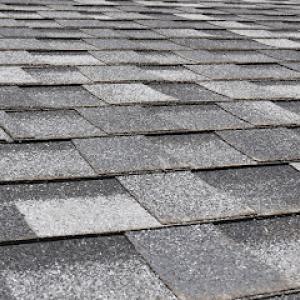
In Medford, asphalt shingles dominate the local roofing landscape, mirroring the area's large stock of detached suburban homes. This reality shapes repair compatibility and color matching as recurring concerns, especially after winter freeze-thaw cycles and storm events. When evaluating options after wind or hail damage, you'll notice the repair ecosystem is built around asphalt first, which helps keep repairs straightforward and color-consistent with existing roofs. For many homeowners, this familiarity translates to quicker approvals from insurers and easier matching of shingle batches and granule color on the replacement section.
Asphalt shingles remain the most common choice for typical Medford houses because they blend well with the neighborhood's rooflines and residences. In exposure to seasonal winds and leaf-dotted gutters, asphalt is forgiving for repairs: mismatched shingles from a different batch can still fare well if the color family is similar and the profile matches. When a storm reveals a leak, the first action is a careful inspection around flashing intersections, valleys, and vent boots-areas where wind-driven rain tends to exploit gaps. If damage is limited to shingles, a timely patch or replacement of affected sections often avoids broader roof work and keeps the roof looking cohesive. For storm documentation and insurance paperwork, maintain photos that show the exact area damaged, the shingle type, and any bird's-eye views of the roof to illustrate nail pattern and alignment with neighboring shingles.
Metal roofing is present but less common, and it appeals to homeowners who want a longer service life and better shedding of leaf debris in a heavily wooded setting. Metal systems excel at resisting wind uplift and reducing ponding issues on low-slope sections. In the event of hail impact or high-wind gusts, metal panels may show denting rather than cracking, which can influence insurance assessments and repair scope. If choosing metal, consider color and finish compatibility with the house's brick or siding and how panels will terminate at eaves and ridge lines to preserve a clean, weather-tight edge. Because metal is less widely installed, a smaller pool of specialists exists locally for precise flashing, seam sealing, and panel replacement, so plan any claim or repair with that reality in mind.
Clay tile, concrete tile, wood shakes, and synthetic products exist in the market but are niche locally. Homeowners who pursue these materials may face a smaller pool of specialists and more intricate repair work details, including flashing integration with hips and valleys and the need for weight considerations on existing framing. When storm events cause damage to these roof types, documenting exact tile or shake loss, color variation, and the condition of underlayment becomes essential for insurance claims. If a non-asphalt roof is in place, ensure the contractor can coordinate with the insurer on flashing details and any necessary underlayment or ventilation adjustments to meet the local performance expectations.
In all cases, the choice should align with the home's overall massing, the existing color palette, and the typical wear from South Jersey winters. The tighter the integration between roof and attic ventilation, underlayment, and flashing, the smoother the storm repair and the more predictable the insurance documentation will be.
In Medford, the repeated melt-refreeze cycles during cold winters put real stress on shingle tabs, exposed fasteners, sealant joints, and the roof decking over time. When water wicks into small gaps and then freezes, it expands and pries at seams, gradually loosening tabs and loosening the seal around valleys and flashings. Over several seasons, that hidden wear becomes visible as lifted tabs, hairline cracks along roof lines, or tiny drips that show up only after a storm. The effect is cumulative, so a roof that looked fine after fall can reveal vulnerabilities when the first winter thaw hits and again when another arctic bite arrives.
Ice and snowmelt are especially hard on eaves, flashing transitions, and lower roof edges where drainage slows after debris-heavy fall seasons. When meltwater runs along the edge and encounters clogged gutters, it can back up and refreeze at the eaves, forming ice dams. Those dams push water under shingles and behind flashing, creating hidden rot and staining that can take months to surface. Lower edges and transitions are also where metal flashings bend and joints hinge, making these areas prime spots for slow leaks that mirror back into attic spaces if attic ventilation is insufficient or if underlayment has seen age-related breakdown. Debris from autumn leaves and pine needles compounds the problem by slowing drainage and trapping moisture against the fascia and soffits.
Township inspections on reroofs specifically checking ventilation and underlayment matter in this climate because poor attic airflow can worsen winter moisture and ice-related roof stress. If attic spaces run hot or damp, you amplify condensation that migrates into rafters and decking. In Medford, a well-ventilated attic helps keep decking closer to ambient exterior temperatures, reducing the frequency of freeze-thaw stress on structural components. When airflow is insufficient, moisture can condense on underside of decking and around fasteners, accelerating rust on metal components and promoting wood rot in visible areas below. This is not just a comfort issue; it translates into faster deterioration and more frequent repairs after each severe winter event.
Know that the best defense is early recognition. Look for lifted tabs, hairline cracks in sealants, and staining near flashing transitions after storms. Pay special attention to eaves and lower roof edges after snowmelt, when debris-laden water slows and refreezes. Ensure attic ventilation paths remain clear of insulation blockages and that soffit vents are unobstructed so air can circulate and manage moisture. If you notice recurring staining, damp spots on decking, or ice dams forming regularly at eaves, plan a professional inspection to pinpoint whether flashing, underlayment, or decking needs targeted attention before the next freeze cycle.
When you're planning a full reroof, Medford Township generally requires a building permit. The process starts with submitting a complete set of plans to the township building department for review before any work begins. The plans should show flashing detail, underlayment type, ventilation strategy, roof pitches, and material selections. Submitting the documentation upfront helps prevent delays once the contractor is on site and keeps the project aligned with local safety and code requirements. Expect that the department will check for proper clearance around vents, chimneys, and skylights, as well as correct attachment methods for the chosen roof system.
After the new roof is installed, an inspection is conducted to verify flashing, underlayment, ventilation, and overall code compliance. Reroofing in this area is not treated as a no-paperwork job; the inspection is a critical step to ensure everything was installed to standard. Schedule the inspection promptly after installation so any noted corrections can be addressed quickly, keeping the project on track for any required occupancy or resale timelines. The inspector will look closely at how flashing integrates with walls and penetrations, confirm that underlayment remains properly layered, and verify that attic ventilation meets code requirements for long-term roof performance.
Inspection timing in Medford can shift with weather and department workload. Storms, high winds, or heavy rainfall can push inspections or delay plan reviews. Because of this variability, replacement scheduling tends to be more predictable in moderate, drier periods than during storm-heavy stretches. If a reroof is planned in late fall or early spring, you may encounter more predictable inspection windows and fewer weather-related hold-ups. In the weeks leading up to the permit submission, coordinate with the contractor to align your calendar with anticipated inspection dates and any potential weather buffers.
Begin by preparing a clear plan packet that includes flashing details, ventilation calculations, and underlayment specifications. Have your contractor review local permit checklists before submission to minimize back-and-forth. Once you have the permit, keep copies of all approval notices and inspection appointments accessible at the job site. After the inspection, address any noted deficiencies promptly and document corrective work for a smooth final clearance. This careful, paper-forward approach helps ensure the project proceeds without unexpected delays or rework.
Provided local pricing ranges run about $350 to $550 per square for asphalt shingles, $700 to $1100 for metal, $1000 to $1800 for clay tile, $900 to $1500 for concrete tile, $600 to $900 for wood shingles or shakes, and $450 to $800 for synthetic or composite shingles. Those are your baseline figures, not a guaranteed bid. When you're gathering quotes, use the same yardstick on all bids so you're comparing apples to apples-square-by-square coverage, underlayment, and disposal costs included.
In Medford, heavy tree cover can add labor time for tear-off, cleanup, and protecting landscaping. Expect longer ladder time, more debris haul, and extra tarping around shrubs and ornamental beds. If you're installing asphalt or synthetic shingles, plan for two to three extra crew hours per square for cleanup and edge protection in dense canopy. If you're replacing tile or metal in heavily wooded sections, costs can creep higher due to more meticulous debris control and roof-access rigging.
Storm-driven demand spikes can tighten scheduling and push pricing upward after severe weather. In practice, you may see lead times stretch and crews prioritized for emergency repairs first. Budget with a cushion if a storm event hits during your replacement window, especially for higher-end materials like clay or concrete tile where installation complexity already runs higher.
Homes with skylights, chimneys, and complex suburban rooflines common in the area can increase flashing labor and inspection sensitivity compared with simple gable roofs. Expect higher material waste, more precise underlayment placement, and additional flashing materials. A straightforward, well-ventilated roof with clean transitions tends to keep labor hours and inspection calls lower, helping stabilize cost.
Get a clear picture of your project costs upfront - no commitment required.
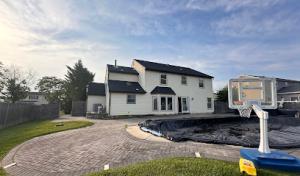
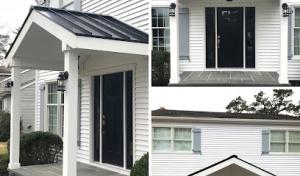
In this New Jersey market, insurers commonly want documentation tied to wind and hail exposure, and Medford homeowners should expect adjuster site visits after notable storm events. A storm with gusts rattling shingles or hail denting metal vents can trigger a claim review sooner than you think. The pine-forest setting and freeze-thaw cycles gear up damage in ways that aren't obvious from the ground, especially along ridge lines and around penetrations. When you hear that a storm was significant, prepare to welcome an adjuster with clear access to the roof and attic, and be ready to walk through the scene with them, pointing to any torn underlayment or lifted shingles.
Documentation that supports the claim is your strongest defense. Timestamped photos showing damage on the day of the event or soon after help establish a sequence. Interior photos of leaks, stained ceilings, and attic moisture evidence back up your report. Keep records of emergency tarping or temporary repairs, noting dates and what was done. In a storm-response environment, these items reduce back-and-forth and speed up the process, letting the insurer see the true extent of exposure from the wind and hail.
Because some carriers have tightened standards in higher-wind areas, homeowners here benefit from documenting roof age, prior repairs, and maintenance before a loss occurs. This baseline helps explain potential preexisting conditions and gives the adjuster context for any new damage. If a prior reseal or patch exists, have the details ready to show whether a failure relates to aging or the recent event. This local perspective can mean a clearer path from inspection to settlement.
Even though this market skews pitched-roof residential, local contractor signals show meaningful flat-roof demand, pointing to recurring issues on porch roofs, additions, garages, and low-slope transitions. These areas collect debris and pine needles, and the drainage path around edge details and scuppers is where trouble starts. In Medford, leak complaints on otherwise sound homes often trace back to these smaller low-slope zones rather than the main shingle field. Treat them as a separate system that needs its own attention.
Low-slope transitions around garages and additions are especially vulnerable during freeze-thaw cycles and windy spring storms. Debris buildup around edge details, scuppers, and parapet walls slows drainage, letting standing water sit against flashing and underlayment. Porch and entry-area roofs often have multiple penetrations-vent stacks, skylights, or gutter intersections-that provide ready paths for moisture if flashing is not fully integrated. Wood framing in these zones can swell and shrink with moisture, stressing fasteners and seams.
Schedule fall and spring checks on all low-slope sections. Clear pine needles, leaves, and debris from around scuppers and edge details before rainier months arrive. Inspect flashing at corners, transitions to the main roof, and along any parapets for loose seams or pulled nails. Confirm underlayment coverage remains continuous behind vertical faces and around penetrations. Run a water test on flat portions after major storms or heavy debris removal: slowly direct water along seams and note any seepage into the interior or around penetrations.
If flashing shows signs of wrinkling, lifting, or corrosion, address it promptly with proper sealant and compatible flashing materials. Seams and transitions that show hairline leaks or surface blistering deserve careful reseaming and re-flashing. When replacements are needed, consider the long-term performance of low-slope systems exposed to seasonal debris and pine litter, and plan for improved edge details, better scuppers, and reinforced underlayment to reduce recurrence. In many cases, targeted upgrades to these sections deliver the most durable leak resistance in this climate.
Find specialists in TPO, EPDM, and built-up flat roofing systems for residential and commercial properties.
In town, flashing transitions around skylights and chimney bases are a frequent service call. Local contractors report that these areas wear out faster than open roof fields due to movement from temperature swings and wind-driven rain. If you notice lifted shingles at a skylight curb or gaps where the chimney leg meets the roof, treat it as a potential leak path rather than a cosmetic flaw. A timely review of flashing, underlayment, and the condition of the curb can save you from sudden interior damage during a late spring storm.
In a climate with hot summers, cold winters, and frequent precipitation, movement at skylight curbs and chimney intersections can expose weaknesses faster than open roof field areas. That means a small dab of flashing may not hold if the surrounding shingles have begun to curl or the counter-flashing has degraded.
Tree debris common in Medford can trap moisture uphill of skylights and chimneys, making these penetrations more likely to leak if flashing details are aging.
Keep an eye on the apron and curb condition after storms, and clean nearby gutters so debris does not back up against flashing. If you see staining, bubbling, or moisture spots inside the attic near the ridge, investigate promptly.
Seasonal checks beat waiting for a leak. Schedule a mid-season inspection focused on skylight trims, chimney caps, and the transitions where metal meets shingles. A neighbor would note that movement is predictable; the goal is to keep the flashing snug, the sealant intact, and the underlayment dry behind the scenes. If a flashing step or the corner bead shows rust or grout-like sealing, plan a repair before a storm exposes the weakness today. Keep photos of flashing, curb, and chimney joints.
Find contractors experienced in skylight installation, flashing, and leak repairs to bring natural light into your home.
In Medford, a meaningful share of local contractors promote warranties and manufacturer certifications, making workmanship backing and installation standards a practical differentiator in this market. When evaluating bids, look for clear terms that cover both labor and material defects for a defined period, plus details on what triggers coverage. Reputable firms often align with manufacturer certification programs that require specific installation practices, ensuring the roof system performs as designed under freezing winters, wind-driven storms, and pine debris exposure. The presence of a robust warranty signals a contractor's confidence in their crews and an ability to stand behind work years after a storm event.
Choose installers who can demonstrate current manufacturer certifications for the roof type you're considering, whether asphalt shingles, metal, or tiles. Certifications typically reflect adherence to nailing patterns, underlayment choices, flashing details, and ventilation considerations that are checked during Medford's full reroof permit process. Verifying these credentials up front reduces the chance of gaps between what was promised and what is delivered, particularly after a high-wind or hail event where imperfect installation becomes visible quickly.
Cleanup is a non-negotiable expectation among Medford homeowners, especially on wooded lots where nails, tear-off debris, and granules can disappear into mulch, gravel, and leaf litter. A reliable contractor should guarantee thorough debris removal, including a final inspection of the yard, driveway, and landscaping for stray nails and fasteners. Ask for a written promise that tear-off debris will be picked up with a magnetic sweep and that all nails and fasteners will be removed from buried areas, mulch beds, and gravel paths. If you have pet fencing or garden beds, request a dedicated cleanup check to avoid post-project hazards.
Local homeowners value firms with quick response times and a long-established presence, as these traits translate into reliable storm follow-up and easy warranty follow-through. Confirm response windows after a storm, and discuss how warranty claims are handled, including whether the contractor will coordinate with the manufacturer for product replacements or re-installation if issues arise. A contractor with a history of returning for warranty follow-up offers reassurance that the investment will be supported long after the initial installation.
Solar roofing is present in Medford's contractor market but remains a smaller specialty than storm repair or standard reroofing. Homeowners in this area often see solar as a long-term payoff rather than a quick retrofit, so the decision benefits from aligning with existing roof cycles. When a roof is already due for replacement due to wear, hail, or wind damage, adding solar can be a practical way to minimize disruption and keep flashing, underlayment, and ventilation coordinated in one project.
For homeowners considering solar, roof timing matters because replacing roofing after panel installation is more disruptive and expensive than coordinating both scopes together. If panels are planned within a few years, discuss a combined scope with the contractor early. A single reroof with a properly integrated mounting plan reduces crew traffic on the roof, limits multiple penetrations, and helps ensure that roof-to-system connections stay watertight through Medford's freeze-thaw cycles and wind-driven events.
Tree cover common in Medford neighborhoods makes roof orientation and shading more important here than in less wooded suburban markets. The increasingly common pine canopy can affect solar yield, so you should map sun exposure from dawn to dusk on different roof facets. In practice, this means prioritizing unshaded slopes, evaluating potential pruning or selective tree work with care, and choosing panel layouts that maximize energy capture without compromising ventilation and flashing transitions. A knowledgeable installer can provide shading analysis and suggest mounting strategies that fit the home's roofline, ensuring durability amid seasonal wind gusts and occasional hail.
A solar-ready roof in this area emphasizes compatibility with the roof's ventilation, underlayment, and flashing details. Expect the retrofitting to respect chimney and vent layouts, as well as any valley configurations vulnerable to ice damming in cold snaps. The most reliable setups achieve a seamless integration where the roof's integrity and the solar system's performance reinforce each other rather than contend for space.
Find contractors who integrate solar panels or solar shingles into your roof for long-term energy savings.