
Last updated: Apr 19, 2026
The cold winters and repeated freeze-thaw cycles put extra stress on shingle tabs, flashing joints, and roof penetrations. In a neighborhood built on older Monmouth County stock, those small flexing moments add up, especially where shingles meet valleys, chimneys, and vent pipes. The result is unexpected hairline cracks and loosened tabs that can silently worsen with each freeze. The same stress shows up at the flashing around skylights and roof-to-wall transitions, where moisture can creep in even when the outside temperature swings back to a milder range. It's not just about a single frost; it's about cumulative damage that weakens the roof's first line of defense and invites hidden leaks that only reveal themselves after a spring rain.
In Matawan, the warm, moderately humid summers mean roofs that survive winter damage can still develop moisture-related attic and ventilation problems by mid-year. Condensation can form on the underside of boards and underlayment when attic temperatures rise, especially if ventilation is marginal or undersized for the attic footprint. That moisture trapped in the insulation and decking accelerates deterioration, promoting rot and mold growth that compromise structural integrity. If attic intake and exhaust don't balance, damp air sits over the living spaces, amplifying the risk of interior staining and odors by late spring.
Because Matawan sees regular precipitation across seasons, small winter failures often turn into active interior leaks during spring rain before homeowners realize the roof system has been compromised. Look for these indicators: tight, damp air in the attic with a musty smell; mildew or staining on ceiling sheets near attic access or vents; soft or spongy decking when you walk the attic; and attic insulation that feels damp after a rainstorm. Exterior cues include loose or cupped shingle tabs, gaps at flashing seams, corrosion around metal flashings, and small ice dams at eaves that don't clear promptly. If you notice any of these, don't wait for a dramatic leak to appear-gaps and moisture can spread quickly in this climate.
First, protect interior spaces by placing a bucket under any active drip and moving valuables away from the leak path. Then locate the source from the attic to determine whether moisture traces back to shingles, flashing joints, or roof penetrations. If you can access the attic safely, inspect for damp insulation or water streaks along decking and near vents. Schedule a quick professional evaluation before the next storm; an inspector will check underlayment condition, nail security, and ventilation adequacy, and they'll test for hidden moisture behind walls if necessary. Quick temporary measures-clearing debris from gutters, removing snow buildup near eaves, and resealing obvious flashing joints-can slow progression while awaiting a full assessment.
A Matawan roof benefits from vigilant underlayment protection and solid ventilation design that accommodates seasonal moisture swings. Ensure flashing joints are continuous and properly sealed, and that roof penetrations are flashed with corrosion-resistant materials and backed by compatible sealants. Attic ventilation should reflect the roof area and insulation level, preventing warm, moist air from meeting cold decking. Consider reinforcing vulnerable tabs and valleys with appropriate sealants or mesh reinforcements where freeze-thaw cycles repeatedly stress the surface. A well-ventilated, properly underlaymented system minimizes the risk of moisture migrating into the attic and interior spaces, keeping the home drier through spring rain and beyond.
Spring storms and fall wind events in this area disrupt exposed roof edges faster than other seasons. Shingle lift and edge damage can worsen with every gust, and debris tracking can trigger leaks even before a full replacement project is completed. Action is required as soon as weather passes: inspect visibly exposed areas, note any loose shingles, granule loss, or fascia damage, and prepare to document findings for your insurance claim. Delays in reporting can give the impression that damage was limited to routine wear rather than storm-induced harm, complicating settlement discussions.
Insurance carriers typically cover wind and hail damage, but the timeline and the clarity of your documentation matter a lot. In this region, carriers may question whether damage was pre-existing wear on an older roof, so you need clear, time-stamped photos. Focus on edges, valleys, and any dented or torn flashing. Take wide shots for context and close-ups of affected areas. Keep a dated log noting when each photo was taken and what it shows. If possible, photograph nearby landmarks to prove the storm window. Prompt, thorough documentation can accelerate the claim and reduce back-and-forth with adjusters.
During major regional storms in Monmouth County, insurers may require verify-a-replacement documentation from the contractor before final settlement. That means the contractor's records-shingle color and type, underlayment exposure, nail pattern, and the extent of damage admitted for replacement-need to align with what the homeowner captured. Expect questions about ventilation and prior roof conditions, and ensure the contractor provides a detailed scope that corresponds to the photos you filed with the claim. Having this documentation ready can shorten the window between claim submission and payout, which is critical when weather events are fresh and scheduling is tight.
Coordinate with your contractor to prepare a post-storm inspection checklist that mirrors typical adjuster questions: visible wind damage, hail impact patterns, lifted shingles, and damaged edge detailing. Schedule a pre-replacement inspection quickly to establish a baseline, then document any new or worsened damage after the storm. If debris from a recent event remains on or around gutters, vales, or soffits, remove it safely to prevent further moisture intrusion before the roof work begins. Keep contractor and insurer contact information handy and confirm preferred methods for submitting photos and notes.
Expect the claim to move in stages: initial report, adjuster evaluation, and then a completed replacement with final settlement paperwork. The timing of each step depends on the severity of the storm and the volume of claims in the area. Having consistent, verifiable contractor documentation alongside your own photo records helps ensure the process stays on track and reduces the likelihood of disputes about whether this was storm damage versus existing wear. Stay vigilant during the interim period and maintain open lines of communication with both your insurer and your roofing professional to minimize exposure to further damage.
Find local contractors experienced in assessing and restoring roofs after hail, wind, and severe weather events.
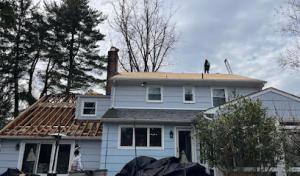
RD Roof repair & Replacement
(732) 242-1530 rdroofrepairandreplacement.us
Serving
5.0 from 29 reviews
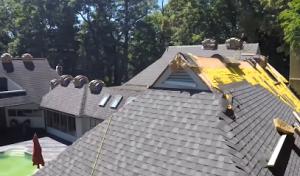

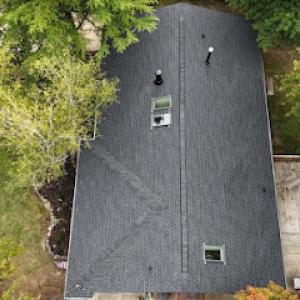
US Roofing Siding
(732) 772-5956 usroofingsidinginc.com
159 Main St Suite B, Matawan, New Jersey
5.0 from 69 reviews
At US Roofing & Siding, we proudly serve Matawan, NJ, and the surrounding areas as a trusted roofing contractor and siding contractor. Our skilled team specializes in delivering high-quality roofing, siding, and gutter solutions tailored to protect and enhance your home. Whether you need a reliable roofer for repairs or a complete exterior upgrade, we are committed to providing exceptional craftsmanship and service. Trust US Roofing & Siding to safeguard your property with durable, lasting results you can count on.
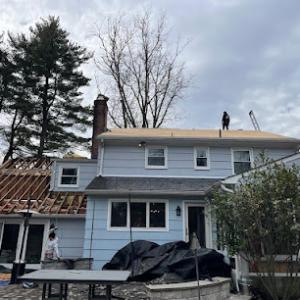
RD Roof repair & Replacement
(732) 242-1530 rdroofrepairandreplacement.us
Serving
5.0 from 29 reviews
Our goal at RD Roof Repair and Replacement is to transform New Jersey houses into dream homes. With an emphasis on roof repair, roof inspection, roof replacement, and roof installation, our team of experts brings unparalleled expertise and dedication to every project. We prioritize quality, reliability, and customer satisfaction from start to finish, ensuring that every renovation goes above and beyond.
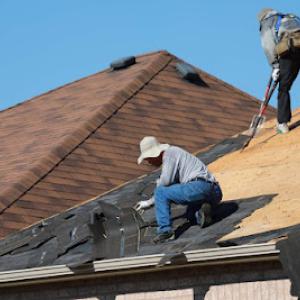
Fimi Roofing & Siding
(908) 484-9670 fimiroofingandsiding.com
Serving
5.0 from 73 reviews
A top notch roofing service that is over 20 years in the business is one phone call away. Reach Fimi Roofing and Siding and we will exceed your expectations.

Gsr & Sm
(732) 808-3838 gardenstateroofers.com
Serving
5.0 from 30 reviews
Since 1988, we have combined craftsmanship and technology to deliver reliable commercial and residential roofing across New Jersey. With 35+ years of excellence, we’re committed to quality, service, and lasting protection for every client.
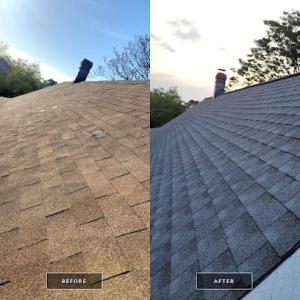
Villas Group Roofing
(732) 857-1687 villasgrouproofing.com
Serving
5.0 from 35 reviews
We are a family owned business offering our roofing, siding & gutter services through New Jersey & Pennsylvania. We value each community that we service & take pride in providing top-notch service in each interaction and project. When you choose Villas Group Roofing you are receiving a personalized experience with a dedicated team. We focus on our core values of Excellence, Trust & Honesty starting from the nucleus of our business and encompassing everywhere we go! We are fully licensed, bonded & insured to provide you with added protection & peace of mind.

Executive Roofing Systems
(732) 972-3770 www.executiveroof.com
Serving
4.6 from 65 reviews
Executive Roofing is a trusted commercial roofing advisor empowering building owners & property managers with tailored roofing solutions that protect their most valuable assets. We provide informed guidance, responsive communication, and an unwavering commitment to quality & integrity. Family owned & operated for over 35 years, we have built long term relationships by consistently exceeding expectations. Our team is certified by leading roofing manufacturers & brings proven expertise to every project. Services include repairs, maintenance, installations, roof replacements, detailed inspections, and 24 hour emergency response. We partner with our clients from assessment through completion, delivering safe, reliable, and long term solutions.

Roof Maxx of Marlboro, NJ
Serving
4.9 from 114 reviews
Roof Maxx of Marlboro, NJ, offers an affordable, eco-friendly alternative to traditional roof replacement. Our plant-based formula restores the flexibility of your asphalt shingles, extending the life of your roof by up to 15 years with three simple treatments. Save thousands, avoid the mess of a full replacement, and reduce landfill waste. Proudly serving Marlboro and surrounding areas, we provide free inspections and estimates. Contact our team for a free inspection and estimate today!
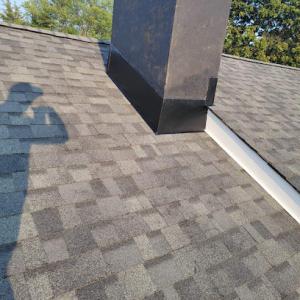
GenSun Roofing South Jersey
(732) 800-5109 gensunroofingnj.com
Serving
5.0 from 16 reviews
Professional Residential Roof replacements and Free Roof Estimates/Roof Visuals. GenSun Roofing has been servicing Northern New Jersey for many years. Our Virtual Roof Estimate and Roof Visual process will allow you to see your roof as if we completed it. Getting an estimate is convenient, easy, no sales pressure and done remotely. Obtaining a quality new roof has never been easier. Simply go to our site, choose your colors and choose a convenient 20 minute virtual appointment time with one of our qualified roof specialist residential roof specialist. We are much different than other roofing companies. We will not spend 2 hours at your home with a high pressured sales presentation and then try to slam an estimate. Our process is easy
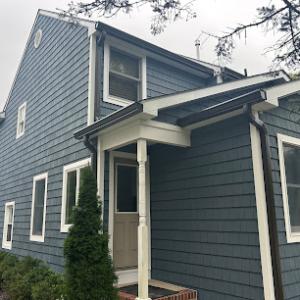
Garden State Roofing
(732) 787-5545 www.gsroofingnj.com
Serving
4.6 from 63 reviews
Garden State Roofing & Siding works with all types of roofing systems in the state of New Jersey. We provide service for new construction, tear-offs, re-roofing, TPO, and EPDM commercial roofing systems. At Garden State Roofing & Siding, we pride ourselves on our commitment to quality, and that's why we are GAF Master Elite Roofing certified. Our team of experienced and certified technicians can easily tackle any roofing project, ensuring you receive top-notch workmanship every time. Our experienced team also offers siding, gutters, windows, and more.
Roof Works
(732) 543-7813 www.roofworksnj.com
Serving
5.0 from 104 reviews
At Roof Works, we firmly believe that you deserve nothing short of the best! Specializing in both residential and commercial shingle roof replacements, roof repairs, gutter installations, and siding installations, we're committed to addressing your key needs. Our commitment to providing top-notch service is reflected in our pursuit of excellence. As a testament to our dedication, we proudly hold certifications with both GAF and Owens Corning. When you choose Roof Works, you're choosing quality without compromise. Our focus on delivering a flawless roof installation every single time is our promise to you. It's this promise that sets us apart and affords you the peace of mind you deserve.
Rhino Roofing NJ
(908) 415-3160 rhinoroofingnj.com
Serving
4.9 from 114 reviews
Having been in business for over 30 years, we pride ourselves on a commitment to customer satisfaction and competitive pricing. We install and repair a variety of different roofs—asphalt, metal, fluid applied acrylic and more. We back every project with the industries longest included labor warranty of 10 years. Contact us today to learn about your roofing options and to schedule your free, no obligation estimate.
Green Apple Roofing
(732) 504-3035 www.greenappleroofing.com
Serving
5.0 from 30 reviews
Green Apple Roofing specializes in high-quality roofing solutions for your home. Based in Marlboro, NJ, we offer roof repairs, installations, and inspections tailored to your needs. Our experienced team is dedicated to providing top-notch service and customer satisfaction. Contact us today for a free estimate and ensure your roof is in safe hands!
Asphalt shingles remain the dominant practical choice for Matawan homes because they strike a sensible balance between initial cost and repairability after winter movement and seasonal storm exposure. In older Monmouth County stock, roofs have already endured freeze-thaw cycles, so choose a high-quality nailing pattern and a reinforced underlayment to reduce the risk of wind-driven leaks. When a shingle roof is installed or replaced, insist on proper attic ventilation and a sturdy, continuous synthetic underlayment. This setup helps manage moisture from snow melt and prevents ice dam formation along eaves, which is a common trouble spot on sheeted roofs with long winters.
Metal roofing is relevant in this market but must be evaluated for noise expectations, snow shedding behavior, and detailing quality in a town where freeze-thaw cycling can expose installation mistakes quickly. In Matawan, metal can perform well on roofs with moderate slopes and well-sealed seams, but sound can be noticeable in storms or heavy rain if attic insulation is lacking. If considering metal, discuss panel overlaps, fastener closures, and the quality of flashings around chimneys, exhausts, and dormers. A careful assessment of roof-to-wall transitions and the gutter system is essential to prevent water backup during heavy Nor'easters.
Clay tile, slate, fiber cement shingles, and synthetic slate appear in the local material mix, but their weight, accessory detailing, and repair complexity matter more on older Monmouth County homes than on new-build subdivisions. For existing structures, verify roof framing can handle the additional load and ensure that openings for skylights or vents are reinforced. Accessory detailing-such as ridge pieces, vent boots, and step flashing-must be precise to avoid leaks where the roof meets walls or chimneys. On older homes, repairs can ripple into interior finishes; plan for careful matching of color and profile to maintain the roof's overall integrity and curb appeal.
Whatever material you choose, emphasize full coverage underlayment, properly spaced nails, and a well-ventilated attic to reduce condensation and ice dam risk. In Matawan's climate, roofs should be evaluated after the heaviest winter periods and before spring rains, prioritizing sealing around penetrations and ensuring gutters are clear. The goal is to maintain a continuous barrier against moisture while allowing the roof space to dry out between freeze-thaw events.
Local replacement pricing is shaped by the region's robust re-roofing demand, especially after storm periods when scheduling pressure can tighten labor availability across Monmouth County. In Matawan, that translates to shorter windows for crews and occasionally higher quoted timelines and cancellations, even for solid bids. If a storm has just rolled through the Jersey Shore or inland pockets, expect bids to creep up by a notch or two as crews stretch to fit in urgent work. This isn't just a convenience issue-it can affect your project's material ordering, delivery lead times, and the pace at which a full replacement can proceed.
Material choice ranges locally from asphalt shingles at 350 to 650 USD per square up to slate at 1400 to 2200 USD per square, with metal, fiber cement, clay tile, and synthetic slate falling between those bands. That spread matters a lot in older Matawan homes where a simple shingle swap may not cover the underlying needs. If the house has higher exposure to freeze-thaw cycles, you'll often find the most economical route involves upgrading to a more durable underlayment and a sturdier ventilated decking system, which shifts the overall cost beyond the sticker price of the chosen shingles.
Costs in Matawan can rise on older homes that need decking repairs, upgraded ventilation, or flashing corrections to pass municipal inspection on full replacements. Old decking often shows rot or weakness after decades of freeze-thaw cycling, and failing to address it can lead to leaks despite a brand-new surface. Proper ventilation becomes a must in full replacements to avoid moisture buildup and heat-related distress in attic spaces, especially with modern shingle choices that demand adequate airflow. Flashing corrections are another frequent driver: if valleys, chimney terminations, or step flashing show corrosion or improper sealing, you'll be looking at additional labor and materials to restore rain-tight integrity.
When budgeting, start with the lower end of asphalt options if your structure's ventilation and decking are sound, but be prepared to step up into fiber cement, metal, or synthetic slate if older decking needs repair or you're aiming for better long-term performance. Given the local demand dynamics, build a cushion for scheduling windows and potential small amendments once work begins-particularly after storms, when crews' calendars fill quickly and material deliveries can lag.
Get a clear picture of your project costs upfront - no commitment required.

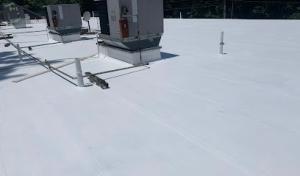
In Matawan and the broader Monmouth County area, a full roof replacement typically requires a building permit rather than being treated as simple maintenance. This reflects the local emphasis on ensuring ventilation, underlayment, and structural integrity are addressed properly during a full tear-off. The permit process helps confirm that the project meets current codes and is inspected at critical stages. If a contractor proposes anything less than a full tear-off, expect stronger scrutiny or a formal justification, since full replacements are the common path for older homes facing freeze-thaw wear.
The roofing contractor usually handles the administrative side by filing with the municipal Building Department before any work begins. This is the standard local workflow that homeowners should expect. Once the permit is approved, the permit notice should be posted at the job site, and progress must align with the approved scope. In practice, this means your roofer will coordinate timelines, material selections, and any required inspections with the Building Department, keeping you informed of milestone dates.
Inspections in this area commonly occur at rough-in and final stages. Review focuses are practical and indoors: ventilation placement and R-value, proper underlayment choices and installation, and precise nailing patterns to secure the roof deck. The finished appearance matters, but the inspectors in Matawan prioritize whether the roof system will resist freeze-thaw cycles and wind uplift, and whether the deck remains sealed and stable. Don't expect a single "once-over" check; prepare for at least two distinct inspection points that verify the roof will perform over time.
Before tearing off, confirm that the Building Department's permit is current and that the project scope aligns with what the inspector will expect in the field. Have ventilation details, underlayment type, and nail patterns documented or readily accessible for review. Coordinate with your contractor to ensure a clear sequence: scaffold or ladder setup, removal of old materials, deck inspection if needed, installation of underlayment, and then the roof covering. Any changes to the plan after permit issuance may require amendments and additional inspections, so keep all communications in writing and aligned with the approved drawings.
For Matawan homeowners, the key insurance issue is separating sudden wind or hail damage from long-term deterioration on aging roofs, since carriers often scrutinize condition before approving full replacement. A roof showing crisp wind-blown granules next to curling shingles might be treated differently than evenly frayed edges from decades of freeze-thaw cycles. The line between an event and aging wear can hinge on documentation and timing, especially on roofs that have already weathered several harsh winters.
Timely reporting matters in New Jersey storm claims, especially when repeated rain after the initial event can blur the line between covered damage and delayed maintenance. If a second round of moisture finds weaknesses that formed after the first event, insurers may question whether the problem is continuous wear or a new event. Staying within the claim window and avoiding gaps in documentation helps keep the claim straightforward instead of contested.
Claim files are stronger when homeowners keep date-stamped photos, interior leak records, and contractor inspection notes tied to the specific storm event affecting the property. Photos taken soon after a storm, notes about where water appeared, and a professional assessment that references the storm date can make a crucial difference. In Matawan's climate, where freeze-thaw cycles stress roofing joints, this level of detail supports a clearer narrative for any insurer reviewing a claim.
Connect with contractors who help homeowners navigate the claims process from damage assessment to final approval.
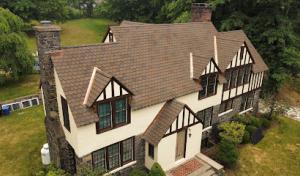

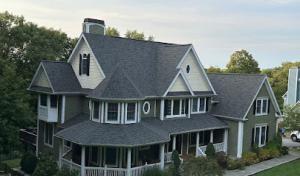
In these older Monmouth County homes, freeze-thaw stress concentrates around flashing where skylights, chimneys, and the roof meets walls. The local contractor market shows meaningful demand for skylight and chimney-related roof work, indicating that penetration and transition details are a recurring homeowner concern in Matawan. When moisture finds its way through tight corners and aged flashing, seepage can travel along mastics, mineral-surface underlayment seams, or mortar joints before showing up inside.
The most common leaks originate at skylight curb flashing, chimney cricket connections, and roof-wall intersections. Freeze-thaw cycles push and pull at flashing counter-flashes, causing fastener loosening or membrane separation. On older homes, masonry around chimneys and party walls can spall, leaving gaps that trap and direct water toward the interior. Leaks may appear far from the actual entry point because water travels along battens, furring strips, or behind vent penetrations before dripping into living spaces.
Start with a dry, daylight inspection from the attic during a rain-free day, looking for light peeking through nail holes or gaps in flashing. In the attic, track any signs of staining, mold, or damp insulation around skylight frames and along chimney crickets. Move to the roof and examine the skylight curb for loose or missing fasteners, compromised sealant, or displaced flashing; check chimney flashing for lift at the base and around step flashings. At roof-wall intersections, scrutinize the transition where shingles meet siding or brick veneer, paying attention to mortar joints and any deteriorated sealant. Remember that moisture can travel from masonry or flashing defects before appearing inside, so don't ignore distant stains.
If a leak trace points to flashing, prioritize resealing with compatible sealant and replacing damaged counter-flashing before re-nailing the curb. For skylights, ensure the curb flashing is integrated with the surrounding roof field and that fasteners are secure without over-torquing. Chimneys benefit from properly layered step flashing, a chimney cricket if needed, and a continuous drip edge to shed water away from vulnerable joints. In older homes, plan for a careful, phased fix that honors surrounding roofing material and avoids creating new transition weaknesses.
Find contractors experienced in skylight installation, flashing, and leak repairs to bring natural light into your home.
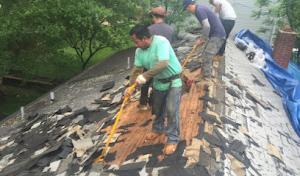
Winter conditions in this area can push tear-offs into the slow lane. Snow accumulation and freezing temperatures create slip hazards for crews and can force temporary occupancy or access restrictions in yards and driveways. If a full roof replacement is planned, anticipate weather-day cancellations and plan around periods when the forecast shows sustained above-freezing mornings and dry days. Clearing the job site of snow and keeping walkways safe becomes part of the schedule, so expect several short windows rather than one long push.
Spring brings higher rain interruption risk, so replacement schedules need tighter weather windows than in drier regions. Rains can saturate underlayment and extend drying times, while fluctuating temperatures can affect shingle set and fastener behavior. Aim for a window with multiple dry days in a row and avoid early-season ground saturation that slows access for staging materials. Coordination with crews on start times and safe deck conditions helps keep the project on track despite the fickle spring pattern.
Summer heat and humidity can affect adhesive performance and nailing practices. Asphalt shingle installations, in particular, benefit from moderate temperatures for proper sealant activation, while metal or synthetic products may expand with heat and require precise edge alignment. Schedule for mornings or cooler stretches of the day, and prepare for potential afternoon heat delays. Protect decking and felt from sun exposure during long waits to preserve wind-driven edge control and prevent premature drying of sealants.
Fall wind and debris can complicate edge exposure during active replacement projects. Leaves, acorns, and branches can clog gutters and roof valleys, slowing progress and increasing the risk of debris in the temporary edge protection. Plan shorter, more frequent work sessions during peak leaf fall, and coordinate edge coverage to minimize exposure to gusts that loosen starter courses or disrupt underlayment lines.
When you hire a roofer in Matawan, you are choosing within a market that heavily favors re-roofing specialists rather than strictly new-construction crews. The borough's older Monmouth County housing stock, combined with regular freeze-thaw cycles, rewards firms that have deep experience with full roof replacements, proper ventilation, reliable underlayment, and careful nail patterns. A replacement-focused contractor brings the tested methods needed to keep leaks from developing after a harsh winter or rapid thaw. The goal is a roof that stands up to seasonal stress while protecting living spaces below.
Look for a firm whose portfolio includes complete replacements on homes similar in age and style to yours. Ask about their approach to attic ventilation, underlayment choice, and nailing schedules, since these details directly affect long-term performance in this climate. A strong candidate will provide a clear plan for protecting interior spaces during the project, coordinating with any existing insulation work, and ensuring reliable drainage and sealant transitions around chimneys and vents. Expect thorough warranties that cover both materials and workmanship, reflective of Matawan's seasonal demands.
In this market, affordable pricing, quick response times, and thorough cleanup are especially prominent priorities in reviews and listings. Homeowners value crews that show up on time, minimize disruption, and leave the property tidy at the end of each day. Communication matters: you want updates on progress, any weather-related scheduling changes, and transparent explanations if adjustments to materials or methods are needed to address older roof lines.
Visible, family-owned, residential-focused contractors have a strong local footprint, and that matters when permit handling and post-installation follow-through are part of the service. A contractor with a steady local team is more likely to manage inspections, address warranty concerns promptly, and return for essential follow-up work if a leak or vent issue appears after installation. This continuity can be a valuable part of peace of mind on a Matawan roof replacement.
Ask for local references from homes of similar age and construction, and verify that crews are familiar with the typical details of older roofs in this area. Confirm the contractor's process for protecting landscaping, drainage, and interior spaces, and request a written, itemized project plan with milestones. A reliable firm in this market will offer clear timelines, dependable communication, and a demonstrated commitment to leaving the site safe and clean after each day's work.