
Last updated: Apr 19, 2026
South Amboy sits on Raritan Bay, so roofs are exposed to coastal wind-driven rain and salt-laden air that can age flashing, fasteners, and exposed metal parts faster than inland Middlesex County locations. That salt edge-carried by gusts off the water-gradually corrodes metal components, accelerates rust on flashing, and dulls protective coatings. In practical terms, think of every seam, vent, and nail line as a potential starting point for intrusion if not checked and maintained with special attention to corrosion-prone areas.
Nor'easters affecting the Raritan Bay shoreline can combine heavy rain with strong winds, making edge details, ridge caps, and older shingle roofs especially vulnerable in this city. Edge detail failures often show up first as curling shingles, lifted drip edges, or loose soffit and fascia panels. Ridge caps can loosen or crack under sustained gusts, letting moisture creep down under the shingles. Older roofs with aging sealants struggle to hold against driving spray and wind-driven spray, so small gaps become real leaks after a storm. The combination of wind pressure and wet conditions means you should treat any flutter, creaking, or waiting-to-buckle edge as a warning rather than a nuisance.
Because South Amboy has both waterfront exposure and cold winters, roof systems here face a repeated cycle of storm soaking followed by freezing conditions that can widen small defects into active leaks. Freeze-thaw cycles push water into tiny cracks around flashing, nails, and roof penetrations. When it freezes, that water expands, prying components apart and creating larger gaps. After the thaw, more water can seep in, feeding a cycle of moisture and material fatigue. This repeated stress is especially hard on asphalt shingles with exposed edges, older metal flashings, and any roof details that were not sealed with high-performance coastal-grade sealants.
Edge details require immediate attention after storms. The most critical vulnerabilities in this city show up at drip edges, fascia boards, and soffits where salt spray and driving rain can loosen fasteners and degrade coatings. Check for peeled sealant around vent boots and around skylights, then test for tightness by gently pressing along the roof edge and cap shingles. If any section lifts, bulges, or shows wrinkling, consider proactive resealing or flashing replacement, focusing first on the most exposed sides where wind pressure is strongest.
A practical inspection mindset helps you stay ahead. After every major coastal blow or Nor'easter, walk the roof with dry, clear conditions in mind. Look for granule loss on shingles, rust around metal components, and any discoloration that might signal moisture intrusion. Inside, monitor ceilings near exterior walls and along interior corners for any damp spots or musty smells after rain events. If you notice recurring damp patches, treat it as a leak signal-don't wait for a full-on drip. In this city, a quick proactive fix can save extensive damage later.
Seasonal readiness is about prioritizing coastal-specific wear. Schedule routine checks of flashing at valleys, chimneys, and roof penetrations, and replace corroded or loose fasteners promptly. Prioritize renovations or upgrades to edge details and ridge lines with coastal-grade materials that resist salt corrosion and wind uplift. When storms forecast, ensure sheltered access to the roof for a cautious, targeted inspection of the most exposed sections, and address any small issues before they escalate into active leaks.
Across the waterfront stretch near the Raritan Bay, you'll notice that salt air and frequent nor'easters shape every roof decision. Summers bring heat and humidity, winters bring freeze-thaw cycles, and the combination shortens the life of lower-grade products fastest where the balance of sun, salt, and moisture hits most. In this market, storm readiness isn't optional-it's a daily planning factor. Your roof needs to stand up to spray from the bay, salt-laden winds, and the occasional impact from blowing debris after a storm. That means material choices and fastener systems should be chosen with long-term durability in mind, not just initial cost.
Asphalt shingles remain common locally because they fit the area's re-roofing-heavy market, but coastal humidity, summer heat, and winter freeze-thaw cycles can shorten the service life of lower-grade products. If you're installing new shingles, look for higher granule density and good sealant quality to resist salt spray and wind uplift. In this climate, upgrading to mid-grade or better asphalt with a robust underlayment can pay off over time.
Metal roofing can perform well near the bay when corrosion-resistant components are used, but South Amboy's salt exposure makes the quality of fasteners, trim, and coatings more important than in inland towns. Choose stainless or painted (and corrosion-resistant) aluminum or galvalized steel with factory-applied sealants. Confirm that the trim and flashing are rated for coastal environments, and ensure coatings are designed to resist salt creep and humidity. If you opt for metal, you'll want a well-planned edge detailing to prevent leaks at eaves and penetrations.
Clay tile, concrete tile, synthetic/composite, and slate are all relevant in this market, but their weight, fastening method, and repair complexity matter more on older South Amboy homes where the existing structure may need evaluation before replacement. Clay and concrete tiles are durable but heavy; ensure the structure can handle the load, including a possible reframe or new support if the old system is undersized. Synthetic/composite options reduce weight while offering good weather resistance, but confirm compatibility with coastal wind loads and local maintenance realities. Slate is long-lasting but very heavy and requires precise fastening; on older interiors, retrofits may involve more extensive structural work.
Coastal conditions demand fasteners that resist corrosion and coatings that hold up under salt spray. If you're re-roofing, specify stainless steel or coated fasteners with a warranty that explicitly covers seaside exposure. Flashings should be continuous, with sealants rated for salt-rich environments, and periodically inspected-ideally twice a year around spring and after major storms. Regular maintenance should target wind-lift-prone edges, chimney and vent penetrations, and any existing signs of corrosion or delamination. In practice, you'll want a plan for seasonal inspections and quick repairs to protect against moisture intrusion during nor'easters.
South Amboy's winter rhythm means attic heat loss melts rooftop snow at the eaves, and the melt refreezes along the roof edge. That ice dam build-up can push against shingles, gutters, and fascia, inviting leaks into attic corners and ceiling lines. The salty coastal air compounds the problem by making metal and flashing more brittle over time, so what starts as a small ice dam can become a larger moisture intrusion issue after successive freeze-thaw cycles. Knowing these patterns helps homeowners spot trouble before it turns into a costly repair.
During coastal precipitation events, water can work its way into small gaps around flashing transitions and penetrations. When temperatures swing below freezing again, that water expands and can crack or loosen vulnerable details. In homes with older roofs or mixed stock framing, flashing at chimneys, vent pipes, and valleys tends to be weaker than newer installations. The salts in the air also slow some restorative remedies, so the damage tends to accumulate quietly until a roof area suddenly shows signs of leakage.
In winter, look for dense, glossy ice along eave lines or near gutter connections. After a thaw, check attic spaces for damp insulation or visible staining around penetrations, vents, and skylights. On the exterior, minor shingle lifting near rafters or corner gaps around flashing can indicate moisture intrusion behind the surface. If you notice staining or peeling paint on ceilings aligned with roof sections, treat that as a warning flag rather than a cosmetic issue. Addressing these indicators early helps prevent more expensive repairs later.
Because moisture control drives long-term roof performance here, ensure proper attic ventilation and a continuous, watertight underlayment layer. A well-sequenced system-insulation, venting, and a robust underlayment-hardens the roof against salty air and repeated freeze-thaw stress. In practice, that means confirming soffit and ridge ventilation for steady air exchange, and verifying that flashing joints are properly sealed with durable sealant or compatible flashing materials. If a roof has not benefited from upgraded underlayment or improved attic sealing in the last decade, consider prioritizing those improvements as a practical hedge against coastal weather patterns.
South Amboy's older mixed housing stock often shows varied roof formulations, making uniform performance harder to guarantee across the block. A conservative approach-prioritizing reinforced flashing at transitions, high-quality roof edge details, and careful waterproofing around penetrations-tends to pay off when storms arrive. Remember that the edge conditions and eaves are where meltwater first confronts the roof, so giving extra attention to those zones is a prudent, neighborly habit.
When planning a re-roof, use the local replacement pricing framed around these per-square ranges: asphalt shingles 350 to 600, metal 800 to 1200, clay tile 1100 to 1800, concrete tile 900 to 1500, synthetic/composite 600 to 1000, and slate 1500 to 2600. In South Amboy, costs can shift upward after coastal storms and nor'easters, because emergency demand spikes across shoreline communities tighten contractor schedules and push material access timelines. This means even a straightforward shingle job might stretch into a tighter window and higher daily labor rates during storm season.
The bay's salt air and freeze-thaw cycles take a toll, especially on older homes with mixed roofing substrates. Heavier systems such as clay tile, concrete tile, and slate may require a structural review to confirm the existing deck and rafters can carry the extra load without reinforcement. If a retrofit is needed, expect added framing costs and potentially extended timelines. In contrast, lighter options like asphalt, metal, or synthetic/composite shingles generally pose fewer structural hurdles but still benefit from corrosion-resistant accessories due to salt exposure. These components-harnesses, fasteners, flashings, and coastal-grade sealants-can add to total project cost but save protection headaches down the line.
Asphalt shingles remain the most economical and quickest to install, making them a common choice when time and budget are tight after a storm. If durability and longevity against salt spray are priorities, metal roofing offers strong performance with a longer life span, though it sits at the higher end of the price spectrum. For those seeking a timeless look and can accommodate structural checks, tile options (clay or concrete) deliver excellent curb appeal and energy performance, but require careful assessment of roof framing first. Synthetic/composite shingles strike a balance between cost and resilience, while slate delivers premium longevity but demands careful load and cost planning. Local weather patterns mean choosing a system with a robust underlayment and corrosion-resistant accessories is a smart long-term investment.
Expect prices to be most volatile after a coastal storm event, when material supply and contractor availability tighten. Planning a re-roof outside peak storm windows can help stabilize both scheduling and pricing. If a storm severely damages the area, maintain flexibility for short-notice arrivals and staged work to minimize exposure of vulnerable sections while crews secure the property.
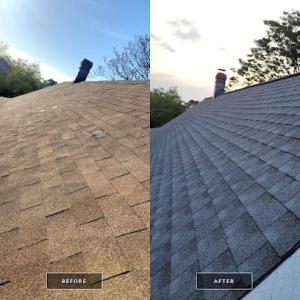
Villas Group Roofing
(732) 857-1687 villasgrouproofing.com
Serving
5.0 from 35 reviews
We are a family owned business offering our roofing, siding & gutter services through New Jersey & Pennsylvania. We value each community that we service & take pride in providing top-notch service in each interaction and project. When you choose Villas Group Roofing you are receiving a personalized experience with a dedicated team. We focus on our core values of Excellence, Trust & Honesty starting from the nucleus of our business and encompassing everywhere we go! We are fully licensed, bonded & insured to provide you with added protection & peace of mind.
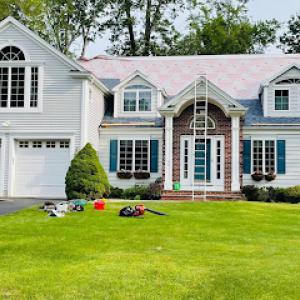
Erick home improvement
(908) 583-4298 erickhomeimprovementcorp.com
Serving
4.9 from 34 reviews
Roof deck
Elite Roofing & Restoration
(908) 338-0782 njtrustedroofers.com
Serving
4.9 from 172 reviews
Elite Roofing Solutions is all about peace of mind, we specialize in roofing replacements, siding, windows, doors, decks and gutters. The quality of our workmanship is superior and our customer service is outstanding, this way we can guarantee peace of mind through out your entire project and for years to come.
Seamless Gutters / Roofing Calco
Serving
5.0 from 27 reviews
We specialize in high-quality roofing and seamless gutter solutions for both residential and commercial properties. With years of experience and a reputation for excellence, our licensed and insured team is committed to protecting your home with expert craftsmanship and durable materials. Whether you need a full roof replacement, minor repairs, or custom seamless gutters that perfectly match your home’s exterior, we deliver dependable service with honest pricing and clear communication. We work with asphalt shingles, metal roofing, flat roofs, and more—always focusing on long-term performance and curb appeal. ✅ Free Estimates ✅ Storm Damage & Insurance Claims Assistance ✅ Seamless Aluminum & Copper Gutters ✅ Local, Family-Owned Business
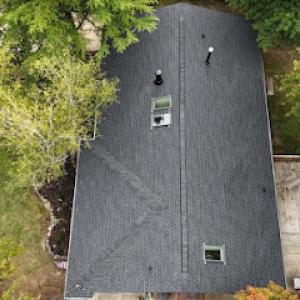
US Roofing Siding
(732) 772-5956 usroofingsidinginc.com
Serving
5.0 from 69 reviews
At US Roofing & Siding, we proudly serve Matawan, NJ, and the surrounding areas as a trusted roofing contractor and siding contractor. Our skilled team specializes in delivering high-quality roofing, siding, and gutter solutions tailored to protect and enhance your home. Whether you need a reliable roofer for repairs or a complete exterior upgrade, we are committed to providing exceptional craftsmanship and service. Trust US Roofing & Siding to safeguard your property with durable, lasting results you can count on.
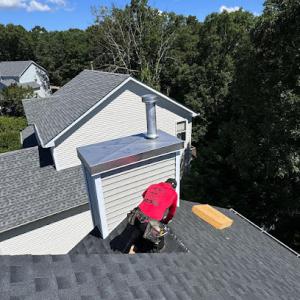
L&B General Contractor
(973) 866-7190 www.landbgeneralcontractor.com
Serving
5.0 from 36 reviews
License number: 13VH12305300 L&B General Contractor was built with the commitment to ensure cost-effectiveness and high-quality in every home improvement project we are hired to work on for the community of Orange, NJ and the surrounding areas. Our company was founded under the great values of: • Professionalism • Commitment • Diligence • Cost-Effectiveness Contact our team today and get a free estimate for any of the services that we offer. We are more than ready to start working on your projects, our goal is to exceed your expectations and always provide you with the best quality. Contact our professional and reliable company today to save time and money on your upcoming home improvement project!

WeatherSeal Roofing & Gutters
(732) 576-3899 weathersealnj.com
Serving
5.0 from 324 reviews
At WeatherSeal Roofing we pride ourself in providing outstanding customer service with unbeatable quality. Whether you are replacing an existing roof or gutter system, or installing on a new building, we always offer FREE inspections and estimates on all our services. We will always stand behind our products and do anything it takes to achieve 100% customer satisfaction!
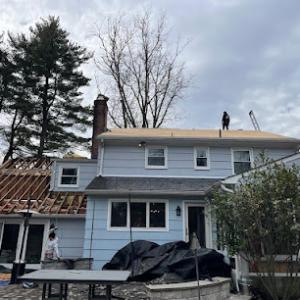
RD Roof repair & Replacement
(732) 242-1530 rdroofrepairandreplacement.us
Serving
5.0 from 29 reviews
Our goal at RD Roof Repair and Replacement is to transform New Jersey houses into dream homes. With an emphasis on roof repair, roof inspection, roof replacement, and roof installation, our team of experts brings unparalleled expertise and dedication to every project. We prioritize quality, reliability, and customer satisfaction from start to finish, ensuring that every renovation goes above and beyond.

A1 Dependable NJ Roofing Chimney Gutter Masonry
(201) 290-2289 a1dependablenj.com
Serving
4.9 from 75 reviews
With nearly three decades of dedicated service since 1996, A1 Dependable NJ Roofing Chimney Gutter Masonry stands as a cornerstone of reliability. They are a premier contractor in Metuchen, specializing in a full spectrum of exterior home solutions. Their experienced team provides expert craftsmanship in roofing, chimney, masonry, and gutter services. From meticulous repairs to complete installations, A1 Dependable ensures the structural integrity and aesthetic appeal of your home with a steadfast commitment to quality.
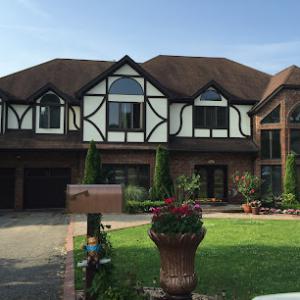
Joseph S Galante & Son Contracting
(917) 613-6351 www.statenislandcontractor.com
Serving
4.8 from 52 reviews
At Joseph D. Galante & Son Contracting, we offer a full range of contracting services tailored to meet the unique needs of our clients. No matter the size or complexity of your project, we have the expertise to deliver exceptional results. Our services include: Kitchen Renovations, Bathroom Remodeling, Roofing, Siding and Exterior Work. Baseme
Revive Home Remodeling Group
(908) 844-8447 www.revivehrg.com
Serving
5.0 from 66 reviews
We’re more than just a home improvement company, we’re a team of passionate experts dedicated to transforming your vision into reality. Founded by industry veterans who witnessed the shortcomings of both small, unreliable companies and large, impersonal powerhouses, we knew there had to be a better way. Our mission is to bridge the gap, offering you the best of both worlds: the personalized service of a small business with the expertise and reliability of a large firm.
Bayshore Roofing
(732) 853-5153 bayshoreroofing-llc.com
Serving
5.0 from 58 reviews
Bayshore Roofing has been delivering trusted roofing services since 1987, helping homeowners and businesses protect their properties with quality workmanship. Specializing in residential roofing, commercial roofing, roof repair, leak repair, flat roof installation, roof replacement, shingle repair, and flat roof repair, the team focuses on durable materials and proven installation methods. With decades of hands-on experience, Bayshore Roofing is known for reliable service, clear communication, and long-lasting roofing solutions designed to withstand harsh weather and everyday wear.
A building permit is typically required for a full re-roof, and homeowners should expect to submit roofing plans and material specifications to the South Amboy Building Department. Start with a clear project scope that lists the chosen roofing system, underlayment type, ventilation details, and any attic renovations that impact airflow. Because this coastal area endures salt-laced air, near-constant exposure to nor'easters, and freeze-thaw cycles, the department often looks closely at how the system will manage moisture intrusion and wind uplift. Gather product data from the manufacturer or roofing contractor, including installation criteria for fasteners, flashing, and drip edge, so the submission demonstrates a complete, code-compliant approach. Expect the plan review to verify not only the finished look but the structural and weather-resistance features that matter for South Amboy's climate.
Inspections in this city are conducted during and after construction, with attention to proper installation, underlayment, and ventilation rather than just the finished surface. A typical sequence includes an initial inspection after roof deck placement and underlayment, another during shingle or tile installation, and a final walk-through that confirms eave ventilation, ridge venting, and attic baffle placement are aligned with code and best practices for coastal wear. If a non-standard roof shape, flat sections, or skylights are involved, expect additional checks to ensure waterproof transitions and proper drainage align with the local wind, salt exposure, and freeze-thaw demands. Communication with the inspector can help catch issues early, particularly around ventilation intakes and exhausts that affect attic temps and moisture levels.
Minor corrections or re-inspections may be required before final approval, so project timelines in this city should account for municipal review and punch-list work. Typical punch-list items involve resealing flashing seams, correcting underlayment overlaps, or adjusting ventilation to satisfy airflow calculations. Plan for potential re-inspection of completed penetrations around vents, chimneys, and skylines to ensure caulking and sealants meet coastal exposure standards. Keep a clear record of all changes requested by inspectors, and verify that any required documentation-shop drawings, wind-resistance ratings, and warranty paperwork-are updated and re-submitted as needed.
South Amboy's coastal exposure and storm activity create a higher wind and hail claim environment, so insurers may look closely at roof age, prior repairs, and storm-related damage history. The salt air accelerates wear on flashing, fasteners, and sealants, while Nor'easters and freeze-thaw cycles stress components differently than inland roofs. Expect more scrutinizing reviews after a storm, especially for older homes or those with mixed-material roofs.
Carriers may scrutinize wind-mmitigation features and installation details more carefully in coastal-zone properties, making documentation especially important for South Amboy homeowners. Gather and preserve original installation notes, product data sheets, and any warranty documents. Keep an up-to-date folder with receipts for repairs, photos from multiple angles after storms, and a simple log of any observed damage or resealing work. Clear records help explain weather-driven changes versus preexisting conditions when a claim is filed.
Roof photos, material specifications, and installation records can influence claim handling and coverage decisions here, particularly for older roofs or homes with prior storm damage. Take high-resolution images of the entire roof, gutters, flashing, and vents after a severe event, plus any interior signs of water intrusion. Note early a few key details: shingle or tile type, underlayment, fastener method, and any known repairs. Store these with the date of the storm and the visible condition to support a straightforward claim review.
After a coastal storm, contact the insurer promptly with a concise damage report and your organized file. If contractors advise temporary protection, document the measures taken and keep receipts. Work with a local roofer who understands coastal salt exposure and can provide a detailed repair plan that addresses both cosmetic and structure-driven wear. A well-documented history reduces back-and-forth during claim handling and helps secure appropriate coverage decisions.
Connect with contractors who help homeowners navigate the claims process from damage assessment to final approval.

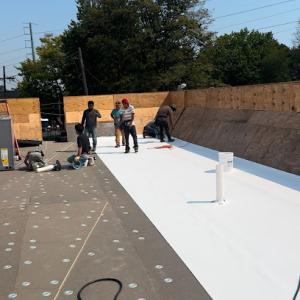
The contractor signal mix shows meaningful local demand for flat-roof work, fitting the mixed residential and commercial building stock around South Amboy. Flat roofs in older homes and small commercial properties often shoulder salt spray, wind-driven rain, and freeze-thaw cycles. Expect more frequent wear around roof edges, penetrations, and transitions from flat to pitched sections. A practical priority is identifying worn membrane seams, deck cracks, and blocky drainage issues before they create inland leaks during coastal storms.
Skylights are a common specialty in this market, suggesting leak issues at roof penetrations are a recurring homeowner concern locally. Check flashing around skylights for micro-cracks, loose fasteners, and insufficient sealant. In wind-driven rain events, even small gaps can channel water inward. When inspecting, verify that curb or curb-flashings are tight, that boot surrounds are intact, and that the glass or acrylic units show no bowing or condensation between panes. Regular resealing of joints and maintaining proper slope to drain away from the glass reduces seepage risk.
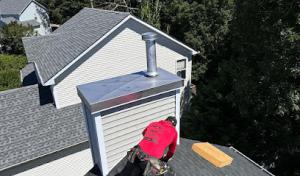
Chimney-related work is also prevalent among local contractors, which matters because flashing transitions at chimneys and skylights are common leak points during wind-driven coastal rain. Examine chimney base flashing for lifted metal, deteriorated mortar joints, and bad step flashing where the chase meets the roof. Ensure that any skylight-to-chimney transitions have coordinated flashing with overlapping seams and proper sealant. After storms, inspect the roof around chimneys and skylights for damp spots, soft decking, or unusual staining that signals hidden leaks. Regular maintenance focuses on keeping transitions solid and watertight.
Find specialists in TPO, EPDM, and built-up flat roofing systems for residential and commercial properties.
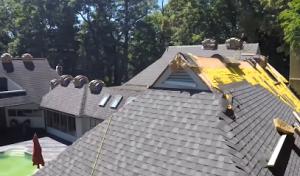
The local market is heavily oriented toward re-roofing and quick-response service, so homeowners should expect many contractors to emphasize replacement speed after storms. That emphasis can come at the expense of thorough inspection and proper fastening on older homes with mixed stock in this waterfront area. When a crew pitches a rapid teardown and swap, ask for a written plan that details safety checks, ventilation, and attic condensation control. In a place where salt air accelerates wear, a hurried process often misses subtle leaks or deck rot that only show up after several months.
Cleanup is a major local hiring signal, indicating real value placed on debris handling and jobsite control during residential roof replacements. See how the crew handles nails, shingle scraps, and disposal bins, and whether tarps and containment are used to protect landscaping and driveways. A contractor that prioritizes cleanup usually maintains a tighter schedule of daily progress and leaves less opportunity for nail injuries or driveway damage. If the crew arrives with a dedicated cleanup crew and on-site waste containment, that speaks to a higher standard of operation.
A meaningful share of contractors market themselves as long-established or manufacturer-certified, which is especially relevant in a city where insurance scrutiny and inspections can make documentation and installation quality more consequential. Seek explicit details on corrosion-resistant fasteners, underlayment choices, and drip edge installation. Ask for a written warranty that covers both materials and workmanship, and verify who will stand behind it years later when salt air challenges the roof's longevity.